

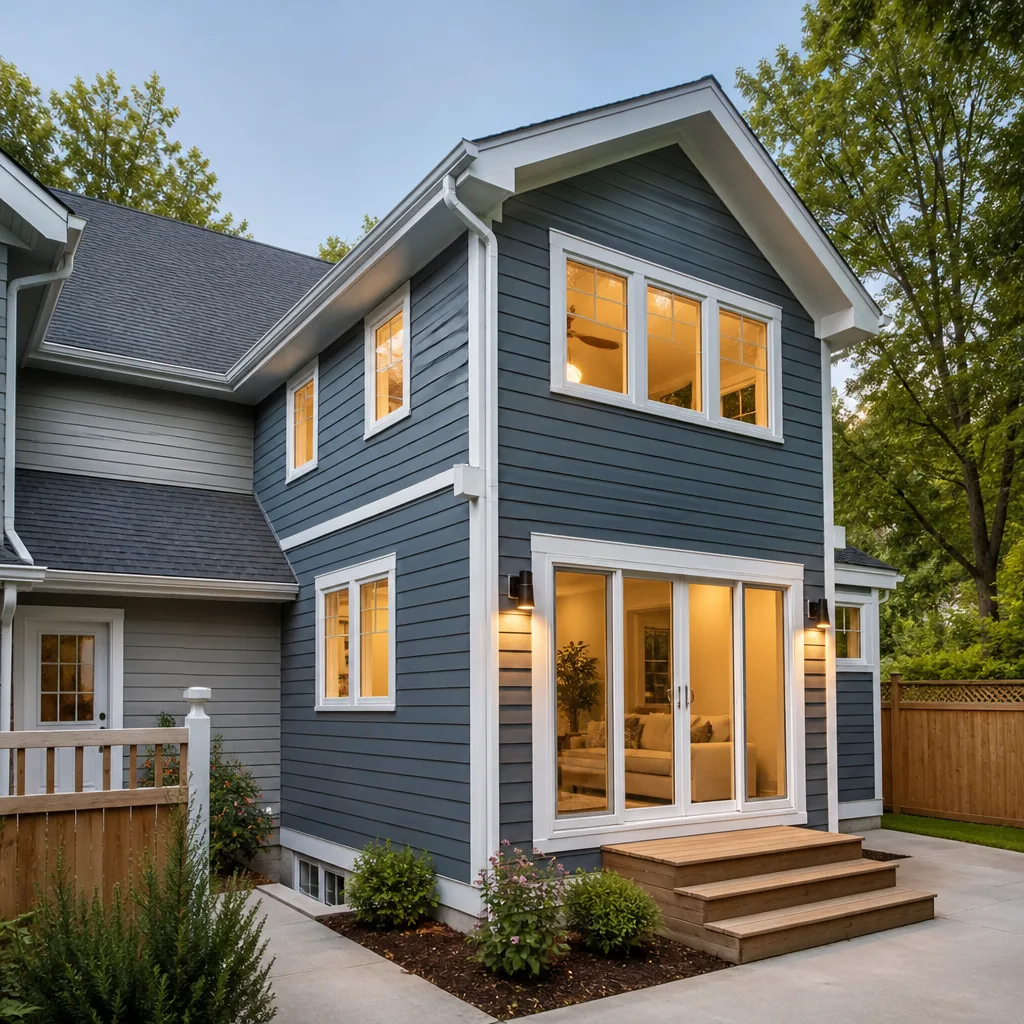
 Home additions & ADU
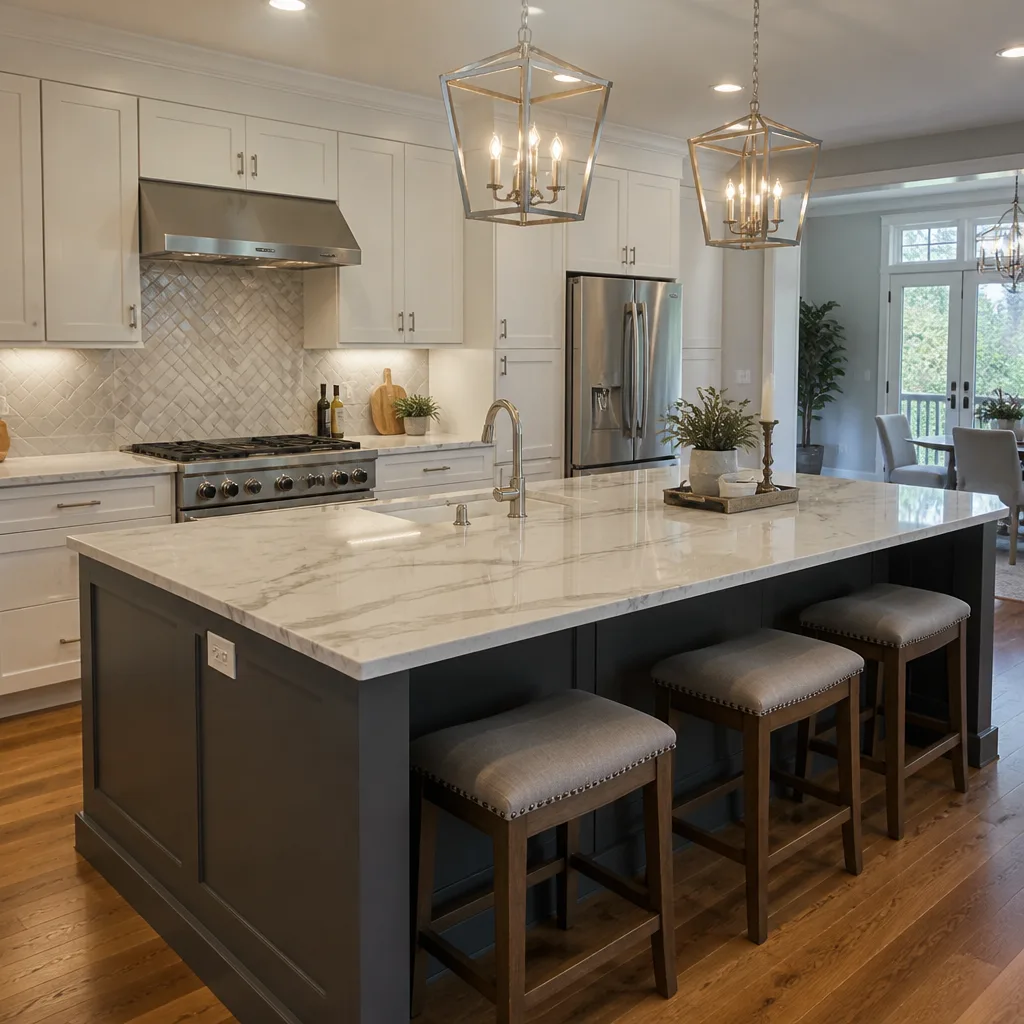 Kitchen remodeling
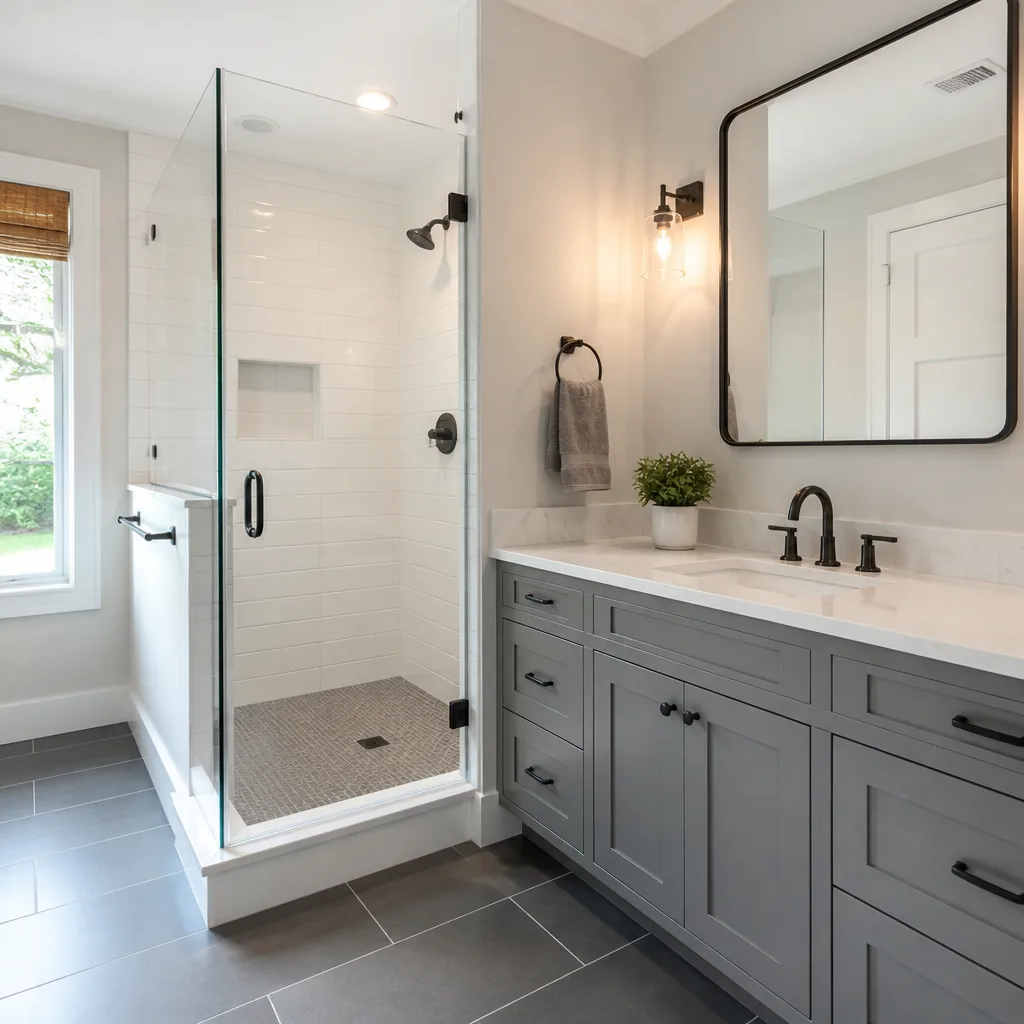 Bathroom remodeling
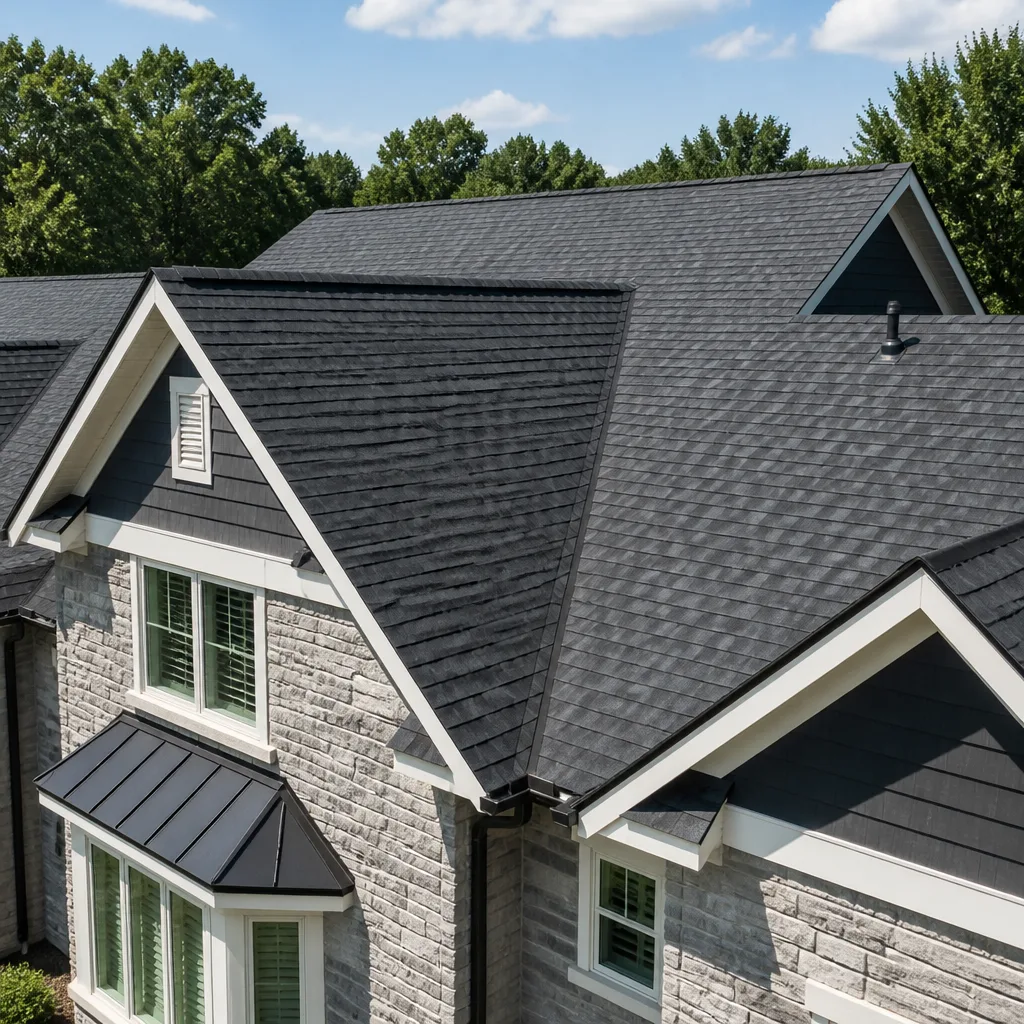 Roofing
 Windows & doors
 Driveway & pavers
 Fence
Free written scope consultation - allowances, timeline, and change-order rules on paper before a single trade is scheduled
Boxabl Home Additions & ADU: The Arlington Owner’s Guide
We install Boxabl-compatible home additions and ADU work in Arlington, and a full addition typically lands between $45,000 and $130,000 installed depending on size, foundation, and finish level. ADU builds run $90,000 to $220,000, and garage conversions sit at $30,000 to $80,000. We’re an independent contractor and not affiliated with Boxabl.
Most owners don’t land here because a single bolt snapped. They land here after a walk-through turns up soft subfloor near a wet wall, a seam that’s opened up between modules, or a panel that’s been racking since the last big rain. Boxabl units are engineered to travel and set fast, and that same engineering means the connection points, the roof-to-wall interface, and the foundation ties are where the trouble usually starts in Arlington’s clay soils and summer heat. We’ll look at the whole picture, not just the one part that got your attention.
Which Boxabl Models This Applies To
Boxabl has shipped its Casita through several revisions, and the foundation interface, tie-down points, and utility stub-outs have changed between production runs. Before we quote any addition or ADU scope, we pull the data plate on the unit, measure the actual footprint, and match it to the engineered drawings. A Casita from an early run and a newer one from a later run don’t always share the same anchor spacing or panel profiles, and guessing gets expensive fast.
For additions and ADU work specifically, the OEM-versus-aftermarket question comes down to structural tie hardware and weather-sealing components. OEM anchor kits and the proprietary flashing pieces are worth the money because they’re engineered to the unit’s tested load path. Finish items like trim, interior doors, and cabinetry faces can come from quality aftermarket lines without any structural compromise. If you’re adding onto the unit, we’ll also bring in KraftMaid, Cambria, and Silestone where the finish package calls for them.
Here’s the compatibility gotcha most people miss: the module-to-foundation connection is not a universal part. The thread pitch, anchor embedment, and stainless spec are matched to the specific production series. Swap in a hardware-store anchor because it “looks the same,” and you’ve got a tie-down that won’t pass inspection and won’t hold in a wind event.
Styles & brands we work with
- Kitchen remodeling
- Bathroom remodeling
- Home additions & ADU
- Roofing
- Windows & doors
- Driveway & pavers
- Fence
Signs Your Boxabl Home Additions & ADU Is Failing
These are the symptoms that bring Arlington owners to the phone. Each one points back to a specific cause worth inspecting.
- Hairline cracks that widen along seams between modules. This usually means the tie between modules has shifted, often from foundation movement in expansive clay soil. It’s a structural signal, not a cosmetic one.
- Water staining at the roof-to-wall junction. The flashing detail at that junction is a known weak point, and Arlington’s spring storms push water sideways into it. Left alone, it rots the decking underneath.
- Doors and windows sticking or racking. When the unit flexes on an underbuilt or shifting foundation, the framing moves and openings go out of square. It’s often the first hint of a foundation problem, not a door problem.
- Musty smell or soft spots near wet walls. A slow supply or drain leak behind the paneling hides for months. The subfloor absorbs it, and by the time you smell it, you’re into a floor repair, not a plumbing fix.
- Exterior panel gaps at the utility penetrations. The grommets and seals around the water, sewer, and electrical stubs degrade in UV and heat. When they fail, water follows the penetration back into the wall cavity.
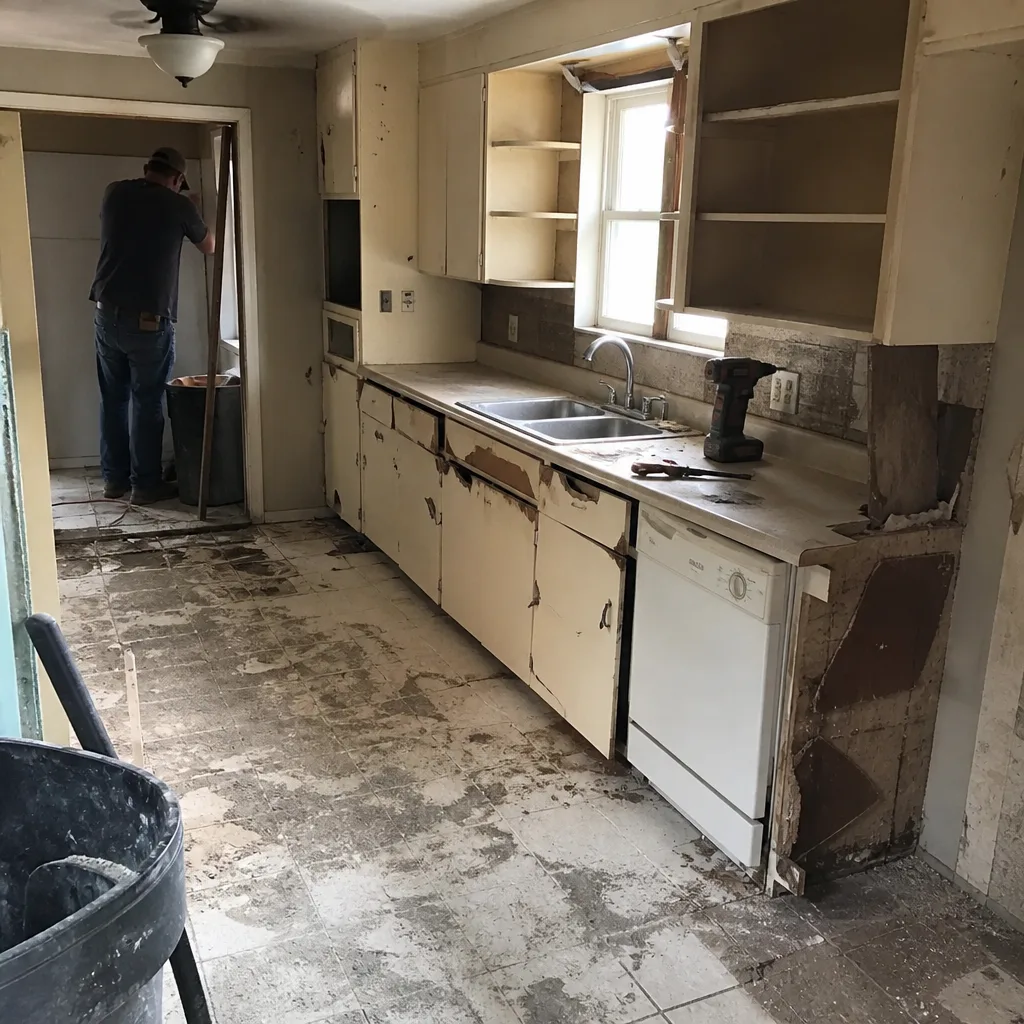
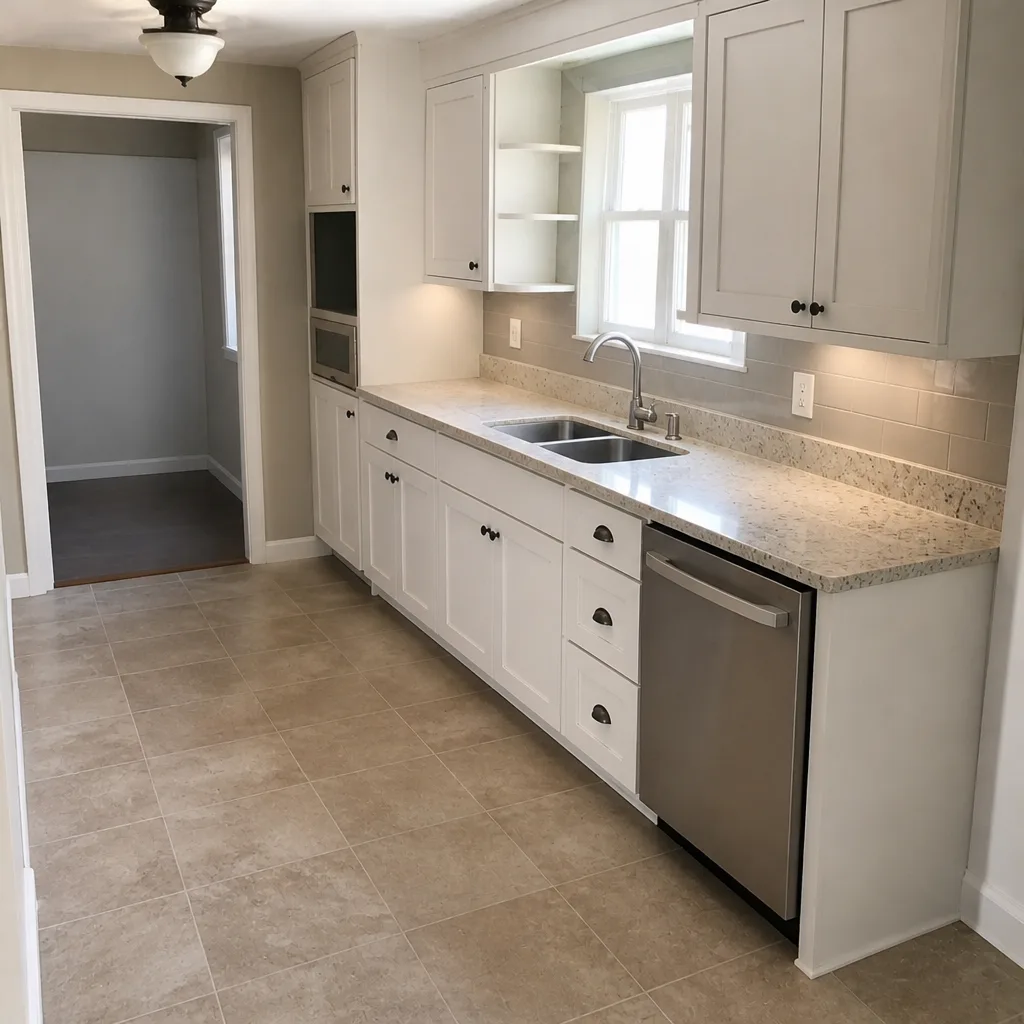
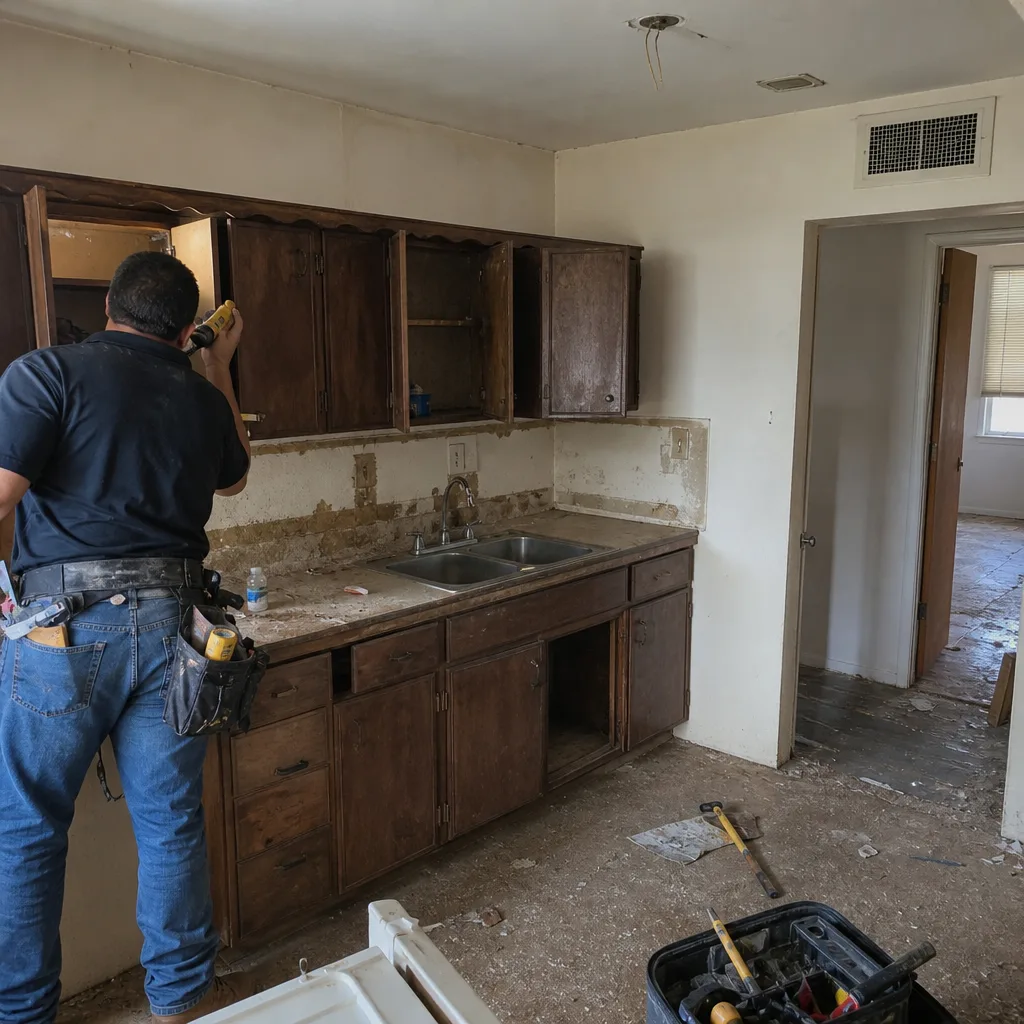
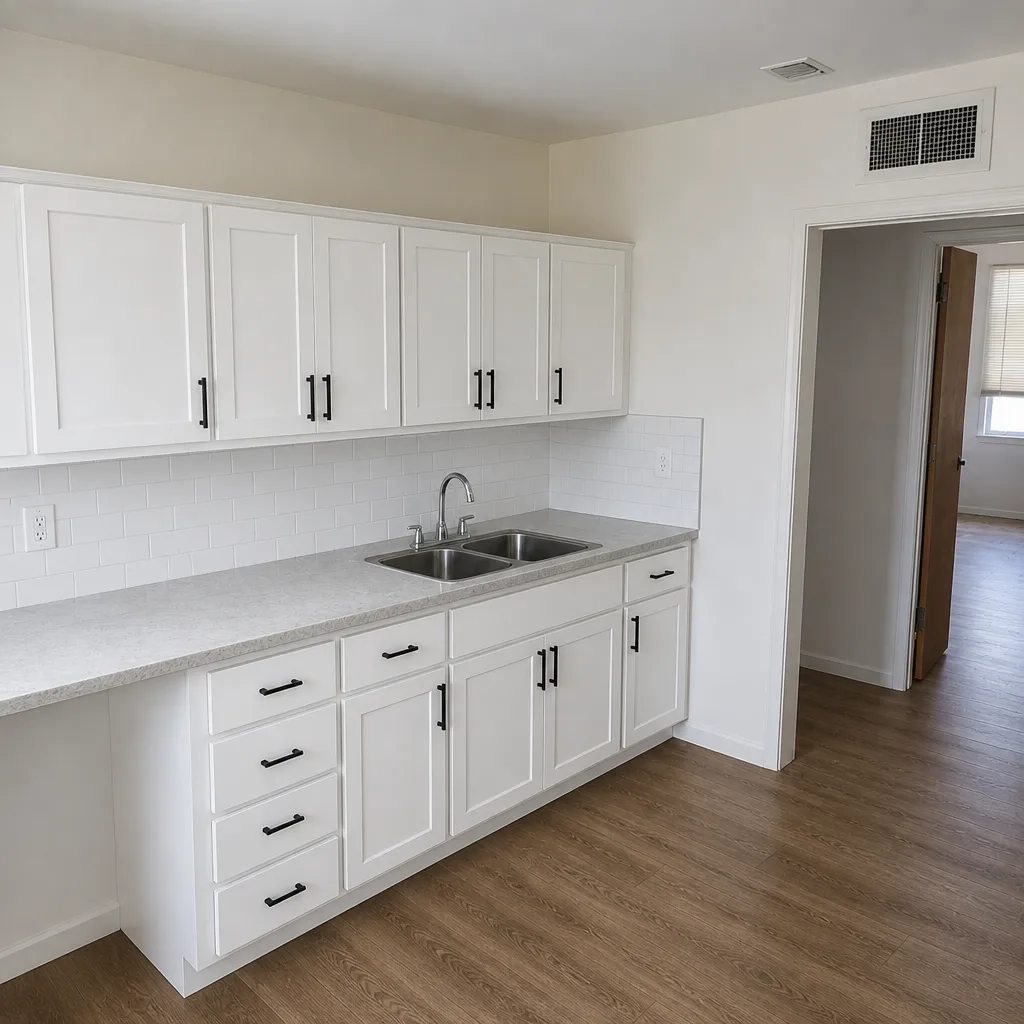
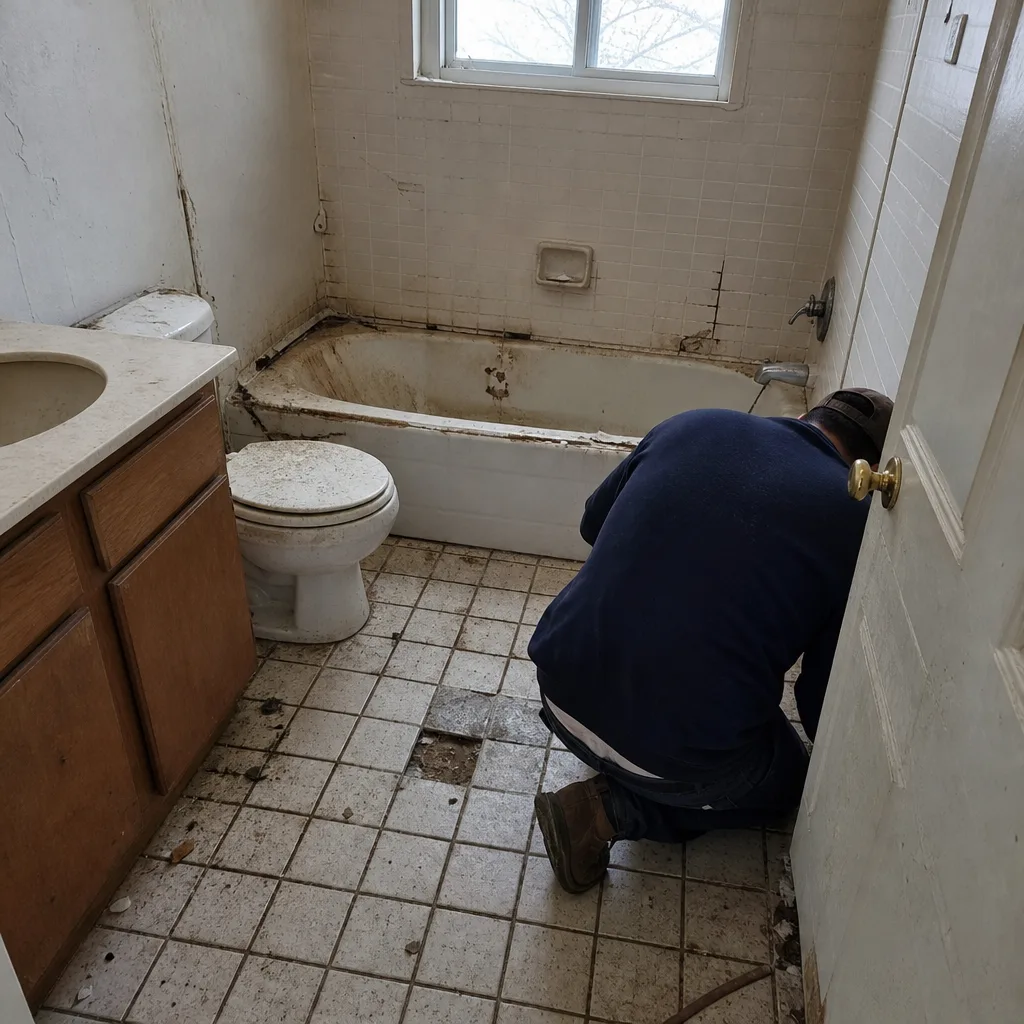
See the difference
 Before
 After
 Before
 After
 Before
 After
Replacement Cost & What’s Included
For a Boxabl addition in Arlington, the installed price range is $45,000 to $130,000, and the number moves with three things: the footprint you’re adding, the foundation work required, and the finish level you choose. An ADU build runs $90,000 to $220,000, and converting an existing garage to living space runs $30,000 to $80,000.
We quote parts and labor separately and in writing so you can see exactly what the tie hardware, flashing kit, or finish components cost versus the crew time. Nothing gets added to the bill without a written change order in your hand before the work moves.
Every eligible job has permits pulled and inspections signed. The finished work is backed by the 90-Day Done Right Promise, written on the contract. If something’s not right, one call brings us back.
DIY or Call Us?
You can safely check a few things on your own: look for water staining at the roof seam, test doors and windows for sticking, and watch for cracks that grow. Take dated photos and keep a record. That’s useful information and it costs nothing.
What you shouldn’t do yourself is chase a structural tie-down, re-flash a roof-to-wall junction, or open up a wet wall to find a leak. A failed foundation tie or a bad flashing job puts the whole unit at risk, and structural work on a manufactured home also has to meet code and pass inspection. That’s not a place to learn on your own unit.
Call us at (888) 590-9867. We’ll take a look, tell you honestly whether it’s a repair or a bigger job, and put the scope in writing before anything starts. A free second opinion on any written estimate you already have is standing policy.
FAQs
With proper foundation support and maintained flashing, a well-built addition should hold for decades. The variable in Arlington is the clay soil, which swells and shrinks with every wet-dry cycle and stresses the foundation interface. That’s why foundation and tie inspection matters more here than in more stable ground.
Often yes. Seam cracks, flashing failures, and anchor issues can frequently be repaired rather than rebuilt, and that’s what we’d quote first. A full rebuild is only the answer when the foundation has moved enough that the framing is compromised. The only way to know is an inspection.
A focused repair like re-flashing or re-torquing ties can wrap in a few days. A full addition install depends on foundation work and finish scope, so we’ll give you a realistic timeline in the written estimate rather than guess on the phone.
We match the part to your unit’s production series using the data plate and measurements, then source OEM hardware for anything structural. For finish items we use quality aftermarket lines like KraftMaid, Cambria, and Silestone where they fit the package. We don’t claim to stock parts or carry them on a truck; we order to your unit’s spec.
Written by the team at Barrett & Sons Construction Arlington, serving Arlington and nearby areas.