
Last updated November 16, 2026
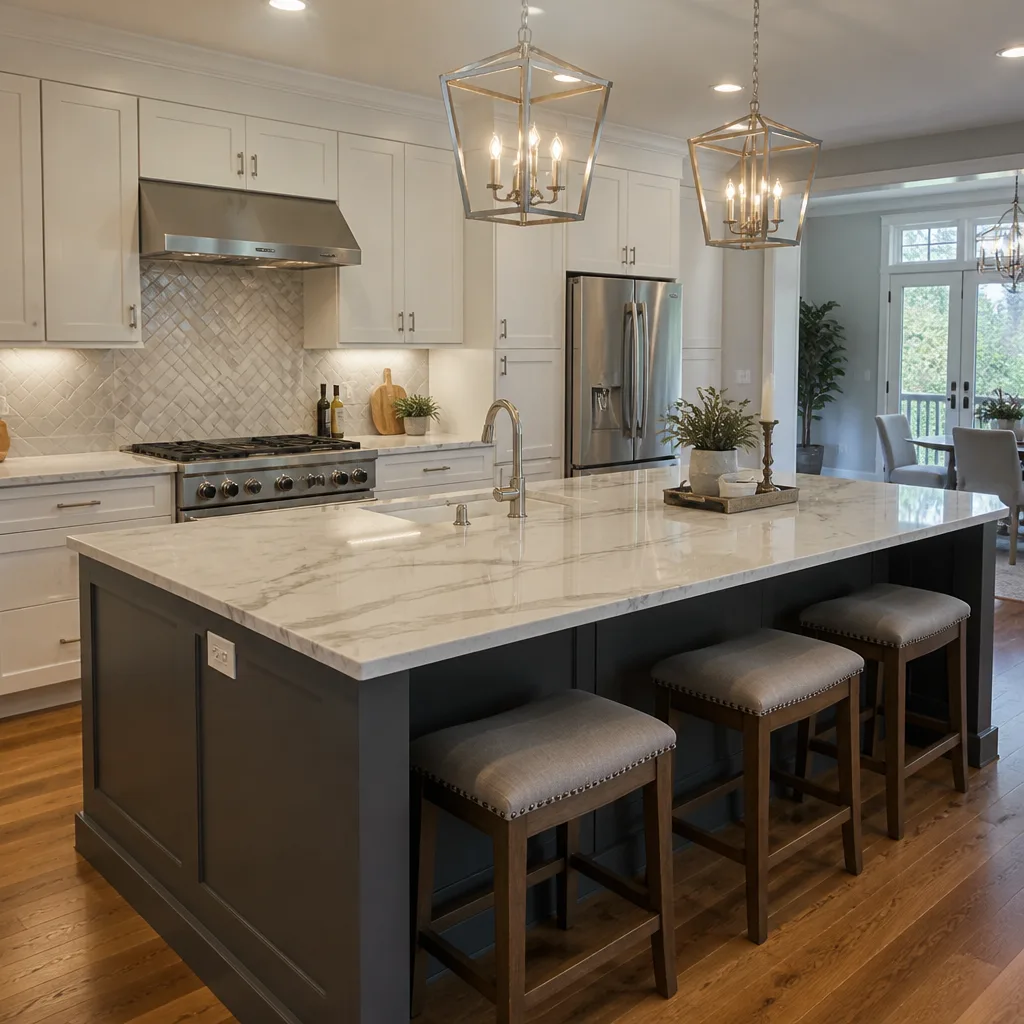 Kitchen remodeling
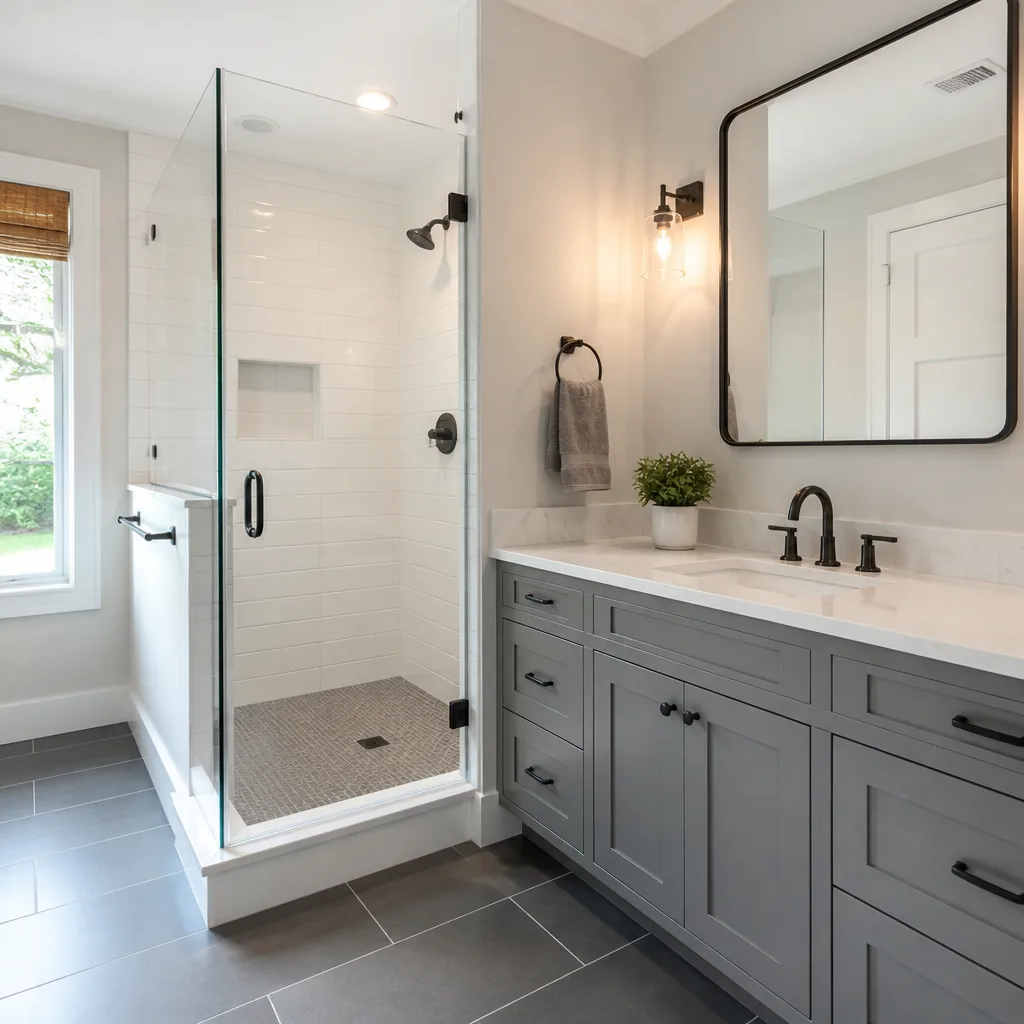 Bathroom remodeling
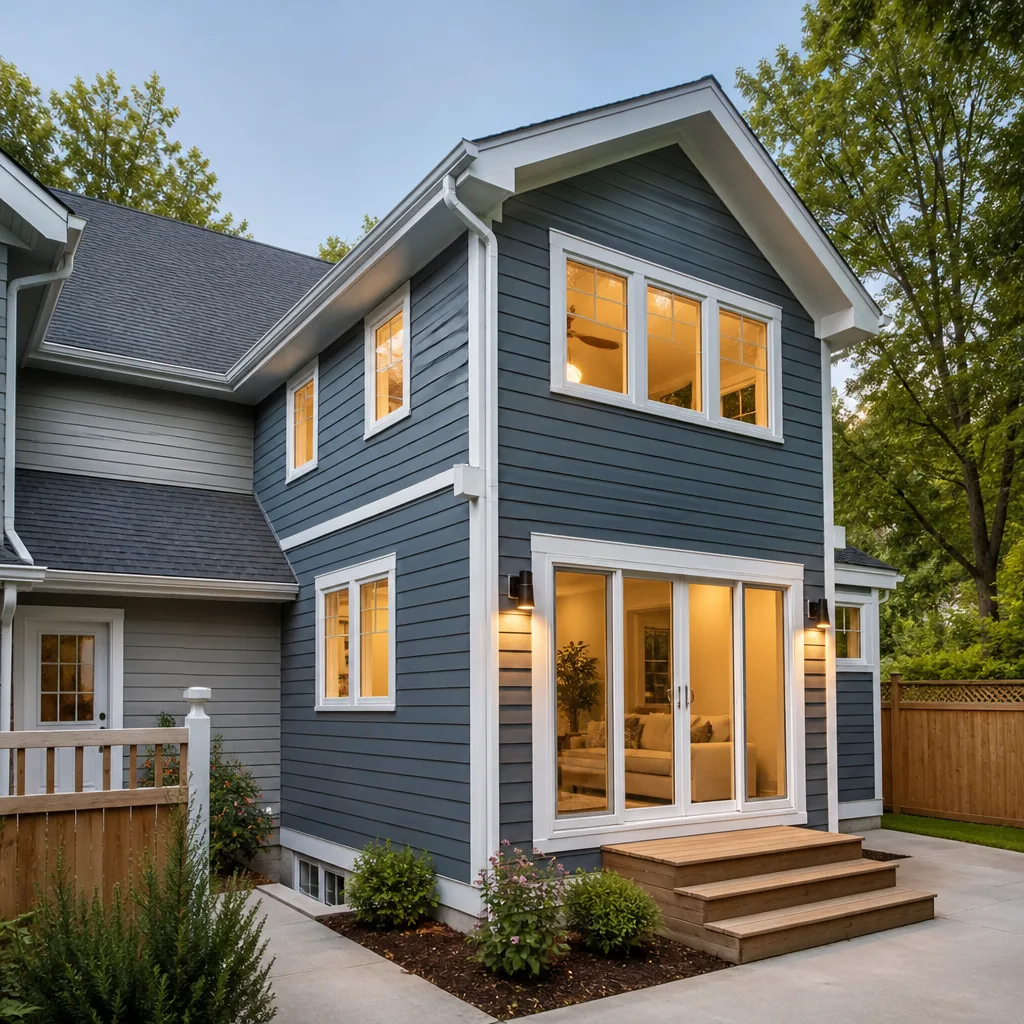 Home additions & ADU
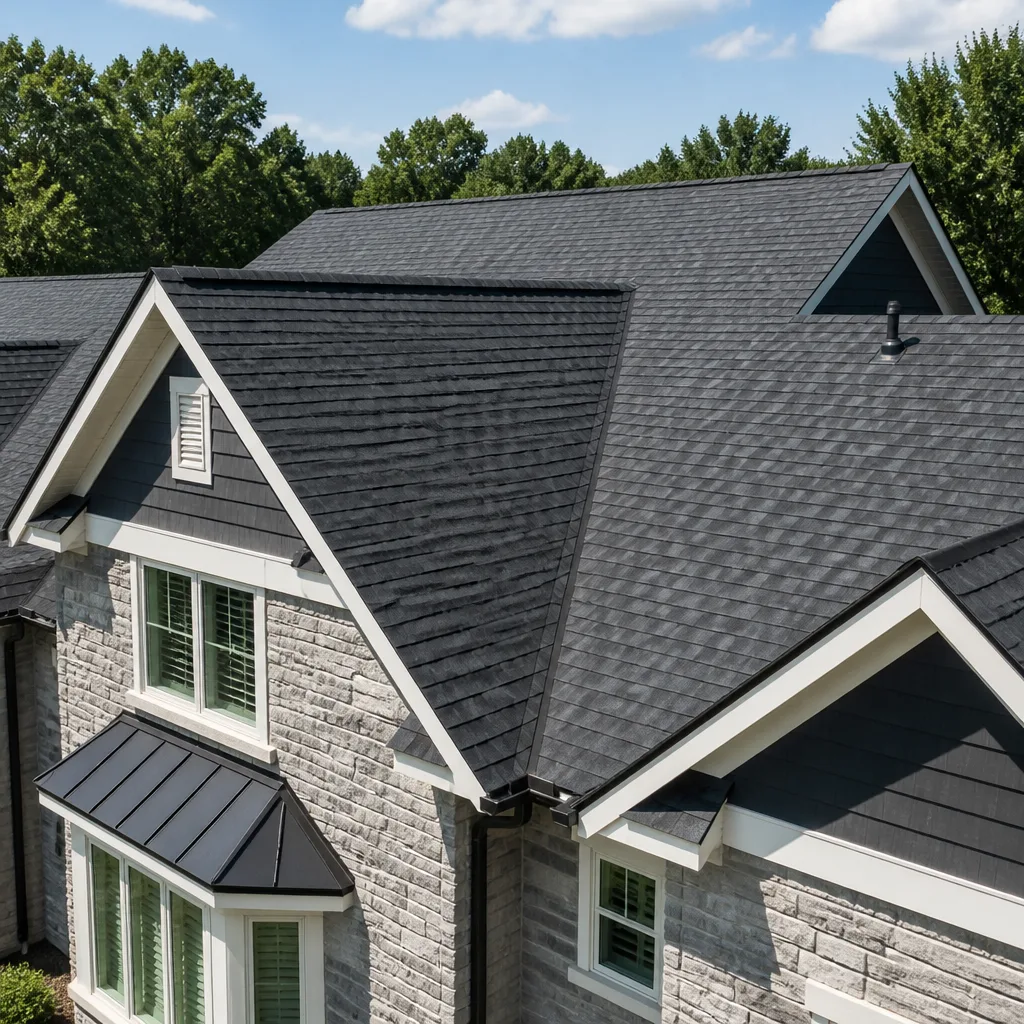 Roofing
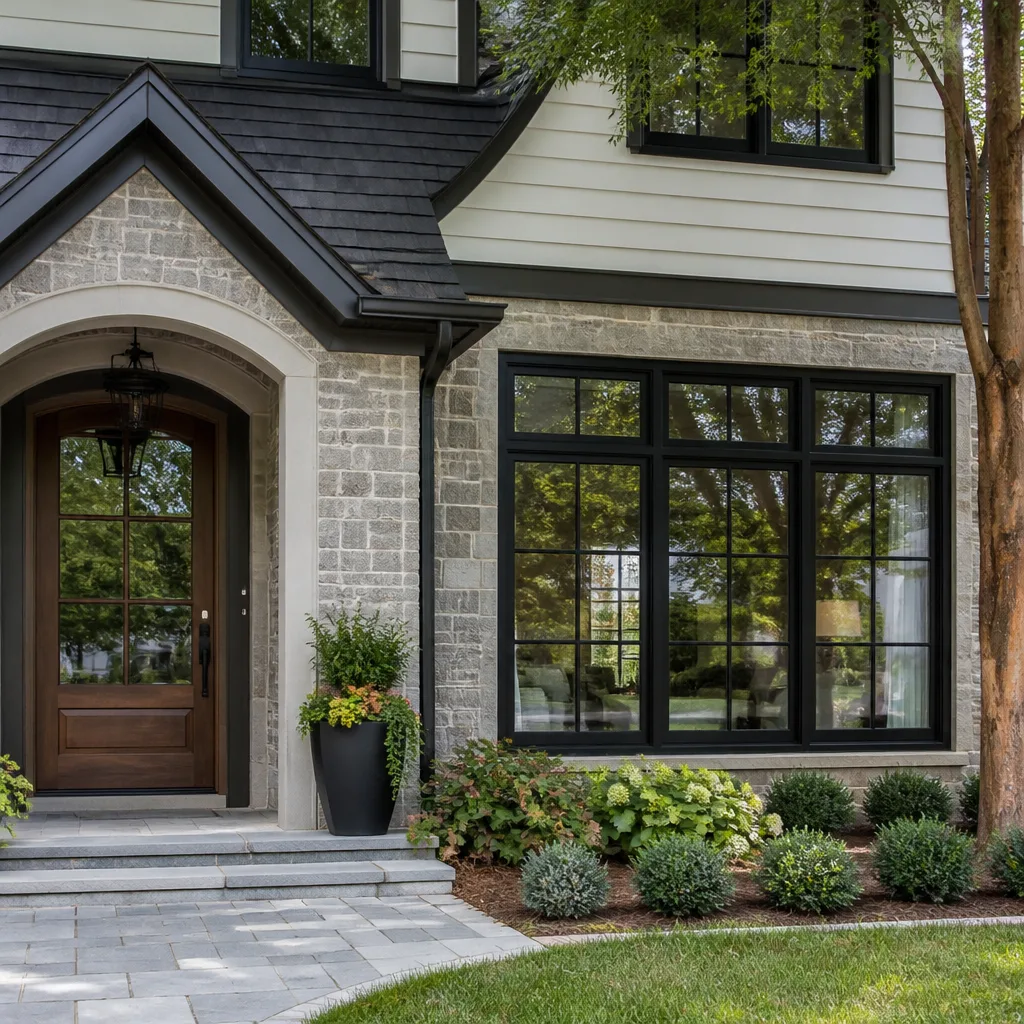 Windows & doors
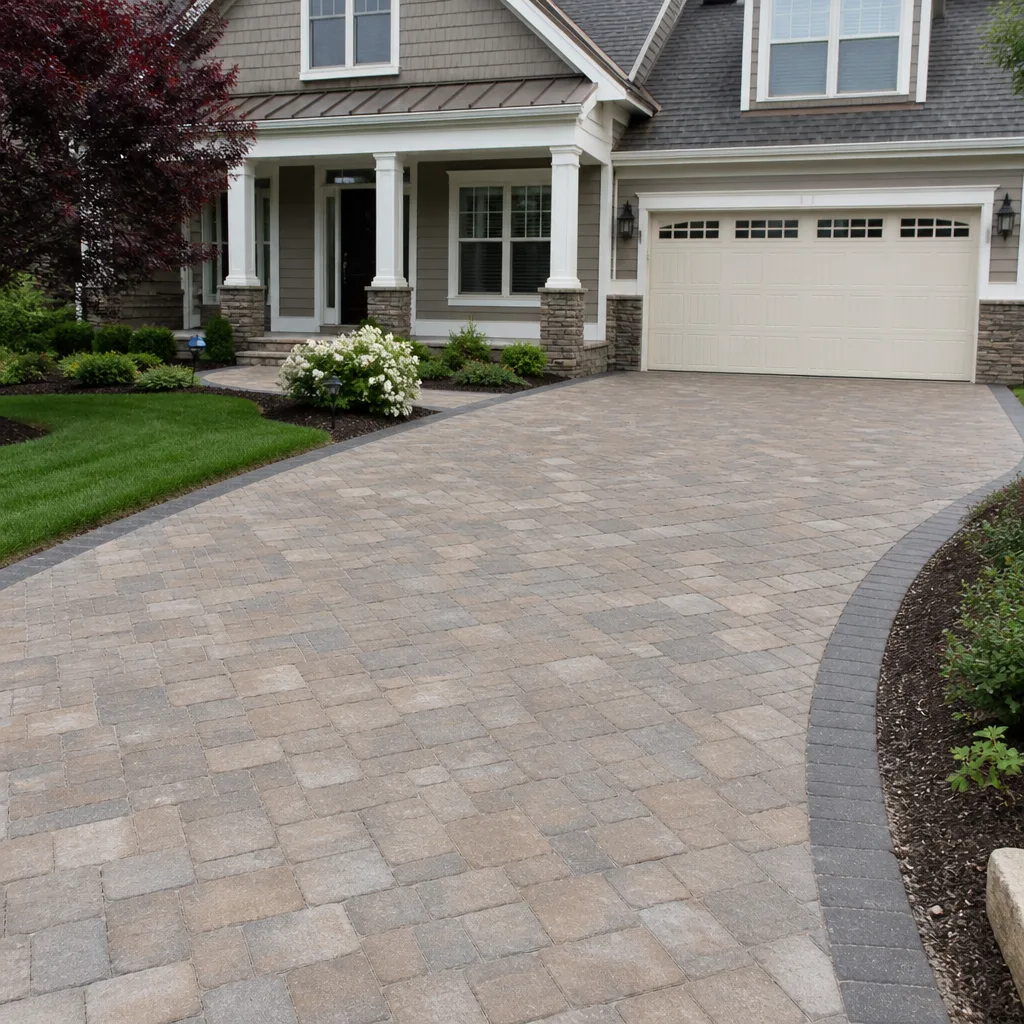 Driveway & pavers
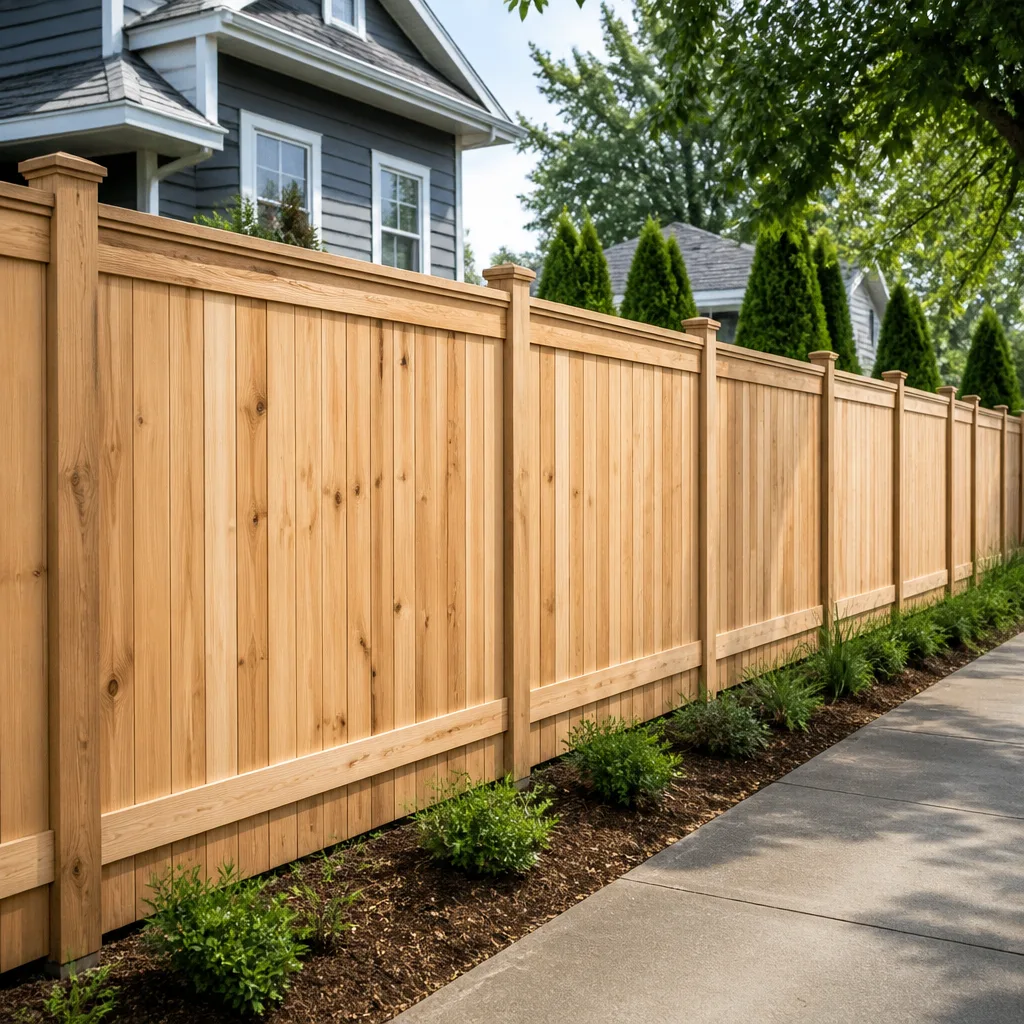 Fence
Free written scope consultation - allowances, timeline, and change-order rules on paper before a single trade is scheduled
Choosing the Right Construction Brand: A Buyer’s Guide for Arlington
A contractor can truthfully tell you he installs Behr paint, Hardie siding, or Trex decking and still put the entry-level version of that product on your house. Same logo on the bucket. Same name on the estimate. Almost nothing else in common with the premium line you thought you were buying. That gap is where budgets get quietly spent twice. This guide shows you how to read a spec sheet instead of a brand name, how product tiers change real lifespan, and how to ask for the exact line item before you sign anything in Arlington.
Quick Answer
Brand names matter less than the product line inside the brand. The same manufacturer often sells a builder-grade tier, a mid-range tier, and a premium tier under one logo, and the lifespan difference between the cheapest and best runs 10 to 15 years on roofs, windows, and exterior materials. Ask your contractor to spec by exact series or model name, in writing, on the estimate, not just the brand.
Styles & brands we work with
- Kitchen remodeling
- Bathroom remodeling
- Home additions & ADU
- Roofing
- Windows & doors
- Driveway & pavers
- Fence
Table of Contents
- Why Brand Names Hide Tiered Product Lines
- How to Ask a Contractor to Spec by Product Line
- Where Tiers Matter (and Where Mid-Range Is Fine)
- What “Lifetime Warranty” Actually Means by Tier
- What Arlington Climate and Code Demand From Materials
- The Brands We Carry by Trade, and Why
- What a Resistant Contractor Is Telling You
Why Brand Names Hide Tiered Product Lines
Walk into any supply house in Arlington and you’ll see the same manufacturer name on three different boxes at three different prices. The brand is the promise. The tier is the reality.
Take roofing. A manufacturer that sells a 30-year architectural shingle also sells a heavier, better-rated line with a longer warranty and stronger wind uplift. Both carry the brand. One will hold up through a North Texas hail season better than the other, and the price difference on a standard Arlington roof is often a few hundred dollars up-charge that buys years of life. The brand name on the estimate tells you nothing about which one got ordered.
The same is true for windows. A window brand sold at a big-box store is frequently a thinner frame, a lower-performance glass package, and a shorter warranty than the same brand’s dealer-only line. A homeowner who reads “we install [brand] windows” and stops reading has no idea which one is arriving on the truck.
Here’s the mental model that matters:
- Brand = the manufacturer’s reputation and warranty infrastructure.
- Tier = the specific product line, series, or model within that brand.
- Spec = the exact name and number your contractor writes on the estimate.
The spec is the only one that legally tells you what you bought. Everything above it is marketing.
How to Ask a Contractor to Spec by Product Line
This is the single most useful skill in this guide. You don’t need to be an expert on materials to force a contractor to name the exact product line. You just need to ask the question in a way that makes “we use [brand]” an unacceptable answer.
Here’s how to do it in an Arlington estimate meeting:
- Ask for the series name, not the brand. If the answer is “we use GAF,” the follow-up is “which GAF line, and why that one over the one below it?” A contractor who knows his materials answers in ten seconds. One who doesn’t will change the subject.
- Ask for the model number in writing on the estimate. Not on a website, not on a brochure, on the actual line-item document you’ll sign.
- Ask what the next tier down costs and what you’d lose. If the contractor can’t articulate the difference between the tier he spec’d and the one below it, he probably didn’t choose it deliberately.
- Ask for the allowance line in writing. If the estimate says “tile allowance $X,” that’s the number your budget gets measured against. If it’s not written, it doesn’t exist, and the surprise will arrive with a date attached.
- Ask which lines are dealer-only versus big-box-store stock. This one question flushes out whether you’re getting the version the supply house pushes to hit a price, or the one the contractor chose deliberately.
The right kind of answer sounds like “we spec [series X] because of [wind rating, hail rating, glass package, decking thickness], and we’ll put the model number on the estimate.” The wrong answer sounds like “don’t worry, we use good stuff.”
For kitchen and bath work, this matters as much as it does on the exterior. A quartz countertop “allowance” can quietly become Silestone or Caesarstone at a specific price per square foot, or it can become whatever the fabricator has leftover. Ask which. Ask which color tier. Ask the slab price in writing. If you want to see how this plays out across a full kitchen scope, our Barrett & Sons Construction Arlington home page lays out how written allowances drive the whole job.
Where Tiers Matter (and Where Mid-Range Is Fine)
Not every category is worth fighting over. Some materials have genuine, measurable lifespan gaps across tiers. Others are close enough that the mid-range option is the smart buy and the premium tier is mostly a name.
Categories where tier matters a lot
- Roofing shingles. Architectural shingles vary in weight, wind rating, and warranty term. A heavier spec holds up better through Arlington hailstorms, and the price difference on a standard roof is modest compared to the cost of an early replacement.
- Windows and doors. Frame thickness, glass package (Low-E, argon fill), and warranty coverage differ sharply between a builder-grade line and a dealer line of the same brand. In our experience, this is the category where the cheapest tier disappoints first.
- Exterior siding and trim. Fiber cement boards are not all the same thickness, and the paint finish on the panel (factory-applied versus field-painted) changes how the siding ages by a decade.
- Hardscape pavers. Compressive strength, color-through thickness, and edge chipping vary by tier. A cheap paver in full Texas sun can fade or spall within a handful of summers.
- Plumbing fixtures and faucets. Kohler and Moen both make a contractor-grade line and a premium line. The cartridge inside the faucet is where the difference hides, and the cartridge is what fails first.
Categories where mid-range is genuinely fine
- Interior paint. Mid-range interior paint performs within a hair of the premium line for most residential work. Going up a tier buys durability, not a different job.
- Interior trim and baseboards. MDF and finger-jointed pine do the job for most trim. Premium materials buy longevity in high-moisture zones only.
- Drywall. Unless you’re hanging in a garage or a bathroom, standard drywall is standard drywall. Tier talk here is mostly noise.
- Basic hardware (hinges, pulls, fasteners). Buy the name brand for the ones your hands touch daily. Otherwise spec by function.
When we quote a kitchen in Arlington, we try to be honest about which line items are worth upgrading and which aren’t. Upgrading the countertop brand to Silestone is worth it in a rental property because it wears better and looks newer for longer. Upgrading the paint brand inside a single interior room usually isn’t. That kind of specific call is the whole point of the guide.
What “Lifetime Warranty” Actually Means by Tier
“Lifetime warranty” is one of the most misleading phrases in construction. It never means the product will last your lifetime. It almost always means the warranty lasts as long as the manufacturer says it does, and the coverage gets thinner every year.
Here’s how to actually read it:
- Whose lifetime? Product lifetime, original owner’s lifetime, or a defined number of years. If it doesn’t say, ask.
- What’s covered, and for how much? Many “lifetime” warranties are prorated, meaning the payout shrinks with age. Ten years in, the warranty may pay 30% of the original material cost, not 100%.
- Labor or material only? Most manufacturer warranties cover material only. The labor to tear off and replace a bad roof is often as much as the material, and it’s frequently excluded. That gap is why a written contractor warranty matters as much as a manufacturer’s.
- Transferability. Some warranties transfer to a new owner for a limited window after sale. Some don’t. If you might sell in the next decade, ask.
- Registration requirements. Many manufacturers require the homeowner or contractor to register the product within 30 or 60 days of install or the warranty drops to a shorter default term. If nobody files it, your premium-tier warranty becomes a mid-tier warranty without you knowing.
For roofing, a 50-year material warranty from a premium tier is real coverage, provided the installation is done to spec and the roof is properly ventilated. Install a premium shingle on an under-ventilated deck and the warranty can be voided by the manufacturer. For windows, the best warranties cover the sealed glass unit and the frame separately with different terms. For exterior siding and hardscape, the warranty is usually on the finish, not the structure, and it’s often shorter than the marketing implies.
This is the part of the brand conversation most homeowners miss entirely. The premium tier is only as good as the install behind it. A well-installed mid-tier shingle beats a premium shingle installed to a shortcut every summer in Arlington.
What Arlington Climate and Code Demand From Materials
Arlington has a specific combination of conditions that changes which product tier actually earns its price. If you buy construction materials anywhere else and move them here, the tier math shifts.
- Hail. Tarrant County sees significant hail from April through June most years. This is the single strongest argument for going up a tier on shingles and impact-rated windows. A heavier shingle with a strong impact rating saves you a replacement cycle within the first decade.
- July heat. Long stretches of 100-degree days stretch and fade cheap materials. Pavers with weak color-through, vinyl fencing with thin UV coatings, and low-grade exterior sealants all fail faster here than the manufacturer’s lab testing implies.
- Clay soil and slab movement. North Texas soil moves with moisture. Anything that attaches to the slab (driveways, pavers, fence posts, patio slabs) has to accommodate that. A cheap paver base or a thin concrete spec will crack within a couple of seasons. A properly prepared base with the right paver tier holds up.
- Winter freezes. February events in Arlington can still bring hard freezes. Exterior plumbing, hose bibs, and any exposed fixture need a frost-safe tier, not just a brand name on the box.
- Local code. Permits and inspections matter across Arlington, and the materials you spec have to pass code on the permit. Impact-rated windows in certain zones, proper flashing specs on roofs, and correct paver base depth are all inspected. A contractor who quotes you a job without a permit is telling you which tier of the code he’s willing to work to.
We’ve seen homeowners in Arlington pay the premium-tier price for a shingle and still end up replacing the roof in nine years because the ventilation wasn’t spec’d to match. The brand and tier were both correct. The install detail wasn’t. That’s the lesson: materials are only half the spec.
For exterior projects specifically, our pages on Driveway & Pavers in Arlington and Fence Installation in Arlington walk through how we spec materials against the local soil, sun, and hail demands.
The Brands We Carry by Trade, and Why
We get asked periodically why we spec the brands we do. The honest answer is: each one earned its slot over time, and each one is a rejection of whatever the supply house was pushing at that moment. Here’s the breakdown:
- Kitchens: KraftMaid cabinetry and Cambria quartz. KraftMaid because the drawer hardware, plywood boxes, and finish options hold up to daily kitchen use better than the builder-grade boxes we were being shown. Cambria because it’s a non-porous engineered stone with a warranty that doesn’t fall apart under a real claim. When we spec countertops, it’s as an allowance with a specific brand and slab tier written down, so you know what you’re getting.
- Bathroom fixtures: Kohler and Moen. Both companies have a contractor-grade line and a premium line, and we spec the premium line on anything that touches your hands daily. The cartridge inside a premium faucet is what separates a 15-year fixture from a 5-year one, and that’s the whole ballgame on a bathroom we don’t want to see again for a decade.
- Roofing: GAF and CertainTeed. Both have strong architectural shingle programs, both have impact-rated lines that hold up in Tarrant County hail, and both have manufacturer certification programs that mean the warranty actually does what it says. We spec the heavier architectural line for anything we expect to last.
- Windows: Andersen and Marvin. Both have a wide spread between builder-grade and dealer-only lines, and we spec the dealer lines because the frame thickness and glass packages are worth the price difference in Arlington heat. These are also the brands where the tier conversation matters most, and we’ll walk you through it on the estimate.
- Hardscape: Belgard and Techo-Bloc. Both have color-through pavers that hold their tone through Texas summers, and both have proper base specs that survive our clay soil. We’ve watched cheap pavers lose color inside three seasons. These don’t.
Notice what’s on that list and what isn’t. There’s no “whatever the supply house had in stock.” No mystery brand on the estimate with no name and no line. Every product on a Barrett & Sons job is a spec, in writing, that you can look up before the truck shows up. That’s a design choice, not a marketing one. If you want to see how we spec across a bigger project, our Home Additions & ADU in Arlington page walks through the material decisions on structure work specifically.
What a Resistant Contractor Is Telling You
When you ask a contractor to spec a product line in writing and he resists, the resistance is the information. Here are the patterns we hear from homeowners who have already been through it once:
- “We only spec the brand, the supply house picks the line.” Translation: he doesn’t want to be locked into a specific line because he’s shopping at the last minute. That’s fine for him and bad for you.
- “The brand’s the important part, they’re all the same underneath.” They aren’t. This is the single biggest lie of the tier question, and it’s usually repeated by someone who has never had to warranty a job.
- “We can’t put the model number in the estimate because we shop around.” That’s a real thing on some jobs, and the honest answer is an allowance written in dollars with a named tier. Any contractor who can’t do that is asking you to trust a number he won’t commit to.
- “Don’t worry about it, we’ve been doing this in Arlington for years.” Years of doing what, though? The only thing that answers the tier question is a written spec, not a resume.
- “Permits aren’t necessary for this.” On any job in Arlington that involves structure, electrical, plumbing, or a change of footprint, they almost always are. And when a permit isn’t pulled, the inspector who protects you isn’t in the loop.
- No written change order process. If the brand-tier swap can happen mid-job with a phone call and no paper, it can happen. A written change order, in advance, is the only thing that makes the swap visible.
A contractor who resists the spec conversation is telling you exactly what your warranty will look like five years from now. Believe him the first time.
Common Mistakes to Avoid
- Reading the brand and stopping. A shingle brand on the estimate tells you nothing about the wind rating, weight, or warranty term you’re actually getting. Read the line, not the logo.
- Treating the allowance as a guess. An allowance that isn’t on paper is a surprise waiting for a date. Ask for the dollar number, the brand, and the tier in writing before the job starts.
- Believing “lifetime warranty” means your lifetime. Most manufacturer warranties are prorated and material-only. Confirm the term, proration, and whether the labor is covered before you accept the brand tier.
- Skipping the permit to keep the price down. In Arlington, a job without an inspection is a job with no third party on your side. The inspector works for you, not the contractor.
- Letting a builder-grade line masquerade as a premium spec. Big-box-store versions of a premium brand exist for both windows and doors. Ask whether the line is dealer-only or retail-line.
- Not checking hail rating on a Texas roof. Arlington sits in a hail zone. A shingle that would be fine in another state can be the wrong tier here.
- Choosing the cheapest bid without reading what’s not on it. The cheapest bid on a construction job in Arlington usually wins by specifying a lower tier, or by leaving the tier out entirely and letting the supply house decide.
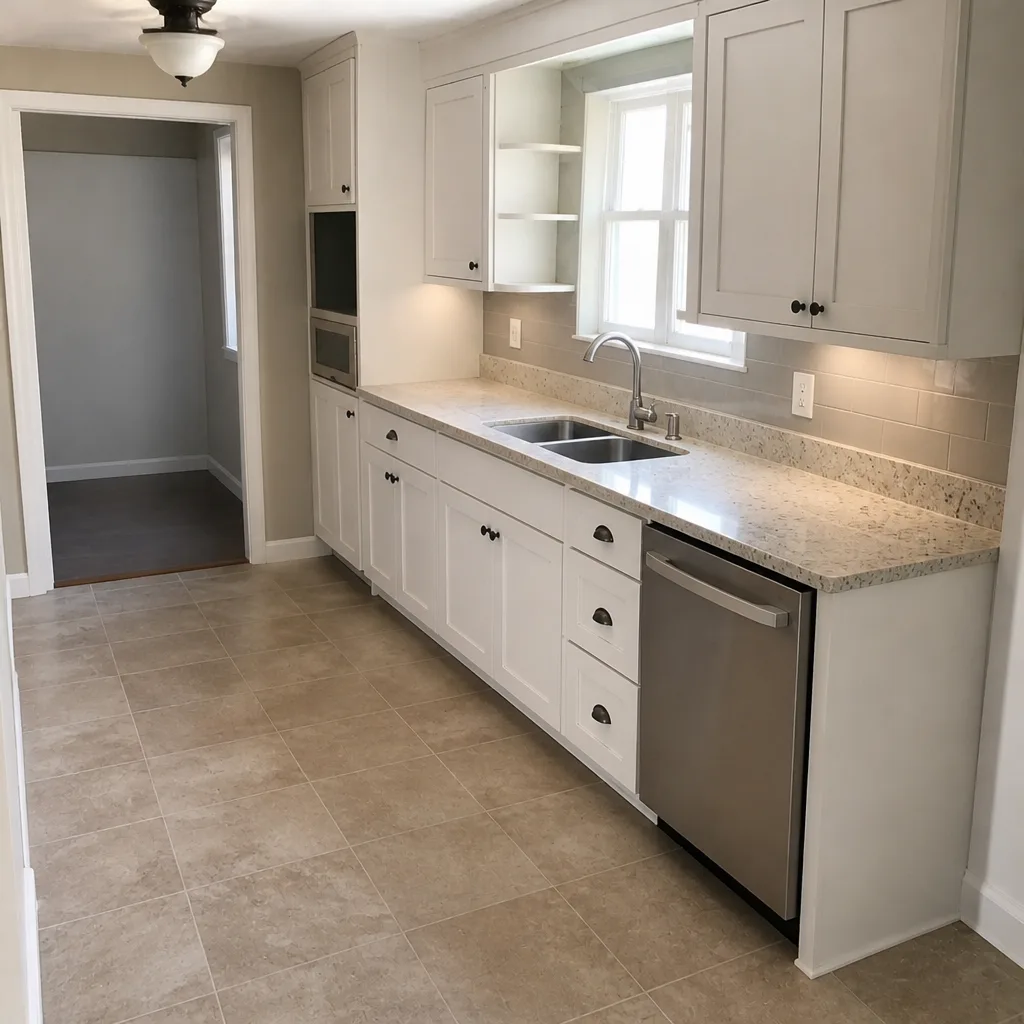
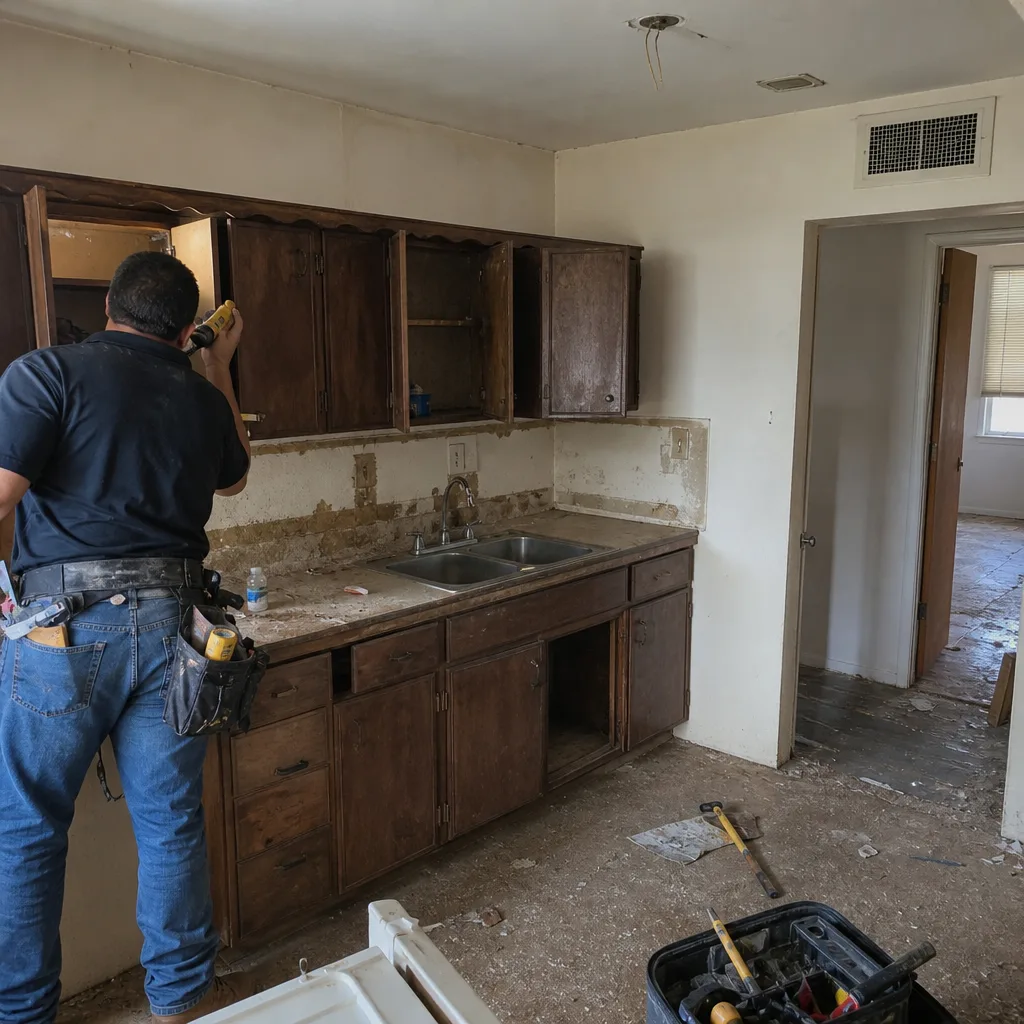
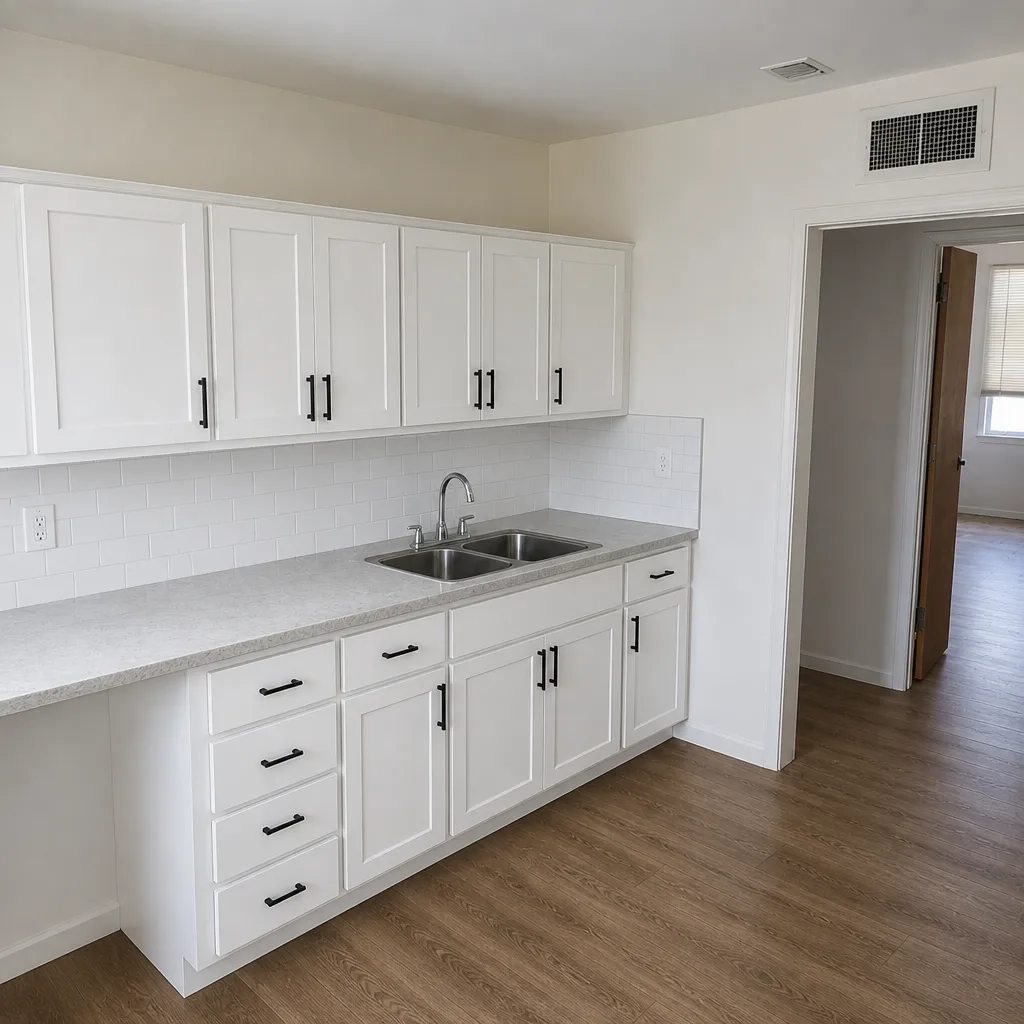
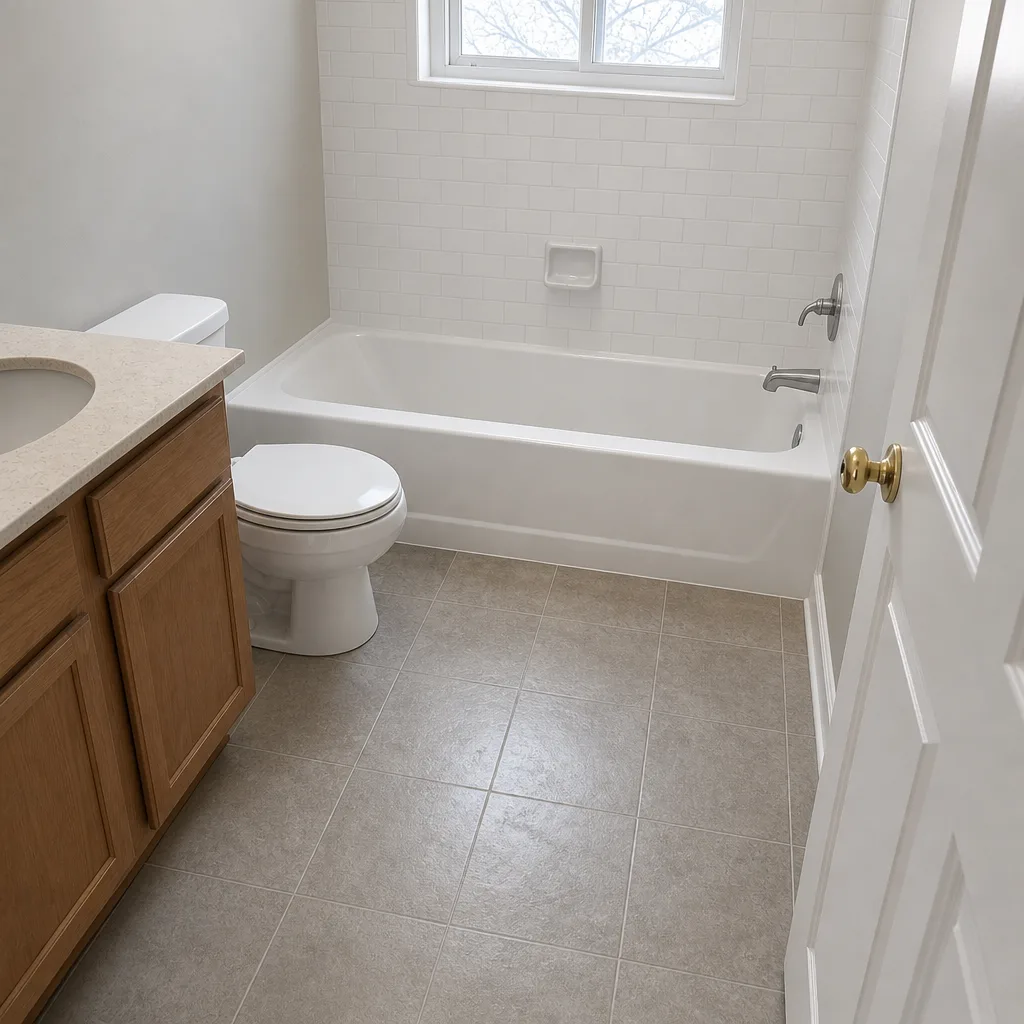
See the difference
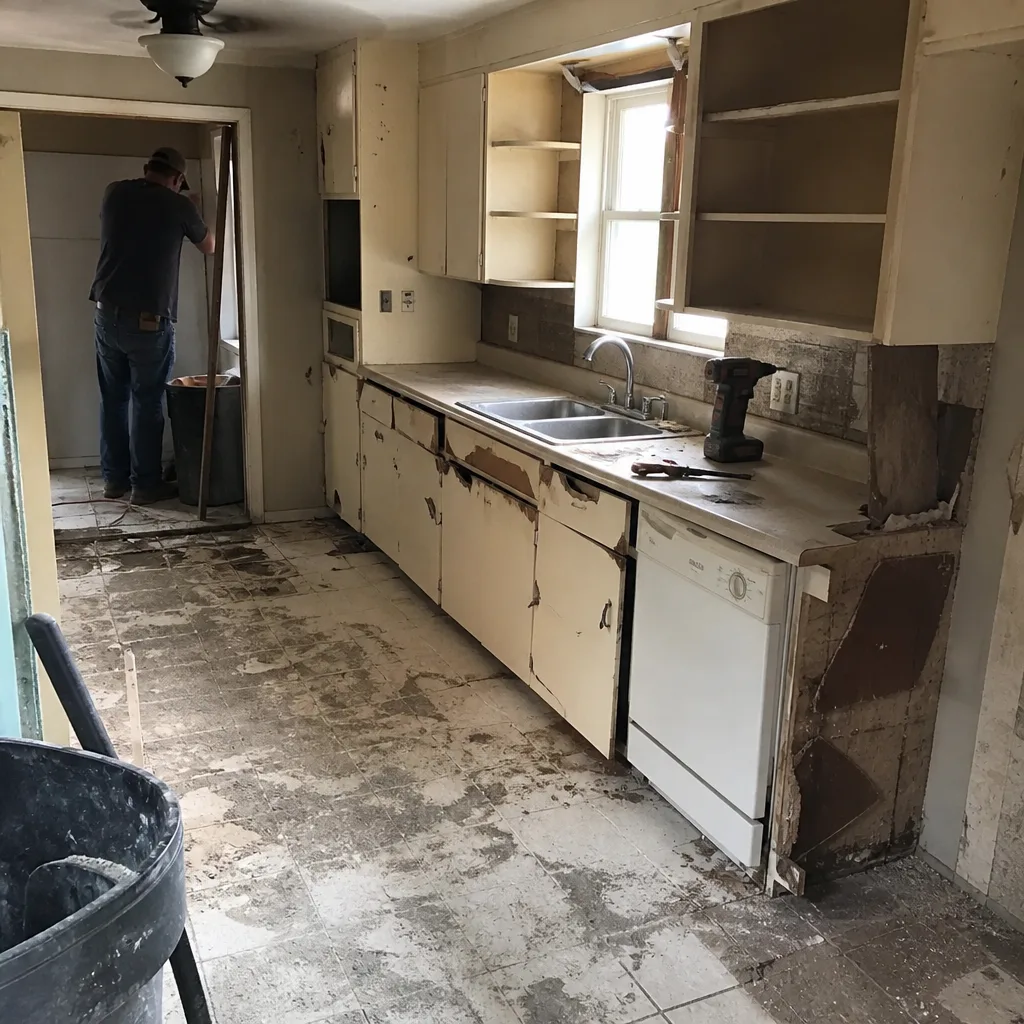 Before
 After
 Before
 After
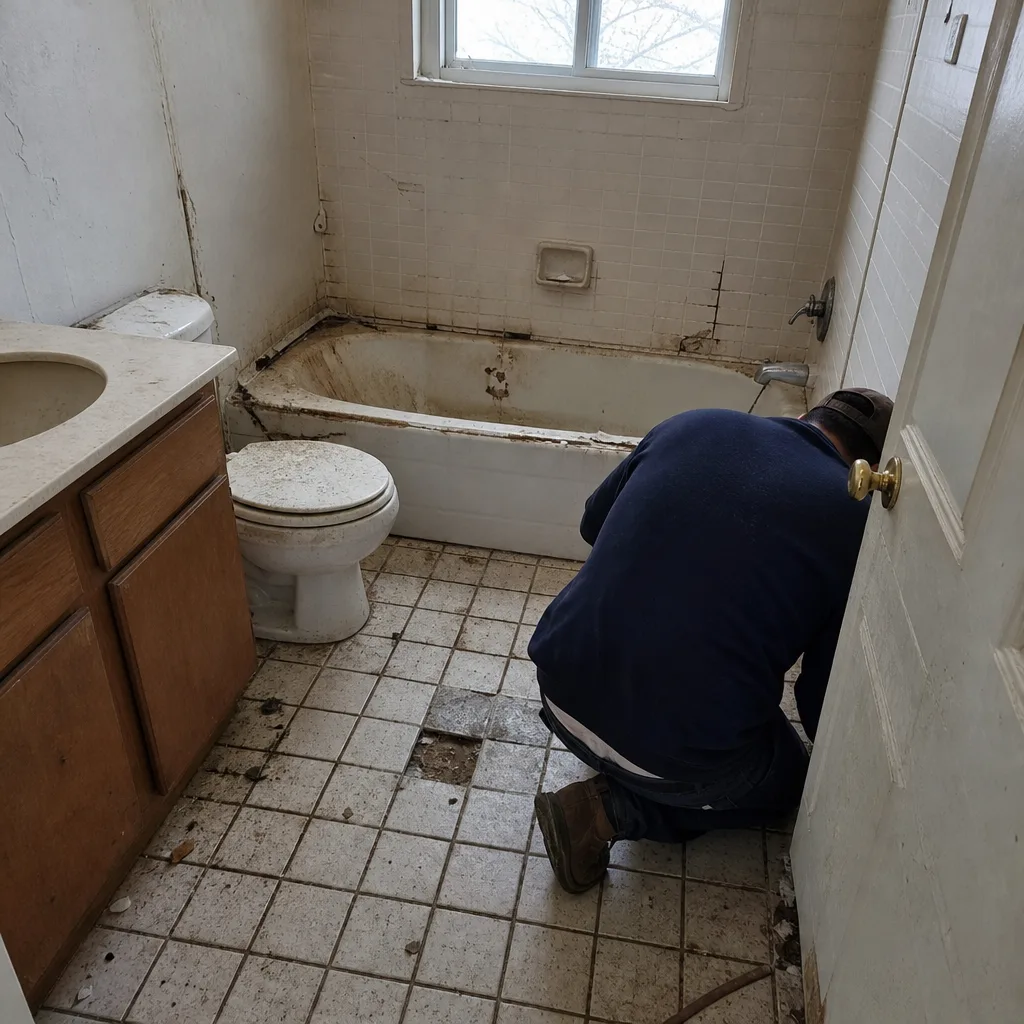 Before
 After
When to Call a Professional
If you’re weighing a product tier decision on a roof, window, exterior siding, or hardscape job, that’s the moment to get a written spec from someone who will be on-site to walk you through it. Barrett & Sons Construction Arlington offers free estimates in Arlington, and we put the product line, the allowance, and the price change in writing before any work happens. Call (888) 590-9867 to schedule your free estimate. Our technicians have up to 28 years of experience, and the 90-Day Done Right Promise is written on every contract, not buried in fine print. If you want to see how we think through a specific trade, start with our Fence Installation in Arlington page or our guide on Driveway & Pavers in Arlington. Every eligible job comes with permits pulled and inspections signed, and every price change arrives as a written change order before the work happens. A live person answers the phone, seven days a week.
Frequently Asked Questions
Brand matters less than tier. In most categories, the same manufacturer sells a builder-grade, mid-range, and premium line under one name, and the real lifespan difference between the cheapest and best is 10 to 15 years. Ask for the exact product line and model number in writing on the estimate. Call (888) 590-9867 for an exact quote, and estimates are free.
Ask a single question: “Which series are you spec’ing, and what does the next tier down cost?” A contractor who knows his materials answers in ten seconds with a specific name and a reason. One who doesn’t will change the subject. Put the answer in the estimate, in writing, before you sign.
It usually covers material only, for the manufacturer’s defined lifetime of the product, often prorated after the first decade. The labor to replace a bad roof is frequently excluded. Confirm the proration schedule, transferability, and registration deadline before you accept the warranty. Call (888) 590-9867 for a free second opinion on any written estimate you’re holding.
Upgrade on shingles, windows, and hardscape pavers because Tarrant County hail, heat, and clay soil stress the bottom tier. Interior paint, standard drywall, and basic trim are fine in the mid-range. Spending the premium tier on interior paint usually doesn’t pay back. Call (888) 590-9867 for a free estimate and a written breakdown.
Yes, every eligible job includes permits pulled and inspections signed. We do that because the inspector is there for you, not us, and the third-party sign-off on the permit is what makes the tier you paid for visible. Call (888) 590-9867 for a free estimate, and we’ll walk you through what the permit requires for your specific scope.
No, provided the swap happens as a written change order in advance. Every scope, every allowance, and every price change on a Barrett & Sons job arrives as a written change order before the work proceeds, so the number you sign is the number you pay. Call (888) 590-9867 for a free estimate, and we’ll spec the exact tier up front.
The Bottom Line
Brand names sell jobs. Product lines and written scopes are what actually deliver the job. The tier within the brand is where the real lifespan difference lives on roofing, windows, and hardscape, and it’s the number your contractor has to commit to in writing before the truck pulls in. Arlington’s hail, heat, and clay soil punish the bottom tier on exterior materials, which makes the spec sheet worth more attention than the logo. Ask for the exact line, the allowance in dollars, and the change order in writing. Call (888) 590-9867 for a free estimate and hold any contractor to that same standard, ours included.
Written by the team at Barrett & Sons Construction Arlington.