
Last updated November 17, 2026
 Windows & doors
 Kitchen remodeling
 Bathroom remodeling
 Home additions & ADU
 Roofing
 Driveway & pavers
 Fence
Free written scope consultation - allowances, timeline, and change-order rules on paper before a single trade is scheduled
Windows & Doors Maintenance Schedule: What to Do and When
Vinyl windows don’t rot, but their seals do – and the inspection that catches a failed seal costs nothing while the water damage it prevents costs thousands. In Arlington, the swing between a humid spring and a dry, UV-heavy summer works seals, caulk, and hardware harder than most homeowners realize. A window that fogged up last August is quietly letting conditioned air escape and moisture in. This guide lays out a simple seasonal routine: what to check each spring and fall, the hardware products that actually belong on hinges and rollers (and the one popular spray can that doesn’t), how to spot a bad seal in under an hour per window, and the honest line between an afternoon task and a call to a professional.
Quick Answer
Inspect and clear windows and doors twice a year – in Arlington that means late March after hail season and again in October. Caulk and weatherstripping get checked each fall, hardware gets lubricated once a year with a silicone or lithium grease (not WD-40), and weep holes get cleared after every heavy spring storm. Anything involving a failed seal between the glass panes, a sagging door frame, or rot around the opening is a professional’s job, not a homeowner’s.
Styles & brands we work with
- Kitchen remodeling
- Bathroom remodeling
- Home additions & ADU
- Roofing
- Windows & doors
- Driveway & pavers
- Fence
Table of Contents
- Spring Checklist for Arlington Windows and Doors
- Fall Checklist Before the First Cold Front
- The Post-Hail Inspection Protocol
- How Often to Lubricate Hardware (and What to Use)
- The Annual Seal Inspection You Can Do in an Afternoon
- What You Should Maintain Yourself vs. When to Call
- Building a Maintenance Baseline After a Window or Door Install
- Common Mistakes to Avoid
Spring Checklist for Arlington Windows and Doors
Spring in Arlington means two things for windows and doors: a lot of blowing pollen and grit working its way into tracks, and the first big thunderstorms that push water against every sill and threshold on the house. The window tracks and door thresholds are where that grit and water do their damage. Run this routine in late March, before the storm season really sets in.
- Clear weep holes. Those small slots at the bottom of the window frame let water drain out. If they’re clogged with pollen, dirt, or old caulk, water sits in the sill and works its way toward the wall. A straightened paperclip or a thin wire does the job. Never seal them shut.
- Vacuum and wipe the tracks. A shop vac with a brush attachment clears grit that grinds down rollers and makes sliding doors stick. Wipe the track dry, then leave it dry.
- Check the exterior caulk line. Look for cracks, gaps, or caulk that’s pulled away from the frame. Spring is the right time because you’re catching it before summer UV bakes it brittle.
- Test every lock and latch. A lock that doesn’t seat properly is a security issue and a sign the door or window is out of square.
- Look at the screens. Small tears turn into bigger ones. Patch or replace before bug season.
Around Arlington, the clay soils also move with the wet-dry cycle, and that shows up first at door thresholds and window frames. A door that suddenly sticks in April is telling you something shifted. If you’re dealing with a broader exterior checklist, our guide to Fence Installation in Arlington covers the same seasonal logic for the rest of the exterior envelope.
Fall Checklist Before the First Cold Front
Fall is the energy-bill checklist. Every gap you seal in October is money you don’t spend in January. In Arlington the first real cold front usually arrives in late October or early November, so get this done by mid-October.
- Weatherstripping. Run a hand along every door edge and window sash. If you feel air moving, the strip is compressed or torn. Foam tape is cheap and easy; door sweeps at the bottom of exterior doors are the biggest single leak in most homes.
- Caulk the interior side too. Most people only think about the outside. Interior caulk at the trim keeps drafts out and stops conditioned air from escaping around the frame.
- Check the seals on sliding doors. The pile weatherstripping in the track wears flat over time. If the sliding door rattles or lets in a whistle, that strip needs replacing.
- Lubricate hinges and lock cylinders. One drop of light oil or a dry lubricant on each hinge pin, and a graphite or silicone spray in the lock cylinder. More on this below.
- Test the seal between the glass panes. Colder weather makes a failing seal easier to spot. Fog or condensation between the panes means the seal is gone.
If your fall inspection turns up a window that’s beyond saving, that’s a bigger project, and it’s worth reading our full guide to Barrett & Sons Construction Arlington home before you start pricing replacements. For additions where new windows and doors are part of the plan, see Home Additions & ADU in Arlington.
The Post-Hail Inspection Protocol
Arlington sits right in hail alley. A storm that dumps quarter-sized hail can crack a window seal without breaking the glass, and you won’t notice until months later when the fog shows up between the panes. After any hail storm, walk the exterior within a day or two and look at these specific things.
- Examine every window sash and frame for dings, cracks in the glass, or chipped caulk. Small chips spread.
- Look at the window screens. Hail punches through screens easily, and a torn screen is your first clue that the glass took a hit.
- Check the door thresholds and sills for cracks in the caulk or bent metal.
- Test the glass seal. Look closely at the seal between the two panes of a double-pane window. Any visible gap or milky appearance means the seal was compromised.
- Photograph everything. If you’re filing an insurance claim, dated photos taken right after the storm carry more weight than ones taken a month later. Note the date and the size of the hail if you can.
The roofers on our crews know this pattern well, and it’s the same logic that drives Driveway & Pavers in Arlington inspections after a hail event. For windows and doors, the key is catching a compromised seal before water gets inside the wall cavity.
How Often to Lubricate Hardware (and What to Use)
Once a year is enough for most window and door hardware, and fall is the natural time to do it. Twice a year if you have a sliding door you use daily. The product matters more than the frequency, and most homeowners reach for the wrong one.
WD-40 is the wrong answer for most of this. It’s a solvent and a light water-displacement spray, not a lasting lubricant. On hinges and rollers it attracts dust, collects grit, and dries out. It’s fine for freeing a stuck bolt, not for a latch you want to work smoothly for the next twelve months. Here’s what to use on each piece:
- Door hinges and window hinges: a light machine oil or a silicone spray, one drop per pin. Wipe off any excess.
- Sliding door rollers and tracks: a dry silicone spray, or a small amount of lithium grease on the rollers themselves. Never grease the track itself – it just collects dust.
- Lock cylinders: graphite powder or a dry silicone spray made for locks. Never use oil or WD-40 in a lock; it gums up the pins.
- Strike plates and latches: a light wipe of silicone grease.
- Casement window cranks: a dab of lithium grease on the gear housing once a year.
A 15-minute pass on a Saturday in October is all it takes. If a hinge won’t move after lubricating, or a roller grinds even after cleaning, that’s a worn part, not a maintenance issue.
The Annual Seal Inspection You Can Do in an Afternoon
Here’s the honest truth: the seal inspection is the most important thing on this whole schedule, and it’s the one most people skip because they don’t know what to look for. You can do one window in about five minutes once you’ve done a few. The whole house takes an afternoon.
- Stand inside on a bright day and look between the panes. Clean, clear glass all the way across means the seal is intact. Fog, a milky haze, or condensation that appears only on cold mornings means the seal has failed. Once moisture gets between the panes, the window’s insulation value is gone and the fix is replacement glass or a new window.
- Do the dollar-bill test on exterior doors. Close the door on a dollar bill at three points: top, middle, bottom. If you can pull the bill out easily, the weatherstrip isn’t sealing.
- Feel for air around the frame. On a windy day, run your hand along the interior trim of each window and door. Feeling air is a leak.
- Look for water stains or soft spots at the sill and around the frame. Staining or a soft spot means water has been getting in for a while, and that’s a call-to-a-professional moment.
- Check the caulk on the exterior. Any gap between caulk and frame wider than a hairline is something to address before the next rain.
We’ve seen more failed seals in Arlington homes than we can count, and part of the reason is the UV load. Our summers are hard on the seal material – that’s a fact of the local climate, not something any window brand can fully avoid.
What You Should Maintain Yourself vs. When to Call
We’d rather tell you honestly what to do yourself than sell you work you don’t need. Here’s the line:
Do it yourself: clearing weep holes, vacuuming tracks, replacing weatherstripping, caulking an exterior gap, lubricating hinges, patching screens, and the annual seal inspection. That’s a Saturday morning, not a contractor’s job. None of it requires a permit, and none of it is worth paying someone travel time to do.
Call a professional for:
- A failed seal between the glass panes (replacement glass or a new unit, and it’s covered in the warranty discussion about who pays).
- A door frame that’s out of square, a threshold that’s rotted, or a wall opening with water damage around it.
- A window that won’t close or lock – a security issue hiding as a minor annoyance.
- Replacing a window or door, which involves flashing, waterproofing, and often a permit to match the current code.
- Rot around the frame, which usually runs deeper than it looks.
Labor context so you can price it honestly: a replacement window unit installed by a professional typically runs several hundred dollars per window in Arlington, and a failed seal reglaze runs less. A door replacement runs higher. Neither is a DIY weekend project, and the flashing work is where most cheap installations fail.
Building a Maintenance Baseline After a Window or Door Install
When we finish a window or door installation, we don’t just hand you the keys and leave. We walk every installed unit with you and mark the baseline: which unit was installed with which seal type, where the weep holes are on each frame, and what a properly seated lock feels like on the new hardware. That way, when you inspect next spring, you know what “normal” looks like for your specific windows and doors, instead of guessing.
Our crew members have up to 28 years of experience, and the installers know where each unit is most likely to need attention first – which is almost always the ones facing afternoon sun. We also write down the model of each window and door on the walkthrough sheet. When you need a replacement part down the line, you have the number instead of a blank stare. That same care shows up in the materials we install – we work with Andersen and Marvin windows, and on the roofing side with brands like CertainTeed and Owens Corning. You can look those up; they’re not mystery brands off a van. Every job also carries our written 90-Day Done Right Promise: if something isn’t right, one call brings Tom back.
Common Mistakes to Avoid
- Sealing the weep holes. They exist to drain water. Cap them for winter and your sill fills up and rots. Arlington’s spring storms will find every blocked weep hole.
- Using WD-40 on hinges and lock cylinders. It attracts dust and gums up lock pins. Use silicone or graphite instead.
- Skipping the post-hail inspection. Hail alley storms compromise seals without breaking glass. A five-minute walk after the storm saves a wall replacement.
- Caulking over old caulk. New caulk won’t stick to failing caulk, and the whole line peels within a year. Remove the old line first.
- Ignoring a door that sticks in spring. In Arlington’s shrink-swell clay soils, a sticky door is a signal. Sometimes it’s harmless; sometimes the frame has moved.
- Replacing a window unit without checking the seal warranty. Failed seals on some brands are covered for years. Check before you pay, and get the written warranty.
- Treating exterior maintenance as a “when I get to it” list. The caulk check in October takes 20 minutes. Water damage from a missed check takes weeks to repair.
See the difference
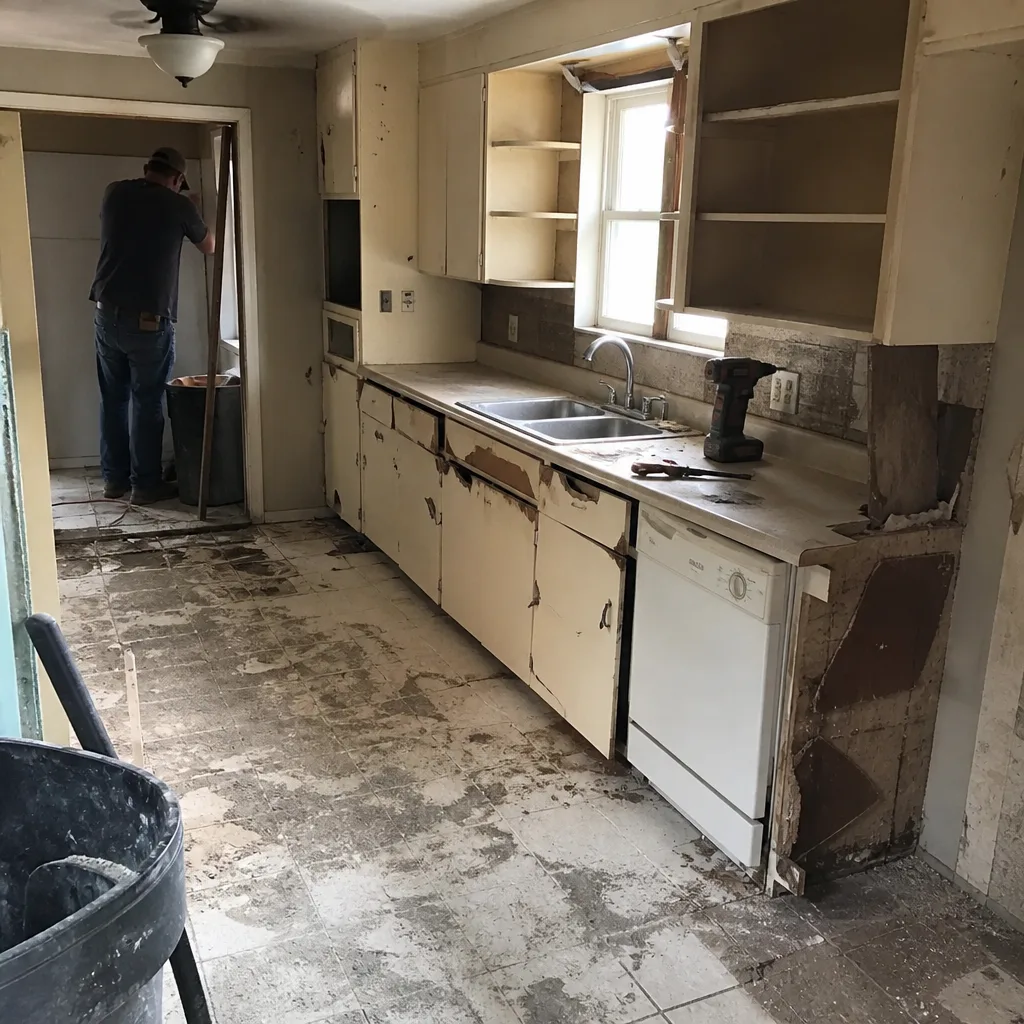 Before
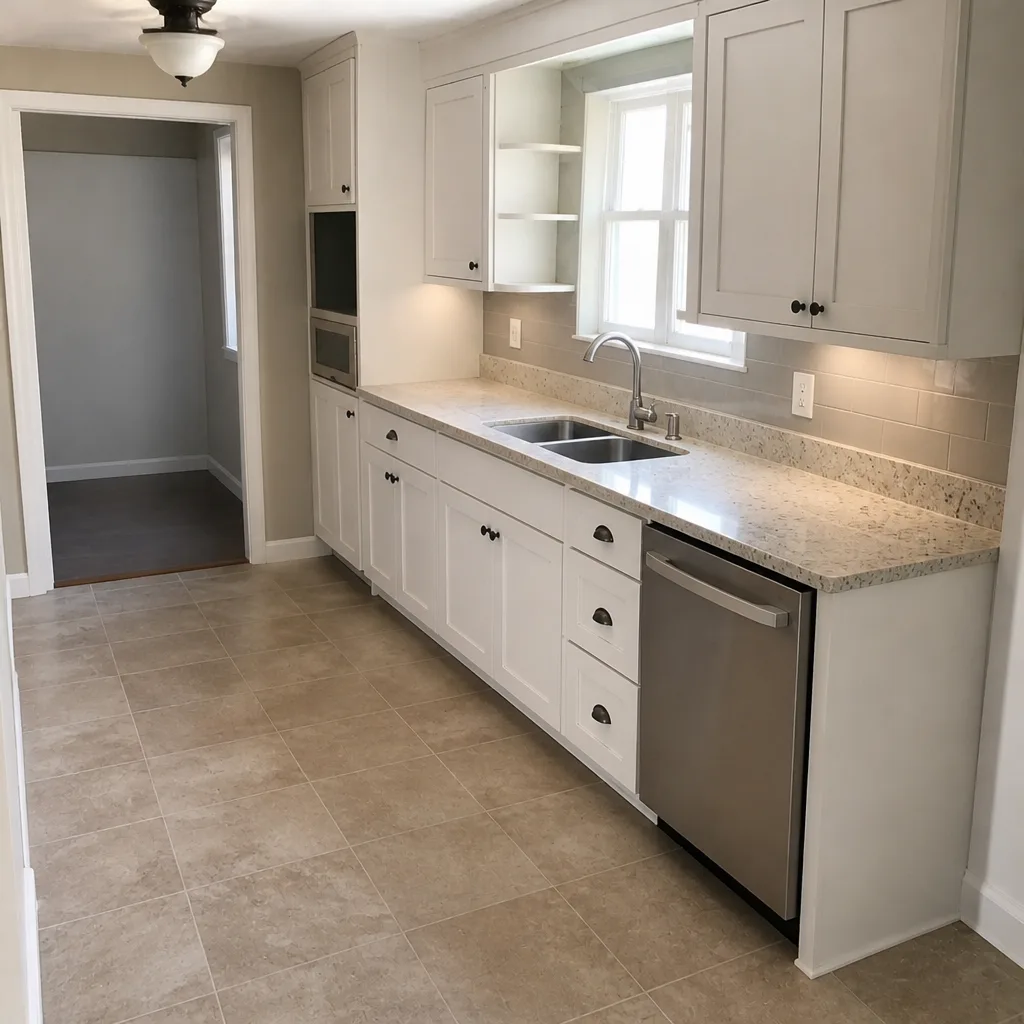 After
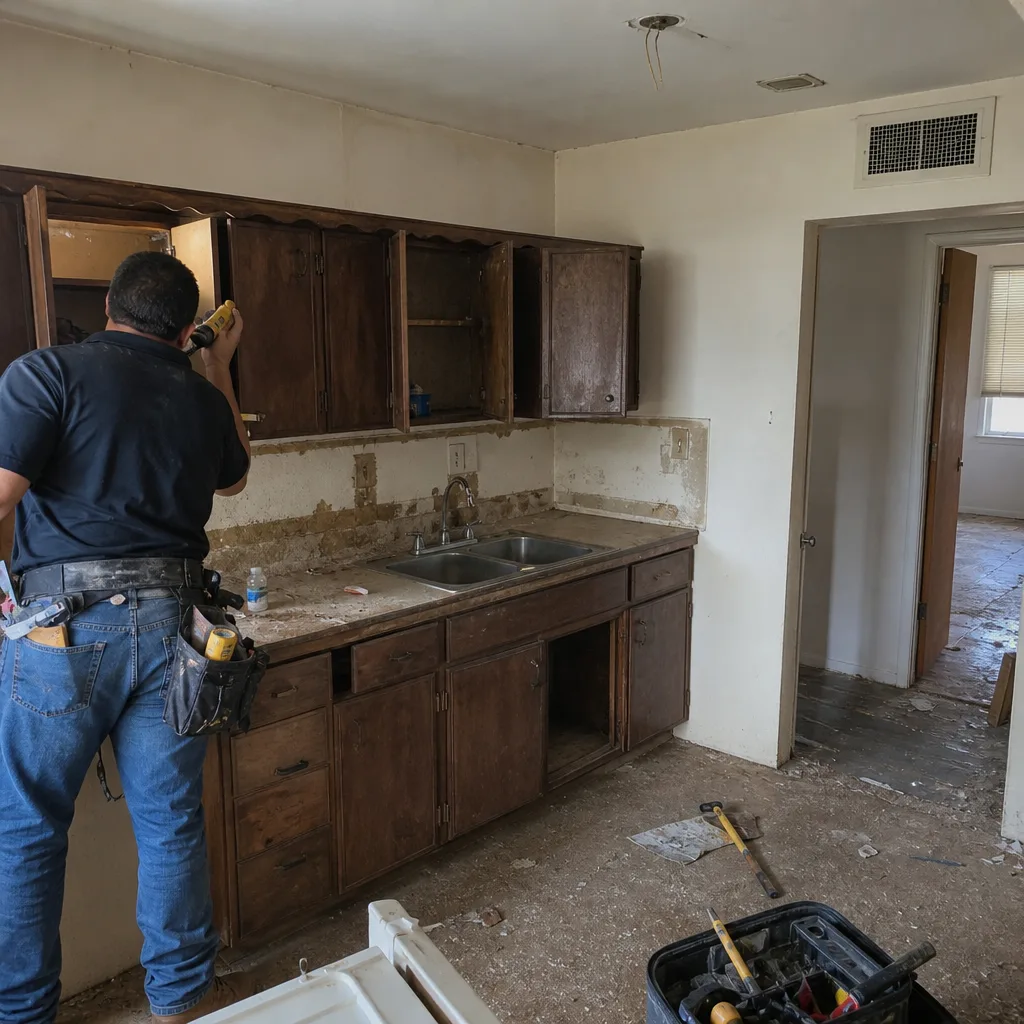 Before
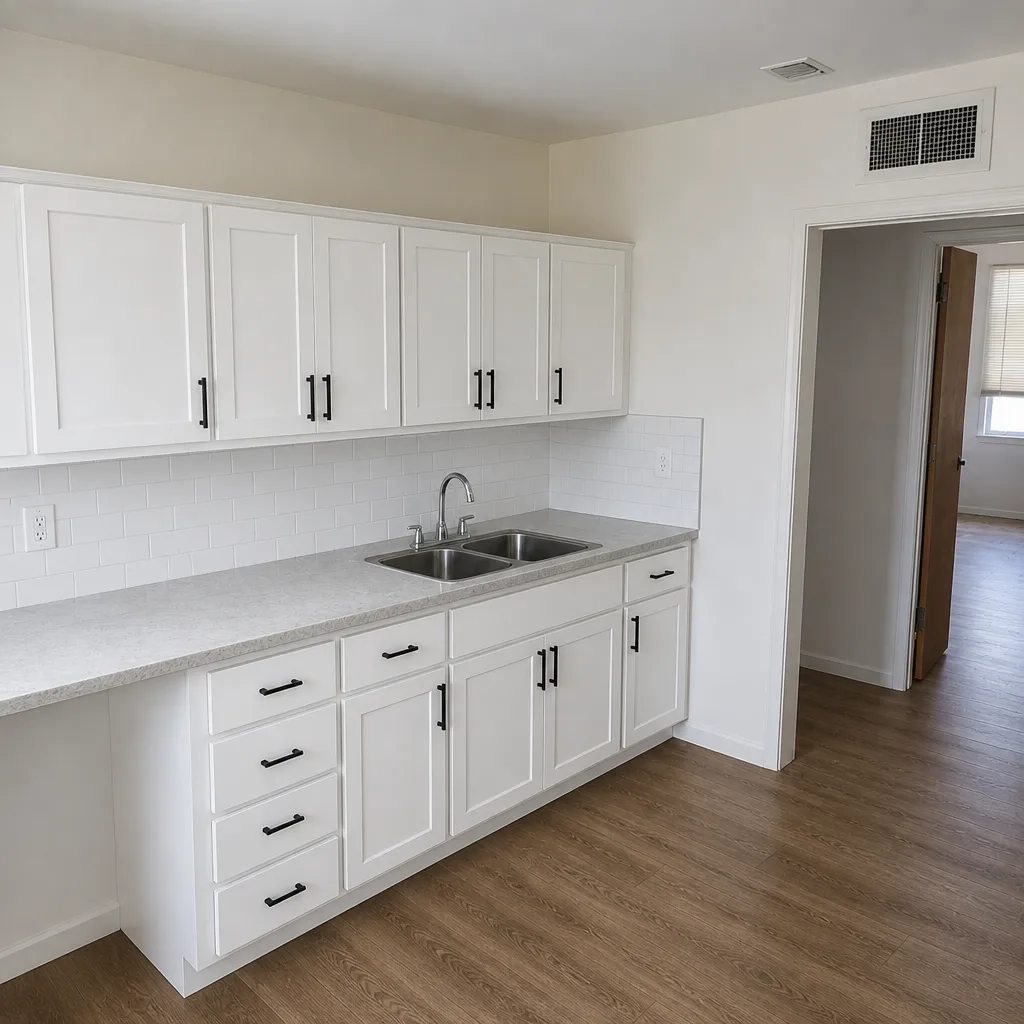 After
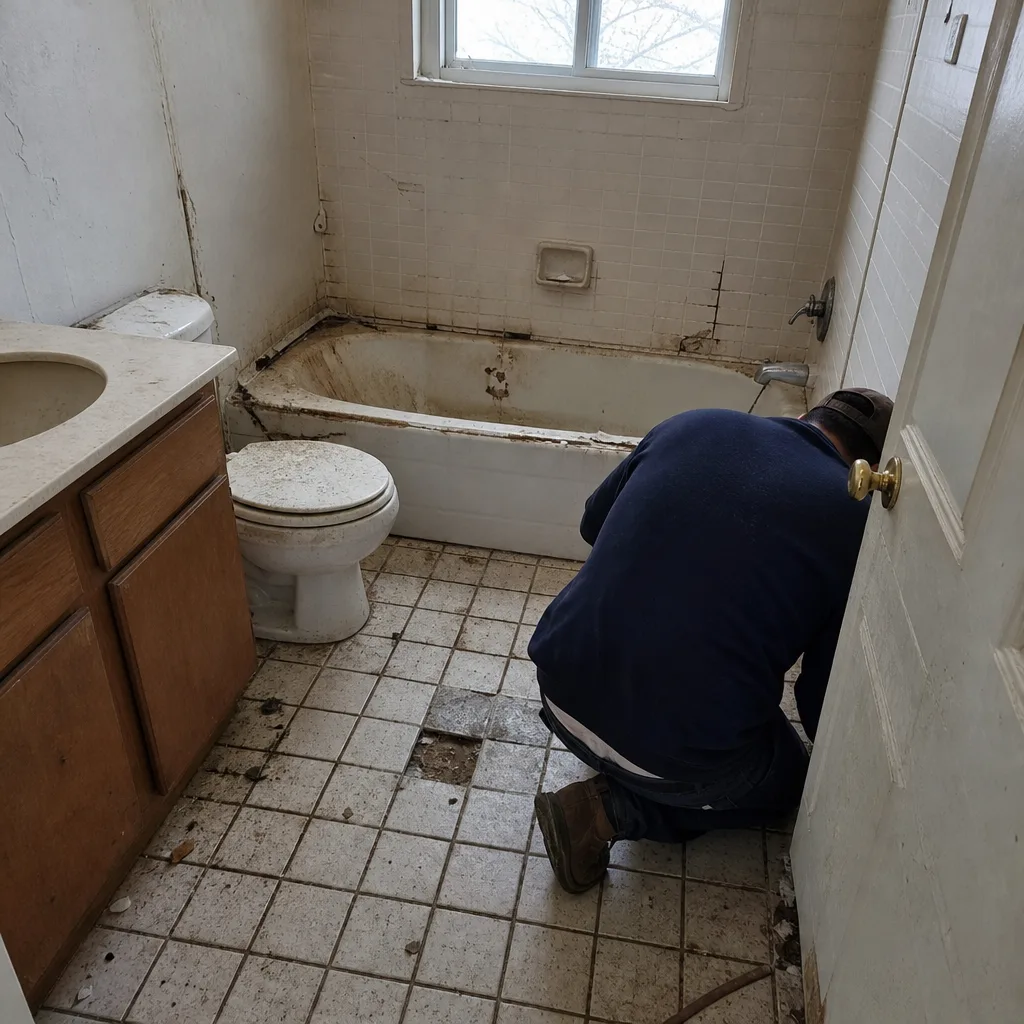 Before
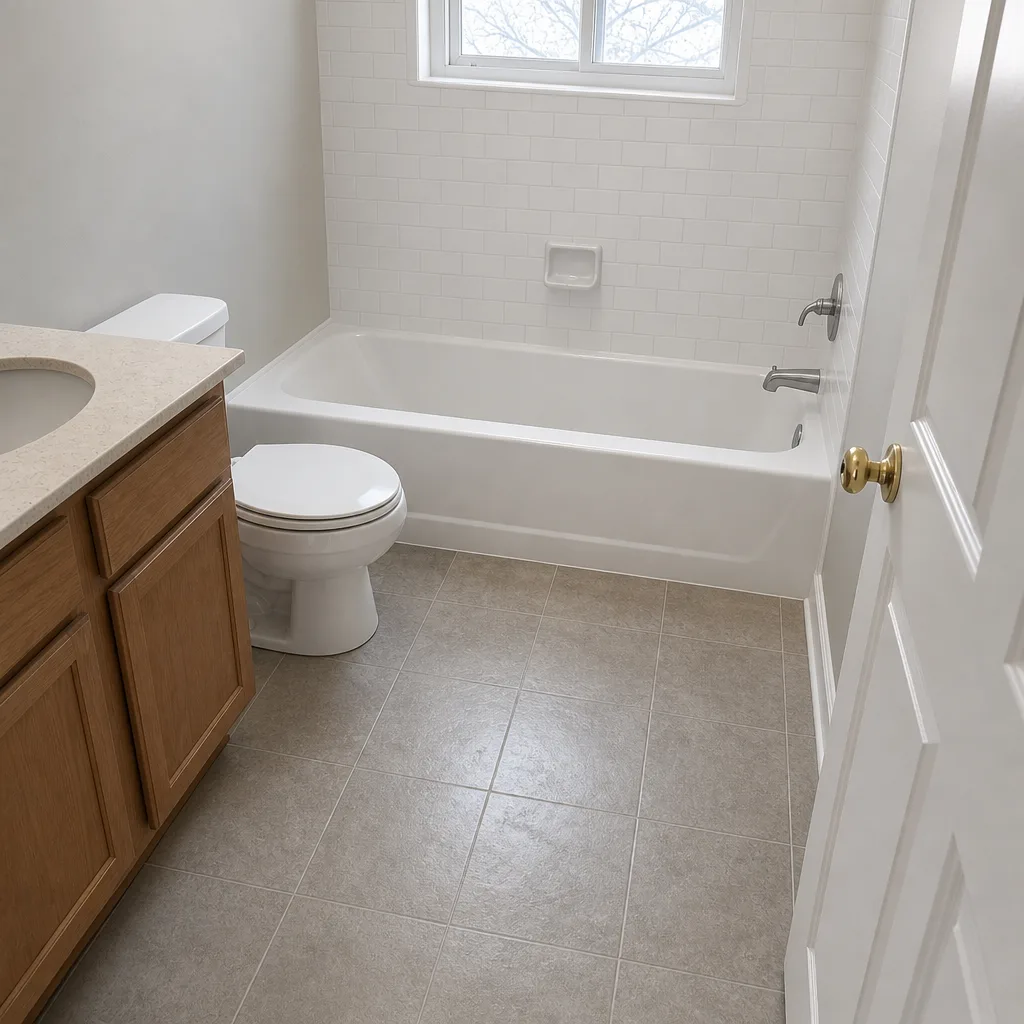 After
When to Call a Professional
Call a professional when the glass itself is failing, not the trim. A failed seal between panes, a window that won’t close or lock, rot around a frame, a threshold that’s pulling away from the wall, or a door that’s visibly out of square – those are calls we get in Arlington every week and they’re not afternoon tasks. Water damage behind a frame is the one that worries us most, because it’s usually worse than it looks by the time you notice it. If you’re unsure whether you’re looking at a maintenance issue or a replacement, that’s exactly what a free second opinion on a written estimate is for. Barrett & Sons Construction Arlington offers free estimates in Arlington – call (888) 590-9867. Every eligible job includes permits pulled and inspections signed, so the permit inspector works for you, not for us.
Frequently Asked Questions
Twice a year: late March after hail season and October before the first cold front. In Arlington, the spring inspection is the one that matters most because that’s when storms hit the seals and weep holes.
Silicone spray for hinges and sliding tracks, graphite powder for lock cylinders, and lithium grease for window cranks and door rollers. WD-40 is not the right choice for most of it – it attracts dust and gums up locks. Wipe off any excess.
Photograph the damage right away, check the seal between the panes for fog or cracks, and note the date and size of the hail. If the glass is cracked or the seal is milky, call for a professional opinion before you touch anything. Call (888) 590-9867 – estimates are free.
No. The glass unit has to be ordered to the exact size and the seal is a factory process, not a caulk-and-press job. A failed seal means replacement glass or a new unit installed by a professional.
Arlington’s clay soils expand as they absorb spring moisture, and that shifts the house frame slightly. A door that’s tight in spring and loose in fall is usually a normal seasonal movement. A door that stays stuck or won’t latch is a call for an inspection.
Yes. Caught early, a failed seal, a clogged weep hole, or a bad weatherstrip is an inexpensive fix. Left alone, it turns into water damage or a whole-unit replacement. The routine above adds years to the life of most windows and doors.
Written by the team at Barrett & Sons Construction Arlington.
The Bottom Line
Windows and doors are the most-used moving parts on the house, and they reward a simple twice-a-year routine. Clear the weep holes and inspect the seal in the spring, then seal the gaps, lubricate the hardware, and check the caulk in the fall. Use the right lubricant, photograph any hail damage while it’s fresh, and understand the line between an afternoon task and a job for a professional. In Arlington, that’s a schedule that keeps energy bills steady and windows working for years.
If you’d like a free estimate on windows or doors – or a second opinion on a written quote from another company – call us at (888) 590-9867. A live person answers, and if not done right, we come back. That’s the 90-Day Done Right Promise, written on every contract.