
Last updated November 16, 2026
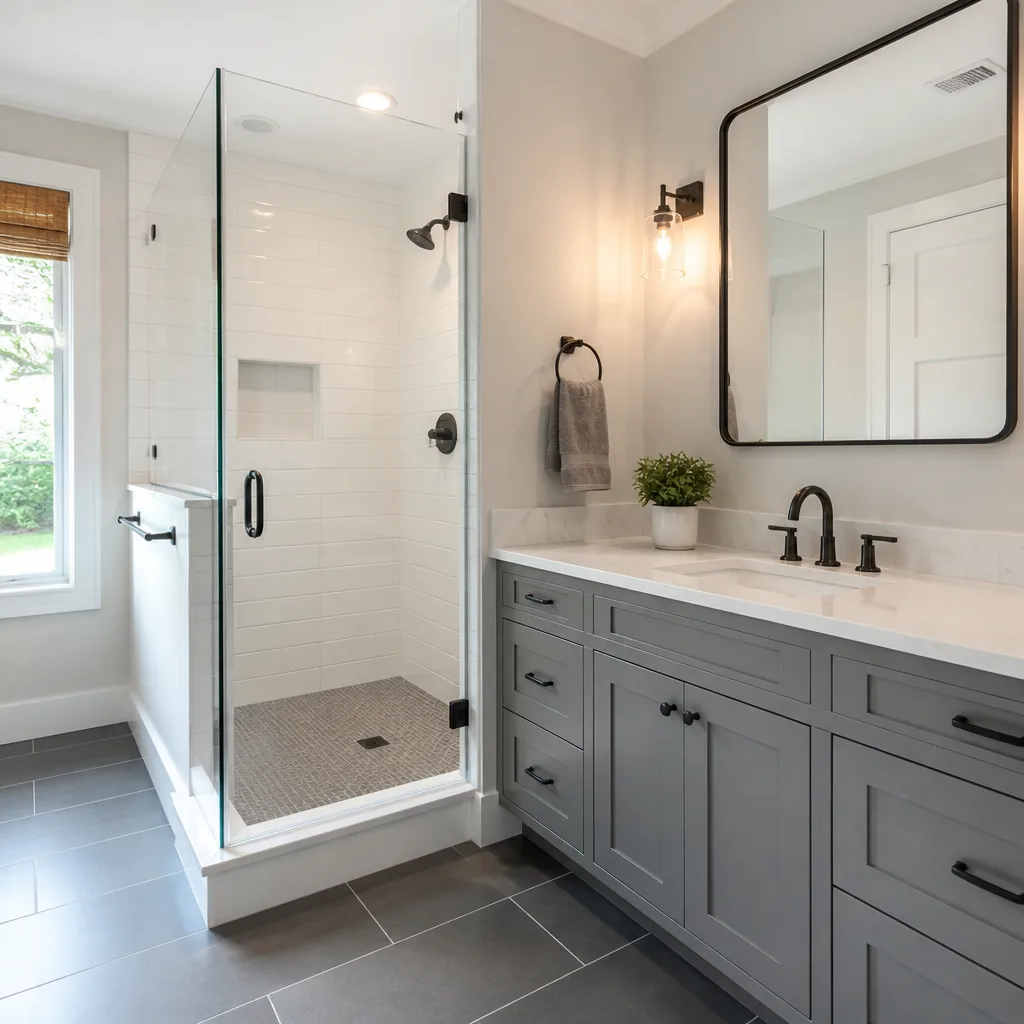 Bathroom remodeling
 Kitchen remodeling
 Home additions & ADU
 Roofing
 Windows & doors
 Driveway & pavers
 Fence
Free written scope consultation - allowances, timeline, and change-order rules on paper before a single trade is scheduled
Bathroom Remodeling Warning Signs Every Homeowner Should Know
A bathroom that smells musty six months after a remodel isn’t bad luck. It’s a moisture barrier that was skipped to save a few hours of labor. Most of the costly failures we see in Arlington bathrooms hide behind a finished tile wall for years before they surface, which means the homeowner finds out at resale, not at the walkthrough. The signs were there the whole time if anyone had known what to look for. This guide walks you through the red flags before demo starts, during construction, and in the months after the last tile goes up, so you can catch a problem while it’s still cheap to fix.
Quick Answer
The most common bathroom remodel warning signs are musty smells that return after the job, soft spots or movement near the toilet base, efflorescence (white powder) on grout, doors that stop latching, and any contractor who skips permits or won’t put allowances and change orders in writing. These point to moisture problems, missing inspection steps, or a crew cutting corners behind the wall. In Arlington’s humid spring and fall, a skipped moisture barrier shows itself faster than in drier climates.
Styles & brands we work with
- Kitchen remodeling
- Bathroom remodeling
- Home additions & ADU
- Roofing
- Windows & doors
- Driveway & pavers
- Fence
Table of Contents
- Pre-Remodel Red Flags in Your Existing Bathroom
- Hidden Rot, Mold, and Venting Problems
- Warning Signs During Construction
- Post-Remodel Signs Homeowners Miss
- What Should Be Documented Before Any Wall Closes
- Cosmetic Imperfections vs. Functional Defects
- A Real Look at How These Problems Start
- Permits, Inspections, and Your Leverage
Pre-Remodel Red Flags in Your Existing Bathroom
Before a single tile comes off, an experienced eye can already tell a lot about what’s going on behind the wall. Walk your bathroom this weekend and look for these signals. They don’t automatically mean disaster, but they should set the tone for how much demo needs to happen and where the budget should be cautious.
- Caulk that’s pulled away from the tub or shower surround. When caulk fails, water sneaks behind it for months. By the time you notice, the substrate behind the wall is often compromised.
- Grout lines that look stained no matter how much you scrub. Staining that keeps returning, especially near the floor, points to moisture wicking up from below.
- A toilet that rocks or “gives” when you sit on it. That movement usually means a failed flange or a soft subfloor, and it has to be addressed in the remodel.
- Peeling paint on the ceiling below the bathroom. This is the classic tell for a leak that’s been running quietly for a while.
- An exhaust fan that feels weak or loud. In Arlington homes, a fan that’s undersized for the bathroom’s cubic footage lets humidity from showers sit on the walls and ceiling. That’s where mold starts.
- Doors that stick or won’t close flush. Swelling in the frame is a sign of chronic moisture in the room.
If two or three of these show up before demo, budget for the possibility that the wall has to come down to the studs. We’ve seen many Arlington remodels turn from a cosmetic refresh into a full rebuild because these signs were shrugged off at the first walkthrough.
Hidden Rot, Mold, and Venting Problems
The problems that cost the most aren’t visible from the hallway. They live in the wall cavity, under the subfloor, and in the ceiling above the shower. Here’s what we look for once the walls come down, and what a good contractor should be ready to find.
Subfloor and Joist Damage
Water that reaches the subfloor under the toilet, tub, or shower pan doesn’t dry quickly. It works into the plywood and the joists beneath. If you can push a screwdriver into a joist with light pressure, that section is gone and needs to be replaced before any new floor goes in. A contractor who tiles over soft subfloor is just putting a lid on a problem that will come back.
Ventilation That Was Never Sized Right
An exhaust fan needs to move the right cubic feet per minute for the size of the room. A fan that’s too small, or one that exhausts into the attic instead of outside, is basically a humidity pump. We’ve opened Arlington ceilings where the fan duct was short and dropped straight into the attic insulation. That setup keeps the bathroom damp and can lead to mold growing above the drywall for years.
Waterproofing Failures Behind Tile
Tile is decorative. The waterproofing layer under it does the real work. When a shower pan was built without a proper membrane, or the cement board wasn’t installed with a vapor barrier behind it, water reaches the framing and the rot starts. That failure stays invisible until the tile starts to loosen, which is often a year or two later.
Improper Plumbing Modifications
A previous remodel may have moved a drain or supply line without permits. If we open a wall and find a joint that wasn’t soldered properly, or a P-trap installed at the wrong slope, we stop and fix it. The permit process is what catches these. Ask any contractor what they’ll do when they find code violations behind an old wall. The answer should be “we fix it and document it,” not “we’ll work around it.”
Warning Signs During Construction
Most of the trouble happens in a couple of specific moments during the build. If you know what to look for, you can catch it before the wall closes. Walk the job at the end of each day and look at what’s already installed.
- No cement board behind the tile. If you see green drywall or ordinary drywall going up on the shower walls, stop the job. Cement board is the correct backer for wet areas, and skipping it is a shortcut you’ll pay for later.
- Caulk used where grout belongs. Caulk is fine at the joints where two planes meet, like the tub-to-wall transition. It’s the wrong choice between two flat tiles. When caulk gets used inside the field of tile, it fails fast and lets water in.
- Fixtures set before inspection. Installing the toilet, tub, or shower trim before the rough-in plumbing inspection is signed means a corner got cut. The inspector needs to see the plumbing exposed. If the fixture is already in, the inspection didn’t happen or got fudged.
- No photos of the open wall. If your contractor isn’t taking pictures before the wall closes, you have no record of what’s behind the tile. That’s the exact thing you’ll want at resale.
- Change orders that show up late or not at all. Any price change should arrive in writing before the work happens. If you hear “we’ll settle up at the end” about a scope change, that’s a signal the paperwork isn’t being done.
- Subcontracted crew you’ve never met. The people working in your home should be familiar faces from the company you hired, background-checked and accountable. A rotation of strangers every few days is a sign the job was handed off.
We’ve built the habit of walking every job with a camera at the rough-in stage. It’s a check on our own work as much as a record for the homeowner. If something looks off in the photo, we fix it while the wall’s still open.
Post-Remodel Signs Homeowners Miss
The first few months after a remodel are the tell. A bathroom that was done right settles and holds. One that wasn’t will start to show the same warning signs in a new form. Watch for these.
- Efflorescence on the grout. That white, powdery bloom isn’t leftover haze. It’s mineral salts coming to the surface because water is moving through the grout and evaporating. It’s one of the most reliable signs of moisture behind the wall.
- Doors that stop latching after humidity swings. Wood and frame materials expand and contract with moisture. If your bathroom door starts sticking only in humid months, the room isn’t ventilating properly, or moisture is trapped in the wall.
- Soft spots near the base of the toilet. Push gently on the floor on either side of the toilet. Any give means water is getting under the fixture, usually at the wax ring or the flange.
- Recurring musty odor. If the smell comes back any time the bathroom sits closed for a few days, there’s moisture somewhere it shouldn’t be.
- Loose or popping tile. Tiles that hollow-sound when you tap them, or step on them and feel movement, mean the thinset failed. That’s usually a moisture or prep issue.
- Peeling paint at the top of the walls or ceiling. Paint in the bathroom needs to handle humidity. When it fails, the source is almost always ventilation.
In Arlington, spring and early summer bring enough humidity that a shower fan doing half its job can leave a bathroom damp for hours. That’s plenty of time for mold to take hold in the wall cavity.
What Should Be Documented Before Any Wall Closes
Ask any contractor to photograph the following before the drywall and tile go back on. The photos should be taken and shared with you, not just mentioned. If a crew won’t do this, that’s a warning sign in itself.
- The waterproofing membrane on the shower walls and floor, installed and before tile.
- The plumbing rough-in, exposed and ready for inspection.
- Any framing repairs made to rot or soft spots in the subfloor and joists.
- The exhaust fan duct, showing where it vents to the exterior of the house.
- The signed inspection card or inspection report from the local authority.
- Any change order in writing, signed before the work was done.
You’ll want these photos when you sell the house. A buyer’s inspector is going to ask how the shower was waterproofed and whether the remodel was permitted. A binder of dated photos and inspection records answers that question before it gets asked. In our experience, homeowners who keep that file also sleep better on the years in between.
Cosmetic Imperfections vs. Functional Defects
Not every imperfection is a problem, and knowing the difference saves you from the anxiety of panicking at things that don’t matter and the danger of ignoring the things that do.
Cosmetic Imperfections (Acceptable)
- A slight variation in grout color between tiles, especially with natural stone.
- A tiny scratch or chip in a trim piece at an inside corner.
- Factory variations in tile pattern, color, or veining. That’s expected with natural materials.
- A small tolerance gap at a doorframe where the drywall meets the trim, filled with paintable caulk.
Functional Defects (Not Acceptable)
- Water pooling on the shower floor instead of draining to the drain.
- A toilet that rocks after installation or a floor that flexes underfoot.
- Tile that sounds hollow or moves when tapped or stepped on.
- Doors that don’t close or latch within a few weeks of install.
- Any musty smell inside thirty days of completion.
- Grout cracking along a consistent line, which usually follows a structural or moisture problem.
If you’re not sure which side of that line something falls on, ask for a written response. A contractor who is confident in their work will put a fix in writing. A contractor who hedges is telling you something.
A Real Look at How These Problems Start
Here’s a pattern we’ve walked into more than once in Arlington. A previous remodel was done fast. The shower backer was installed with regular drywall instead of cement board, the fan exhausted into the attic, and the caulk at the tub was used in place of grout in the field. The job looked fine for about eighteen months. Then the smell started. The grout had a white bloom on it (efflorescence), the door to the bathroom wouldn’t latch in the summer, and the tile near the tub felt slightly loose underfoot.
By the time the owner called us, the wall behind the shower had rot running up into the top plate. The fix wasn’t cosmetic. It was a full tear-out and rebuild, plus new framing, plus a properly vented fan and a real waterproofing system behind the new tile. The project cost three times what the original remodel did because the shortcuts saved a day of labor each and cost months of fixing.
The warning signs had been sitting there for a year. Nobody had connected them. That’s the reason we push so hard on photos, permits, and written change orders, even when it feels like more paperwork than the job needs. It’s the paperwork that lets everyone see what’s really happening.
If you’re planning an addition that touches the bathroom, our team handles the whole scope through our Home Additions & ADU in Arlington service, and the same documentation applies. The same standard runs through every job on our Barrett & Sons Construction Arlington home page.
Permits, Inspections, and Your Leverage
A permit is not a formality. It’s your legal protection. The last contractor most homeowners used told them permits were optional, and that’s exactly the setup where warning signs get buried. When a permit is pulled, an inspector sees the plumbing rough-in, the framing, the waterproofing, and the electrical before the wall closes. The inspector works for you, not for the contractor.
Ask any contractor three questions before signing:
- Will you pull the permit for this job, and can I see the inspection record when it’s done?
- Will every change order and allowance be in writing before the work happens?
- What happens if a problem appears behind the wall after demo?
The answers matter. A written change order protects you from surprise invoices. An inspection card protects you at resale. A warranty that puts the company back in your bathroom if something fails protects you for months after the last coat of paint. We back our bathroom remodels with the 90-Day Done Right Promise, in writing on every contract. If something isn’t right, we come back and make it right on one call. And every eligible Arlington job gets its permits pulled and inspections signed, because the alternative is a house with secrets behind the walls.
When you’re ready to look at the outdoor side of your property after a bathroom project, our Driveway & Pavers in Arlington and Fence Installation in Arlington services run on the same written scope, permitted, documented foundation.
Common Mistakes to Avoid
- Hiring on the lowest bid with no written scope. A bid is a piece of paper until the scope, allowances, and change-order process are spelled out. In Arlington’s competitive remodel market, the bid that’s several thousand below the rest is nearly always making up the difference behind the wall.
- Letting a contractor start before the permit is pulled. “We don’t need a permit for a bathroom refresh” is a phrase that shows up in about a third of the bad remodels we get called to fix. The inspector sees what you’ll never see once the wall closes.
- Not asking for photos at rough-in. Six months after the tile goes up, you and your buyer both deserve a record of what’s behind it.
- Accepting verbal change orders. “We’ll handle it at the end” is how surprise invoices happen. Any scope change belongs in writing before work moves forward.
- Skipping the exhaust fan upgrade. A new bathroom in an older Arlington home still needs a fan sized for the room and vented to the exterior. You can’t fix this after the ceiling closes without opening it back up.
- Ignoring small signs after the job. A musty smell, a door that stops latching, or a white bloom on grout are all quick to check and cheap to fix early. Left alone, they get expensive.
- Not asking who’s actually doing the work. The people in your home should be background-checked crew members accountable to the company you hired, not a rotating cast of unfamiliar subs. If you can’t get a straight answer, walk.
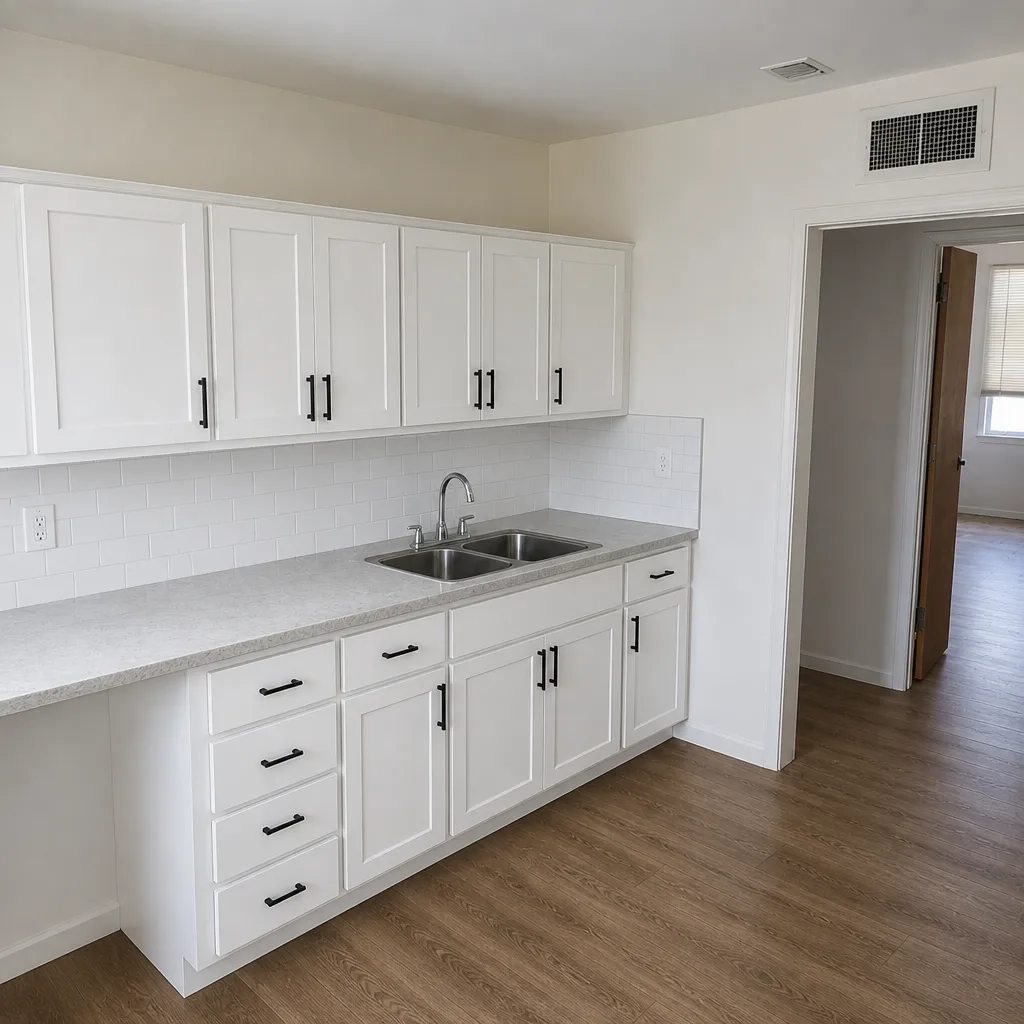
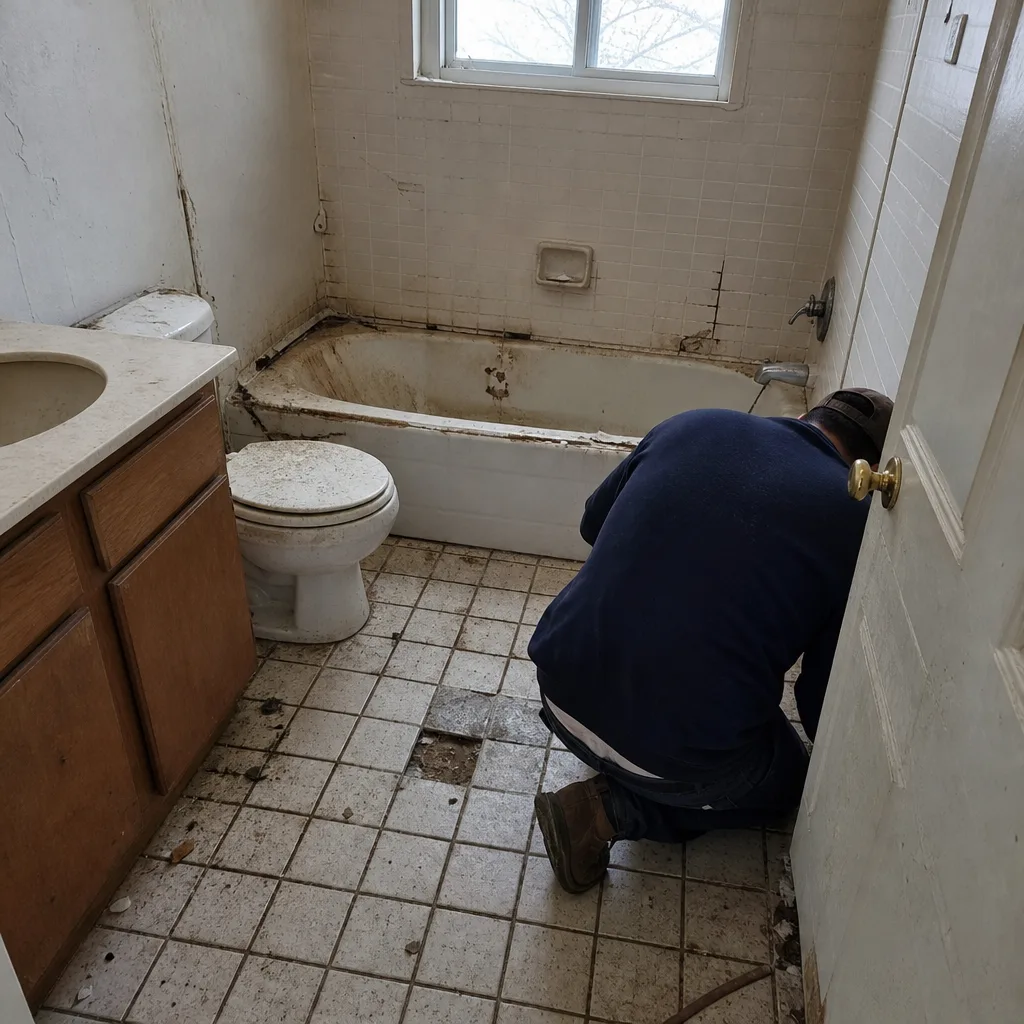
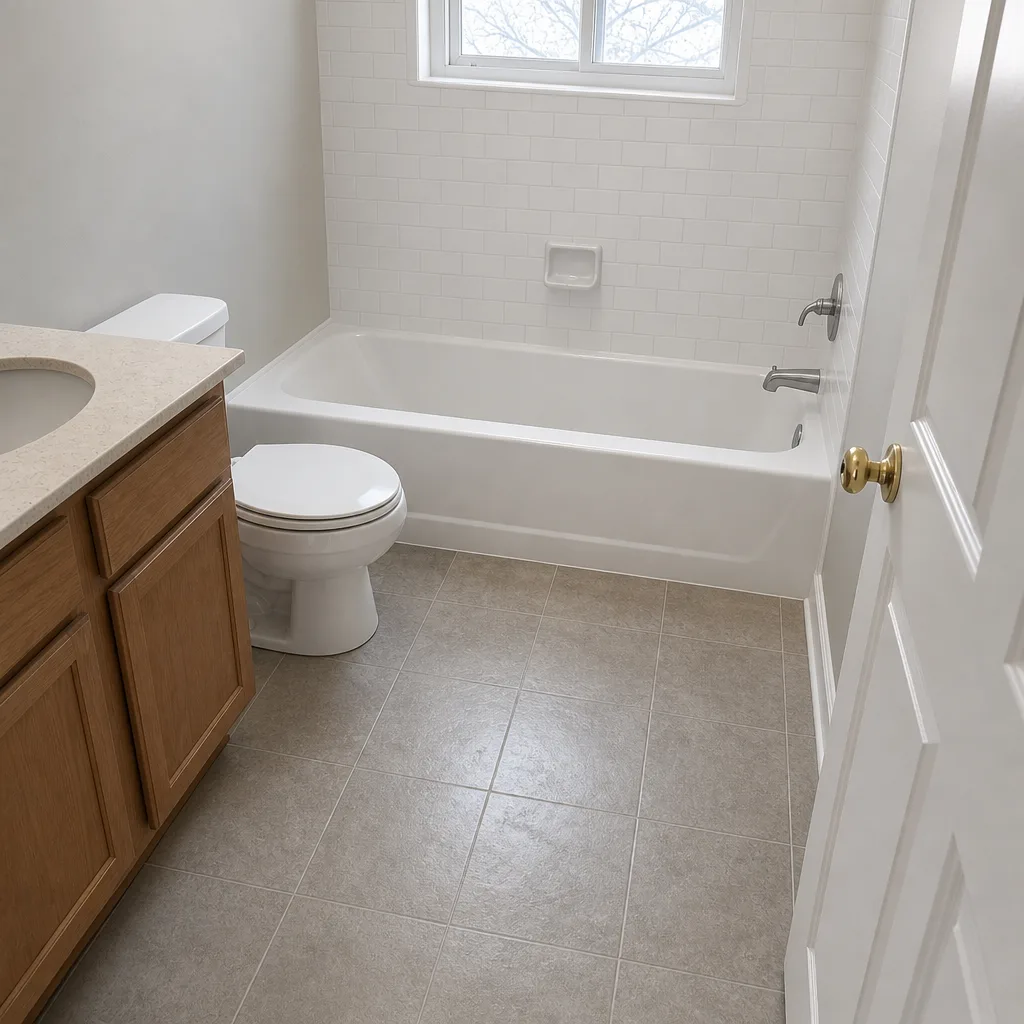
See the difference
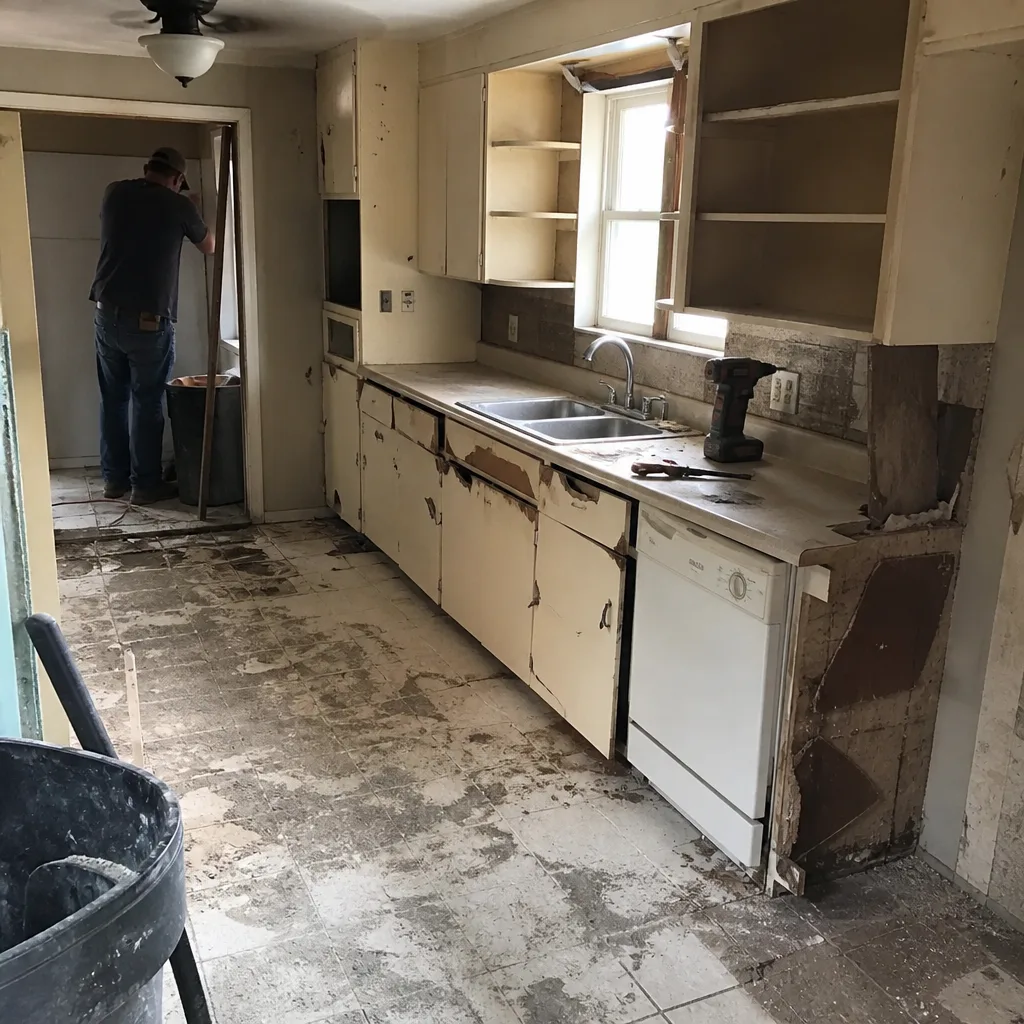 Before
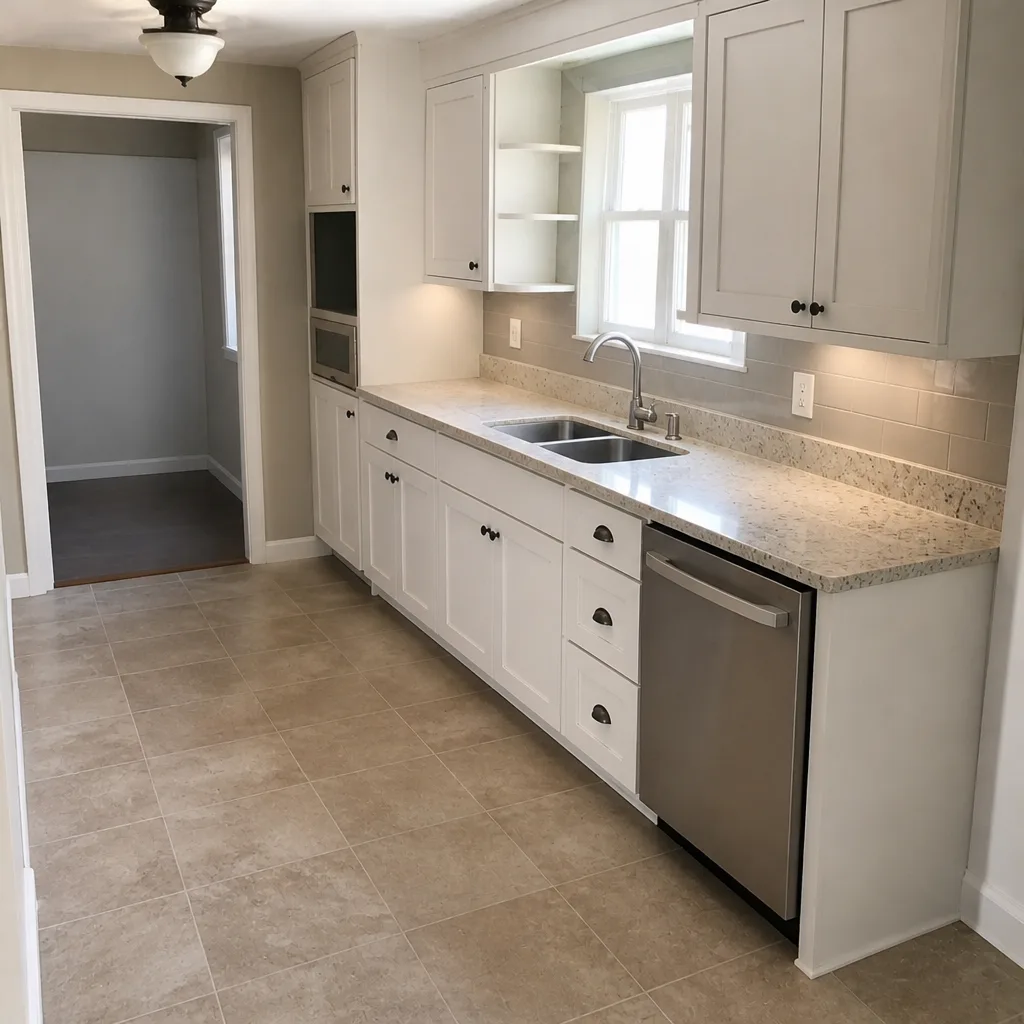 After
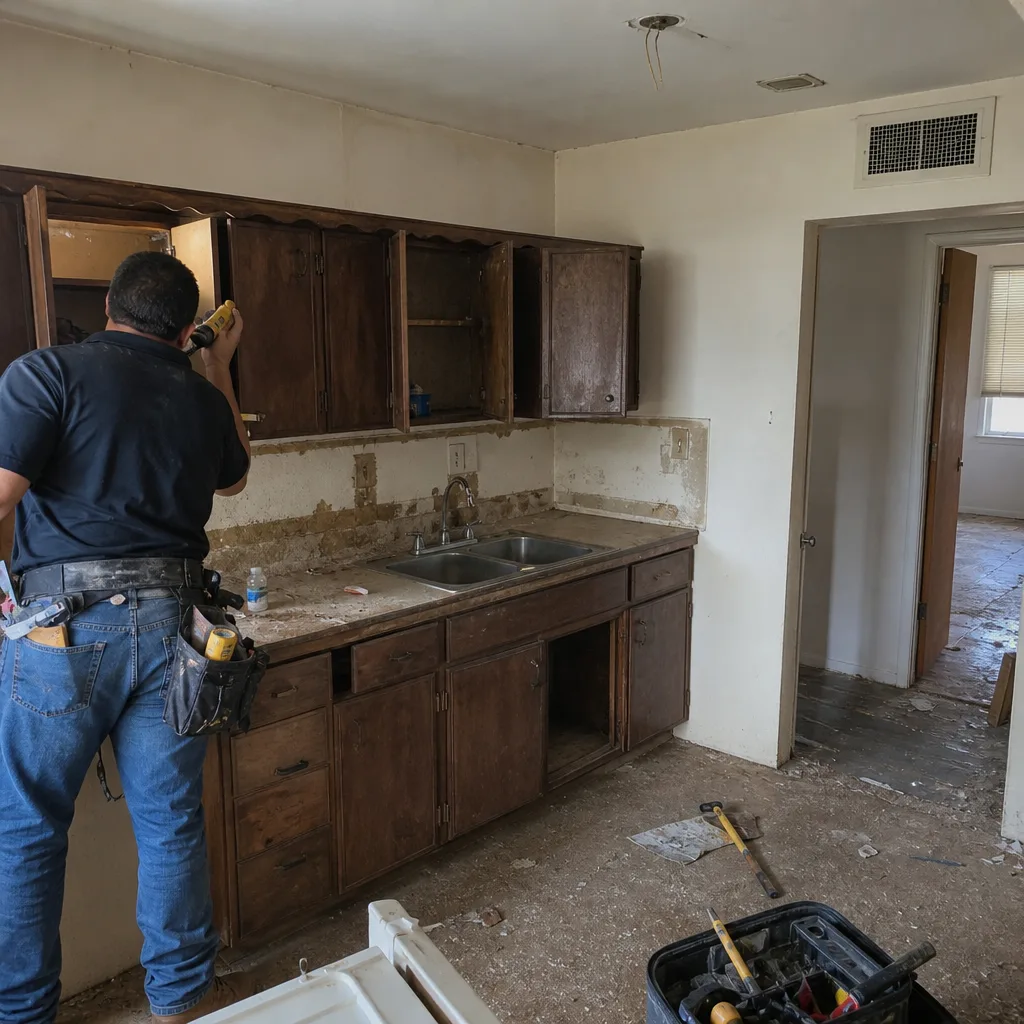 Before
 After
 Before
 After
When to Call a Professional
If you’ve walked through this guide and two or more warning signs apply, bring in an experienced contractor before you spend another dollar on cosmetics. The problems behind the wall don’t fix themselves, and repainting or re-caulking a failing shower makes the underlying damage harder to spot. Call a professional if you see: sustained musty odor, soft spots near the toilet or shower, doors that stopped latching after months of use, efflorescence on grout, hollow-sounding tile, or a bathroom remodel that was finished without permits or inspections. Barrett & Sons Construction Arlington offers free estimates in Arlington. Call (888) 590-9867 to schedule yours. We’ll walk the room with you, tell you what we see, and put a written scope in front of you before anything is signed.
Frequently Asked Questions
The most reliable sign is a musty odor that returns any time the bathroom sits closed for a few days. That smell means moisture is trapped somewhere it shouldn’t be, usually behind the tile or under the subfloor. Call (888) 590-9867 for an inspection before the problem spreads.
That bloom is called efflorescence, and it’s mineral salts coming to the surface because water is moving through the grout. It’s one of the clearest signs that moisture is getting behind the tile. Get it checked early; the repair is much smaller before the wall opens. Call (888) 590-9867 for a free second opinion on any written estimate.
Yes. Any Arlington bathroom remodel that moves plumbing, electrical, or framing requires a permit, and pulling it is the contractor’s job. If a contractor tells you permits are optional, that’s a serious warning sign. Insist on seeing the inspection record before final payment. Call (888) 590-9867 if you need a contractor who pulls permits.
A door that stops latching in humid months is telling you the room isn’t ventilating properly or moisture is trapped in the wall and frame. Wood and drywall absorb the humidity and swell, throwing the strike plate out of alignment. It’s a warning sign worth investigating, not a seasonal inconvenience. Call (888) 590-9867 for an assessment.
Press a screwdriver into the floor near the toilet base and along the shower curb. A floor that gives or a tool that sinks in easily means the material is compromised. A toilet that rocks is another strong signal. Any of these means the subfloor or framing needs attention before new tile goes down. Call (888) 590-9867 to schedule a walk-through.
Ask three things: will they pull the permit and share the inspection record, will every change order and allowance be in writing before the work happens, and what happens if a problem appears behind the wall after demo. If any answer is vague, that’s your signal. Our team answers all three plainly on every estimate. Call (888) 590-9867.
The Bottom Line
The warning signs of a bathroom remodel going wrong show up in three places: before demo in your existing bathroom’s smells and soft spots, during construction in the materials and documentation a crew uses, and in the first months after the job in grout bloom, sticking doors, and returning odors. Catch them early and the fix is small. Miss them and the repair can run into five figures. In Arlington, humidity gives those signs a head start, so pay attention. Get permits pulled, get change orders in writing, get photos behind the wall before tile covers it. Every one of those is a protection against finding out at resale what you could have caught at rough-in.
If any of this guide sounded familiar when you sat in your own bathroom, don’t wait. Call Barrett & Sons Construction Arlington at (888) 590-9867 for a free estimate. Estimates are free, no trip charge inside the county, and a free second opinion is available on any written estimate you already have. If you’re getting ready for a bigger project, our Home Additions & ADU in Arlington and Driveway & Pavers in Arlington services include the same written scope process, and so does Fence Installation in Arlington.
Written by the team at Barrett & Sons Construction Arlington.