
Last updated November 17, 2026
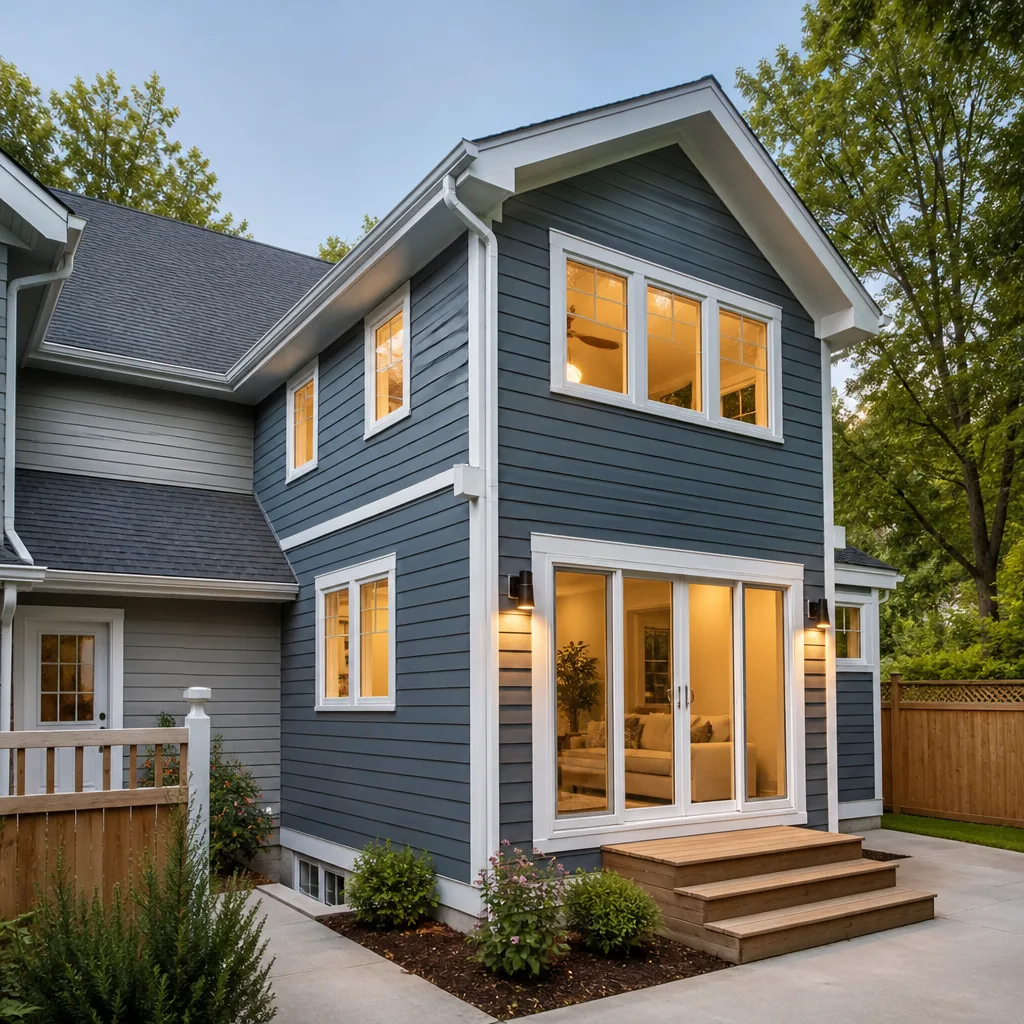 Home additions & ADU
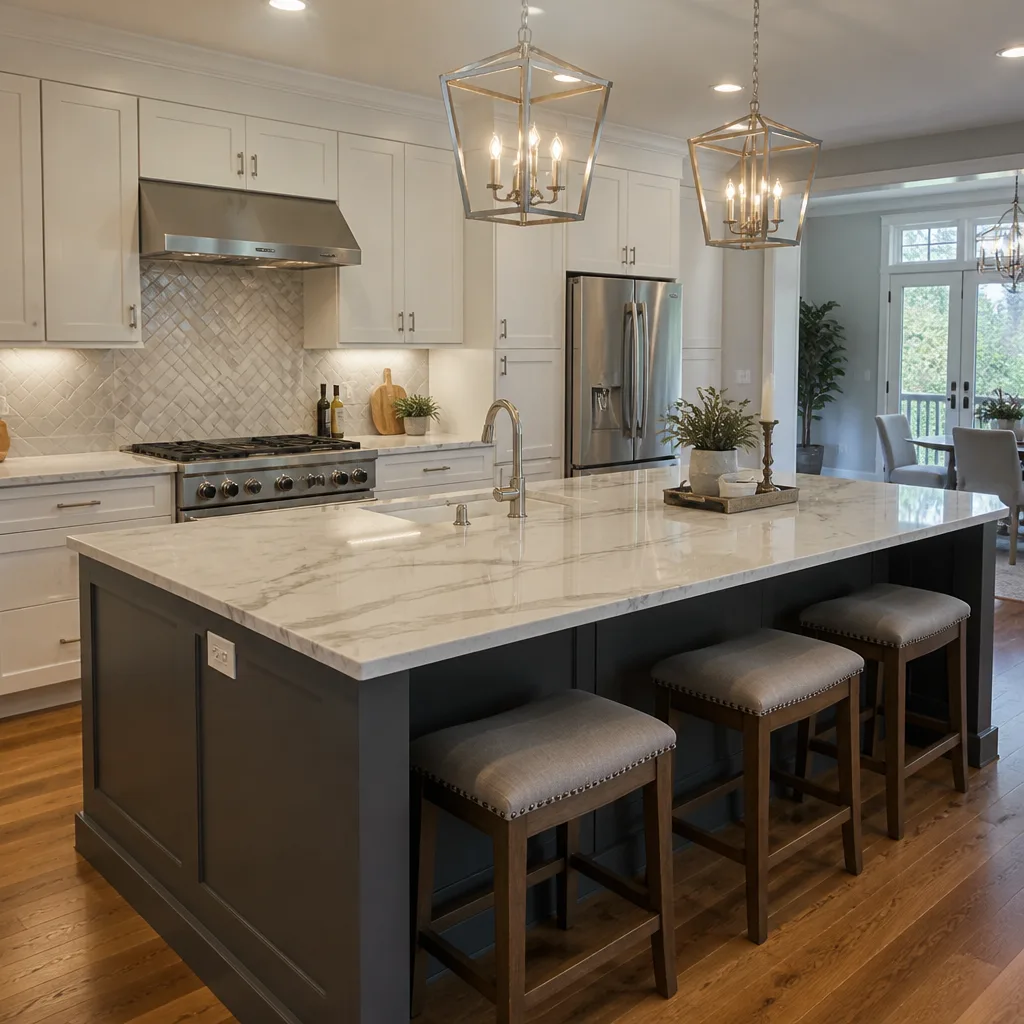 Kitchen remodeling
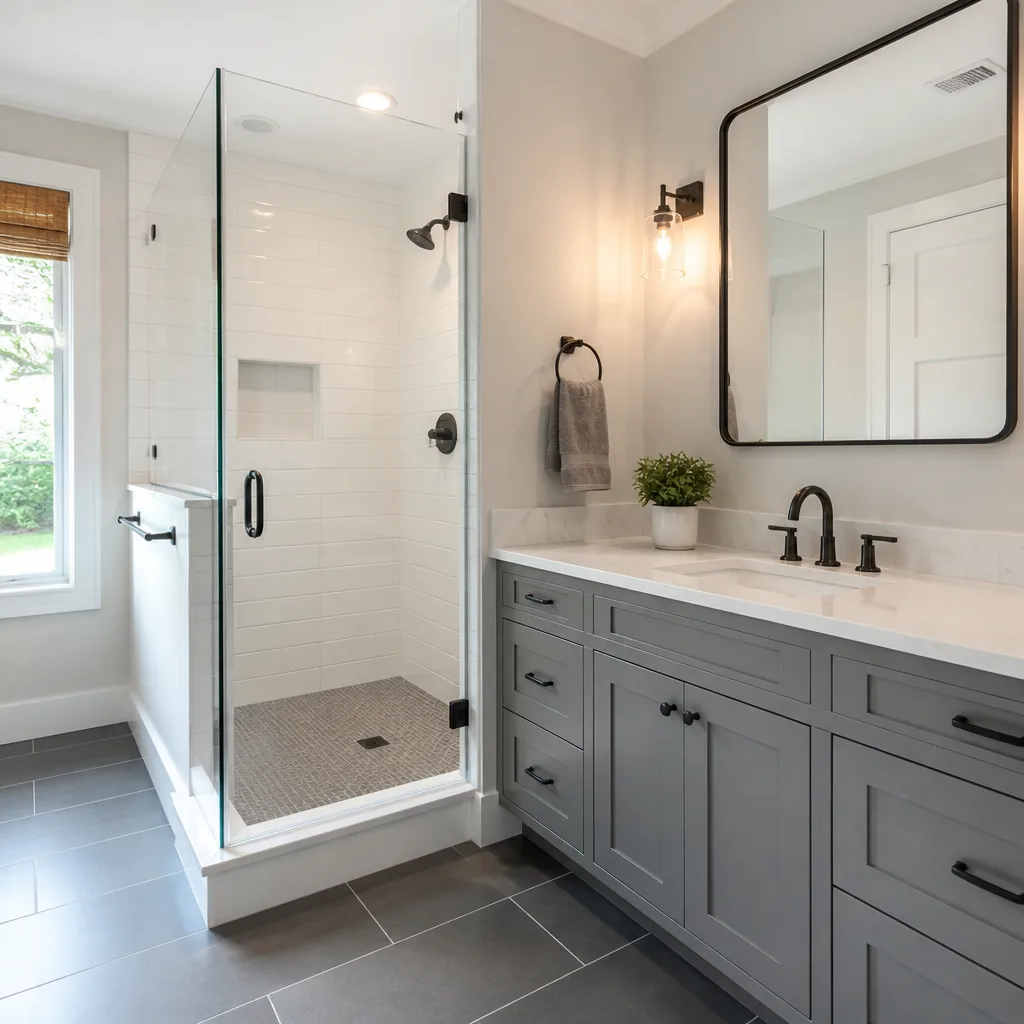 Bathroom remodeling
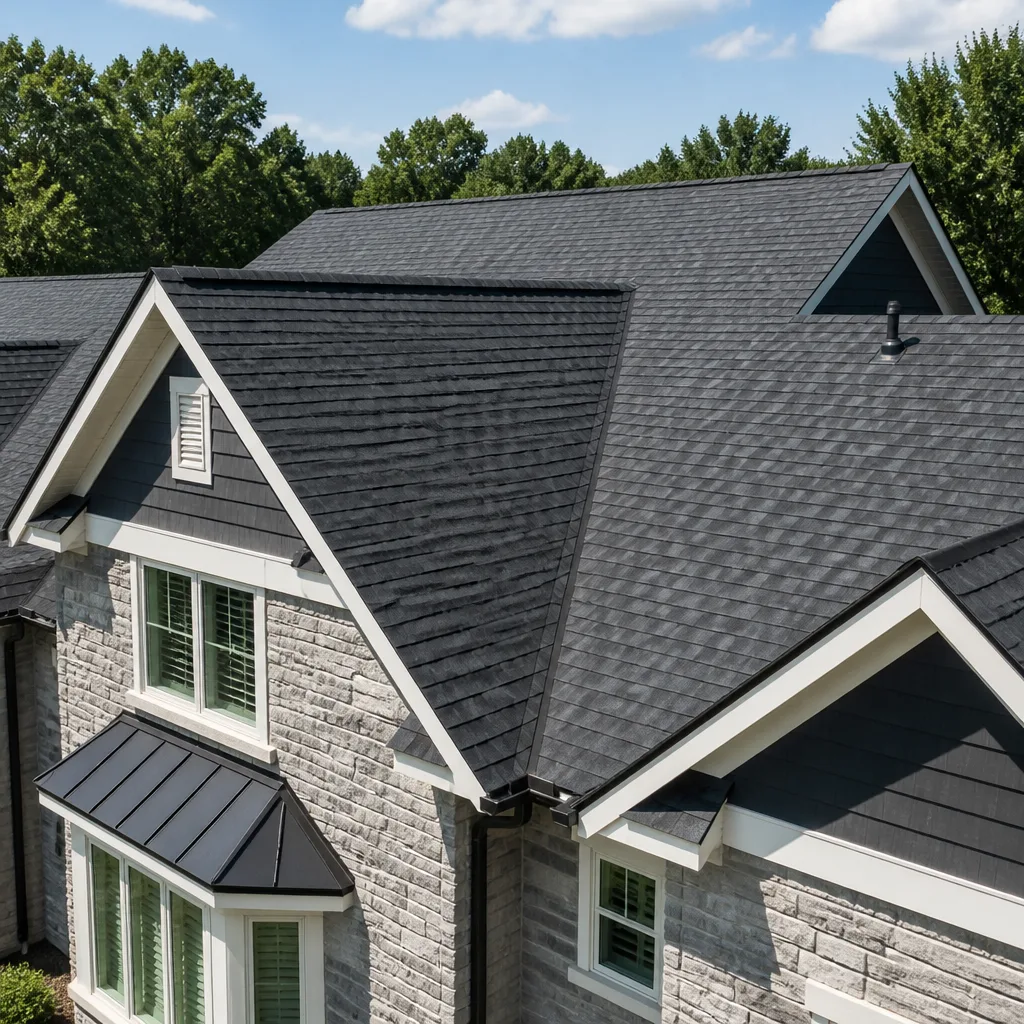 Roofing
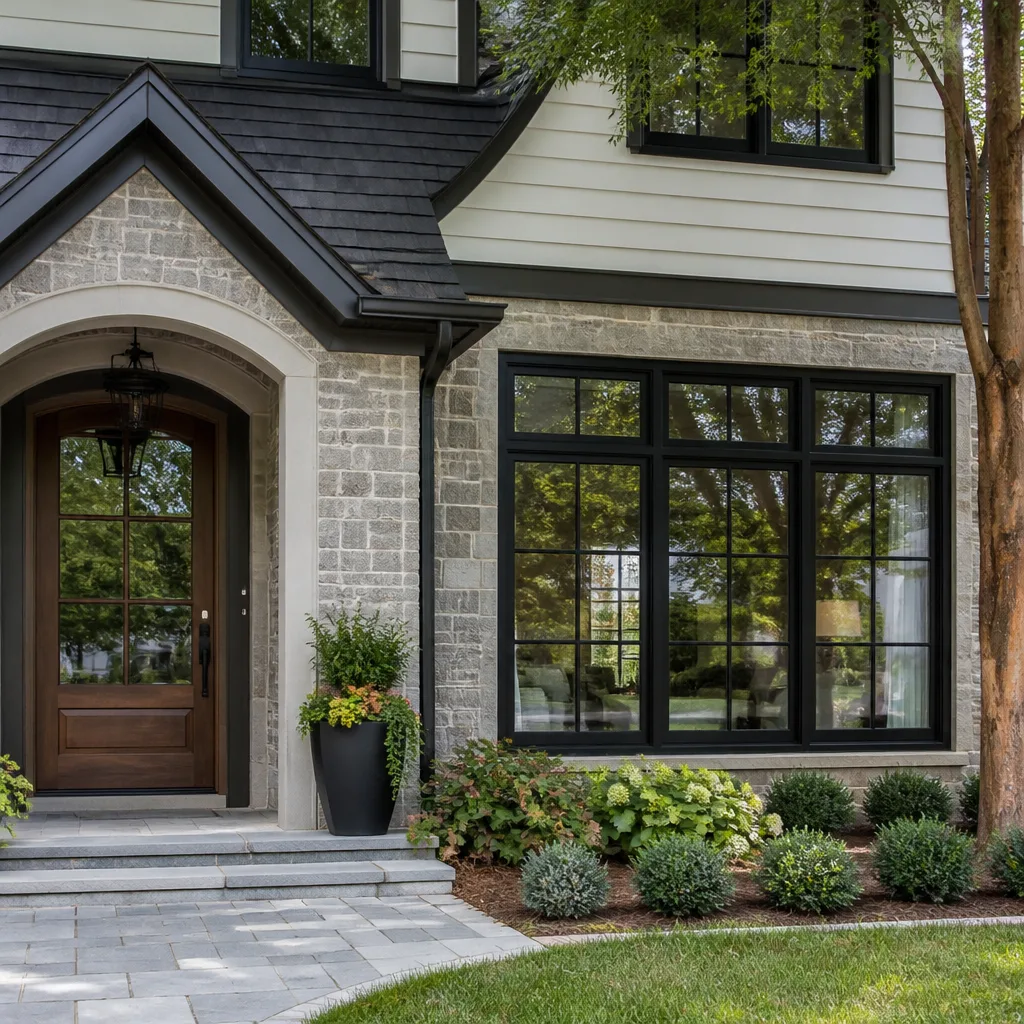 Windows & doors
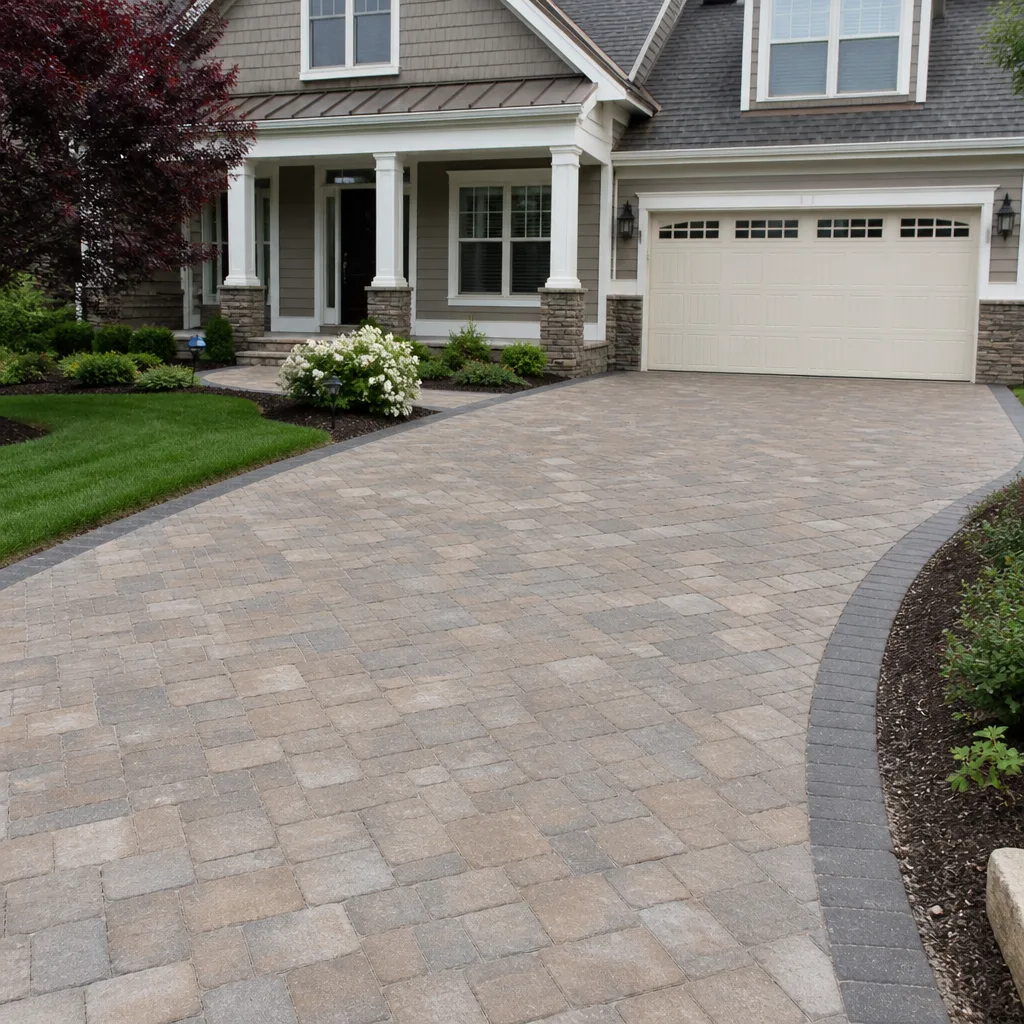 Driveway & pavers
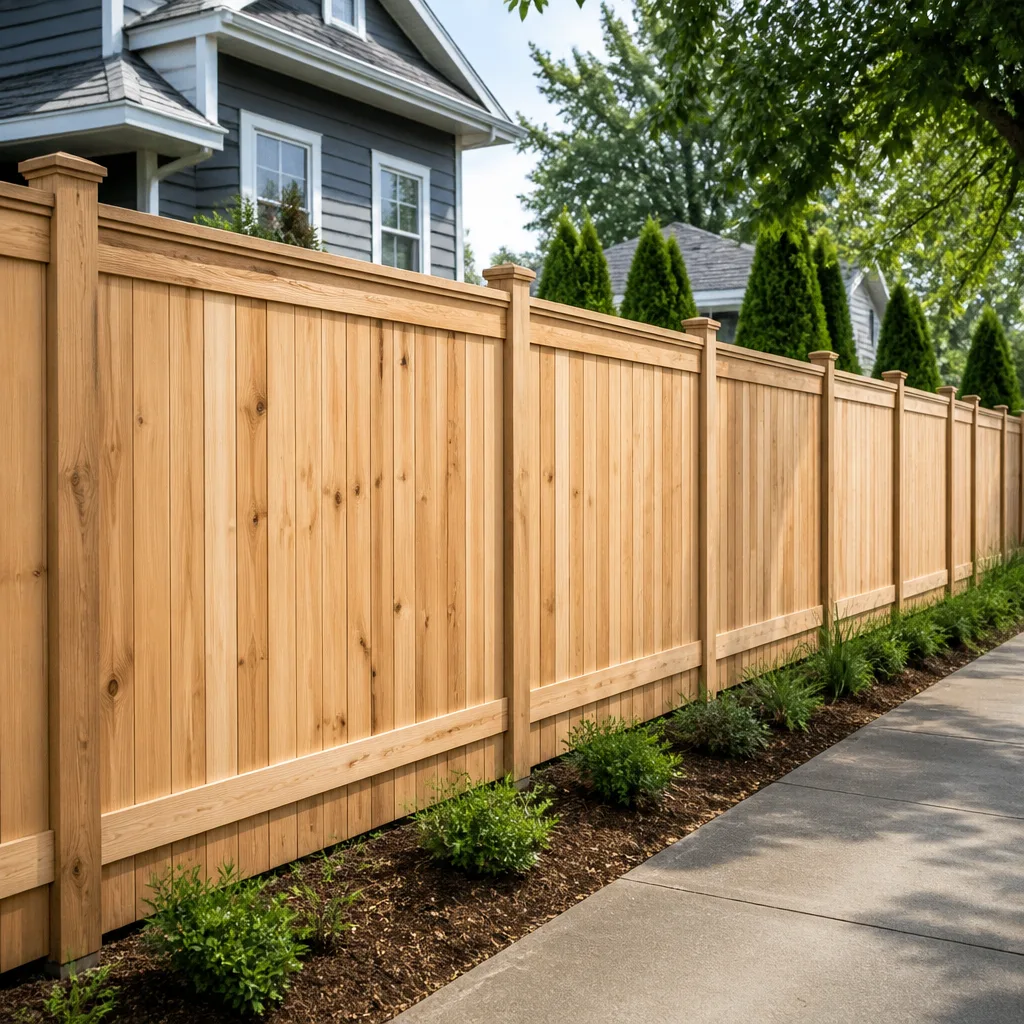 Fence
Free written scope consultation - allowances, timeline, and change-order rules on paper before a single trade is scheduled
Seasonal Construction Care for Arlington: Year-Round Homeowner’s Guide
Arlington averages fewer than ten freezing days a year. That sounds like good news for your house, and most homeowners treat it that way – skipping winter prep entirely. Then a February ice event like 2021 rolls through Tarrant County, pipes split, fascia rots, and every deferred maintenance item on the street shows up at once. The truth is that Arlington doesn’t have four equal seasons. It has two hard ones (summer heat and winter ice), one short, cheap building window (fall), and one that’s mostly for planning. This guide walks through each, with the projects, inspections, and concrete facts that actually matter in Arlington.
Quick Answer
In Arlington, the best time for exterior work – concrete, masonry, pavers, and roofing – is late September through November, when temperatures sit in the 60s to 80s and the ground is workable. Summer is for interior and HVAC-adjacent projects plus sealant maintenance, and winter is for freeze protection and spring inspection prep. Skipping the fall window usually means paying more later or waiting in a spring schedule that fills by February.
Styles & brands we work with
- Kitchen remodeling
- Bathroom remodeling
- Home additions & ADU
- Roofing
- Windows & doors
- Driveway & pavers
- Fence
Table of Contents
- Why Arlington’s Seasons Don’t Split Evenly
- Fall: The Cheapest Window for Exterior Work
- Summer: UV Damage, Cure Times, and Interior Sequencing
- Winter Prep for Arlington’s Freeze-Thaw Pattern
- Spring Inspection: The Items Homeowners Skip
- Coordinating With a Tight Tarrant County Labor Market
- Common Mistakes to Avoid
- When to Call a Professional
- Frequently Asked Questions
Why Arlington’s Seasons Don’t Split Evenly
Most seasonal maintenance calendars were written for a Northern climate – one that gets four roughly equal seasons, a reliable snowpack, and a long dormant winter. Arlington doesn’t work that way. From June through August, daily highs routinely sit at 95°F to 102°F. That’s not just an inconvenience; it’s a chemistry problem for any material that cures, seals, or cures again. Paint, caulk, and concrete all behave differently above 95°F.
Meanwhile, the winter side of the calendar is milder on paper but nastier in practice. Arlington’s freeze-thaw cycle in a typical January brings wet nights and warm days. Water gets into a hairline crack, freezes overnight, expands, and thaws by noon. Repeat that a few times and a hairline becomes a structural crack. That freeze-thaw pattern, not deep snow, is what damages foundations, brick, and pavers in Arlington.
The result: exterior work wants the fall window, interior work fits almost any time, and spring is really a repair season, not a build season. Understanding that split is worth more than any generic month-by-month checklist.
What each season is actually good for in Arlington
- Spring (March – May): Inspections, repair, and scheduling. Not the best time for concrete or masonry.
- Summer (June – August): Interior remodeling, HVAC sequencing, sealant maintenance.
- Fall (September – November): Concrete, pavers, roofing, masonry, exterior paint. Best pricing and best scheduling.
- Winter (December – February): Freeze prep, planning, and design work for spring builds.
Fall: The Cheapest Window for Exterior Work
If you want to do anything with concrete, brick, pavers, or roofing in Arlington, the calendar matters more than the budget. Fall is the optimal window for exterior concrete, masonry, and paver work in North Texas. Ambient temperatures settle between 65°F and 85°F, which is the sweet spot for concrete curing, mortar setting, and sealant adhesion. The work goes faster, the cure is more predictable, and the finished product holds up better.
The problem is that everyone in Tarrant County knows this. Schedules for Driveway & Pavers in Arlington and roof replacements fill by late August or early September. Homeowners who call in October often land on a project start date in December or wait until spring.
Concrete is the clearest case. When Arlington pours a driveway or slab in July, the surface can dry too fast, leading to plastic shrinkage cracks or a weaker top layer. In fall, the slab cures evenly. Paver base compaction also depends on moisture, and fall soil moisture in Arlington – after the September storms but before the December cold – is easier to work with than the baked ground of August.
Roofs behave the same way. GAF and CertainTeed shingles install best when ambient temps sit between 50°F and 80°F. Above 90°F, the shingles get soft and tacky; below 40°F, the adhesive strips don’t seal without extra heat. Fall sits right in the middle.
Exterior projects worth scheduling in fall
- Concrete slabs, driveways, and walkways
- Brick and masonry repair or tuckpointing
- Paver installation or resealing
- Roof replacement or major repair
- Fence installation or replacement
- Exterior painting and caulking
If you’re pricing any of these, the number to remember is that scheduling in August costs less than calling in October, and sometimes by a lot: crews that are booked already in fall sometimes offer spring pricing with a discount to fill a winter schedule.
Summer: UV Damage, Cure Times, and Interior Sequencing
Summer in Arlington is not a construction season for exteriors – but it’s a critical one for maintenance and for anything adjacent to your HVAC. Two things most homeowners miss: caulk and sealants fail faster under UV exposure than under any other stress, and every summer construction project needs to be sequenced around cooling load.
A standard latex caulk line around windows and doors in Arlington has a realistic service life of about three to five years, and UV exposure cuts it short. A dark caulk line on south-facing trim can crack out in two. If you run your finger along the caulk on a south-facing window in mid-July and it crumbles or peels, that’s not cosmetic. It’s a moisture path waiting for a rainstorm.
Concrete curing is the other big summer issue. Fresh concrete needs to stay moist while it cures. In 100°F heat with a stiff south wind, a slab can be dry on the surface within 30 minutes of the pour. That’s why professional crews in Arlington often start pours at dawn and use evaporation retarders or wet curing in summer. If you’re having any exterior concrete work done in June, July, or August, ask specifically how the crew plans to slow the cure.
On the interior side, summer is the right season for kitchen and bathroom work, especially if you’re updating windows. If your project includes new windows next to the HVAC system, sequence the window install before the HVAC equipment swap. This matters more than it sounds – we’ve seen windows replaced after HVAC work and then the homeowner needs an extra sealant pass because the new units shifted the moisture load.
Summer maintenance checklist
- Walk every caulk line and press a fingernail into the bead; replace any that peel or flex easily.
- Inspect window glazing on south- and west-facing glass; brands like CWS and ES Windows hold up longer than builder-grade units but can still fail after 15+ years.
- Check attic venting; a hot Arlington attic that hits 150°F stresses your roof deck and shingles.
- Have any exterior concrete poured in the morning if possible.
Winter Prep for Arlington’s Freeze-Thaw Pattern
Arlington doesn’t have a “batten the hatches for four months” winter. It has a winter of mild days and occasional nasty nights, and what hurts a house here isn’t snow – it’s that freeze-thaw cycle. Water enters a crack, freezes overnight, expands by about 9% by volume, then thaws by noon. Twelve cycles a winter can turn a hairline crack in a brick wall into a finger-width gap in a Tarrant County house.
Winter prep here is different from what a Northern climate checklist covers. You don’t need to worry about snow load, ice dams, or roof raking. You do need to worry about:
- Exterior hose bibs: Disconnect hoses and shut off interior shutoffs before the first hard freeze. Arlington’s first real cold snap usually lands between mid-December and early January.
- Foundation cracks: Caulk or seal any visible crack wider than 1/16 inch. Freeze-thaw will widen them fast.
- Pavers and mortar joints: Any loose paver or cracked mortar joint is a winter failure point. Sealing before the first freeze costs a fraction of the repair.
- Exterior window seals: Older windows on west-facing walls are the ones to check first; brands with good drainage like Mr-Glass or ECO Window Systems hold up better but are still worth an annual look.
- Attic insulation: Heat loss from a poorly insulated attic contributes to ice formation on the underside of the roof deck, and it drives up your summer cooling costs too.
One more thing: while Fence Installation in Arlington is often a spring or fall project, a damaged fence gets brittle in winter. A cracked post or a leaning gate is easier to fix in January than after a February storm takes it down.
Spring Inspection: The Items Homeowners Skip
Most Arlington homeowners schedule a spring inspection only after they see obvious damage. That’s too late – the damage is already done. The point of a spring walk-through is to find the failures the winter caused but haven’t shown up yet.
Spring in Arlington usually means a fast warm-up and a lot of rain in April and May. That’s the perfect combination to reveal hidden winter damage. But by the time a homeowner notices water staining in the ceiling, the roof deck has already been wet for weeks.
Numbered spring inspection sequence
- Start at the roof. Walk the perimeter of the house on the ground and look for missing shingles, lifted fascia, and soft spots near the chimney. On a GAF or CertainTeed install, missing adhesive tabs from a winter cold snap are common.
- Check gutters and downspouts. Arlington’s spring storms are fast and heavy; blocked gutters mean water on the fascia.
- Walk the foundation line. Look for new cracks or widening in existing ones, and check for any sign of soil settlement.
- Inspect exterior caulk and windows. Pay attention to west-facing units; spring sun is brutal on old caulk lines.
- Look at the driveway and walkway. Any spalling or crack widening from the winter freeze-thaw cycle is worth addressing before summer.
- Check the fence and deck. Loose posts and soft deck boards show up fast in spring.
This list takes about an hour on a Saturday, and it catches most of the problems before they become structural.
Coordinating With a Tight Tarrant County Labor Market
Arlington’s construction labor market is tight, and that affects scheduling more than most homeowners realize. Good crews in Tarrant County are booked months out for any exterior project. The way to work with that reality is to plan a season ahead.
The practical approach: decide in spring what you want done in fall. Book in summer for a fall start. If something needs an emergency fix over the winter, have a standing relationship with a contractor you trust instead of calling around in a panic after a February ice storm.
When you’re coordinating multiple projects – say a roof and a driveway in the same fall – tell the contractor up front. A well-run schedule pours concrete after the roof is finished, not during. Sequencing prevents damage to the fresh work and saves change-order surprises. It also helps to lock scope, allowances, and any price changes in writing before the crew is on your property, so nobody is making decisions on the fly while the concrete truck waits.
Common Mistakes to Avoid
- Treating winter like it doesn’t exist in Arlington. The mild climate makes it easy to skip freeze prep, but the 2021 ice storm proved how expensive that can get. A February freeze cracks pipes, splits brick, and takes out fences that were never sealed.
- Scheduling exterior concrete for July. A 100°F Arlington pour can crack before it’s even finished curing. Fall and spring cure more evenly.
- Skipping the spring inspection until you see damage. By the time water stains appear in the ceiling, the roof has been compromised for weeks.
- Assuming new windows need no maintenance. Even high-quality units from ES Windows or ECO Window Systems need the sealant checked annually; it’s not a set-and-forget upgrade.
- Ignoring caulk on west-facing trim. West-facing sun exposure in Arlington is the hardest on exterior sealants, and the trim behind the failed caulk rots fast.
- Calling in October for fall work. Fall in Tarrant County fills up fast. Booking in July or August keeps costs down and gets the project done before the holidays.
- Not getting change orders in writing. If a contractor can’t put scope changes on paper before the work happens, walk away. Verbal agreements cost more later.
See the difference
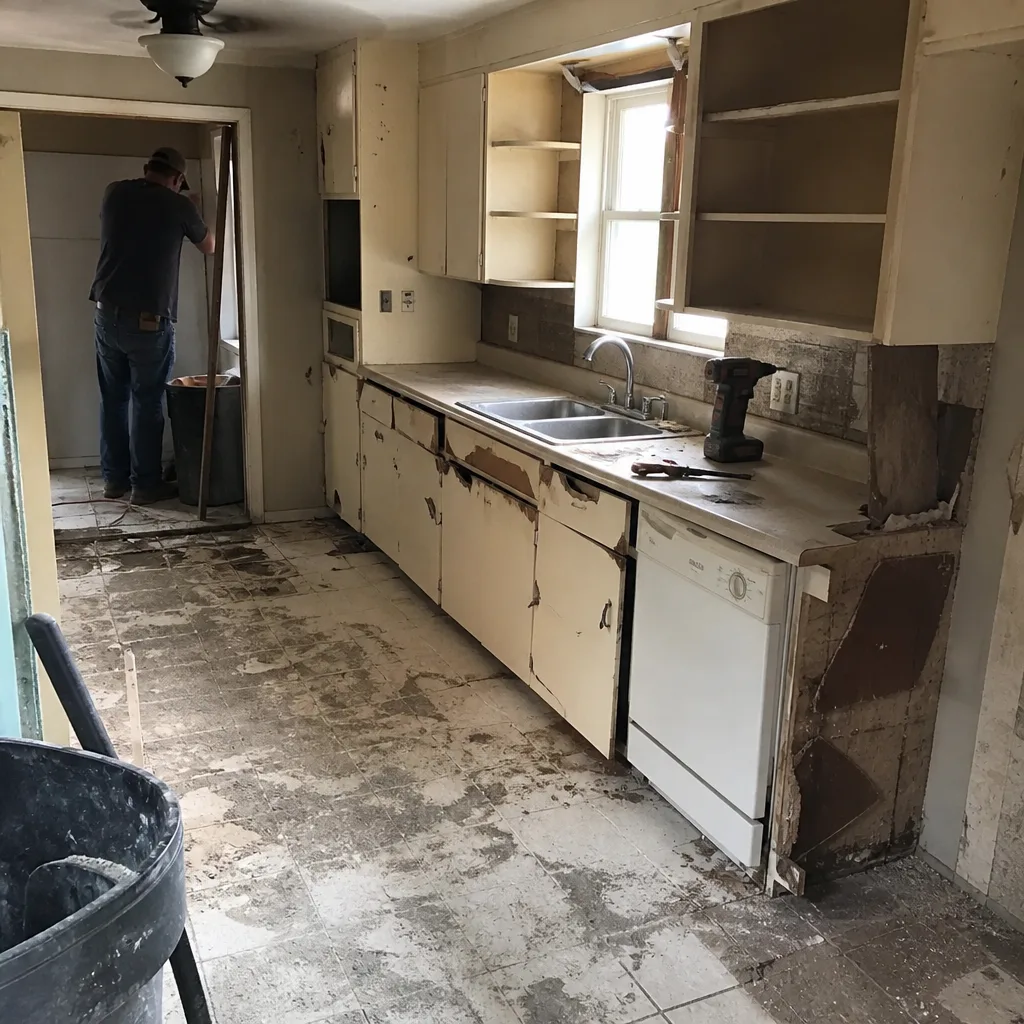 Before
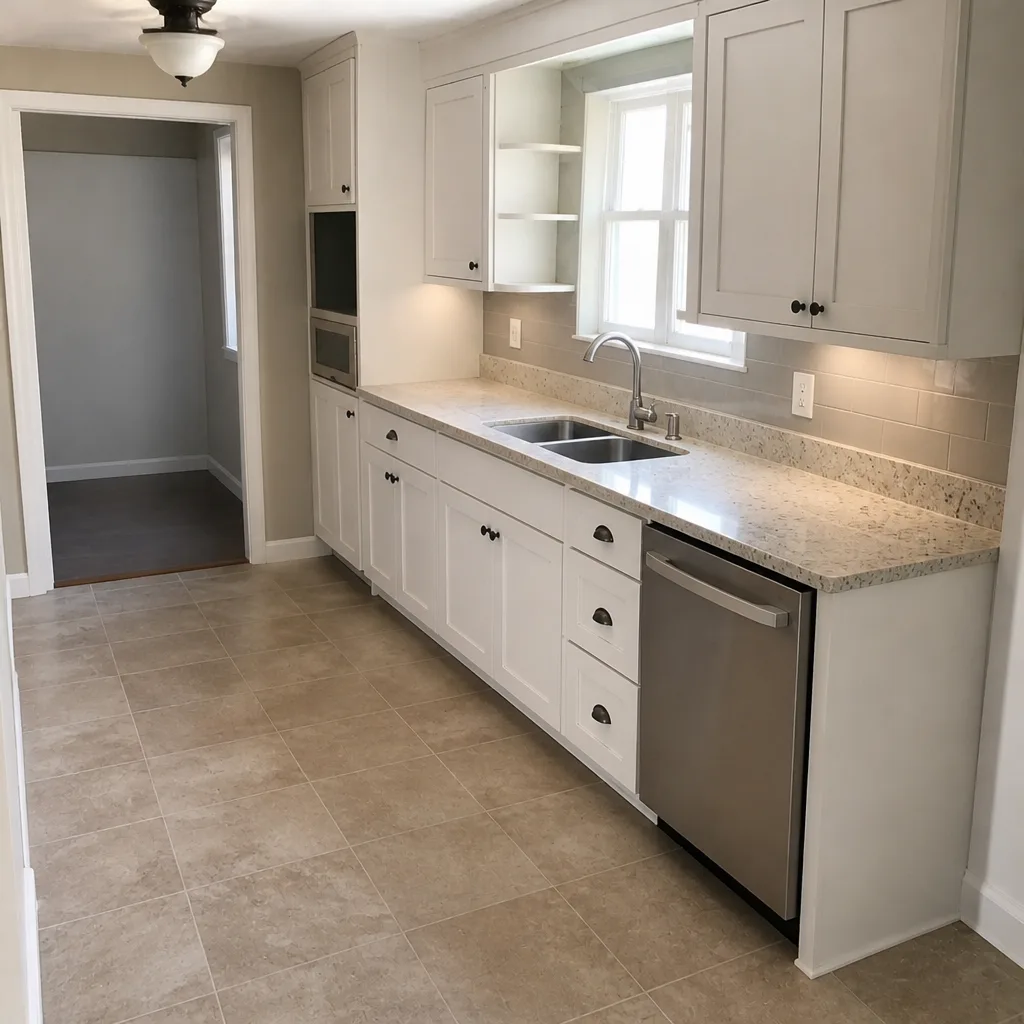 After
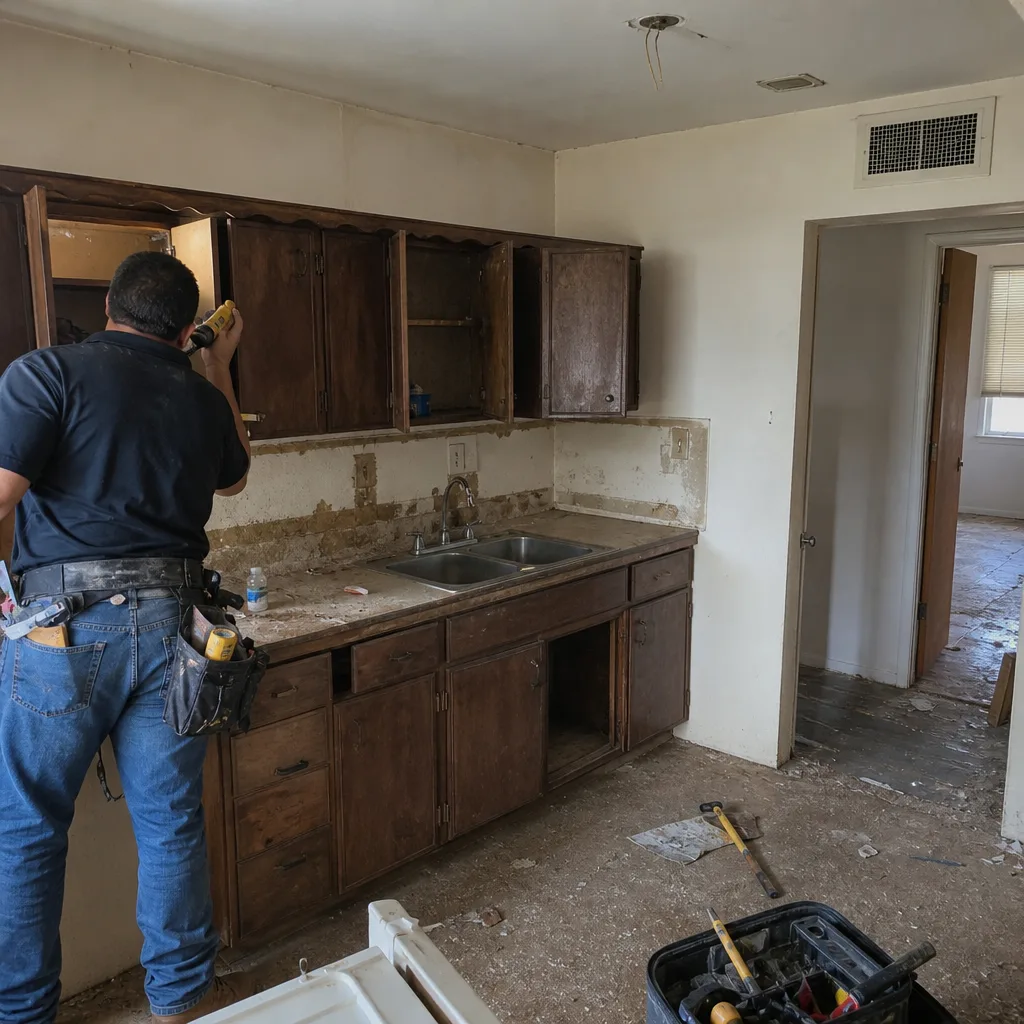 Before
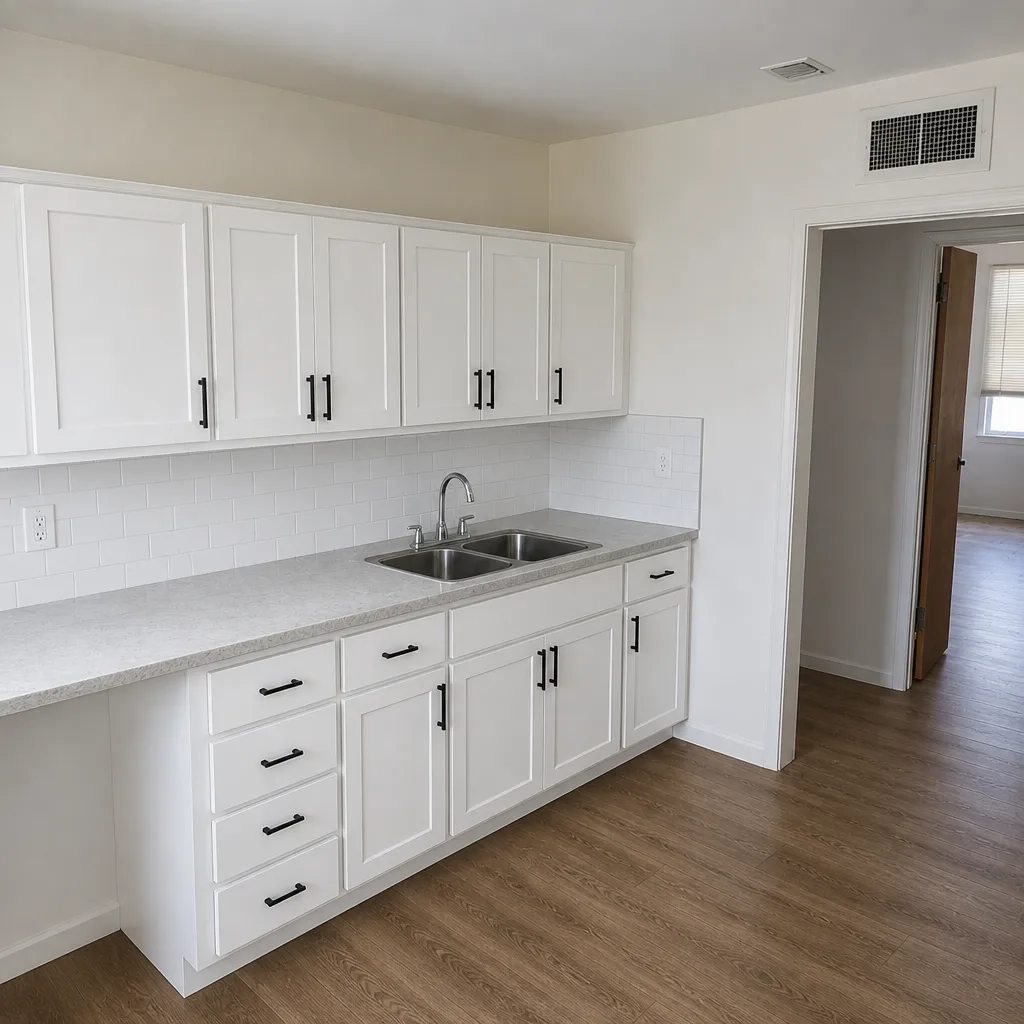 After
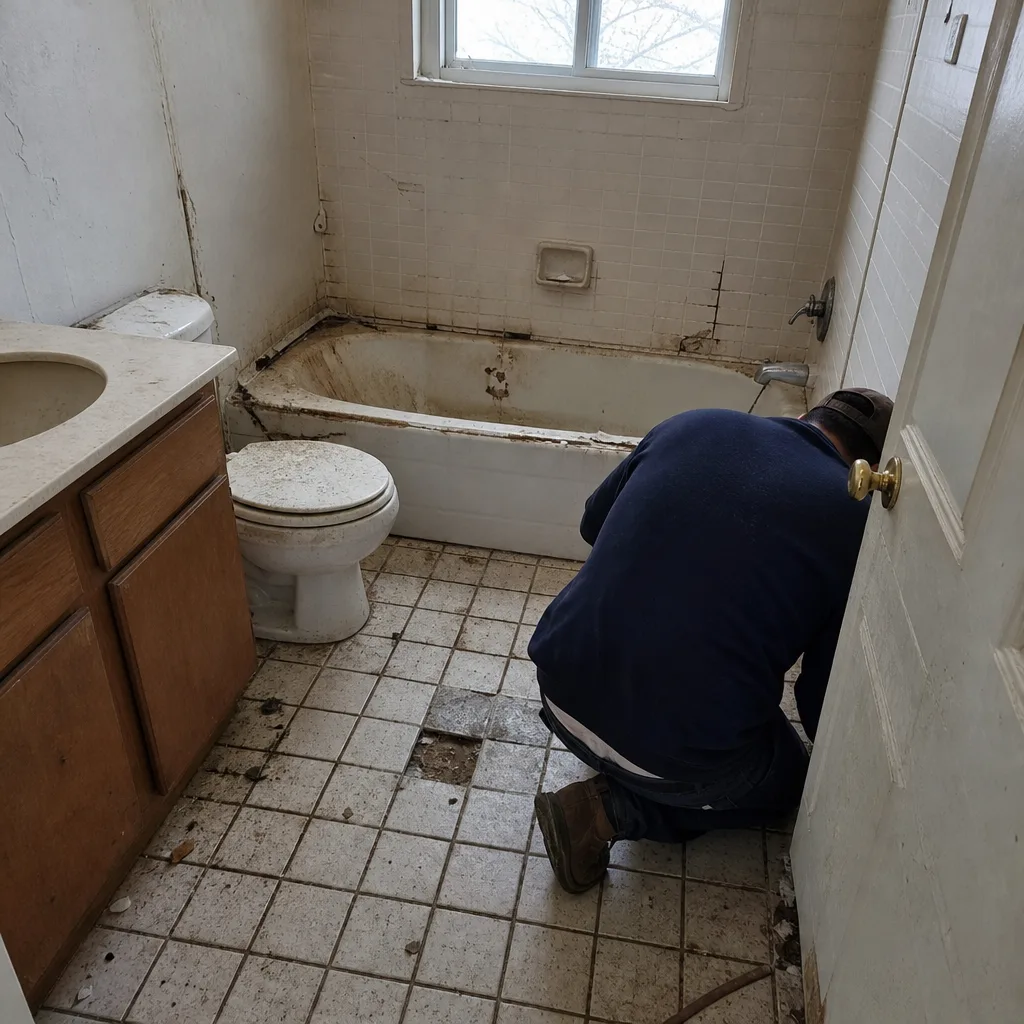 Before
 After
When to Call a Professional
Some seasonal maintenance is a homeowner’s weekend project. Others need a trained eye and a permit. Call a professional when you see foundation cracks wider than 1/16 inch, any new sag in the roofline, water staining on interior ceilings, brick that has visibly moved, or a paver field that has heaved from winter freeze-thaw. Any exterior concrete work over about 100 square feet, any roof work above a single story, and anything requiring electrical or structural changes goes to a licensed contractor. Barrett & Sons Construction Arlington offers free estimates in Arlington – call (888) 590-9867. We’ll walk the property, write up what we find, and give you a line-item quote with any change orders on paper before work starts.
Frequently Asked Questions
Late September through November is the best window for exterior concrete, masonry, and paver work in Arlington. Ambient temperatures in that range let concrete cure predictably and shingles seal properly. Book the project in summer to get a fall slot, because the schedule fills fast in Tarrant County.
A standard concrete driveway in Arlington typically runs from about $6 to $12 per square foot, depending on thickness, reinforcement, and site prep. A typical two-car driveway in the 400 to 500 square-foot range lands between roughly $3,200 and $6,000. Paver driveways run higher, usually $12 to $22 per square foot. Call (888) 590-9867 for an exact quote – estimates are free.
Yes, and specifically because “barely” is the trap. Arlington averages fewer than ten freezing days a year, which is exactly why most homes aren’t ready when a February ice event like 2021 hits. The essential steps are disconnecting and shutting off hose bibs, sealing exterior cracks, and checking caulk on west-facing windows before the first hard freeze.
Not if the scope is written down before the crew arrives. Any price change on a legitimately new discovery should arrive as a written change order before the work moves forward, and you should have the option to walk away from it. If a contractor won’t commit to that on paper, don’t sign anything.
Yes – every eligible job gets permits pulled and inspections signed. In Arlington, adding a driveway approach, changing a roof line, or building a home addition all sit within the city’s permitting framework, and the inspection is really a check that your house was built the way the plans said. Skipping permits usually costs more at resale or repair time.
A typical Arlington roof replacement runs one to three days once materials are on site, depending on roof complexity, pitch, and square footage. Fall scheduling often pushes the start date out two to three weeks after the quote is signed, so plan for that when you’re setting the timeline.
The Bottom Line
Arlington’s calendar isn’t the four-season split most checklists assume. It’s two hard seasons, one short cheap window, and one for planning. Exterior work – concrete, pavers, roofing, masonry – wants the fall window and gets booked up fast. Summer is for interior work, HVAC sequencing, and sealant maintenance under brutal UV. Winter is for freeze-thaw prep, not snow load prep. Spring is for inspections before damage shows up. If you’re planning any exterior project in Arlington this year, get the quote in summer and lock the fall slot. Barrett & Sons Construction Arlington works the whole schedule, pulls every permit, and puts every scope change in writing before a nail moves.
Written by the team at Barrett & Sons Construction Arlington.