

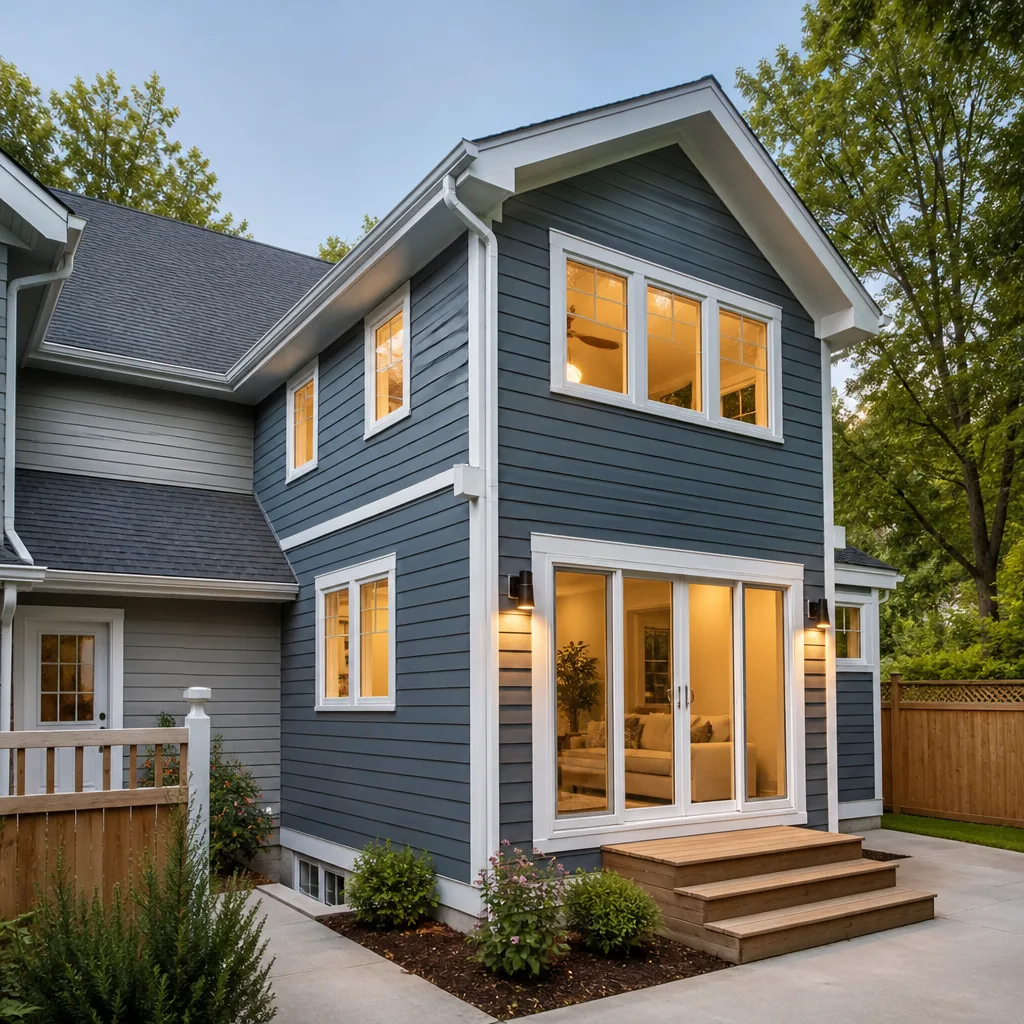
 Home additions & ADU
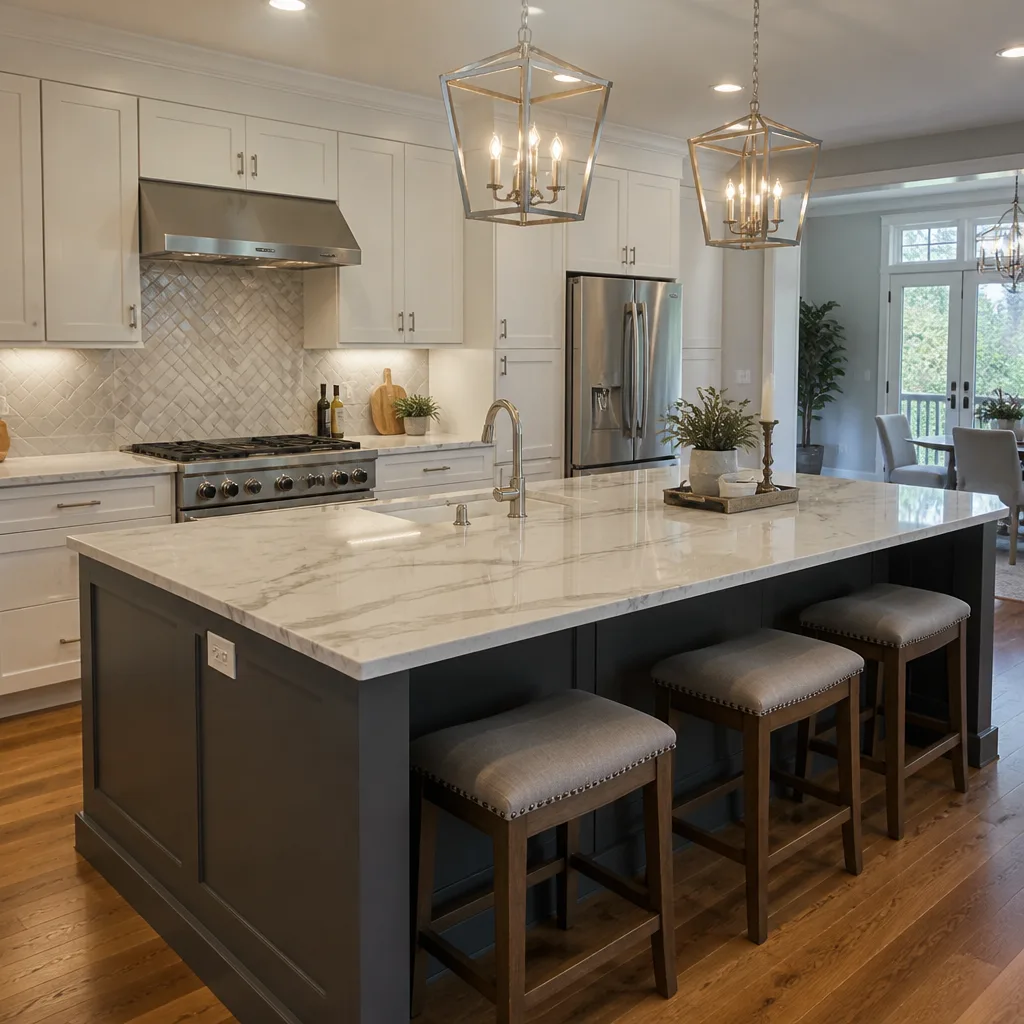 Kitchen remodeling
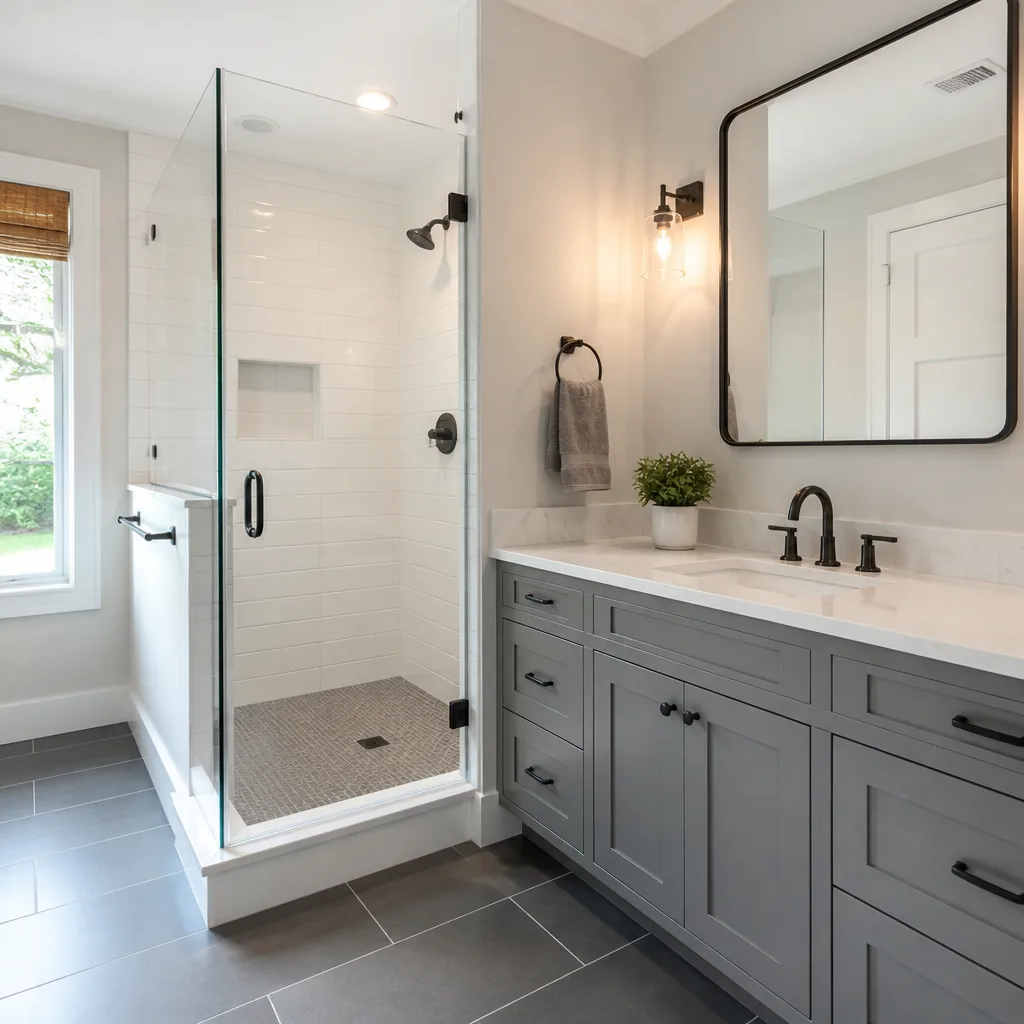 Bathroom remodeling
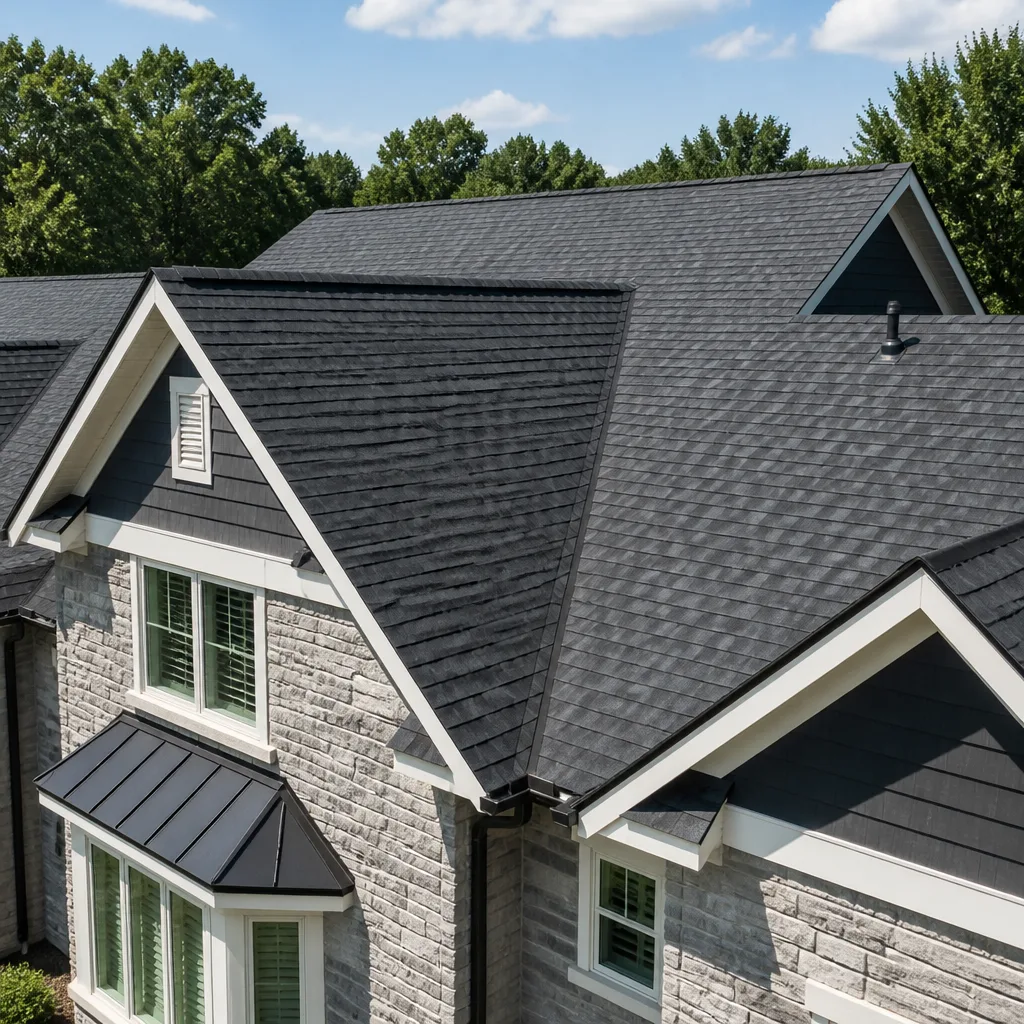 Roofing
 Windows & doors
 Driveway & pavers
 Fence
Free written scope consultation - allowances, timeline, and change-order rules on paper before a single trade is scheduled
Cover Home Additions & ADU: The Arlington Owner’s Guide
Short answer: A typical home addition in Arlington runs $45,000 – $130,000 turnkey, and the structure, mechanicals and finishes are all built on-site to Cover’s published specifications – there’s no single “part” to swap. When an owner calls us about a failing Cover addition, it’s almost always one identifiable component inside it: a sliding door track, a mini-split condenser, a window unit, a roofing tie-in flashing, or a floor joist hanger. We source OEM Cover-compatible components where they exist, match them to the exact model spec, and price parts plus labor in writing before anyone picks up a tool.
Owners usually notice because of a sound first (a door dragging, a compressor short-cycling), a smell (musty air at the new wall), or a bill (the electric bill spiking after a season). That’s when the phone rings.
Barrett & Sons Construction Arlington is an independent service provider and is not affiliated with Cover.
Which Cover Models This Applies To
Cover additions come in several configurations – stick-built room additions, sunrooms, garage conversions and detached ADUs – and the components inside each vary by series, so the first job is matching the right part to the right model. Don’t order from memory.
Find the data plate first. Every Cover structure has a manufacturer label, usually on the inside face of the framing near the main entry or on the electrical panel cover. It lists the series, the model code, the build year, and the voltage for any pre-wired circuit. Photograph it before you shop; that one photo prevents more wrong-part returns than any other step.
Measure the opening, not the old part. Sliding door tracks, window units and exhaust fans are sized to the rough opening. Pulling the old part and measuring it sounds easier – until you find the original was a retrofit that never matched the opening. Measure the framing.
OEM vs. quality aftermarket. For Cover-branded trim, track systems and door hardware, OEM is the cleanest match – same extrusion, same finish, same warranty chain. For parts Cover sources from third parties (mini-split condensers, roofing underlayment, hardware), a quality aftermarket equivalent from a named manufacturer is often identical at a lower price. We tell you which is which in the written quote, by name. In our experience in Arlington, the top compatibility gotcha is track extrusion from one series being a half-millimeter off from another – it drops in, then binds within a season.
Styles & brands we work with
- Kitchen remodeling
- Bathroom remodeling
- Home additions & ADU
- Roofing
- Windows & doors
- Driveway & pavers
- Fence
Signs Your Cover Home Additions & ADU Is Failing
- Sliding door drags or won’t latch. Usually worn rollers or a track that has collected grit and lost its profile. On Cover sunroom series, the rollers are the first wear item – cheap to replace, expensive to ignore because a dragging door stresses the frame.
- Musty smell or damp drywall at the tie-in. Water is getting past the flashing where the addition meets the original house. North Texas storms push rain sideways at angles that find every gap. This one gets worse every season it’s left.
- Mini-split short-cycling or not keeping up. In Arlington’s July heat, a condenser that ran fine in spring shows its true condition. Could be a failing compressor, low refrigerant, or a dirty coil – the diagnosis matters more than the part.
- Window unit fogged between the panes. A broken seal lets moisture in and the gas fill out. You’ll see the haze before you feel the heat gain. Once fogged, the unit doesn’t recover – it’s a replacement.
- Floor feels springy at the perimeter. A joist hanger or fastening has loosened. Catch it early and it’s a small repair; let it run and you’re pulling flooring.
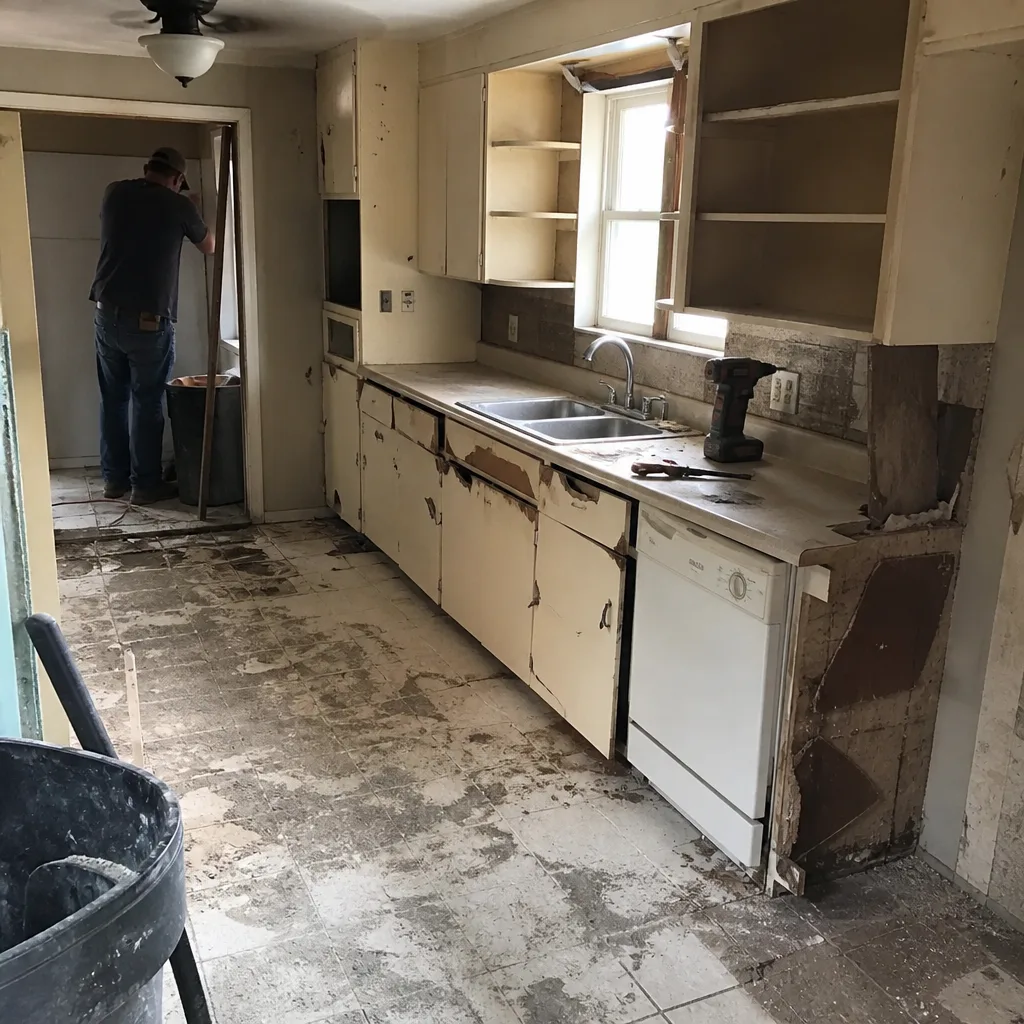
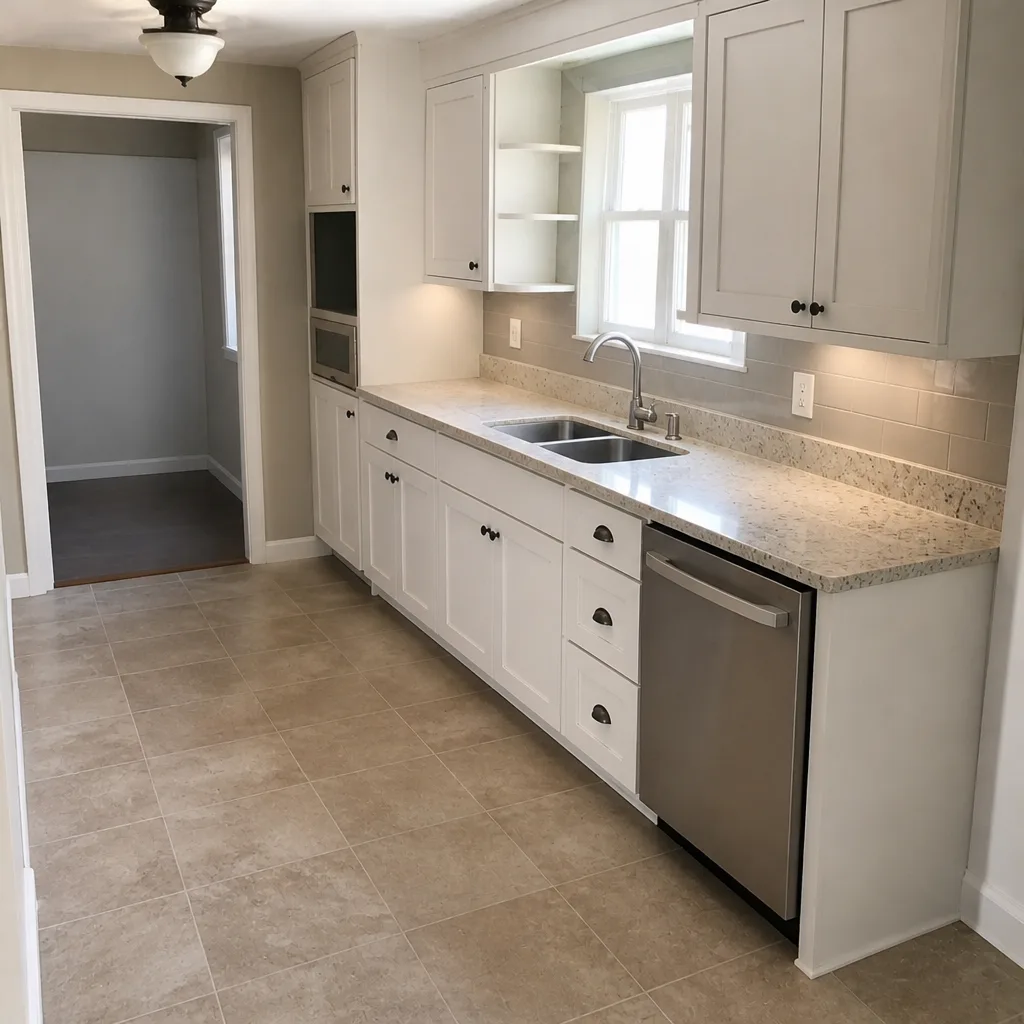
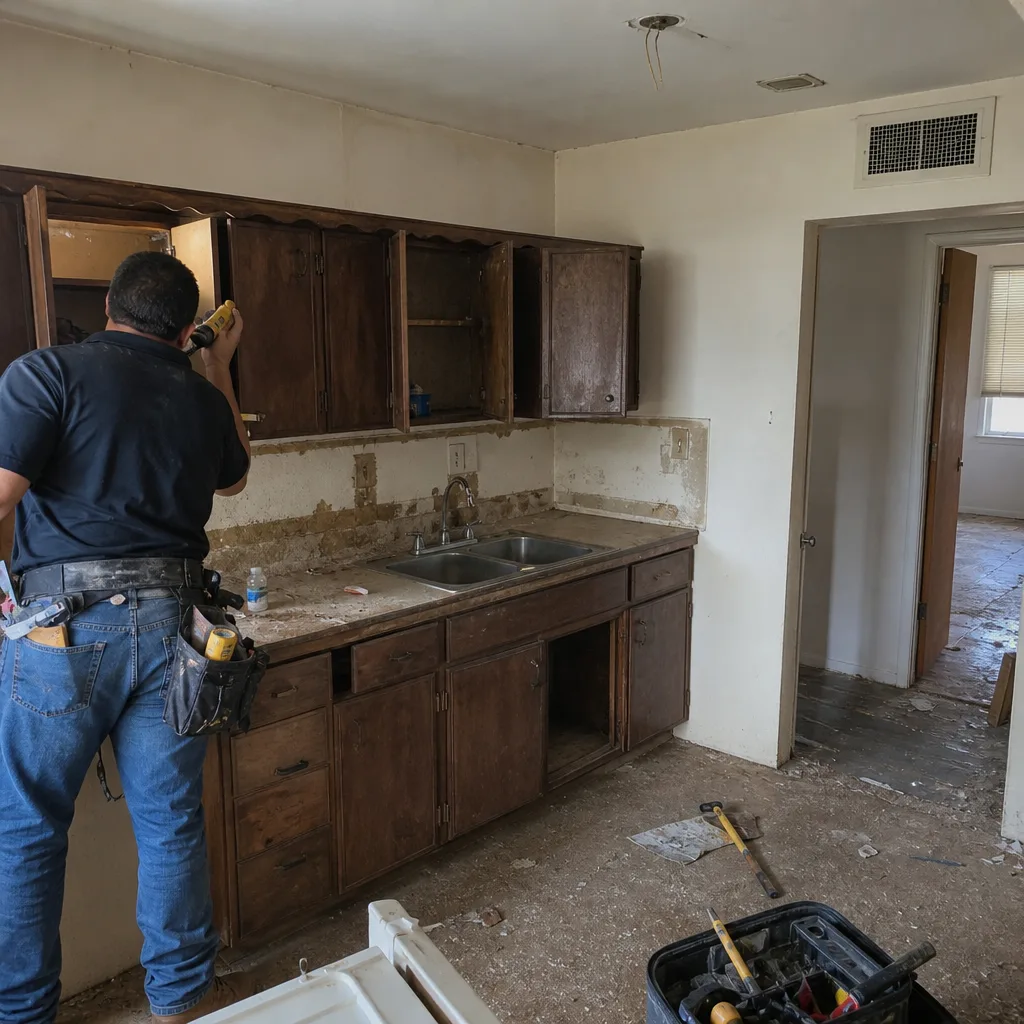
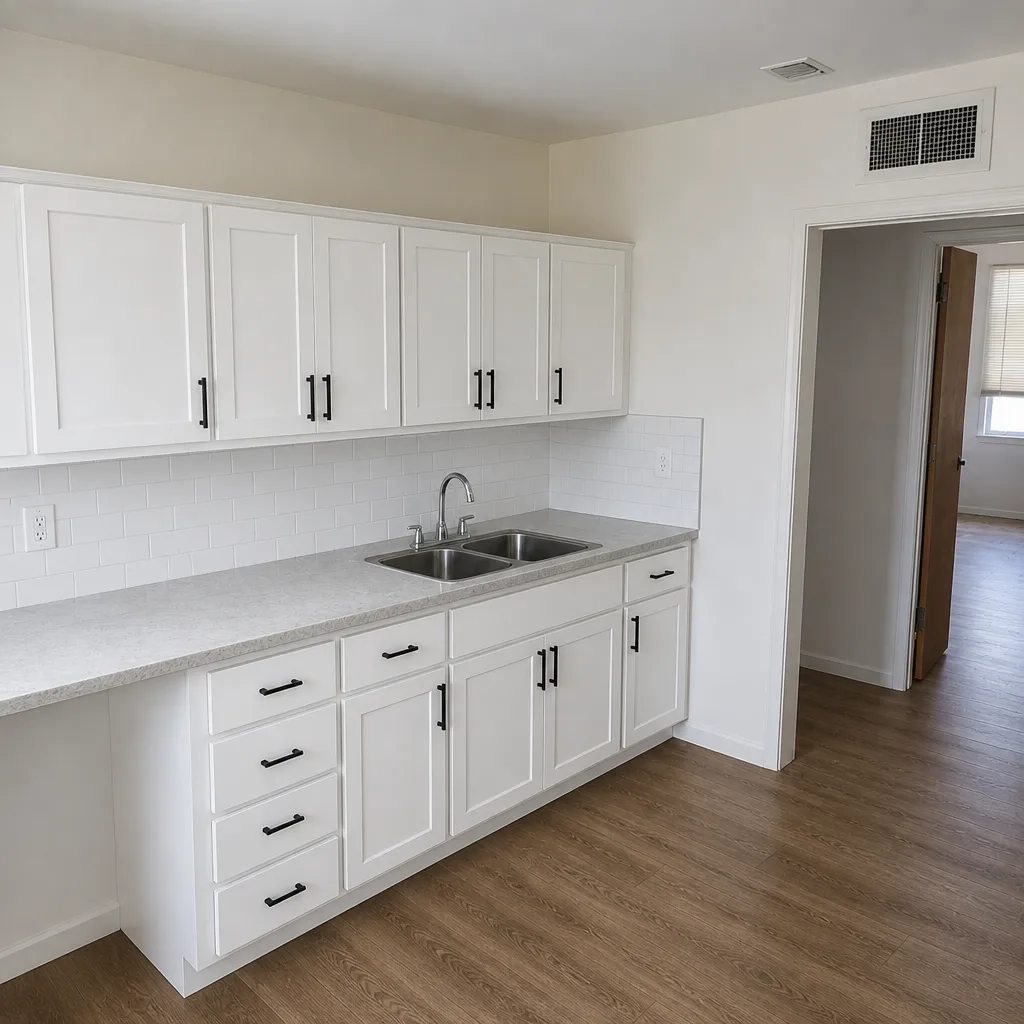
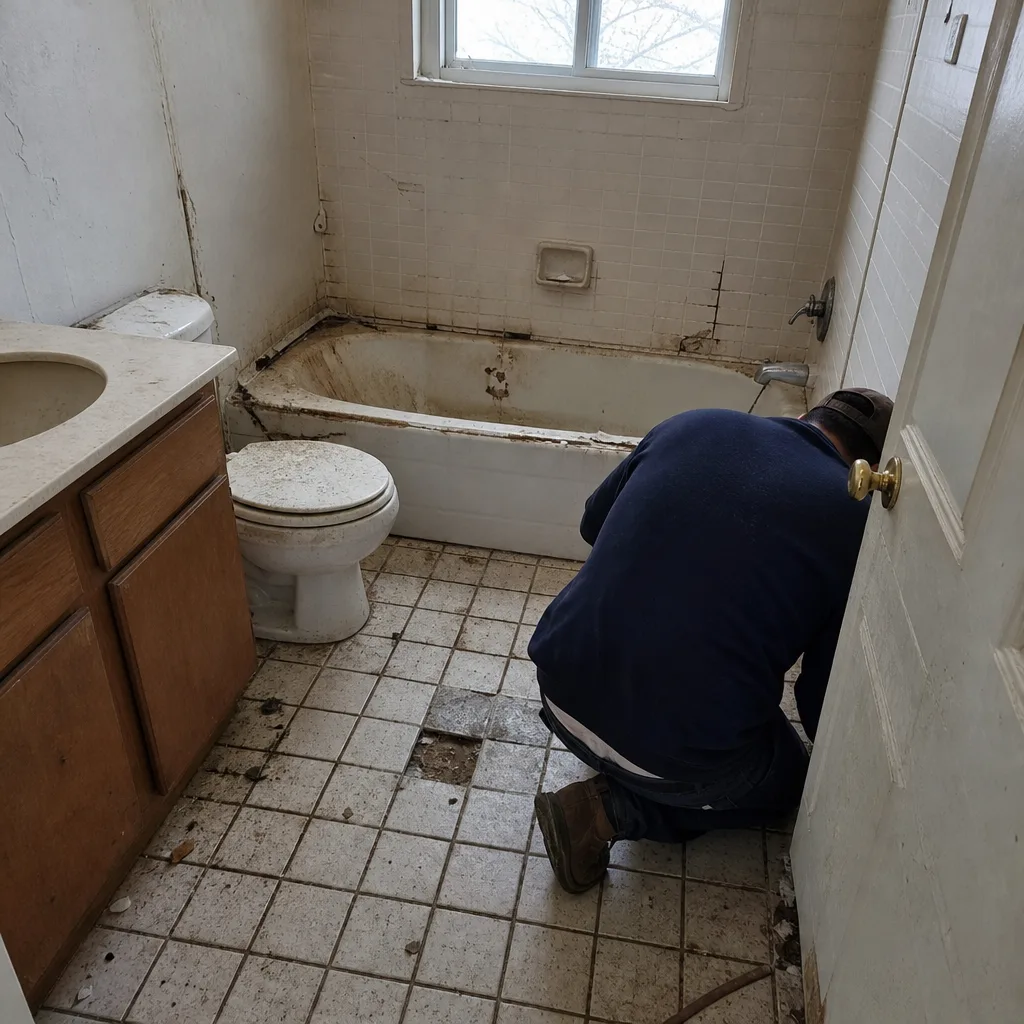
See the difference
 Before
 After
 Before
 After
 Before
 After
Replacement Cost & What’s Included
Here’s what Arlington owners actually pay for the components that fail most often inside a Cover addition, parts and labor together, ranges rather than a single number because the model and access drive the final price:
- Home Addition (full structure): $45,000 – $130,000
- Garage Conversion: $30,000 – $80,000
- ADU Construction: $90,000 – $220,000
- Sliding door roller or track replacement: small repair tier, and it qualifies for our $40 Off Any Repair Over $200
- Window unit replacement: sized to the opening, quoted line by line
- Roof tie-in flashing repair: depends on how much siding and sheathing has to come off to do it right
What drives the range is access, how much has to be opened up to reach the part, and whether the failure has spread. Every quote is written line by line, so you see the part cost and the labor cost separately. Every change is a written change order before work happens. Nothing is added at the end. The work is backed by our written 90-Day Done Right Promise, and any eligible job gets permits pulled and inspected. Our crew members have up to 28 years of experience.
DIY or Call Us?
Some things you can check safely yourself: photograph the data plate, measure the rough opening, clean grit out of door tracks, replace a light bulb or a filter, and look for damp spots along the tie-in wall. Those steps cost nothing and save us time.
Where DIY goes wrong on this part: anything tied to the electrical panel or the mini-split refrigerant circuit. Those aren’t screwdriver jobs. A refrigerant line under pressure and a live circuit in an addition are both genuinely dangerous, and a mistake there can burn a component out or worse. We don’t hand you a how-to for that; we hand you a phone number.
If you’re in Arlington and not sure which side of the line you’re on, call us and we’ll tell you honestly whether it’s a five-minute check or a crew visit. Call (888) 590-9867 for a free estimate – a live person answers, day or night.
FAQs
How long do Cover addition components last in Arlington’s climate? Expect roughly 12 to 20 years from a well-installed sliding door roller set, 10 to 15 from a mini-split condenser in regular use, and 15 to 25 from window units – the Texas heat and humidity push everything toward the lower end. Shade and airflow help; the components that fail early are usually the ones fighting the weather worst.
Can it be repaired instead of replaced? Often yes, and it’s worth checking first. A dragging door is usually rollers, not a whole track; a short-cycling mini-split is often a coil cleaning and a recharge rather than a new condenser. We diagnose before we quote a replacement, and we’ll tell you plainly if repair is the better call.
How long does the swap take? A roller or track replacement is a few hours. A window unit or a mini-split condenser is usually one day, sometimes two if the connection needs rework. Roof tie-in repairs vary with how much has to be opened up – we’ll give you a realistic window in the written quote.
How do you source the part? We match the model code off your data plate to OEM Cover-compatible components where they’re available, and to named quality aftermarket equivalents where the OEM part was sourced from a third party anyway. You’ll see the brand and part in the written quote before anything is ordered. We don’t keep a stock of parts or carry them on a truck – we source to your exact model, which is why the plate photo matters.
We also service KraftMaid, Cambria and Silestone components where a Cover addition includes kitchen or bath finishes.
If your Cover addition in Arlington needs a part or a repair, call (888) 590-9867 for a free estimate. We pull permits where the job calls for it, put every scope and allowance in writing, and stand behind the work with the 90-Day Done Right Promise. Tom Barrett publishes his name, address, and license number – look it up yourself before you sign anything.
Written by the team at Barrett & Sons Construction Arlington, serving Arlington and nearby areas.