
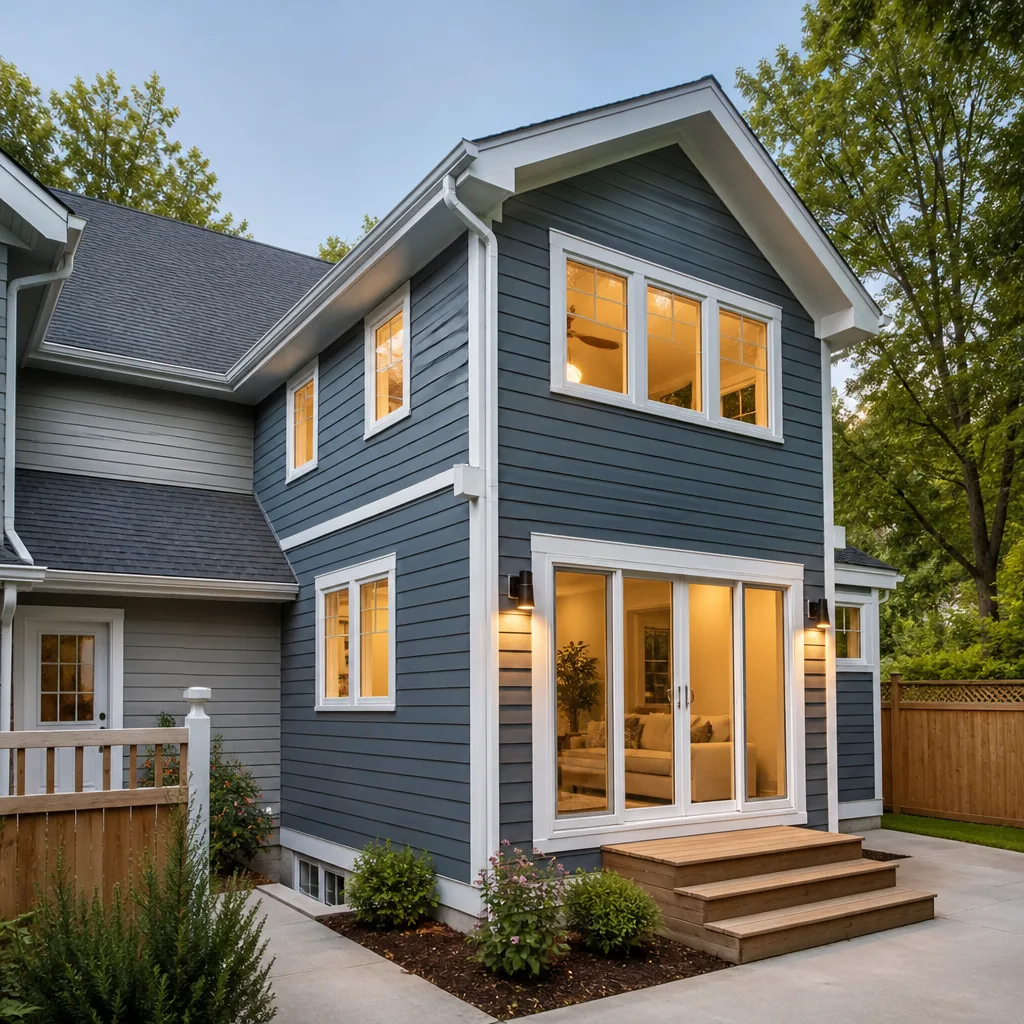
 Home additions & ADU
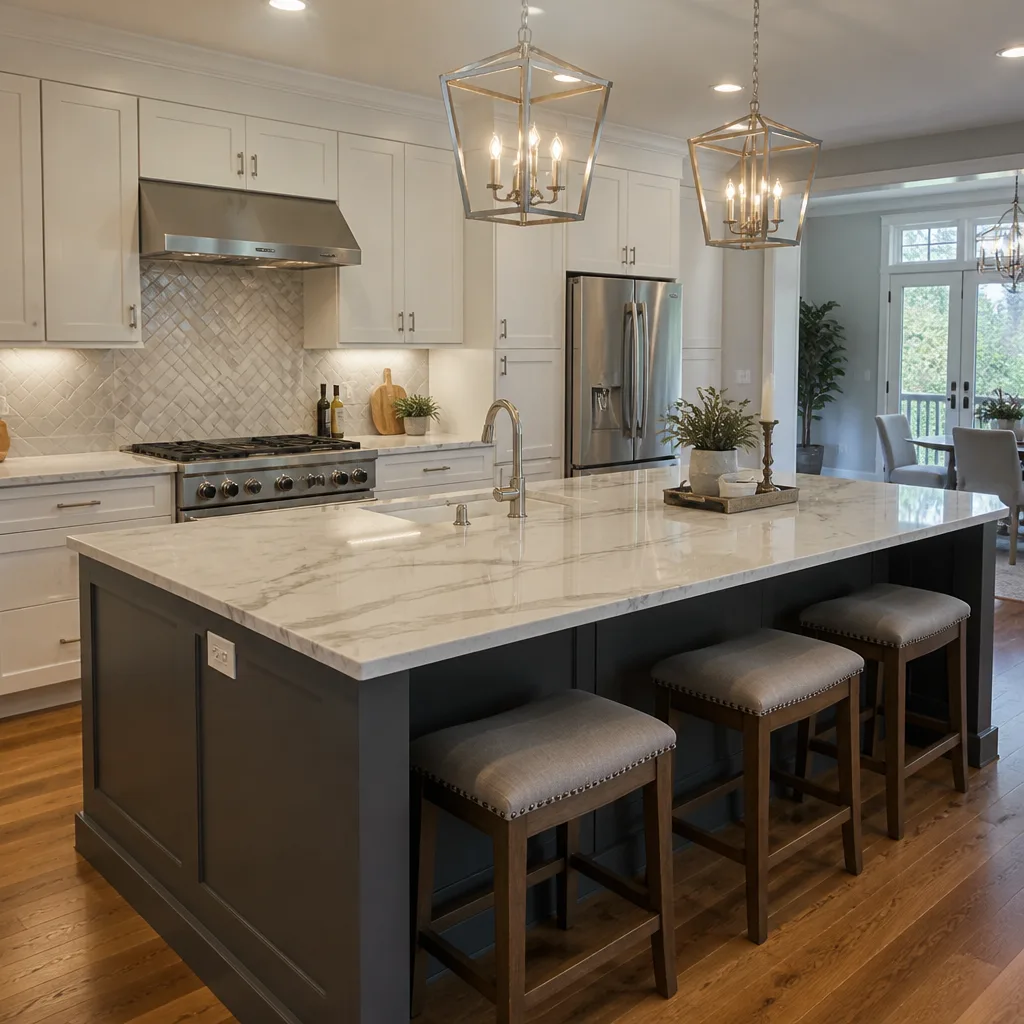 Kitchen remodeling
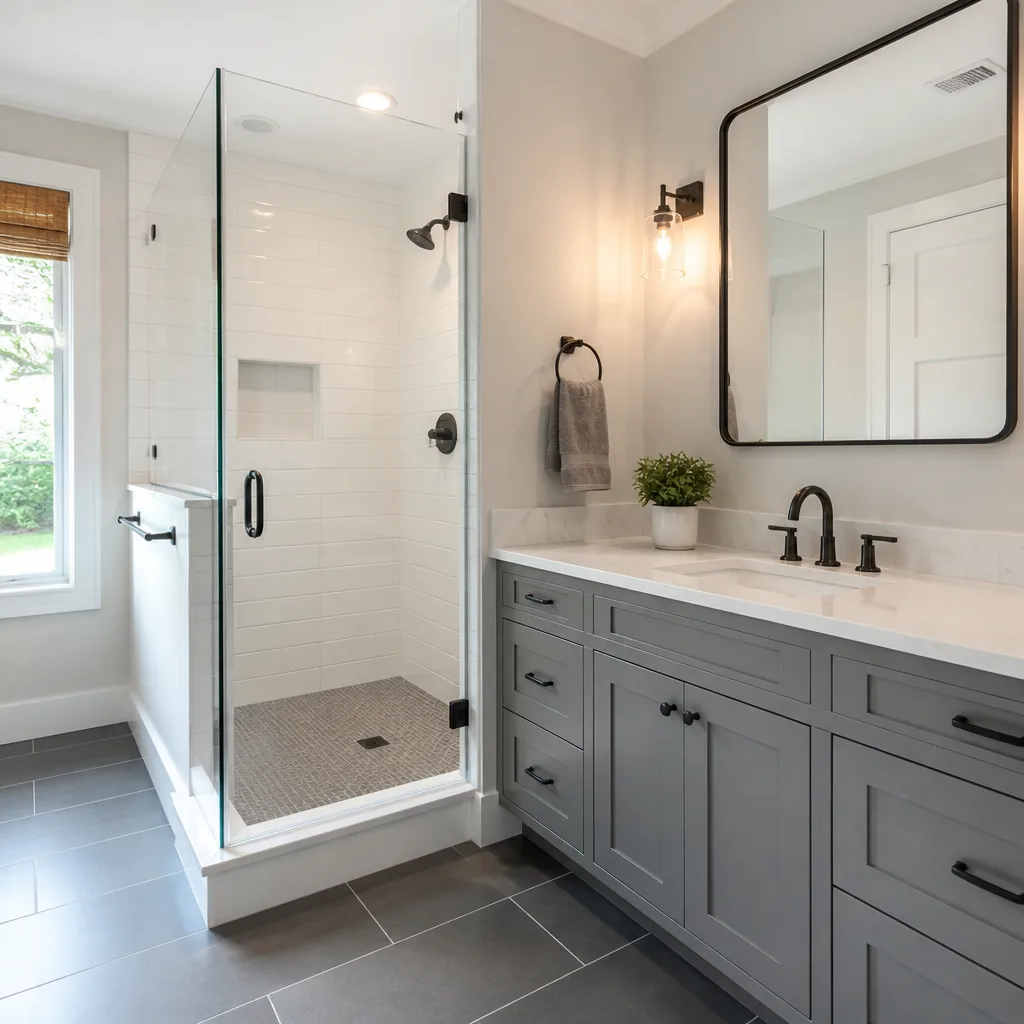 Bathroom remodeling
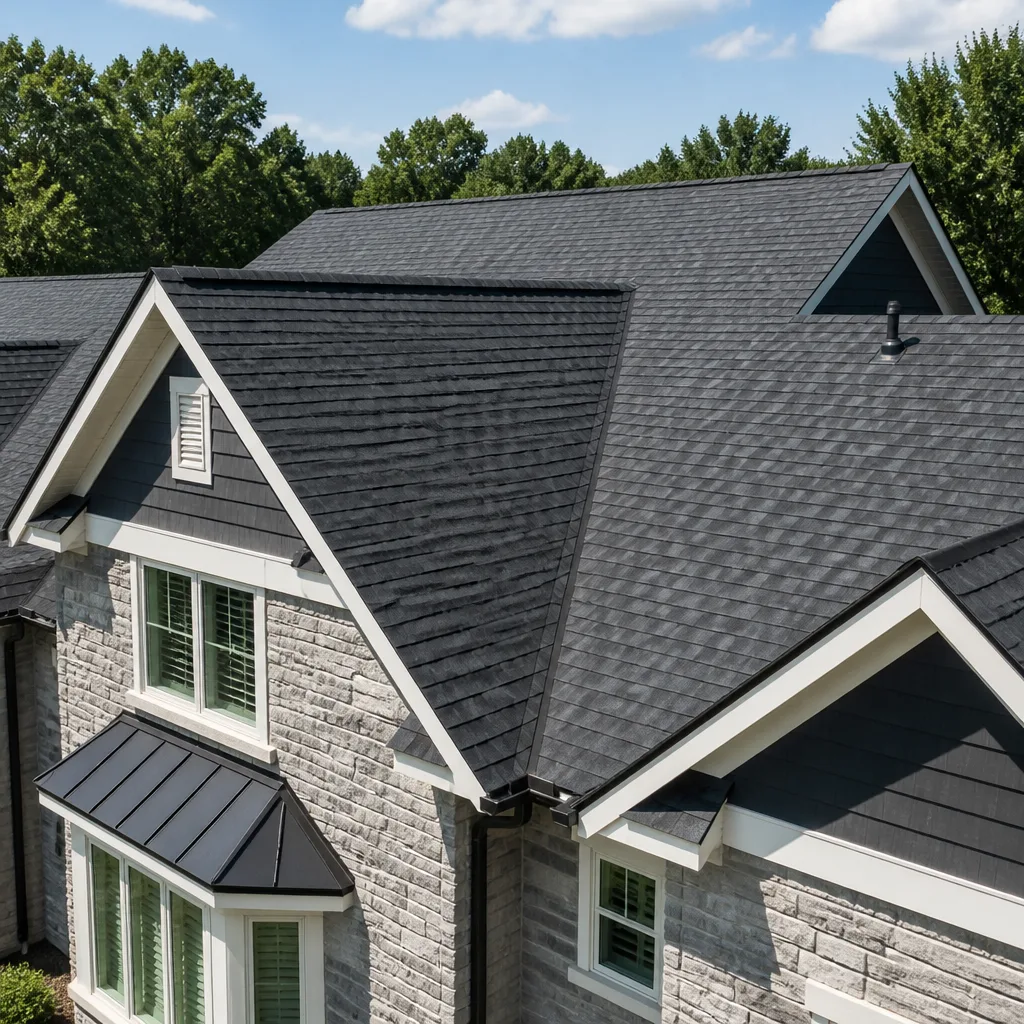 Roofing
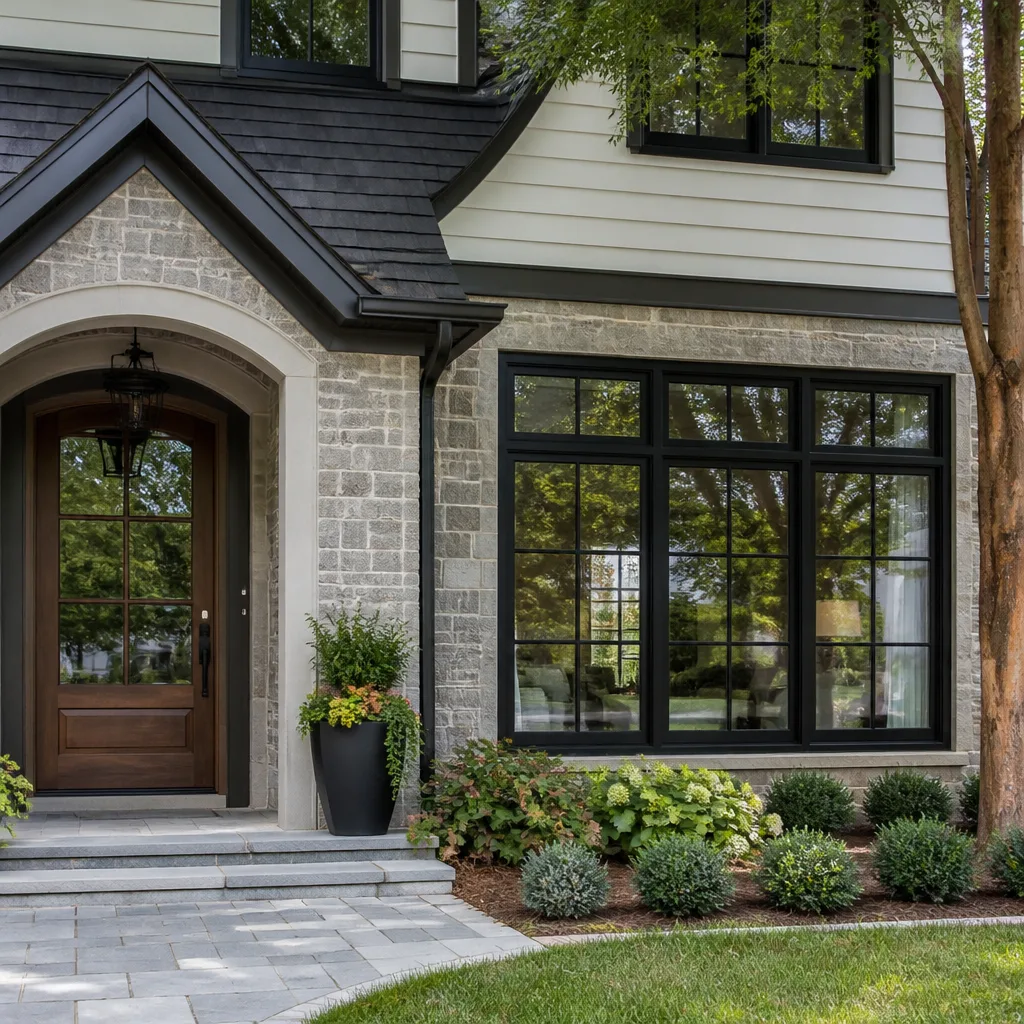 Windows & doors
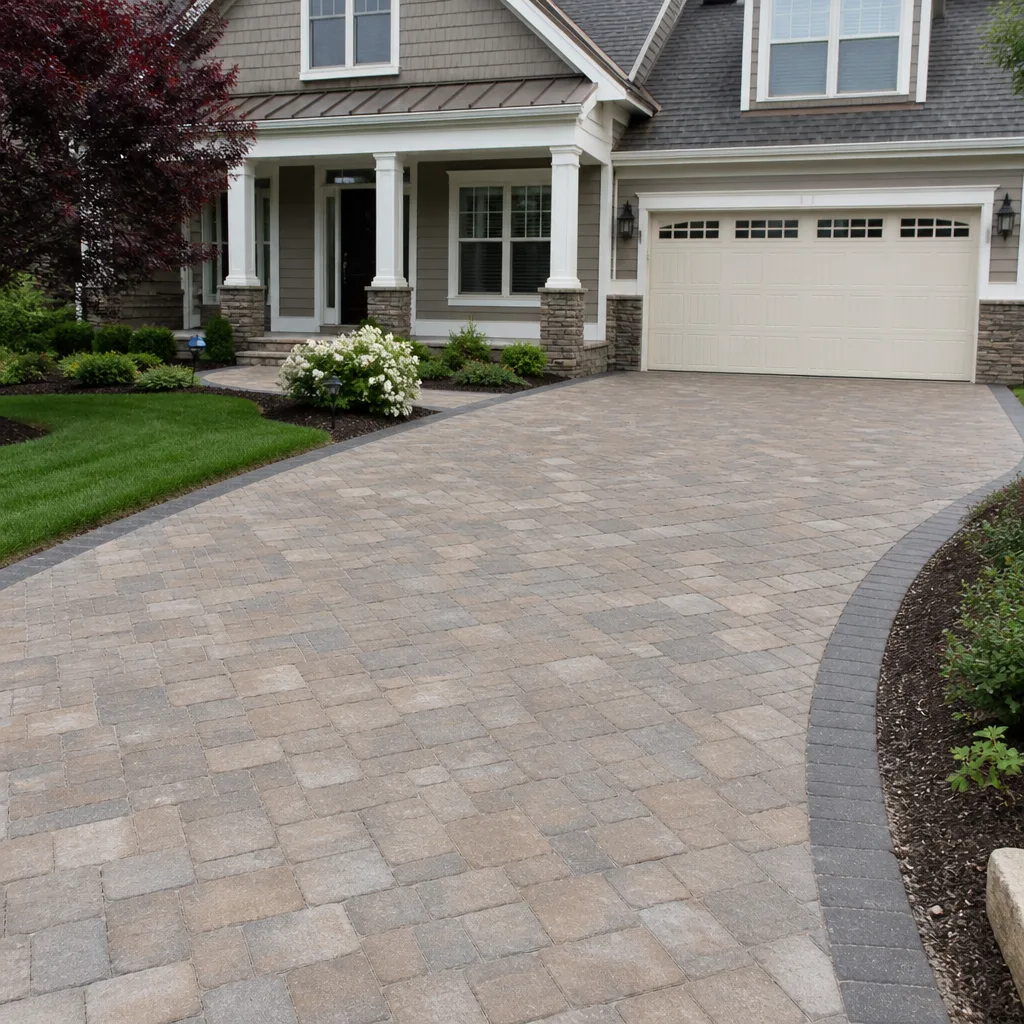 Driveway & pavers
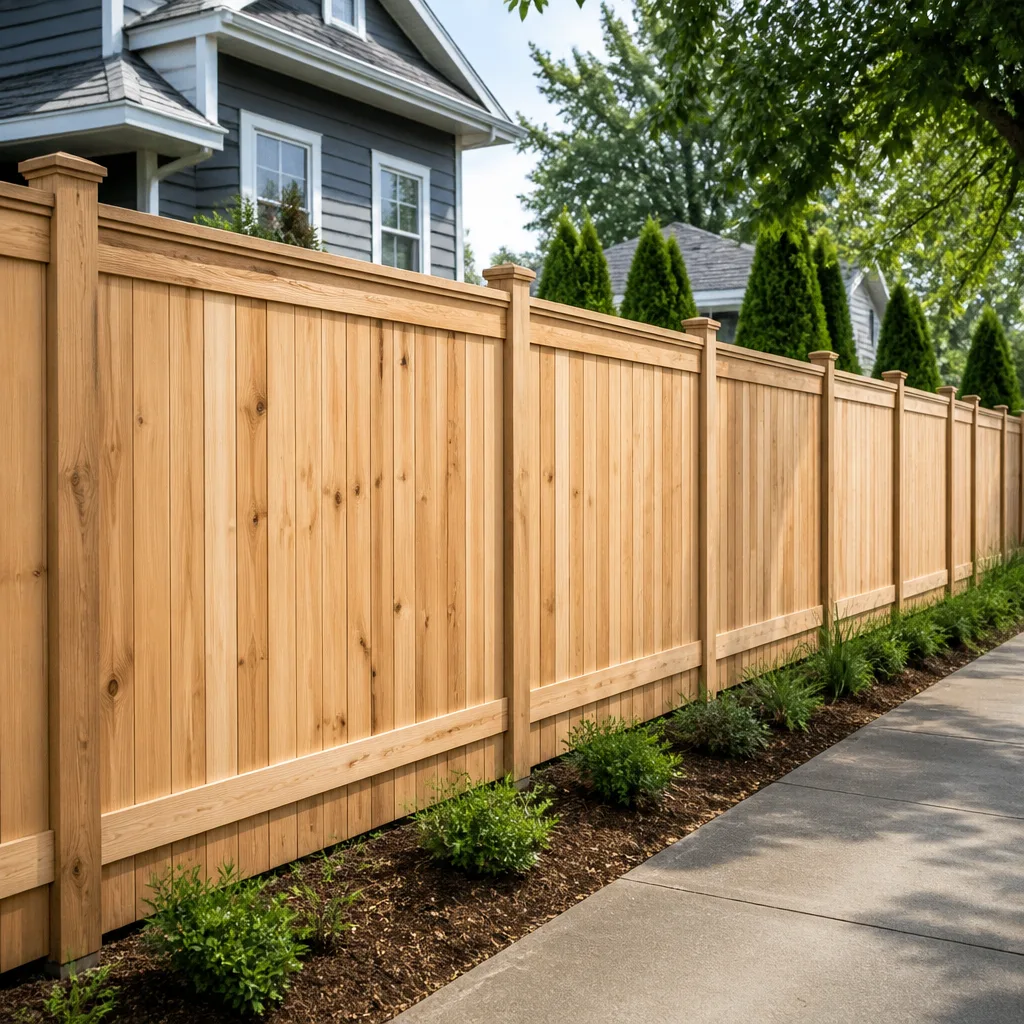 Fence
Free written scope consultation - allowances, timeline, and change-order rules on paper before a single trade is scheduled
Styles & brands we work with
- Kitchen remodeling
- Bathroom remodeling
- Home additions & ADU
- Roofing
- Windows & doors
- Driveway & pavers
- Fence
See the difference
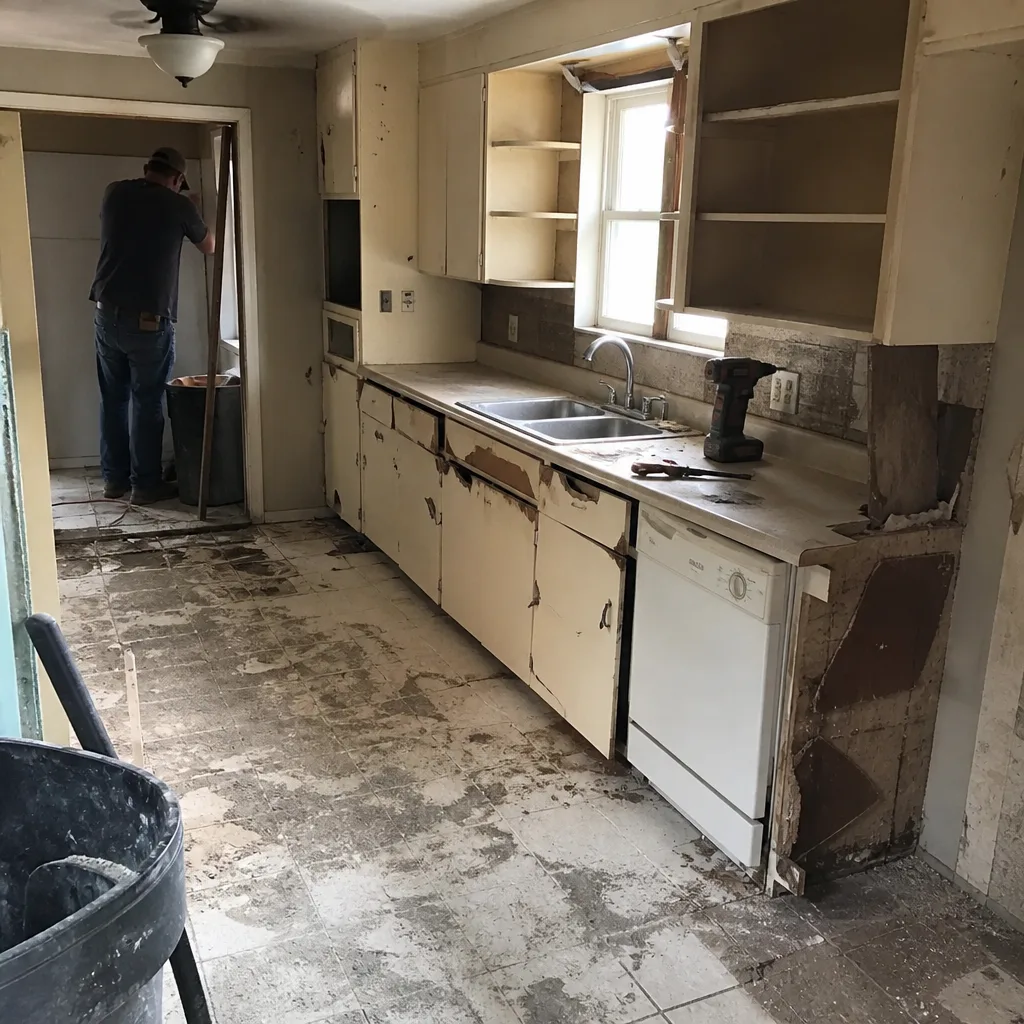 Before
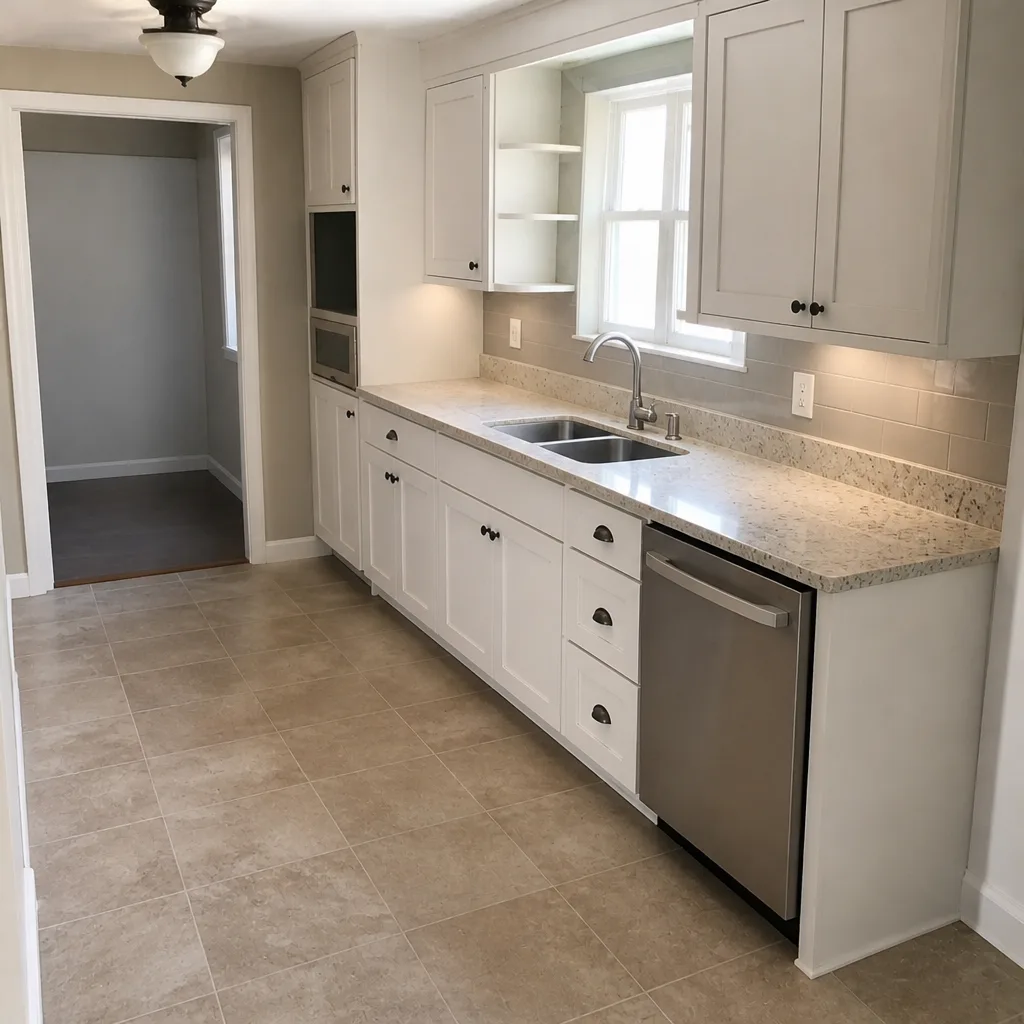 After
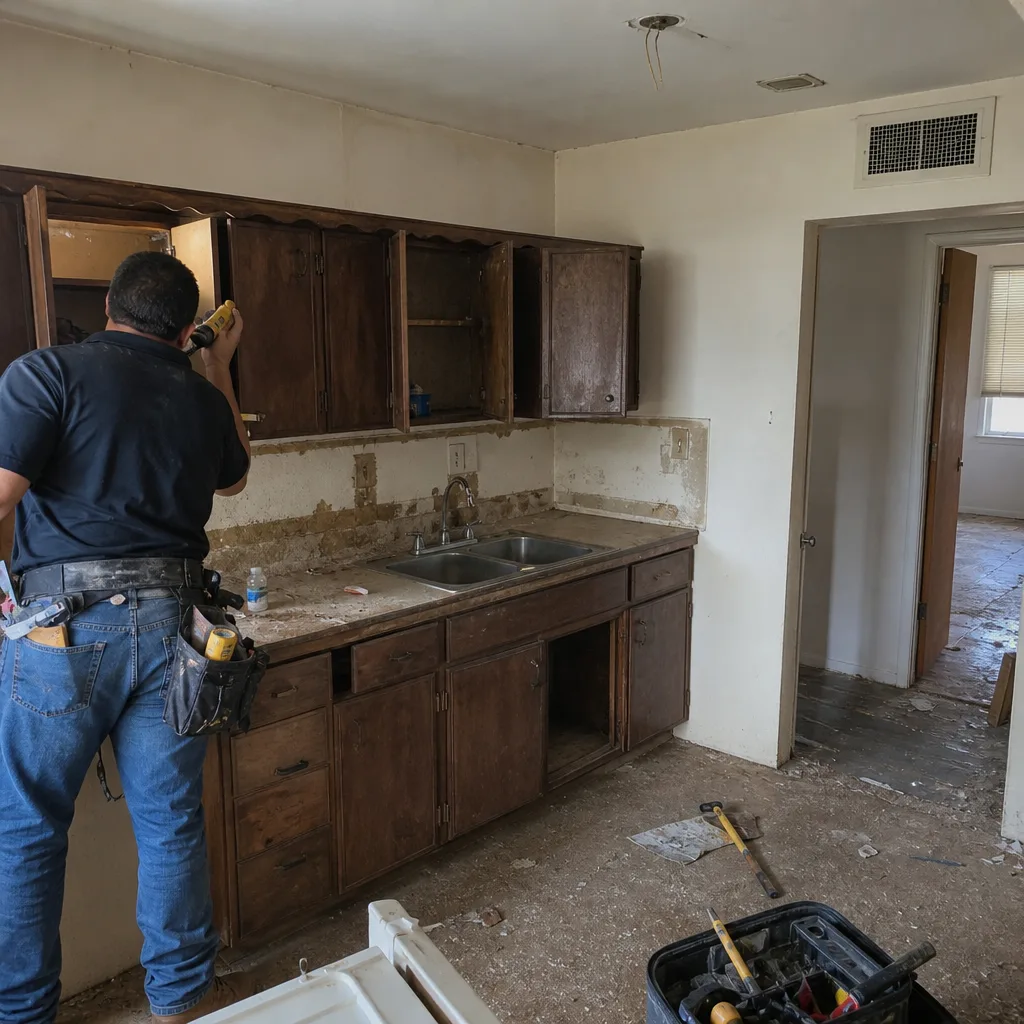 Before
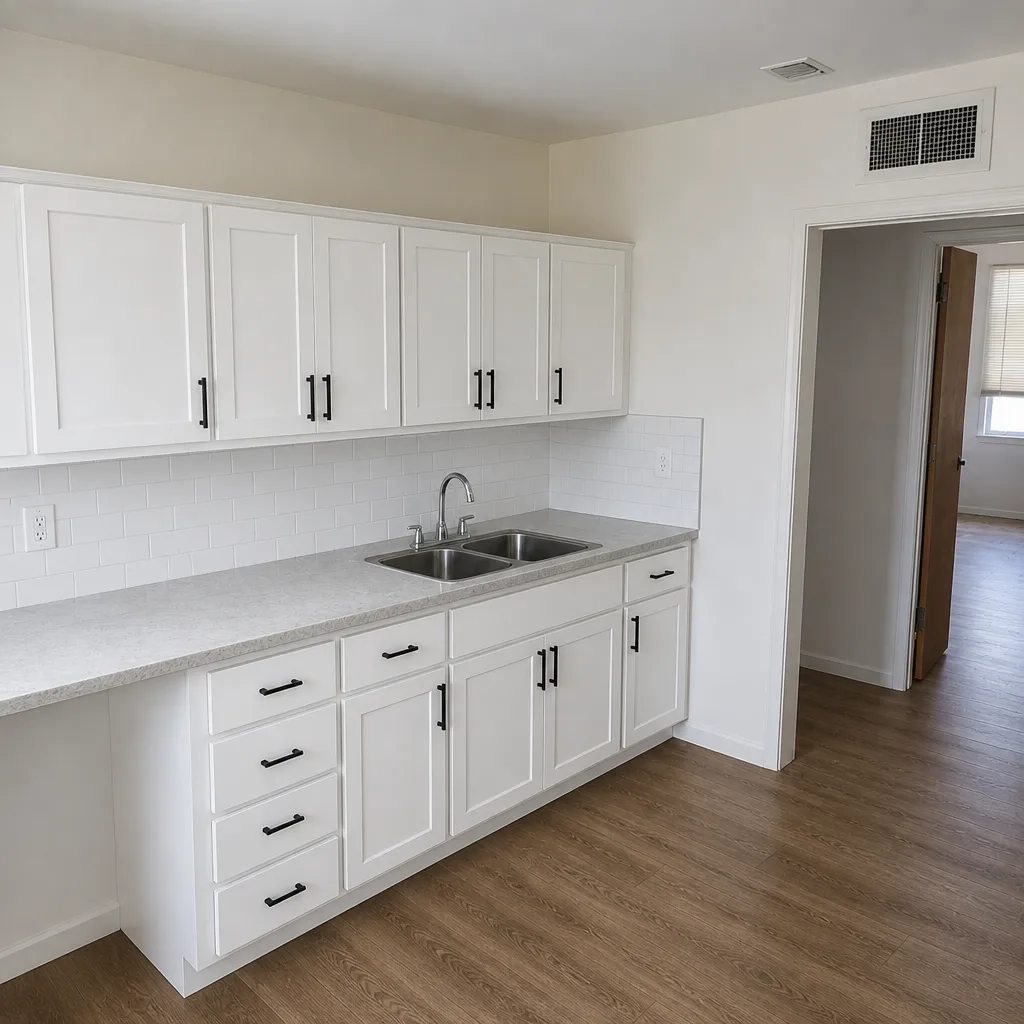 After
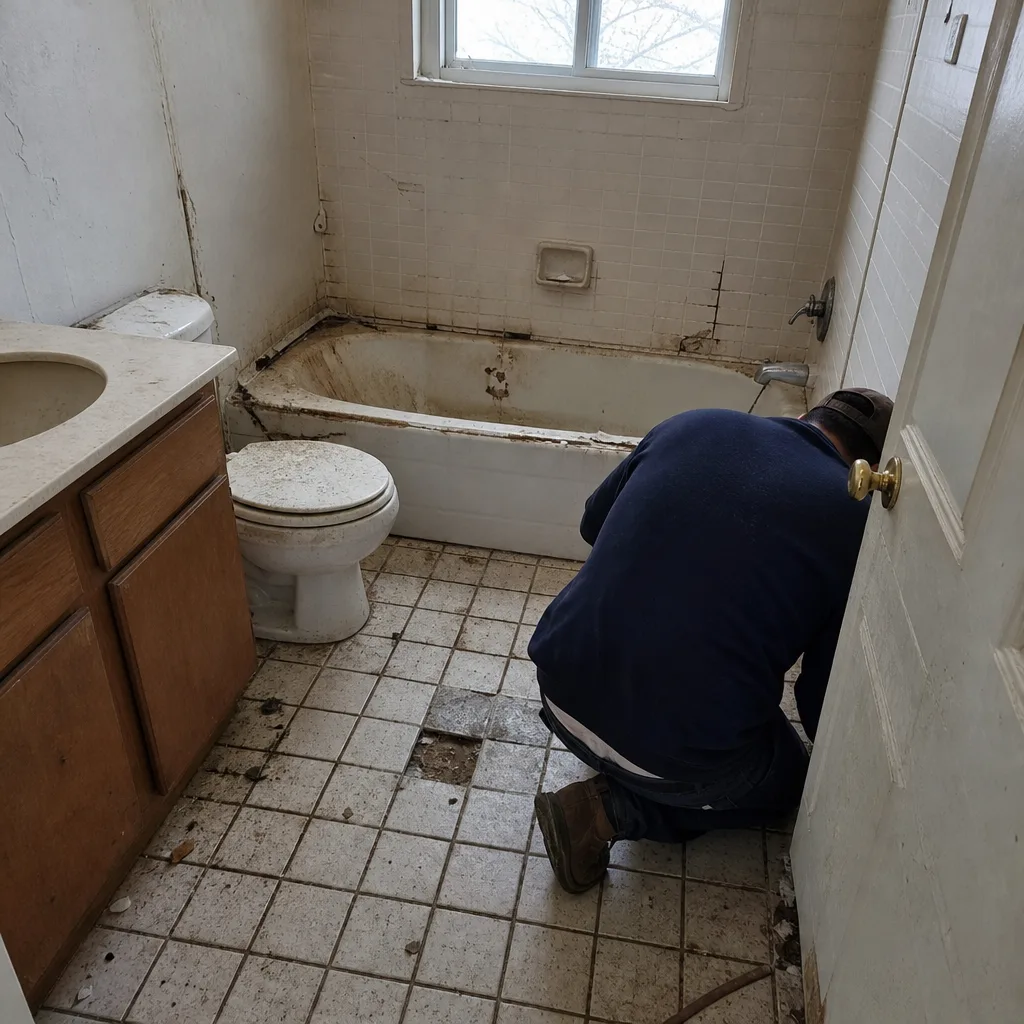 Before
 After
Do You Need a Permit for a Home Addition in Arlington, TX?
Yes. If your addition adds more than 200 square feet, moves a structural wall, or extends electrical or plumbing, the City of Arlington requires a building permit. That covers nearly every addition homeowners actually build here. Arlington pulled more than 4,100 residential permits in a recent year, and your addition is very likely supposed to be on that list. Skipping the permit doesn’t just risk a stop-work order; it can put your homeowner’s insurance coverage at risk on the storm damage you’re trying to fix. Call (888) 590-9867 and we’ll walk you through exactly what your project triggers.
Arlington sits in the middle of the DFW hail belt, on top of expansive Blackland Prairie clay. Construction here revolves around storm restoration and slab movement, not a tidy single style. That reality shapes how the City reviews additions: inspectors want to see foundation tie-ins before they’ll sign off, because clay that swells and shrinks seasonally can shear a new addition away from the original house. When we quote a Home Additions & ADU project, the permit is part of the bid, not an afterthought.
Key Takeaways
- Inside Arlington city limits, additions over 200 sq ft, structural wall moves, and utility extensions all need a permit from City of Arlington Development Services.
- Un-permitted square footage can be reclassified as an “unpermitted structure” by an insurance adjuster after a hail claim.
- Arlington’s clay soil makes foundation tie-in inspections a real safety check, not paperwork.
- You can verify any permit yourself on the City’s online portal before you sign a contract.
What Arlington Triggers Require a Permit?
The 200-square-foot line is the one most homeowners trip over. Add a sunroom or a primary suite and you’re over it. But even smaller projects get pulled in when you touch structure or systems. Here’s how we sort it before we ever pick up a hammer:
- Any addition over 200 sq ft – full permit, plan review, and inspections.
- Any structural wall you remove or relocate – permit required, even on a modest bump-out.
- Any electrical extension – new circuits, subpanels, or added outlets to serve the space.
- Any plumbing extension – a new bathroom, wet bar, or utility line.
- Foundation work or tie-ins – inspected in Arlington specifically because of the clay.
Plenty of contractors tell homeowners in Arlington that permits are optional. We’ve heard that story from more than one client who had already been burned by it. Here’s the honest version: an addition that would be exempt on unincorporated Tarrant County land usually is not exempt once you’re inside city limits. The contractor who waves it off is the one who won’t answer the phone when you go to sell.
The Cost of Getting It Wrong (and Getting It Right)
Permit fees are a small slice of the project budget. An addition in Arlington runs $45,000 to $130,000 depending on size, foundation, and finishes. Permit fees typically track the valuation and end up as a modest line item, far smaller than the cost of tearing out un-permitted work later. Here’s what the surrounding numbers look like so you can plan realistically:
| Project | Typical Arlington Range |
|---|---|
| Home Addition | $45,000-$130,000 |
| ADU Construction | $90,000-$220,000 |
| Garage Conversion | $30,000-$80,000 |
| Bathroom Remodel (if part of an addition) | $9,000-$28,000 |
| Small Kitchen Remodel (if part of an addition) | $9,000-$20,000 |
Two things about that table matter more than the numbers. First, the permit and inspection costs get baked into the bid, so there’s no surprise invoice at the end. Second, any change to the scope, including a change forced by what the inspector finds at the foundation, arrives as a written change order before work continues. We’ve said it plain for years: an allowance that isn’t on paper is a surprise waiting for a date.
The Insurance Gap Most Homeowners Miss
Picture a 1960s brick ranch in central Arlington. Original single-pane windows, an early slab foundation, a hasty addition tacked on years ago. After a hail event, the adjuster walks that addition and classifies the extra square footage as an unpermitted structure. The claim on that footage gets reduced or denied. The very storm damage you’re trying to rebuild after suddenly isn’t covered on the part of the house that wasn’t permitted. That isn’t a scare tactic; it’s the mechanism insurance adjusters actually use.
Storm-driven insurance rebuilds are a huge share of contractor work in Arlington, and that means availability gets thin for weeks after a major hail event. During those windows, a homeowner may be tempted to skip the permit to move faster. We get it. But the paperwork is the only thing standing between your addition and an adjuster’s judgment call. Every eligible job we take on gets permits pulled and inspections signed, written into the contract from day one. You can look up the license, the address, and the name of Barrett & Sons Construction Arlington before you sign anything, and the home page spells out what that means in practice.
What to Look For in a Contractor (and What to Walk Away From)
The difference between a contractor who protects your resale and one who doesn’t usually shows up in the first five minutes of the conversation. Use this as a screen before you let anyone onto your property:
- They volunteer the permit conversation. You shouldn’t have to bring it up.
- They put the scope in writing. Vague allowances and verbal timelines are red flags.
- They know the clay. Ask how they plan to tie the new foundation into the old slab. If they shrug, walk.
- They hand you a change-order process. Price changes in writing, before work moves.
- They give you a name and a license you can look up. Every crew member carries the Barrett & Sons name, background-checked and accountable.
- They back the work. Ours is a written 90-Day Done Right Promise on every construction and remodeling job: if it’s not done right, one call brings Tom back.
We don’t pretend it’s a coincidence that homeowner preferences lean the way they do. Most of our clients in Arlington are between 50 and 70, many living in older brick ranches on the east and central sides, and plenty of them already had a national outfit quote one number over the phone and hand them a different bill at the door. They aren’t shopping for cheapest. They want a face they’ll see again at the hardware store. Our technicians have up to 28 years of experience, and materials come from names you can look up: ActiveYards fencing when a project calls for it, Belgard pavers, Unilock and Tremron hardscape, plus the premium brands we install across every trade.
How Do You Check Permit Status on an Addition Before You Sign?
Go to the City of Arlington’s Development Services online portal and search the property address before you sign any contract. It takes about five minutes and catches the contractors who quietly skip the paperwork. Pull the permit history for the address. If a past addition doesn’t show up, ask the seller or the contractor to explain it in writing. If a contractor won’t give you the address and scope to verify, you have your answer.
If you want to see what a properly permitted addition looks like from the bid up, our Home Additions & ADU in Arlington page shows the scope in detail. Our home page lays out how we run every job.
FAQs
If it’s over 200 square feet or touches structure or utilities, yes. Small bump-outs under 200 sq ft with no electrical, plumbing, or structural work may fall under the threshold, but we still confirm with the City before treating any project as exempt. When in doubt, call us and we’ll look it up rather than guess.
It can reduce resale value, trigger a buyer’s inspection objection, or get reclassified by an insurance adjuster as unpermitted structure after a claim. During storm-driven insurance rebuilds, that reclassification can shrink the covered square footage on the exact addition you’re trying to protect. The permit fee itself is small compared to that risk.
Yes. Permits pulled and inspections signed are written into every eligible contract we sign. We treat the permit as the only paperwork that protects both your resale and your insurance claim, so it isn’t offered as an upsell. Bring us a scope and we’ll tell you exactly what the City requires.
You may be able to retroactively permit the addition, but the process varies and often requires plan review and inspection of the existing work. We’ve helped homeowners sort this out before, and it’s worth doing before a sale or a claim, not after.
If you’d rather have it looked at, Barrett & Sons Construction Arlington offers a no-pressure assessment in Arlington, with upfront pricing and free second opinions on any written estimate. Call (888) 590-9867. A live person answers 24 hours a day.
Written by the team at Barrett & Sons Construction Arlington, serving Arlington, TX.