
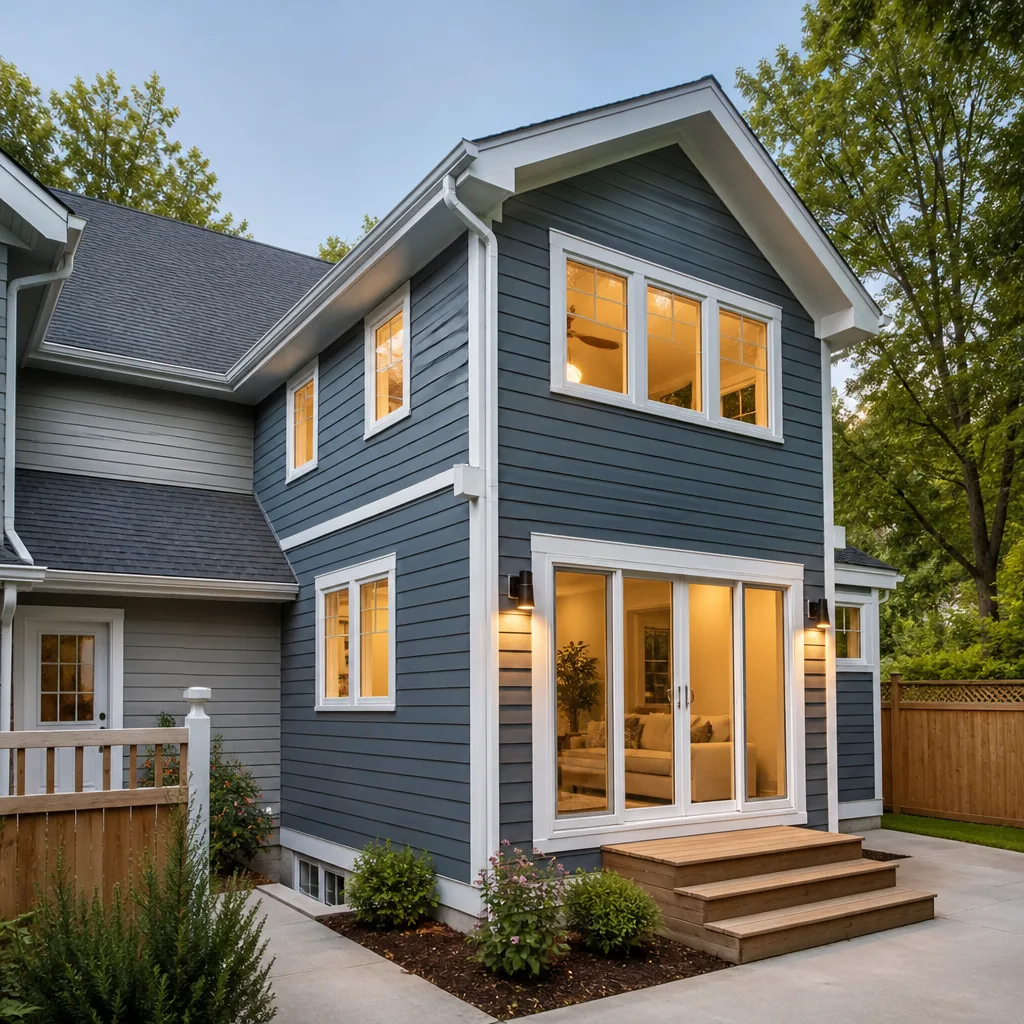
 Home additions & ADU
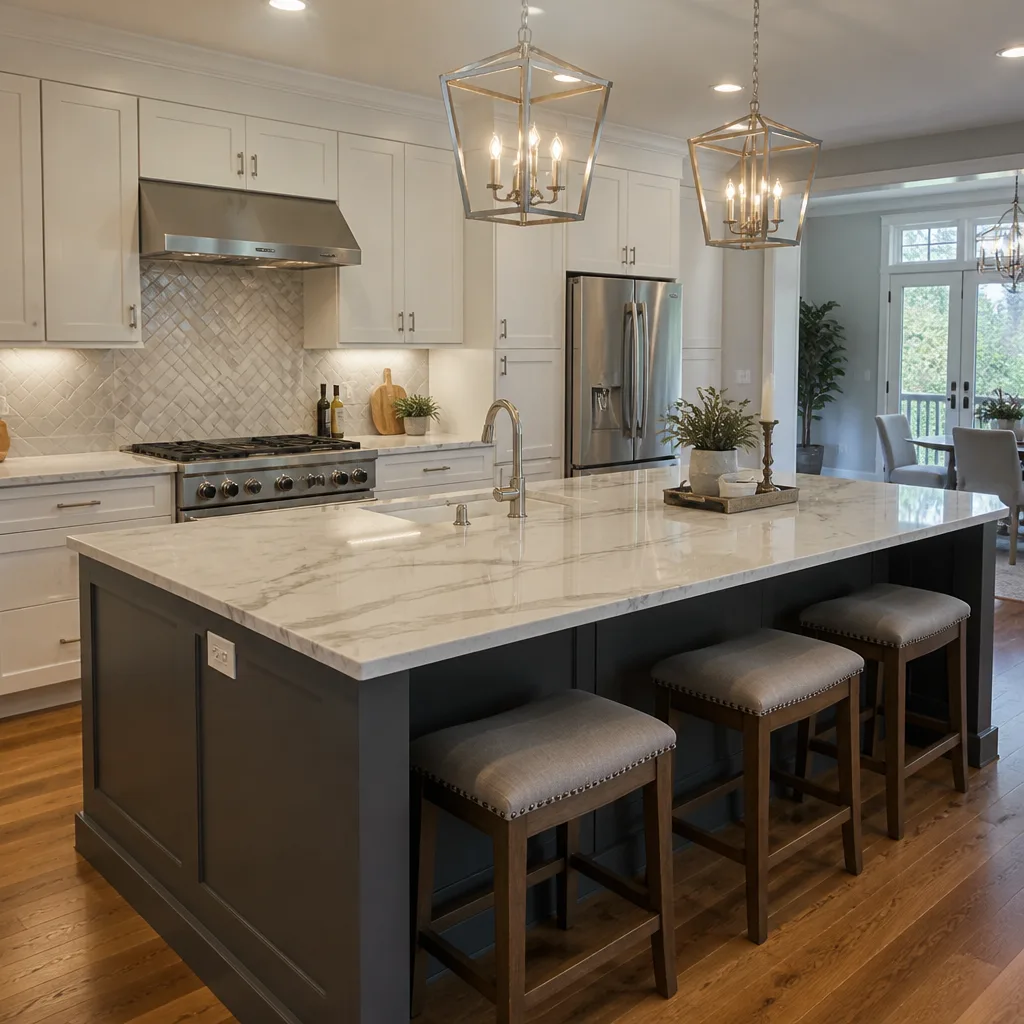 Kitchen remodeling
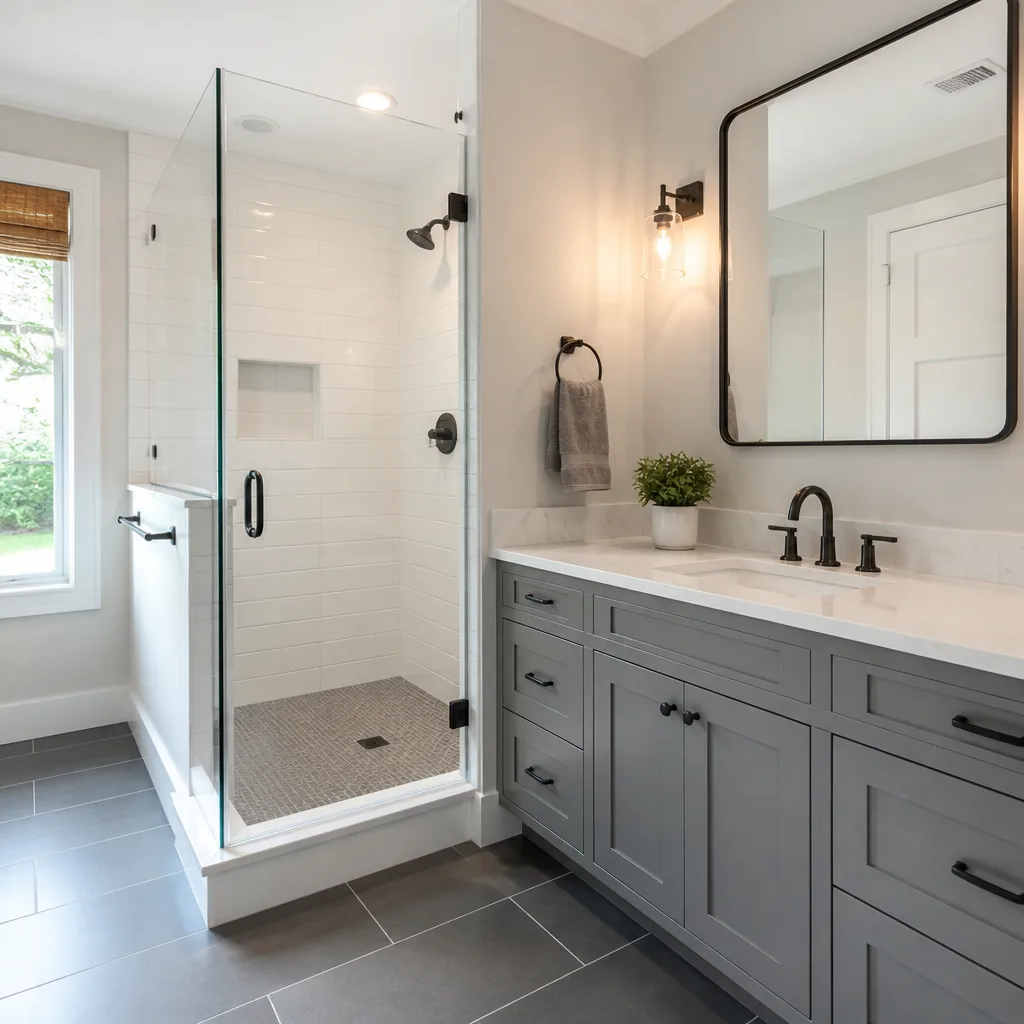 Bathroom remodeling
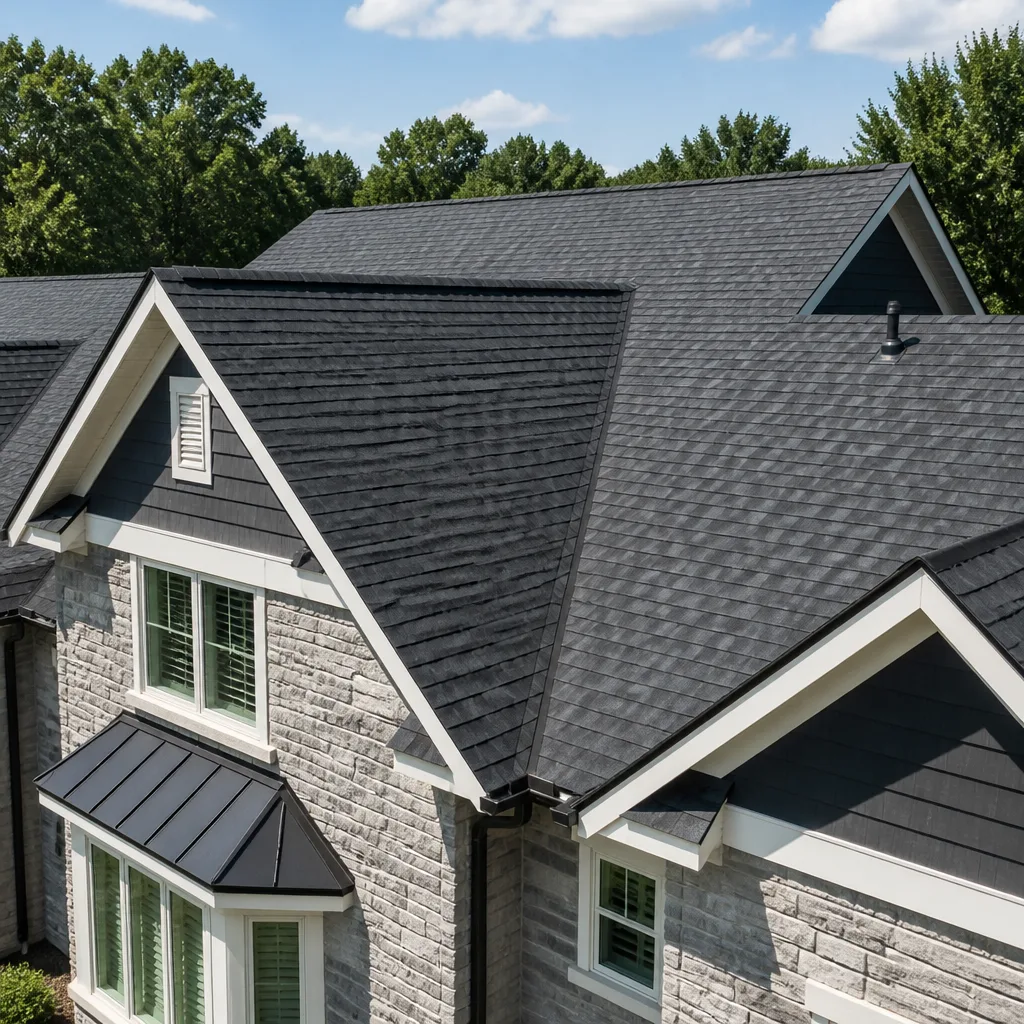 Roofing
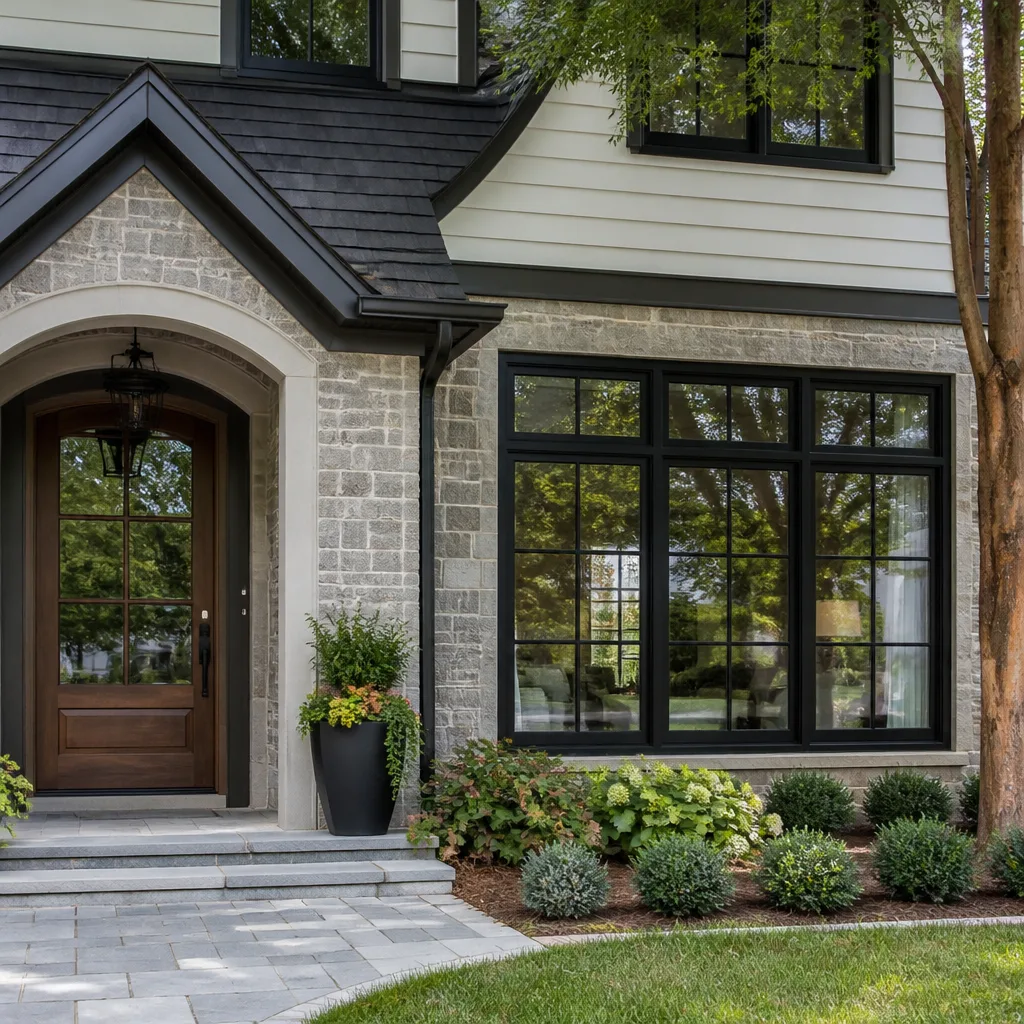 Windows & doors
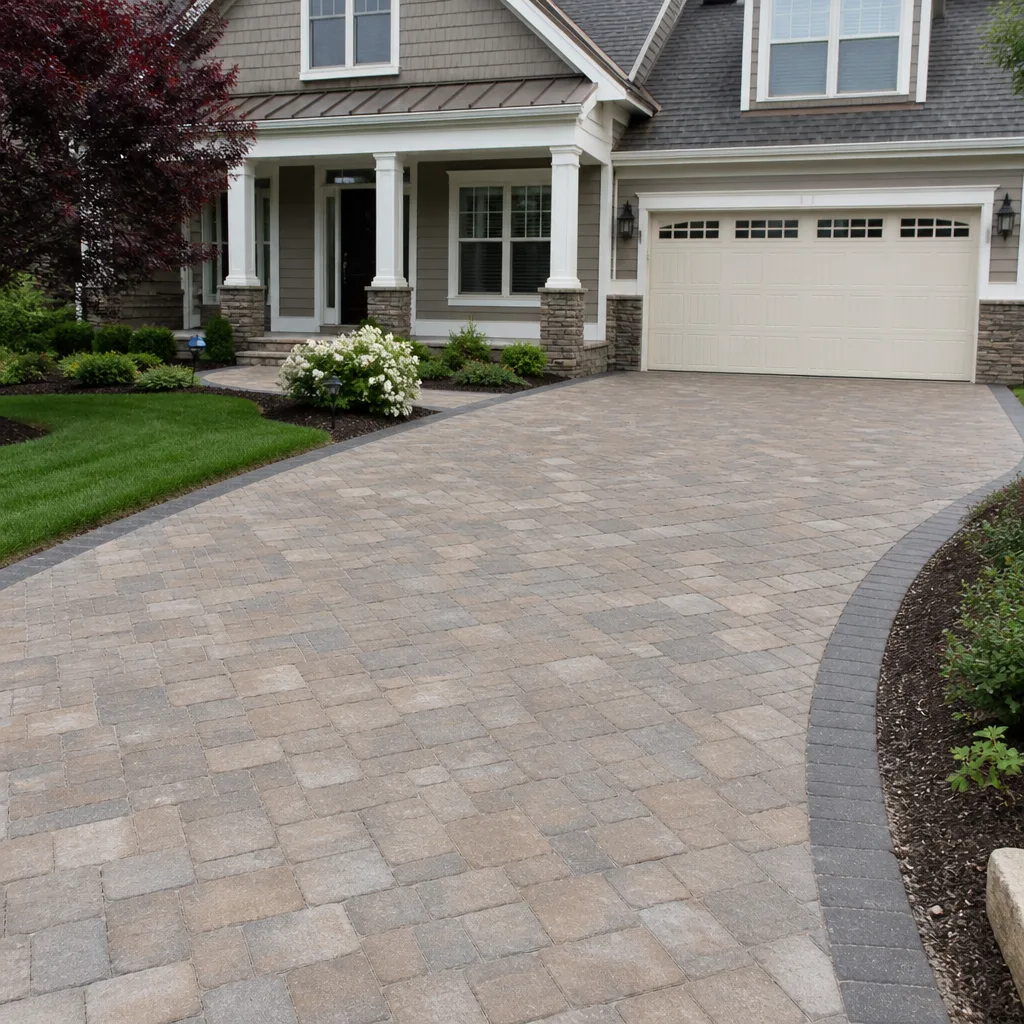 Driveway & pavers
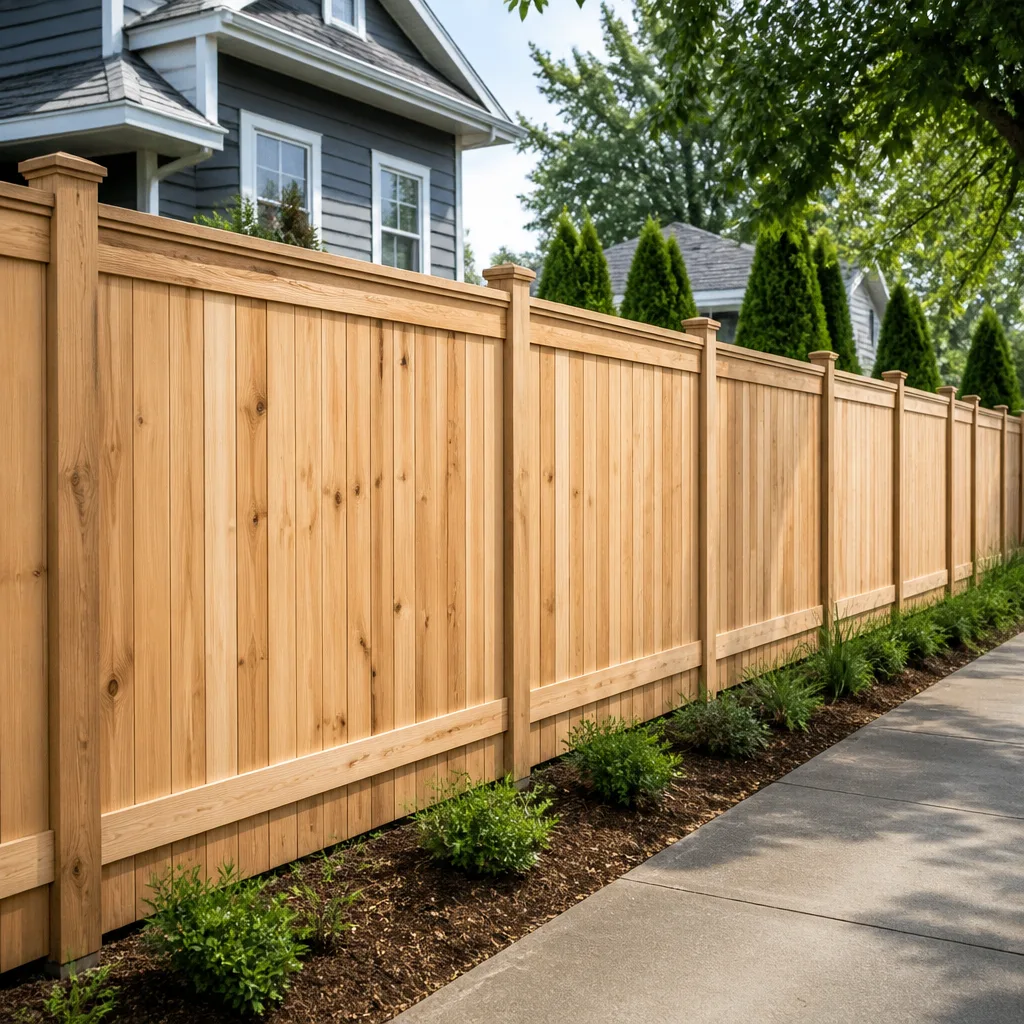 Fence
Free written scope consultation - allowances, timeline, and change-order rules on paper before a single trade is scheduled
Styles & brands we work with
- Kitchen remodeling
- Bathroom remodeling
- Home additions & ADU
- Roofing
- Windows & doors
- Driveway & pavers
- Fence
See the difference
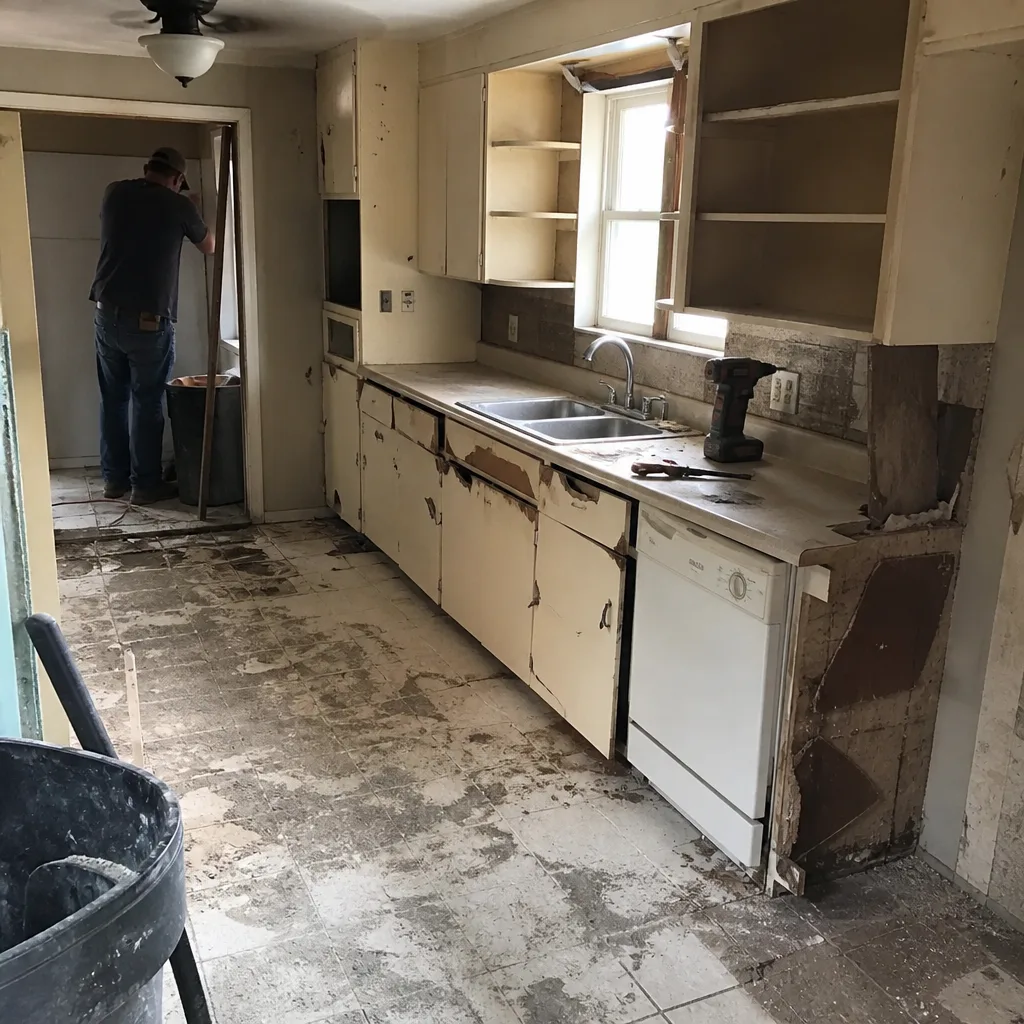 Before
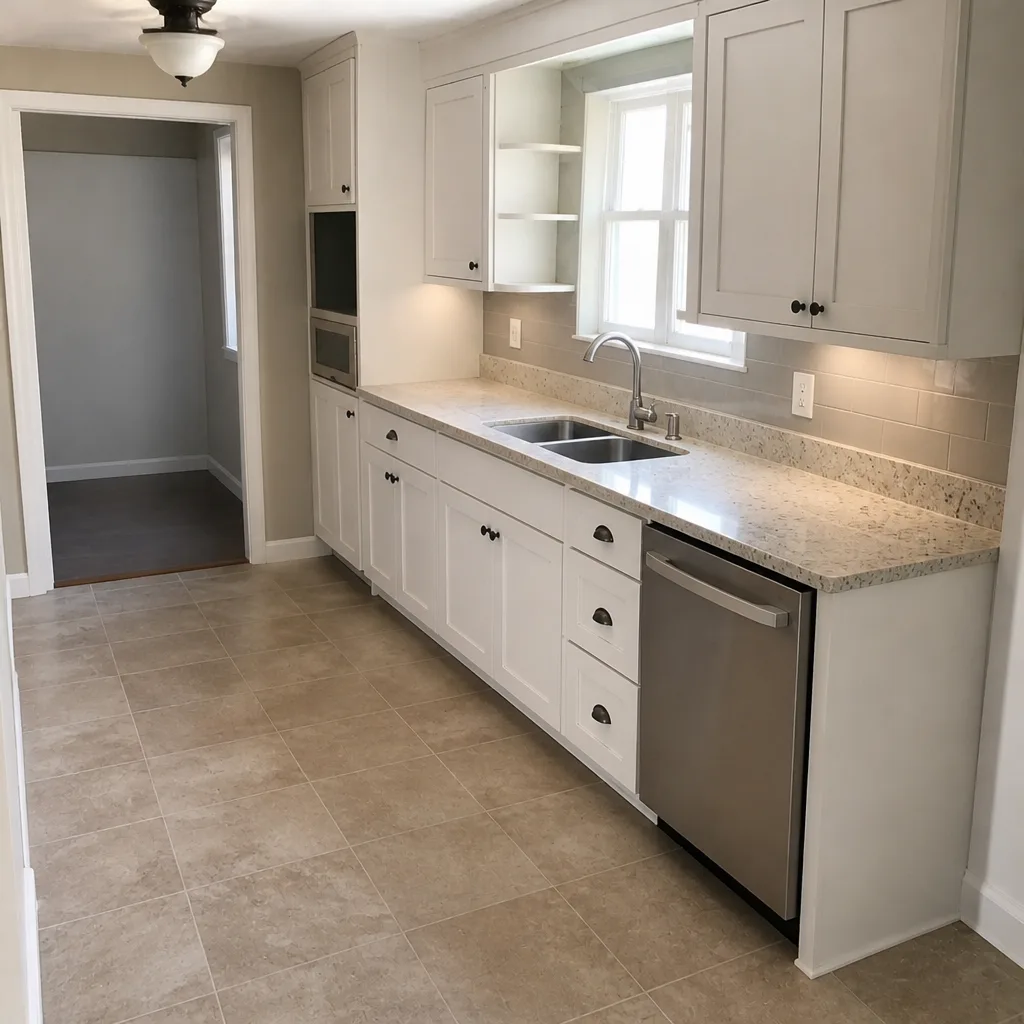 After
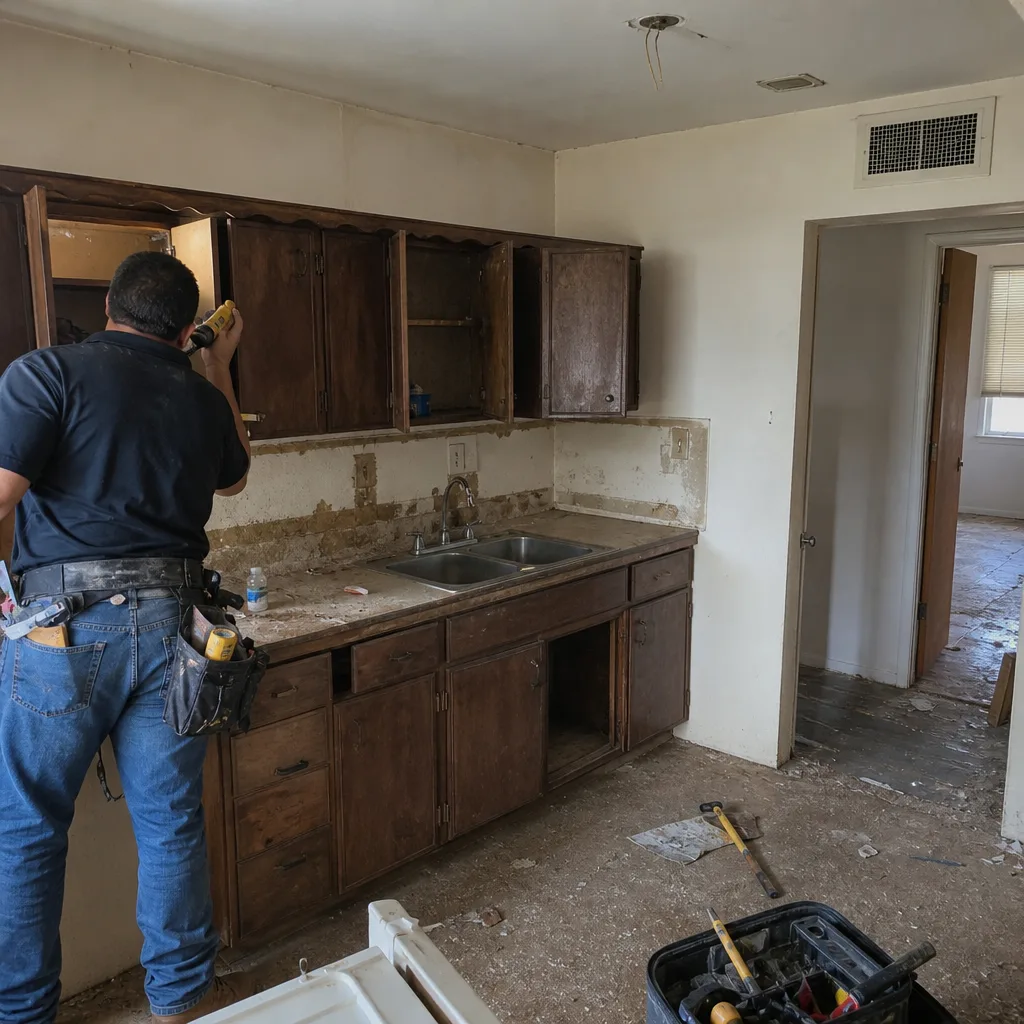 Before
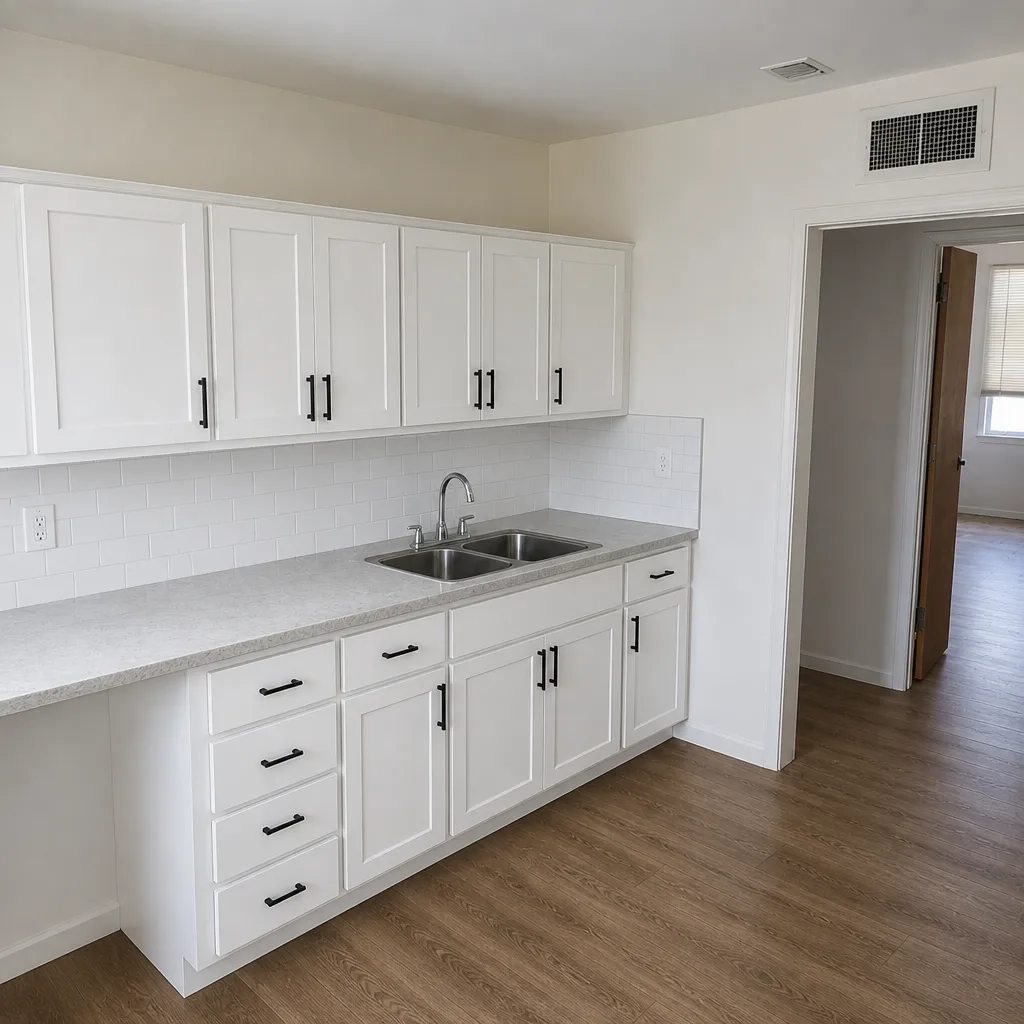 After
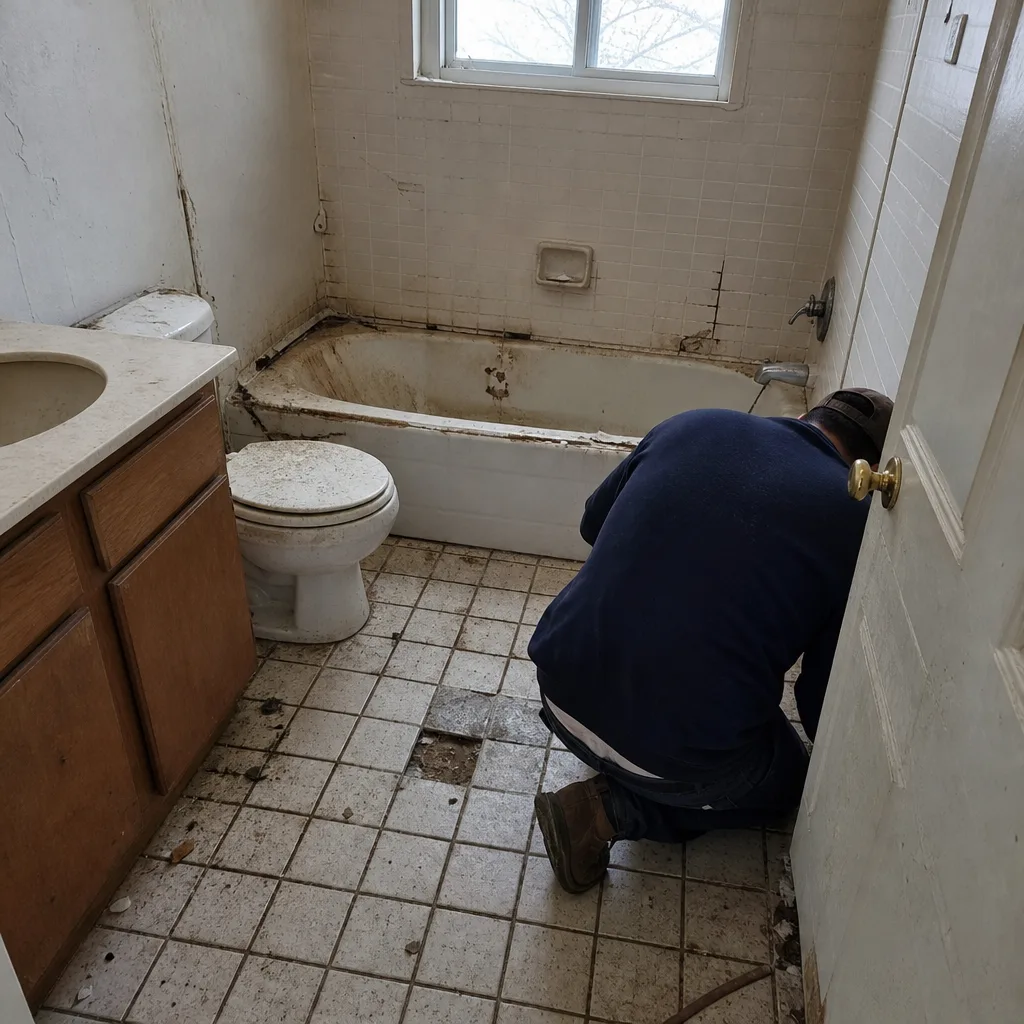 Before
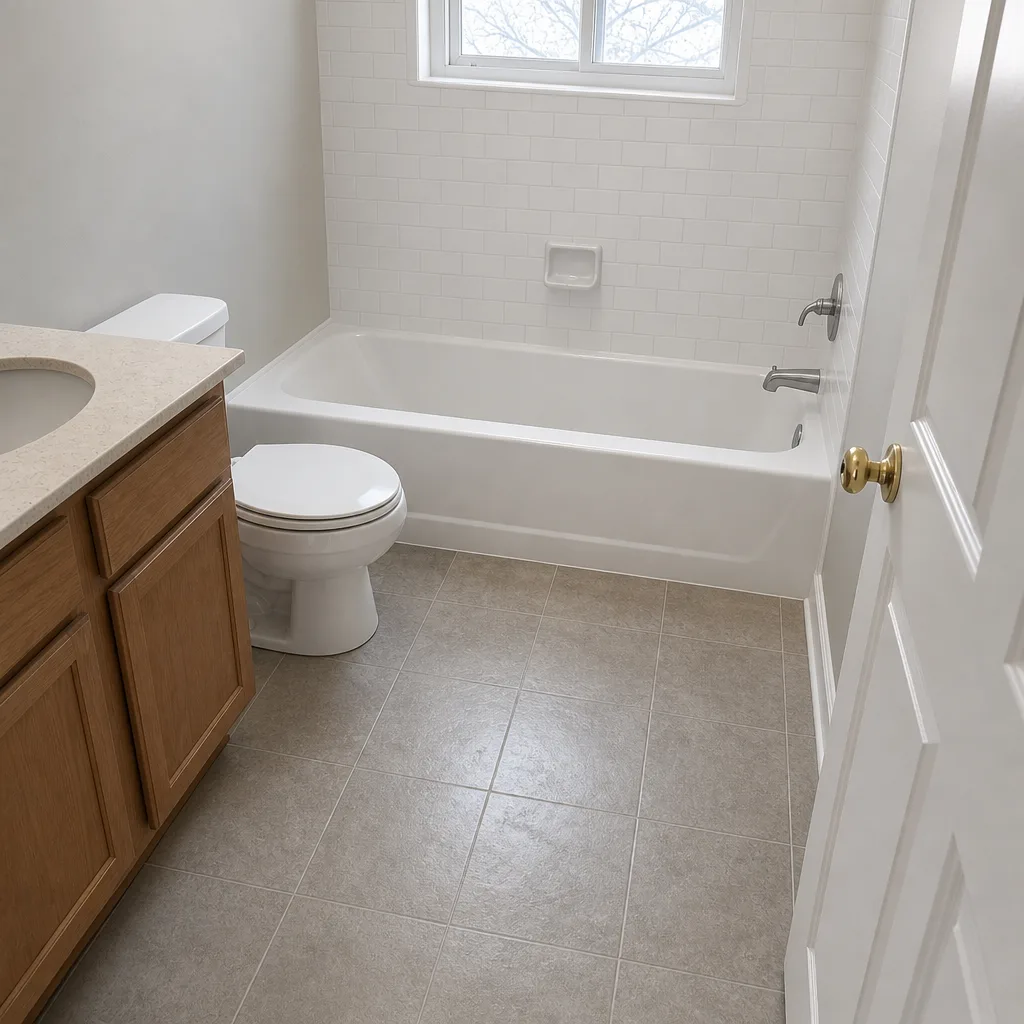 After
Home Addition vs ADU in Arlington, TX: Lot Geometry Decides It Before Budget Does
If your Arlington lot is narrower than 65 feet, an attached home addition almost always pencils out better than an ADU. Not because ADUs cost more per square foot in the abstract, but because Arlington’s setback rules leave a lot that narrow with roughly 300-450 square feet of buildable footprint behind the house, and a detached unit at that size rarely justifies the independent foundation, utility trench, and permitting overhead. Choose the addition unless you have a wide lot, plan to stay put for the long haul, and genuinely need a separate unit. Call (888) 590-9867 and we’ll walk your lot with a tape measure before you commit a dollar to either path.
Why Arlington Lots Quietly Make This Decision for You
Most of central and east Arlington’s 1950s-70s brick ranch tract homes sit on lots in the 55- to 70-foot-wide range. Run the numbers and the geometry bites fast. A typical 60-foot-wide lot, after side setbacks, leaves you building inside a workable envelope that’s narrow to begin with. Push the ADU to the rear of the property and you’re also fighting the rear setback line plus any utility easement the plat already carved out.
What that usually means is a detached footprint of somewhere in the 300-450 square foot band. That’s a studio at best. A home addition, by contrast, expands the conditioned square footage of the existing house and isn’t boxed in by the same rear-yard math. You can often push 400-600 square feet of addition onto the side or rear of the primary structure where an ADU of similar livable size simply won’t fit on the lot.
Worth saying plainly: if your lot runs 80 feet wide or more, especially out in the 1990s-2000s south and far north Arlington subdivisions, the geometry flips and an ADU becomes a real option. Get the width measured before you spend a weekend on Pinterest boards.
The Owner-Occupancy Rule That Kills Most ADU Plans in Arlington
Arlington’s Unified Development Code requires the primary dwelling to be owner-occupied if you build an ADU. That single line reframes the whole investment.
If you’re planning to move in the next three to five years, or you want the option to rent the entire property someday, the ADU becomes close to a dead end. You can’t hold it as a pure investment vehicle and rent both units. You can’t sell to an investor who wants a turnkey rental. The buyer pool narrows to owner-occupants, and that pool is smaller than the general market.
A home addition carries no such constraint. It adds to the house you already own, appraises as part of the dwelling, and sells with the property to any buyer. For Arlington homeowners between 50 and 70 who may eventually downsize or move closer to family, that flexibility is the whole ballgame.
The Foundation Line Nobody Puts in the ADU Quote
Here’s where the “starting at” numbers fall apart.
An attached home addition ties into your existing slab. On Arlington’s Blackland Prairie clay, that tie-in is real engineering work. The clay beneath most of this city swells and shrinks seasonally, cracking slabs most visibly after a dry summer followed by a wet fall, so the addition’s foundation has to be designed to move with the existing structure, not against it. That’s baked into a competent addition bid.
A detached ADU sits on its own footprint. It needs a fully independent engineered foundation, and that adds a line item of roughly $10,000 to $18,000 that almost never appears in the advertised ADU starting price. Add the separate utility trench, the separate meter if you go that way, and the separate roof, and the “starting at” number gets a lot less friendly.
| Cost line | Home addition | Detached ADU |
|---|---|---|
| Typical Arlington range | $45,000-$130,000 | $90,000-$220,000 |
| Foundation | Ties into existing slab (clay-engineered) | Fully independent engineered slab (+$10,000-$18,000) |
| Utilities | Extends from existing | New trench, separate runs |
| Buildable footprint on a 60-ft lot | 400-600 sq ft typical | 300-450 sq ft after setbacks |
| Owner-occupancy requirement | None | Required on primary dwelling |
| Appraisal treatment | Adds conditioned square footage | May not count as habitable sq ft depending on classification |
Notice the ranges don’t overlap by accident. A $45,000 addition and a $90,000 ADU floor represent very different footprints. Compare apples to apples and the gap narrows, but the ADU premium rarely disappears.
Resale Reality in Arlington’s Housing Market
In the 1990s-2000s subdivisions across south Arlington and far north Arlington, a well-permitted addition goes straight into the appraiser’s square-footage calculation. Same GLA, same comp set, same value lift. That’s the boring, reliable outcome most homeowners actually want.
An ADU is murkier. Depending on how Arlington classifies it (accessory dwelling vs. guest quarters vs. something else on the certificate of occupancy), it may not be counted as habitable square footage in the appraisal. The value is often there in the market’s eyes, but it’s not always in the appraisal’s eyes. That gap between what a buyer sees and what a lender’s appraiser counts is exactly where deals die.
We pull permits and get inspections signed on every eligible job, in either path, because the last contractor most customers used told them permits were optional. That permit trail is what makes an addition’s square footage count and what makes an ADU’s classification defensible. It’s also why the permit inspector works for you, not for us.
What Each Project Actually Looks Like With Us
Barrett & Sons Construction Arlington handles both paths, and the crew that shows up is the same crew either way. Our team members have up to 28 years of experience on additions and ADU builds around Tarrant County.
Whichever you choose, the process runs the same way:
- Written scope before anything starts, including every allowance, so nothing is left to interpretation later
- Written change orders before any scope change touches the job, because the allowance that isn’t on paper is a surprise waiting for a date
- Permits pulled and inspections signed on every eligible job
- Premium materials you can look up by name, not mystery brands off a van
- The 90-Day Done Right Promise, written into every contract
Windows are a good example of the brand depth. We install Therma-Tru and Mr-Glass on the jobs where durability matters most, and you’ll know exactly which product is going in before you sign.
For a deeper look at the addition side specifically, see our Home Additions & ADU in Arlington page, and for how the decision fits into the bigger picture of remodeling your existing footprint, our Home Additions & ADU page lays out the process start to finish.
The Storm Bell Skews Toward Additions
Arlington sits in the DFW hail belt, and post-storm insurance rebuilds thin contractor availability for weeks at a time. If a hailstorm rolls through the week before your ADU foundation is scheduled to pour, you feel it. Every roofer in Arlington is suddenly booked, and your framing crew is waiting on a dry roof to keep going.
Additions ride that cycle better because they’re smaller in scope and can be phased around weather. Neither path is storm-proof, but the addition is more forgiving of a bad spring.
What It Costs in Arlington
Home additions in Arlington run $45,000-$130,000 depending on footprint and finish level. ADU construction runs $90,000-$220,000 for the reasons above: independent foundation, separate utilities, and the smaller buildable footprint that pushes the cost per liveable square foot up. Garage conversions land in the middle at $30,000-$80,000, though that’s a third option that carries its own tradeoffs on parking and appraisal.
No-hassle upfront pricing, with written change orders before any scope change touches the job, means the final number is documented as it happens. For extra peace of mind, we’ll give you a free second opinion on any written estimate you’ve already received from another contractor. If you’re a senior or veteran, the 10% discount is permanent, and it stacks with the $40 off any repair over $200. No trip charge inside the county.
FAQs
A home addition is almost always cheaper in Arlington. An addition typically runs $45,000-$130,000 while a detached ADU runs $90,000-$220,000, largely because of the independent engineered foundation, separate utility runs, and the rear setback limits that shrink the buildable footprint on most lots. Call (888) 590-9867 for a free estimate on your specific lot, and we’ll tell you which path fits your property before you commit.
Yes, but only if you live in the primary dwelling. Arlington’s UDC owner-occupancy requirement means you can’t rent both units or hold the property purely as an investment, and it narrows the buyer pool when you sell. That constraint is the single biggest reason Arlington homeowners planning to move within three to five years should lean toward an addition. Call (888) 590-9867 and we’ll walk through what your specific situation allows.
Usually yes, and more reliably than an ADU will. A permitted addition adds to the conditioned square footage calculation that appraisers use, which puts it directly into the comp set. An ADU’s treatment depends on how Arlington classifies it on the certificate of occupancy, and it may not count as habitable square footage at all. Call (888) 590-9867 for a free second opinion on any written estimate you’ve already gotten.
Yes. Both paths require permits and inspections, full stop. We pull the permits and get the inspections signed on every eligible job, which protects your resale and keeps the footprint on record. Any contractor telling you permits are optional is telling you something about themselves. For a no-pressure assessment, call (888) 590-9867.
Let’s Walk Your Lot Before You Decide
If you’d rather have it looked at, Barrett & Sons Construction Arlington offers a no-pressure assessment in Arlington - call (888) 590-9867. Bring your lot survey if you have one. We’ll measure the buildable envelope, talk through the owner-occupancy rule, and give you a written scope either way.
Written by the team at Barrett & Sons Construction Arlington, serving Arlington, TX.