
Last updated November 17, 2026
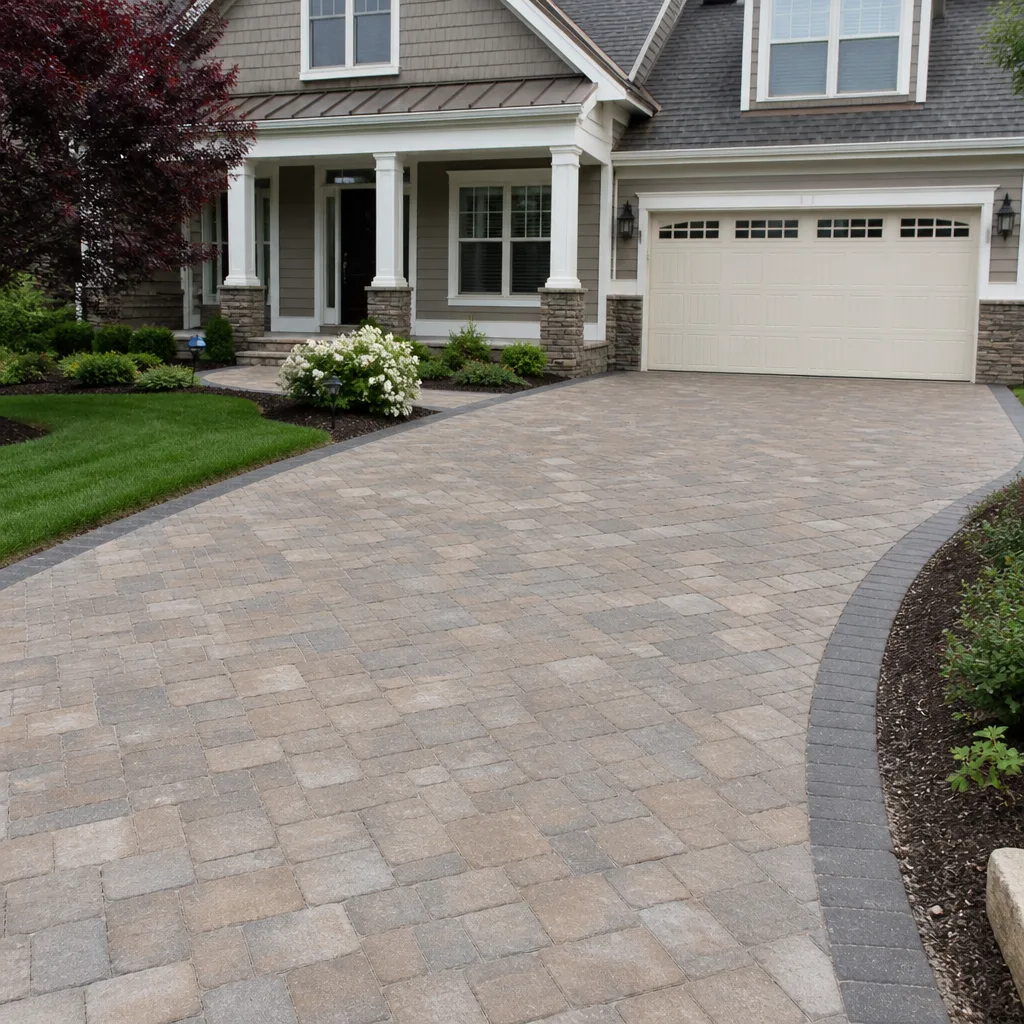 Driveway & pavers
 Kitchen remodeling
 Bathroom remodeling
 Home additions & ADU
 Roofing
 Windows & doors
 Fence
Free written scope consultation - allowances, timeline, and change-order rules on paper before a single trade is scheduled
Driveway & Pavers Maintenance Checklist for Arlington Homeowners
The Blackland Prairie clay running under most of Arlington’s older neighborhoods can move up to two inches vertically in a single dry summer. That movement is enough to lift a paver edge, crack a concrete apron, or pop a soldier-course border clean out of the ground. Most driveway advice you’ll read was written for sandy soil or cold-climate frost heave, which is why it doesn’t hold up here. In this guide, we’ll walk through a maintenance checklist built around what’s actually under an Arlington driveway: expansive clay that swells when it rains and shrinks hard when it doesn’t. You’ll learn how to manage soil moisture, time your inspections to North Texas, tell polymeric sand failure apart from base failure, and re-seal on a schedule that survives Texas UV.
Quick Answer
A driveway or paver surface in Arlington needs three things to last: steady soil moisture so the clay doesn’t heave, drainage that carries water away from the base, and a seasonal inspection calendar built around our freeze-thaw window rather than a national one. Check joints and edges every spring and fall, top up polymeric sand when it recedes below the joint, and re-seal brick pavers every two to three years and concrete every three to five. The single biggest mistake is ignoring the soil, which is what actually cracks the surface.
Styles & brands we work with
- Kitchen remodeling
- Bathroom remodeling
- Home additions & ADU
- Roofing
- Windows & doors
- Driveway & pavers
- Fence
Table of Contents
- Why Arlington’s Clay Soil Is the Real Enemy
- Soil-Moisture Management: Your First Line of Defense
- The Arlington Maintenance Calendar
- Polymeric Sand Failure vs. Base Failure
- Re-Sealing Intervals: Concrete vs. Brick Pavers
- The Drainage Slope Standard and How to Self-Check
- The Full Seasonal Checklist, Step by Step
- Common Mistakes to Avoid
Why Arlington’s Clay Soil Is the Real Enemy
Most driveway problems get blamed on the weather or on traffic, but in Arlington the culprit is almost always the ground underneath. The expansive clay that dominates Blackland Prairie soil holds water like a sponge, then shrinks and cracks as it dries. During a wet spring it swells and pushes up. During a dry August it contracts and drops. A concrete slab or paver base sitting on top of that movement gets flexed in both directions, year after year.
We’ve seen this play out most in the older neighborhoods, where driveways were poured decades ago with less attention to base preparation than we’d use now. In places like the streets around downtown and the established blocks of east Arlington, a hot, dry stretch can open cracks in a concrete apron within weeks. Newer subdivisions out toward the south and west aren’t immune either; the clay is still clay, just with a younger surface on top.
The takeaway matters because it reframes the whole checklist. A crack is a symptom. The soil is the disease. If you patch the surface and ignore the moisture swing underneath, the same failure returns next season, and usually in the same spot.
- Swelling season: late winter through spring rains, when the clay pushes up and stresses joints.
- Shrinking season: July through September, when the clay drops and edges lose support.
- Highest-risk zones: driveways near large trees, unshaded south-facing slabs, and any surface with poor drainage at the apron.
Soil-Moisture Management: Your First Line of Defense
Before you think about sealers or sand, think about water. Keeping the moisture level under a driveway relatively steady is the most effective thing an Arlington homeowner can do, and it costs almost nothing. The goal isn’t to soak the ground. It’s to avoid the extreme swing from bone-dry to saturated that cracks surfaces.
Trees are the most common cause of uneven moisture here. A mature oak or pecan within ten to fifteen feet of a driveway pulls enormous amounts of water out of the clay on one side, which dries that side faster and causes differential movement. That’s why you’ll often see a crack or lifted paver edge running diagonally toward a tree. Root growth adds its own pressure, lifting pavers and heaving borders.
Drip irrigation is the other factor. If a line runs close to the driveway and waters a bed on one side, that strip of clay stays wet while the rest dries out. We’ve seen this produce a lifted soldier course on one edge while the opposite edge stays perfectly flat. Redirecting a single emitter or shortening a run can prevent a repair that would run into the hundreds or more.
- During dry stretches, run a hose on a low setting along the driveway edges for 20 to 30 minutes once a week, so the clay under the border stays closer to the moisture of the ground beneath the field.
- Walk your drip lines once a season and note which emitters sit within a few feet of the pavement.
- Keep mulch and soil graded so water drains away from the driveway, not into it.
- Watch for a lifted edge nearest a tree or emitter. That’s your first clue about differential moisture.
If the surface has already failed from soil movement, patching over it rarely holds. Our Driveway & Pavers in Arlington page covers how we reset and re-base a failing section rather than skim over it.
The Arlington Maintenance Calendar
A national checklist will tell you to inspect in spring and fall, which is fine as a default but misses what actually happens in North Texas. Arlington’s freeze-thaw window is short and unpredictable: we can see a hard freeze in January followed by a 75-degree afternoon two days later. That rapid cycling is what opens joints and loosens sand, and it’s what your inspection dates should follow.
Build your calendar around these windows instead of a generic one:
- Late February to mid-March: after the last hard freeze. This is when popped pavers, cracked concrete, and receded sand show themselves. Inspect and repair before the spring rains.
- Late May: after the wettest stretch, check drainage and look for settling or ponding at the apron and along the sides.
- Late August to early September: the peak of the dry season and the highest risk period for shrinkage cracks and lifted edges. Walk the perimeter closely.
- November: before the first freeze, clear debris from drains and gutters and confirm joints are topped off.
If you only do one inspection a year, do the late-winter one. Damage that sits through the spring rains gets worse fast, and a crack that starts small in February can widen significantly by April. When we pull a project through Arlington, we plan around that same freeze-thaw window so fresh work isn’t exposed to it mid-cure.
Polymeric Sand Failure vs. Base Failure
These two look similar from standing height, and homeowners often mistake one for the other. They cost very different amounts to fix, so telling them apart saves money. Polymeric sand failure is a surface problem: the sand in the joints has washed out, cracked, or pulled away, and the pavers themselves are still sitting solid on a good base. Base failure is structural: the compacted gravel underneath has settled or eroded, and the pavers rock or dip when you step on them.
Here’s how to tell which one you’re looking at:
- Polymeric sand failure: joints are low or empty, sand crumbles when you poke it, but the pavers feel firm and don’t move underfoot. Water drains off the surface normally. Fix is a re-sand, which is a moderate cost.
- Base failure: pavers rock or sink when you step on them, you can feel a dip, or one section sits lower than the rest. You may see sand constantly washing out of the joints no matter how often you refill. Fix requires pulling the pavers and re-compacting or replacing the base, which is a much larger job.
A quick test: stand on the suspect area and shift your weight from foot to foot. If you feel movement or hear the grit of sand shifting, that’s base movement, not just a sand top-off. In Arlington’s clay, base failure usually traces back to water getting under the pavers and softening the ground, often because the edge restraint failed or drainage slope is off.
Top up receded joints with a quality polymeric sand rather than plain mason sand; the polymer binds and resists washout. Quikrete and Sakrete both make polymeric jointing products widely available at North Texas suppliers. Re-sanding a healthy surface is routine. Re-basing a failed one is not, and if the pavers are already moving, adding sand only hides the problem for a season.
Re-Sealing Intervals: Concrete vs. Brick Pavers
Sealing decisions in Arlington have to account for strong UV most of the year, which breaks down sealers faster than in milder climates. The interval differs by surface, and so does the product category. Sealing too often wastes money and can trap moisture. Sealing too seldom lets UV fade and surface wear take hold.
For concrete driveways, a penetrating silane or siloxane sealer every three to five years is the typical recommendation. Penetrating sealers soak in and protect against moisture and salt without leaving a film, which matters because a film-forming sealer on a slab that’s already flexing on clay can peel at the first movement. On older concrete out toward established neighborhoods, a penetrating sealer is usually the safer choice.
For brick and concrete pavers, a re-seal every two to three years is the common interval, and again it depends on sun exposure. A south- or west-facing driveway in Arlington will fade and wear faster than a shaded one. Choose a breathable, water-based acrylic sealer for pavers rather than a heavy solvent film, so moisture vapor can still escape. A surface that can’t breathe traps water and can spall.
- Concrete slab: penetrating silane/siloxane, every 3 to 5 years.
- Brick pavers, shaded: breathable water-based acrylic, every 3 years.
- Brick pavers, full sun: breathable water-based acrylic, every 2 years.
- Never seal: a surface that’s wet, newly installed, or showing active base movement, until the underlying issue is fixed.
When we install pavers, we choose materials and base prep with this re-seal cycle in mind, so the surface is ready for a maintenance coat on schedule rather than needing repair.
The Drainage Slope Standard and How to Self-Check
Water is the delivery system for most driveway damage, and slope is what moves it away. Arlington’s code requires driveway and hardscape surfaces to drain away from structures and toward the street or a drainage feature at a minimum grade. Rather than rely on a vague “make sure it slopes,” you can check yours yourself with a cheap level.
Here’s how to self-check with a level you can pick up for a few dollars:
- Lay a 4-foot level along the driveway, pointing toward the street or drain.
- Slide a shim or a coin under the low end until the bubble centers.
- Measure the gap. A slope of roughly 1/8 to 1/4 inch per foot is the usual target for hardscape drainage. Less than that and water ponds.
- Repeat near the apron, along the sides, and at any low spots where you’ve seen standing water after a storm.
- Watch the surface during a hard rain. Anywhere water sits longer than a few minutes is a slope problem, and it will soften the base over time.
A proper slope sends water off the driveway and into the yard or street rather than letting it pool against the garage or along the edge restraint. If you find a low spot that ponds, that’s a drainage issue, and re-grading or adjusting the base is the fix, not another coat of sealer. Our Barrett & Sons Construction Arlington home page is the place to start if you’d rather have the slope checked properly before it becomes a repair.
The Full Seasonal Checklist, Step by Step
Here’s the walk-through we recommend for Arlington driveways, done four times a year at the windows above. It takes about twenty minutes and catches most problems before they turn into repair bills.
- Walk the full perimeter and both sides. Look for lifted edges, popped borders, and pavers sitting higher than their neighbors.
- Check every joint. Top off any polymeric sand that has receded below the joint surface.
- Rock-test suspect pavers by shifting your weight on them. Movement means base issues, not just sand loss.
- Clear drains, gutters, and the apron of leaves and debris so water can move.
- Check the slope with a level at the apron and any low spots.
- Look at the tree and drip-irrigation proximity on each side and note any differential moisture.
- Inspect the sealant and note fading or wear so you can plan the next re-seal on the correct interval.
- Photograph anything that concerns you. It’s easier to track whether a crack is growing when you have last season’s photo to compare.
Once you’ve done it a couple of times, the whole routine becomes quick. The value is in doing it consistently at the right times of year, because that’s what keeps you ahead of the clay.
Common Mistakes to Avoid
- Patching over soil movement. Filling a crack or topping a lifted edge without addressing the moisture swing underneath means the same failure returns in the same place next season.
- Planting large trees too close. A tree within ten feet of the driveway pulls water out of one side of the clay and causes uneven movement. Plan tree placement before the driveway, or expect edge repairs later.
- Ignoring drip irrigation near the pavement. A single emitter watering a bed beside the driveway keeps one strip of clay wet while the rest dries, which produces lifted borders and diagonal cracks.
- Sealing too often. Slapping a new coat of film-forming sealer on every year traps moisture and can peel when the slab flexes. Follow the interval for the surface.
- Confusing sand failure with base failure. Re-sanding a surface that’s actually rocking on a failed base wastes money and hides a structural problem for one season.
- Using a national inspection calendar. If you inspect in spring and fall but skip the late-winter freeze-thaw window that’s specific to North Texas, you’ll miss the damage that opens in January and February.
- Letting water pond at the apron. A low spot that sits through every storm softens the base and undermines the edge restraint. Fix the slope instead of waiting for the crack.
See the difference
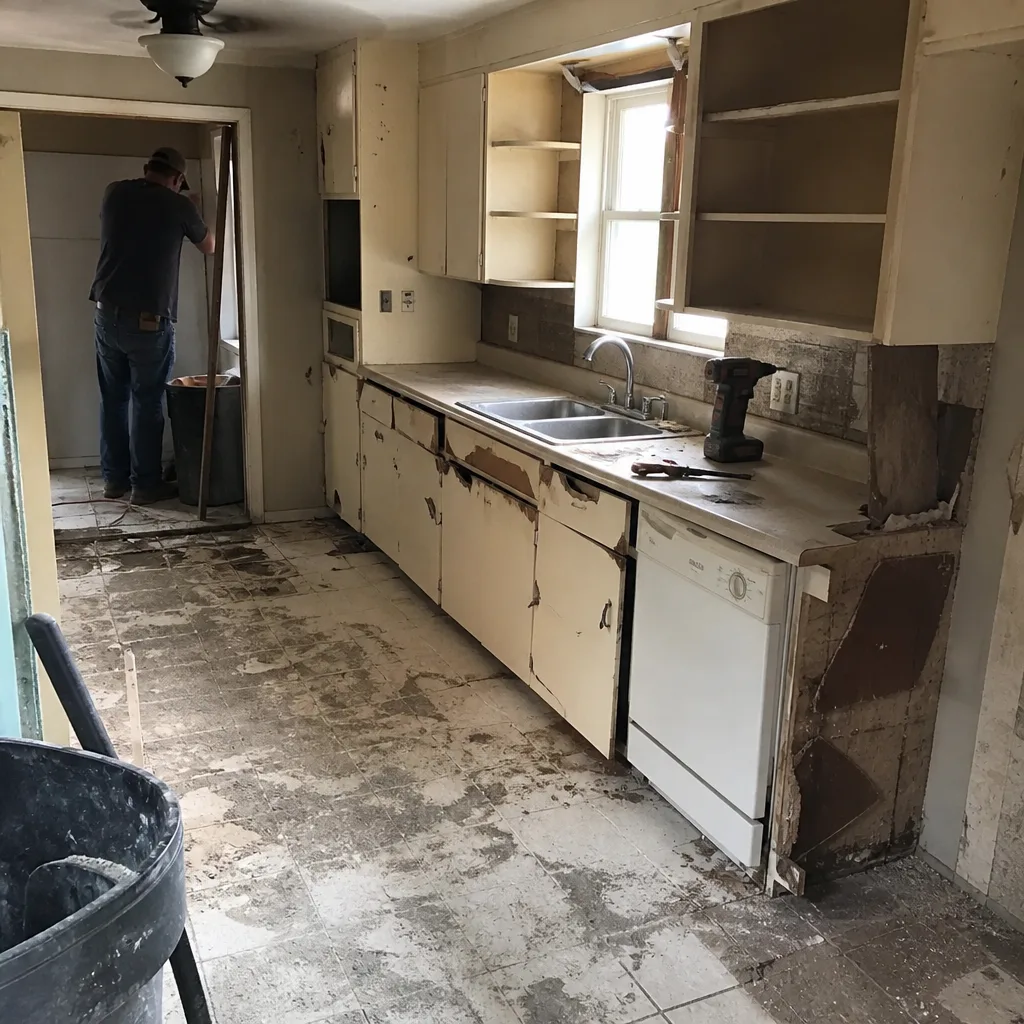 Before
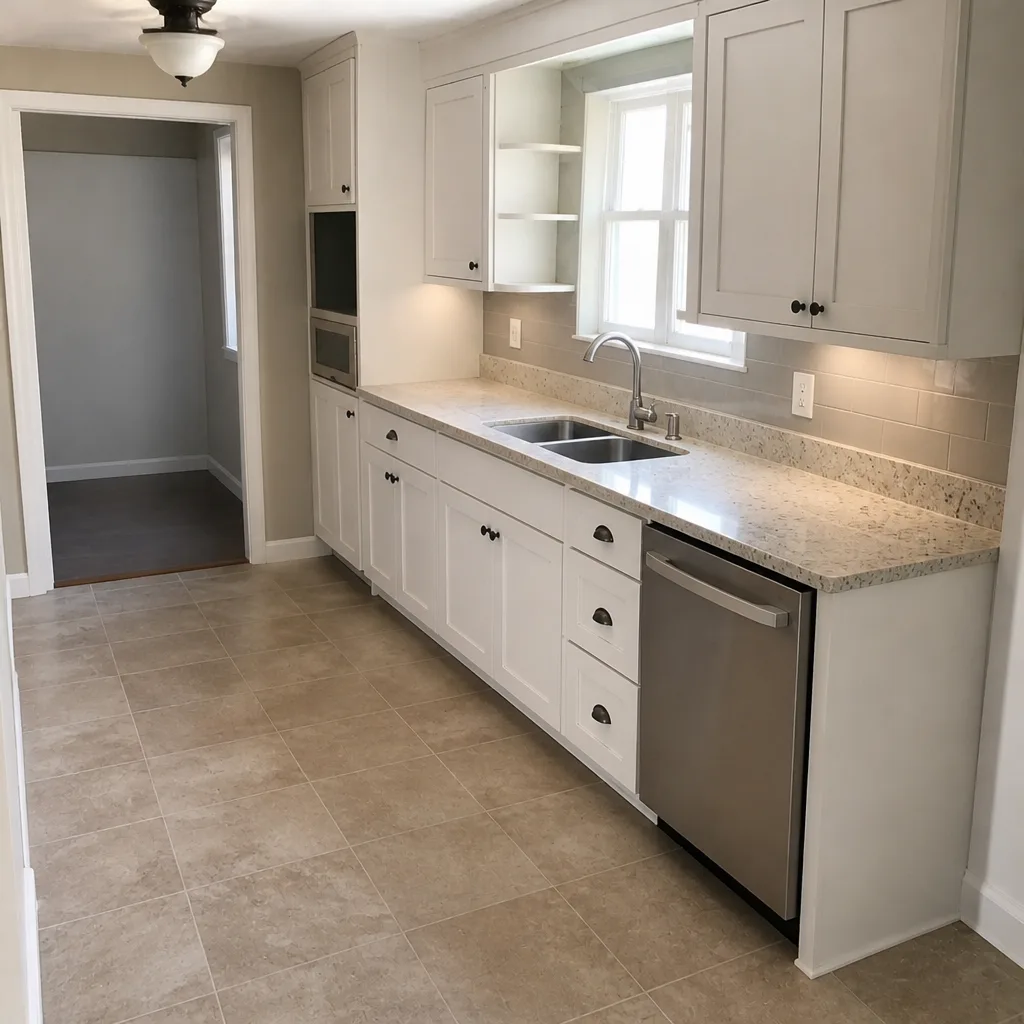 After
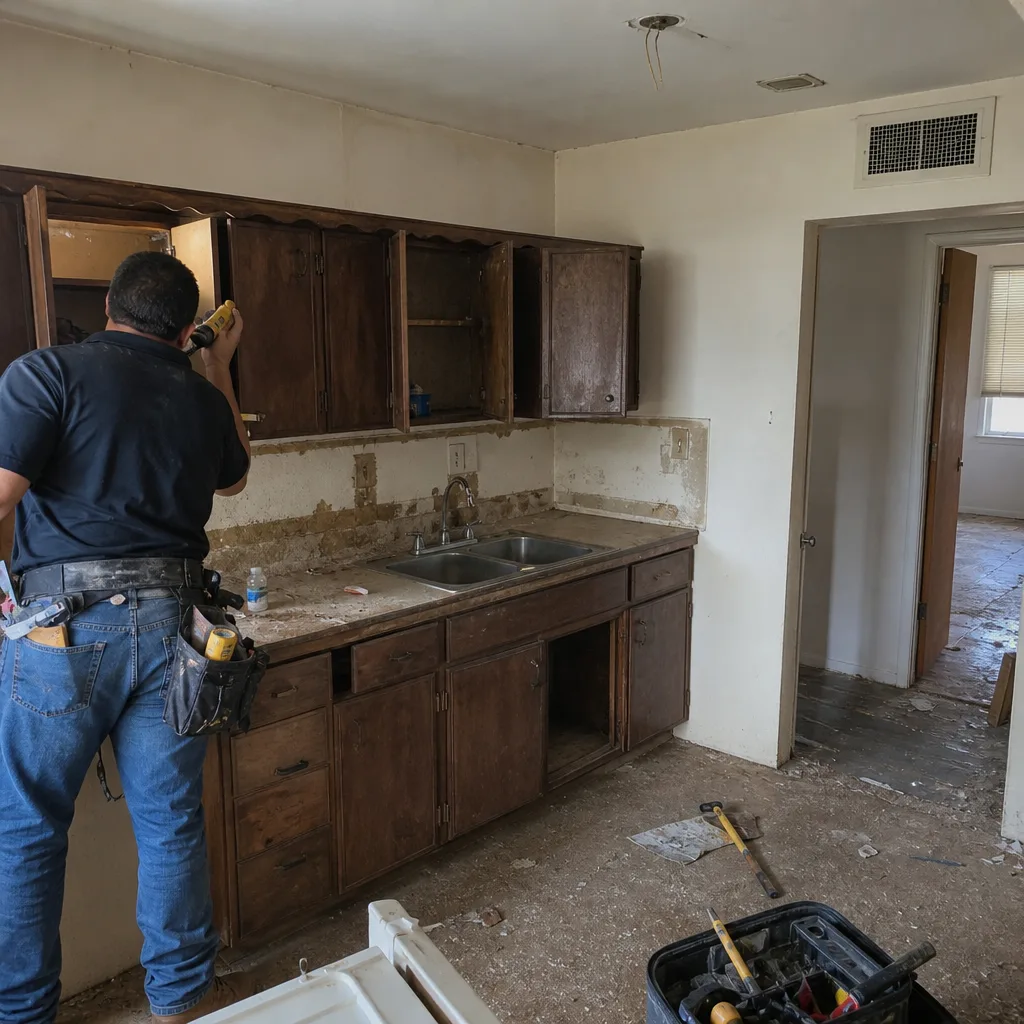 Before
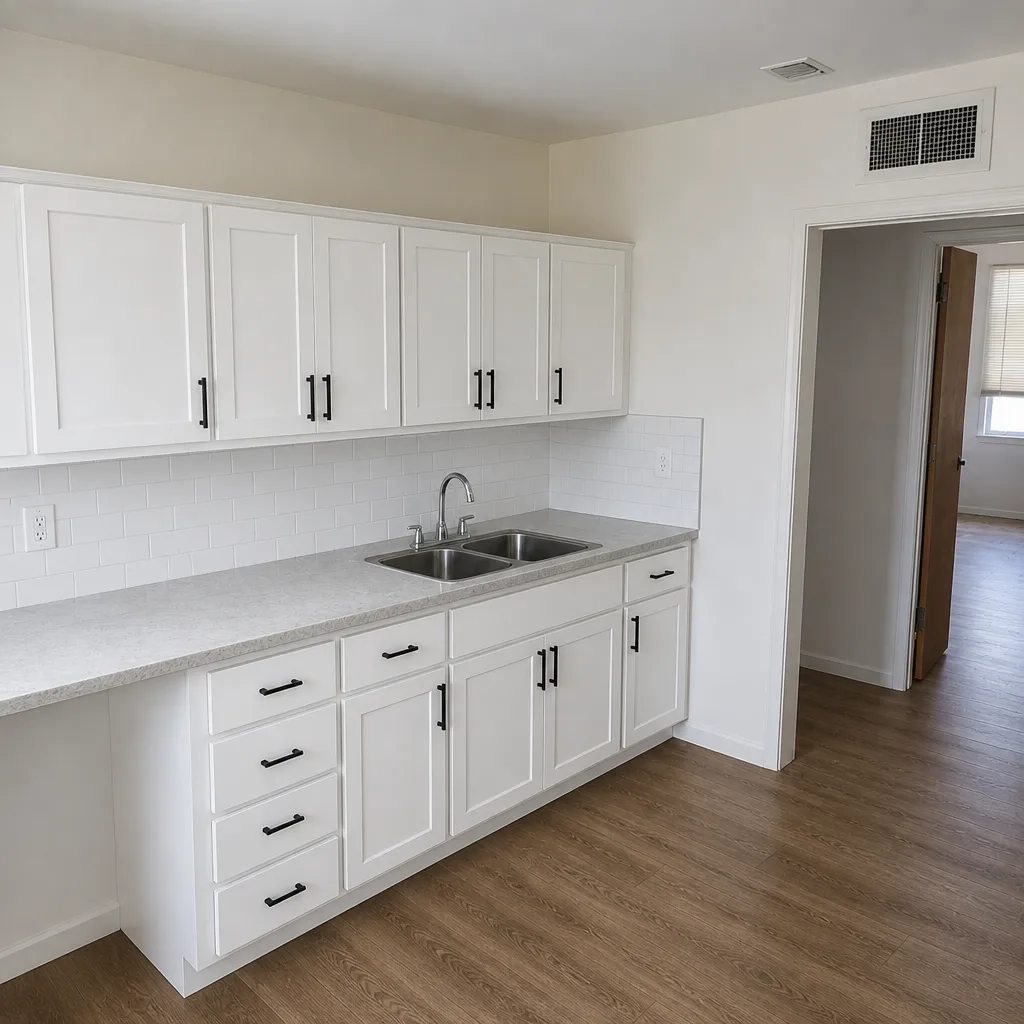 After
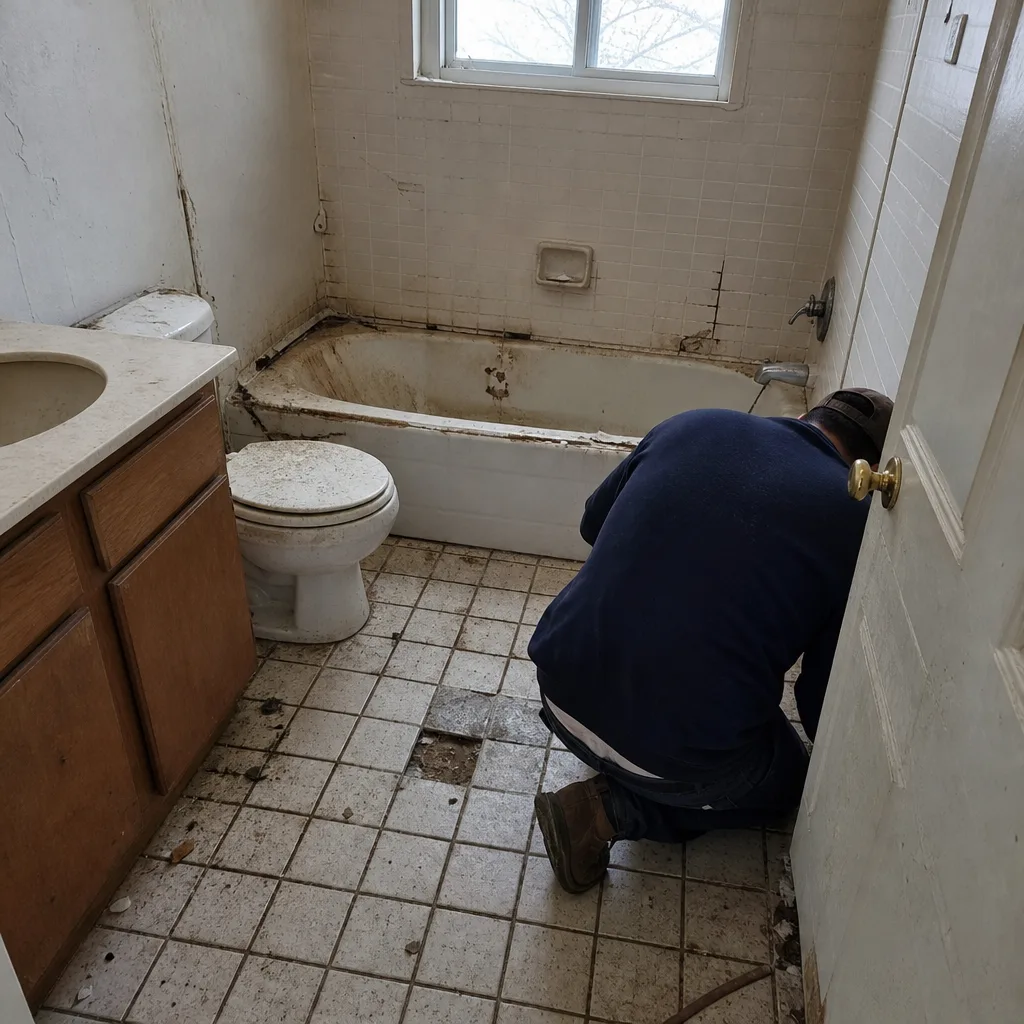 Before
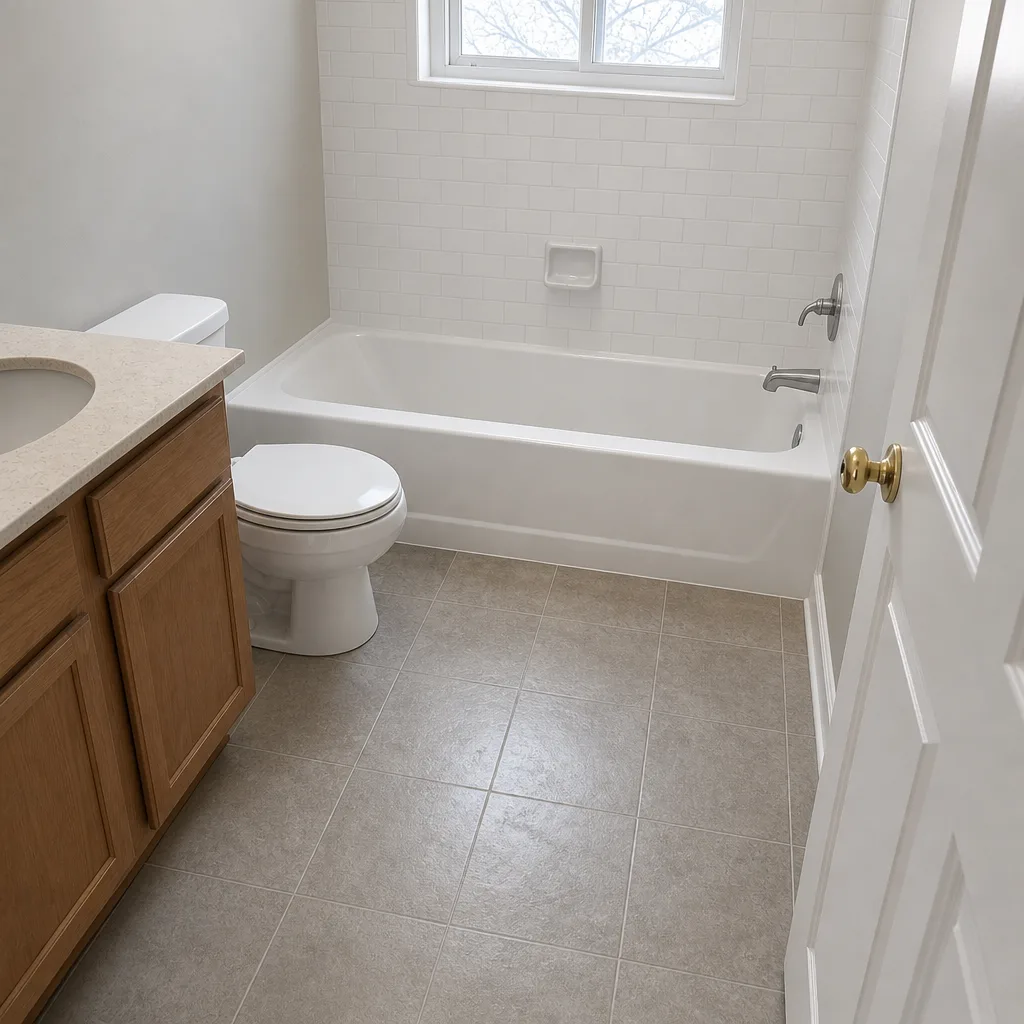 After
When to Call a Professional
Not every driveway problem needs a contractor, but some do. Call a professional if pavers rock or sink when you step on them, if a section has settled or heaved noticeably, if the edge restraint has failed, or if water ponds anywhere it shouldn’t after a storm. A crack that’s widening season over season, or a slab that’s tilting toward the garage, also warrants a look. Re-basing, resetting pavers, and re-grading drainage are all jobs where the base prep matters more than the surface, and doing it wrong just restarts the clock. Barrett & Sons Construction Arlington offers free estimates in Arlington, so you can get a clear read on whether it’s a re-sand or a re-base before you spend anything. Call (888) 590-9867.
If your project sits near the edge of the property and you’re already thinking about the fence line, our Fence Installation in Arlington page covers how drainage and grading are handled along shared edges. And if a driveway expansion is part of a bigger plan, our Home Additions & ADU in Arlington page explains how we tie new hardscape into an addition’s footprint.
Frequently Asked Questions
Re-sanding a healthy paver surface in Arlington typically runs in the low hundreds, while re-basing and resetting a failed section costs considerably more because the pavers have to be pulled and the base re-compacted. The difference comes down to whether the pavers are moving (base issue) or just losing sand (surface issue). Call (888) 590-9867 for an exact quote; estimates are free.
Re-seal brick and concrete pavers every two to three years in Arlington, using a breathable water-based acrylic sealer. Full-sun driveways fade faster than shaded ones, so lean toward the two-year end for a west- or south-facing surface. Call (888) 590-9867 if you want us to check the sealer condition before you commit to a re-seal.
If sand washes out of the joints repeatedly no matter how often you refill, the likely cause is base movement letting water under the pavers, not just a sand problem. A healthy surface holds polymeric sand for years between top-offs. Call (888) 590-9867 for an estimate to find out which it is.
Small, stable hairline cracks can often be watched, but a crack that widens each season or runs toward a tree or low spot in Arlington is usually driven by clay movement and won’t stop on its own. Catch it in the late-winter inspection before the spring rains widen it. Call (888) 590-9867 to schedule a free estimate.
Yes, Arlington code requires driveway surfaces to drain away from structures at a minimum grade, typically in the range of an eighth to a quarter inch per foot. You can self-check your slope with a four-foot level and a shim, but if water ponds near the garage, call (888) 590-9867 to have it looked at properly.
No, every scope, allowance, and price change arrives as a written change order before any work proceeds, so you don’t get a surprise invoice at the end. That’s how we’ve worked since 1998, and every job is backed by our 90-Day Done Right Promise. Call (888) 590-9867 to schedule your free estimate.
The Bottom Line
Arlington driveways fail because of what’s underneath them, not what’s on top. The clay here swells and shrinks more than most of North Texas, and any maintenance plan that skips soil moisture, tapering drainage, and a freeze-thaw inspection calendar is just patching symptoms. Manage the moisture, keep the slope draining, tell sand failure from base failure, re-seal on the right interval, and inspect at the right time of year, and your driveway will outlast the one down the street. When the job needs real repair, get it done right the first time.
Barrett & Sons Construction Arlington is owner-operated, founded in 1998, and we pull the permits and back every job with our 90-Day Done Right Promise. We work with trusted brands like Belgard and Techo-Bloc on hardscape, and our crew members have up to 28 years of experience. We publish the license number so you can look it up before you sign anything. Call (888) 590-9867 for a free estimate, a no-trip-charge visit inside the county, and a free second opinion on any written estimate you’ve already received.
Written by the team at Barrett & Sons Construction Arlington.