
Last updated November 17, 2026
 Kitchen remodeling
 Bathroom remodeling
 Home additions & ADU
 Roofing
 Windows & doors
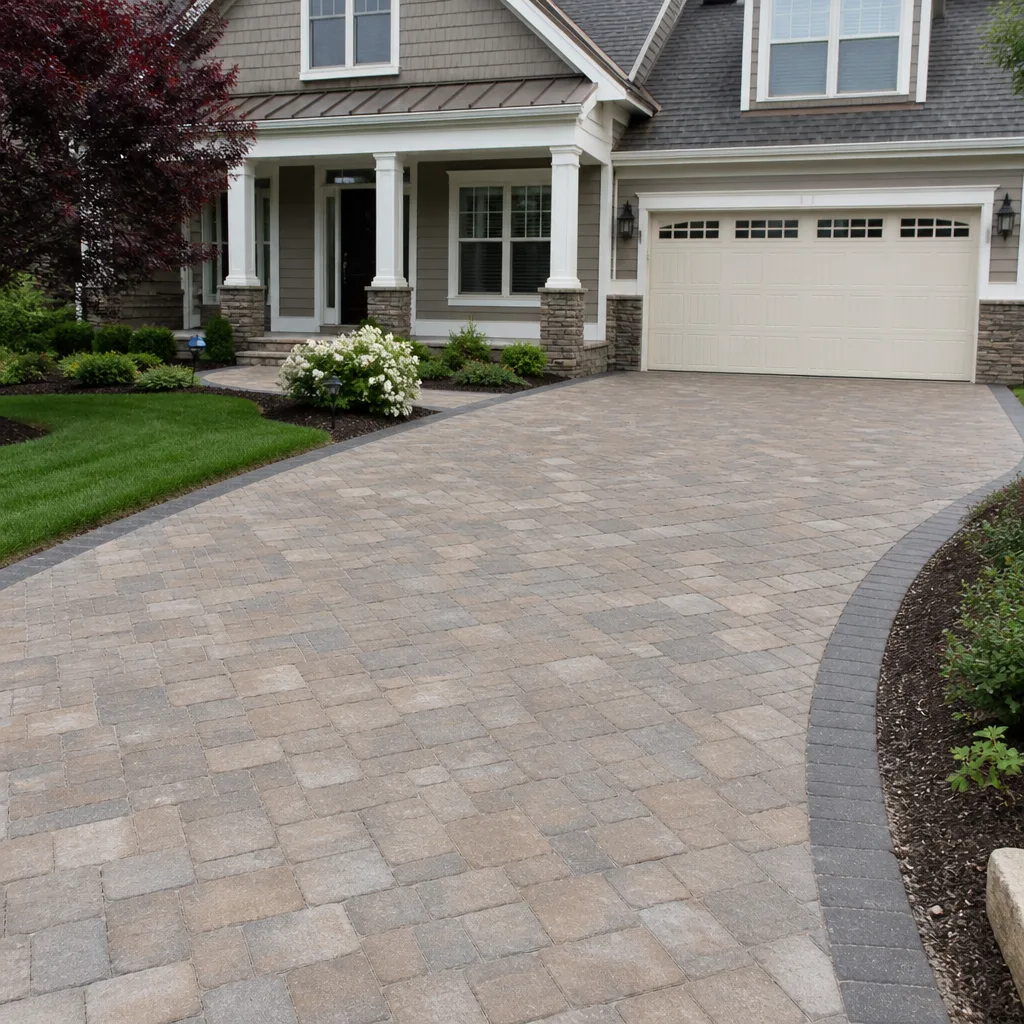 Driveway & pavers
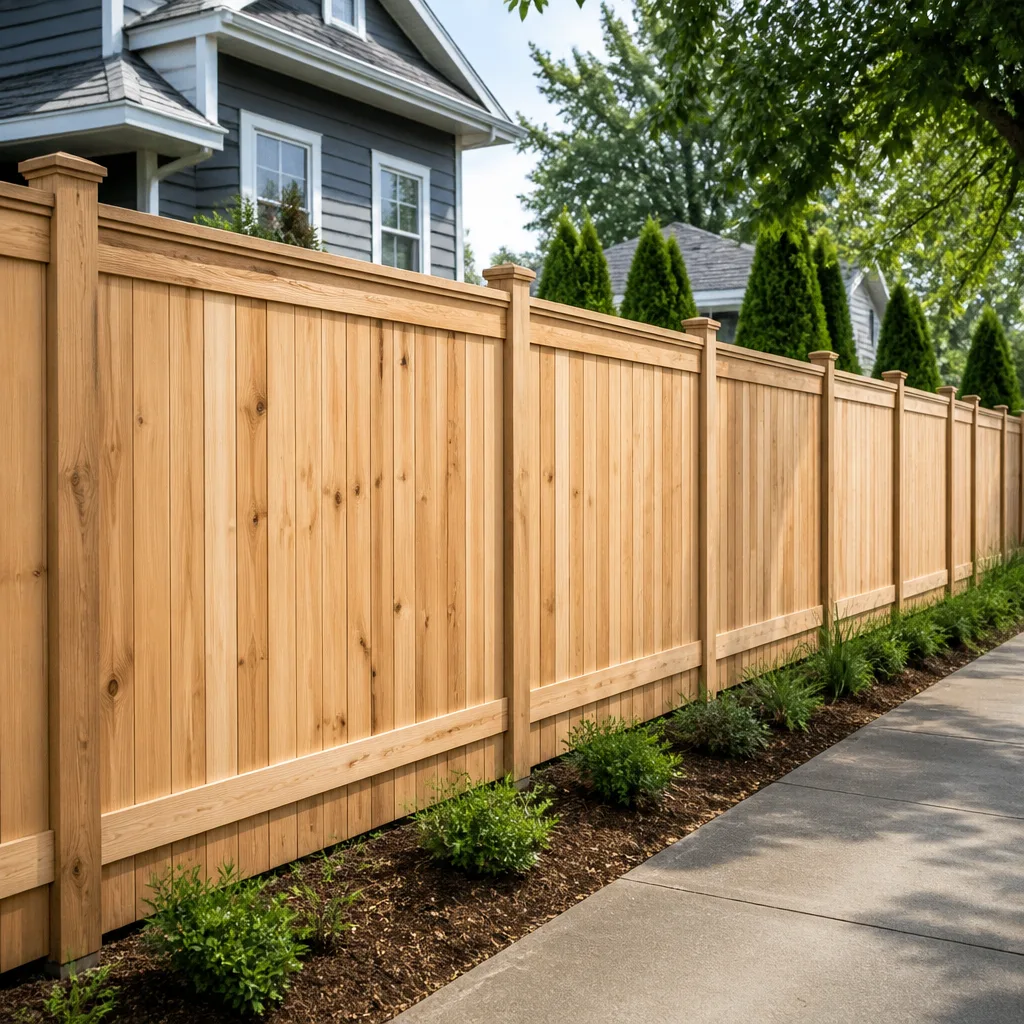 Fence
Free written scope consultation - allowances, timeline, and change-order rules on paper before a single trade is scheduled
How to Hire a Construction Contractor in Arlington: A Step-by-Step Guide
The complaint that lands most often at the Texas Department of Licensing and Regulation isn’t about crooked framing or a roof that leaks after the first rain. It’s simpler and uglier: a contractor took a deposit and never came back. That’s the story we hear most from homeowners in Arlington who call us for a second opinion, and it’s the one this guide is built to help you avoid. You’ll learn how to pull a license in under two minutes, read a contract for the clauses that actually protect you, spot a payment schedule that signals trouble, and ask the questions most people only think of after the check clears.
Quick Answer
To hire a construction contractor in Arlington, verify their license on the TDLR public lookup, get every scope item and allowance in a written contract, never pay more than a small deposit up front, and confirm in writing who will be on your property each day. The three quotes you collect matter far less than what those quotes actually contain – a cheap bid that omits the permit fee or hides a change-order clause will cost you more than the honest bid that lists everything.
Styles & brands we work with
- Kitchen remodeling
- Bathroom remodeling
- Home additions & ADU
- Roofing
- Windows & doors
- Driveway & pavers
- Fence
Table of Contents
- Step 1: Verify the Contractor’s Texas License in Under Two Minutes
- Step 2: Read the Contract for the Five Clauses That Protect You
- Step 3: Understand What a Legitimate Payment Schedule Looks Like
- Step 4: Interpret Online Reviews for Construction Trades
- Step 5: Ask Who Will Actually Be on Your Property
- Step 6: Confirm the Permits and Inspections
- What’s Different About Hiring in Arlington
- Red Flags That Should End the Conversation
Step 1: Verify the Contractor’s Texas License in Under Two Minutes
Texas doesn’t license every construction trade, but the ones that matter most for a house – electrical, plumbing, HVAC, and several others – are regulated by the Texas Department of Licensing and Regulation. The public lookup is free, it’s fast, and it will tell you whether the person holding the clipboard actually has the credential to be doing the work. We’ve watched homeowners skip this step because the contractor seemed friendly at the estimate. Friendliness isn’t a license.
Here’s how to run the check:
- Go to the TDLR website and find the license search page.
- Enter the contractor’s name or the license number they gave you.
- Confirm the license is active, not expired or suspended.
- Check that the license type matches the trade you’re hiring for.
- Note the expiration date and check it again before work starts.
If a contractor gives you a license number but asks you not to look it up, that’s your answer. The permit inspector works for you, not for the contractor – a good one welcomes the scrutiny. In Arlington, we’ve seen more than a few out-of-town crews working without the right credentials, and the homeowner only finds out when the inspection fails. Save yourself that phone call. Write the license number down, check it, and keep the printout with your contract.
Step 2: Read the Contract for the Five Clauses That Protect You
Scope changes on almost every job we’ve ever run. That’s not a flaw in the process – it’s the nature of opening up a wall and finding something nobody could see from the outside. The contract needs to say what happens when the scope changes, and it needs to say it in plain language on the front page, not in paragraph nine of the fine print.
Here are the five clauses that should be in any contract you sign in Arlington:
- Written change orders. Any change to scope, cost, or timeline has to appear in a signed document before the work happens. An allowance that isn’t on paper is a surprise waiting for a date.
- Itemized allowances. If the bid includes an allowance for tile, fixtures, or materials, it needs a dollar amount. A vague allowance is how a $12,000 bathroom turns into an $18,000 one.
- Timeline with milestones. Not just a start date and an end date – the major milestones in between, so you know whether the job is on track or stalled.
- Payment tied to progress. Money released only when a defined phase is complete and inspected, never on a calendar date.
- Written warranty terms. What’s covered, for how long, and who you call when something goes wrong.
If a contract has none of these, don’t sign it. If it has them but hides them, ask for them on a single page you can read in five minutes. The contractor who balks at that request is telling you something important about how they handle the rest of the job.
Step 3: Understand What a Legitimate Payment Schedule Looks Like
The payment schedule is often a clearer signal than the bid price. A contractor who needs 50% up front to “get started on materials” doesn’t have the working capital to float the job, and that’s a problem you inherit, not one you avoid. In our experience, a fair schedule looks roughly like this:
- Deposit: 10 to 15% at signing – enough to order materials, not enough to fund a vacation.
- Rough-in phase: 20 to 25% when framing, electrical, or plumbing is complete and inspected.
- Finishes phase: 25 to 30% when drywall, cabinetry, and finishes are going in.
- Final payment: 10 to 15% held back until you walk the job and sign off.
Those percentages vary by trade and project size – a driveway is different from a kitchen – but the principle holds. The final payment should always come after you’ve had a chance to look at the work and confirm it’s complete. If a contractor demands the full amount before the last nail goes in, you’ve lost your leverage. Ask for the schedule in writing before you sign anything, and don’t let a mid-job request for extra money catch you by surprise. Our own work runs on a written change order for every scope change, so there’s never an invoice at the end that doesn’t have a signature attached to it.
Step 4: Interpret Online Reviews for Construction Trades
Reading reviews for a restaurant is different from reading them for a contractor. A food complaint is usually about a single bad meal. A construction complaint tells you how the contractor handles the moments that matter – the leak, the delay, the mid-project change of plans. What you’re looking for isn’t a perfect star rating. It’s the pattern in the complaints.
Here’s how to read them:
- Ignore the 5-star drive-bys. Reviews that say “great job, very professional” with no specifics are noise.
- Read the 2 and 3-star reviews first. Those tend to include real details about what went wrong and how it was resolved.
- Look for resolution. Did the contractor come back and fix it? That’s the signal that matters most.
- Watch for the same complaint twice. One bad review could be a bad day. Two saying “never finished” or “deposit disappeared” means a pattern.
- Check the dates. A wall of glowing reviews posted in a single week is a campaign, not a track record.
When a review complaint resurfaces with a local detail – “left the job in Arlington halfway through the roof” – that’s a story worth trusting. Ask around your own street, too. In small towns outside Arlington proper, a neighbor who hired the same crew is a better source than any website.
Step 5: Ask Who Will Actually Be on Your Property
You’ll meet one person at the estimate and possibly a different crew on the day the work starts. Ask about this explicitly, because in Arlington – and honestly everywhere – the person who sold you the job may never set foot on it again. Who’s running the crew? Are they background-checked? Will the same faces be here tomorrow? Is there a foreman on site, or is it a dispatch list of strangers?
These are the questions to ask before you sign:
- Who is the crew lead, and will they be on site daily?
- Are the crew members background-checked and how is that verified?
- Will the same crew work the whole job, or will different teams rotate through?
- Who do I call with a question mid-project, and how quickly do they answer?
- Are subcontractors involved, and who supervises them?
On our own jobs, Tom Barrett and his sons are on site most days, and crew members carry the same name on their shirts. That’s the standard worth holding out for – not because we’re the only ones who do it, but because it tells you whether the contractor is a business or a brand. A crew you can recognize by face is a crew that will treat your house like it belongs to someone they know.
Step 6: Confirm the Permits and Inspections
The last contractor most homeowners used told them permits were optional. They aren’t. In Arlington, most structural, electrical, plumbing, and roofing work requires a permit and at least one inspection, and the failure to pull one can haunt you at resale time. The permit is your proof that a third party looked at the work and signed off, and it costs a fraction of what tearing the work out later would.
Ask three questions about permits before work begins:
- Will you pull the permit, or do I?
- Who calls for the inspection – you or me?
- What happens if the inspection fails?
If a contractor says permits aren’t necessary “for this kind of job,” get a second opinion. We pull permits and get inspections signed on every eligible job we run, not because the city demands it but because the inspection protects the homeowner. A written record of an inspection is a document you can hand to a buyer in five years, and it’s the cheapest insurance you’ll ever buy on a construction project.
What’s Different About Hiring in Arlington
Arlington sits in a part of North Texas where the soil moves with the seasons, the summers bake a roof, and the wind off the prairie finds every gap in a fence or a window seal. That climate shapes what you should look for in a contractor. A roofer who understands how heat cycling affects shingle adhesion is worth more than one who’s only worked in cooler climates, and a paver contractor who accounts for soil expansion will give you a driveway that still sits flat in year five. We’ve seen too many Arlington driveways fail because someone skipped the base prep that this soil demands.
The housing stock matters too. Arlington has everything from 1950s ranch homes in the older neighborhoods to newer builds near the stadium district, and the right contractor for a mid-century re-pipe is not always the right one for a full addition. Ask whether they’ve worked on homes of your age and construction type. Ask whether they’ll pull the permit themselves or hand it to a subcontractor. And ask for the address of a job they finished within the last year where you can drive by and judge the work with your own eyes. We’re happy to point you to one – our name is on every job we finish.
One more thing that’s specific to Arlington: the permit office moves faster on some projects than others, and a contractor who lives twenty minutes away can respond when something goes sideways. Ask how far they travel to a callback. If the answer involves a trip from across the metroplex, factor that in.
If you’re comparing contractors for a specific project, our guides on Driveway & Pavers in Arlington and Fence Installation in Arlington walk through what a fair scope of work should include. If you’re planning an addition, the Home Additions & ADU in Arlington page covers the permit and timeline questions most homeowners ask first. And if you want to see how we run a project from start to finish, the Barrett & Sons Construction Arlington home page gives you the full picture.
Red Flags That Should End the Conversation
Some warning signs don’t need a second opinion – they need a handshake and a walk to the door. If any of these show up during the estimate, save yourself the trouble.
- Cash-only, no receipt, no contract. No paper trail means no recourse when something goes wrong. Every legitimate job deserves a written contract.
- A price quoted on the phone that changes at the door. A real contractor gives you a written estimate, not a number recited over a call.
- Door-to-door sales in storm season. The crew that shows up uninvited after a hailstorm rarely sticks around to handle the warranty.
- “Permits aren’t necessary.” In Arlington, that’s almost always false. It’s also a sign the contractor doesn’t want an inspector looking at the work.
- A deposit larger than 15%. See Step 3 above. Money up front is how a bad job starts.
- Pressure to sign today. A good contractor has other work and doesn’t need to strong-arm you into a same-day decision.
Common Mistakes to Avoid
- Choosing the lowest bid without reading the scope. A bid that leaves out the permit fee or the demo cost isn’t cheaper – it’s incomplete. Compare line by line, not bottom line.
- Skipping the TDLR lookup. It takes two minutes and catches the one problem no amount of good references will fix.
- Paying the full amount before the final walkthrough. Hold back the last 10 to 15% so you have leverage if something’s wrong.
- Handshake deals with no written change orders. Even a trusted neighbor’s cousin needs the change in writing before the work happens.
- Letting a contractor talk you out of a permit. The inspector is on your side. Skipping the permit shifts the risk to you.
- Ignoring how the crew will access your property. Ask about parking, dumpster placement, and whether they need power or water from your house.
- Not asking who’s on site daily. A crew of strangers with no on-site lead is a customer service problem waiting to happen.
See the difference
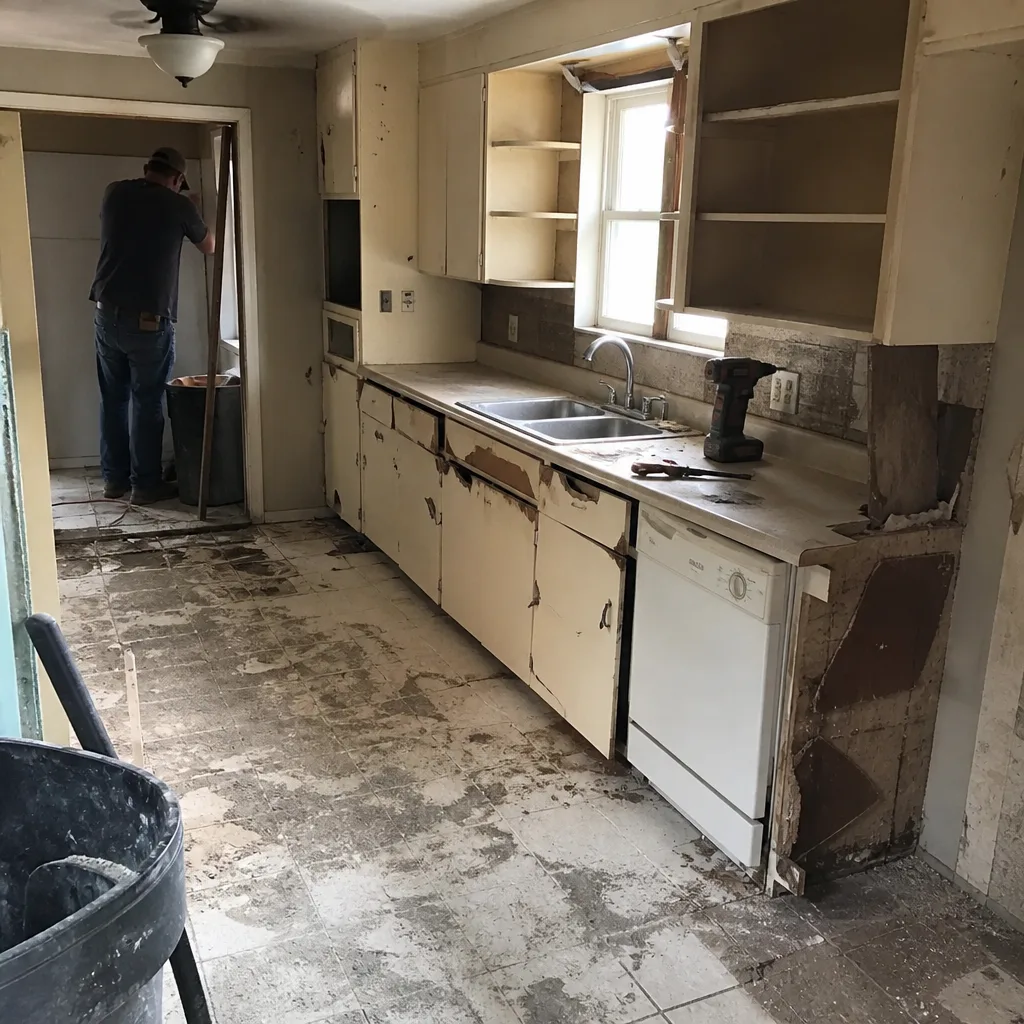 Before
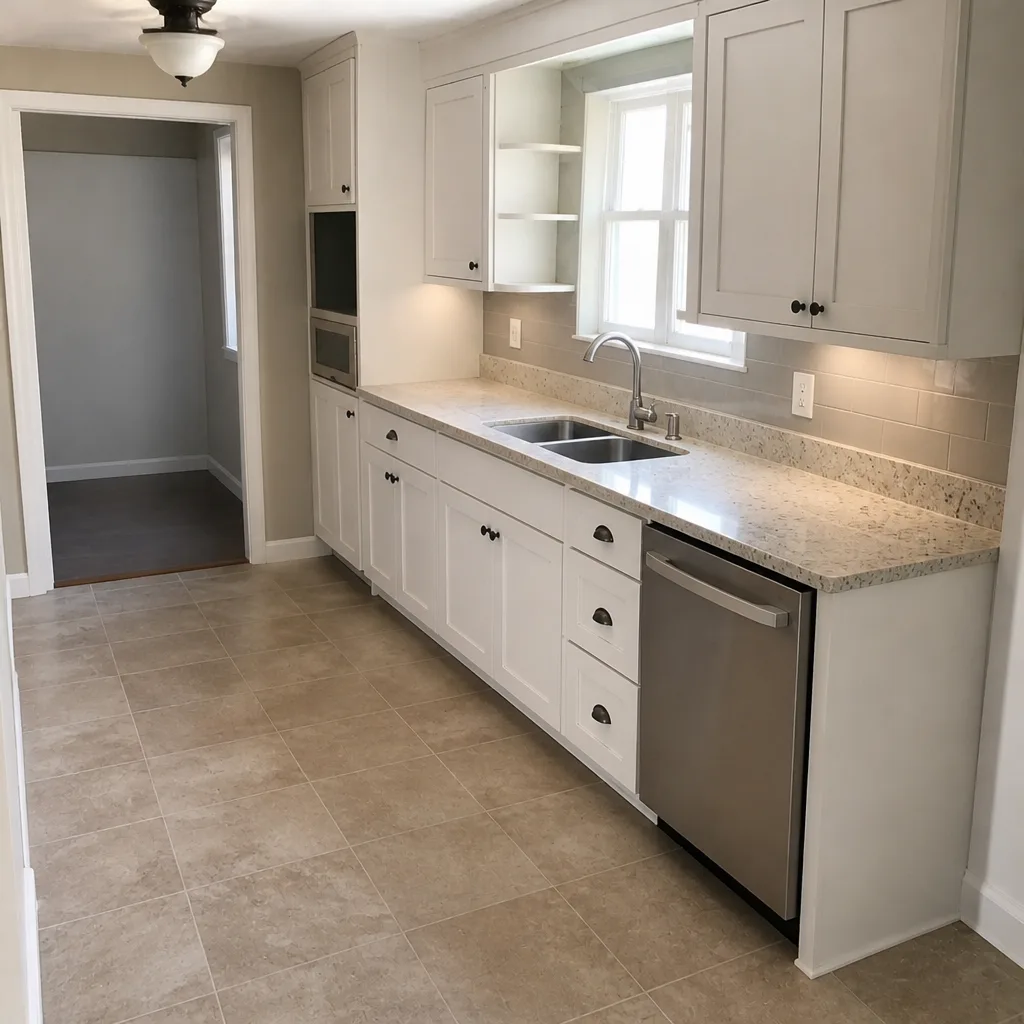 After
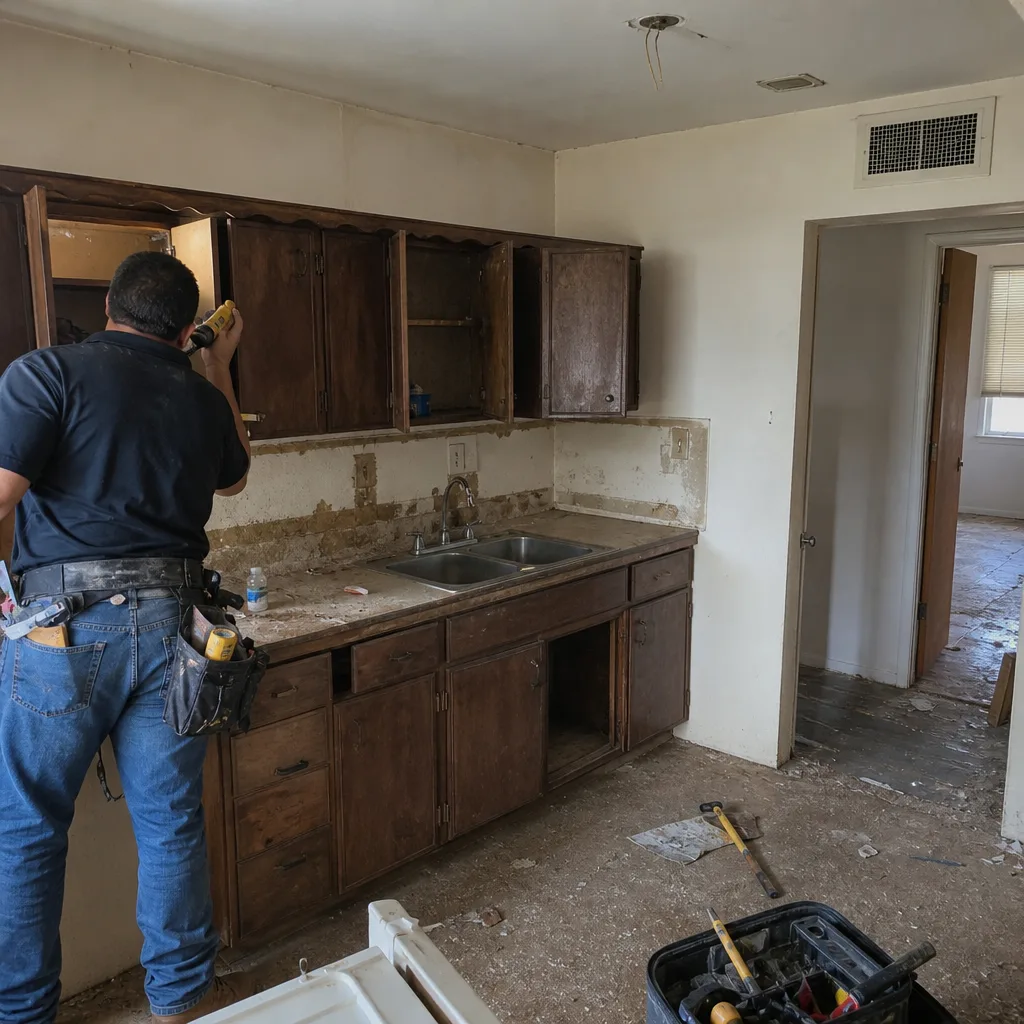 Before
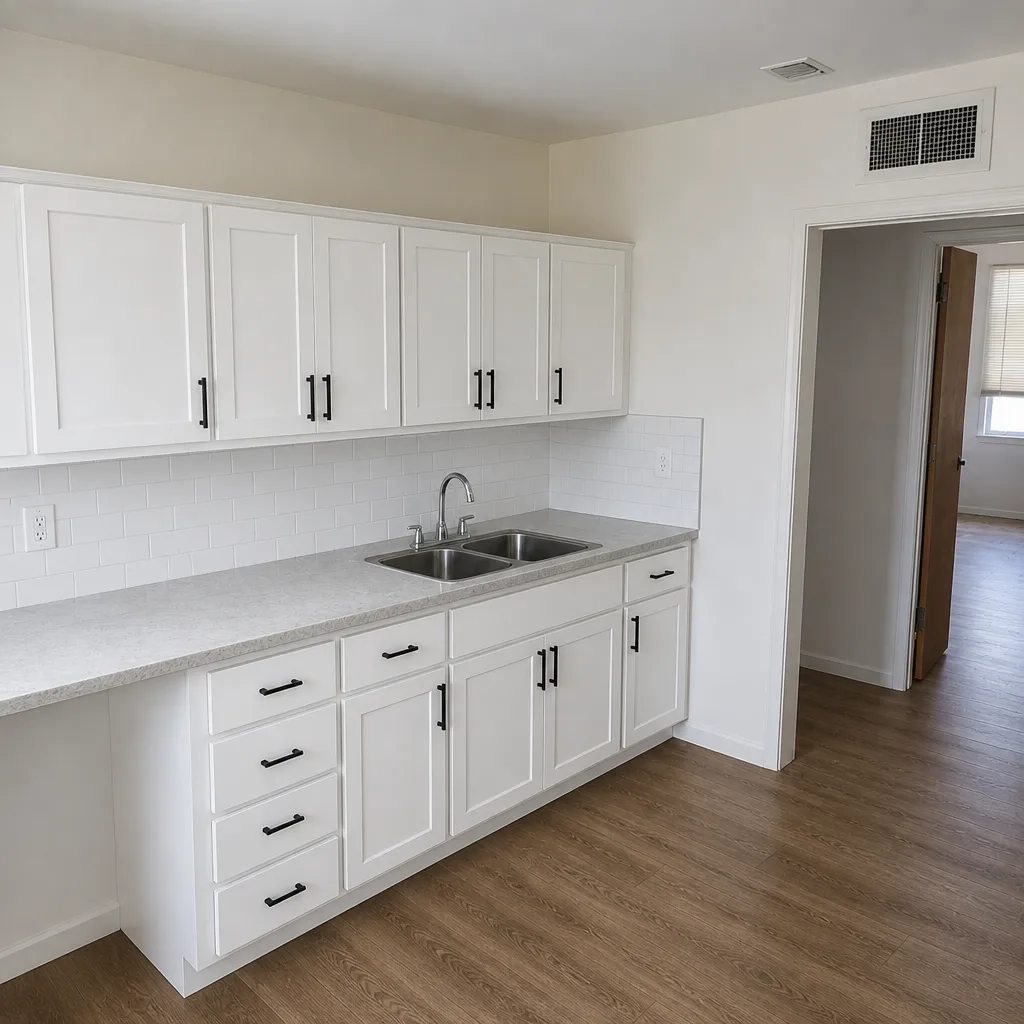 After
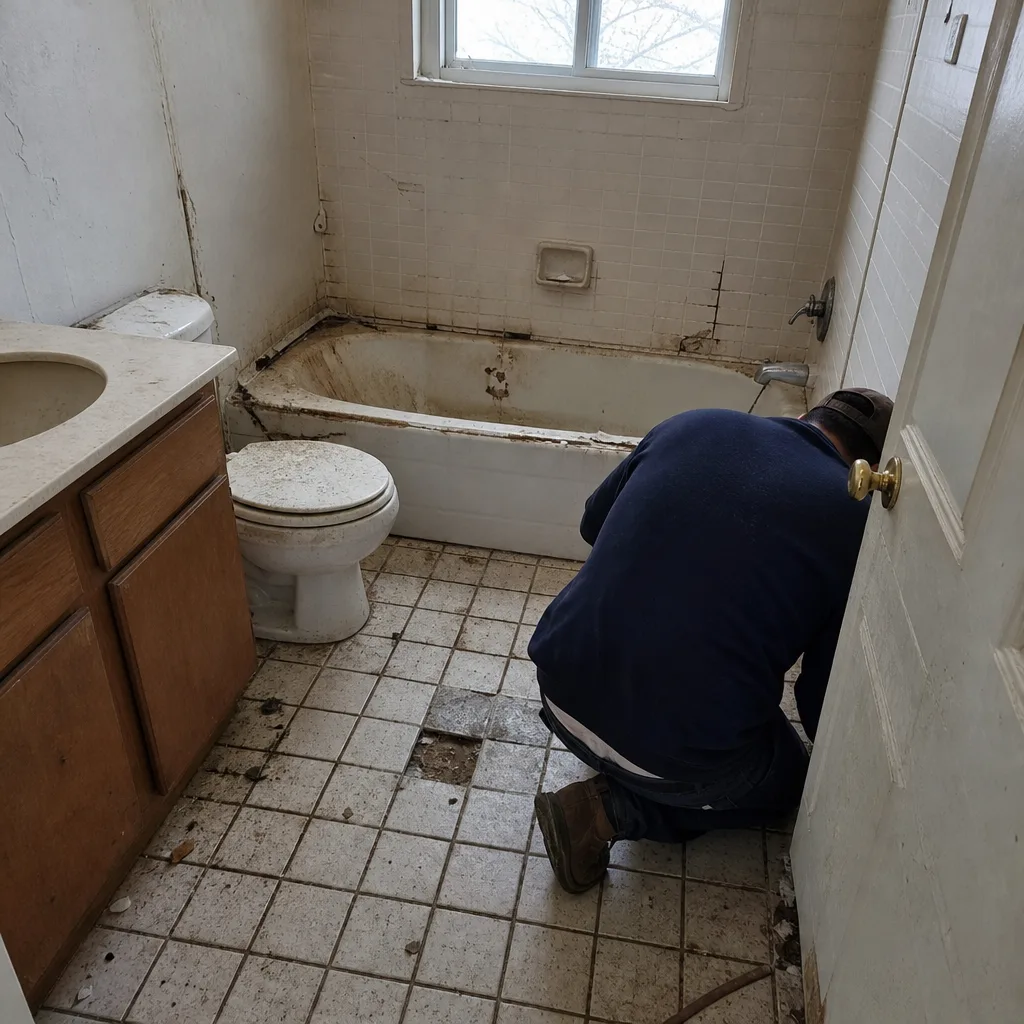 Before
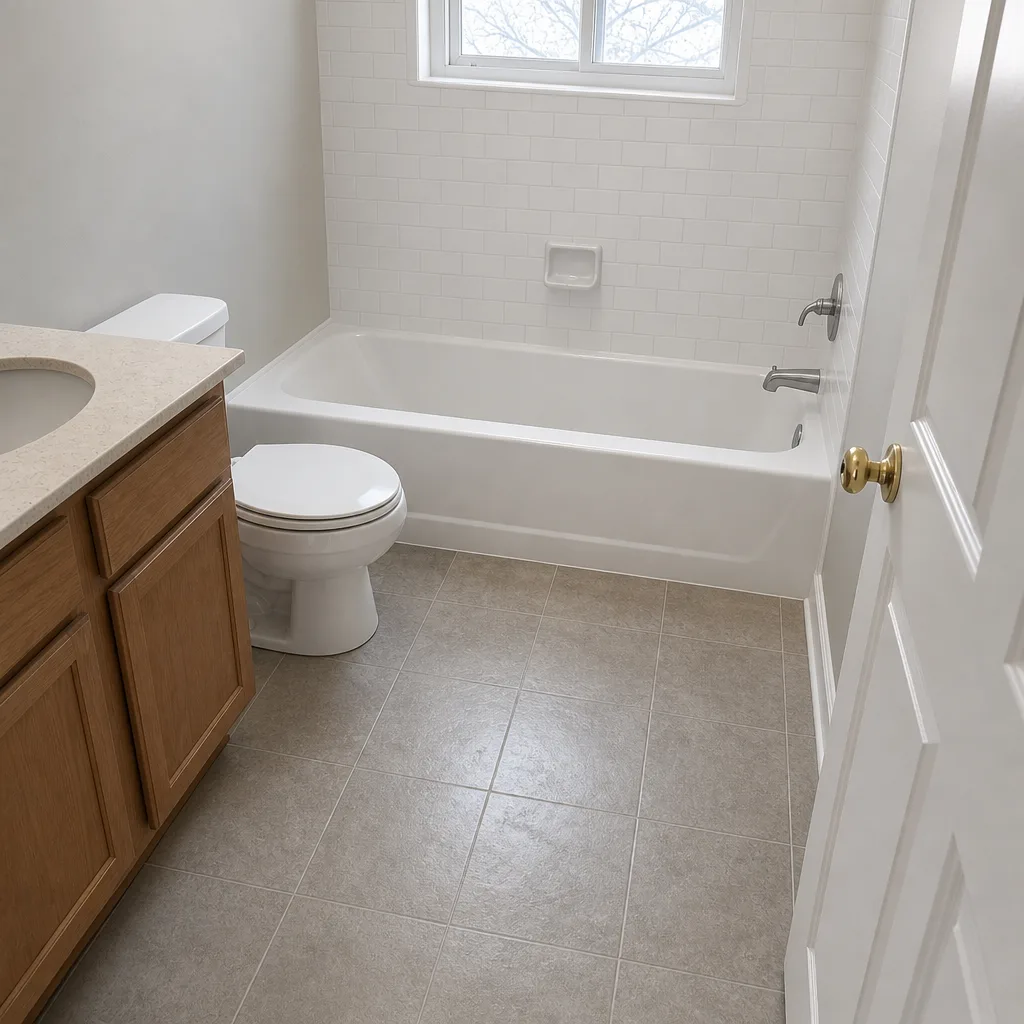 After
When to Call a Professional
Some jobs are doable on a Saturday. Roofing, electrical, plumbing, and any structural change aren’t among them. If your project involves a permit, a load-bearing wall, a new roof, gas or electrical work, or anything that requires an inspection, call a licensed contractor. If your project is a fence, a driveway, or a window replacement, the math often still favors a professional because the material warranty only holds when a qualified installer does the work. And if you’re getting three bids and none of them contain a written scope, that’s the moment to bring in a contractor who will put it on paper. Barrett & Sons Construction Arlington offers free estimates in Arlington – call (888) 590-9867.
Frequently Asked Questions
A reasonable deposit is 10 to 15% of the contract price. Anything above that suggests the contractor lacks the working capital to float the job, which is a risk you take on. Ask for the payment schedule in writing and tie each milestone to completed work, not to a calendar date. Call (888) 590-9867 for a free review of any written estimate.
Yes, and it takes about two minutes. Texas regulates several trades through TDLR, and a license lookup confirms the credential is active, current, and matched to the work you’re hiring for. Local reputation is worth something, but a license check is the one step that catches the problem references can’t.
Prices can change, but only with a written change order signed before the work proceeds. A verbal “we’ll figure it out at the end” is how surprise invoices happen. Ask your contractor how scope changes are documented, and get that answer in writing as part of the contract.
A permit can add a few days to the front end, but it saves far more time than it costs. The inspection is your documentation that the work meets code, and it protects you at resale. A contractor who encourages you to skip the permit is shifting that risk to you.
Ask. The right answer names a crew lead, explains the background-check process, and tells you whether the same team works the whole job. If the contractor can’t answer without a phone call to someone else, that’s a sign the crew rotates through a dispatcher rather than a single accountable lead.
It depends on scope – a bathroom can run two to four weeks, a kitchen four to eight, and a full addition several months – but the timeline should be in the contract with major milestones. If the contractor won’t commit to milestones in writing, budget for a longer schedule and a lot of phone calls.
The Bottom Line
Verifying a license, reading the contract for written change orders, checking the payment schedule, and asking who’s on site every day will protect you better than any three-quote comparison. In Arlington, the climate and soil also mean the right contractor is the one who’s worked on homes like yours and pulls the permits. None of these steps are complicated; they’re just the ones most people skip. If you take them one at a time, you’ll be in a far better position than the homeowner who signed on the line and hoped for the best.
If you want a second set of eyes on an estimate you’ve already received, we offer a free second opinion on any written estimate. Call (888) 590-9867 to schedule your free estimate in Arlington, or to review one you’re already holding.
Written by the team at Barrett & Sons Construction Arlington.