
Last updated November 17, 2026
 Driveway & pavers
 Kitchen remodeling
 Bathroom remodeling
 Home additions & ADU
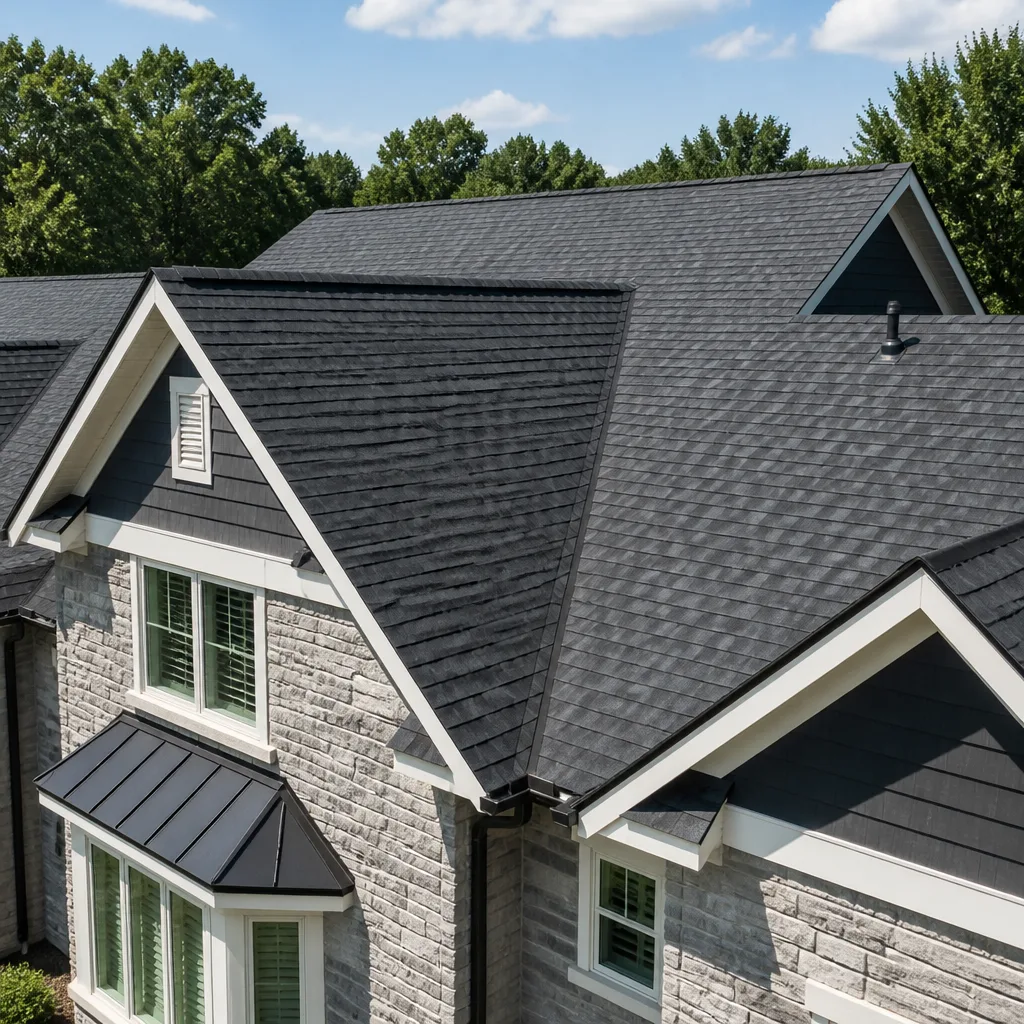 Roofing
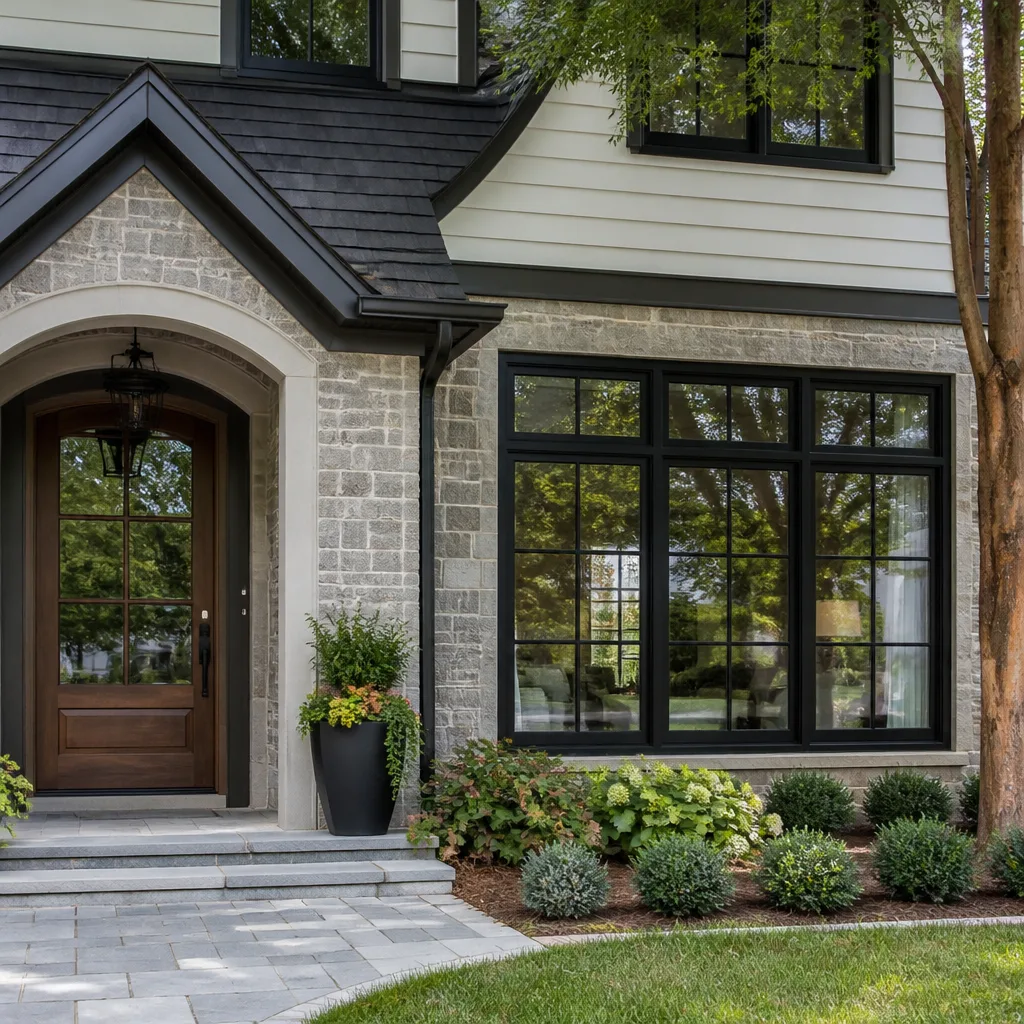 Windows & doors
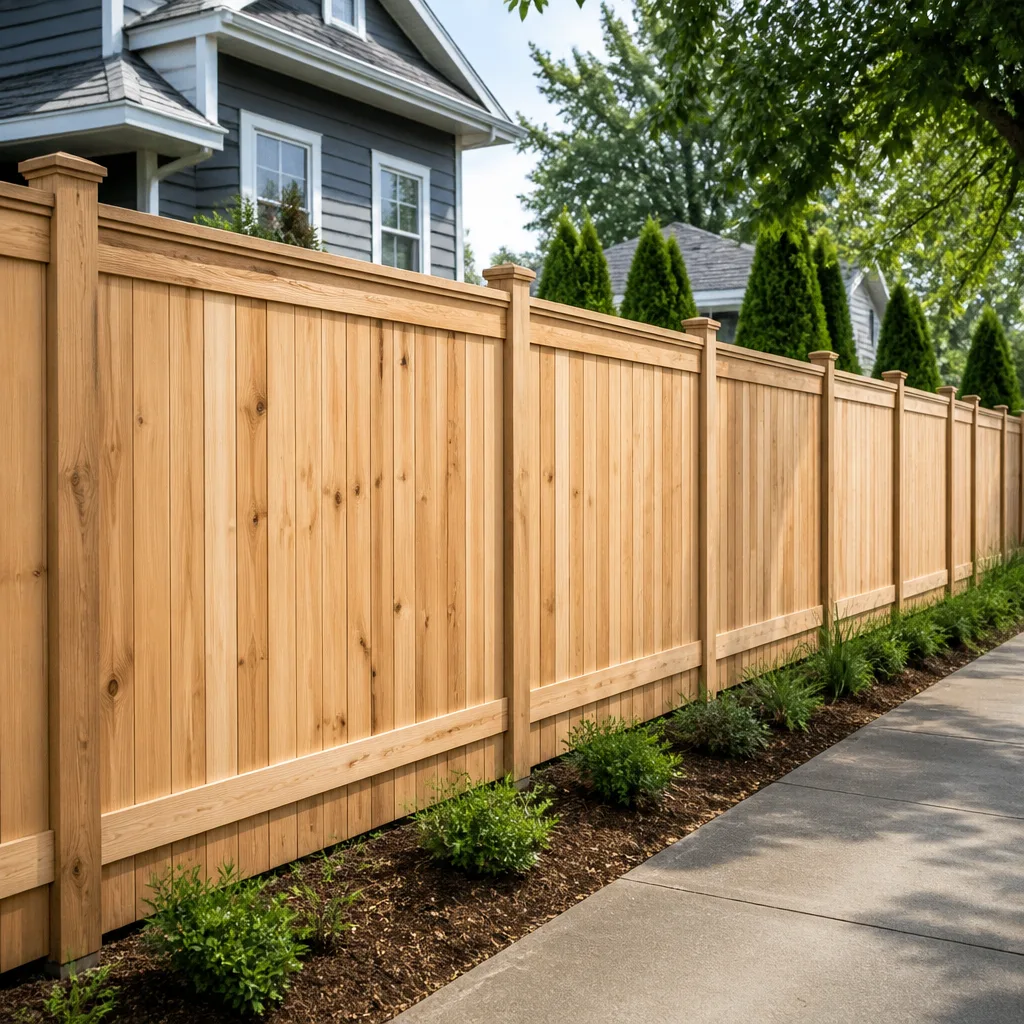 Fence
Free written scope consultation - allowances, timeline, and change-order rules on paper before a single trade is scheduled
The Complete Driveway & Pavers Guide for Arlington Homeowners
Most paver driveways in North Texas don’t fail at the surface. They fail six inches underground, in a base that was designed for somewhere with normal dirt. Arlington sits on some of the most expansive clay in the state, a soil that swells when it drinks and shrinks when it dries, and a paver driveway laid on a base spec borrowed from a national installation manual is already behind the curve on day one. In this guide we’ll cover how deep your base really needs to be, how to choose between concrete, brick, and permeable pavers for Texas heat, what the City of Arlington actually requires for driveway permits, which brand products hold up under 100-degree summers, and how to lock in a written scope so your final invoice matches the first quote.
Quick Answer
A paver driveway in Arlington needs a compacted crushed-stone base deeper than the standard national spec (typically 6 to 9 inches compacted, sometimes more on heavy clay), proper geotextile separation fabric, polymeric or sand-stabilized joint material, and a City of Arlington permit plus engineered drawings when the work touches the right-of-way or changes grade. Get the base right and the pavers can last decades. Cut corners on the base and no amount of pretty surface will save it.
Styles & brands we work with
- Kitchen remodeling
- Bathroom remodeling
- Home additions & ADU
- Roofing
- Windows & doors
- Driveway & pavers
- Fence
Table of Contents
- Why Arlington’s Clay Soil Changes Everything
- How Deep Should the Base Be?
- Choosing Between Concrete, Brick, and Permeable Pavers
- What Permits Does the City of Arlington Require?
- Brand and Product Comparisons That Hold Up in Texas Heat
- Drainage, HOA Rules, and Tarrant County Requirements
- How to Get a Written Scope Before the First Shovel Moves
- The Installation Process, Step by Step
Why Arlington’s Clay Soil Changes Everything
If you dig a hole anywhere in Arlington, from the older neighborhoods near downtown to the newer subdivisions out toward South Cooper Street, you’ll hit black and gray expansive clay within a foot or two. That clay is the whole story. Blackland Prairie clay is high in montmorillonite, a mineral that absorbs water between its layers and can swell 30 percent or more in volume. Wet year, dry year, wet month, dry month – the ground beneath your driveway is moving whether you can see it or not.
For a rigid surface like poured concrete, that movement is fatal. Concrete can’t flex with the clay, so it cracks. For an interlocking paver driveway, the pavers themselves can handle the movement beautifully because each unit flexes independently. The base underneath is what transfers that movement into a stable load-bearing platform, and only if the base is designed and built for expansive clay.
National paver installation guides typically recommend a 4-inch compacted base for a residential driveway. That spec was written for stable, well-drained soils. On Arlington clay, we’ve opened up driveways that failed in under five years with exactly that 4-inch base, cracked under the stress of a single dry summer. Clay also heaves with moisture changes, so the base and drainage have to work together to keep the moisture content as even as possible.
Three soil facts Arlington homeowners should know
- It moves with the seasons. Summer drought can shrink clay enough to open visible gaps at the edge of a driveway. Fall rains swell it back. Repeat that cycle for a decade and shallow bases give up.
- It drains slowly. Clay holds water. That means drainage has to be planned, not assumed. Water that pools under a driveway is a slow-motion failure.
- It’s not uniform. Soil near Johnson Creek or Village Creek can be wetter and more expansive than soil on higher ground out toward Pantego and Dalworthington Gardens. A proper site visit matters.
How Deep Should the Base Be?
On Arlington clay, plan on a compacted crushed-stone base of at least 6 inches for pedestrian and light-vehicle areas, and 8 to 9 inches for a full residential driveway, compacted in lifts of 2 to 3 inches. That’s deeper than the national spec because the clay beneath needs help spreading load and resisting movement. On a driveway subject to heavy trucks or on especially expansive ground, we’ve seen specs call for 10 to 12 inches. The right depth is a site-specific decision, not a formula pulled off a website.
What a proper base build includes
- Excavation to full depth. Dig out enough material to accommodate pavers, bedding sand, and the full compacted base, so the finished driveway meets the surrounding grade without a raised lip.
- Geotextile separation fabric. A non-woven fabric laid between the clay subgrade and the stone base prevents clay from pumping up into the stone. Without it, the stone loses its ability to drain and the base softens.
- Layered compaction. Stone is placed in 2- to 3-inch lifts and compacted with a plate compactor after each lift. You cannot dump the whole base in and compact it once – the bottom stays loose.
- Proper edge restraint. Aluminum or concrete edge restraint pinned into the base keeps pavers from spreading. This is often skipped on cheap jobs and is the reason a driveway starts to “walk” at the edges.
- Bedding sand at 1 inch. Paver bedding is screeded flat to exactly 1 inch before the pavers go down. Too thick and the pavers rock.
If a contractor quotes you a driveway and can’t tell you how deep the base will be, how it will be compacted, or whether fabric will be used, that contractor is quoting a surface, not a driveway. Ask. Write the answer down.
Choosing Between Concrete, Brick, and Permeable Pavers
Each option has real trade-offs in Arlington’s heat and soil. What looks cheapest up front is rarely cheapest over 20 years.
Poured concrete. Lowest upfront cost, but rigid slabs crack in expansive clay, and once a slab cracks and lifts, the repair is a full removal and repour. Crack control joints help but don’t eliminate the problem. Concrete also gets brutally hot in a Texas summer – surface temperature can push 140 degrees on a sunny August afternoon.
Clay brick pavers. Brick handles heat beautifully, doesn’t fade, and the individual units can be lifted and reset if the base underneath ever needs attention. On Arlington clay, that repairability is worth a lot – you’re never replacing the whole driveway because of one bad spot. Brick runs warmer on the surface than concrete underfoot but cooler than many people expect.
Permeable pavers. These are made with wider joints and open-graded base stone so water drains through the surface into the ground instead of running off. On clay, they need extra design care because the clay itself barely drains. They’re a great fit where Tarrant County drainage rules or local stormwater concerns are tight, and they eliminate ponding at the driveway apron.
Quick comparison for Arlington conditions
- Concrete: low upfront, high long-term risk in clay, cracks are hard to fix without a full repour.
- Brick pavers: mid-range upfront, repairable, handles Texas UV and heat well, keeps resale value strong.
- Permeable pavers: mid-range to higher upfront, best drainage, requires careful base design on clay.
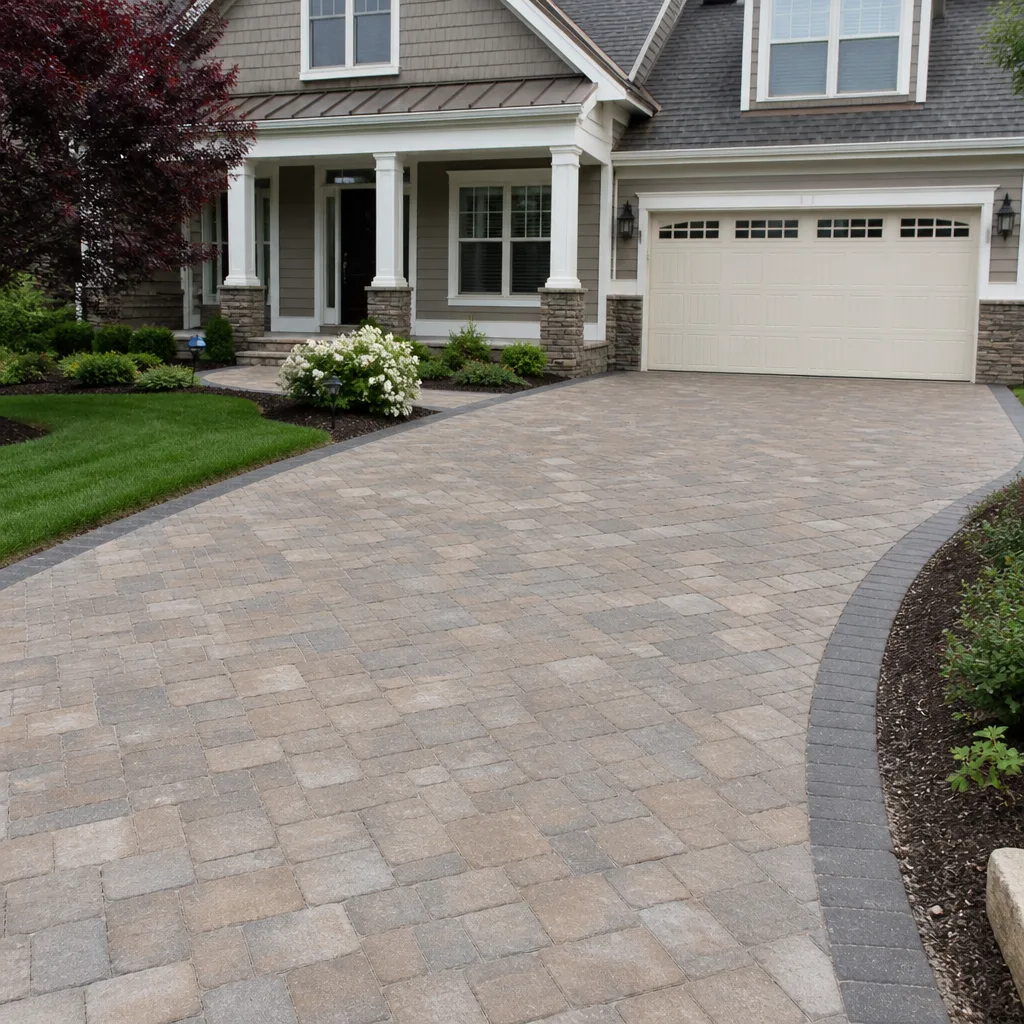
Most of the driveways we see in Arlington end up as brick or concrete pavers set on a properly engineered base, because the repairability matters so much on clay. For a deeper look at materials and installation, see Driveway & Pavers in Arlington.
What Permits Does the City of Arlington Require?
The City of Arlington requires a permit for most driveway work that touches or approaches the public right-of-way, changes the width, or alters the grade so water could flow toward a neighboring property. Repaving a driveway in place with the same footprint and same materials is often permit-exempt, but confirm before you start – guessing wrong can cost you a stop-work order.
When you likely need a permit
- Any new driveway apron or culvert crossing the right-of-way
- Widening a driveway by more than a small foot or two
- Changing the grade or slope so stormwater runoff changes direction
- Any new driveway on a lot that didn’t previously have one
- Work in a protected floodplain area
When you may need an engineered plan
For a standard replacement driveway on a normal lot, a site plan and a permit application usually cover it. On steep lots, lots that drain toward more than one neighbor, or driveways spanning a culvert or drainage easement, the City will typically ask for a stamped engineered drawing. That drawing is not an upsell – it’s how the inspector confirms the driveway won’t create drainage issues on the block.
Ask anyone on your street – or look up the license number yourself. A contractor who says “we don’t pull permits for driveways” is telling you they either don’t know Arlington’s rules or don’t plan to follow them. The permit inspector works for you, not for us – that’s why we like him.
Brand and Product Comparisons That Hold Up in Texas Heat
Texas UV and 100-degree summers are unforgiving on cheap pavers. The color fades, the surface chalks, and the units get brittle. The premium brands hold their color and strength because of how the pigment is embedded and the aggregate is formulated.
Techo-Bloc is our go-to for a driveway that needs to look like new in 15 years. Their dry-cast products hold color exceptionally well, and their concrete formulas resist freeze-thaw and UV damage. Tremron makes a solid, well-priced paver for a typical Arlington driveway and is a common choice for the front-facing surface. Cambridge Pavers has some of the deepest dimension and color ranges in the market, good if you want a driveway that reads as high-end from the street. Oldcastle is another dependable concrete paver line for budget-conscious builds.
What actually matters when choosing pavers
- Pigment through the body: color that runs through the paver, not just on the face, resists fading and chips.
- Compressive strength: manufacturers test paver strength; cheap pavers can fail under heavy vehicle loads.
- Surface texture: a slightly textured finish dissipates heat and grips better in rain than a polished face.
- Color choice matters in heat: lighter colors reflect more sun and stay cooler underfoot. Dark pavers in a Texas driveway can get uncomfortably hot in direct sun.
These are the brands we can stand behind after 28 years of watching what holds up in North Texas. Materials you can look up beat mystery brands off a van, every time.
Drainage, HOA Rules, and Tarrant County Requirements
Drainage is the part of the job nobody asks about – until it becomes a problem. On Arlington clay, planning where water goes is as important as the base itself. Water that pools under a driveway accelerates the swell-shrink cycle and shortens the base life.
At a minimum, a proper driveway should be pitched away from the house and garage slab, and toward the street or a defined drainage path rather than toward a neighbor’s yard. With permeable pavers, the base doubles as a reservoir that lets water soak in instead of run off, which is the best option when your lot is tight or your HOA frowns on visible drainage swales.
Working with an HOA
If you live in a homeowners association in Arlington or the surrounding towns, check the HOA rules before you pick a paver style or color. Many HOAs restrict driveway materials to concrete or specific paver profiles, and some limit driveway width or color. Get the approval in writing before installation begins. A paver driveway that fails HOA approval after it’s installed is an expensive problem to unwind.
Stormwater rules vary across Tarrant County, and Arlington has its own requirements for how runoff from a new or expanded driveway is handled. If your driveway work requires a permit or engineered plan, the site plan is where drainage will be evaluated. We pull the permits and get the inspector to sign off on the drainage plan before the first paver goes down.
How to Get a Written Scope Before the First Shovel Moves
The single best protection against a final invoice that looks nothing like the original quote is a written scope. Not an estimate on the back of a business card. A document that spells out what’s included, what’s excluded, and how any change gets priced before it happens. An allowance that isn’t on paper is a surprise waiting for a date.
What your written scope should include
- Dimensions and layout. Square footage, driveway width, turnaround or parking apron, and where the perimeter is.
- Excavation depth and base spec. Total depth, base material, compaction method, and whether geotextile fabric is included.
- Paver brand, style, and color. By name. Not “premium pavers.”
- Edge restraint and joint sand type. Polymeric sand is often the right call in North Texas because it resists erosion and weeds better than plain sand.
- Drainage plan. Slope, swales, and gutter direction.
- Permits and engineering. Who pulls them, who pays for them, and whether engineering is included.
- Change order process. The written change order should be issued and signed before the change touches the job.
- Warranty. What’s covered, and for how long.
At Barrett & Sons Construction, everything on that list comes on paper before a shovel moves. Scope in writing, allowances in writing, change orders in writing. And every eligible driveway job gets permits pulled and inspections signed. That’s not decoration – it’s how you know a contractor plans to be around to fix anything that goes wrong. We back every completed job with our written 90-Day Done Right Promise. If something isn’t done right, one call brings us back to make it right.
The Installation Process, Step by Step
Here’s what a correctly built paver driveway looks like from start to finish in Arlington. This isn’t a how-to – leave the excavation and compaction to trained crews – but you should know what’s happening at each stage so you can spot a shortcut.
- Site assessment and marking. Mark the driveway footprint, check utility locates, confirm the drainage path, and verify HOA and permit status.
- Excavation. Remove soil to a depth that accommodates pavers, bedding sand, and the full compacted base and still meets grade.
- Subgrade prep. Compact the subgrade, address any soft spots, and lay geotextile separation fabric across the full area.
- Base install. Place crushed stone in 2- to 3-inch lifts, compacting each lift with a plate compactor. On Arlington clay, expect 8 to 9 inches of compacted base, possibly more.
- Edge restraint. Install pinned aluminum or concrete edging around the full perimeter.
- Bedding sand. Screed exactly 1 inch of bedding sand over the compacted base.
- Paver placement. Set the pavers in the specified pattern, working from a string line and checking alignment throughout.
- Cuts and closures. Cut perimeter and detail pavers on a wet saw.
- Compaction and joint sand. Compact the surface once more, then sweep in polymeric or specified joint sand and activate it per manufacturer’s instructions.
- Final inspection and cleanup. Confirm the drainage plan, walk the job with the homeowner, and leave a clean site.
When a driveway is going next to a new addition or a remodeled garage, the sequencing matters. On projects that combine driveway and structural work, we coordinate the phases so the base doesn’t sit exposed and get rained out. See how that fits into Home Additions & ADU in Arlington if you’re planning multiple jobs together.
Common Mistakes to Avoid
- Using the national base-depth spec on Arlington clay. A 4-inch base that works in sandy soil will crack and settle in Arlington within five years. Insist on 6 to 9 inches compacted, minimum, and ask what the spec accounts for.
- Skipping geotextile fabric. The single cheapest component on the job, and skipping it is how clay pumps into the base stone and softens it. If the estimate doesn’t mention fabric, ask why.
- Laying pavers without edge restraint. Edges spread and the driveway “walks” outward a few years in. Pinned restraint is cheap insurance.
- Choosing a contractor who won’t pull permits. If your project requires a permit and the contractor wants to skip it, walk away. The inspector is the one party in the whole job who is on your side by design.
- Buying pavers by price alone. Cheap, unfaded pigments fade in two or three Texas summers. Look at the compressive strength and whether the color runs through the body of the paver, not just on the face.
- Not checking HOA rules first. A perfectly installed driveway that violates an HOA material or color restriction can cost you more to fix than the driveway cost to build.
- Accepting a verbal change order. “We’ll just add a few hundred at the end” is how surprise invoices happen. Require a written change order before any scope changes touch the job.
See the difference
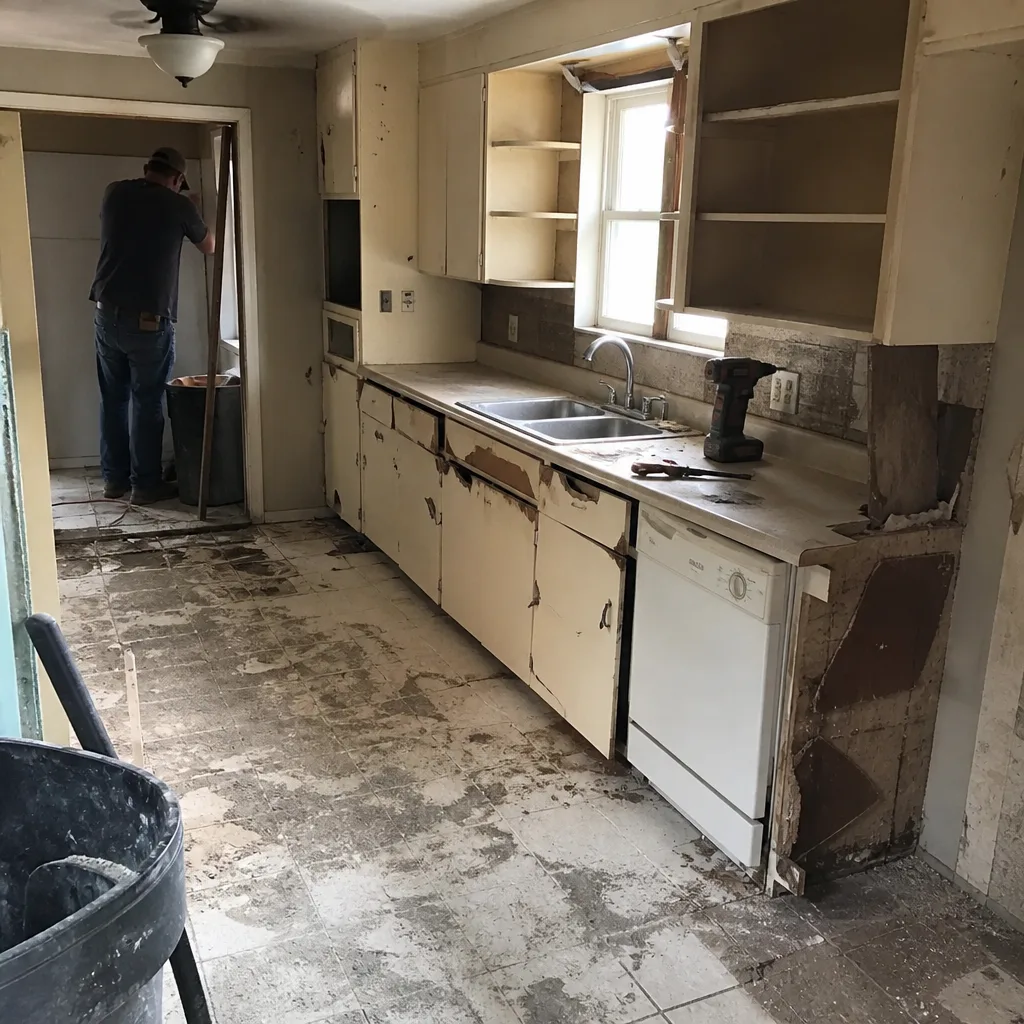 Before
 After
 Before
 After
 Before
 After
When to Call a Professional
Some driveway repairs are genuinely DIY: resealing a spot, sweeping in joint sand, pulling a weed. But the moment the job involves excavation, base compaction, subgrade issues, or anything near the right-of-way, you’re in professional territory. Expansive clay punishes shortcuts fast, and redoing a driveway after a shallow base fails costs far more than doing it once properly. Call a builder for cracks or settled slabs that suggest a failing base, standing water after rain, drainage sloping toward the house or a neighbor, anything past a straightforward cosmetic repair, and any driveway within 2 feet of a structural footing. Barrett & Sons Construction in Arlington offers free estimates in Arlington – call (888) 590-9867. We’ll walk the job with you, show you what’s actually happening under the surface, and put the scope and the price in writing before anything moves.
Frequently Asked Questions
Plan on at least 6 inches of compacted crushed stone for light pedestrian use and 8 to 9 inches for a full residential driveway, compacted in 2- to 3-inch lifts over geotextile separation fabric. On heavy clay or high-traffic driveways, 10 to 12 inches is not unusual. A local contractor who has built on Arlington clay will tell you the exact depth after a site visit, and they’ll write it into the scope. Call (888) 590-9867 for an exact quote – estimates are free.
You likely need a permit if the work touches the public right-of-way, changes the driveway width, or alters grade and drainage. Straight replacement in the same footprint and same materials is often exempt, but always confirm with the City of Arlington before work begins, because a stop-work order mid-job is far more expensive than a permit. When a permit is required, we pull it and get the inspector to sign off before the pavers go down.
Concrete pavers from premium manufacturers like Techo-Bloc, Tremron, or Cambridge Pavers hold color and strength best under Texas UV and 100-degree summers because their pigments run through the body of the paver and their aggregate formulas resist chalking. Cheap pavers fade in three to five years. Ask which brand and series is being specified, then look it up before you sign.
Individual pavers on a properly built base do not crack the way a concrete slab does, because each unit flexes independently with the soil. The failure comes from the base, not the pavers – a shallow or poorly compacted base will settle or heave and the surface will show it. Build the base right and a paver driveway on Arlington clay can hold up for decades; build it with a borrowed national spec and it will show you within a few years.
A typical residential driveway runs about 4 to 7 working days depending on square footage, excavation depth, weather, and permit timing. Permitting and HOA approval can add time before construction starts, and that schedule should be set in writing before the first day on site. Call (888) 590-9867 and we’ll walk through a realistic timeline for your specific lot.
Paver driveways in the Arlington market generally run higher than a poured concrete driveway up front but outlast it and hold resale value better – and any specific range depends on your square footage, base depth, paver brand, and whether engineering or drainage work is required. That’s why we put the scope and pricing in writing before the job starts, with written change orders for anything that shifts. Call (888) 590-9867 for a free estimate on your actual driveway.
The Bottom Line
Arlington’s clay soil is the whole story when it comes to a paver driveway. Design for it from the ground up – deeper compacted base, geotextile separation, proper edge restraint, and a drainage plan – and your driveway can hold up for decades. Choose premium paver brands that survive Texas UV, get permits and HOA approvals in writing, and require a written scope and change orders before work starts. Do those things and the surface will still look new long after a shallow-bid driveway down the street has cracked and settled. Do them with a contractor whose name and license you can verify, and whose crew shows up when they said they would.
Barrett & Sons Construction is the owner-operated alternative to national outfits that quote one price and show up with another. We pull the permits, put every scope and allowance in writing, and back every completed job with our 90-Day Done Right Promise. Our technicians have up to 28 years of experience, and we carry premium brands across every trade we touch – Tremron, Techo-Bloc, and Cambridge Pavers on hardscapes. We also stand behind our published offers: $40 Off Any Repair Over $200, a Free Second Opinion on Any Written Estimate, and No Trip Charge Inside the County, plus our permanent 10% Senior & Veteran discount. For a big picture of everything we handle, see our Barrett & Sons Construction Arlington home. If you’re fencing the property while the driveway goes in, our Fence Installation in Arlington team can coordinate the sequencing so both jobs finish cleanly.
Call us at (888) 590-9867 for a free estimate. A live person answers every call, 24 hours a day, 7 days a week.
Written by the team at Barrett & Sons Construction Arlington.