
Last updated November 17, 2026
 Driveway & pavers
 Kitchen remodeling
 Bathroom remodeling
 Home additions & ADU
 Roofing
 Windows & doors
 Fence
Free written scope consultation - allowances, timeline, and change-order rules on paper before a single trade is scheduled
Driveway & Pavers Maintenance Schedule: What to Do and When
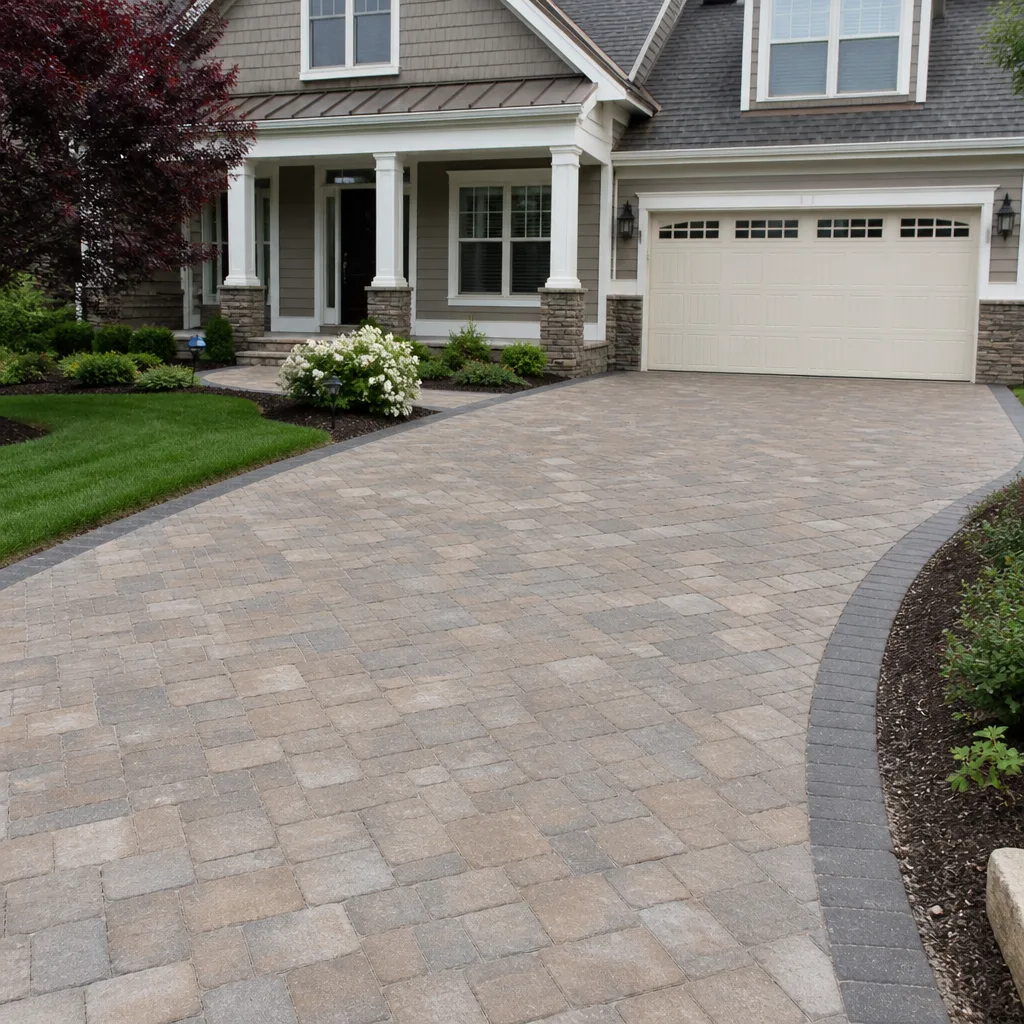
The number-one cause of premature paver failure isn’t traffic or weather. It’s skipping the 20-minute spring inspection that would have caught the problem before water got into the base. In our experience across Arlington, the homeowners who give their driveway about two hours of attention twice a year almost never call us for major repairs. The ones who let it ride end up paying for base failures that cost as much as a new installation. This guide lays out the actual calendar we recommend: what to do each month, when to re-sand joints, how to seal pavers correctly in Texas heat, and what to watch for in the first 90 days after installation. If you follow this schedule, your driveway will outlast the neighbors’.
Quick Answer
A paver driveway in Arlington needs about two hours of care twice a year, plus a few small checks in between. Inspect in late March after the spring rains, re-sand joints in early summer before the peak heat, seal only in the fall once temperatures drop below 90°F, and clean up leaves in November before tannins stain the surface. That’s the whole schedule. Skip it, and water gets under the pavers and the base starts to fail.
Styles & brands we work with
- Kitchen remodeling
- Bathroom remodeling
- Home additions & ADU
- Roofing
- Windows & doors
- Driveway & pavers
- Fence
Table of Contents
- Why a Maintenance Schedule Beats Occasional Repairs
- March – April: The Spring Inspection That Catches 80% of Problems
- May – June: Re-Sanding Joints Before Summer Heat Expansion
- Fall Sealing in Arlington Heat: Temperature Windows and Product Choice
- November: Fall Leaves and Tannin Staining
- December – February: Winter Drainage and Frost Checks
- The First 90 Days After Installation
- The Garden Hose Test: Catching Drainage Problems Early
Why a Maintenance Schedule Beats Occasional Repairs
Pavers are tough. Texas heat, clay soil, and sprawling oak roots are not. The pavers themselves will usually outlive the house if the base underneath them stays dry and stable. The tricky part is the joints and the edge restraints – the two places water gets in first. Once water reaches the bedding sand and the compacted base, small problems escalate fast. A joint that’s 1/4 inch wider than it should be lets in more water than you’d think during a two-inch Arlington thunderstorm.
We’ve torn out driveways in north Arlington that were less than eight years old and completely failed, and tuck-pointed a few pavers on driveways in Pantego that were 20 years old and still flat as a table. The difference was almost always maintenance. Specifically:
- Joint sand integrity: When the sand between pavers washes out, pavers lose their interlock and start to shift. Replacement sand costs about $40 per bag; a failed base costs thousands.
- Edge restraint: The plastic or concrete border that keeps the outer pavers from spreading. If it cracks or pulls loose, the entire edge row will begin to bulge.
- Drainage slope: Pavers themselves don’t shed water – the slope underneath them does. A 1/8 inch depression can pool water for days after a storm.
- Surface staining: Oak and pecan leaves release tannins that etch into certain paver finishes if left on through a wet weekend.
Most of what we cover in this guide is homeowner-level work. A couple of items – sealing, and any repair involving pavers that have shifted more than 1/4 inch vertically – are worth having a professional look at. We’ll flag those as we go. If your driveway is showing signs of deeper trouble, our Driveway & Pavers in Arlington service page covers what a repair or replacement actually involves.
March – April: The Spring Inspection That Catches 80% of Problems
North Texas gets its heaviest rain between March and May. In Arlington specifically, spring storms tend to arrive fast and dump a lot of water in a short window – two to three inches in an afternoon is common. That water is going to find every weak point in your driveway. The spring inspection is your chance to find those points first.
Set aside 20 minutes on a dry Saturday. You’ll need a flathead screwdriver, a hose, and a notepad. Here’s what to check, in order:
- Walk the perimeter. Look for pavers that have shifted, tilted, or settled below the rest of the surface. A single low paver in a corner is often the first sign of base erosion.
- Probe the joints. Stick the flathead into a joint every 15 feet. It should meet resistance – if it sinks easily, the sand has washed out.
- Check the edge restraint. Push against the outermost pavers along the driveway edge, especially on the downslope side. If they move, the restraint has failed or pulled back.
- Look for efflorescence. White chalky patches on the paver surface mean moisture is wicking up from below. That’s a drainage problem, not just a cosmetic one.
- Inspect the apron at the street. The transition from driveway to street sees the most stress. Check for cracked pavers, insect activity underneath, or soil that has settled below the curb line.
- Note moss or weeds. Any vegetation growing in a joint means the joint is holding water. It’s a small red flag now, a bigger one by June.
Anything you find in this inspection can be fixed cheaply in April. Wait until July and you’ll be dealing with base damage and a bill to match. If you’re not comfortable doing the walk-through yourself, we offer a free second opinion on any written estimate – including maintenance recommendations from another contractor.
May – June: Re-Sanding Joints Before Summer Heat Expansion
Joint sand does two jobs: it locks the pavers together, and it keeps water out. In Arlington, between June and September, daytime temperatures routinely push past 95°F, sometimes topping 105°F. That heat causes pavers to expand slightly. When they expand, they push against each other – and if the joints are shallow or empty, that pressure has nowhere to go except up. That’s when you see “tenting,” where pavers pop up like little shingles.
Re-sanding in late May or early June, before the worst heat, is the single most important maintenance step on the calendar. Here’s the process a contractor uses:
- Clean out the joints. Remove old sand, weeds, and debris to a depth of about 1 inch using a small pick or stiff brush.
- Sweep in new sand. Use a polymeric joint sand – not regular play sand. Polymeric sand hardens when wet and resists washing out. Belgard and Techo-Bloc both make joint sand that matches their paver colors.
- Compact the surface. A plate compactor helps the sand settle fully. Small driveways can be done with a hand tamper, but expect it to take twice as long.
- Wet it down. Light misting activates the polymer in polymeric sand. Don’t overdo it – puddling can wash the polymer away. Follow the product instructions for the exact method.
- Let it cure. Keep traffic off the surface for 24 hours and keep water off for 48 to 72 hours.
What happens if you wait too long? The joint keeps widening, water keeps finding its way under the pavers, and the bedding sand starts to migrate. By fall, the sand layer under the pavers may be 1/2 inch thinner than it started – which means the pavers are sitting unevenly and the base is taking the load. If the driveway already has widespread base erosion, call a professional before re-sanding (see When to Call a Professional).
Fall Sealing in Arlington Heat: Temperature Windows and Product Choice
Sealing pavers is the most misunderstood step on the maintenance calendar. Done right, it locks in joint sand, adds stain resistance, and deepens the color. Done wrong – or too soon – it traps moisture, hazes the surface, and peels within a season. In Arlington, the two biggest reasons seal jobs fail are temperature and timing.
Temperature window. Most penetrating and film-forming sealers want the air temperature between 50°F and 90°F, with no rain forecast for 24 hours. Arlington nights drop below 90°F by early October most years, and daytime highs stay above 70°F until mid-November. That gives you a roughly six-week window: the second week of October through Thanksgiving. The exception is sealing a newly installed driveway – see the note below.
Why sealing too soon is worse than not sealing. New pavers and new joint sand both hold residual moisture and efflorescence salt. Sealant applied before that moisture escapes will trap it. Over the next few months, the trapped salt pushes at the sealer from underneath and you get cloudy spots and peeling film. This is why almost every manufacturer recommends waiting at least 60 to 90 days after installation and after the first thorough joint sand cure before sealing.
Product selection. For most driveway pavers, a penetrating sealer is the safer bet in a Texas climate. Film-forming acrylics look gorgeous for about 18 months in cooler states. Here, UV exposure and summer heat break them down faster. If you want the “wet look,” a high-quality acrylic still works, but plan on re-coating every 18 to 24 months instead of every three years. Match the product to the specific paver type – clay brick, concrete, and travertine all want different formulations.
Sealing is not something we recommend for a no-experience homeowner to do on a 40-foot driveway in 90°F heat. Get it wrong and stripping and re-doing it costs as much as a professional seal job. Our crew has done hundreds of these across Arlington and knows the local weather patterns that matter for a clean cure.
November: Fall Leaves and Tannin Staining
Arlington has a lot of live oaks and pecan trees. That’s beautiful in October and a maintenance headache in November. Both species release tannins when their leaves get wet and sit on a hard surface. Those tannins bond to porous paver finishes – especially light-colored concrete pavers – and leave brown or rust-colored stains that don’t come off with a hose.
The fix is boring but effective: don’t let the leaves sit. Two or three passes with a leaf blower through the last two weeks of November and the first week of December will remove the problem before it starts. If the leaves are already wet and matted, rake them up rather than blow them – blowers push wet leaves into joints, where they decompose and feed weeds. After the leaves come down, a quick rinse of the driveway with the garden hose (see the garden hose test below) is a good idea to check that drainage is still working before the rainier winter months.
For the specific paver colors we install most in Arlington, lighter concrete and gray-toned pavers show tannin staining fastest. If you have those colors and the leaves got away from you, a diluted white vinegar wash (1 part vinegar, 4 parts water) will lift fresh tannin stains if they haven’t been baked in by sun. Older stains need a commercial paver cleaner or a light pressure wash – but never use full pressure on a paver driveway. Anything over 1,500 PSI will blast the joint sand out. 1,200 to 1,500 PSI with a wide fan tip is the safe range.
December – February: Winter Drainage and Frost Checks
Arlington winters are mild but not benign. We get a handful of freezes every year, and the freeze-thaw cycle is what really stresses a driveway. Water that gets into a joint or a hairline crack, then freezes overnight, expands. It’s the same mechanism that breaks asphalt, just slower on pavers because the individual units can flex.
Winter checks are quick:
- Verify the slope drains to the street or a drain. After a good rain, walk the driveway and look for standing water 24 hours later. Any spot that’s still wet is a low point.
- Look for heaved pavers. A paver that has lifted slightly above its neighbors after a freeze is usually sitting on a saturated base. Don’t ignore it.
- Check the edge restraint again. Freeze-thaw is hardest on the edges. Push-test the border pavers after any hard freeze.
- Keep the gutter downspouts pointed away. If a downspout dumps onto the driveway, redirect it. That’s one of the easiest fixes we see overlooked every year.
Winter is also the best time to plan repairs. Crews are less backed up, and pricing is often better. If your spring inspection found issues you didn’t address, January and February are ideal for scheduling the work before the rush. Our Fence Installation in Arlington service handles a lot of winter calls for the same reason – homeowners start walking their property and notice every problem at once.
The First 90 Days After Installation
A newly installed paver driveway goes through measurable settling in its first 90 days. Not because it was installed wrong – because the base material is still fully compacting under load as traffic begins to use the surface. This settling window is the most important time to watch the driveway carefully.
What to look for:
- Joint sand settling. Expect to see 1/8 inch or so of joint sand disappear during the first month, especially on the high-traffic center track. Top up the sand with the same product the installer used once, around day 30.
- Hairline cracks in pavers. A single hairline crack in a single paver is normal and cosmetic. Three or more in the same area means the base wasn’t fully compacted in that section.
- Edge movement. If the border pavers shift within the first month, the restraint installation should be inspected at no charge under workmanship warranty.
- Efflorescence. White hazing in the first 60 days is almost always normal – it’s the salt in the fresh material escaping. It should begin fading by day 60. If it doesn’t, it’s worth a call.
- Drainage. Run the garden hose test (below) at least once a month for the first three months. Water should move to the street or curb within a minute.
This is where a written workmanship warranty earns its keep. Our 90-Day Done Right Promise is written on every contract, not buried in fine print: if it’s not done right, Tom comes back and makes it right, one call. If your installer isn’t giving you something similar in writing, ask why. Replacement driveways and Home Additions & ADU in Arlington projects often share the same paver base prep – so the 90-day settling rule applies there too when the new addition connects to an existing paver area.
The Garden Hose Test: Catching Drainage Problems Early
Eighty percent of the paver problems we’re called out to fix can be caught with a garden hose and 10 minutes. This test is the single best diagnostic a homeowner can do – it’s how we train new crew members to look for drainage issues on any paver job.
Here’s how:
- Pick a dry afternoon. Ideally a day at least 48 hours removed from any significant rain.
- Start at the highest point. Usually the garage apron, or the upslope edge of the driveway.
- Run the hose at medium flow. Full blast is a bad test – it moves faster than most storms. Aim for a flow rate similar to a heavy rain – about what a watering wand on a moderate setting puts out.
- Watch for 5 minutes. Water should be moving toward the street, drain, or curb continuously. If it pools in one spot, you’ve found a low point.
- Time it. Once you stop the flow, any standing water should disappear within about 30 minutes on a warm day. If puddles remain for hours, the slope has shifted.
- Look at the joints. Any joint that visibly wicks water – narrow dark colored stripes appear around a joint when everything else is drying – has lost its seal.
The low points you find in November can usually be corrected in April. The low points you find in July are usually already under the pavers. If a garden hose test reveals widespread pooling, that’s a call-a-professional situation. Barrett & Sons Construction Arlington offers free written estimates on paver repair and replacement in Arlington – call (888) 590-9867.
See the difference
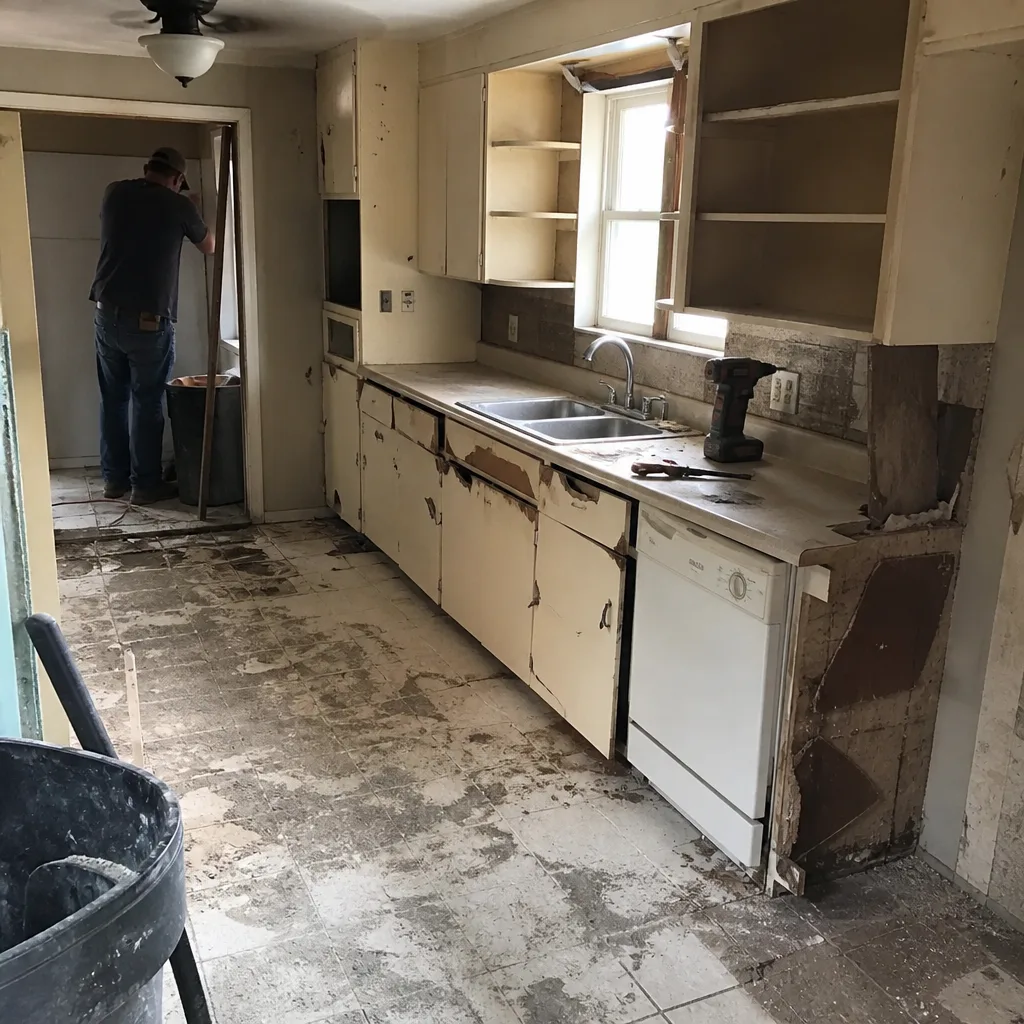 Before
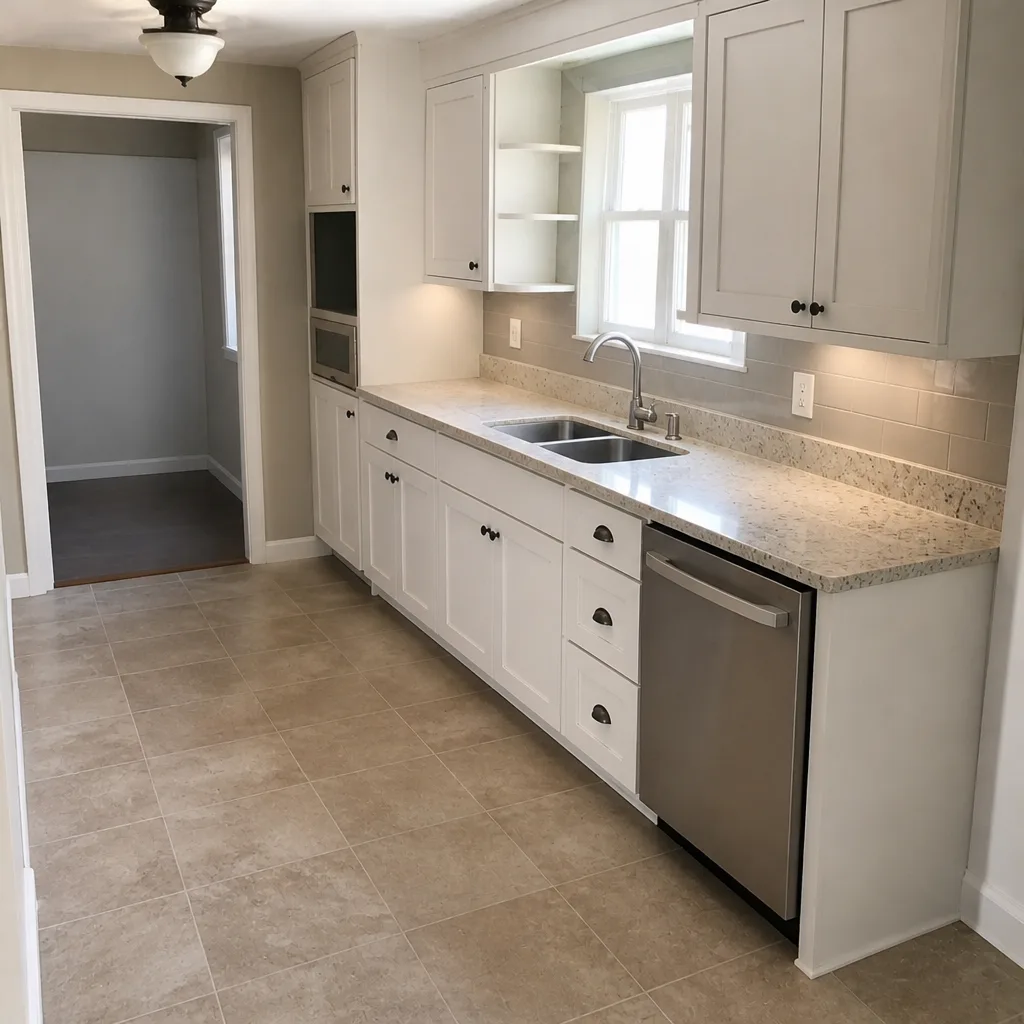 After
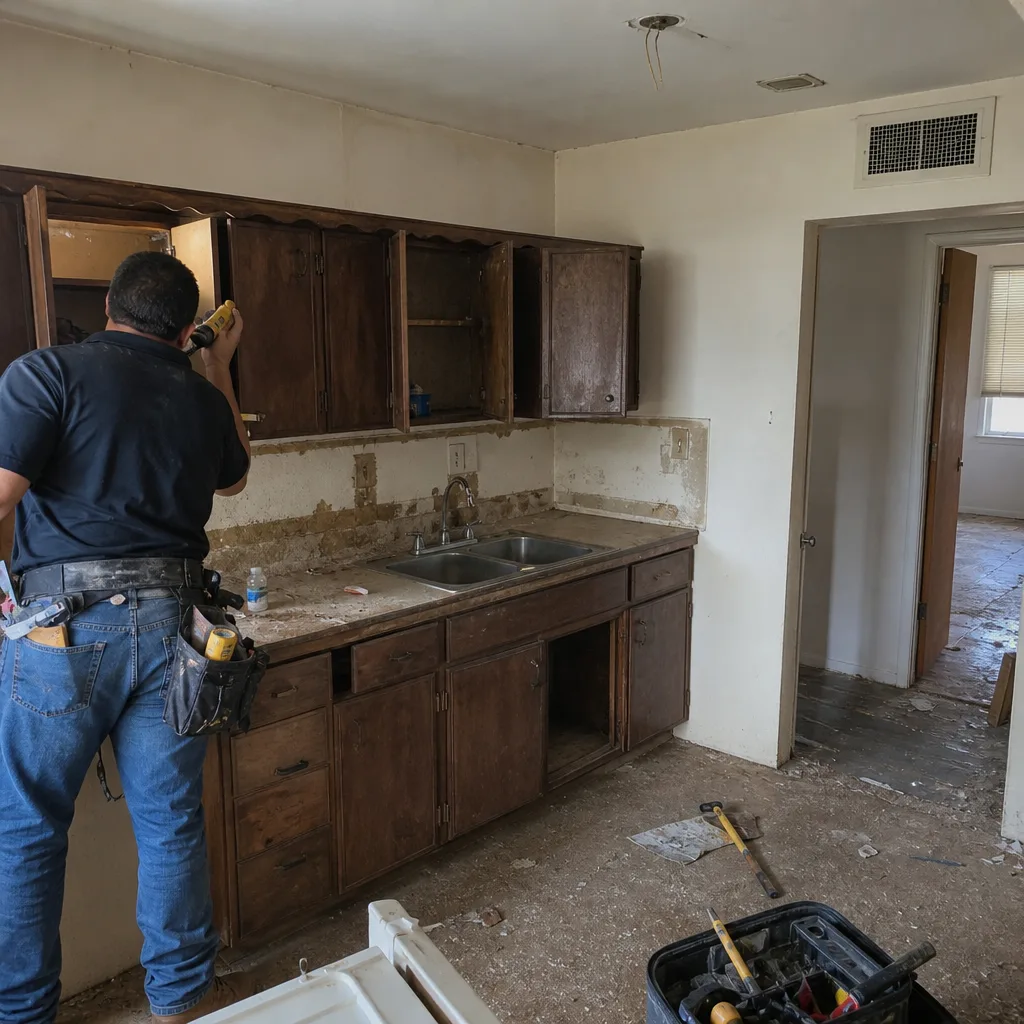 Before
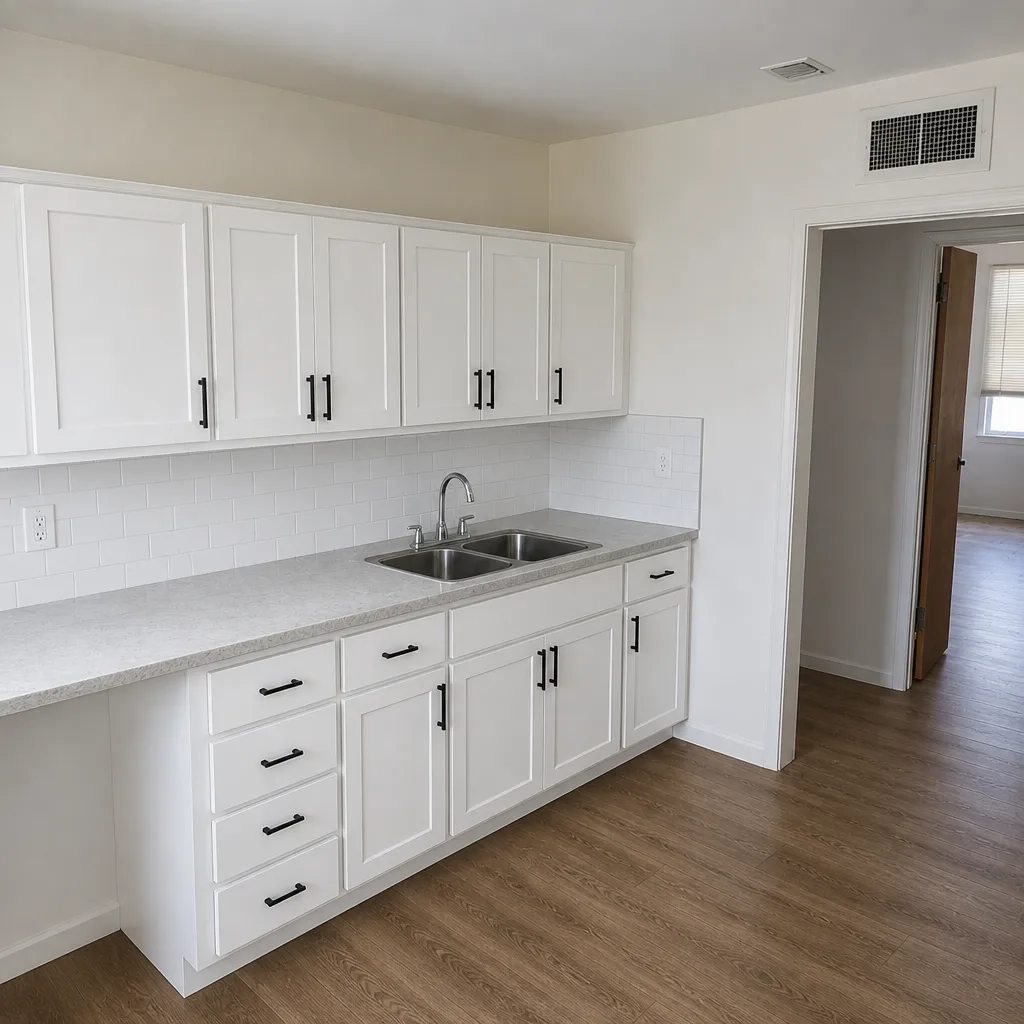 After
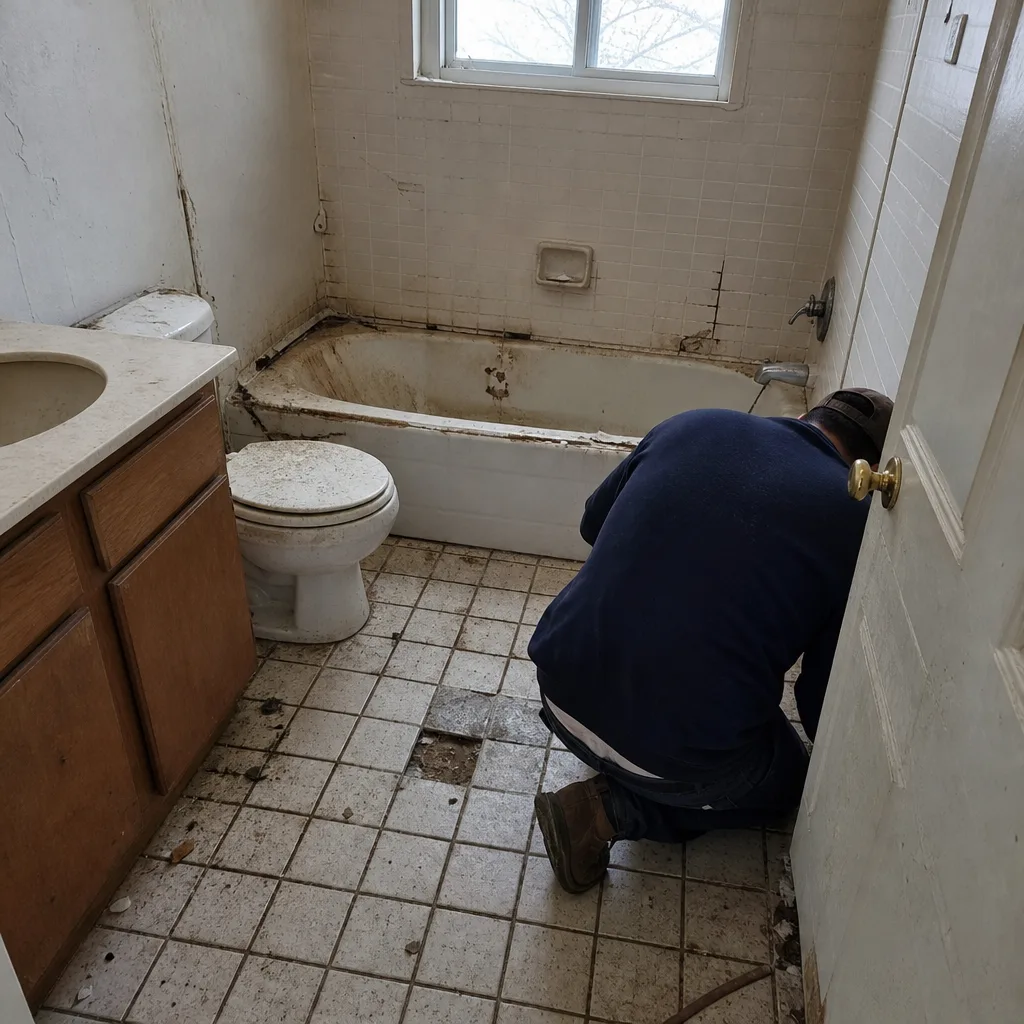 Before
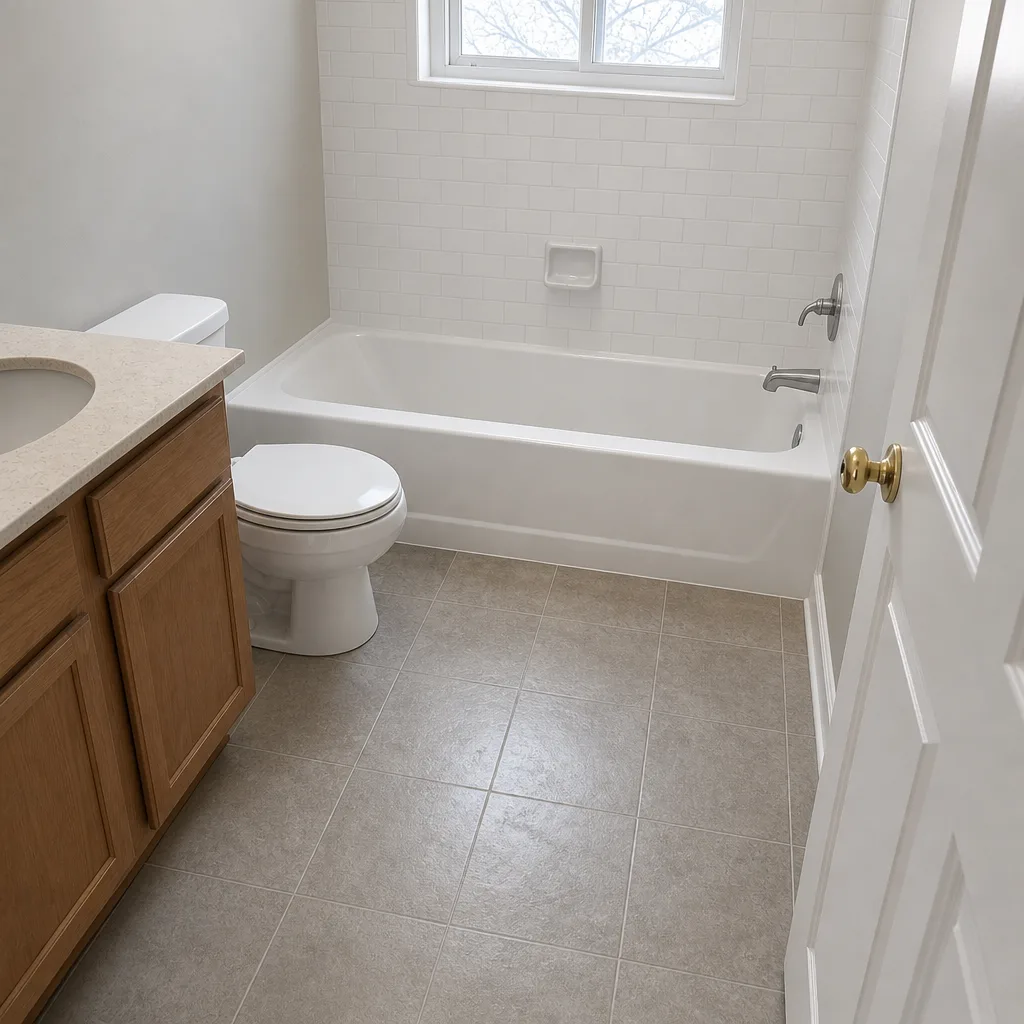 After
Common Mistakes to Avoid
- Sealing a new driveway too soon. We see this constantly in north Arlington. Homeowners want to “protect” the new surface right away – but sealing before the pavers and joint sand have fully cured traps moisture and causes hazing within six months. Wait at least 60 to 90 days and after the first thorough joint sand cure.
- Pressure washing at full blast. Rentals from the local box store easily run above 3,000 PSI. That blows joint sand out from under pavers in seconds. Use 1,200 to 1,500 PSI and a wide fan tip, or hire a contractor who knows pavers specifically.
- Using regular play sand for joint refill. It washes out after one heavy storm. Polymeric sand costs about 2x as much and lasts years instead of months.
- Ignoring a single shifted paver. One low paver in the middle of an otherwise flat driveway often means base erosion is already active. Left alone, you’ll be looking at a 100-square-foot repair within 18 months.
- Letting oak and pecan leaves sit through the winter. Tannin stains on light concrete pavers can become permanent if they’re left through repeated wet cycles. Blow leaves off every 7 to 10 days through November.
- Planting trees too close. We regularly see paver driveways in Arlington where a 25-year-old live oak has lifted the entire south side. Root barriers installed at planting time cost a few hundred dollars; retrofitting a failed base costs thousands.
- Trusting a phone-quoted price for a repair. Paver repairs depend on what’s under the pavers, which nobody can see until they lift a few. Any contractor quoting a firm number over the phone without an on-site inspection is guessing. Written change orders before any scope change is the only version of this that works for the homeowner.
When to Call a Professional
Most paver maintenance is homeowner work. Sealing, re-sanding, the garden hose test – all doable. But there’s a line where homeowner work stops and a crew needs to look at it. Call a professional if: a paver has settled more than 1/4 inch below the surrounding surface; the edge restraint is loose or cracked; water is pooling for more than an hour after rain; multiple pavers are cracked in the same area; the base under the driveway is visibly eroding at the curb line; or you find the surface heaving after a freeze. Those are all signs of base or restraint failure, and no amount of re-sanding or sealing will fix them.
Barrett & Sons Construction Arlington offers free estimates in Arlington – call (888) 590-9867. Our crew has up to 28 years of experience with paver driveways across the area, and every repair comes with a written scope, written allowance, and the 90-Day Done Right Promise. Look up the license number yourself – Tom Barrett publishes his name, his address, and his license because that’s how it should be.
Frequently Asked Questions
Re-sand once a year for most Arlington driveways, usually in late May or early June before summer heat expansion. If the driveway sees heavy traffic or has a lot of oak leaf drop, re-sand in the fall as well. You’ll know the joints need attention if the flathead screwdriver sinks easily into the joint sand – that means the sand has washed out and the pavers are losing interlock. Call (888) 590-9867 for a free estimate if you want a professional assessment of joint condition.
Seal between the second week of October and Thanksgiving, when daytime temperatures drop below 90°F and nights stay above 50°F. This window gives the sealer time to cure without the sun baking it too fast. Never seal a newly installed paver driveway before 60 to 90 days after installation – the pavers and sand need time to release residual moisture. Get it wrong and you’ll be stripping haze off the surface the following spring.
A single paver that’s shifted slightly in the first six months is usually settling, which is normal, but a paver that has dropped more than 1/4 inch or has a bulging neighbor is a base problem. Call the installer. If they don’t have a workmanship warranty, get an independent inspection before the issue spreads to more pavers. Call (888) 590-9867 for a free second opinion on any written estimate.
Typical paver driveway repairs in Arlington run $300 to $1,800 depending on the scope. Replacing 10 to 20 square feet of pavers costs around $400 to $800. A localized base repair and reinstall of a 100-square-foot section runs $1,200 to $1,800. Full re-sanding of a typical two-car driveway costs $400 to $700. Sealing runs $0.90 to $1.50 per square foot. Call (888) 590-9867 for an exact written quote – estimates are free and always in writing.
Yes, but stay under 1,500 PSI with a wide fan tip. Above that, you’ll blow joint sand out from between the pavers in seconds – and once the sand is gone, the pavers start to shift. Rentals from most box stores run 2,500 to 3,000 PSI and are not appropriate for pavers. If you don’t have a machine with adjustable pressure, a garden hose and stiff brush will handle most cleaning jobs.
Plan on $200 to $500 a year for a do-it-yourself maintenance schedule – mostly the cost of polymeric joint sand (about $40 per bag, 5 to 10 bags per year for a large driveway) plus a sealer every two years. If you hire out the annual re-sand and sealing, plan on $900 to $1,600 per year total. That’s far less than a base repair, which starts around $1,200 and can run to $4,000 or more if the failure spreads.
The Bottom Line
A paver driveway in Arlington is a long-term asset if you work the calendar: spring inspection in March, re-sand in May or June, seal between October and Thanksgiving, leaves off the surface by early December, and drainage checks every few months. That’s it – about two hours of work twice a year. The pavers themselves will outlast you if the base stays dry. Skip the schedule and the base stops being dry. If you’re at the point where maintenance isn’t going to solve it and a repair or replacement is on the horizon, the Barrett & Sons Construction Arlington home page has the full picture of how we handle paver jobs from inspection to final inspection. Scott Barrett’s crew has done hundreds of these across Arlington and knows every quirk of the local soil.
Proudly serving local communities for over 29 years – founded 1998. Barrett & Sons is owner-operated, with permits pulled and inspections signed on every eligible job. That’s why we can show you a written scope, written allowance, and written change orders before any work starts. The permit inspector works for you, not for us – that’s why we like him.
Call (888) 590-9867 for a free estimate on paver maintenance, repair, or a new driveway in Arlington. Our crew has up to 28 years of experience, and we’re ready to walk your driveway with you and show you exactly what needs attention.
Written by the team at Barrett & Sons Construction Arlington.