
Last updated November 17, 2026
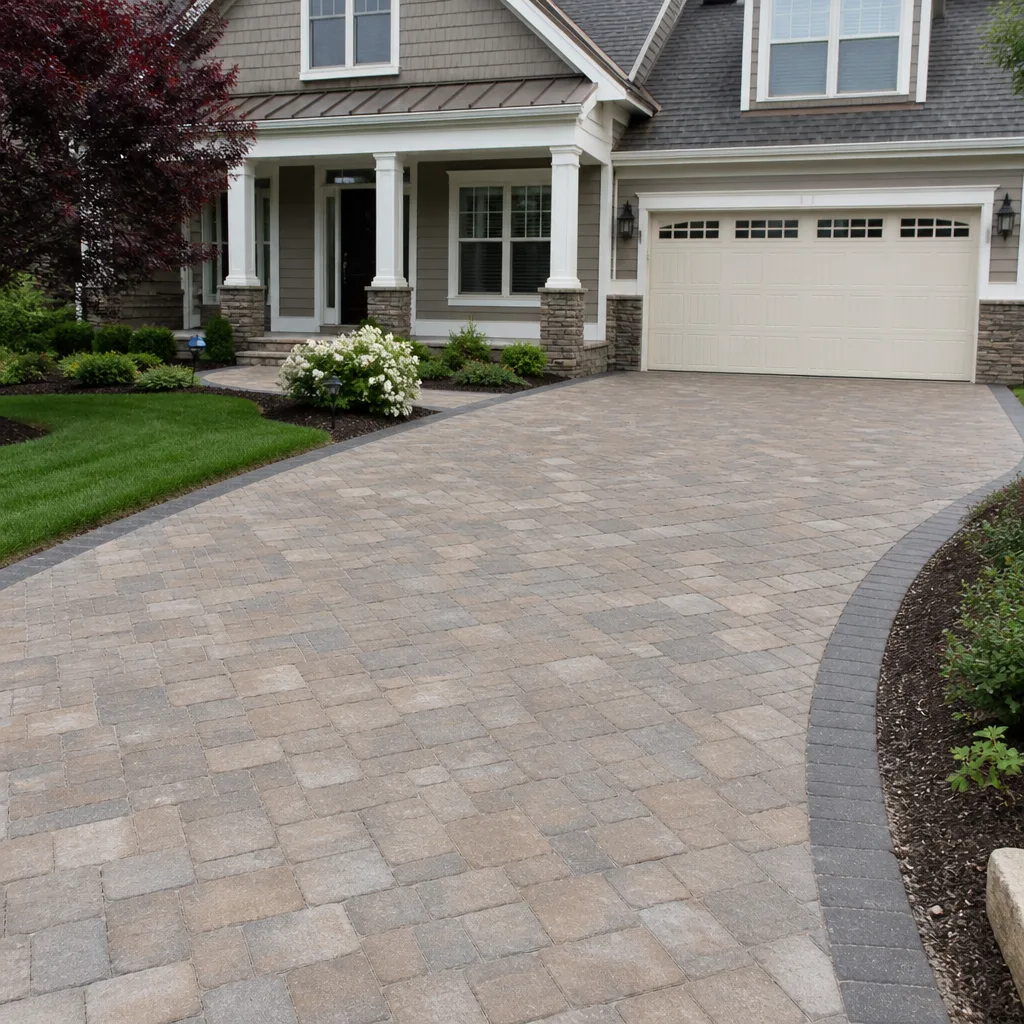 Driveway & pavers
 Kitchen remodeling
 Bathroom remodeling
 Home additions & ADU
 Roofing
 Windows & doors
 Fence
Free written scope consultation - allowances, timeline, and change-order rules on paper before a single trade is scheduled
How Long Does Driveway & Pavers Take? Timelines and What to Expect
The paver installation itself is usually two to three days. It’s everything that happens before the first paver goes down – demo, base prep, compaction, inspection – that eats the schedule. Most contractors in Arlington will tell you “about a week” and leave it there. That single number hides the variables that can double it: permit waits at Tarrant County, clay soil that has to dry, summer heat that changes how you compact, and a base that fails inspection if somebody rushed it. This guide breaks down the real timeline phase by phase, so you know what should take two days and what should take five, and you’re never the homeowner parking on the street for two weeks with no warning.
Quick Answer
A typical driveway paver project in Arlington takes 7 to 12 working days from demo to the day you can park on it. That covers demolition, subbase prep, compaction, base inspection, paver installation, cutting and joint sand. Add 1 to 3 weeks on the front end for permit processing and material lead time. Small, flat drives with a simple running bond pattern can wrap in 5 to 6 working days. Large drives, steep slopes, or herringbone patterns run 12 to 16.
Styles & brands we work with
- Kitchen remodeling
- Bathroom remodeling
- Home additions & ADU
- Roofing
- Windows & doors
- Driveway & pavers
- Fence
Table of Contents
- The Full Project, Phase by Phase
- How Long Do Permits Take in Tarrant County?
- Why Arlington’s Clay Soil Changes the Timeline
- Summer Heat and Compaction Timing
- What Weather Actually Stops a Paver Crew
- How Driveway Size, Slope, and Pattern Add Days
- What You Should Get in Writing About Your Timeline
- Common Mistakes to Avoid
- When to Call a Professional
- Frequently Asked Questions
The Full Project, Phase by Phase
Here’s the honest sequence. The first paver goes down on day four or five of a typical Arlington job, not day one. Count the days like this:
- Permit review: 1 to 3 weeks. This runs before anyone touches the driveway, so it doesn’t count against crew days, but it does count against your calendar. We don’t schedule demo until the permit is in hand.
- Demo and haul-off: 1 day. Breaking out the old concrete, loading it, and clearing the subgrade. On a wide drive near the Interlochen or Dalworthington Gardens edge, the haul can run into a second day if the dumpster can’t get close.
- Subbase excavation and grading: 1 to 2 days. Digging down 6 to 9 inches, grading for slope away from the house, and bringing in the crushed stone base. This is where a clay-heavy lot in North Arlington starts to fight you.
- Compaction and base inspection: 1 day, plus a wait if the base is wet. Plate compaction in lifts. The inspector signs off before pavers go down. If the base fails on moisture, you lose a day or two to drying.
- Paver installation: 2 to 4 days. Setting the bedding sand, laying the field, cutting edges and curves, and working in the pattern. A straight 20×24 drive in running bond is two days. A 40-foot herringbone with a curve is four.
- Edge restraint, joint sand, and cleanup: 1 day. Cutting the border course, setting the edge, sweeping in polymeric joint sand, and a final plate pass. You can usually park within a day or two of this step.
Add it up: the crew is on site for 7 to 10 working days on a mid-size Arlington drive, and your calendar from first call to first park runs 3 to 6 weeks. That gap between “crew days” and “calendar weeks” is where most surprises live.
How Long Do Permits Take in Tarrant County?
Permit processing for a residential driveway or hardscape replacement in Arlington typically runs 1 to 3 weeks, longer if the scope touches a public right-of-way, a curb cut, or drainage. That lead time is real and it runs whether or not your contractor mentions it. If a crew promises to start Monday, ask them what permit they pulled and when.
The two things that push permit time out:
- Right-of-way work. Any change to the apron between the sidewalk line and the street needs separate review. That’s the drive on a corner lot or a cul-de-sac where the pavement meets the curb.
- Drainage changes. If your new drive changes where water runs, the plan examiner wants a grading plan. On the flat lots through central Arlington, water has to go somewhere, and the plan has to show it.
Replacement in kind on a private drive usually moves faster than a full redesign. We pull the permit and schedule the inspection on every eligible job – it’s not optional, and the inspector is on your side, not ours. That sign-off is what protects you if the base ever fails and the driveway starts to settle three summers from now.
Why Arlington’s Clay Soil Changes the Timeline
Most of Arlington sits on expansive black clay. That clay holds water like a sponge, swells when it’s wet, and shrinks and cracks when it dries. For a paver driveway, that means the subgrade has to be stable and dry before base stone goes in. Rushing this is the single most common shortcut in the trade, and it’s the one that costs you the most later.
Here’s what that looks like in practice:
- After a heavy rain, add 1 to 3 days. Excavated clay in the Fort Worth region needs to dry before it can be compacted to spec. A crew that lays base over wet clay is building your driveway on a sponge.
- Spring is the slowest season. March through May rain in Arlington drags projects out. If you want the quickest schedule, a dry window in late September or October is usually the safest bet on clay.
- Flat lots drain slowly. A lot through the neighborhoods near Rush Creek slopes less than the hilly ground out toward Pantego, so surface water sits longer after a storm and the drying wait runs longer too.
What good practice looks like: excavate a full day, let the exposed subgrade dry, then compact in thin lifts and check density before the base goes in. That drying pause feels like wasted time when you’re parked on the street. It’s the two days that keep the driveway from heaving inside a few years.
Summer Heat and Compaction Timing
July and August in Arlington do change how a paver crew works, and a homeowner should understand why the schedule sometimes slips in the heart of summer. The heat itself doesn’t stop the job, but it alters how the materials behave.
- Bedding sand dries fast. Sand spread as a bedding layer under the pavers starts to skin over in the afternoon heat. Crews either lay pavers earlier in the morning or keep the sand covered, and either choice trims the productive hours per day.
- Polymeric joint sand sets quick. Once it’s activated and swept in, the heat sets it fast. If a crew sweeps it too early or in the wrong conditions, the joints haze over and have to be redone.
- Compaction still has to be done right. A plate compactor and a fast schedule are not friends in a 100-degree afternoon. Crews take breaks, hydrate, and slow the pace. A realistic summer job runs the high end of the range, not the low end.
We’ve seen crews try to make up summer time by compacting a thicker lift at once. That’s a shortcut that shows up as rutting and settling along the drive within a couple of seasons. On a summer Arlington project, expect 8 to 12 crew days and budget for it.
What Weather Actually Stops a Paver Crew
Not every forecast matters. Here’s the honest split between a day that gets lost and a sky that just looks threatening.
- Rain during demo or base prep stops the job. Wet clay can’t be graded or compacted to spec. This is the biggest and most common weather loss.
- Rain during paver installation also stops it. Water gets into the bedding sand and lifts the pavers. A crew that keeps laying through a rainstorm is going to pull the work back up.
- A storm forecast before base work should move the start date. Starting a base prep right before a big line of storms is a bad call. The base ends up saturated, and you lose the days anyway, just later.
- A dry, hot, still day is near-perfect. Light wind and no rain is the window. Temperature under about 40 degrees slows compaction and joint sand curing, so deep winter isn’t a good window either.
How a crew schedules around weather is a real tell. We look out 10 days before committing a demo date in Arlington, and we call a reschedule early rather than fight the forecast. A contractor who watches the radar and reschedules proactively saves you a lot of grief versus one who shows up, tears out your drive, and then gets stuck.
How Driveway Size, Slope, and Pattern Add Days
Two driveways the same square footage can take very different amounts of time. The variables that actually add days are size, slope complexity, and the paver layout you choose.
Size is the obvious one. A single-car drive around 240 square feet installs in a day and a half of actual laying. A wide three-car drive at 700 square feet or more runs three to four days of laying, plus extra base and haul-off time. Every 100 square feet is roughly another half day on the field.
Slope complexity is the sneaky one. A flat lot grades quickly. A cross-slope that has to shed water away from the house and toward the street without ponding takes more time with the laser level and more cuts. Hilly ground out toward the Arlington edge, near the escarpment and the creeks, takes longer in base prep than a flat central lot.
Pattern choice is the one homeowners choose, and it has a real cost in days:
- Running bond is the fastest field to lay. Straight lines, easy cuts, fewer pieces at the edges. Adds 0 days.
- Herringbone takes longer to lay per square foot because every piece is set at an angle and the cuts at curves and edges run higher. Adds roughly half a day to a full day on a mid-size drive.
- Basketweave and border courses add time on the edges and corners. A decorative border, cut curves, or a circle medallion adds a day on its own.
Premium hardscape lines like Belgard and Techo-Bloc are what we install, and a good crew knows their piece counts and cut patterns, which trims a bit of the layout time back. But the rule of thumb holds: the more detailed the pattern, the more crew days it takes.
What You Should Get in Writing About Your Timeline
The single best protection against a blown schedule is a written start date, a written list of what’s included, and a written process for how a change gets communicated. Every one of those should be in the paperwork before the first dumpster arrives.
Here’s what a solid timeline agreement covers:
- Permit status in writing. When it’s submitted, when it’s expected, and what’s the contingency if the county slows it down.
- A start date and a realistic crew-days estimate. “About a week” isn’t a number. “Seven crew days, weather permitting” is.
- A written list of every allowance and scope item. The stone, the base depth, the edge restraint, the joint sand. An allowance that isn’t on paper is a surprise waiting for a date.
- A change order process. Any scope shift, any price change, any added day should arrive as a written change order before work happens – not as an invoice at the end.
- A weather clause. Who decides to reschedule, at what point, and how quickly you’re told.
When a contractor asks for a schedule change without paperwork, that’s the moment to stop and wait for the change order. We do it this way on every job: scope in writing, allowances in writing, change orders in writing, before anything shifts. If a timeline moves, you see the reason on paper.
If your project grows beyond a driveway and turns into a larger hardscape or outdoor living space, the same documentation discipline applies to Driveway & Pavers in Arlington, and the same for any Fence Installation in Arlington you’re bundling in so the crew doesn’t cross scope lines on a shared schedule.
Common Mistakes to Avoid
- Believing a one-week number without a phase breakdown. A single number hides the permit wait, the base drying time, and the pattern cuts. Ask for the phase list.
- Skipping the permit to save time. An unpermitted drive can fail inspection later, cause problems at resale, and leave you holding the bag. The permit is not optional.
- Letting the base get compacted over wet clay. On Arlington’s expansive clay, a rushed base is the number one cause of settling and heaving. If the base is wet, wait.
- Not asking about material lead time. Special-order stone in a premium brand can run 2 to 3 weeks. A crew that starts demo before the pavers are on the ground is asking for a parking problem.
- Choosing a complicated pattern without budgeting the days. Herringbone and decorative borders add real crew time. Make sure the schedule accounts for it.
- Starting base work right before a major storm. A saturated base means a lost week. Watch the 10-day forecast before you commit to a demo date.
- Accepting a verbal schedule change. If the timeline or the price shifts, get it in a written change order, even if it’s a text or an email, before the crew moves.
When to Call a Professional
Some driveway projects are clearly DIY territory; a paver drive is not one of them. If the existing concrete needs demo, the base needs excavation, or the slope has to be re-graded, a professional crew is the only realistic path. On Arlington’s clay, base prep is exactly the phase that determines how long the driveway lasts. A crew that compacts in thin, verified lifts and pulls the permit on every eligible job is what protects the investment.
If you’re bundling in other work, the same crew coordination matters. A driveway project scheduled alongside a Home Additions & ADU in Arlington or a new fence build needs a single written schedule so the trades don’t step on each other. Start at our Barrett & Sons Construction Arlington home page to see the full service list.
Barrett & Sons Construction Arlington offers free estimates in Arlington – call (888) 590-9867. Our technicians have up to 28 years of experience, and every eligible job gets permits pulled and inspections signed.
Frequently Asked Questions
A driveway paver project in Arlington typically takes 7 to 12 working days from demo to the day you can park, plus 1 to 3 weeks of permit lead time on the front end. Small, flat drives can finish in 5 to 6 crew days; large or sloped drives with a herringbone pattern run 12 to 16. The install itself is only two to four days of that. Call (888) 590-9867 for an exact quote and a phase-by-phase schedule – estimates are free.
Replacing a residential driveway usually requires a permit in Arlington, and any work touching the public right-of-way or curbside apron definitely does. The permit runs 1 to 3 weeks, longer if drainage is affected. We pull the permit and schedule the inspection on every eligible job. Call (888) 590-9867 to walk through your specific project.
Sometimes, but not without a base assessment – the existing slab has to be sound, level, and properly draining, and most older concrete in Arlington isn’t. Covering a cracked or settled slab hides the problem instead of fixing it. In most cases a full demo and proper base is the honest answer. Call (888) 590-9867 for a free evaluation.
Yes, and it should. Rain during demo or base prep stops the job, and rain during installation stops it too. On Arlington’s clay, an excavated base needs a day or two to dry before it can be compacted to spec. A crew that watches the 10-day forecast and reschedules early is doing you a favor. Call (888) 590-9867 to schedule around a dry window.
Usually the same day to a day after the joint sand is swept in and the edge restraint is set. Polymeric joint sand sets within a day or two in warm weather. If the job is done in the cool months, give it an extra day before parking on it. We tell you the exact window when we wrap. Call (888) 590-9867 with any timing questions.
Yes. Herringbone adds roughly half a day to a full day on a mid-size drive compared to running bond, because every paver is set at an angle and edge cuts run higher. Decorative borders and curves add a day on their own. The face of the pattern is faster than people expect – it’s the cuts that cost time. Call (888) 590-9867 for a schedule that accounts for your pattern.
The Bottom Line
The paver installation is the fast part. The honest number for an Arlington driveway is 7 to 12 working days on site, plus 1 to 3 weeks of permit lead time – and that’s before you factor in the clay. The base prep, compaction, and drying waits are where schedules are won or lost, and a crew that rushes them builds you a driveway that settles. Get the start date, the phase breakdown, and the change order process in writing before work starts. That paper is what lets you plan your parking and trust the timeline.
Call (888) 590-9867 to schedule your free estimate. We answer live, 24 hours a day, seven days a week, and we’ll walk you through your schedule line by line. Every eligible job gets a written change order before any scope shift, and every completed job is covered by the written 90-Day Done Right Promise.
Written by the team at Barrett & Sons Construction Arlington.
See the difference
 Before
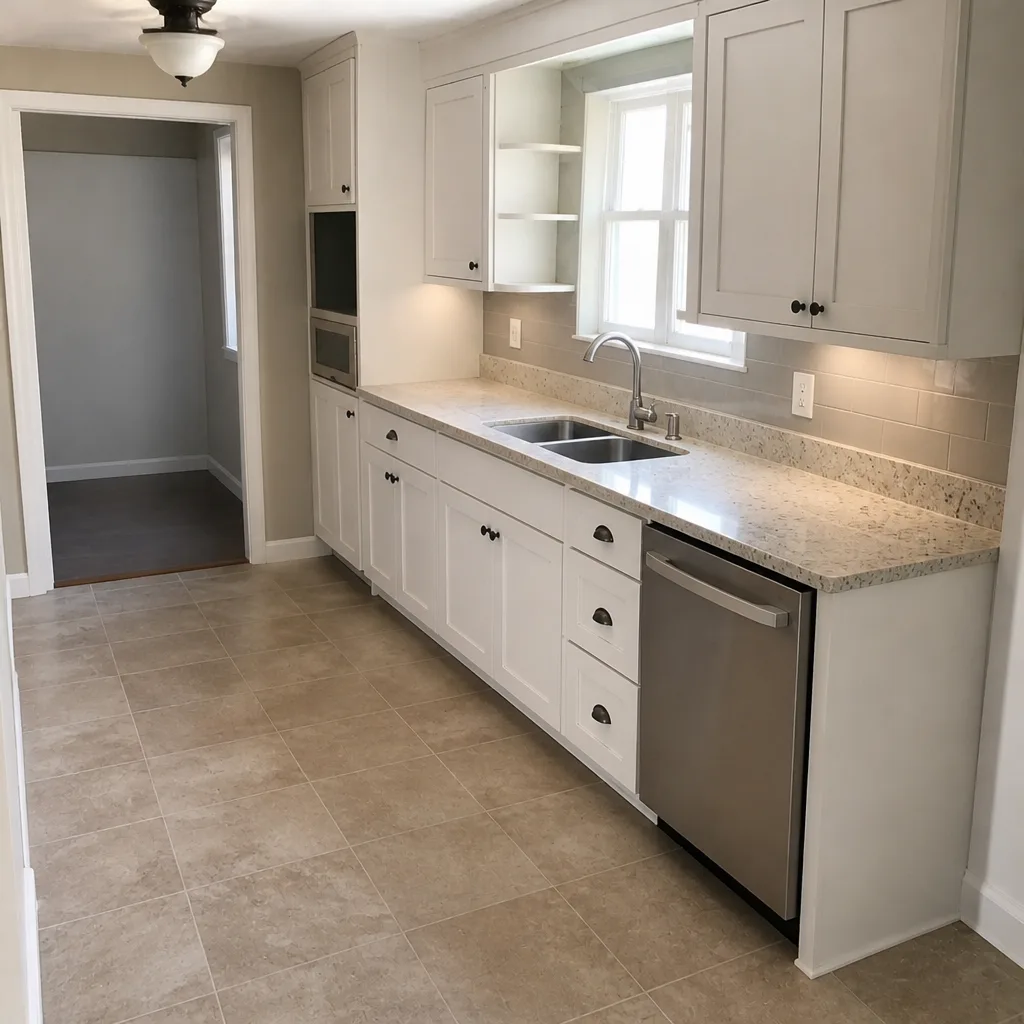 After
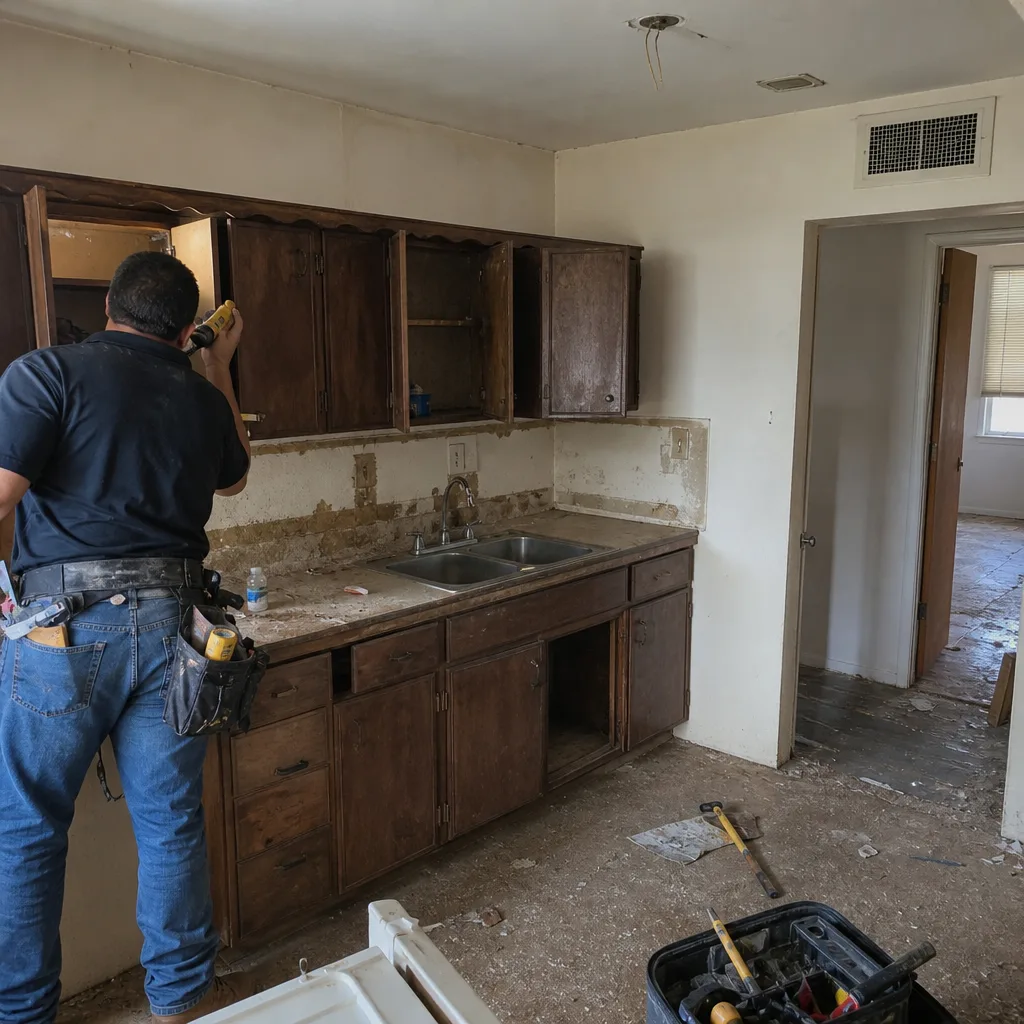 Before
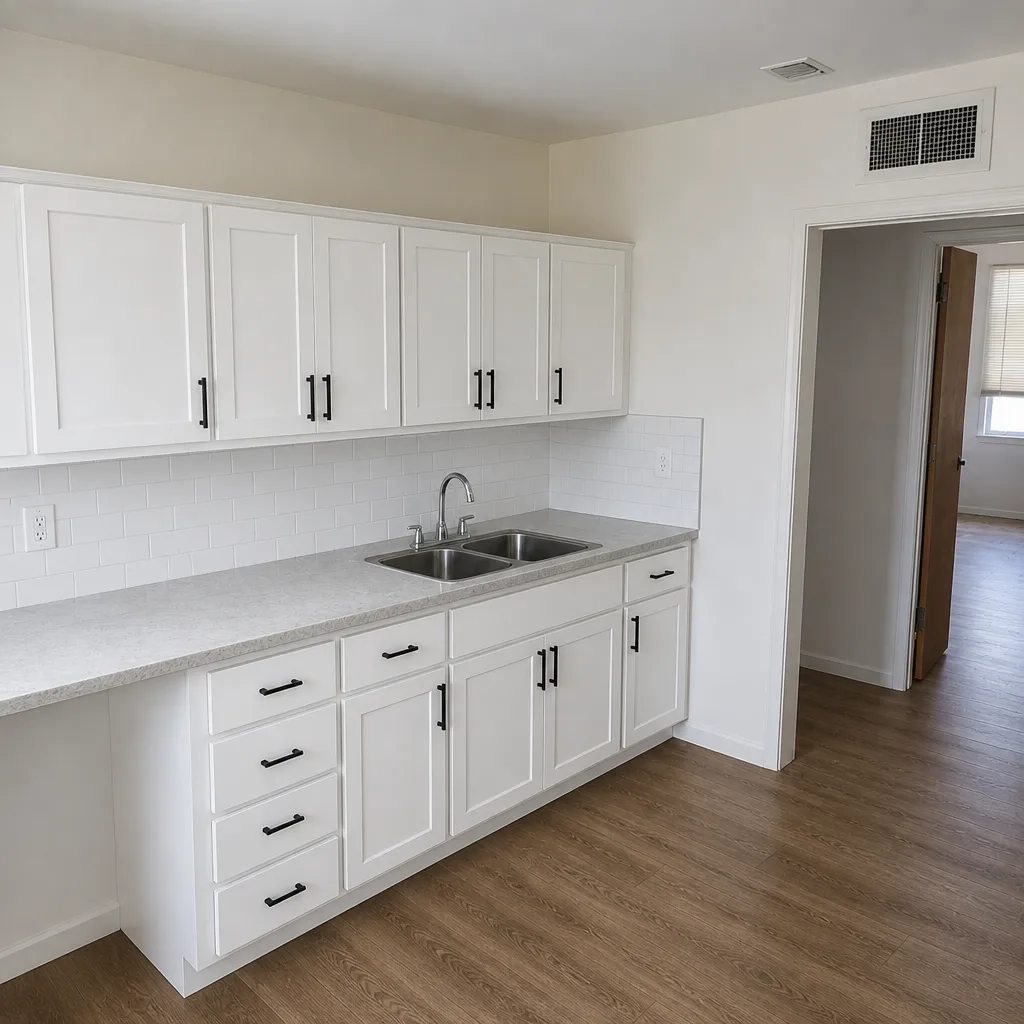 After
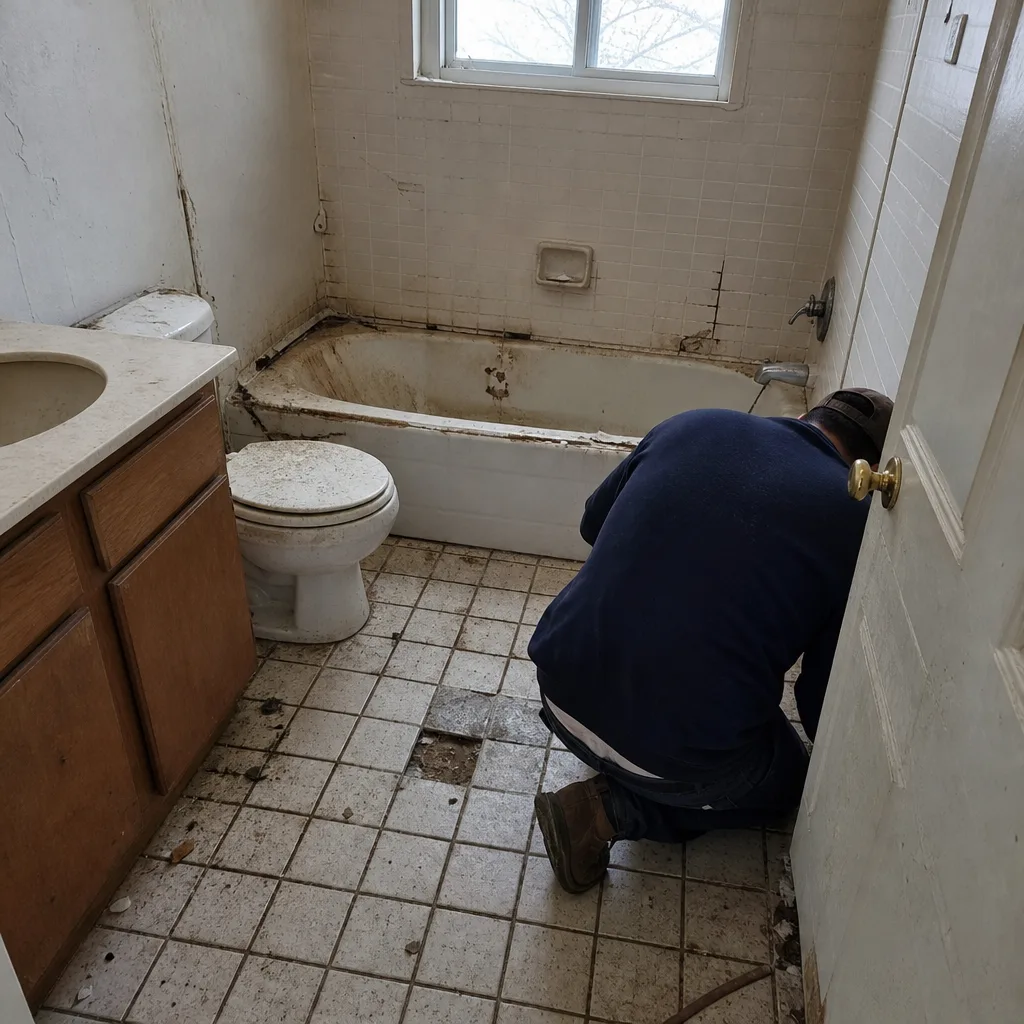 Before
 After