
Last updated November 17, 2026
 Home additions & ADU
 Kitchen remodeling
 Bathroom remodeling
 Roofing
 Windows & doors
 Driveway & pavers
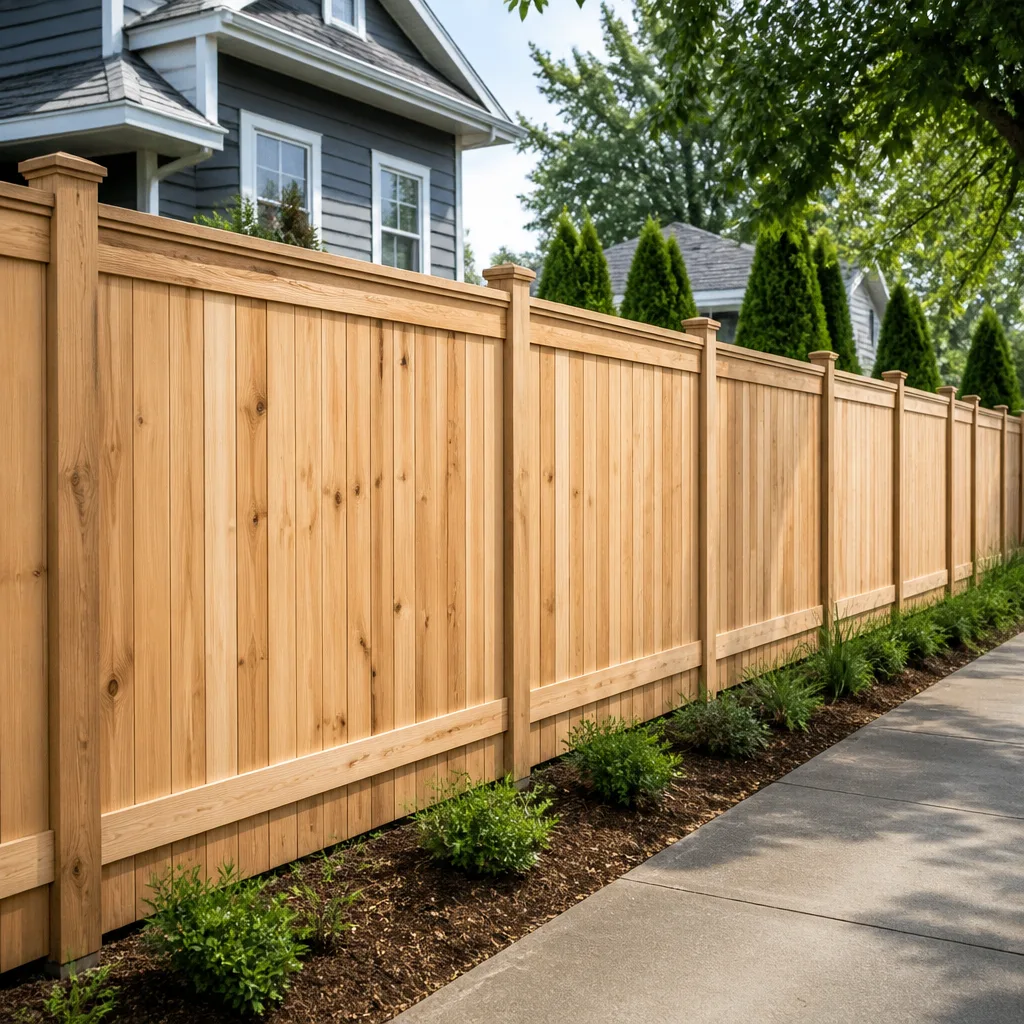 Fence
Free written scope consultation - allowances, timeline, and change-order rules on paper before a single trade is scheduled
The Complete Fence Installation Guide for Arlington Homeowners
The most expensive fence mistake in Arlington isn’t choosing the wrong material. It’s setting a post on the wrong side of the property line and having to tear the whole thing out six months later. We’ve watched it happen more than once, and it almost always costs more than the fence itself once you add the survey, the second build, and the conversation with a neighbor who now has a lawyer’s number saved in their phone. Most of what goes wrong with Arlington fences isn’t materials or labor. It’s two things nobody checks before the first stake goes in: where the line actually sits, and what the rules allow. This guide walks through both, plus fit-for-North-Texas material honesty, the shared-fence conversation, and the questions to ask any contractor before you sign.
Quick Answer
Fence installation in Arlington starts with two steps before any material is chosen: confirm your property line through Tarrant County records or a licensed survey, and check your HOA covenants and City of Arlington height and setback limits. Once those are settled, wood, cedar, vinyl, and ornamental iron each perform differently in North Texas heat and clay soil, so the right pick depends on how much upkeep you want. A written proposal should list post depth, material brand, spacing, and gate hardware before work begins.
Styles & brands we work with
- Kitchen remodeling
- Bathroom remodeling
- Home additions & ADU
- Roofing
- Windows & doors
- Driveway & pavers
- Fence
Table of Contents
- How Do You Verify Your Property Line in Tarrant County?
- What Do Arlington Fence Permits and Height Limits Require?
- Which Fence Material Holds Up Best in North Texas?
- How Do You Handle the Shared-Fence Conversation?
- What Belongs in a Written Fence Proposal?
- What Should You Ask a Contractor Before You Sign?
- How Long Does a Fence Installation Take in Arlington?
- How Do You Maintain a Fence Through Texas Summers?
How Do You Verify Your Property Line in Tarrant County?
Your property line is a legal boundary, and it is not set by whichever fence was there before. The corner of an old fence, a row of shrubs, or a neighbor’s word are not proof. Arli.
Start with public records. Tarrant County maintains property records, and the Tarrant Appraisal District keeps parcel maps that show approximate lot lines for the whole county. Those maps are a good first look but they are not survey-grade. A GIS or appraisal map can be off by several feet, which is exactly enough to matter when you’re placing a post.
The safest sequence before any stakes go in:
- Pull the plat or subdivision map for your lot from county records. It shows the original lot dimensions and any platted easements.
- Check the appraisal district parcel viewer to confirm your lot boundaries against the street address.
- Look for existing corner markers – iron pins, concrete monuments, or capped stakes set by a surveyor. Do not remove or move them.
- Order a new survey if markers are missing, the fence line is in dispute, or you’re building within a few feet of the line. Texas doesn’t regulate who can survey a boundary, so hire a licensed Texas surveyor and get a stamped plat.
A boundary survey typically runs a few hundred dollars on a standard residential lot in Arlington – a fraction of what a tear-out costs. If you’re building along an easement, a utility right-of-way, or a line that hasn’t moved in decades but was never formally recorded, pay for the survey. Our crews will not set a post on a line we can’t verify, and we’ll tell you plainly when a survey is the right call. It’s the kind of question that keeps everyone out of court.
What Do Arlington Fence Permits and Height Limits Require?
Residential fences in Arlington are generally limited to 6 feet in height for most yards, with some allowances and specific rules tied to corner lots, front yards, and visibility at intersections. Always confirm current limits directly with the City of Arlington before construction, because ordinances are updated and the edition that applied to your neighbor’s fence last year may not apply now.
Here’s where homeowners get caught off guard:
- Corner lots. Arlington requires clear sight triangles at street corners so drivers can see oncoming traffic. A 6-foot privacy fence run right up to the corner can violate that and force a change.
- Front-yard fences. Height limits in the front yard are generally lower, and some neighborhoods restrict front fencing altogether. What works along the side yard may not pass in front.
- Easements. Utility easements may run across a rear or side yard, and a fence built over one has to be removable. That changes post design, not the whole fence.
- Pools. A fence around a pool must meet Texas pool barrier rules in addition to city and HOA requirements, which usually means a minimum height, self-closing gate hardware, and no climbable horizontal members.
Whether a permit is required depends on the height, location, and construction type – confirm with the city’s permit office for your specific plan. We pull permits and get inspections signed on every eligible job, because the inspector works for the homeowner, not for us. Every scope and every allowance in a written proposal is spelled out before work starts, and any price change arrives as a written change order before a single post hole is dug. If a contractor tells you permits are optional for a fence that clearly needs one, ask yourself why they’re avoiding the paperwork.
Which Fence Material Holds Up Best in North Texas?
North Texas conditions are hard on fences. Summer heat bakes the west-facing run, clay soil swells and shrinks with every wet-dry cycle, and we get freeze events in winter that push and pull at posts. The material that looks best in a catalog photo isn’t always the one that survives a decade of Arlington summers. Here’s an honest comparison:
Wood (Pine and Cedar)
Pine is the budget pick. It’s affordable and gets you a fence fast, but in North Texas heat and sun it will check, warp, and fade within a few years without staining. Expect to restain every 2-3 years, and expect to replace boards on the sun-facing run before the whole fence is done.
Cedar resists rot and insects far better than pine and holds up noticeably better to August. It costs more up front but usually stretches further between stain cycles, so the total cost of ownership over ten or fifteen years is often closer than the up-front numbers suggest. Our crews have worked with both long enough to tell you which one your specific lot will favor, and the answer depends on sun exposure and soil drainage.
Vinyl
Vinyl shrugs off rot and insects and never needs staining. It handles the heat well when you buy a quality brand – thin, bargain vinyl can get brittle and crack in extreme cold snaps. Good vinyl runs higher than pine but often lower than cedar at comparable heights, and the maintenance is essentially a hose-down once a year. For a homeowner who wants to be done with fence maintenance, it’s a strong choice.
Ornamental Iron
Iron and steel give you the longest service life of the bunch and the cleanest look along front yards and driveways, but they don’t offer privacy on their own. They work best as a front accent or combined with wood infill for privacy along a side yard. Rust is the watch item, so powder-coated and galvanized options matter. You’ll also see iron paired with short masonry knee walls on the better lots around Arlington.
Post and foundation note
Whatever material you pick, the fence is only as strong as its posts. In North Texas clay, posts need to be set below the frost line and in properly tamped concrete – not dry-set in soil. Settling posts are the root cause of most leaning and sagging fences in Arlington, and they’re almost always a shortcut, not bad material.
How Do You Handle the Shared-Fence Conversation?
In Texas, a fence on the boundary line is generally considered shared and is often the responsibility of both adjoining owners, but the practical reality depends on where the fence sits, how it was built, and what your deed and HOA say. Texas law doesn’t automatically require your neighbor to split the cost, and it doesn’t automatically forbid you from building on your own line. That ambiguity is exactly why the conversation matters before the first board goes up.
Here’s how we recommend handling it:
- Know where the line is first. Walk over with the survey plat or appraisal map in hand. Don’t make the conversation about opinion – make it about the recorded line.
- Decide where you’re building. A fence built entirely on your side of the line is yours to control and yours to pay for. A fence on the shared line is a joint matter. Both are legitimate choices – just be clear about which one you’re proposing.
- Talk before you quote. Knock on the door or leave a note. Explain the plan, the material, the timeline, and who pays. Ask if they have concerns. Most disputes boil down to surprise, not money.
- Put it in writing. Even an informal one-page note that says “we’re building X fence along the line, we’ll cover the cost” prevents six versions of the story later. If you agree to split costs, put the number and the payment in writing.
An Arlington fence that starts with a five-minute conversation on the porch is far more likely to survive the decade than one that starts with a crew showing up on a Saturday morning while the neighbor is drinking coffee. We’ve seen both outcomes. The porch conversation wins almost every time.
What Belongs in a Written Fence Proposal?
A fence quote that fits on a napkin isn’t a proposal – it’s a guess. Before any contractor starts your fence in Arlington, you should have a written document that spells out the material, the depth, the height, the gate hardware, and the price. Here’s what a real proposal includes:
- Height and style in feet and inches, board type (dog-ear, flat-top, shadowbox, privacy), and spacing.
- Material brand and grade – for example, specific lumber grade or a named vinyl manufacturer. If the proposal doesn’t name the brand, ask why.
- Post spacing and depth, plus concrete specs. A 6-foot privacy fence typically needs posts every 8 feet set to a minimum depth in concrete.
- Gate location, width, and hardware – hinges, latch, and any self-closing requirement for pool barriers.
- Removal and haul-away of the old fence if applicable. This is a common line item that some contractors quietly omit.
- Permit pull and inspection where required, and who is responsible for it.
- Line-item allowances in writing – because an allowance that isn’t on paper is a surprise waiting for a date.
- Written change order terms – how any change in scope or price is handled before work proceeds.
- Workmanship warranty and what it covers.
Our proposal process for a fence in Arlington follows the same rule we apply to every job: scope in writing, allowances in writing, change orders in writing. It’s not a fancy document – it’s a clear one. It’s the difference between a handshake and a paper trail, in a good way.
What Should You Ask a Contractor Before You Sign?
Ask the same questions of every contractor you talk to and compare the answers side by side. Here’s our recommended list:
- Are you insured and bonded? Ask for proof, not a verbal yes.
- Who actually builds the fence? Are the crew members employees, subs, or day labor? You want to know who’s on your property.
- Will you pull the permit? If a permit is required for your fence, a contractor who skips it is passing the liability to you.
- Is the price fixed, or will it move? A fixed price with a written change order process protects you if the scope grows.
- What happens if something’s wrong? Ask for the warranty in writing and how a repair call is handled. A real warranty names a phone number and a response.
- Can I see a recent local fence you’ve built? A contractor who works in Arlington can show you an Arlington fence.
- What’s your license number? Look it up. Verify it yourself before you sign anything.
These questions aren’t hostile. Any contractor proud of their work will welcome them. A contractor who starts hedging on insurance or permits has answered the most important question already.
How Long Does a Fence Installation Take in Arlington?
Most residential fence installations in Arlington take one to three days on site once materials arrive and any permits are approved. A simple 100-foot pine privacy fence with one gate is usually a one-day job for a two- or three-person crew. Larger runs with multiple gates, post replacement, difficult access, or ornamental iron with masonry work stretch to two or three days.
The longer timeline is the front end. Permit approval, if a permit is required for your height and configuration, may take several days to a couple of weeks depending on the city’s workload. Material lead times, especially for vinyl or ornamental iron in a specific color or height, can run longer than wood. Survey scheduling, if you’re ordering one, adds more time. Plan the whole project on a calendar rather than a weekend, and the delivery date will feel less like a scramble.
One scheduling detail that pays off: build in a buffer for weather. North Texas summer heat can push crews to early-morning starts, and a quick storm can set a post-hole schedule back a day. We give every homeowner an honest build window up front rather than a promise we can’t keep.
How Do You Maintain a Fence Through Texas Summers?
A fence that survives a few Arlington summers is one that gets checked twice a year and repaired once. The routine is simple:
- Walk the line in spring and fall. Push on posts, look for sagging rails, and check for loose boards. Catching a leaning post early saves the gate hardware.
- Restain wood every 2-3 years. Use an oil-based or quality penetrating stain, not a thin surface coat that fails in the sun.
- Keep vegetation off the fence. Vines and shrubs trap moisture against the boards and rust against iron, and they hide the signs of a failing post.
- Lube gate hinges and latches. A squeaking gate turns into a broken latch if you ignore it long enough.
- Watch for soil erosion at the base. Clay soil can wash out around a post after heavy rain, exposing the concrete and loosening the post. Backfill and tamp it promptly.
- Check after a big storm. A blown panel or a loose picket turns into a bigger repair the longer it’s ignored.
If you don’t have the time or the back for staining and repairs, our team at Fence Installation in Arlington handles both installation and repairs, and we’ll show you what a realistic maintenance schedule looks like for your specific fence.
Common Mistakes to Avoid
- Building on an unverified property line. An old fence is not a boundary. A stack of boards and a nail gun can’t fix a fence that sits six inches onto a neighbor’s lot.
- Skipping the HOA covenant check. Arlington’s older neighborhoods often have deed restrictions that predate current city codes, and the stricter of the two rules applies.
- Ignoring corner-lot sight triangles. A 6-foot fence that obstructs visibility at a street corner gets flagged by the city, sometimes after it’s built.
- Choosing the cheapest quote without reading what’s missing. A low bid often omits old-fence removal, post depth in concrete, or gate hardware – line items that show up as an invoice later.
- Setting posts too shallow for Texas clay. Dry-set or shallow posts settle and lean within a couple of seasons, and repair costs add up fast.
- Building without the neighbor conversation. A surprise fence line is the start of most Arlington fence disputes, and the fix afterward is more expensive than the five-minute conversation.
- Treating the fence as a one-time purchase. Fences need restaining, gate repairs, and post checks. Budget for it, and the fence lasts twice as long.
See the difference
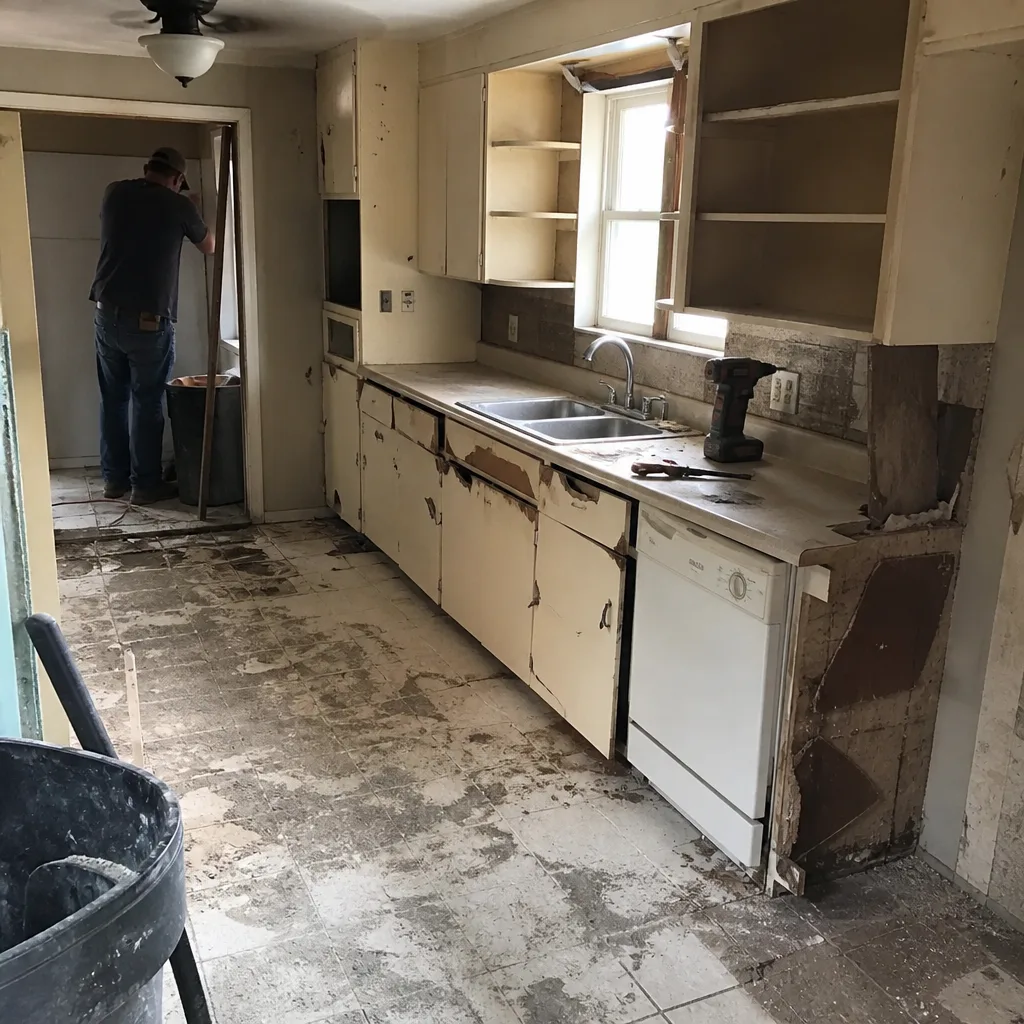 Before
 After
 Before
 After
 Before
 After
When to Call a Professional
Some fence jobs can honestly be handled by a determined homeowner with a post hole digger – a repair on a single panel, a sagging gate, a quick picket replacement. But when the job involves the boundary line, a permit, or anything structural, it’s time to call. Call a professional when you’re replacing a boundary fence, when your property line is unclear or disputed, when a permit is required for your height and orientation, when you’re installing a pool barrier, or when you need a gate that has to align perfectly with existing masonry or a driveway that Driveway & Pavers in Arlington ties into. These jobs have real liability if something goes wrong, and they’re worth getting right the first time.
Barrett & Sons Construction Arlington offers free estimates in Arlington – call (888) 590-9867. Every estimate is written, every scope and allowance is spelled out, and any change gets a written change order before a nail moves.
Frequently Asked Questions
Fence installation in Arlington typically runs from roughly $18 to $45 per linear foot depending on material – pine on the lower end, cedar and quality vinyl in the middle, ornamental iron with masonry on the upper end – plus gates, removal of an old fence, and any permit or survey costs. A standard 150-foot privacy fence usually lands somewhere in the few-thousand-dollar range. Call (888) 590-9867 for an exact quote – estimates are free.
Whether you need a permit depends on the height, location, and construction type, so confirm your specific plan with the City of Arlington permit office before construction. The safe assumption for a 6-foot privacy fence is that you should check. We pull permits and get inspections signed on every eligible job, and we’ll tell you upfront what your specific fence requires.
Residential fences in Arlington are generally limited to 6 feet for most yards, with lower limits usually applying in the front yard and clear sight triangles required on corner lots. Because ordinances are updated, verify current limits directly with the city before you build. Call (888) 590-9867 if you want us to walk your lot and tell you what the city will likely allow.
Not automatically. In Texas, a fence on the boundary line is generally considered shared, but the law does not require your neighbor to pay half, and cost-sharing is a matter of agreement between you and them. Decide first whether you’re building on the line or entirely on your side of it, then have the conversation and put any agreement in writing. Call (888) 590-9867 to talk through the layout before you talk to your neighbor – the answer starts with the survey.
Not without a written change order. Any price change from a legitimate contractor arrives in writing before the change happens, not as a surprise on the final invoice. We follow the same rule on every Arlington fence: scope in writing, allowances in writing, change orders in writing. Call (888) 590-9867 and ask to see a sample change order before you sign.
Pine lasts about 8 to 12 years with regular staining, cedar holds up roughly 15 to 20, quality vinyl typically runs 20 to 30, and ornamental iron lasts much longer with rust checks every few years. Post depth and soil drainage matter as much as material – a well-built pine fence outlasts a poorly built cedar one every time. Call (888) 590-9867 and we’ll tell you honestly how each material does on your specific lot.
The Bottom Line
The fence that lasts in Arlington is the one that starts with the survey, the covenant check, and the neighbor conversation – not the material sample. Confirm the line, confirm the rules, pick a material that suits North Texas heat and clay, and get every detail into a written proposal before anyone digs a post hole. Do those four things and your fence protects the property for a decade or more. Skip them and you’re gambling on a neighbor’s memory and an old fence line. If you want the estimate in writing, with the scope and the allowances spelled out and any change order signed before work moves, call Barrett & Sons Construction Arlington at (888) 590-9867. Free estimates, no trip charge inside the county, and a permanent 10% discount for seniors and veterans.
Written by the team at Barrett & Sons Construction Arlington.