
Last updated November 16, 2026
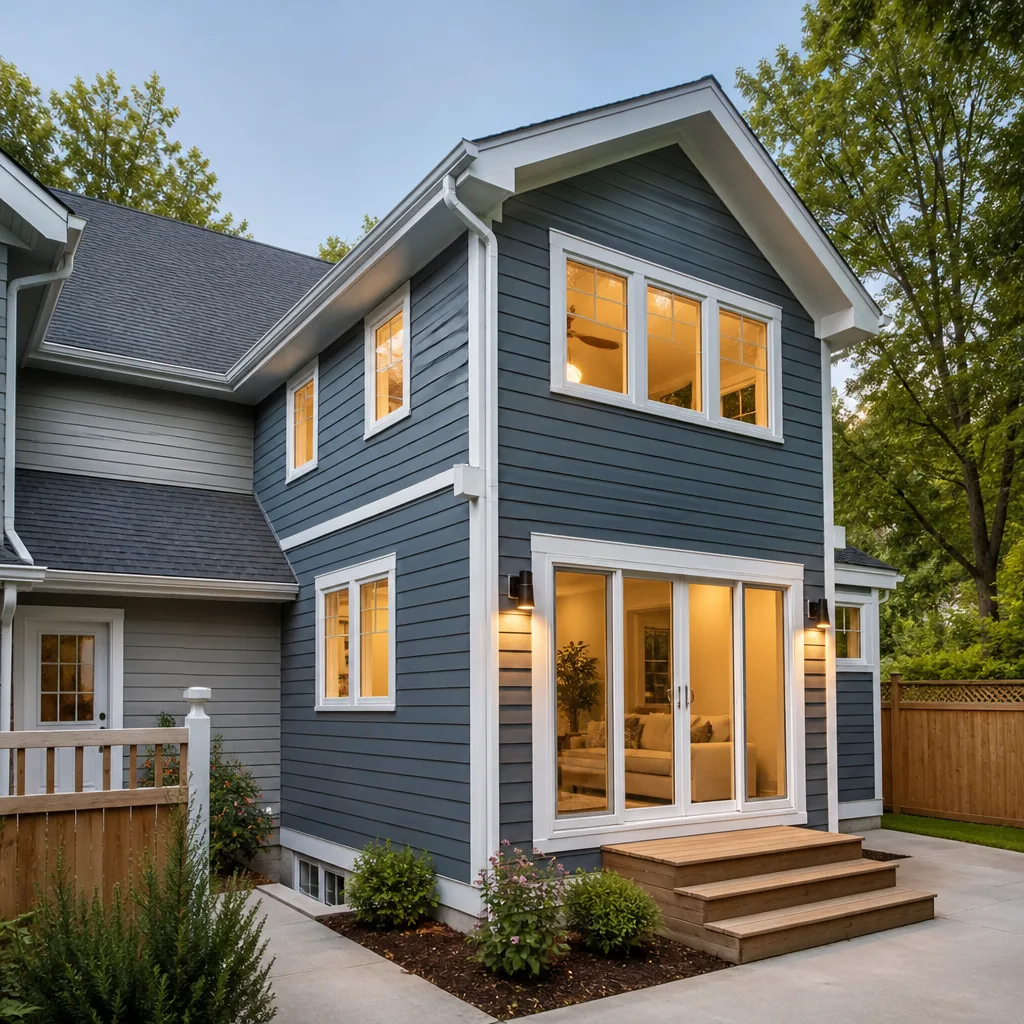 Home additions & ADU
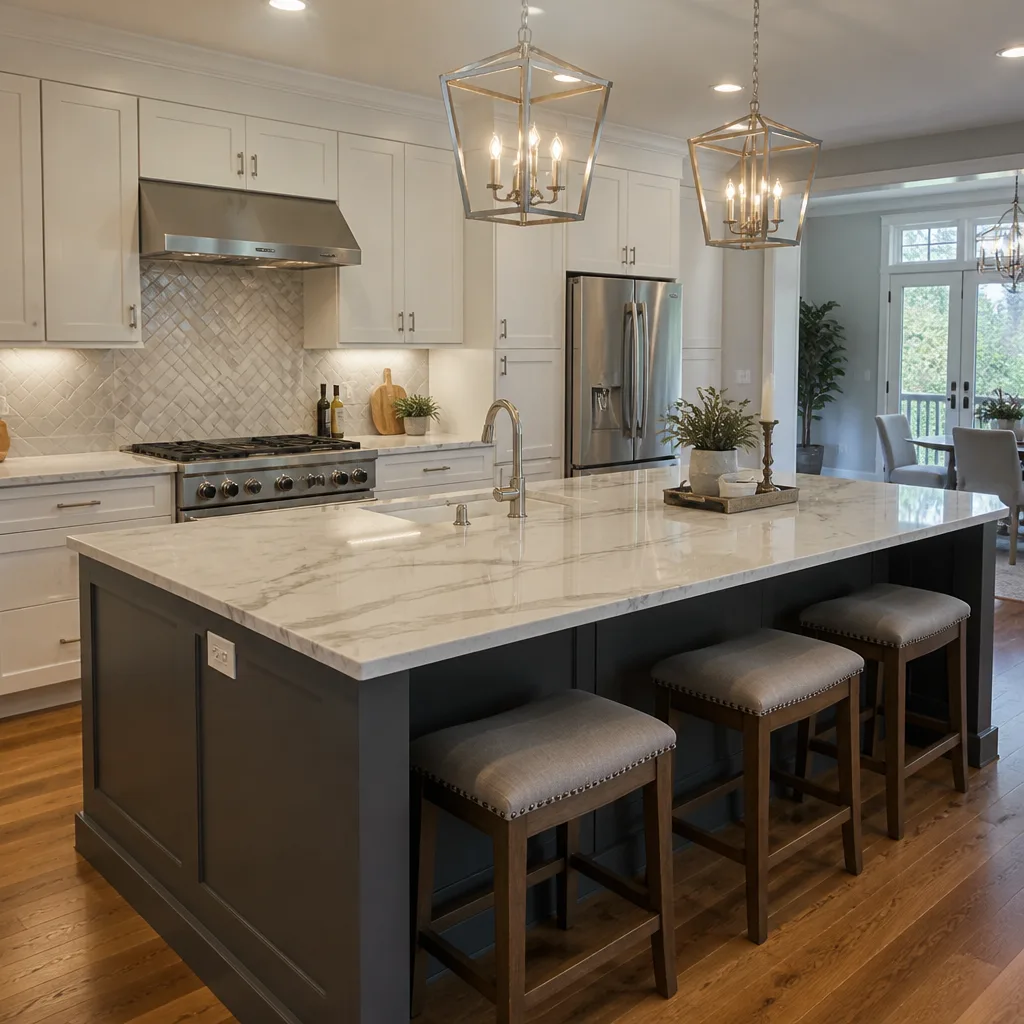 Kitchen remodeling
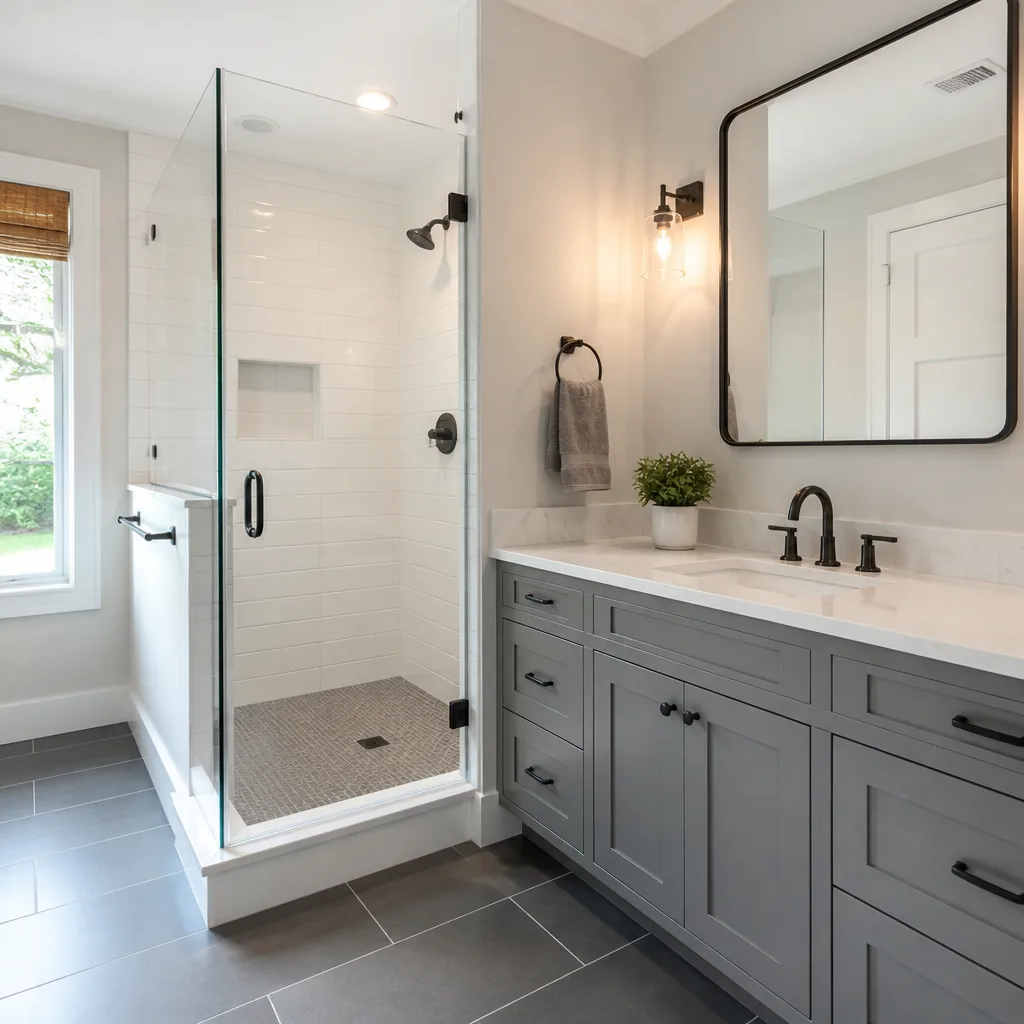 Bathroom remodeling
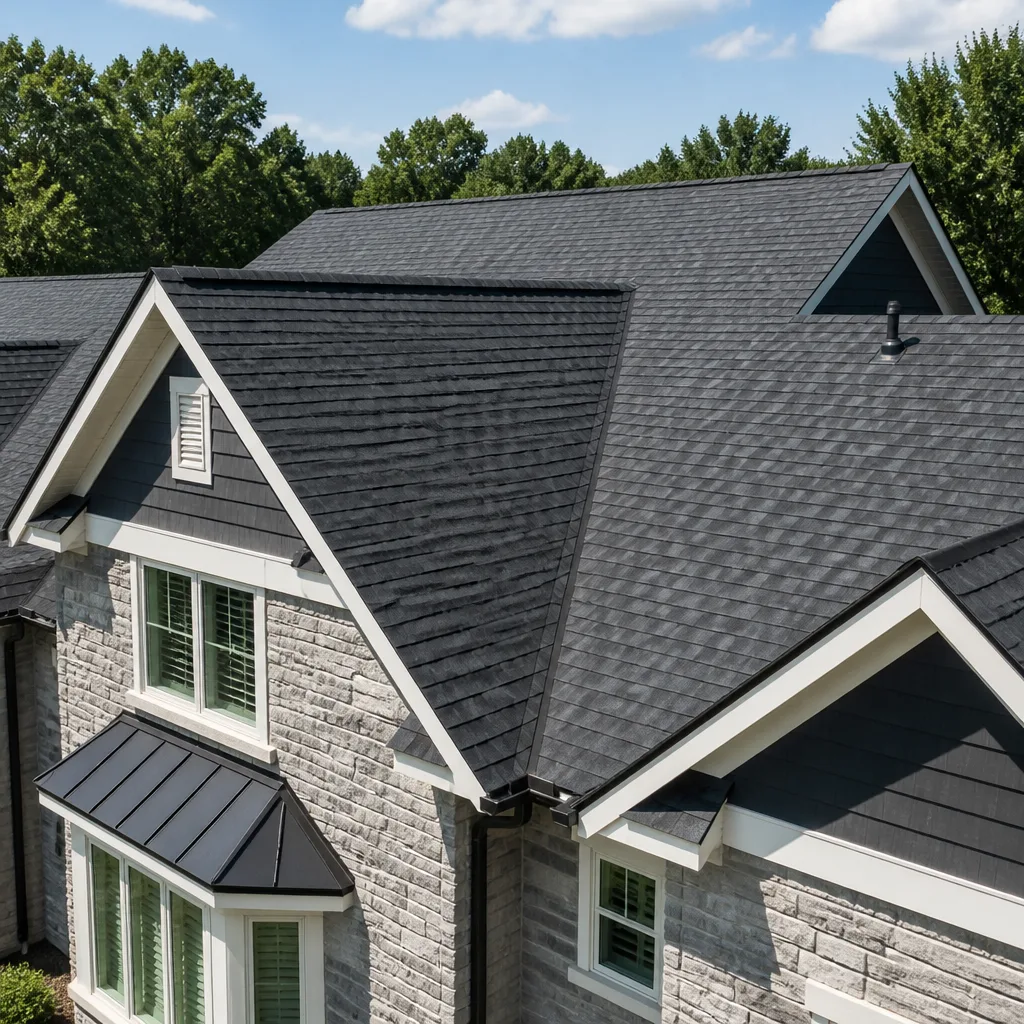 Roofing
 Windows & doors
 Driveway & pavers
 Fence
Free written scope consultation - allowances, timeline, and change-order rules on paper before a single trade is scheduled
DIY vs Professional Home Additions & ADU: What’s Safe to Do Yourself
In Texas, a homeowner can legally act as their own general contractor. That’s a real thing, and plenty of capable people do it. But the moment you hire an unlicensed subcontractor to run the electrical or plumbing in an addition, you’ve taken on personal liability your homeowner’s policy almost certainly excludes. The DIY line in an addition project isn’t a skill line. It’s a legal and insurance line. This guide walks through which trades in Arlington legally require a licensed contractor, where owner labor actually saves money, and where doing it yourself can void a claim or block a future sale.
Quick Answer
The only genuinely DIY-safe work in an addition is painting, finish carpentry (trim, baseboard, casing), cabinet installation, and landscaping around the finished structure. Everything that touches the structure, the electrical system, the plumbing system, or the gas line requires a licensed contractor in Arlington and triggers permit inspections. Doing it yourself to skip permits can void your insurance on the entire home and create a disclosure problem at resale.
Styles & brands we work with
- Kitchen remodeling
- Bathroom remodeling
- Home additions & ADU
- Roofing
- Windows & doors
- Driveway & pavers
- Fence
Table of Contents
- Where the Legal Line Actually Sits in Arlington
- The Insurance Gap Nobody Mentions
- What’s Genuinely Safe to Do Yourself
- The “I’ll Do the Demo Myself” Scenario
- DIY-Assist vs. Full Professional: Real Cost Comparison
- Why the Permit Inspector Works for You
- Common Mistakes to Avoid
- When to Call a Professional
Where the Legal Line Actually Sits in Arlington
The Texas rules on owner-builder work are surprisingly permissive, which is exactly why so many homeowners get into trouble. You can pull permits as your own general contractor on a home you’ll live in. What you cannot do is perform plumbing, electrical, gas, or mechanical work without holding a state license in that trade – even on your own home. Municipal code in Arlington enforces this on every inspection.
Work requiring a licensed contractor
- Electrical: Any new branch circuit, panel work, service upgrade, or lighting wiring beyond a straight swap of an existing fixture. Tapping into the panel for a new addition room is licensed work, full stop.
- Plumbing: Any new drain, water line, gas line, or fixture tie-in. A bath addition requires a licensed plumber to run and test the new lines before the rough-in inspection.
- HVAC: Sizing, installing, and charging a new system. A window unit in the finished space doesn’t count as HVAC for the addition.
- Structural: Foundation, framing, beams, and roof connections. Framing itself technically may fall under the owner-builder allowance, but the engineering and inspection requirements make it unwise to self-perform.
- Gas: Any gas work at all, including connecting a new fireplace, range, or water heater.
Work an Arlington homeowner can legally self-perform
- Interior painting and drywall finishing
- Finish carpentry (trim, baseboard, crown, casing)
- Cabinet hanging and shelving
- Flooring installation (hardwood, tile, LVP) on a properly prepared subfloor
- Insulation (though a permit inspector will check it)
- Landscaping and exterior site work
The list is shorter than most DIY sites suggest. The trades that actually move the needle on a project budget – electrical, plumbing, HVAC, framing – are the ones a homeowner can’t legally touch without a license. That’s the reason DIY-assist often saves less than people expect going in.
The Insurance Gap Nobody Mentions
Here’s the part that rarely gets talked about at the kitchen table: unpermitted structural work gives your insurance carrier a legitimate reason to deny a claim. Not just the claim on the new addition. The claim on your original home too. Most Texas homeowner policies include language requiring that any alteration or addition be built to code and properly permitted. If a fire starts in an unpermitted electrical circuit, or a plumbing failure from unpermitted work floods the finished room, the carrier can point to the policy language and walk.
The same problem shows up on the seller’s side. Texas property disclosure requirements mean you’ll need to answer direct questions about whether permits were pulled and inspections signed for any addition. If the answer is no, you’re either disclosing a defect or exposing yourself to a lawsuit post-closing. Buyers in Arlington, especially in established neighborhoods like Dalworthington Gardens and Pantego, ask for permit records as part of due diligence. Missing paperwork kills deals.
The value math is worth sitting with. An addition built without permits might save a homeowner $8,000-$15,000 in contractor and permit costs during construction. It can cost $30,000-$60,000 in resale discounts or retroactive permitting fees when the buyer finds out. It can cost a full insurance payout in a worst-case claim. That’s a lot of risk to take on to save what a homeowner can realistically self-perform.
What’s Genuinely Safe to Do Yourself
Not every hour of owner labor is wasted. There are real tasks in an addition where an experienced homeowner saves money without triggering the risks above. The key distinction is whether the work needs an inspection and whether mistakes are recoverable.
Painting and finishes
Interior painting in a new addition is often the single largest DIY savings – typically $3,000-$8,000 on a 400-square-foot room, depending on finish and prep. Painting doesn’t require a permit or a license, and a bad paint job is recoverable. The one place skill matters is drywall finishing before paint; a poor tape-and-mud job telegraphs through even premium paint. Plenty of homeowners do the painting themselves after the drywall crew finishes.
Finish carpentry
Baseboard, casing, crown molding, and stair trim are fair game. A homeowner with a miter saw and patience can trim a room in a weekend. The savings run $1,500-$4,000 on a typical addition. Where skill level starts to matter: crown molding in a room with an unusual ceiling pitch, stair railings that need code-compliant heights, and any trim around windows and doors where gaps are visible on both sides.
Cabinet installation
Hanging cabinets is more forgiving than people think. The trick is finding studs and getting the boxes level before screwing them off. What a homeowner should not do is attempt to move plumbing or add a new electrical circuit for under-cabinet lighting. Hang the boxes, let a licensed electrician run the wiring. Cabinet brands we install, like KraftMaid and Cambria for the counters, come with installation specs worth following exactly – the manufacturer’s warranty depends on proper installation.
Landscaping around the addition
Grading, planting, mulch, and stone edging around the new structure are practical owner projects. The one caveat: grading must slope away from the foundation at least six inches across the first ten feet. Poorly planned landscaping that traps water against a new foundation is a real cause of settlement issues in North Texas clay soils. If you’re not sure on the grade, call a professional for the shaping and do the planting yourself.
For the hardscape around the addition, we install Driveway & Pavers in Arlington using Belgard and Techo-Bloc systems – the base prep on those is not a project to tackle without experience.
The “I’ll Do the Demo Myself” Scenario
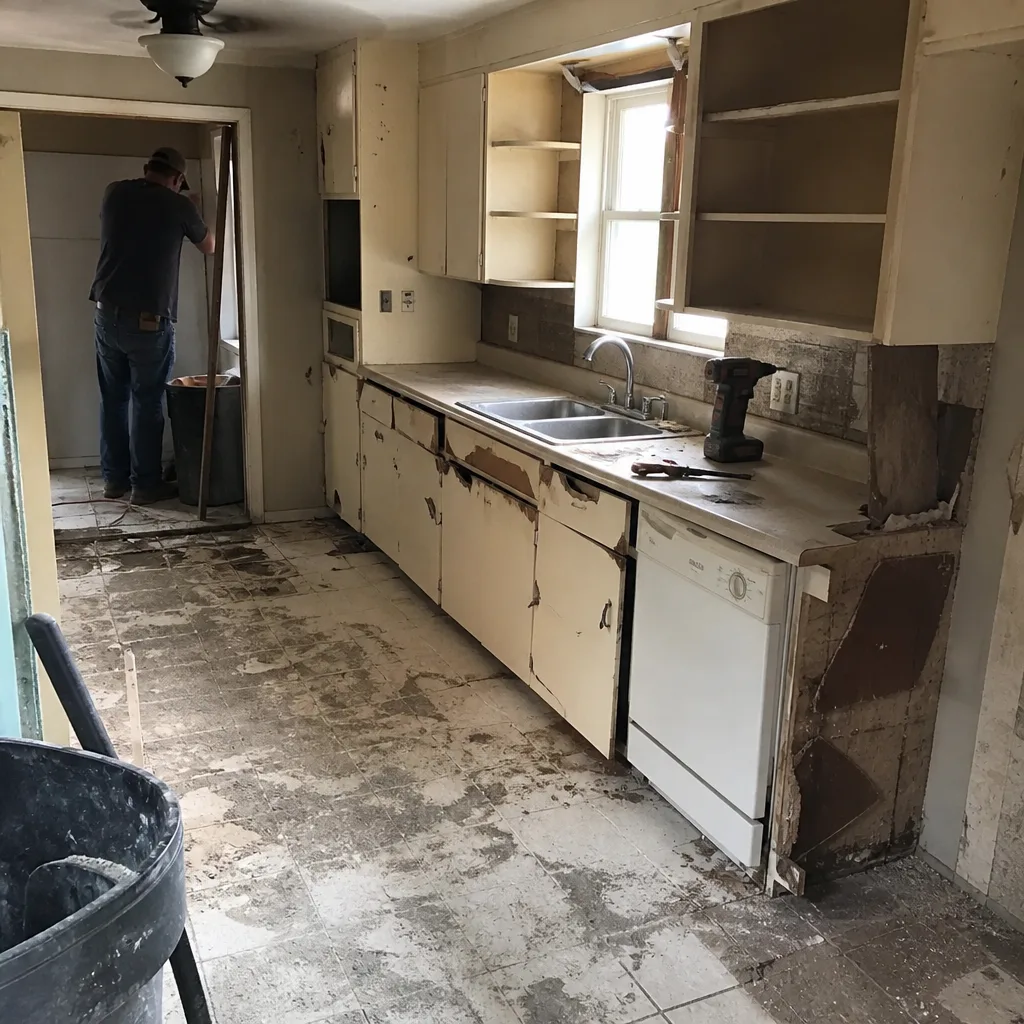
Demolition looks like easy savings. It rarely is. There are legal and safety limits even for work inside your own home, and pre-1978 homes in Arlington’s older neighborhoods – chunks of the near-east side, parts of South Arlington built in the 1950s and 60s – carry an asbestos testing requirement before any demolition begins.
Legal testing requirements before demo
- Asbestos testing: Required on any pre-1978 home before demo begins on walls, ceilings, flooring, HVAC ducts, or pipe wrapping. Testing runs $300-$800 through an accredited lab, and results come back within a few days.
- Lead paint testing: Required on pre-1978 homes before demo on any painted surface. Testing runs $200-$500 per area. If positive, demo has to follow lead-safe practices.
- Utility shutoff verification: Confirm electrical, gas, and water are shut off and tagged before any wall comes down. Doing demo near a live circuit is a common cause of electrical shock in owner-led projects.
- Permit confirmation: The demolition permit has to be pulled – and the scope on the permit has to match what’s being torn out. Owners can pull this themselves on a home they live in.
What a homeowner can and can’t safely demolish
- Safe: Interior finishes, drywall (after testing), siding on a non-load-bearing wall, cabinets, flooring, fixtures, and non-structural cabinetry.
- Risky: Drywall near plumbing or electrical, area where utility lines run without a clear map, and any demolition creating dust a homeowner can’t properly contain.
- Do not touch: Load-bearing walls, any wall with an unknown function, exterior structural walls, and anything connected to the gas line.
The honest math on DIY demo: a homeowner can save $2,000-$5,000 on a typical addition demo. But one cut pipe, one knocked-out load-bearing wall, or one asbestos discovery after the fact can wipe out those savings and create a months-long delay. We’ve been called to fix the aftermath of owner-led demo more than a few times in Arlington.
DIY-Assist vs. Full Professional: Real Cost Comparison
The real question isn’t DIY versus professional. It’s DIY-assist versus full professional. DIY-assist means hiring a licensed contractor for the trades that require it – electrical, plumbing, HVAC, framing, foundation – and doing the finishes and cosmetic work yourself. Here’s how the numbers actually break down on a 400-square-foot addition in Arlington.
Full professional on a 400 sq ft addition
- Design and permits: $6,000-$12,000
- Foundation, framing, roofing: $55,000-$85,000
- Electrical, plumbing, HVAC (licensed): $18,000-$28,000
- Insulation, drywall, paint: $12,000-$18,000
- Flooring, trim, cabinetry: $10,000-$16,000
- Final landscaping and site work: $3,000-$7,000
- Total: roughly $104,000-$166,000
DIY-assist on the same addition
- Design and permits (still have to hire): $6,000-$12,000
- Foundation, framing, roofing (licensed trades): $55,000-$85,000
- Electrical, plumbing, HVAC (licensed): $18,000-$28,000
- Insulation and drywall (hire): $9,000-$14,000
- Paint (owner labor): $0-$2,000 in materials
- Flooring and timber (split): $4,000-$9,000
- Trim carpentry (owner labor): $1,500-$3,500 in materials
- Cabinet installation (owner labor): $500-$1,500 in materials
- Landscaping (owner labor): $800-$2,500 in materials
- Total: roughly $95,000-$158,000
The savings on DIY-assist typically land between $8,000 and $18,000 on a full addition. That’s real money. But it’s also the trade-off between six to twelve weekends of owner labor and the difference between a walk-away project and one that stretches on. Where owner labor creates rework – typically drywall taping, tile layout, or any structural mistake – the savings vanish fast.
The single largest owner-labor win on an addition is painting, and the single largest owner-labor failure point is drywall taping. We’ve seen a homeowner’s $600 in taping materials turn into $4,500 in corrective work after three rounds of coats. That math doesn’t work in favor of DIY.
For a full picture of what an addition costs in Arlington, see Home Additions & ADU in Arlington. The number depends heavily on scope, finish level, and whether the addition shares walls with the existing structure.
Why the Permit Inspector Works for You
A permit inspection isn’t bureaucracy. It’s a second set of eyes on the work the contractor just did, at specific stages, at no extra cost to the homeowner. The inspector is paid by the city, not by the contractor. When our crew passes a framing inspection, the homeowner gets written confirmation that the structure was built to the code that was in effect. That’s not a marketing line – it’s a document that goes in the file and gets pulled out at resale.
Inspections happen in stages: foundation, framing, electrical rough-in, plumbing rough-in, HVAC rough-in, insulation, drywall, final. Each stage has to be signed off before the next stage starts. Skip one step and the final inspection won’t sign, which means the addition isn’t legally finished in the eyes of the city. That has consequences for insurance and for resale.
In Arlington, the permit process for an addition runs six to ten weeks before framing can start. Owners can pull the permit themselves as owner-builder. What they typically can’t do is pass the inspections without work being performed by licensed trades on the pieces that require a license. That’s the reason most Arlington homeowners in the end hire a licensed general contractor: not because they can’t manage the project, but because the inspections require licensed trades on the risky parts, and coordinating that ends up harder than just hiring one company that already has the relationships.
Common Mistakes to Avoid
- Hiring an unlicensed electrician or plumber to save $2,000-$5,000. This is the most expensive mistake we see. The homeowner ends up personally liable for the tradesperson’s work, and their insurance carrier can deny any claim that comes from it.
- Skipping permits to save a few thousand dollars. Unpermitted additions are the single biggest resale blocker we’ve seen in Arlington. Buyers want documentation and inspectors want to see permits were pulled on the original build.
- Doing demo on a pre-1978 home without asbestos testing. This applies to a lot of Arlington’s older neighborhoods. Testing runs a few hundred dollars. Removing asbestos improperly can cost five figures and requires a licensed abatement contractor.
- Assuming the owner-builder allowance covers everything. It doesn’t. Electrical, plumbing, gas, and mechanical work require a state license even on your own home. That distinction trips up a lot of otherwise well-informed homeowners.
- Buying an allowance out of a catalog without a written change order. An allowance that isn’t on paper is a surprise waiting for a date. If you’re doing DIY-assist, get the contractor’s allowance schedule in writing before the job starts.
- Underestimating the time cost. A “weekend” painting project on a 400-square-foot room is really three to four weekends when you account for prep, dry time, and touch-ups. Multiply your initial estimate by three for planning.
- Demolishing anything load-bearing without an engineer’s review. Removing a wall in a 1960s ranch that “looks like it isn’t holding anything” is how foundations get stressed. The cost of an engineer’s letter is $500-$1,200 and worth every dollar.
When to Call a Professional
Call a professional when the work touches structure, electrical, plumbing, gas, HVAC, or the permit process – which is most of an addition. Call when the addition is on a slab foundation and requires any foundation extension, because that triggers engineering and inspection requirements. Call when the home was built before 1978 and any part of the project involves demolition. Call when the work needs a permit to be legal and insurable, which in Arlington means any addition over 200 square feet or any addition that touches the existing structure.
Barrett & Sons Construction Arlington offers free estimates in Arlington. We pull every permit and sign every inspection on eligible jobs, and every scope, allowance, and price change arrives as a written change order before work happens. Our crew carries up to 28 years of experience, and we install named brands – Andersen and Marvin on the windows, GAF and CertainTeed on the roofing, KraftMaid and Cambria in the finishes – because materials you can look up are materials you can trust. Call (888) 590-9867 to schedule your free estimate.
See the difference
 Before
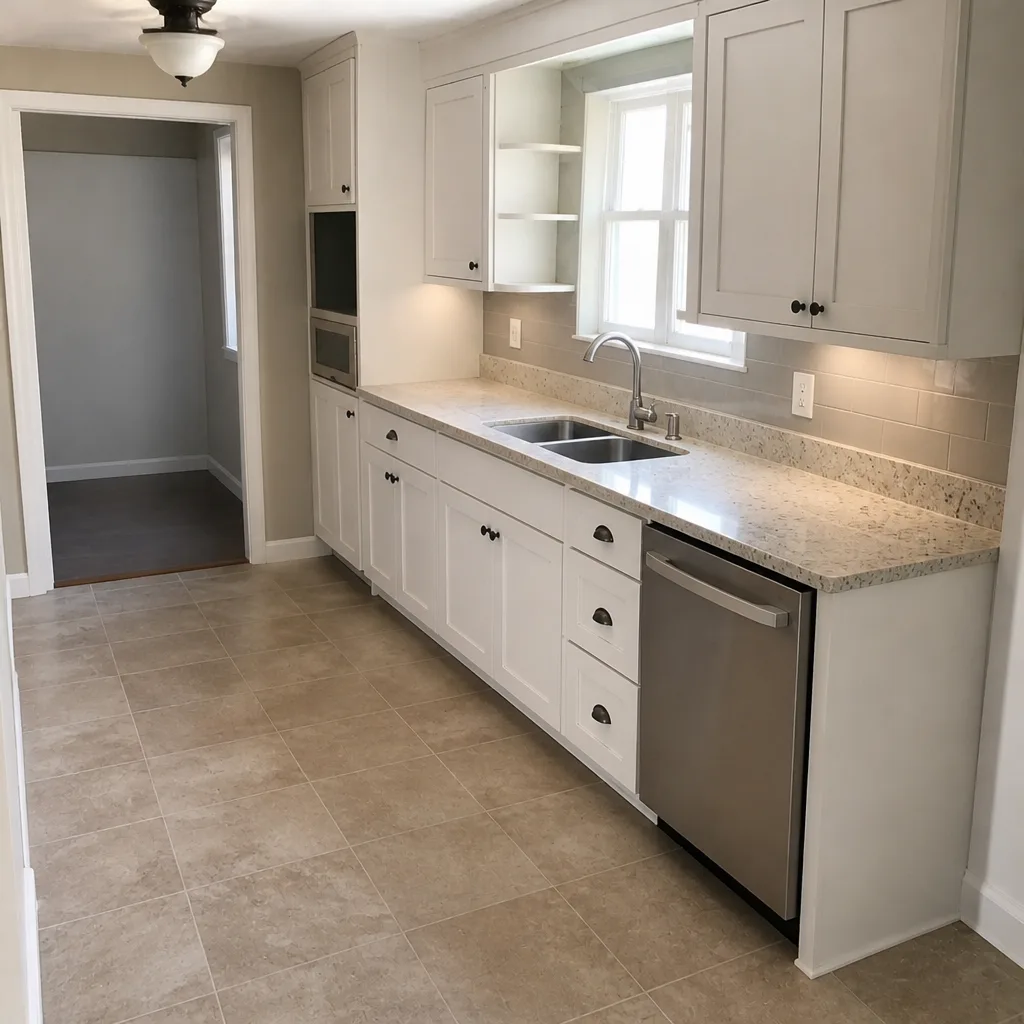 After
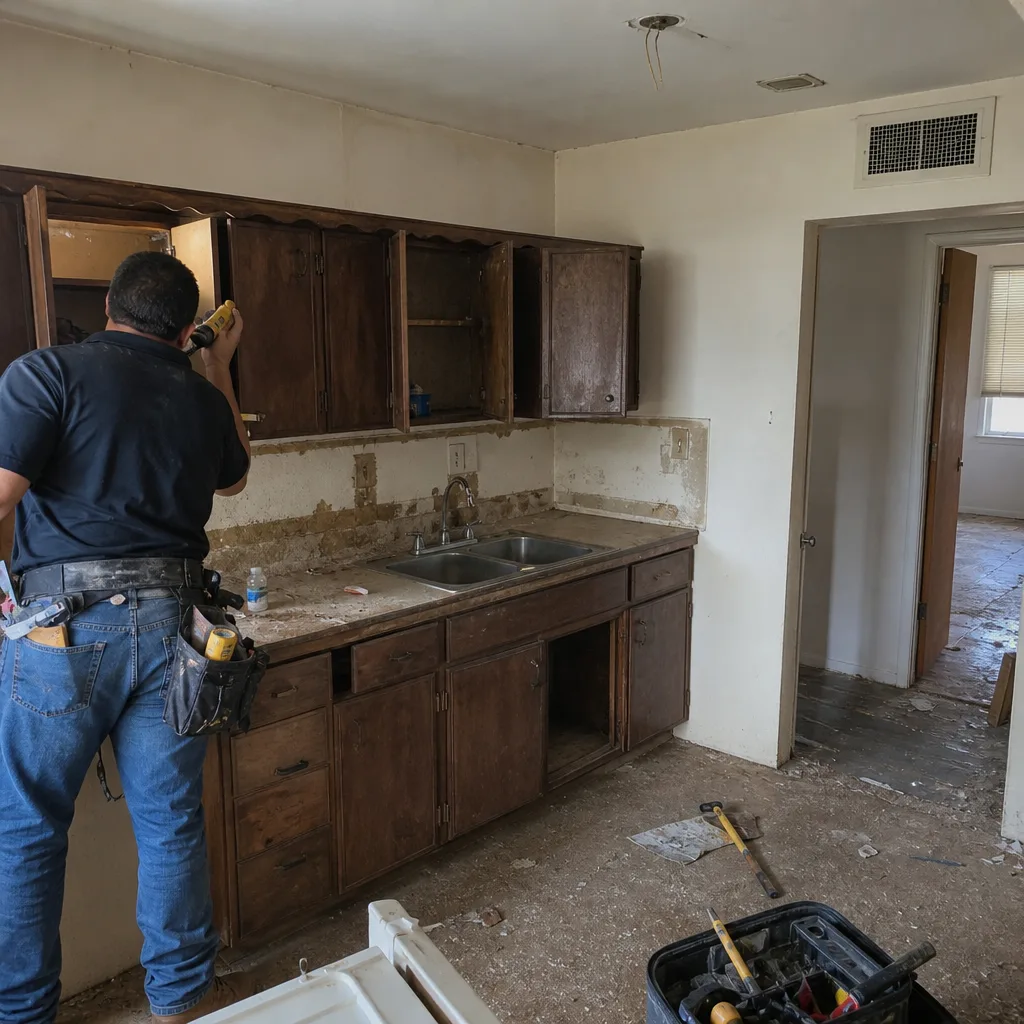 Before
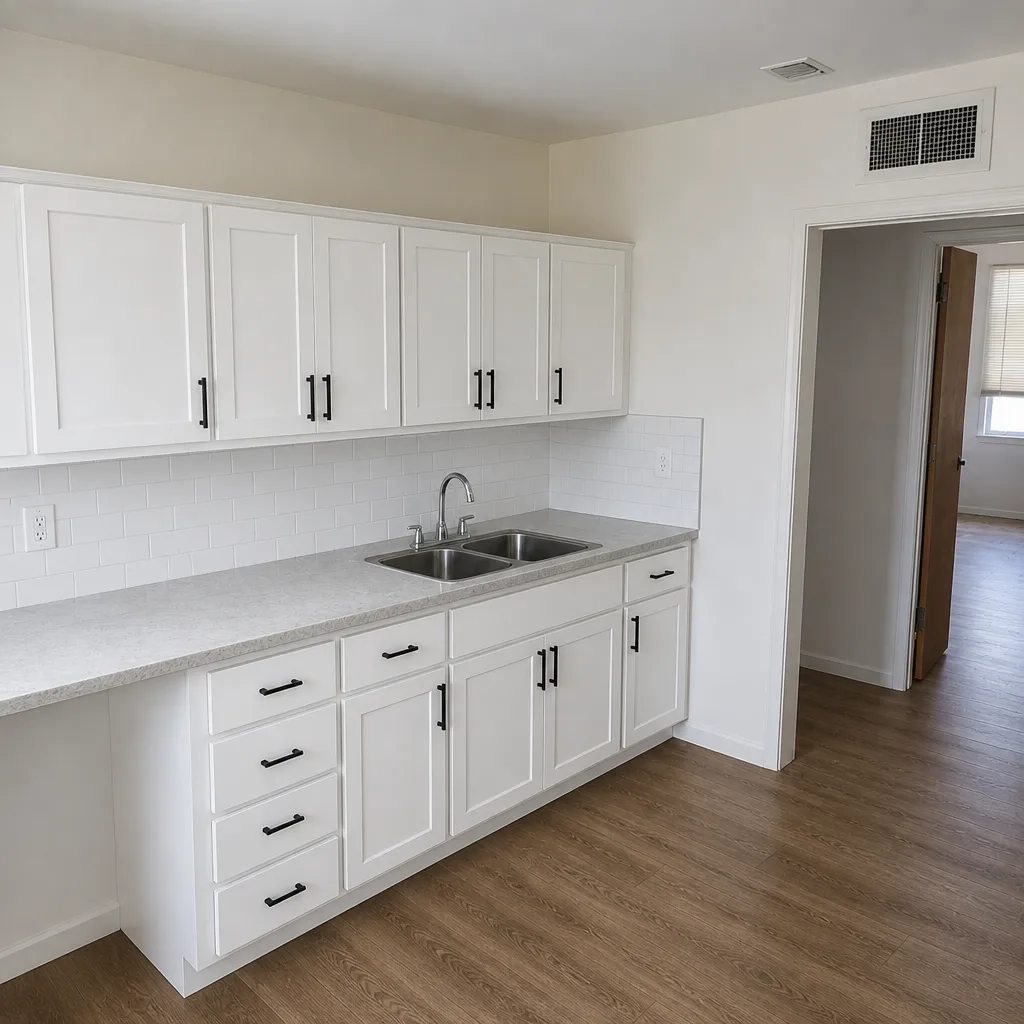 After
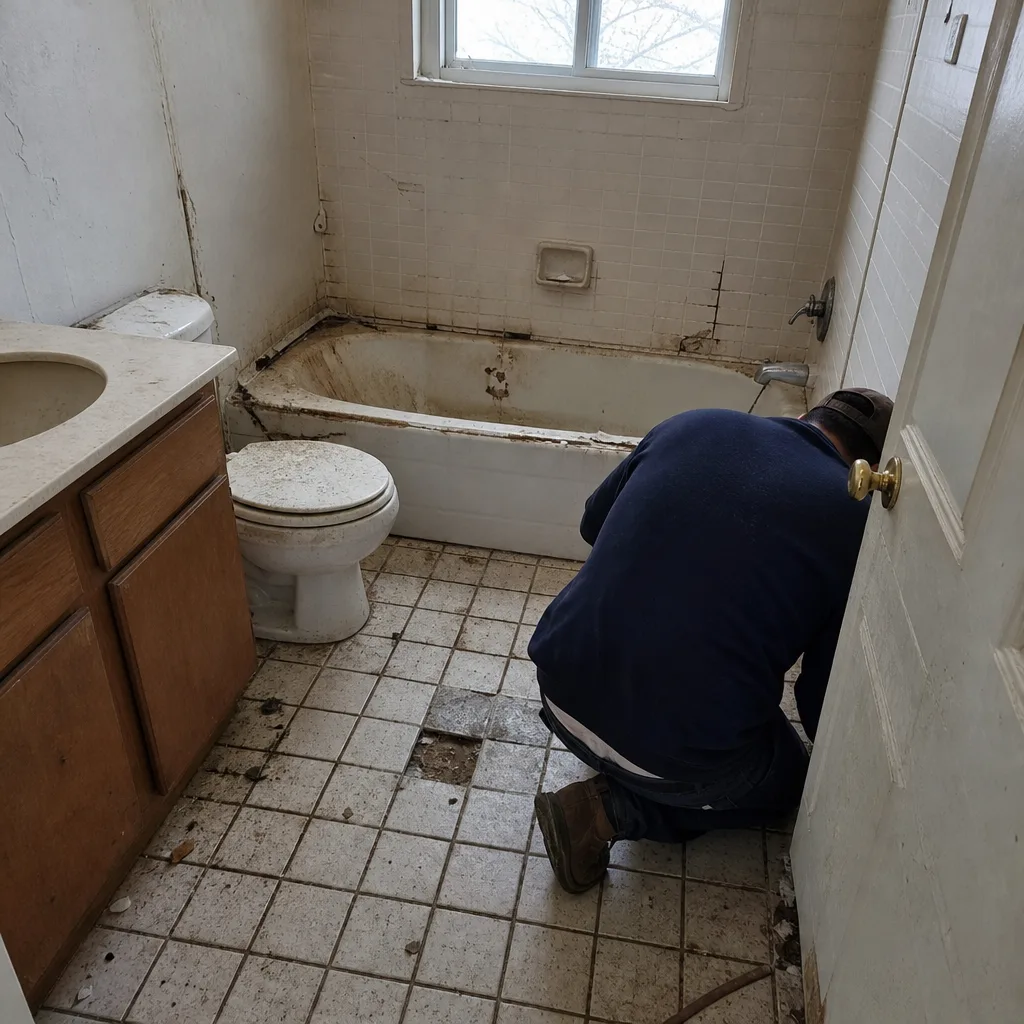 Before
 After
Frequently Asked Questions
Yes, Texas law allows a homeowner to act as their own general contractor on a home they live in, including pulling permits and coordinating the work. The restrictions are on the trades themselves: electrical, plumbing, gas, and mechanical work require a licensed contractor regardless of who pulls the permit. The home has to be your primary residence, and you’ll need to sign the owner-builder affidavit at the permit office.
Usually no. Most Texas homeowner policies include language requiring alterations and additions to be built to code with permits pulled. If a claim arises from unpermitted work, the carrier can deny coverage not just for the addition but potentially for the original structure. If you’re considering an addition in Arlington, pull the permits – it’s the cheapest insurance policy you’ll ever buy on the project. Call (888) 590-9867 for a free second opinion on any written estimate you’re holding.
Painting, finish carpentry, cabinet installation, and landscaping are the four areas where owner labor saves real money – typically $8,000-$18,000 on a 400-square-foot addition. The savings are meaningful. The list of work that looks DIY-safe but isn’t – electrical, plumbing, gas, framing, drywall taping – is longer than most homeowners expect going in.
A 400-square-foot addition in Arlington typically runs $104,000-$166,000 for full professional work, or $95,000-$158,000 with DIY-assist on the finishes. Brand of windows, finish level, and foundation type all move the number. Call (888) 590-9867 for an exact quote on your specific project – estimates are free.
Yes, if the home was built before 1978. Arlington has a large stock of 1950s and 1960s homes in neighborhoods like Dalworthington Gardens, Pantego, and the near-east side, and asbestos was commonly used in drywall compound, flooring, and pipe wrap in that era. Testing runs $300-$800 and must be done by an accredited lab before any demo begins. Skipping it creates a legal and health problem that’s much more expensive than the test itself.
Not on a properly written contract. Every price change should arrive as a written change order before work proceeds – that’s standard practice at Barrett & Sons. An allowance that isn’t on paper is a surprise waiting for a date, which is why we put every allowance in writing before the first nail. If your contractor can’t show you written change orders in their contract template, that’s a sign to look elsewhere.
For the surrounding exterior work that often comes with an addition, see our pages on Fence Installation in Arlington and the Barrett & Sons Construction Arlington home page for a full view of what we handle.
The Bottom Line
The DIY question in an addition isn’t really about what you can build. It’s about what you can legally touch and what your insurance will cover. The trades that carry real risk – electrical, plumbing, gas, HVAC, structural – require licensed contractors in Arlington, and doing them yourself can void a claim or block a sale. The work that’s actually safe to self-perform – painting, trim, cabinets, landscaping – saves real money in the range of $8,000-$18,000 on a typical addition. The honest answer: go DIY on the finishes, hire licensed on the structure. Ask anyone on your street, or look up the license number yourself.
Written by the team at Barrett & Sons Construction Arlington.