
Last updated November 17, 2026
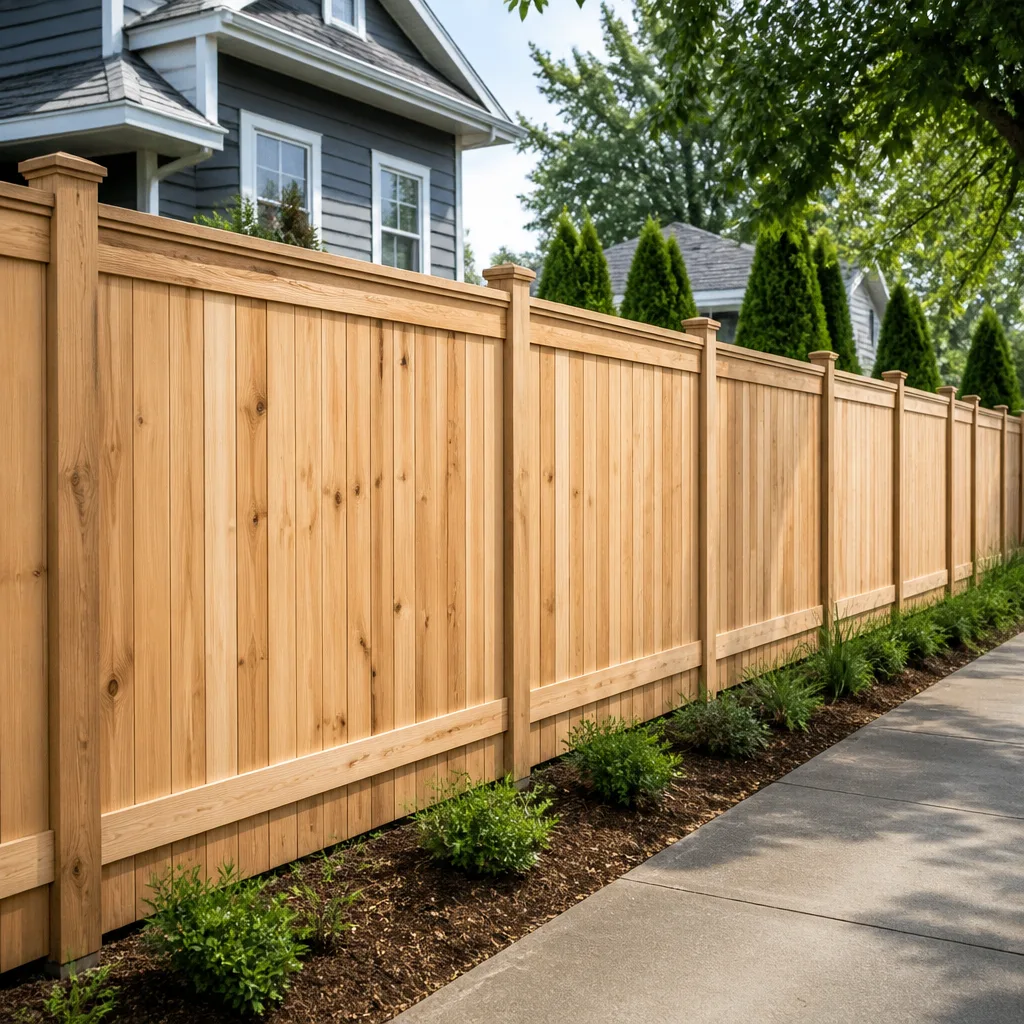 Fence
 Kitchen remodeling
 Bathroom remodeling
 Home additions & ADU
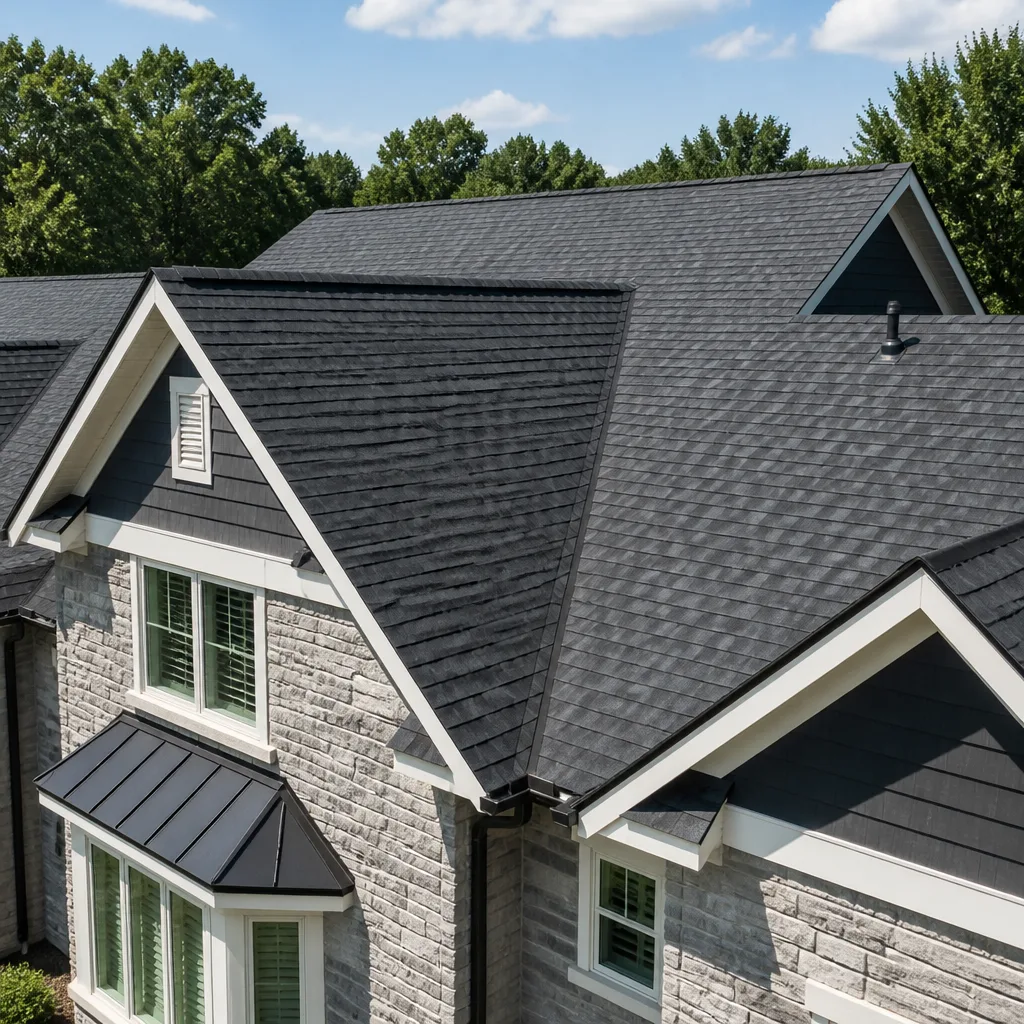 Roofing
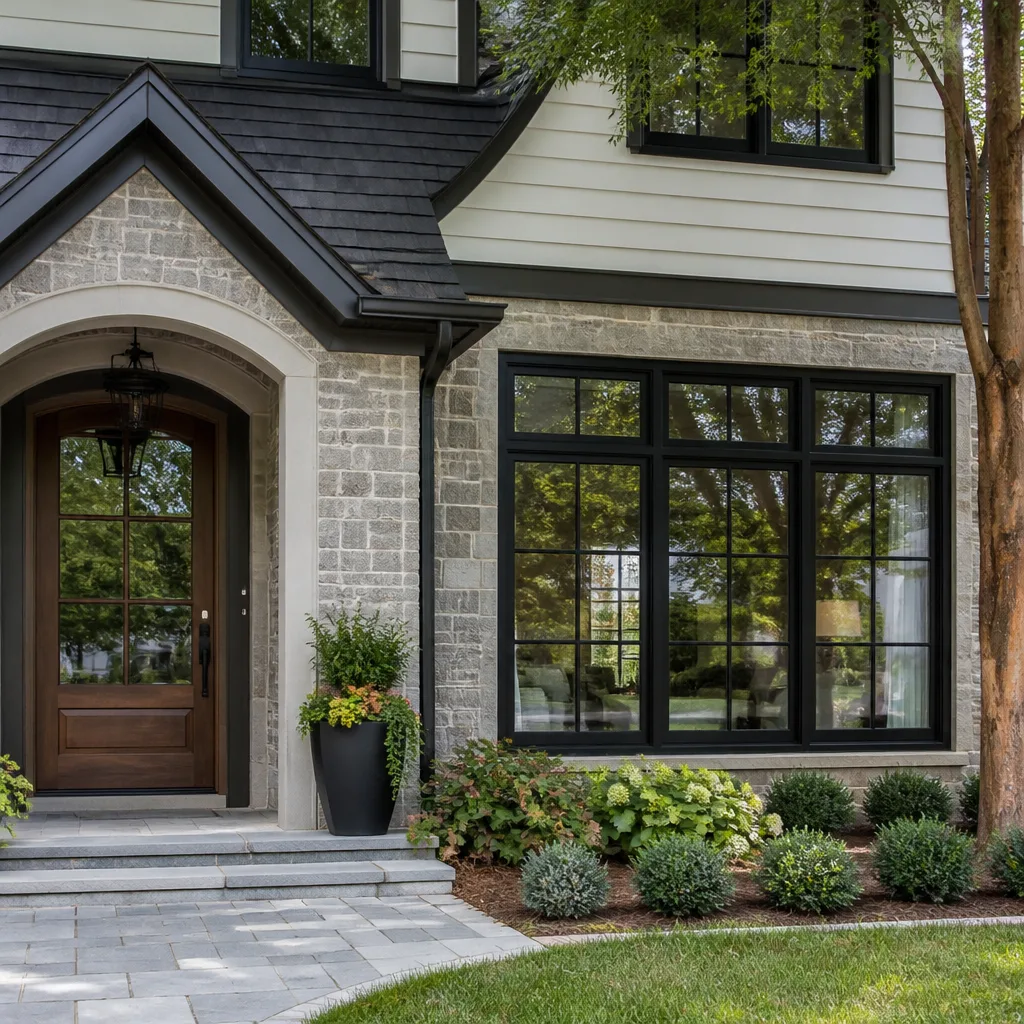 Windows & doors
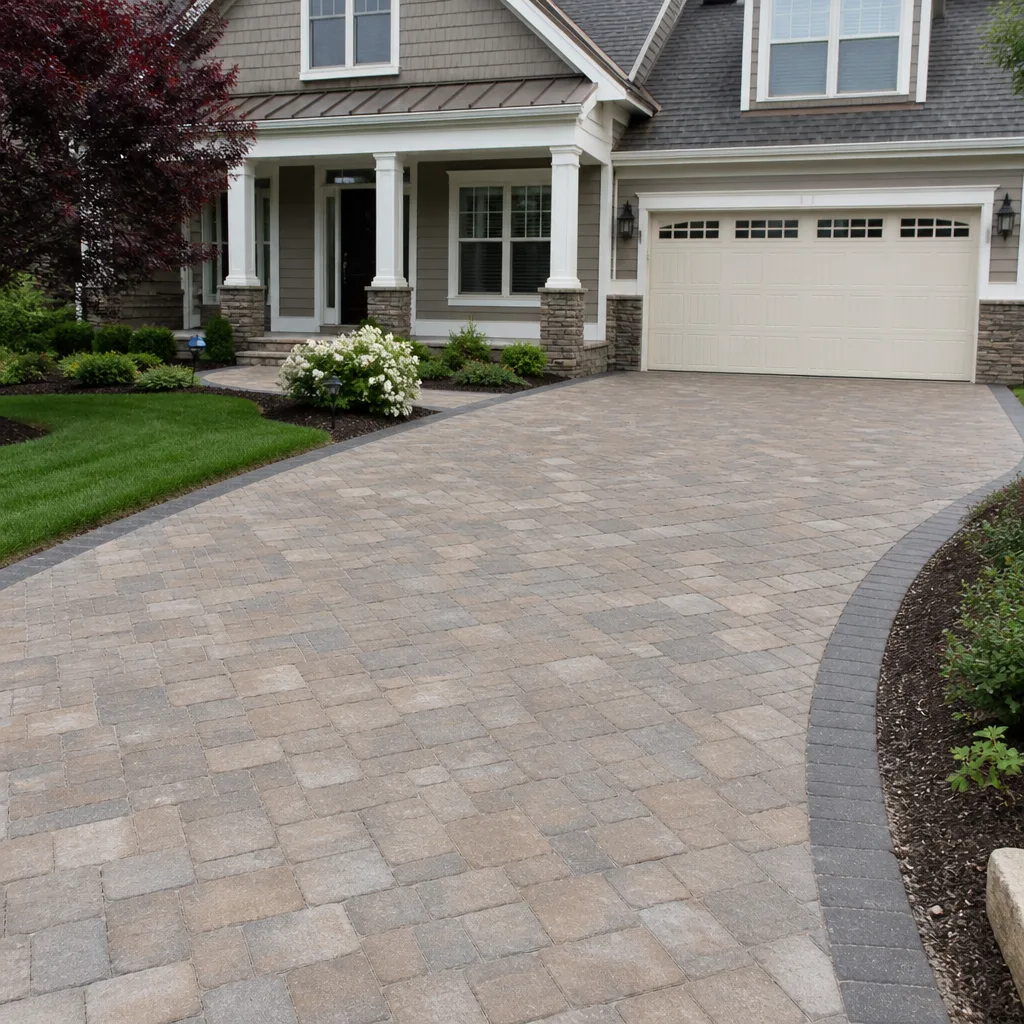 Driveway & pavers
Free written scope consultation - allowances, timeline, and change-order rules on paper before a single trade is scheduled
Fence Installation Troubleshooting: Common Problems and How to Fix Them
A leaning fence post set in concrete sounds like it should hold forever. But if the concrete collar sits at ground level instead of below the frost line, the clay soil underneath will push that post over every single wet season. That’s the part most homeowners never hear: the post didn’t fail because concrete is weak. It failed because the concrete was poured in the wrong place. In Arlington, we see the same handful of installation shortcuts turn into the same handful of problems, year after year, on street after street. This guide walks you through each one so you can trace a sagging gate or a warped board back to its real cause and fix it once, instead of patching it every spring.
Quick Answer
Most fence problems in Arlington come down to three installation mistakes: posts set too shallow for our clay soil, boards and rails spaced for a milder climate, and gates hung without bracing the frame. The fix is almost always to correct the underlying shortcut (post depth, frame spacing, or hardware anchoring) rather than replace the visible board or panel that failed. A proper repair resets the structure; a patch just hides the symptom until the next wet season.
Styles & brands we work with
- Kitchen remodeling
- Bathroom remodeling
- Home additions & ADU
- Roofing
- Windows & doors
- Driveway & pavers
- Fence
Table of Contents
- Why Arlington Fence Posts Lean (and the Concrete Depth That Stops It)
- Why Wood Fence Boards Warp in Texas Summers
- Gate Sag: Hinge, Post Anchor, or Frame Geometry?
- Vinyl Panels Popping Out of Rails in Extreme Heat
- Patch or Pull? How to Tell If a Repair Will Actually Hold
- What Arlington’s Soil and Climate Do to a Fence
Why Arlington Fence Posts Lean (and the Concrete Depth That Stops It)
The standard advice says bury a post one-third of its above-ground height in concrete. For an 8-foot post, that’s about 2.5 feet. In most of the country, that’s fine. In Arlington, it’s often not enough, because our clay soil expands when it’s wet and shrinks when it’s dry. That shrink-swell cycle works on the concrete collar from the side, and a shallow collar gives it a lever to push against.
The deeper issue is where the collar sits. If the concrete stops near ground level, the clay right below it has room to heave and tilt the whole assembly. A collar that extends well below the frost line and below the active soil zone gives the post something stable to grip, so the seasonal movement happens around the concrete instead of against it.
What we look for on a leaning post in Arlington:
- Collar depth. If the concrete stops within a foot or so of grade, the post was set for a milder climate, not for North Texas clay.
- Hole width. A collar that’s barely wider than the post has almost no bearing surface. It needs a proper bell of concrete around the post, not a thin sleeve.
- Drainage. Water pooling at the base softens the clay and speeds the lean. Posts set in low spots fail first.
- Post material. A rotted or split post won’t hold no matter how good the concrete is. Check the wood before you blame the pour.
If the post is sound but the collar is shallow, the honest fix is to pull the post, dig a deeper hole, and reset it with a collar that reaches below the active soil. Patching concrete around a leaning post at grade doesn’t correct the cause. It just delays the next lean. For a full look at how we set posts for this soil, see our Fence Installation in Arlington page.
Why Wood Fence Boards Warp in Texas Summers
Wood moves. In an Arlington summer, with weeks in the high 90s and humidity that swings from soaking to bone dry, it moves a lot. A board that warps, cups, or twists is usually responding to one of three things: the wood itself, the fasteners holding it, or the spacing of the frame behind it.
Here’s how to sort out which one is actually the problem:
- Look at the fasteners first. If nails are backing out or screws are pulling loose, the board is warping because nothing is holding it flat. Two fasteners per rail is a shortcut; it lets the board cup freely.
- Check the rail spacing. Rails set too far apart leave a long unsupported span in the middle of each board. That span is where warping starts. Closer rail spacing keeps boards flatter through the heat.
- Look at the wood grade. Lower-grade boards with loose knots and wild grain move more than tight, straight-grain stock. If half the fence is fine and half is a roller coaster, the wood is the variable.
- Check the moisture at install. Boards installed green (still wet from the mill) shrink and twist as they dry. Kiln-dried stock behaves better from day one.
So is the fix the boards, the fasteners, or the frame? Usually a combination, but the fasteners and frame are the parts you can correct without tearing the whole fence down. Re-securing loose boards with proper fasteners and adding a rail where spans are too long stops most warping in its tracks. Replacing boards without fixing the frame just gives you new boards to warp.
Gate Sag: Hinge, Post Anchor, or Frame Geometry?
A sagging gate is the most common fence complaint we hear in Arlington, and it’s also the one homeowners misdiagnose most often. The gate droops, so the instinct is to replace the hinges. Sometimes that works. Often it doesn’t, because the real problem is one of three different things, and only one of them is the hinge.
Here’s how to tell them apart:
- Hinge hardware. Open the gate halfway and let go. If it swings and the gap at the latch side closes or widens unevenly, the hinges are worn or undersized for the gate’s weight. This one is fixable without pulling the gate.
- Post anchor. Push the gate post. If the post itself moves or leans, the anchor is the problem, and no hinge adjustment will fix a post that’s giving way. The post needs to be reset or braced.
- Frame geometry. Look at the gate as a rectangle. If it’s sagging into a parallelogram, the frame has racked. That’s a bracing problem, not a hinge problem. A diagonal brace or a turnbuckle kit can often correct it without replacing the gate.
The good news is that two of the three (hinges and frame geometry) are usually repairable in place. Only a failing post anchor forces a bigger job. Diagnose before you buy hardware: a $15 set of hinges won’t fix a post that’s leaning, and a new post won’t fix a gate that’s racked out of square.
Vinyl Panels Popping Out of Rails in Extreme Heat
Vinyl fences are popular in Arlington because they don’t rot and they don’t need paint. But vinyl expands and contracts with temperature more than wood, and in a Texas summer that movement is significant. When a panel pops out of its rail, it’s almost always because the fit was too tight to begin with. The panel had nowhere to go when it expanded, so it pushed out.
The fix starts with the fit specs, not with forcing the panel back in:
- Panel-to-rail clearance. Vinyl panels need room to move inside the rail. A panel jammed tight top to bottom has no expansion room and will pop.
- Notched posts and routed rails. Panels should sit in routed channels sized for the panel, with the post caps and rail tabs doing the holding, not friction.
- Proper fastening. Rails fastened rigidly to posts transfer the expansion force straight into the panel. The right fasteners allow a little movement.
- Sun exposure. A fence that takes full afternoon sun on the west side will move more than one in shade. That’s normal; the installation has to allow for it.
If a panel has popped once, check the whole run for tight fits. Forcing the panel back into a too-tight rail just repeats the failure at the next heat wave. The durable fix is to correct the clearance and re-seat the panel so it has somewhere to expand. This is also a good moment to check your Driveway & Pavers in Arlington work if the fence meets a paver edge, since a panel that’s binding against hardscape is a common cause of popping.
Patch or Pull? How to Tell If a Repair Will Actually Hold
Not every fence problem needs the post pulled. Some are legitimately small fixes. The trick is knowing which is which, because patching the wrong problem is how homeowners end up fixing the same fence every year.
Use this checklist to decide:
- Is the post sound? Push on it. If it’s solid and vertical, the problem is above grade and a patch can hold. If it moves, wobbles, or shows rot at the base, it needs to come out.
- Is the lean recent or old? A post that leaned a little this season may be fixable with bracing and drainage correction. One that’s been leaning for years has probably compromised the collar.
- Is the concrete cracked or separated? A collar that’s cracked away from the post has lost its grip. Patching the surface doesn’t restore that grip.
- Does the same problem repeat? If you’ve re-secured the same board or re-hung the same gate more than once, the underlying cause was never fixed. Stop patching and reset.
- Is the fence at the end of its life? Sometimes the honest answer is that the whole run has reached the age where piecemeal repair costs more than a reset. That’s a conversation worth having with a straight answer, not an upsell.
In our experience, a fence board or panel replacement is a real repair when the frame and posts are sound. A post reset is the right call when the post itself is the failure. Anything in between is a judgment call, and it’s the kind of judgment a crew that’s set thousands of posts in this soil can make quickly. If your fix touches a larger structure, our Home Additions & ADU in Arlington team often sees fence posts that were never set to carry a load, which is a separate problem worth checking.
What Arlington’s Soil and Climate Do to a Fence
Arlington sits on expansive clay soil, the kind that swells when it’s wet and shrinks and cracks when it dries. That cycle is the single biggest reason fences here fail differently than they do in sandier parts of the country. A post set for a stable soil profile can be pushed and pulled seasonally in clay until the concrete collar loses its grip.
Add the climate. Summers bring long stretches of high heat that dry the clay hard and bake the wood, and the wet season can dump enough rain to soften the top layer fast. A fence in Arlington is working against both, which is why post depth, drainage, and material choice matter more here than the standard one-third rule accounts for. If you’re planning hardscape near the fence line, our Barrett & Sons Construction Arlington home team can look at how the two meet so the fence isn’t fighting the pavers. Techo-Bloc and Tremron edge restraint systems, for example, are set differently than a loose paver border, and a fence post that leans into a rigid paver edge will crack it.
One more thing that matters in Arlington: permits. Fence height and placement rules in this city mean an eligible job should be permitted and inspected. The permit inspector works for you, not for us, and that inspection is one of the few parts of a fence project you actually want a stranger looking at. A crew that skips permits is often the same crew that skipped the post depth.
Common Mistakes to Avoid
- Setting posts at the standard one-third depth in clay. That rule assumes stable soil. In Arlington clay, the collar needs to go deeper or the post will lean. Depth is the number one thing to get right.
- Patching concrete at grade around a leaning post. It hides the lean and does nothing for the cause. The post needs a proper collar below the active soil, not a fresh skin at the surface.
- Using too few fasteners on boards. Two fasteners per rail lets boards cup and twist. More fasteners, properly spaced, keep wood flatter through the heat.
- Forcing a vinyl panel back into a tight rail. If it popped once, it had nowhere to expand. Correct the clearance instead of jamming it home.
- Replacing a gate hinge when the post is the problem. Push the post before you buy hardware. A new hinge on a moving post is money spent on the wrong fix.
- Hanging a gate without a diagonal brace. A rectangular gate with no bracing racks into a parallelogram. Bracing the frame at install prevents the sag.
- Skipping the permit and inspection. An eligible fence job should be permitted and inspected. The paperwork protects you, and it’s a sign the crew did the job right in the first place.
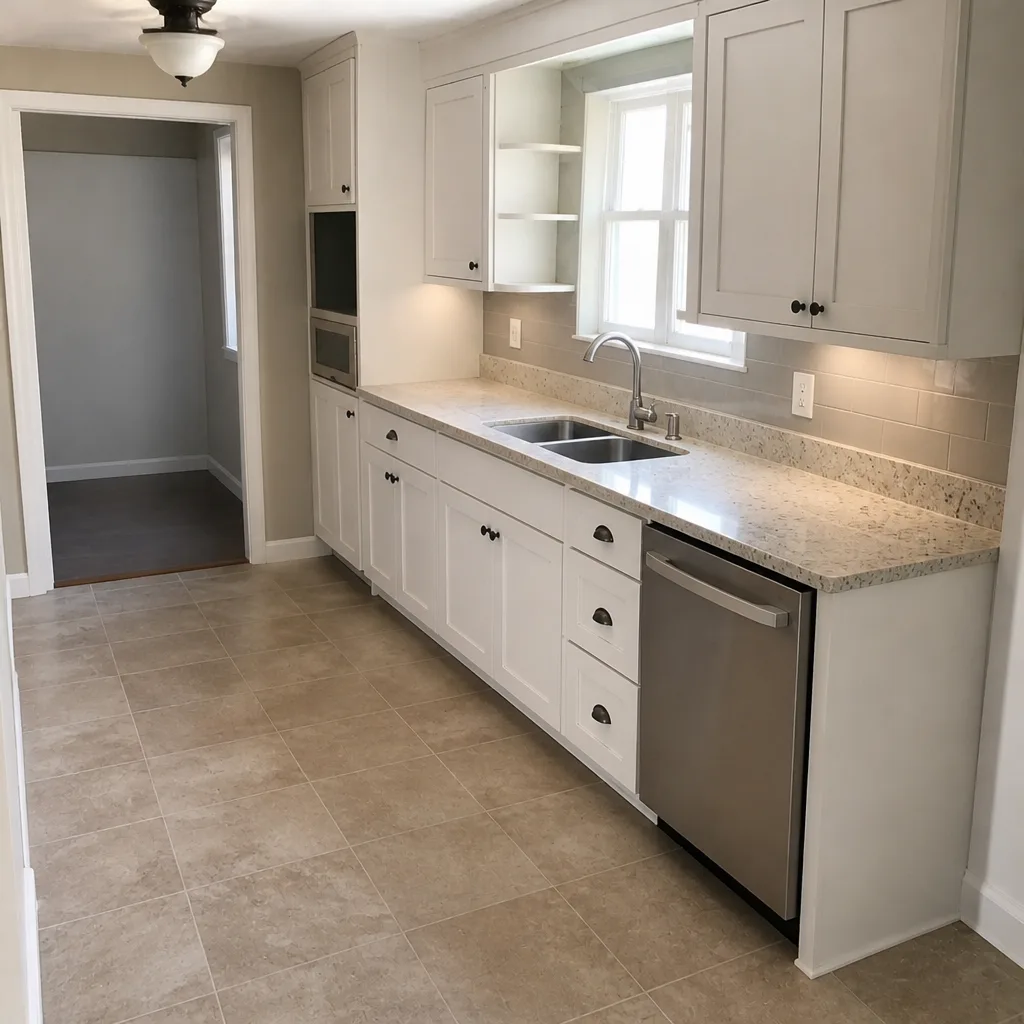
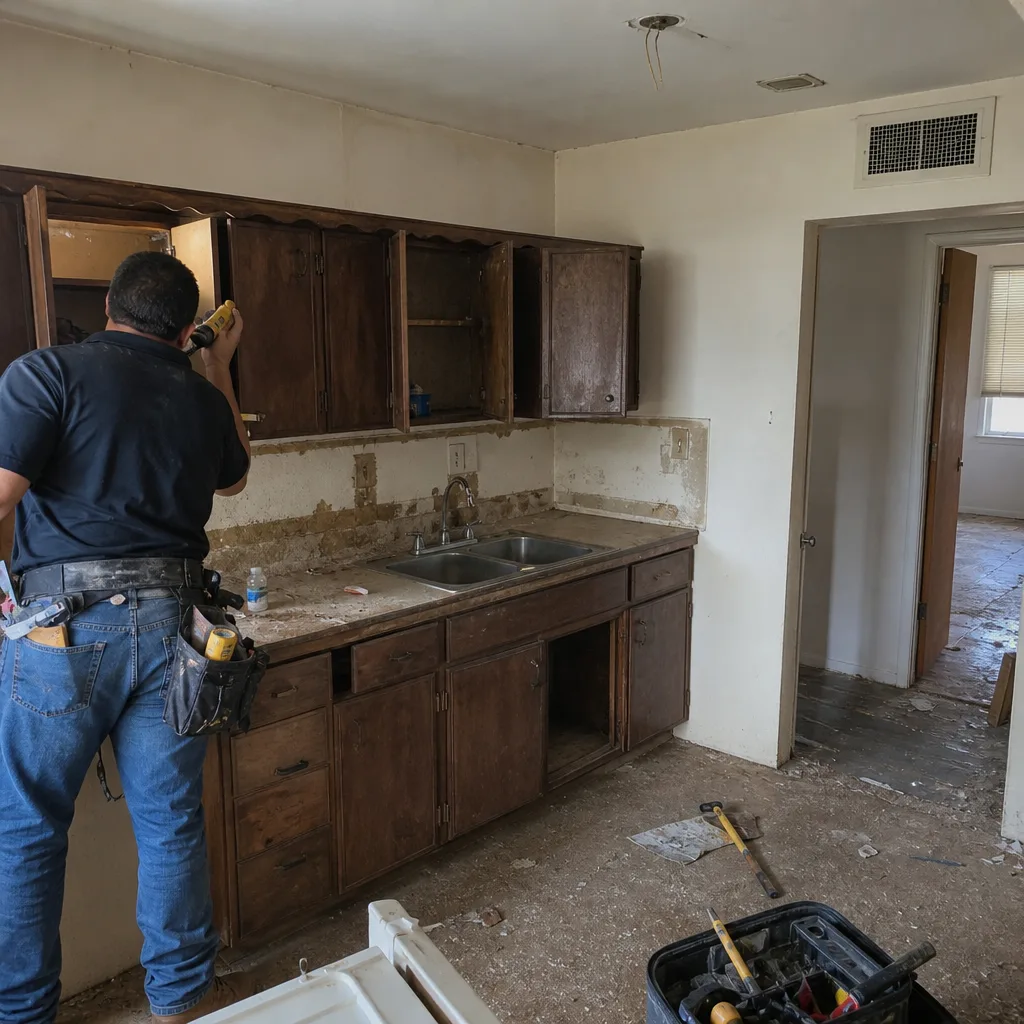
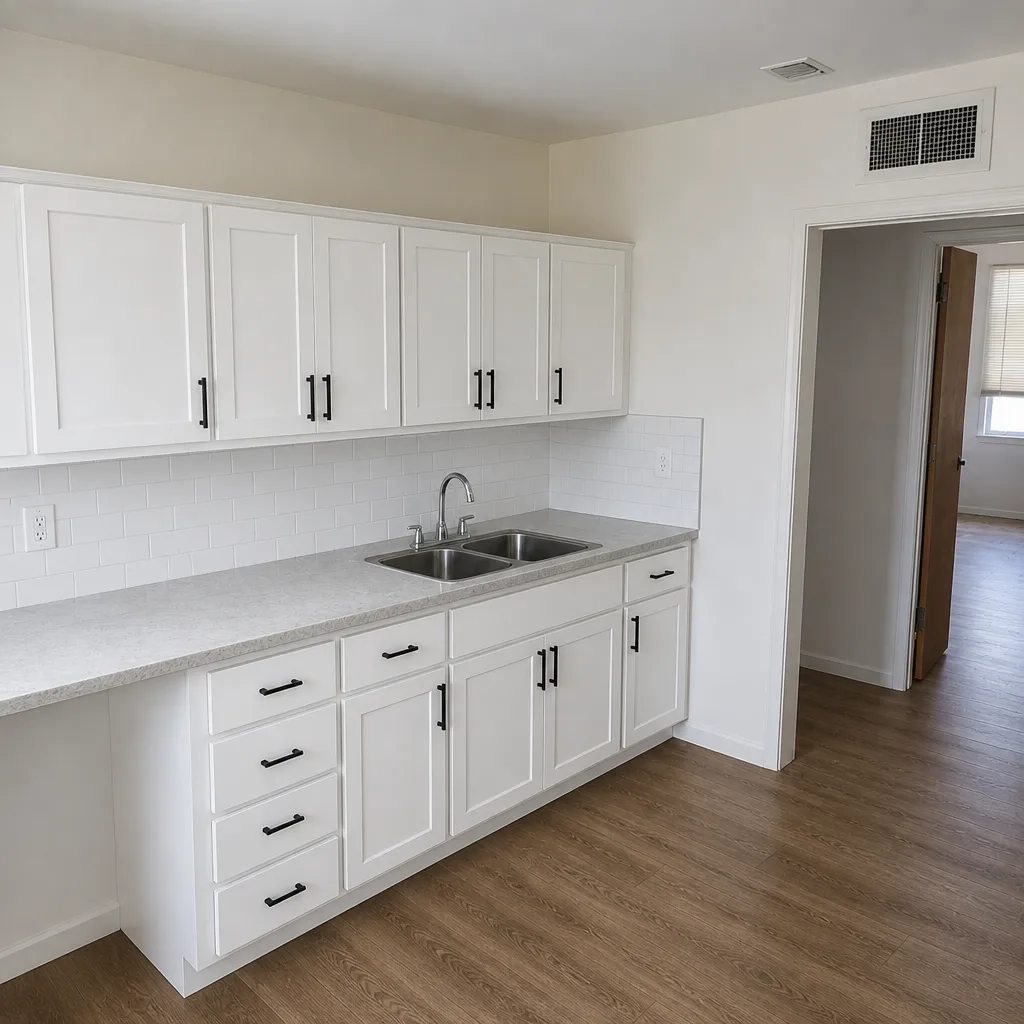
See the difference
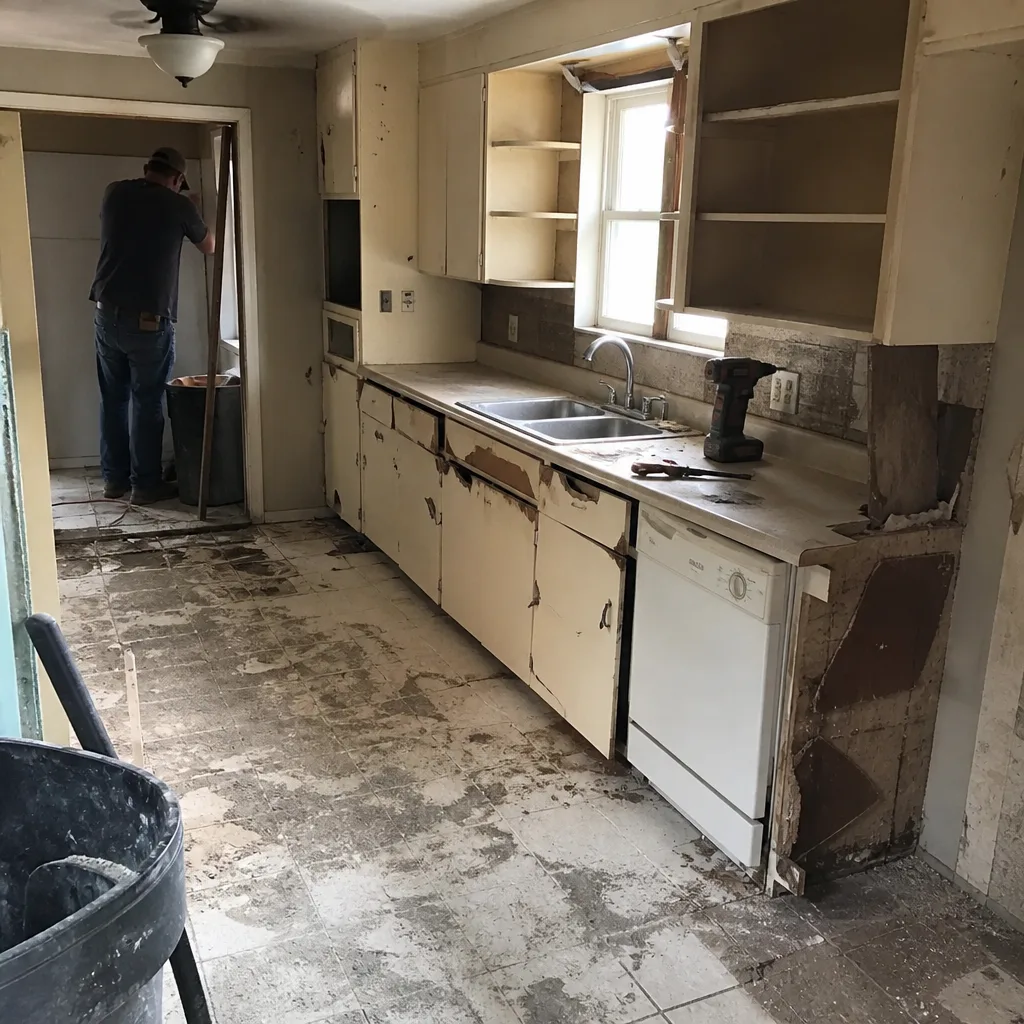 Before
 After
 Before
 After
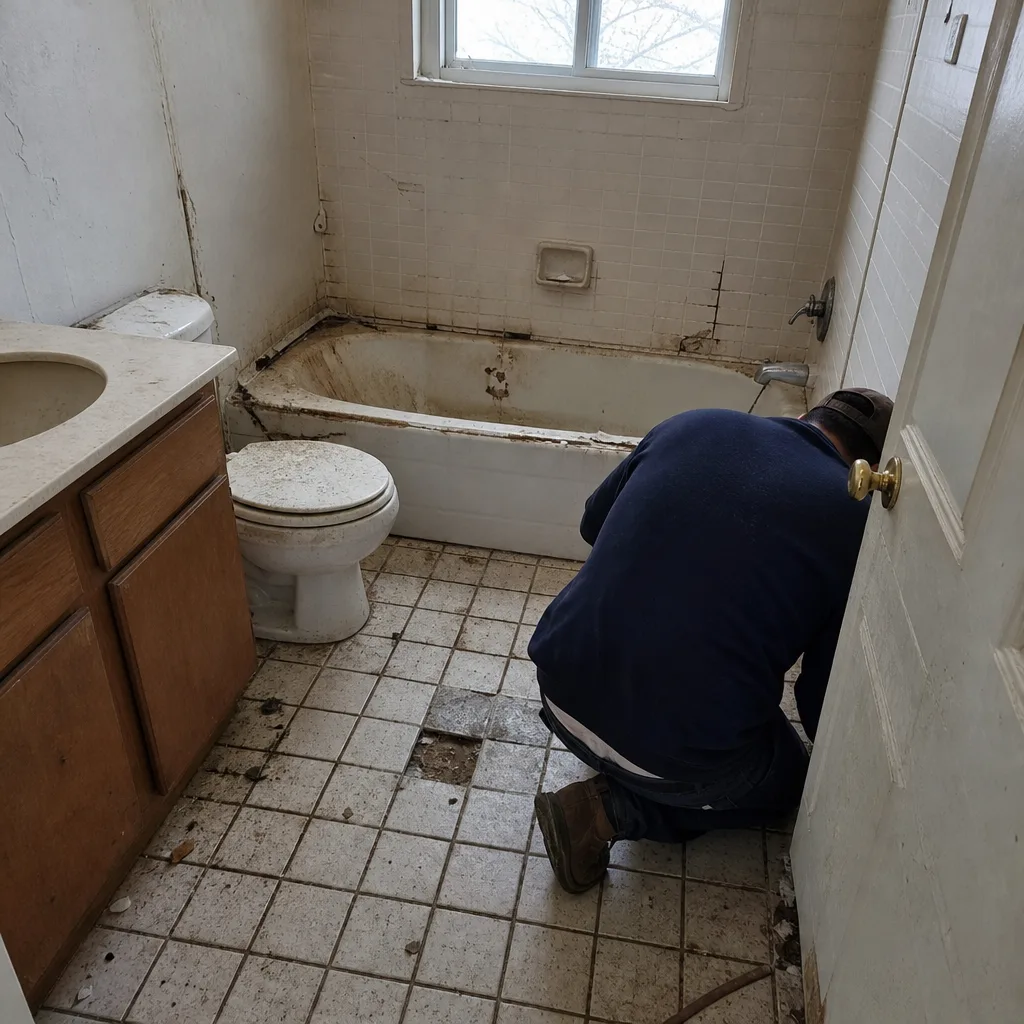 Before
 After
When to Call a Professional
Some fence problems are honest weekend fixes: a loose board, a gate that needs new hinges, a panel that needs re-seating. Others aren’t. Call a professional when a post moves in the ground, when the concrete collar has cracked away from the post, when the same repair has failed twice, or when a gate problem traces back to the post anchor or the frame geometry. Those fixes involve pulling posts, resetting collars, and re-bracing gates, and doing them wrong costs more than doing them right the first time. Pulling a post that’s set in concrete is heavy, awkward work, and a post set at the wrong depth just fails again. If your fence touches paver work from a company like Techo-Bloc or Tremron, have the two looked at together so the fix doesn’t crack the hardscape.
Barrett & Sons Construction Arlington offers free estimates in Arlington. We pull permits on every eligible job, put scope and allowances in writing, and back completed work with our written 90-Day Done Right Promise. Call (888) 590-9867 to schedule your free estimate. Prefer a second opinion on a written estimate you already have? That’s free too.
Frequently Asked Questions
Resetting a single leaning fence post in Arlington typically runs a few hundred dollars when one post is pulled, the hole dug to proper depth, and the post reset in a new concrete collar. A run of several posts costs more in labor and concrete. The bigger variable is whether the old post can be reused or needs replacing. Call (888) 590-9867 for an exact quote – estimates are free.
Not without your written sign-off. Every price change on a Barrett & Sons job arrives as a written change order before any work happens, so there are no surprise invoices at the end. Scope and allowances are in writing from the start, because an allowance that isn’t on paper is a surprise waiting for a date.
Yes. Every eligible fence job gets permitted and inspected. Fence height and placement rules in Arlington mean a permitted job protects you if a neighbor or the city has questions later. The permit inspector works for you, not for us, which is exactly why we like the inspection.
Deeper than the standard one-third rule. Our clay expands and shrinks with the seasons, and a collar that stops near ground level gives that movement a lever. Posts should be set with a concrete collar that reaches well below the active soil zone, with enough bell width to bear against the clay instead of sliding through it.
Heat expansion with no room to move. Vinyl panels need clearance inside the rail; when they’re installed too tight, a Texas summer pushes them out. The fix is to correct the panel-to-rail fit and re-seat the panel, not to force it back into the same tight channel. If it’s happened more than once, the whole run is worth checking.
Usually yes. If the problem is worn hinge hardware or a racked frame, both can be corrected in place with new hardware or added bracing. If the gate post itself is moving, the post needs to be reset or braced, and that’s a bigger job but still not a full gate replacement. Diagnose which of the three it is before buying parts.
The Bottom Line
Fence problems in Arlington aren’t bad luck. They’re the predictable result of installation shortcuts: posts set too shallow for clay soil, boards and rails spaced for a milder climate, gates hung without bracing, vinyl panels fit too tight to expand. Once you know which shortcut caused which symptom, the fix is usually a targeted correction, not a full replacement, as long as you catch it before the structure is compromised. Adjust the cause, not just the symptom, and the fence stops asking for the same repair every year. Our team at Barrett & Sons Construction has set and reset a lot of fence posts in this soil, and we’re glad to look at yours.
Written by the team at Barrett & Sons Construction Arlington.