
Last updated November 17, 2026
 Home additions & ADU
 Kitchen remodeling
 Bathroom remodeling
 Roofing
 Windows & doors
 Driveway & pavers
 Fence
Free written scope consultation - allowances, timeline, and change-order rules on paper before a single trade is scheduled
Home Additions & ADU Maintenance Schedule: What to Do and When
The caulk line where your new addition meets the original roofline isn’t decorative. It’s doing waterproofing work, and in a DFW summer that swings 100 degrees over twelve months, that joint is expanding and contracting every single day. Most maintenance guides are written for single-build homes, so they never mention the seam where new construction meets old. That seam needs more attention in years one through five than any other part of the structure. Here’s the schedule we give homeowners across Arlington after an addition or ADU is signed off: what to check, when to check it, and the warning signs that mean stop what you’re doing and make a call.
Quick Answer
A home addition or ADU needs a focused maintenance pass every season in its first five years, with the most attention paid to the tie-in zone where new construction meets the original house. Schedule roof flashing and exterior caulk inspections twice a year, interior drywall checks at the junction wall annually, HVAC filter changes every 60 to 90 days to account for the added load, and foundation benchmark readings in spring and fall. ADU systems like mini-splits, tankless water heaters, and sub-panels have their own service intervals separate from the main house.
Styles & brands we work with
- Kitchen remodeling
- Bathroom remodeling
- Home additions & ADU
- Roofing
- Windows & doors
- Driveway & pavers
- Fence
Table of Contents
- Year-One Checklist for the Tie-In Zone
- The DFW Seasonal Calendar
- HVAC Load After an Addition
- Foundation Monitoring on North Texas Clay
- ADU-Specific Maintenance
- Roof Flashing and Exterior Seals
- Common Mistakes to Avoid
- When to Call a Professional
Year-One Checklist for the Tie-In Zone
Year one tells the truth about an addition. Everything is still settling, materials are still acclimating to Texas humidity, and the seam between old and new is working hardest. Walk this list at the six-month mark and again at twelve months.
- Inspect roof flashing at the tie-in. Get on a ladder or have someone look from grade with binoculars. The step flashing and counter-flashing where the addition roof meets the original wall should be tight, with no lifted edges or daylight visible underneath.
- Check every exterior caulk joint. That includes the vertical seam where siding meets the original wall, penetrations for outlets and hose bibs, and the joint under trim boards. Press a fingernail into the bead. If it’s brittle or has pulled away, it’s failing.
- Look at the interior junction wall. Hairline cracks at the corner where the new drywall meets the old are normal in year one as framing dries. Cracks wider than a credit card or cracks that open repeatedly in the same spot deserve a closer look.
- Check door and window operation. Doors that suddenly stick or windows that won’t latch in the addition suggest movement that’s worth measuring.
- Verify grading and drainage. The soil around new footers should slope away from the structure at a minimum of six inches over the first ten feet. Settled trenches from the build are the most common drainage fix after year one.
If any of this lands during a stretch of typical Arlington summer heat, expect to see more movement than a cooler month would show. That’s the climate talking, not necessarily a defect. Write down what you see and when you saw it. A record of observations is worth more than a memory when you call anyone.
The DFW Seasonal Calendar
North Texas has four seasons that each stress an addition in a different way. Here’s what to check and when.
Spring (March through May)
- Walk the exterior after the first big rain. Look for staining on the original brick below the tie-in that wasn’t there last year.
- Check the ground around new footers for ponding after storms. Water sitting against a slab is the leading cause of the problems we get called out for.
- Have the AC serviced before the first 95-degree week. Once we’re in June, schedules fill up.
Summer (June through September)
- Watch the caulk joints on south and west-facing walls. That’s where UV and heat load do the most damage.
- Change HVAC filters more often. A house with an addition and an undersized return will clog filters faster than the original schedule.
- Note interior cracks that appear or widen. Clay soil shrinking in the heat is a known pattern here.
Fall (October through November)
- This is the dry spell that cracks clay soil and pulls footers down. Check for new gaps under exterior doors and baseboards.
- Have the roof inspected once before winter. A loose shingle on the addition roof is cheap to fix now and expensive in February.
- Clear gutters and downspouts. Water that can’t get away from the foundation is the enemy.
Winter (December through February)
- After the first hard freeze, check every exterior penetration and hose bib for splits.
- Re-inspect caulk joints once temperatures warm to the 50s. Freeze-thaw cycles open seams that were fine in September.
- If you have an ADU, verify its heat source is running before the first freeze warning. A mini-split that hasn’t been serviced in two years is more likely to fail on the coldest night.
HVAC Load After an Addition
Most homeowners never recalibrate their HVAC habits after adding square footage. The system that kept a 1,800-square-foot house comfortable is now working on 2,400, or it’s a separate system serving the addition only. Either way, the maintenance intervals change.
Change filters every 60 to 90 days if the addition shares the main system. If the addition got its own unit, treat that unit as a second system with its own filter schedule. Have a technician check static pressure and airflow in the original ductwork at the one-year mark. We’ve seen plenty of additions in Arlington where the original return was undersized for the new load, and the first symptom is always a filter that clogs in three weeks. Duct cleaning isn’t mandatory on a schedule, but if you notice dust or a musty smell in the new rooms, have the ducts inspected and sealed at the junctions. One more thing: if you have a zoned system, check that the dampers actually cycle through both zones in summer and winter. A stuck damper means one side of the house is doing all the work.
Foundation Monitoring on North Texas Clay
We build on expansive clay here in Arlington and across Tarrant County. That clay swells when it’s wet and shrinks when it’s dry, and it moves more under a new footer in the first three years than it will afterward. Setting a simple benchmark takes thirty minutes and gives you real data instead of guesswork.
- Establish a benchmark at the corner of the addition. Scribe a small pencil mark on the exterior brick or siding at a fixed reference point, like the top of a hose bib or a foundation vent. Photograph it with a tape measure in the frame.
- Repeat the photo twice a year, in spring after the wet season and fall after the dry spell, from the same spot and the same angle.
- Compare. Movement of less than a quarter inch between seasons is typical and not a cause for alarm. Movement of a half inch or more, or movement that stays put and doesn’t reverse, is worth a professional look.
- Watch the interior at the junction. Doors that stick in August and free up in November are telling you the slab is moving with the soil. Doors that stick year-round are telling you something else is going on.
Keep the soil moisture even around the addition. Soaker hoses run on a timer through the dry months, and no big mulch piles against the slab, will do more for foundation stability than most products on the market. We’ve watched a full summer of neglect do more damage to a new addition footer than a single wet winter ever will.
ADU-Specific Maintenance
An ADU is a second home on the same lot, and that means a second set of systems most people forget to service. The sub-panel, mini-split, and tankless water heater all have their own schedules, and none of them show up on the maintenance checklist the original house trained you to run.
- Mini-split: Clean or replace filters monthly during heavy use. Have the coils cleaned annually, and check the condensate drain line every spring. A clogged drain line is the most common AC call we handle in ADUs.
- Tankless water heater: Flush the heat exchanger once a year to remove mineral scale. North Texas water runs hard, so annual is the interval we recommend, not the “every two or three years” some manuals suggest.
- Sub-panel: Have a licensed electrician do a visual inspection of the panel and torque the breakers at the three-year mark. That’s not a DIY job. Panel work carries real shock and arc-flash risk, and it’s the kind of thing that should be done by someone who does it every day.
- Smoke and CO detectors: Test monthly and replace batteries twice a year. An ADU is a separate dwelling, and that means its own alarms, tested on their own timeline.
- Exterior envelope: The ADU tie-in to the main house needs the same caulk and flashing checks as any addition, on the same spring and fall schedule.
Roof Flashing and Exterior Seals
Roof flashing is the first line of defense at the tie-in, and caulk is the second. Both need attention twice a year, once in spring and once in fall, because the Texas sun and the winter freeze each take a turn at the same joints.
When you hire any exterior work done on an addition, we install GAF and CertainTeed roofing systems because those are materials you can look up and verify, and their published installation specs are what an inspector will check against. For caulk, use a quality polyurethane sealant rather than a cheap painter’s caulk on exterior seams. Quikrete and Sakrete both make patching and repair products that are readily available and hold up to Texas weather, and they’re what we spec on touch-up work. Re-caulk a joint when the old bead has cracked, pulled back, or feels hard to the touch. Clean the joint out before applying new material. Layering fresh caulk over failing caulk is one of the most common mistakes we see, and it doesn’t fix anything.
If you’re planning ongoing maintenance around the exterior of an addition, it’s also worth walking the Driveway & Pavers in Arlington surfaces that tie into the build. Pavers near new footers can settle in the first year, and a quick check after spring rains catches it early.
Common Mistakes to Avoid
- Treating the tie-in like the rest of the house. The seam between new and old takes more wear than any other wall in the structure. Inspect it every season, not once a decade.
- Caulking over failing caulk. Fresh material won’t bond to old material that has lost adhesion. Clean the joint out first, or the repair fails within a season.
- Keeping the original HVAC filter schedule. More square footage means more load and faster filter clogging. Bump the interval to 60 to 90 days and adjust from what you see.
- Ignoring ADU systems. The mini-split and tankless heater in an Arlington ADU need their own service calendar. If they’re not on the list, they don’t get serviced.
- Letting clay soil dry out completely. A summer of cracked dirt pulls footers down. Soaker hoses and consistent moisture around the addition prevent the expensive repair later.
- Skipping the benchmark photos. Without a baseline, you can’t tell if a door sticking in August is normal seasonal movement or a real problem. Set the benchmark in year one and take the photos twice a year.
- Not pulling a permit on tie-in repairs or alterations. Many homeowners are told permits are optional. They’re not. If work moves a wall, run a new circuit, or changes the roofline, the inspector needs to see it. The permit inspector works for you, not the contractor.
When to Call a Professional
Call a professional when you see any of the following around your addition or ADU in Arlington. Water staining on interior drywall near the tie-in, especially after heavy rain. Caulk joints that fail within weeks of repair, which usually means the underlying flashing has a problem. Doors or windows in the addition that stick year-round instead of seasonally. A mini-split or tankless heater that’s throwing codes. Any concern about the electrical sub-panel in an ADU. And any crack in the junction wall wider than a credit card, or one that widens in the same spot more than once.
Barrett & Sons Construction Arlington offers free estimates in Arlington. Call (888) 590-9867 if you want a second look at anything in this guide. If you’re looking further out on the addition itself or narrowing down what a project like this should cost, start with our Home Additions & ADU in Arlington page. If the fence around the addition has taken a beating from the same weather, our Fence Installation in Arlington team handles repair and rebuild as well. Everything from Barrett & Sons comes with a written scope and written change orders before any work begins, and every eligible job is backed by the 90-Day Done Right Promise.
See the difference
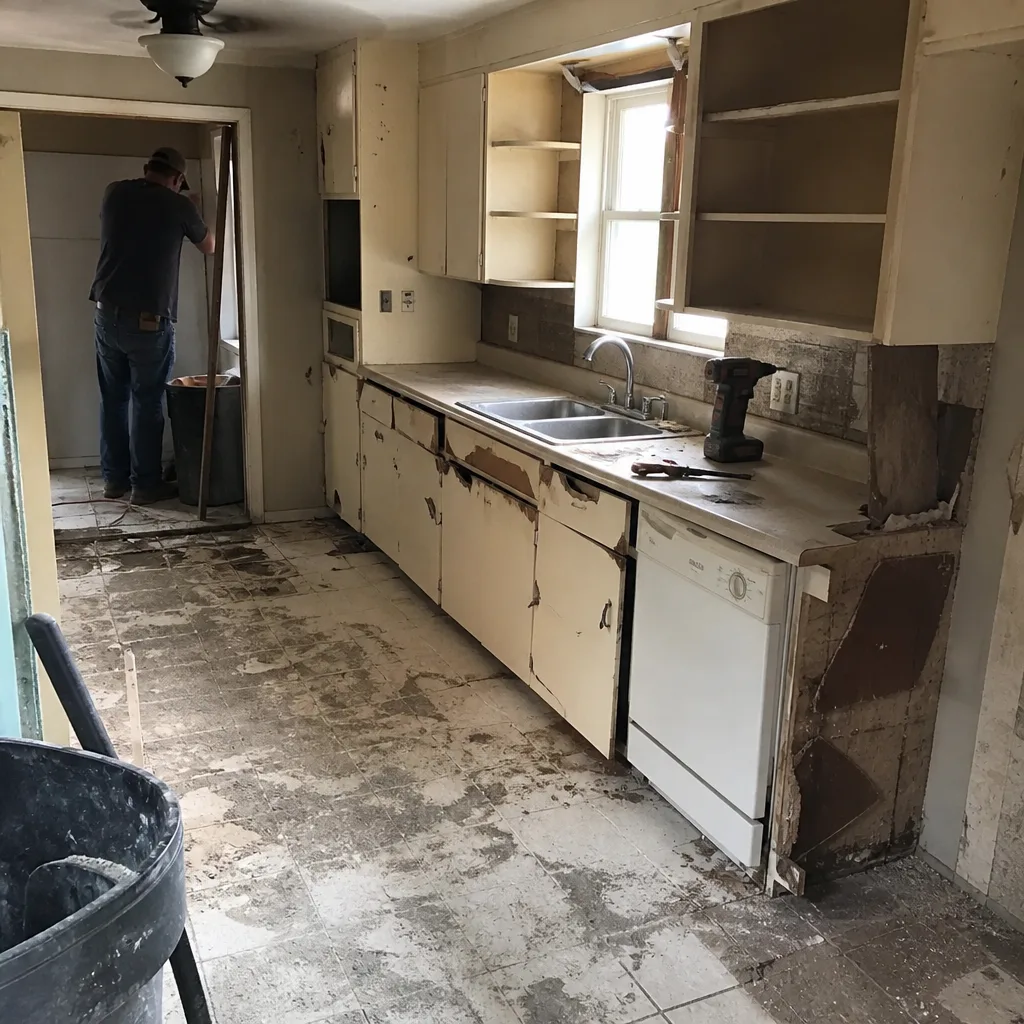 Before
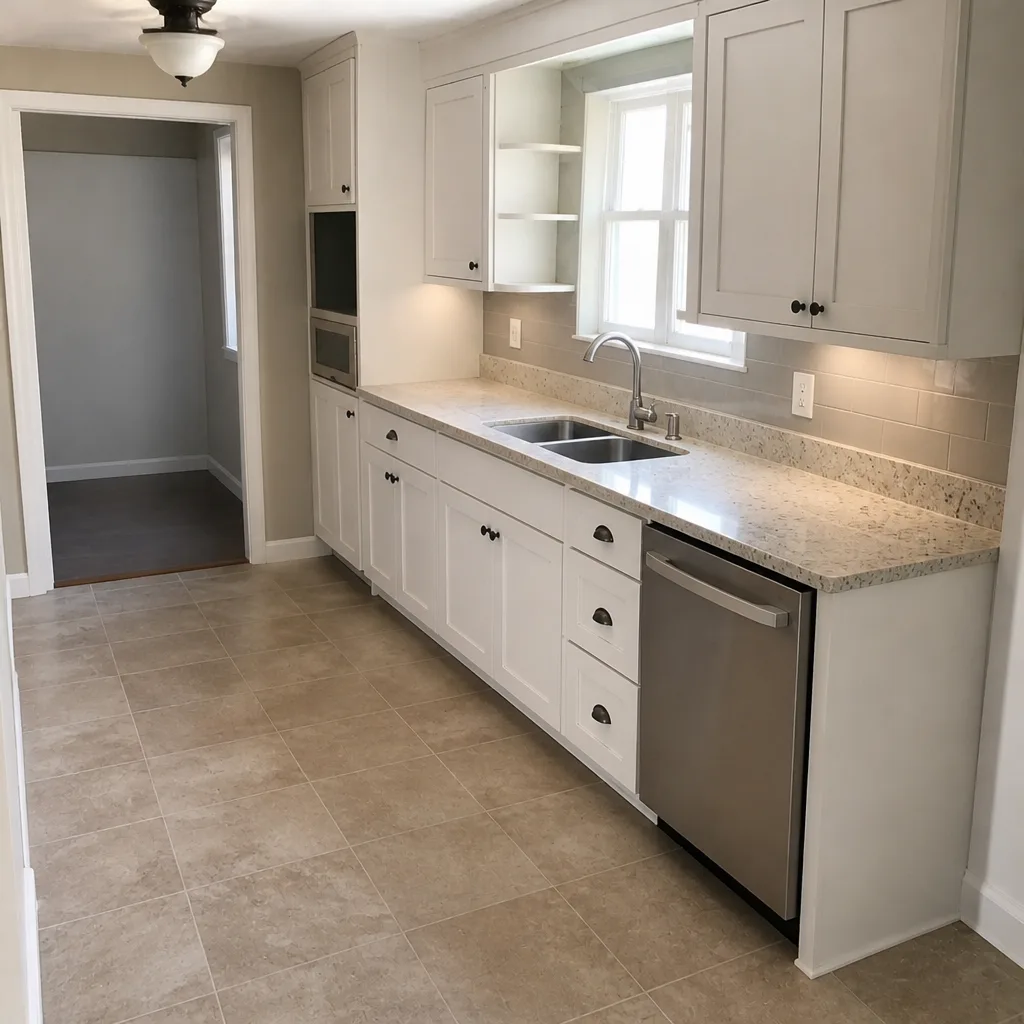 After
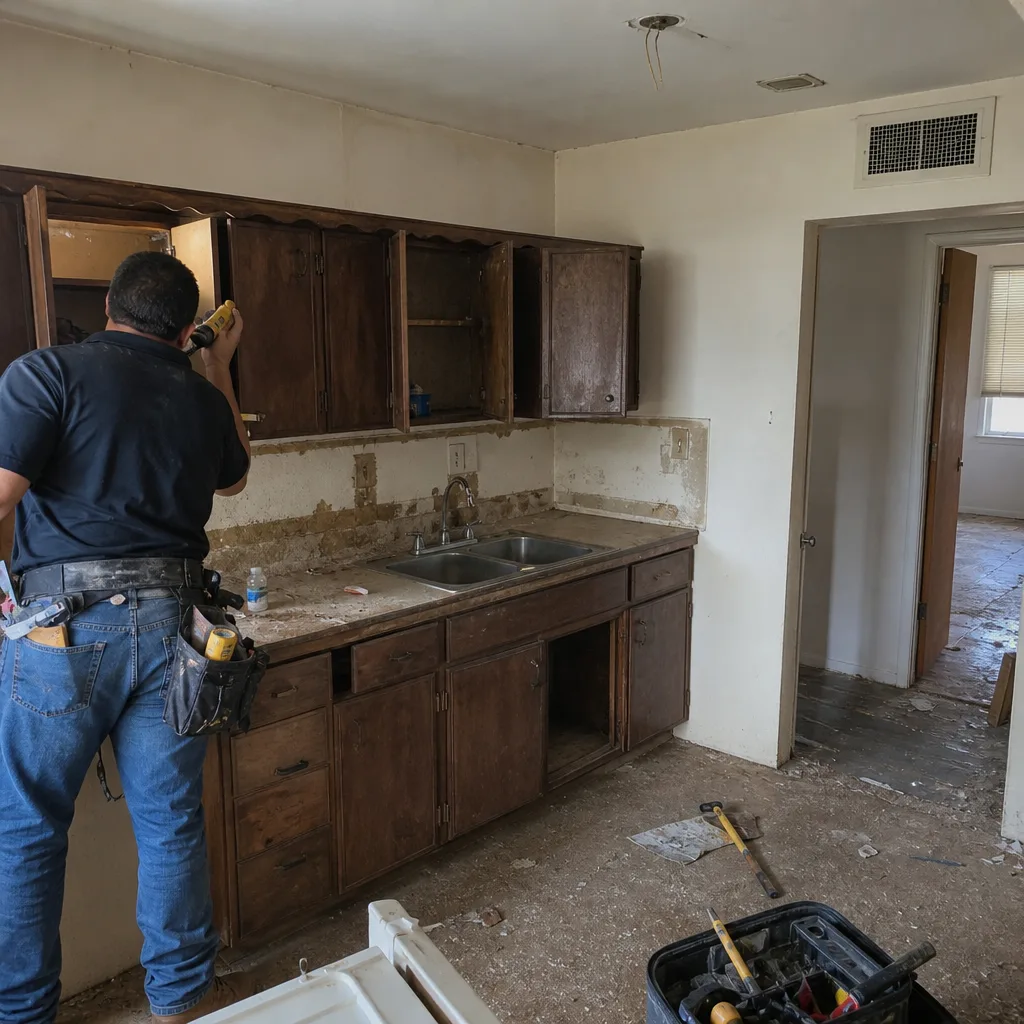 Before
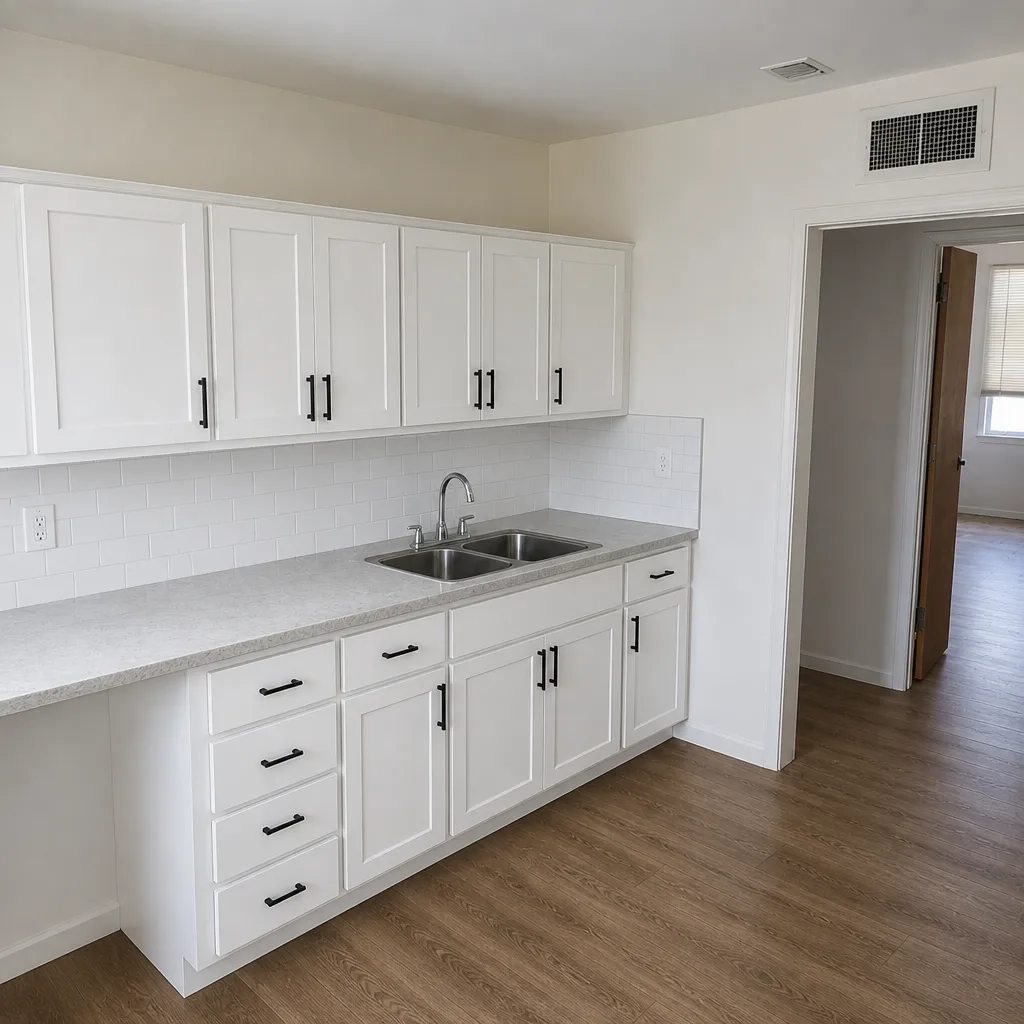 After
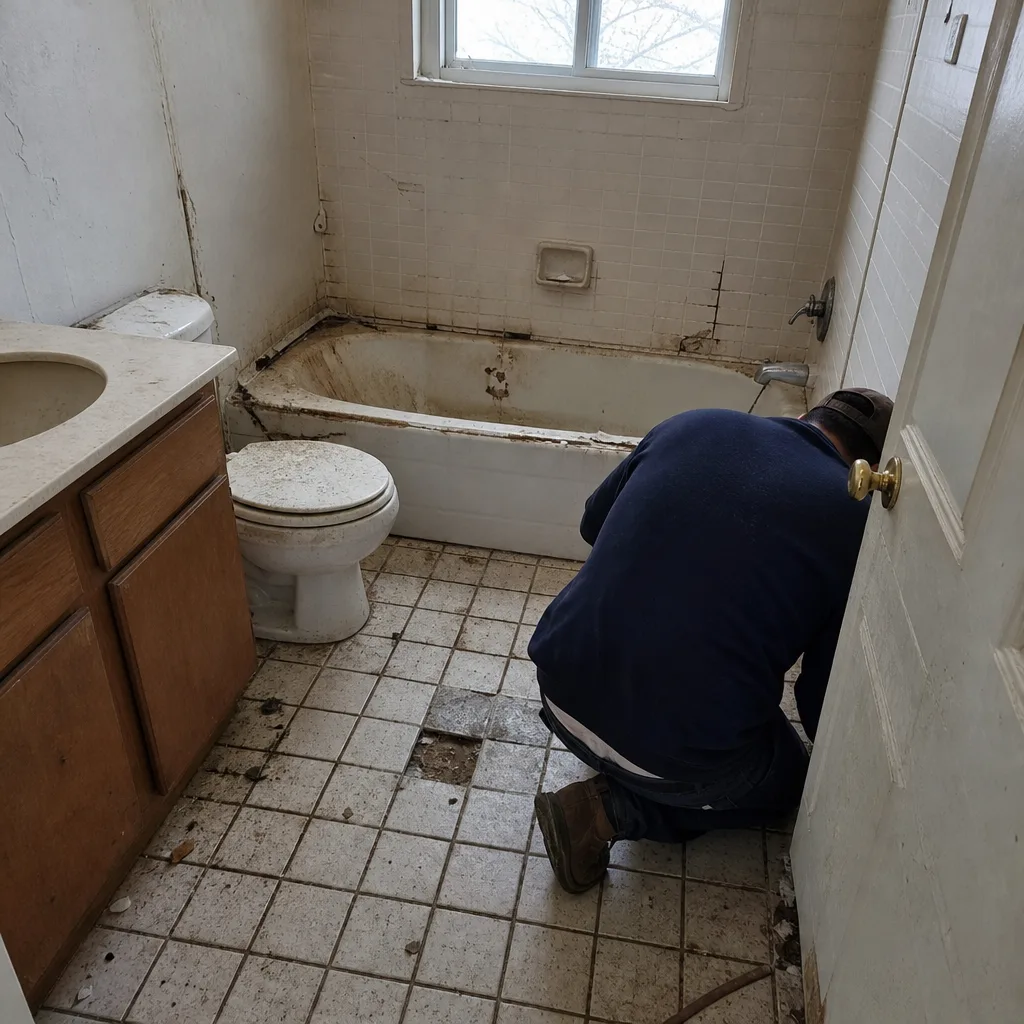 Before
 After
Frequently Asked Questions
Inspect the tie-in zone twice a year for the first five years – once in spring and once in fall – and add a walk-through after any major weather event like a hail storm or a hard freeze. The first five years are when the seam between new and old construction is doing the most settling, and that’s when small problems are cheapest to catch.
Yes, hairline cracks at the junction wall are normal in year one and often in year two as the framing and drywall finish curing. Cracks wider than a credit card, or cracks that keep opening in the exact same spot, are not normal and should be looked at by a professional. Call (888) 590-9867 for a free estimate if you’re unsure.
Arlington’s swings between 100-degree summers and hard winter freezes stress exterior joints far more than a mild climate would. Every seasonal pass here should include the caulk lines and flashing on south and west exposures after summer, and every exterior penetration after the first hard freeze. The clay soil underneath moves with the moisture, so foundation checks matter as much as seam checks.
Yes. More square footage means more load, and a shared system will clog filters faster than the original schedule suggests. Change filters every 60 to 90 days and have a technician check static pressure and airflow at the one-year mark. If the addition has its own unit or a mini-split in an ADU, that unit needs its own filter and service calendar.
An ADU has its own mini-split, tankless water heater, and sub-panel, and each of those has a service interval that’s separate from the main house. Filter cleaning monthly, tankless flush annually, and a sub-panel inspection every three years are the core intervals. Smoke and CO detectors in the ADU also need to be tested on their own schedule because it’s a separate dwelling.
Not with Barrett & Sons. Every scope, every allowance, and every price change arrives as a written change order before work happens. If something unexpected is found inside a wall, you’ll see it in writing before we touch it. Call (888) 590-9867 for a free second opinion on any written estimate, and we’ll tell you honestly whether the work is necessary.
The Bottom Line
The parts of an addition or ADU that need the most attention are the ones most maintenance guides never mention: the tie-in zone, the HVAC recalibration, the foundation benchmark, and the ADU systems running independently. Handle those on a spring-and-fall rhythm tuned to Arlington’s clay soil and 100-degree summers, and you’ll catch most expensive repairs while they’re still cheap. Keep an eye on the seam first – that’s where trouble shows up. If you’d rather leave the inspection and repair work to a crew that shows up when it says it will, Barrett & Sons handles Barrett & Sons Construction Arlington home additions, maintenance, and repairs across the area. Call (888) 590-9867 for a free estimate. Live person answers, 24 hours a day, seven days a week.
Written by the team at Barrett & Sons Construction Arlington.