
Last updated November 17, 2026
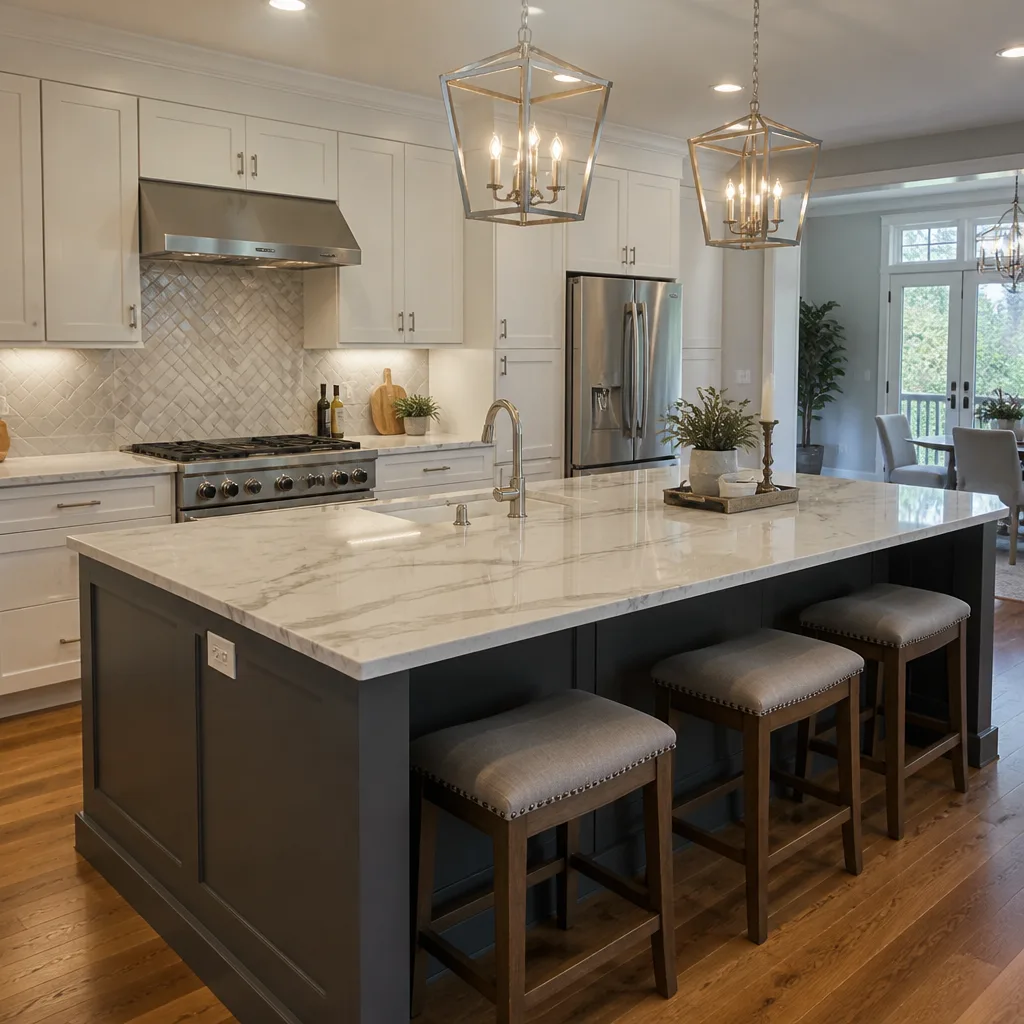 Kitchen remodeling
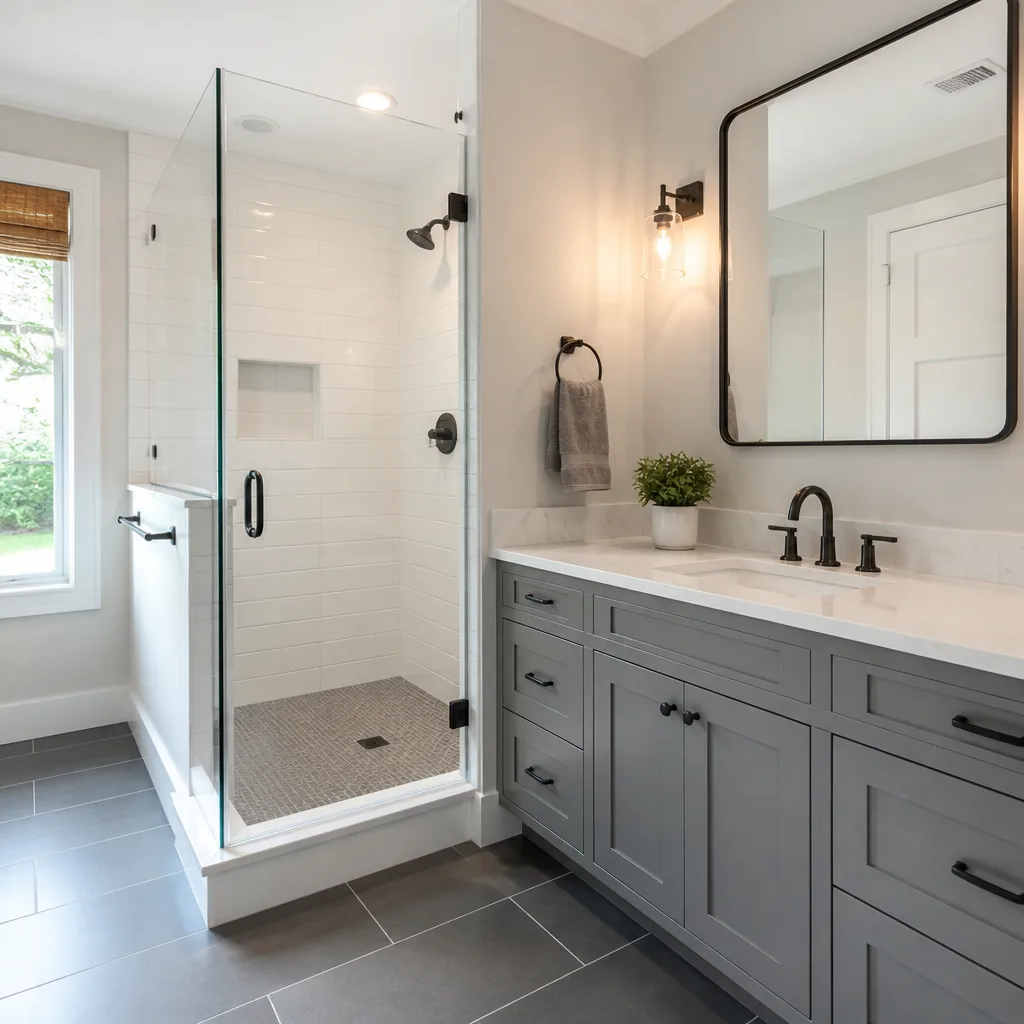 Bathroom remodeling
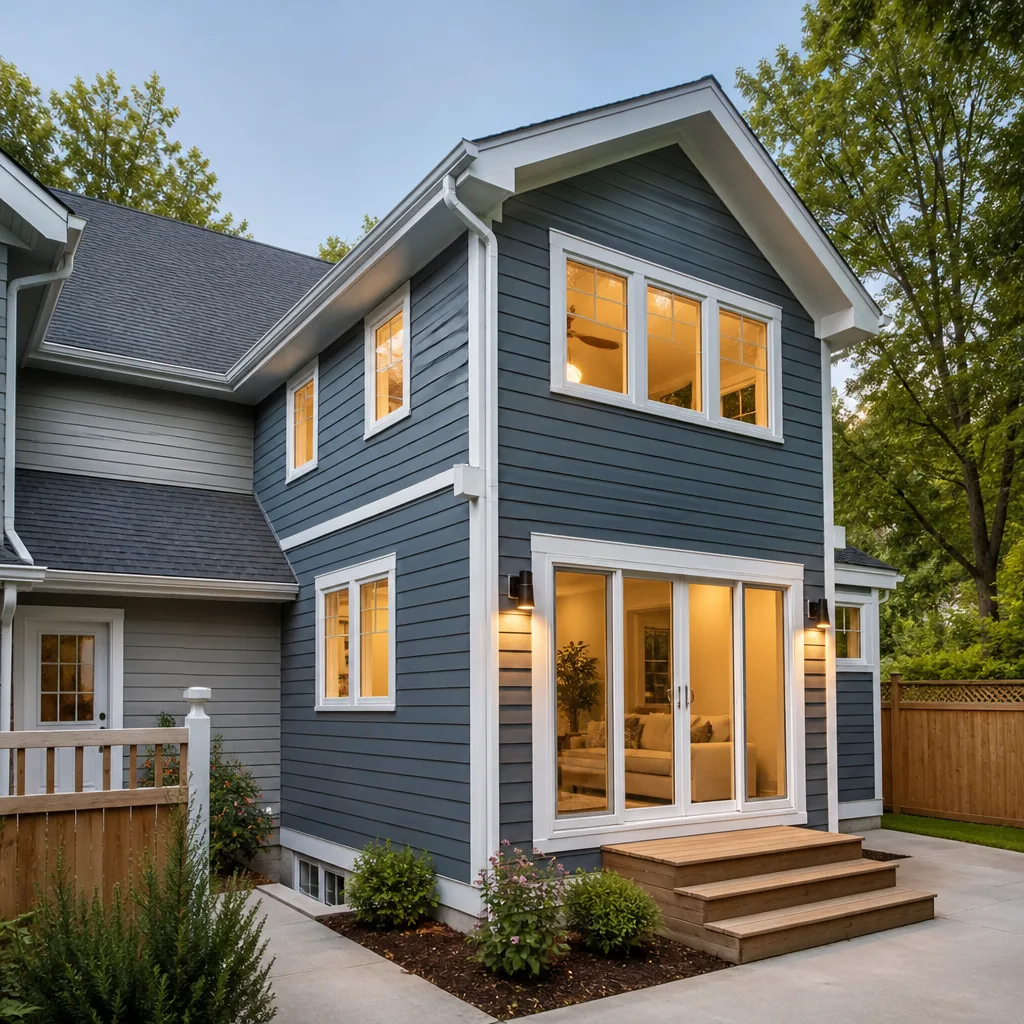 Home additions & ADU
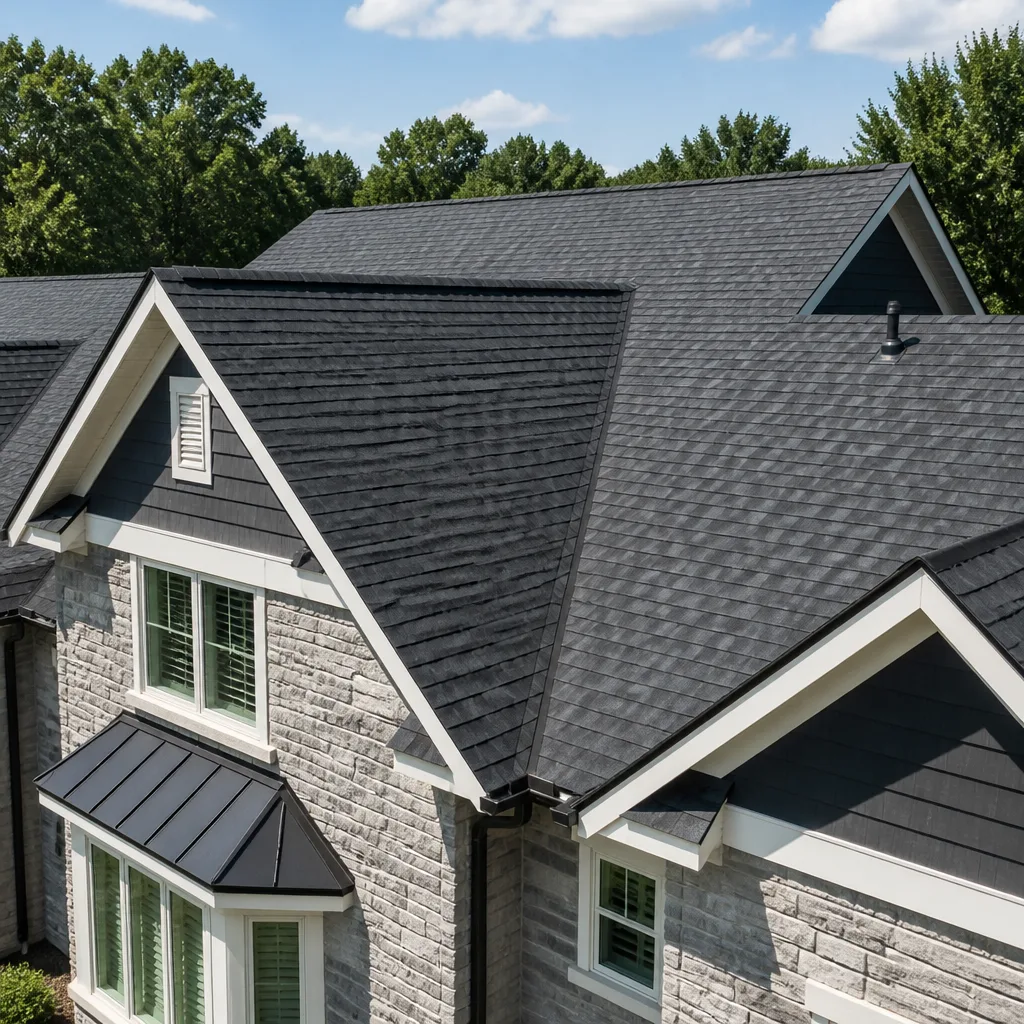 Roofing
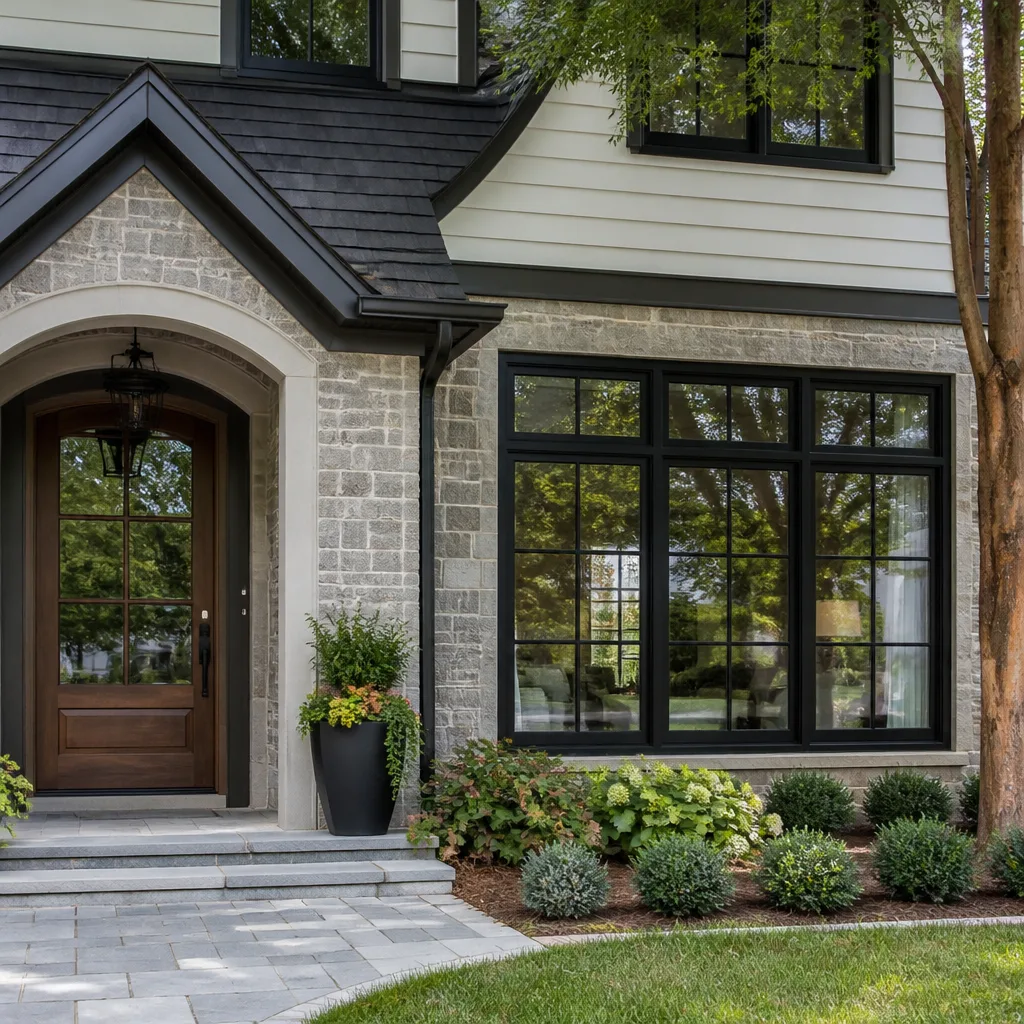 Windows & doors
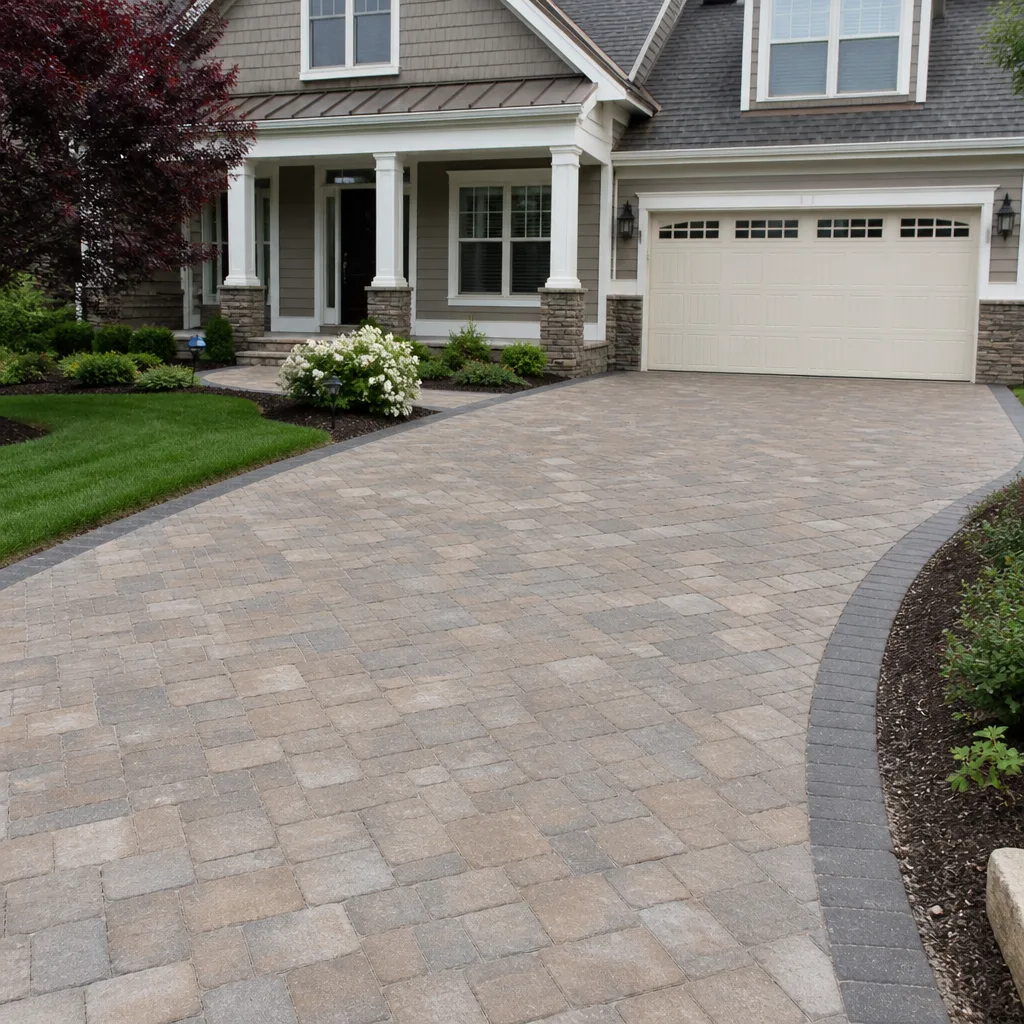 Driveway & pavers
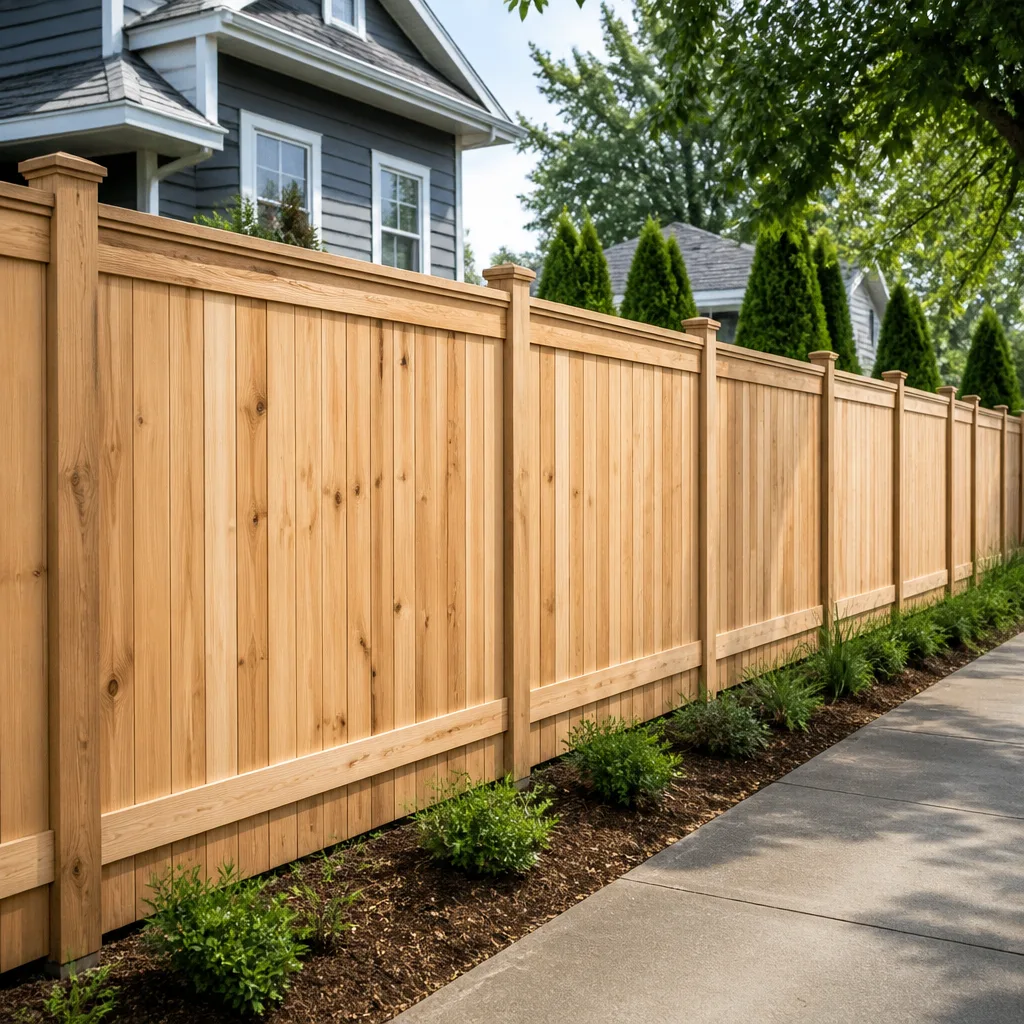 Fence
Free written scope consultation - allowances, timeline, and change-order rules on paper before a single trade is scheduled
The Complete Guide to Construction in Arlington
Arlington issued more residential construction permits in 2023 than in any three-year stretch before AT&T Stadium went up. That sounds like a boom, and in most of Tarrant County it would be. Here it’s something stranger: a two-speed market. Builders, remodelers, and trades have flooded in to chase the growth between Loop 12 and the new entertainment corridor, but the paperwork, the inspections, and the good crews haven’t multiplied at the same rate. That leaves homeowners in Arlington sorted into two lanes: the ones who know which questions to ask before they sign, and the ones who learn the hard way. This guide is the map to the first lane. We’ll cover how Arlington’s split jurisdiction works, which trades are backlogged, how to read a contractor’s permit history on the city portal, and what “owner-operated” really means on a certificate of insurance.
Quick Answer
Construction in Arlington is shaped less by the work itself than by where your property sits. Homes inside city limits run through Arlington’s own permitting and inspection system, while properties in the Extraterritorial Jurisdiction (ETJ) often fall to Tarrant County or a combination of city and county review, and that difference controls your timeline more than any contractor’s schedule. The homeowners who stay on budget and on schedule are the ones who confirm their jurisdiction, verify a contractor’s permit history, and get every scope and allowance in writing before the first nail moves.
Styles & brands we work with
- Kitchen remodeling
- Bathroom remodeling
- Home additions & ADU
- Roofing
- Windows & doors
- Driveway & pavers
- Fence
Table of Contents
- Arlington’s Split Jurisdiction: City Limits vs. the ETJ
- Which Trades Are Backlogged in Tarrant County
- What “Owner-Operated” Means on a Certificate of Insurance
- Three Arlington Neighborhoods Where HOA Review Adds Weeks
- How to Read a Contractor’s Permit History on the City Portal
- What Construction Costs in Arlington Right Now
- How to Sequence a Whole-Home Project
Arlington’s Split Jurisdiction: City Limits vs. the ETJ
The first question on any construction project in Arlington isn’t “what does it cost” – it’s “who inspects this.” Arlington, like most Texas cities, draws a line between its full city limits and an Extraterritorial Jurisdiction that extends outward into unincorporated Tarrant County. Inside the line, the city’s permitting office and inspectors have authority over the work. Out in the ETJ, that authority is thinner and sometimes shared, which changes both who signs off and how long the sign-off takes.
This matters because a surprising number of homeowners don’t know which side of the line they live on. We’ve walked onto properties near the southern edge of Arlington where the homeowner had been told “you don’t need a permit for that” by a previous contractor, when in fact the city did require one and the work had been done without it. That’s a problem that surfaces at resale, not at inspection, which is the worst possible time to discover it.
Here’s how to sort out your own project:
- Look up your address on the Tarrant Appraisal District site to confirm the parcel and its boundaries.
- Call Arlington’s planning and permitting office directly and ask which authority covers your address for the specific work you’re planning.
- Ask whether the permit requires city inspection only, or county involvement as well.
- Get that answer in writing – an email from the permitting office is fine – before you or your contractor file anything.
- Match the answer against whatever your contractor told you. If they don’t line up, trust the city.
We pull permits on every eligible job in Arlington, partly because it’s the right thing to do and partly because the permit inspector works for the homeowner, not for us. An inspection is a second set of eyes paid for by the city. Skipping it saves a few hundred dollars on paper and costs far more at closing.
Which Trades Are Backlogged in Tarrant County
The contractor pool in Arlington hasn’t kept pace with the permit volume, and the shortage isn’t spread evenly. Some trades you can book in a week. Others are quoting eight to twelve weeks out, and a few are turning down work entirely. Knowing which is which lets you sequence a project around the gap instead of stalling in the middle of it.
In our experience across Tarrant County, the chronically backed-up trades right now are:
- Electrical – licensed electricians are the tightest trade in North Texas. Panel work and new service installs often book weeks out, and a full rewire can push further.
- Plumbing rough-in – the labor is there; the inspection scheduling is the bottleneck. Arlington’s inspection calendar fills quickly during peak remodel season.
- Concrete and flatwork – everyone wants a new driveway or slab in the same spring window, and crews run first-come, first-served.
- Specialty tile and finish carpentry – the good ones are booked on reputation alone. If you find someone with a strong local name, expect a wait.
The sequence that avoids the stall is simple: book the trades with the longest lead time first, then build the schedule around them. Electrical and plumbing rough-in need to happen before drywall, so lock those dates before you demo anything. Concrete work runs independent of the interior, so it can overlap. If you’re planning Driveway & Pavers in Arlington alongside interior work, get the flatwork on the calendar early so the two crews don’t collide at the front door.
The mistake we see most often is a homeowner who signs a contract in April, waits two months for the electrician, and then discovers the drywall crew has moved on to another job. Sequencing is half the battle.
What “Owner-Operated” Means on a Certificate of Insurance
When a national franchise shows up with a certificate of insurance, you’re looking at a document that names the parent company, the local franchise entity, and sometimes a separate management LLC. The names rarely match the person standing in your kitchen. When an owner-operated company shows up, the certificate names the business, and the person on the certificate is the person who answers the phone.
That difference matters in three specific ways:
- Liability – a franchise is insured at the corporate level, but the local operator may carry thin coverage of their own. Ask for the certificate and read the named insured closely.
- Accountability – if the crew does poor work, who do you call? With an owner-operated company, you call the owner. With a franchise, you may end up in a corporate complaint queue that never reaches your driveway.
- Consistency – franchises rotate crews. Owner-operated companies keep the same people, which means the person who framed your addition is the person who comes back to fix a nail pop eighteen months later.
Barrett & Sons Construction was founded in 1998 and has been owner-operated from day one. Tom Barrett’s name, address, and license number are published and verifiable – you can look them up before you sign anything. Our technicians have up to 28 years of experience, and the crews are background-checked, so the people in your home are the people we vetted. That’s what the certificate should reflect: a name you can find, a face you’ll see again at the hardware store, and a phone number that rings a live person instead of a voicemail box.
Three Arlington Neighborhoods Where HOA Review Adds Weeks
Exterior work in Arlington runs into a third jurisdiction beyond the city and the county: the homeowners association. Several of the larger planned communities in Arlington require architectural review before any change that touches the exterior of a home, and the review process is slow by design. Roof replacements, fence replacements, window replacements, and any addition visible from the street all typically fall under it.
In our experience, the three Arlington neighborhoods where HOA architectural review most reliably adds three to six weeks to an exterior project are:
- Arlington’s northern planned communities – the larger HOAs along the northern corridor have formal architectural committees that meet on a set monthly schedule. Miss the meeting and you wait a full cycle.
- Gated communities near the entertainment district – review here often requires color and material samples submitted in advance, which means ordering samples before you’ve signed a contract.
- Established neighborhoods with deed restrictions – older Arlington subdivisions sometimes carry deed restrictions enforced through a voluntary association. Those rules don’t expire just because the association is quiet.
The homeowner who plans for HOA review treats it as a scheduling item, not a surprise. Submit the architectural application the same week you sign the contract, order the material samples early, and expect the committee to ask for a color match on the roof or the fence stain. If you’re replacing a fence and the HOA wants a specific style, that’s a conversation to have before you order the panels. Our Fence Installation in Arlington page goes into the material choices that tend to clear review the first time.
How to Read a Contractor’s Permit History on the City Portal
Arlington publishes permit records through its online permit portal, and it’s the single most useful five minutes you can spend before signing anything. The portal shows which permits a contractor has pulled, when, and whether the inspections were signed off. A contractor with a clean history of pulled permits and passed inspections is telling you something about how they work. A contractor with no permit history at all is telling you something too.
Here’s the exact process:
- Go to Arlington’s permit search portal and search by the contractor’s business name.
- Look for the pattern, not just the count. Are permits pulled regularly, or only sporadically?
- Check whether inspections show “passed” or “final” status. Open inspections on old permits are a red flag.
- Cross-reference the address on the certificate of insurance against the permit records. If the address is a P.O. box, ask why.
- Search your own street or neighborhood for recent permits. If the contractor has worked nearby, you can drive by and look at the finished product.
What you’re looking for is not a perfect record – every contractor has a pulled permit that lapsed on a slow job. What you’re looking for is honesty about it. A contractor who can explain a lapse and show you the finaled inspection afterward is more trustworthy than one with a suspiciously blank portal.
The L.O.C.A.L. values we work by – Local roots, On time, Community first, Accountable, Loyal – aren’t just a tagline. They’re why every eligible job we take in Arlington gets a permit pulled and an inspection signed. An inspector’s signature is a public record, and it’s one of the few things on a construction project you can verify without taking anyone’s word for it.
What Construction Costs in Arlington Right Now
Construction pricing in Arlington sits slightly below the Dallas metro average and roughly in line with the rest of Tarrant County, largely because labor and material supply chains run through the same regional distribution network. What follows are planning ranges from our own recent projects. Treat them as a starting point, not a quote – every job has its own variables – and get a written line-item estimate before you commit.
- Kitchen remodel, mid-range: $45,000 – $85,000
- Bathroom remodel, full gut: $22,000 – $45,000
- Roof replacement, asphalt shingle, standard ranch: $11,000 – $19,000
- Window replacement, per unit installed: $550 – $1,100
- Fence installation, cedar privacy, per linear foot: $28 – $48
- Driveway replacement, concrete, standard two-car: $7,500 – $14,000
- Home addition or ADU, per square foot: $190 – $320
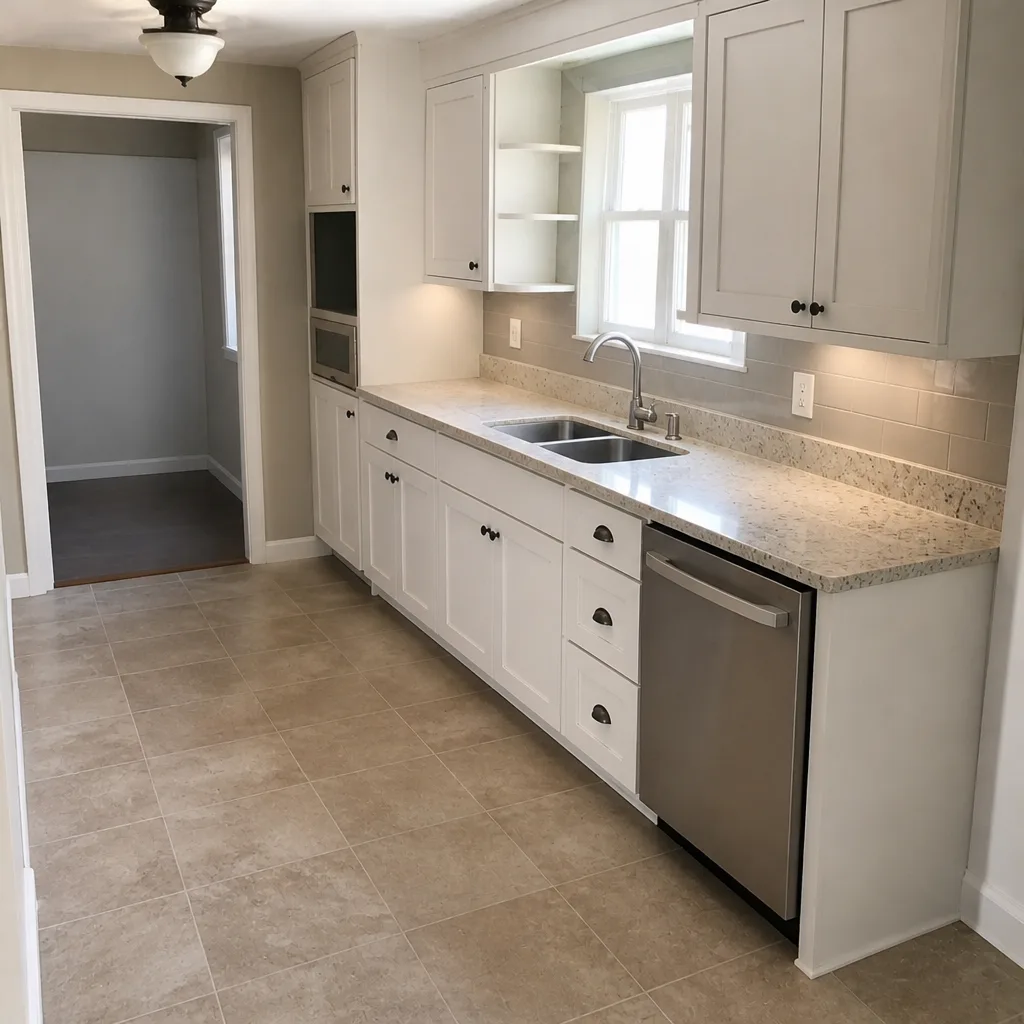
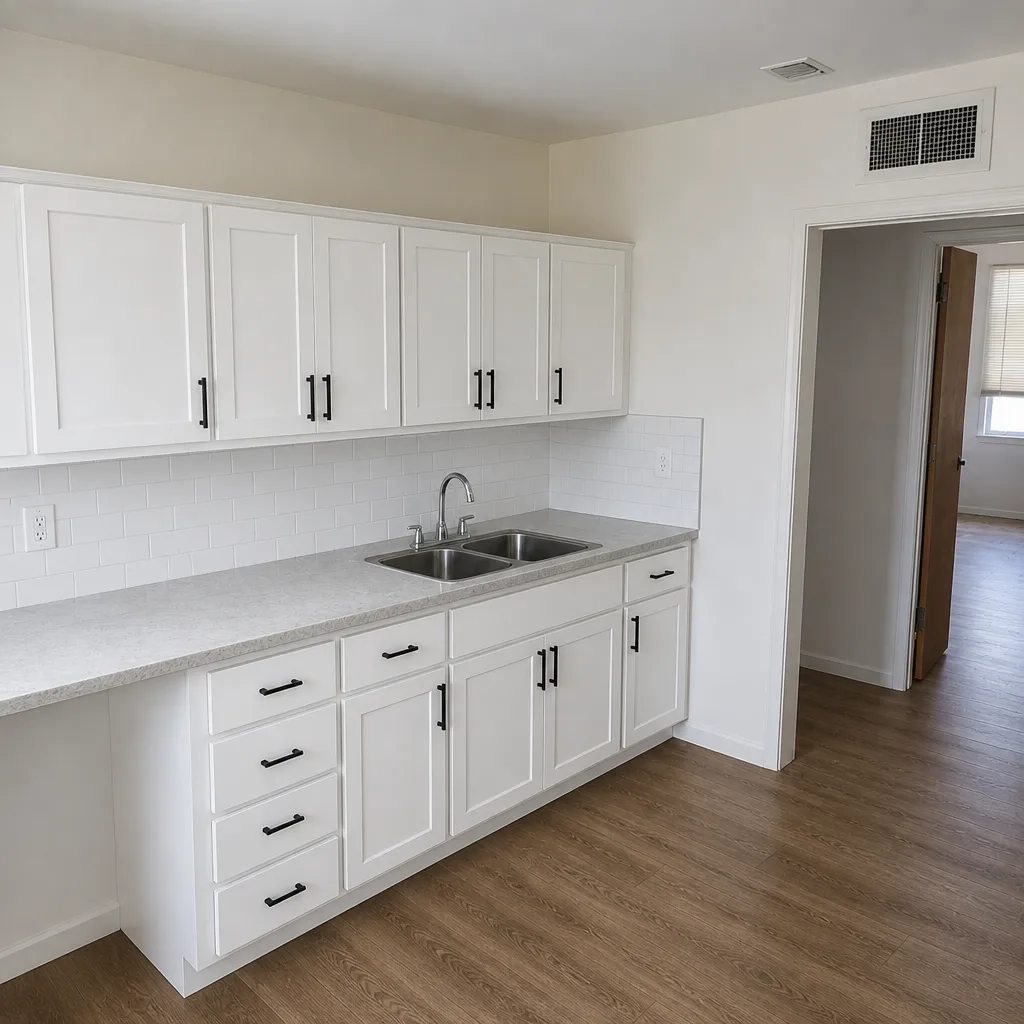
Where the price moves most is in the finishes. In kitchens, the difference between a KraftMaid cabinet package and an off-the-shelf box store option is real, and so is the difference between a Cambria quartz countertop and a laminate substitute. Those choices are why we write allowances into the contract instead of picking a number on the phone – an allowance that isn’t on paper is a surprise waiting for a date. In bathrooms, we typically install Moen and Delta fixtures, both of which hold up well in North Texas water.
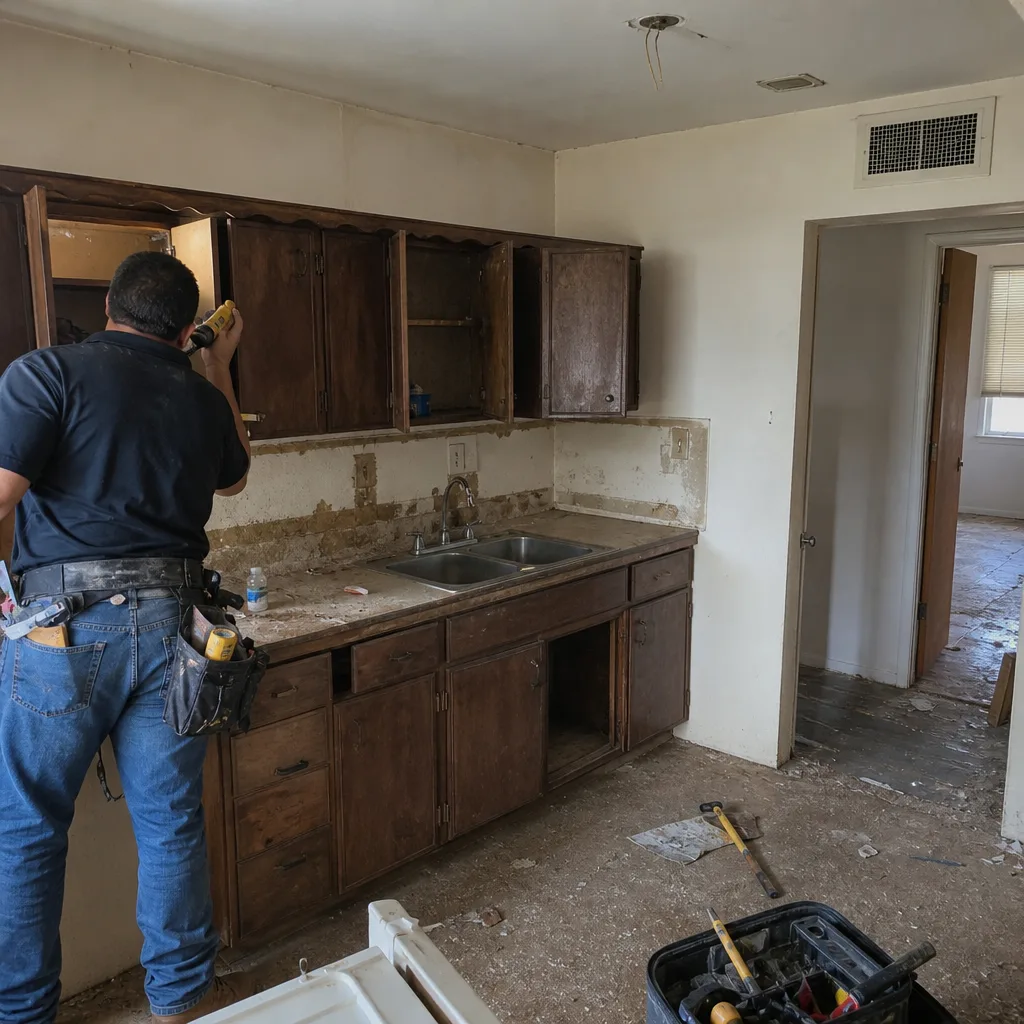
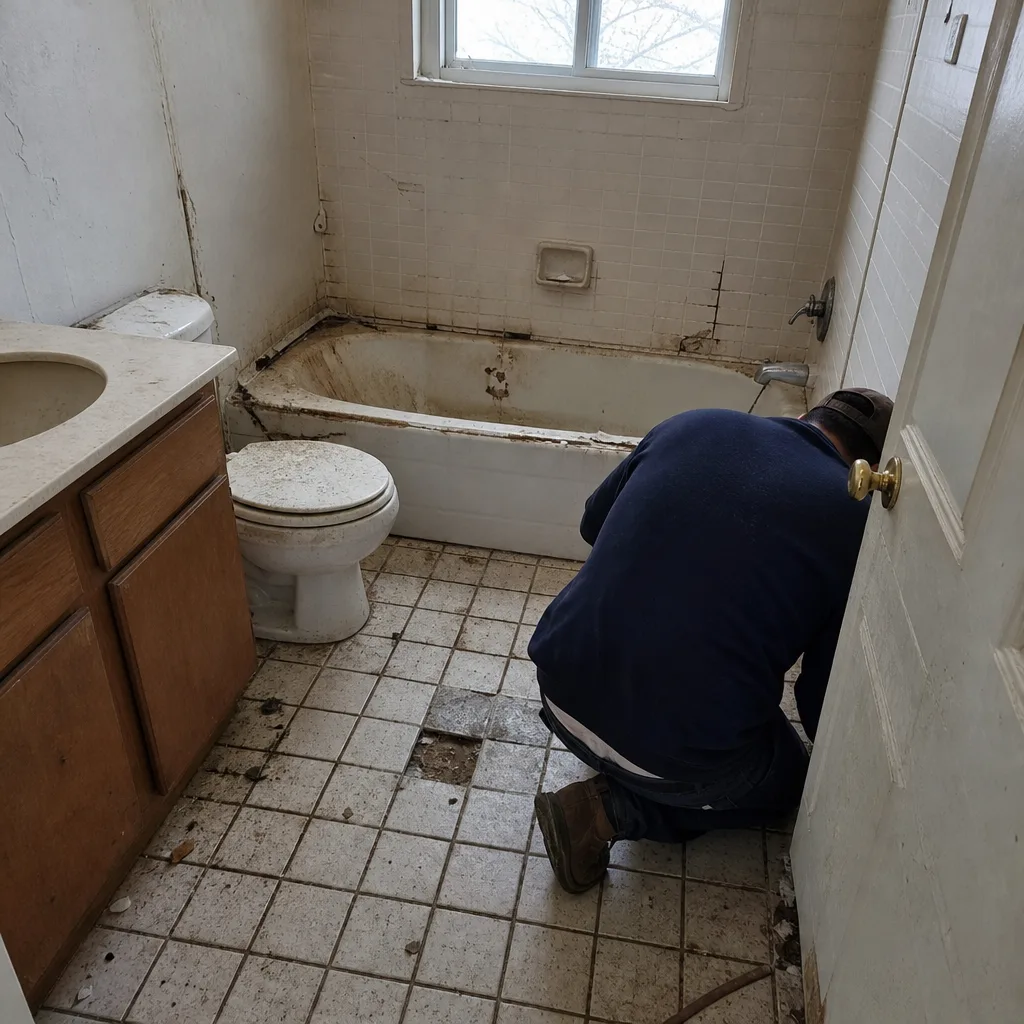
The other thing that moves the number is what’s behind the wall. A bathroom tear-out in an older Arlington home near the original downtown grid can turn up cast iron drain lines that need replacing, and no honest contractor can price that from the driveway. Free estimates give you the range. The written estimate gives you the scope. Neither is a guarantee of final cost – that’s what change orders are for.
How to Sequence a Whole-Home Project
Whole-home projects fail on sequencing more often than on budget. The materials arrive when the schedule says they will, the crews arrive when the schedule says they will, and nobody thought about which comes first. The order below is the one we use across Arlington projects, and it holds whether you’re doing a full renovation or a smaller addition.
- Design and permit phase. Confirm jurisdiction, pull permits, and get architectural review submitted if your HOA requires it. This is the longest lead-time item, so start it first.
- Order long-lead materials. Cabinets, windows, and specialty doors run six to twelve weeks in Tarrant County. Order them before demo, not after.
- Demo and structural work. Framing changes, beam installs, and any removal happen before finishes. Permit inspections for structural work happen here.
- Rough-in trades. Electrical, plumbing, and HVAC rough-in. This is where the backlog bites, so have the electrician scheduled before demo starts.
- Rough-in inspections. Passed, signed, on record. Do not let drywall begin until these are closed.
- Insulation and drywall. Once rough-in is signed off, walls close up. Anything you wanted inside the wall has to be in it now.
- Finishes. Cabinets, countertops, tile, flooring, paint, fixtures. This is the longest calendar stretch and the least predictable.
- Final inspections and punch list. Close every permit, walk the property with the homeowner, and resolve the punch list before the final check. Our 90-Day Done Right Promise covers anything that surfaces after move-in.
If you’re building an addition or an ADU, the sequence above runs in parallel with site work – foundation, utilities, and the exterior envelope. Our Home Additions & ADU in Arlington page walks through how the timelines interlock, and the broader Barrett & Sons Construction Arlington home page covers how our crews work across every trade. The short version: the schedule is set by the trades you can’t control, so build your plan around them.
Common Mistakes to Avoid
- Assuming you’re inside the city limits. Plenty of Arlington-area addresses are in the ETJ, where inspection authority differs. Confirm before you file anything.
- Trusting a phone quote. A number given over the phone is a guess dressed up as a price. The only number that should bind you is a written line-item estimate.
- Letting a contractor talk you out of permits. The last contractor most homeowners used told them permits were optional. They aren’t, and the record follows the property, not the contractor.
- Ordering materials before the design is final. A cabinet order placed before the final plan is a $15,000 bet that the layout won’t change. It almost always does.
- Skipping HOA architectural review. In Arlington’s planned communities, starting exterior work without review can mean a stop-work order and a re-do at your own cost.
- Accepting a verbal change order. If the scope changes, the change is written down before the work happens. Verbal change orders are how surprise invoices get born.
- Not verifying the certificate of insurance. Ask for the certificate, read the named insured, and cross-check the address against the permit records. It takes five minutes.
See the difference
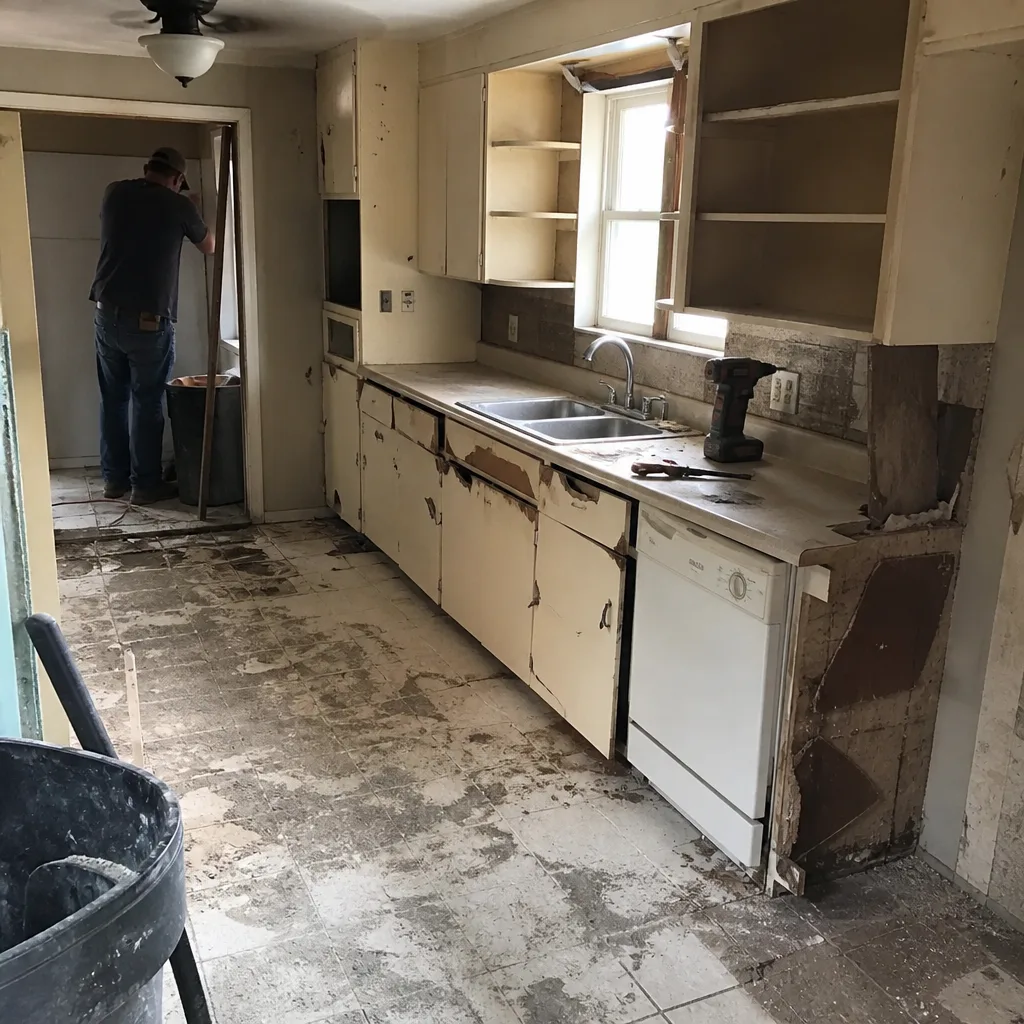 Before
 After
 Before
 After
 Before
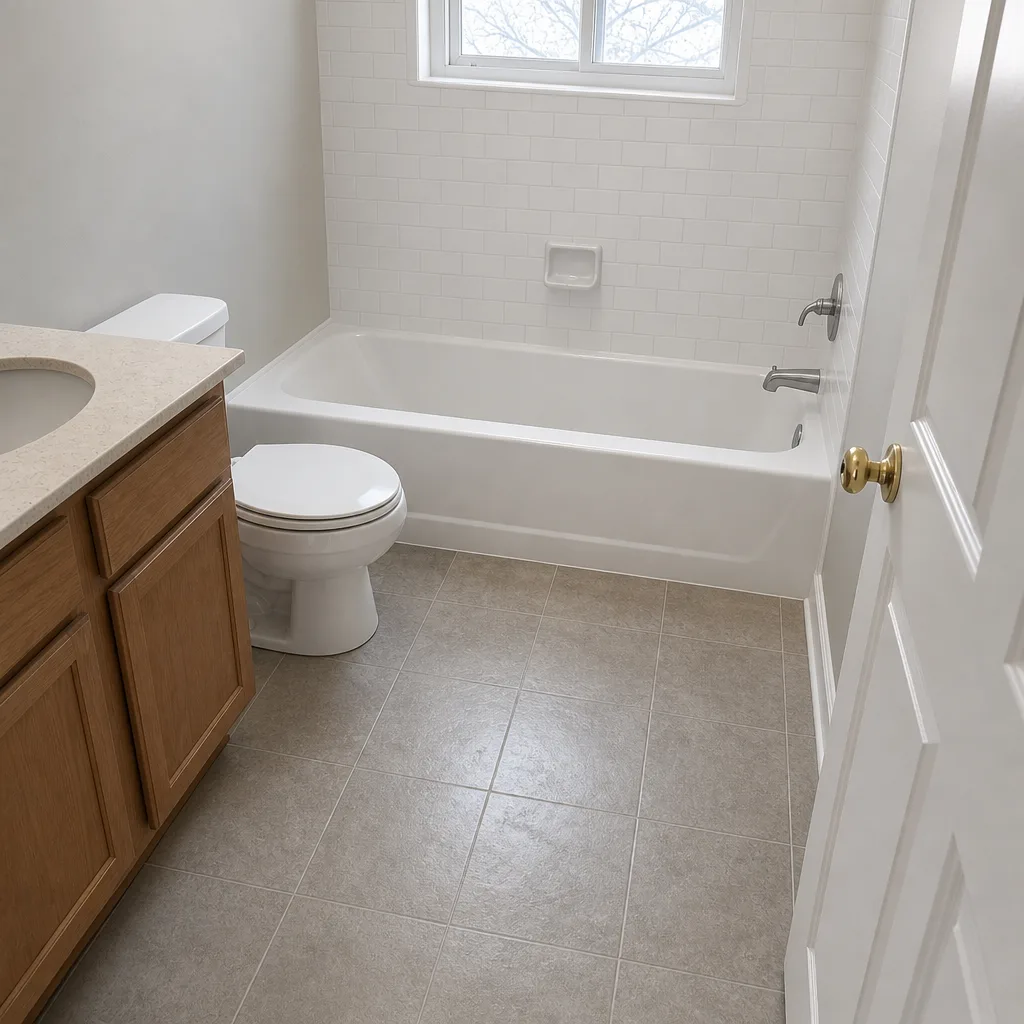 After
When to Call a Professional
Some construction work is genuinely dangerous, and no guide should pretend otherwise. Electrical panel work, gas line installation, structural changes to load-bearing walls, and any roof work above a single story should be handled by a licensed professional, not by a homeowner with a YouTube video. High-tension garage door springs and cables fall in the same category – those are stored-energy systems that can hurt someone badly if they’re misread. Beyond safety, call a professional when your project touches a permit, an HOA review, or an inspection, because those are the places DIY work tends to get expensive. Barrett & Sons Construction Arlington offers free estimates in Arlington – call (888) 590-9867 and we’ll walk the project with you, no pressure and no obligation.
Frequently Asked Questions
A mid-range kitchen remodel in Arlington typically lands between $45,000 and $85,000, depending on cabinet grade, countertop material, and whether the layout changes. Higher-end finishes with KraftMaid cabinetry and Cambria quartz run toward the top of that range. Call (888) 590-9867 for an exact quote – estimates are free and we’ll write the scope line by line.
Yes, for most structural, electrical, plumbing, and mechanical work – if your property is inside Arlington’s city limits. Homes in the ETJ may fall under Tarrant County authority instead, so confirm your jurisdiction first. We pull permits and have inspections signed on every eligible job, and the inspector’s signature is a public record you can verify.
Not without your written approval. Every scope change and every allowance adjustment is issued as a written change order before the work moves forward. We don’t do surprise invoices at the end because the allowance that isn’t on paper is a surprise waiting for a date.
A typical home addition runs four to seven months from permit approval to final inspection, with the schedule driven by permit timing, HOA review if applicable, and trade availability. Electrical and plumbing rough-in are the tightest trades in Tarrant County right now, so plan around those weeks. Call (888) 590-9867 for a project-specific timeline.
In most of Arlington’s larger planned communities, yes – roof replacements, fence replacements, and any addition visible from the street typically require architectural committee approval. The review adds three to six weeks in the neighborhoods we work in most. Submit the application the same week you sign your contract so it runs in parallel with permitting.
You call us, and we come back. Every completed job carries our 90-Day Done Right Promise – it’s written on the contract, not buried in fine print. One call brings Tom back to make it right, and a live person answers the phone 24 hours a day.
The Bottom Line
Construction in Arlington rewards the homeowner who asks first and signs second. Confirm your jurisdiction, because the city-limits line changes who inspects your project. Recognize which trades are tight in Tarrant County this year and sequence around them. Read the certificate of insurance and the permit portal before you sign anything. Treat HOA architectural review as a scheduling item rather than a surprise. And insist that every scope, allowance, and price change arrives in writing before a nail moves. The growth between Loop 12 and the entertainment corridor isn’t going to slow down – but the homeowners in the fast lane are the ones who know which questions to ask.
If you want a contractor who answers his own phone and stands behind the work, Barrett & Sons Construction has been owner-operated since 1998. We proudly serve local communities across Arlington, pull permits on every eligible job, and back everything with our written 90-Day Done Right Promise. Call (888) 590-9867 for a free estimate – a real person will pick up, and we’ll walk your project with you before you commit to anything.
Written by the team at Barrett & Sons Construction Arlington.