
Last updated November 17, 2026
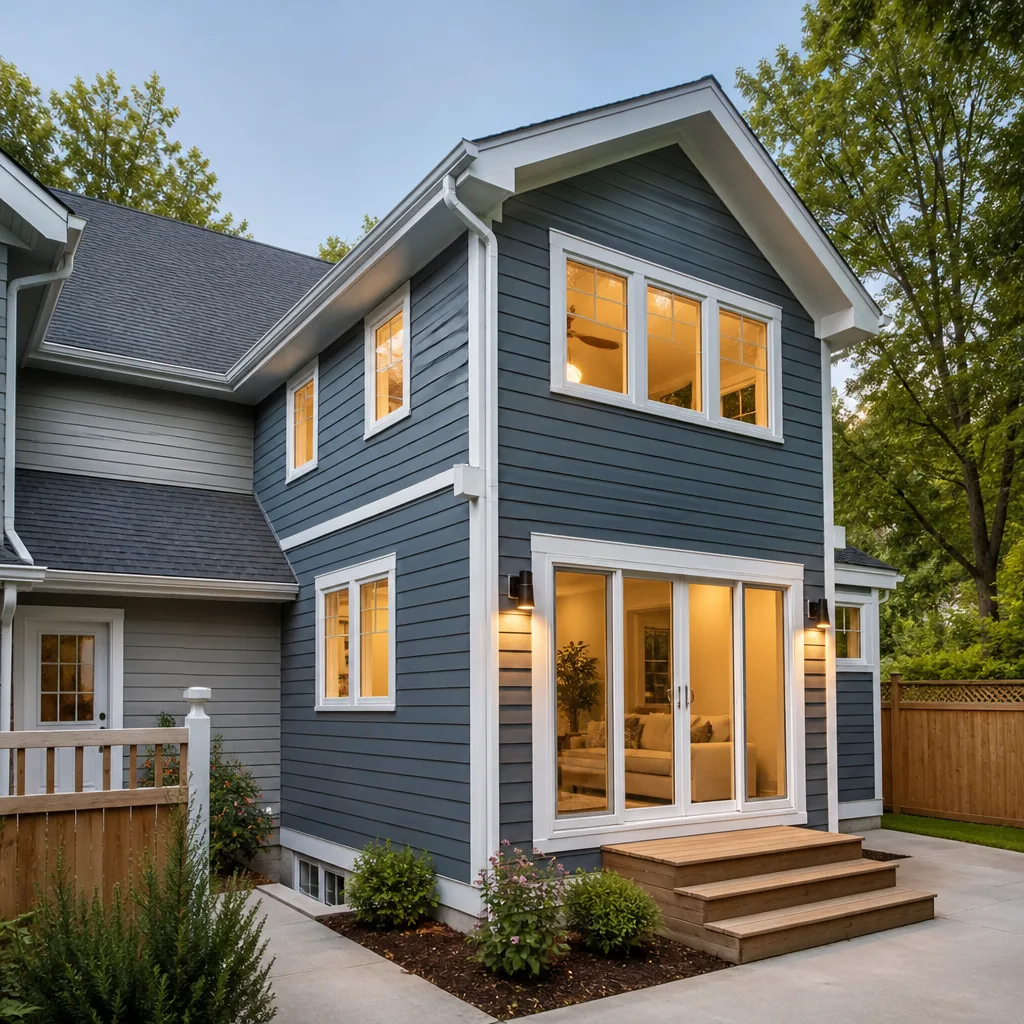 Home additions & ADU
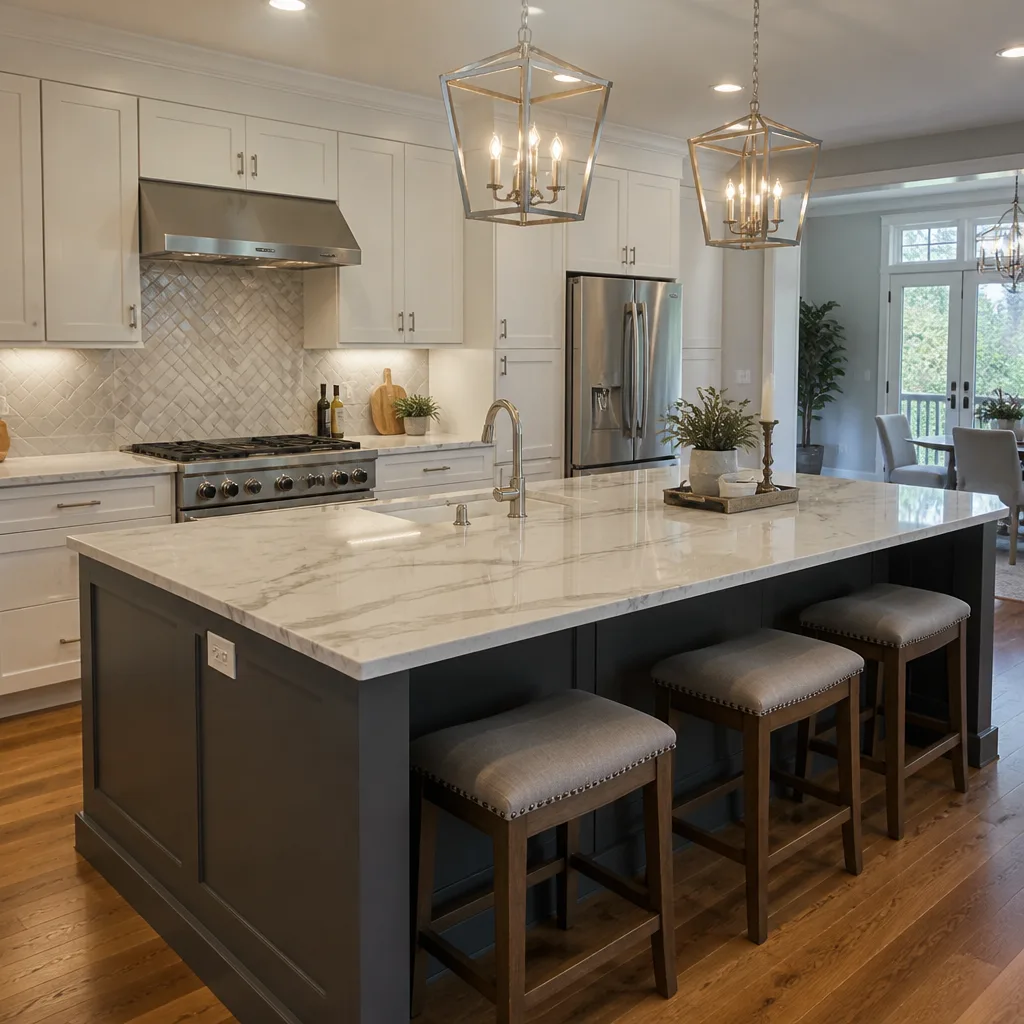 Kitchen remodeling
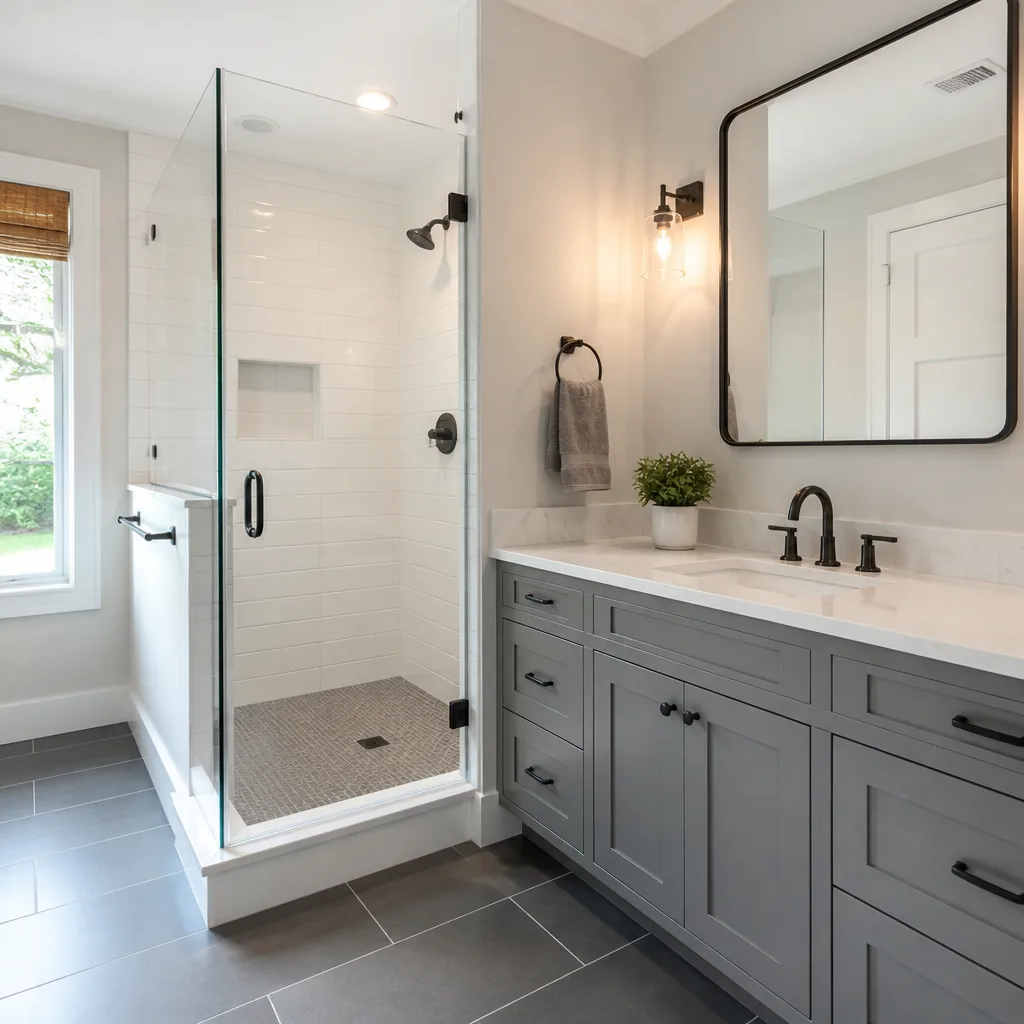 Bathroom remodeling
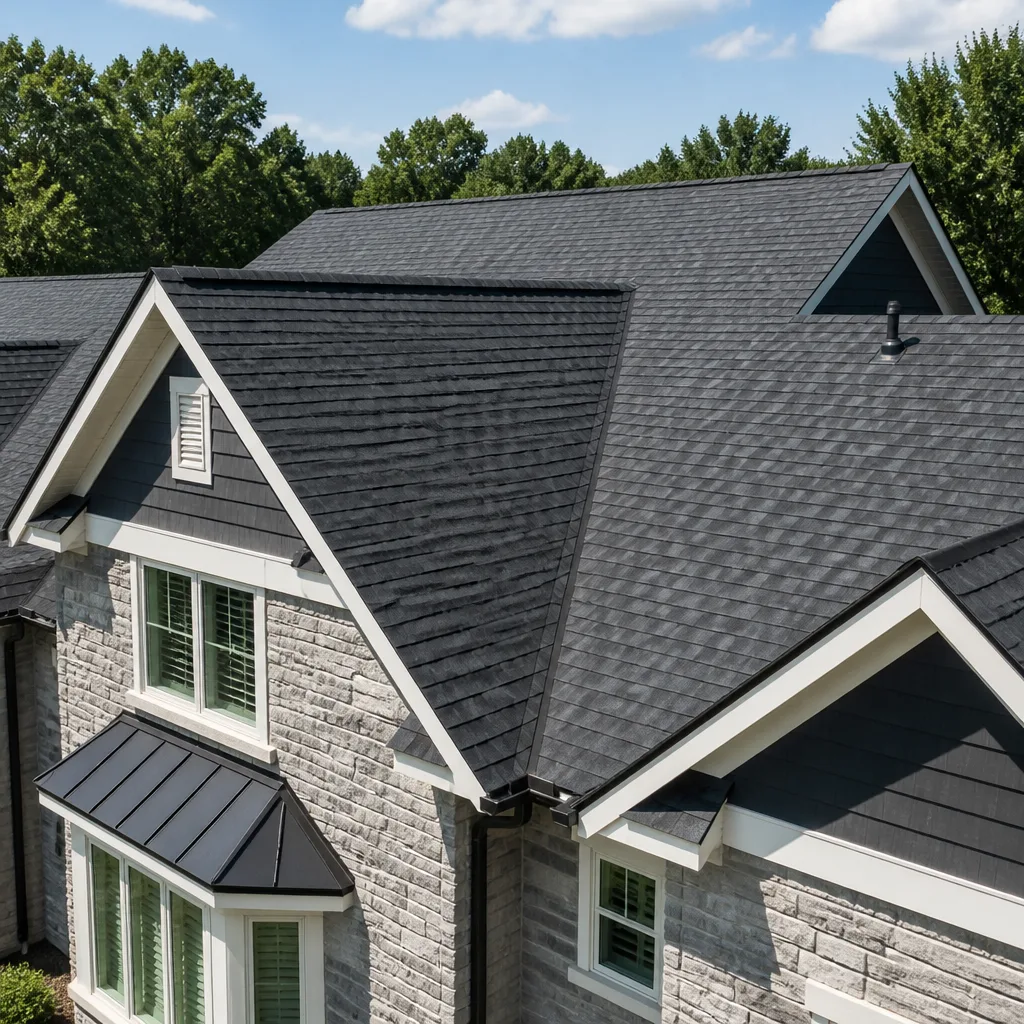 Roofing
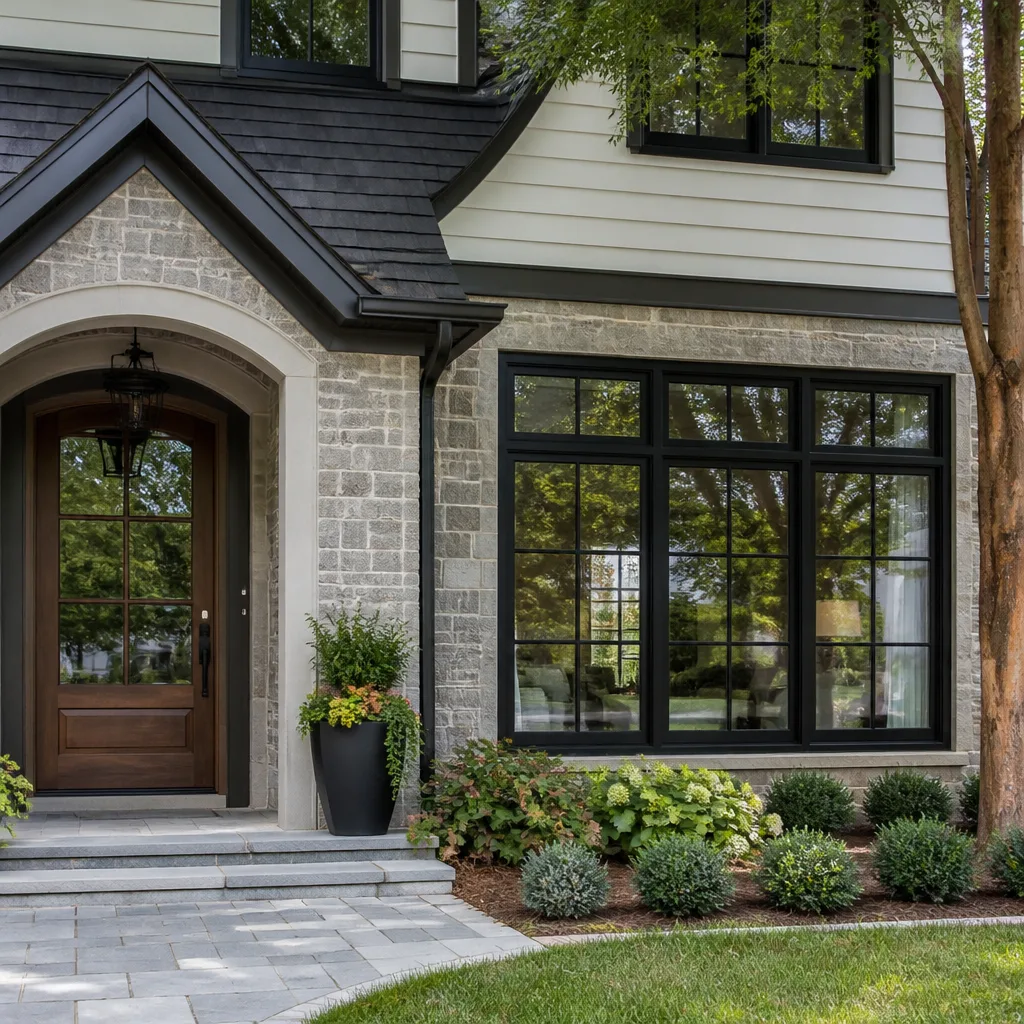 Windows & doors
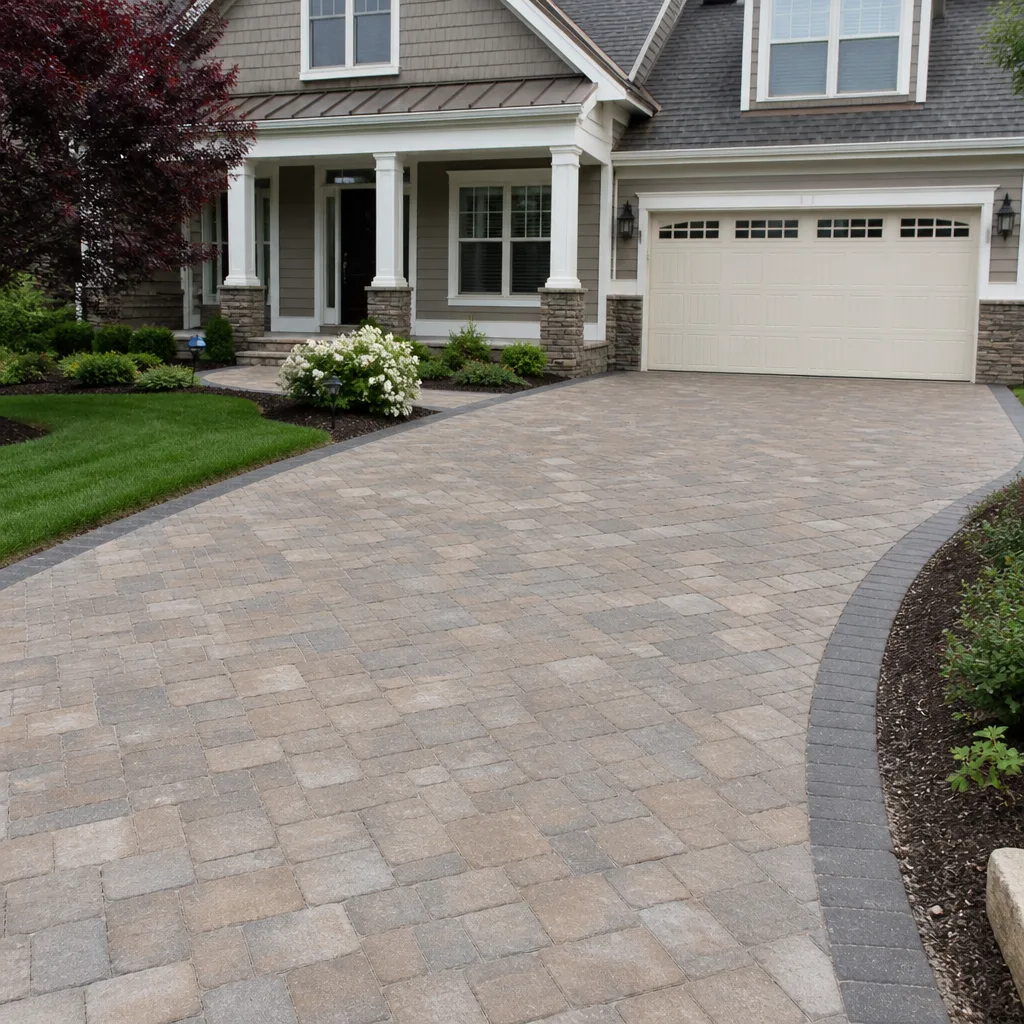 Driveway & pavers
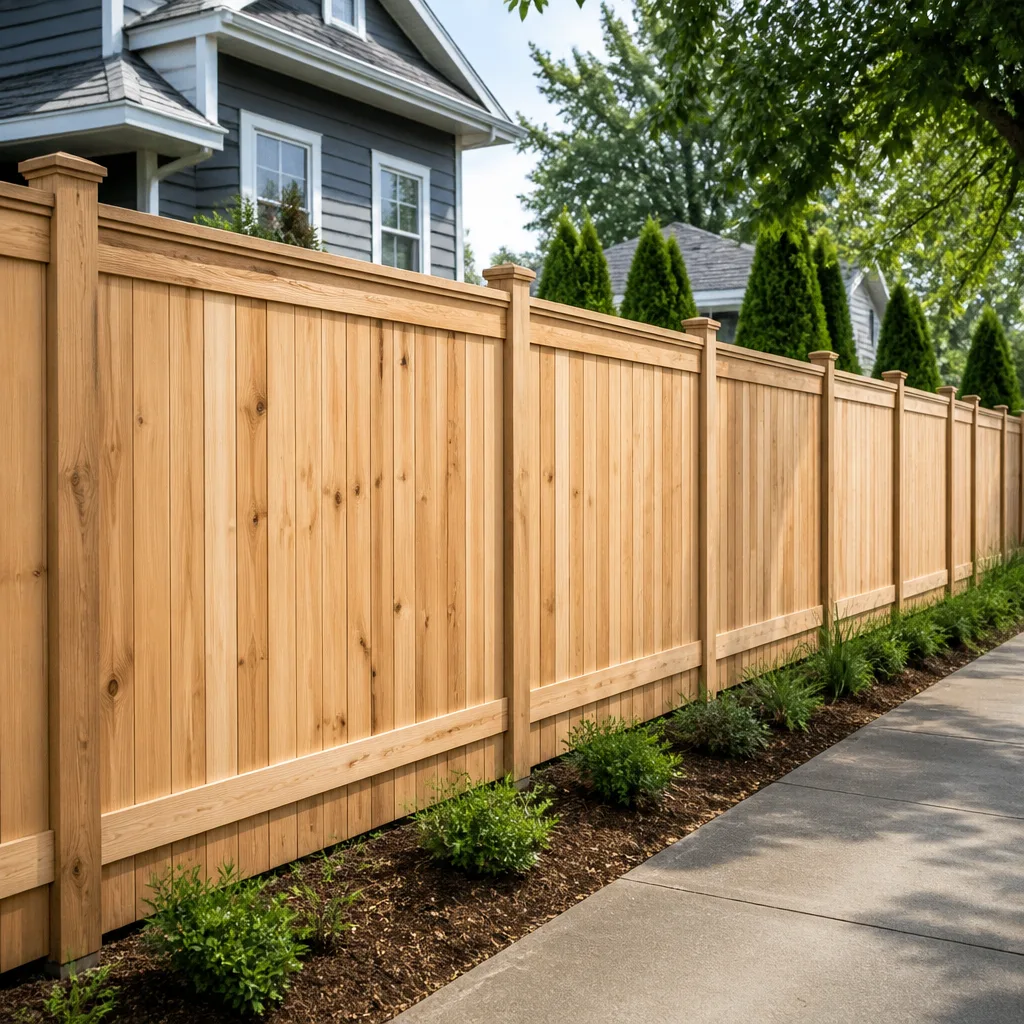 Fence
Free written scope consultation - allowances, timeline, and change-order rules on paper before a single trade is scheduled
Construction Cost Breakdown: The Arlington Homeowner’s Reference for 2026
Two Arlington homeowners can get quotes $30,000 apart on the same addition and both be looking at accurate numbers. Because one quote includes the permit, the demo, the temporary electrical, and the dumpster, and the other one doesn’t. That gap isn’t a difference in quality or even in scope on paper. It’s a difference in what each contractor decided to put inside the number. A price-per-square-foot guide tells you nothing about that gap. What follows does. This reference breaks down the line items you’ll actually see on a Tarrant County quote in 2026, explains which costs move and why, and shows you how to compare three estimates that were formatted three different ways.
Quick Answer
Most Arlington construction cost confusion comes from comparing totals instead of line items. A reliable quote separates hard costs (labor, materials), soft costs (permits, engineering, inspections), contingency, and allowances, and states each in writing before work starts. Two bids can be $30,000 apart on the same job and both be correct, because one carries the soft costs and the other left them for you to discover later.
Styles & brands we work with
- Kitchen remodeling
- Bathroom remodeling
- Home additions & ADU
- Roofing
- Windows & doors
- Driveway & pavers
- Fence
Table of Contents
- The Soft Costs That Get Left Off Your Quote
- Labor Rates in the Current Arlington Market
- Material Cost Volatility in 2026
- How to Size Contingency for Your Project
- Comparing Three Quotes That Look Nothing Alike
- Line-Item Reference: What Each Trade Costs in Arlington
- Common Mistakes to Avoid
- Frequently Asked Questions
The Soft Costs That Get Left Off Your Quote
Soft costs are the expenses that don’t get a hammer swing but decide whether the job passes inspection. They’re the single most common thing missing from a first quote in Arlington, and they’re often the reason a “cheaper” bid stops being cheaper three weeks in.
In Tarrant County, a residential building permit for an addition or significant remodel routinely runs several hundred dollars on its own, before you get to the engineering. Here’s what belongs on the soft-cost line and what to check it against:
- Permit fees: Vary with project valuation and type. An addition carries a higher fee than a bathroom gut. Ask for the permit cost as a separate line, not absorbed into “miscellaneous.”
- Engineering and drawings: Structural engineering for an addition, foundation work, or a load-bearing change is a real cost, and increasingly required for anything touching the structure.
- Inspection fees: Electrical, plumbing, mechanical, and framing inspections have fees built into the permit or billed separately. These are non-negotiable on an eligible job.
- HOA and city plan review: Some Arlington-area neighborhoods and homeowner associations require plan review or architectural approval before a permit is even filed.
When a contractor says permits are optional, ask who gets the violation if the city catches an unpermitted addition during a future home sale. It’s you. The permit inspector works for the homeowner, not the contractor, which is why we insist on pulling permits and getting inspections signed on every eligible job.
Labor Rates in the Current Arlington Market
Labor is where quotes diverge most, because two contractors can charge very different rates for the same trade and both be legitimate. What matters is understanding what pushes a rate up or down so you can tell a fair quote from a padded one.
Rough labor ranges in the current Arlington market, expressed per trade, look like this:
- General labor and demo: the lowest tier; often bundled into line items rather than priced alone.
- Framing and carpentry: mid-tier; higher for structural or complicated rooflines.
- Electrical and plumbing: upper-mid; near the top when work requires opening walls or moving fixtures.
- Tile, drywall, and finish carpentry: upper-tier on fine finish work, lower on basic installs.
- Roofing: priced by square and complexity; steep pitches and multiple dormers raise it.
Rates climb when a job needs a licensed specialist, when access is difficult, or when the work is small enough that a crew still has to show up for a fraction of a day. They drop when a job is large enough to keep a crew busy for a stretch and when it’s scheduled in a slower season. Our crews have up to 28 years of experience across these trades, which is the number that matters when you’re comparing labor cost against the risk of rework.
Material Cost Volatility in 2026
Not all materials are equally stable, and the ones that aren’t need to be handled in the contract, not just hoped for. In 2026, the categories that still move are largely imported goods and anything tied to energy costs.
Which categories you should lock down and which are safe to leave as a moving allowance:
- Still price-unstable: imported tile and stone, certain cabinetry lines, and any product with a long lead time or overseas supply chain.
- Relatively stable: standard dimensional lumber and common framing materials have settled from their earlier swings.
- Worth specifying by brand: engineered siding like James Hardie holds its price better when named explicitly than when left as “siding, allowance.”
- Contract protection: any material with a stated volatility should have a written allowance and a written change order process. No surprise invoices at the end.
Name the brand and the model in the quote when it matters. KraftMaid kitchen cabinetry, for example, has a pricing structure you can verify, unlike “premium cabinets” with no name on the line. When a quote names the product, you can price-check it yourself.
How to Size Contingency for Your Project
Contingency isn’t padding. It’s the money set aside for what you can’t see yet, and the right size depends entirely on the risk profile of the project. A bathroom remodel and a full addition are not the same risk, and they shouldn’t carry the same contingency.
- Cosmetic refresh (paint, flooring, fixtures): smallest contingency. You’re not opening walls.
- Bathroom remodel: moderate contingency. The moment you open a wall behind a shower, you may find the reason it was leaking.
- Kitchen remodel: moderate-to-higher. Old plumbing, old wiring, and appliance changes all live behind the cabinets.
- Addition or structural change: the largest contingency. Foundation, framing, and tie-in to existing structure are where unknowns live.
Rule of thumb: the older your home and the more walls the job opens, the larger the contingency should be. In older Arlington neighborhoods where homes were built decades ago, opening a wall is opening a history lesson, and the contingency is what keeps a surprise from becoming a change order you didn’t plan for. Every price change should arrive in writing before the work happens.
Comparing Three Quotes That Look Nothing Alike
Three contractors will hand you three differently formatted quotes, and comparing the totals is the fastest way to get burned. Here’s the procedure for making them comparable line by line.
- Separate hard costs from soft costs on all three. If one quote has no permit line, write “not included” next to it and adjust the total mentally.
- Check the allowance language. An allowance that isn’t on paper is a surprise waiting for a date. Find every “allowance” reference and confirm the dollar amount is written.
- Compare brand specifications. If one quote names the product and another says “brand as selected,” they aren’t the same quote. Ask for the name, then look it up.
- Confirm the change-order process. Every price change should arrive as a written change order before work proceeds. If that isn’t stated, assume it isn’t the practice.
- Check the scope and inspection terms. Which of the three includes pulling the permit and getting the inspection signed?
- Read the warranty line. A written guarantee on every job is a different product than a verbal “we stand behind it.”
Doing this takes an hour and can save you five figures. When we quote an Arlington job, we hand over the scope in writing, allowances in writing, change orders in writing, because a quote you can’t compare isn’t a quote.
Line-Item Reference: What Each Trade Costs in Arlington
Here’s the trade-by-trade reference. Ranges move with scope, access, and material choice, so treat these as the shape of the line items on your quote, not as fixed prices to hold a contractor to over the phone.
- Kitchen remodel: the largest single-trade driver in a typical Arlington home, largely because of cabinetry and appliances. See our Barrett & Sons Construction Arlington home for how we scope a full kitchen.
- Bathroom remodel: tighter space, but tile and plumbing can rival kitchen costs per square foot.
- Roofing: often the most visible line on a home; pitched and complicated roofs cost more than simple ones.
- Windows and doors: priced by unit, with Andersen and Marvin at the higher end and standard brands below.
- Fence: priced by linear foot and material; the run length and gates drive the total. Our Fence Installation in Arlington page walks through what changes the number.
- Driveway and pavers: priced by area and material; Belgard and Techo-Bloc sit at the top of the hardscape range. See Driveway & Pavers in Arlington.
- Addition or ADU: the highest-risk and highest-cost category; soft costs and contingency carry more weight here than anywhere else. Our Home Additions & ADU in Arlington page covers the sequence.
If your project is an addition and you’re thinking about a prefab or panelized approach, products like Plant Prefab and Tuff Shed enter the quote as a product cost rather than a labor cost, which changes the whole shape of the breakdown.
Common Mistakes to Avoid
- Comparing totals instead of line items. A $30,000 gap usually means one quote is missing the soft costs, not that one contractor is generous. Separate and compare.
- Accepting a verbal price. A price on a phone call is not a price. In a market where material costs still move, only the written number holds.
- Assuming permits are optional. The last contractor many homeowners used told them permits were optional. Unpermitted work becomes your problem at resale.
- Leaving allowances unnamed. “Cabinets, allowance” with no dollar figure is a blank check. Get every allowance written with a number and a brand.
- Undersizing contingency on an older home. Opening a wall in an older Arlington house is opening a history lesson. Size the contingency for what you might find.
- Skipping the warranty question. Ask what happens if something’s wrong in month two. A written guarantee is the answer you want.
- Choosing on price alone. You’ll pay more for a name you can verify and a face you’ll see again. That’s usually the right trade.
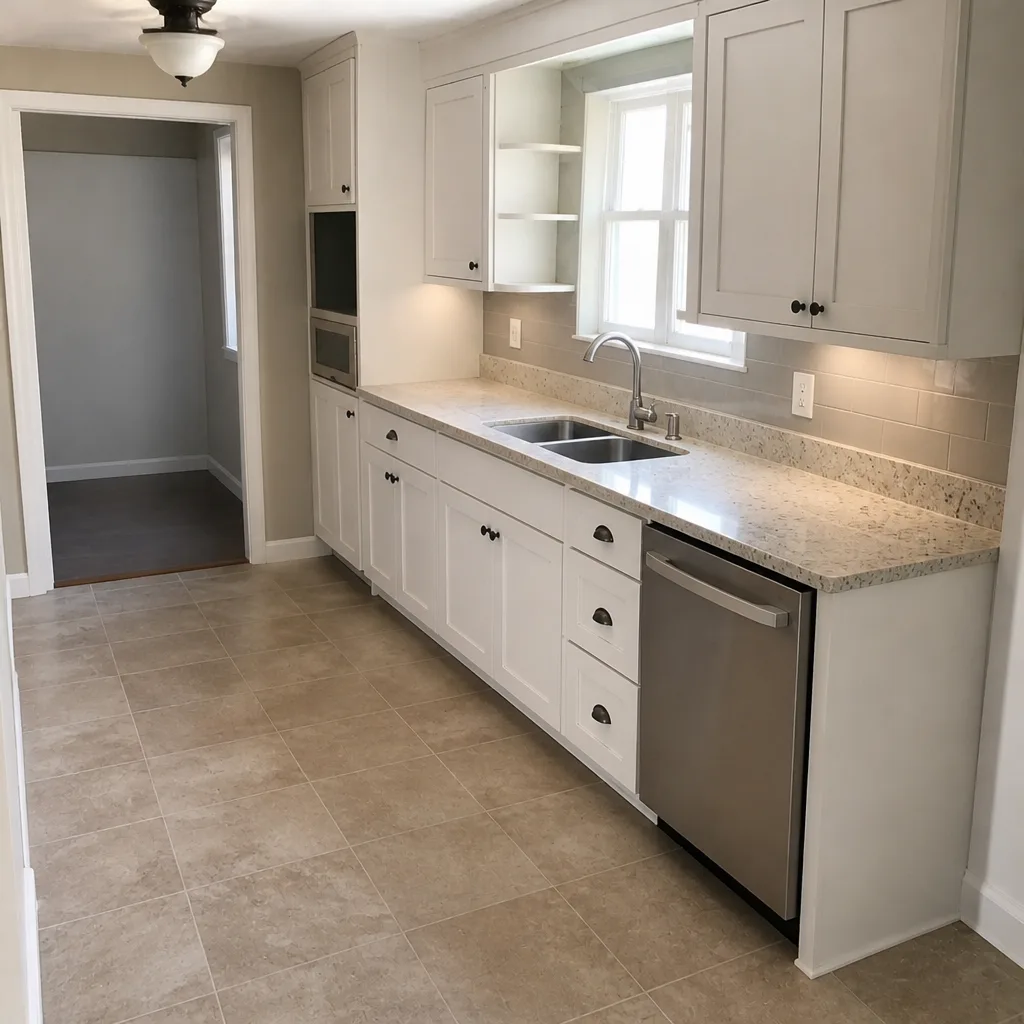
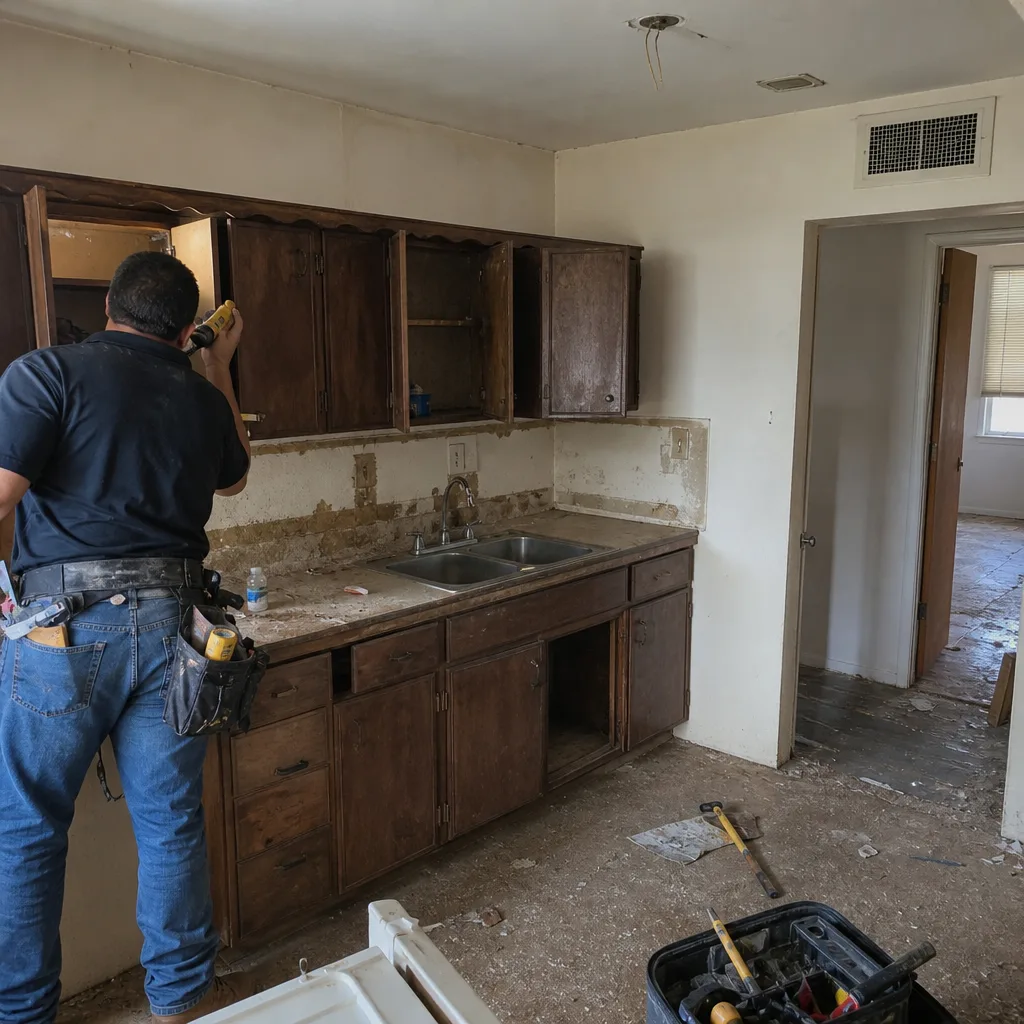
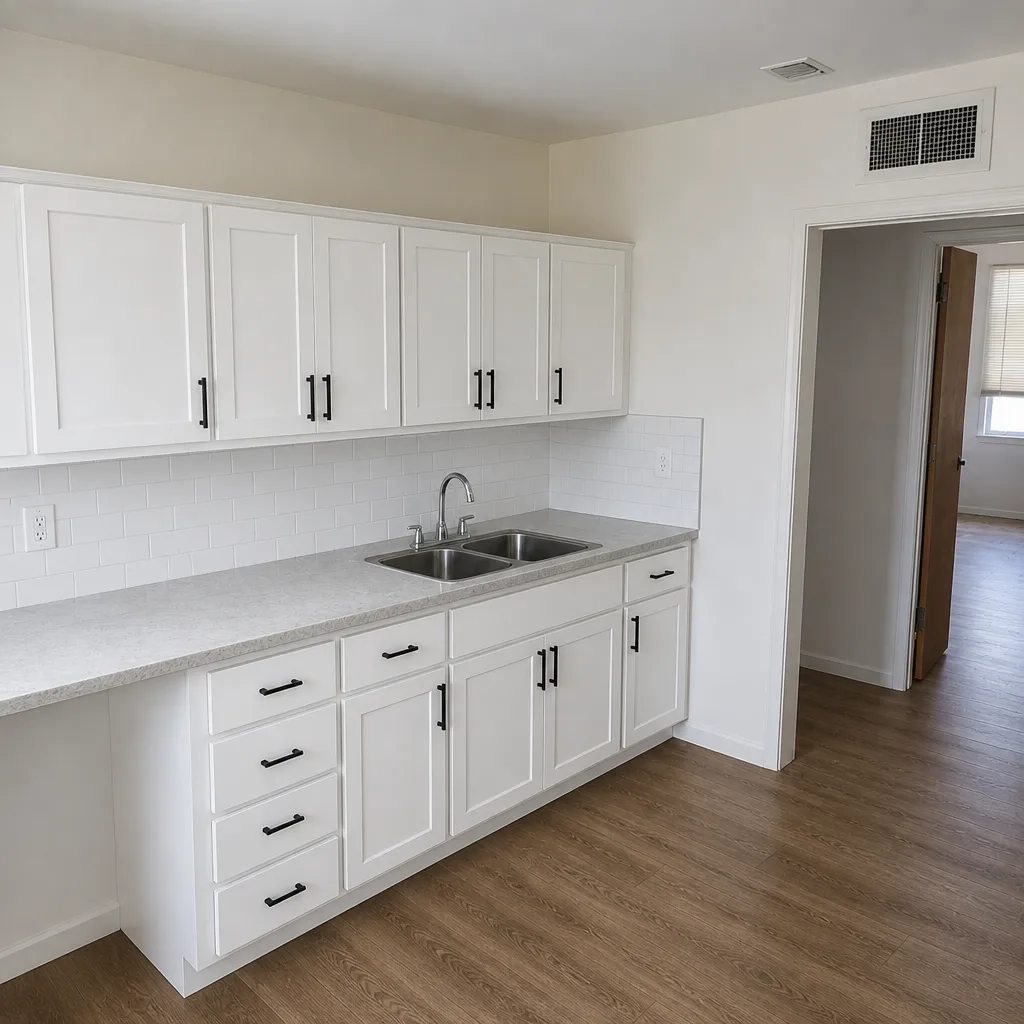
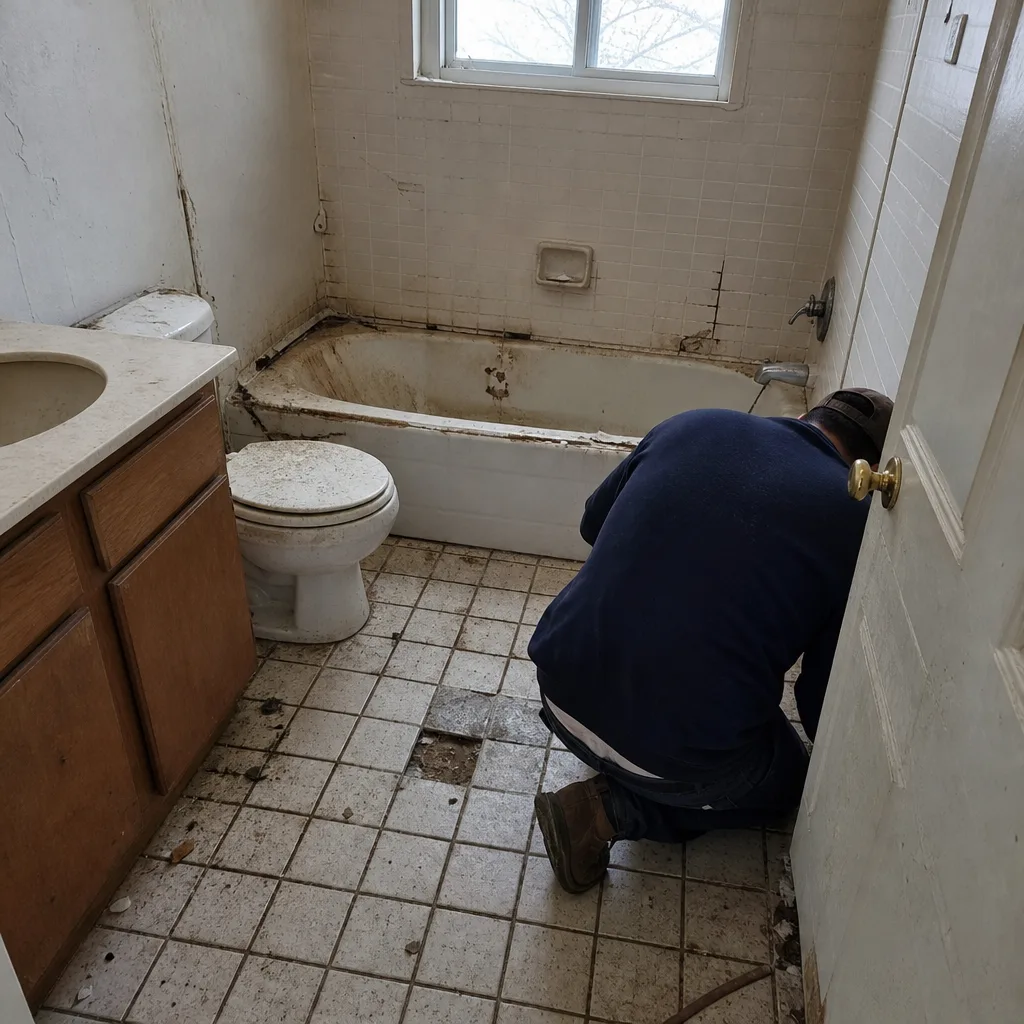
See the difference
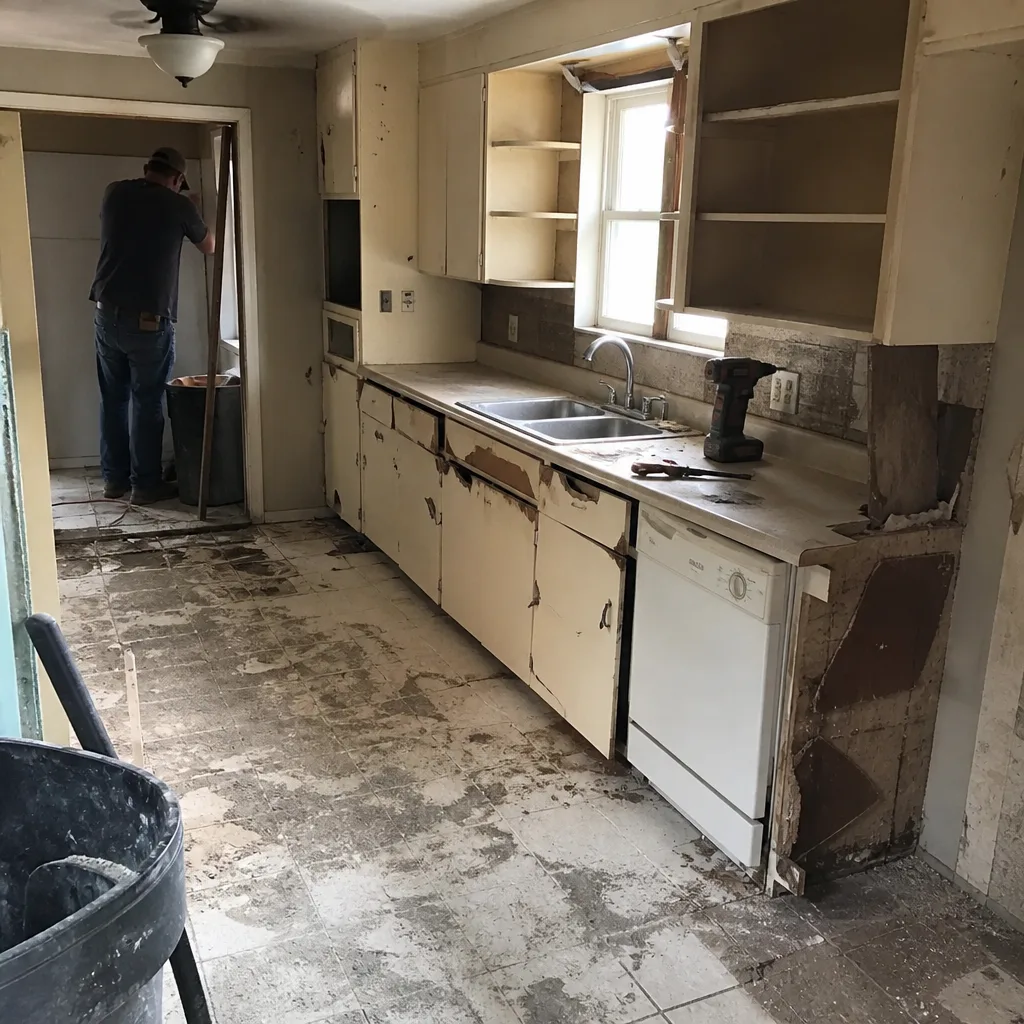 Before
 After
 Before
 After
 Before
 After
When to Call a Professional
Some of this you can do yourself by reading quotes carefully. Other parts should not be a homeowner’s project. Structural changes, anything that requires opening a wall behind plumbing or wiring, gas lines, and panel work are places where a trained professional is the only safe hands. If a quote doesn’t include the permit, if you can’t get a written change order process, or if three quotes look wildly different and you can’t tell why, call us. We’ll walk you through what each line means. Barrett & Sons Construction Arlington offers free estimates in Arlington – call (888) 590-9867.
Frequently Asked Questions
Most kitchen remodels in Arlington land in a range that depends on whether you’re moving plumbing and how much cabinetry you’re replacing. Cabinetry and appliances drive the bulk of the cost, with tile and labor behind them. Call (888) 590-9867 for an exact quote – estimates are free.
Not without a written change order. Every price change should arrive as a written change order before work proceeds. If you’re opening a wall and find something unexpected, the change is documented and priced before anyone picks up a tool.
Yes – we pull permits and get inspections signed on every eligible job in Arlington. The permit inspector works for you, not for us, which is why we like him. Ask any contractor you’re comparing to show you the permit line on the quote.
It depends on the project type and the inspection schedule in Tarrant County. A bathroom remodel moves faster than an addition, which has multiple inspection gates. Your quote should state a timeline; if it doesn’t, ask for one in writing before you sign.
Imported tile and stone, some cabinetry lines, and long-lead products still carry price risk. Standard lumber has settled. The right response is to name brands and lock allowances in writing, so a price change arrives as a written change order instead of an end-of-job surprise.
Read it line by line before you celebrate. The gap usually comes from missing soft costs, unnamed allowances, or a scope that skips demo and disposal. Compare line items, not totals, and ask what isn’t on the page.
The Bottom Line
The number on a construction quote in Arlington is a summary of decisions, and the decisions live in the line items. Separate the hard costs from the soft costs, check the allowances for names and dollar amounts, size your contingency for what you’re opening, and confirm the change-order process in writing. Do that, and three quotes that looked nothing alike become comparable in an afternoon. Barrett & Sons Construction pulls permits, issues change orders before the work happens, and backs every job with the 90-Day Done Right Promise. Call (888) 590-9867 for a free estimate.
Written by the team at Barrett & Sons Construction Arlington.