
Last updated November 17, 2026
 Home additions & ADU
 Kitchen remodeling
 Bathroom remodeling
 Roofing
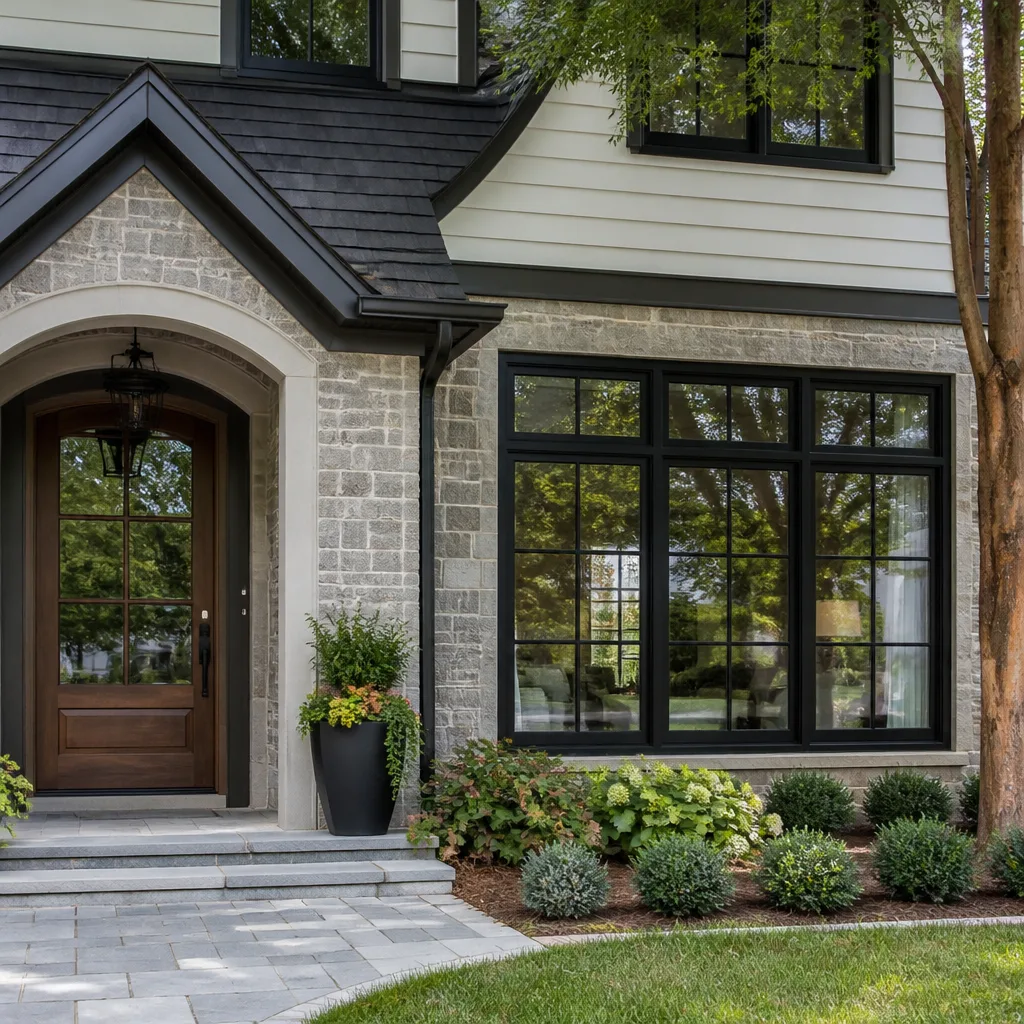 Windows & doors
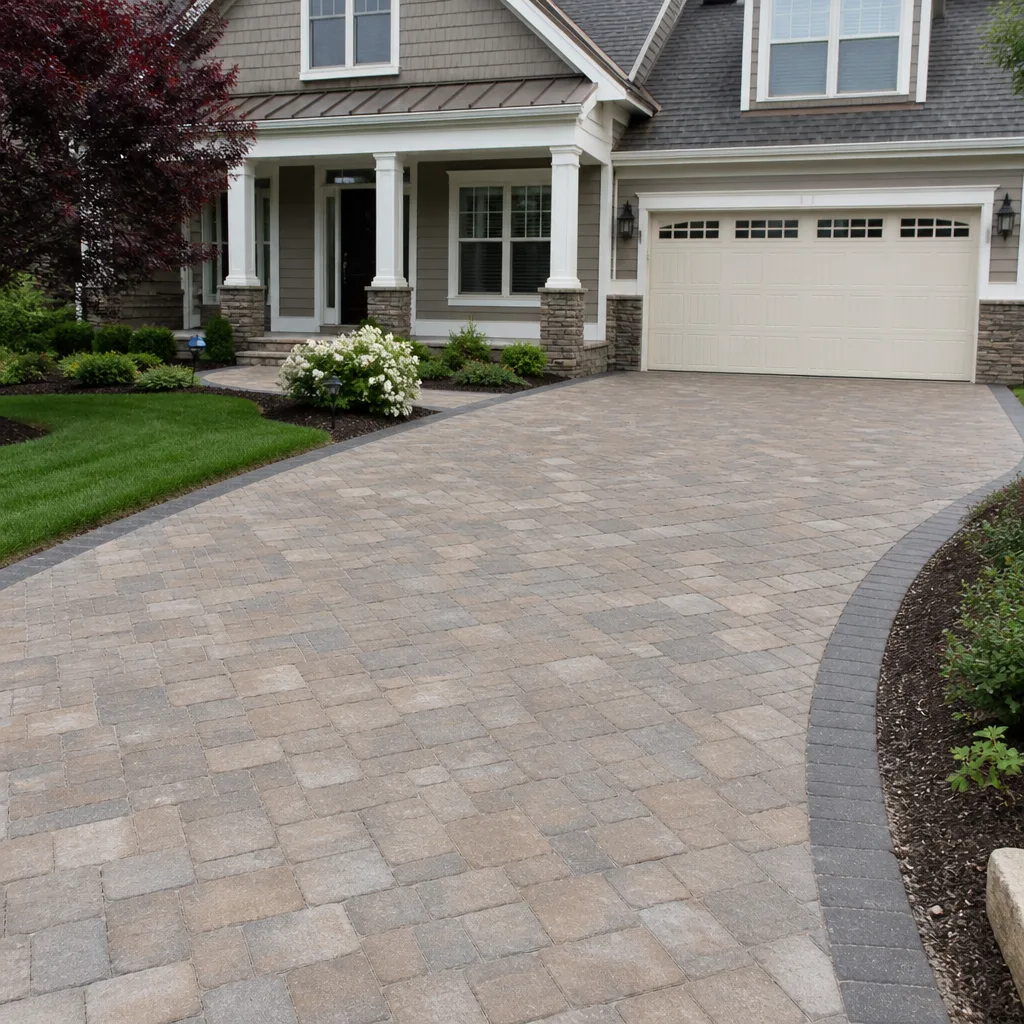 Driveway & pavers
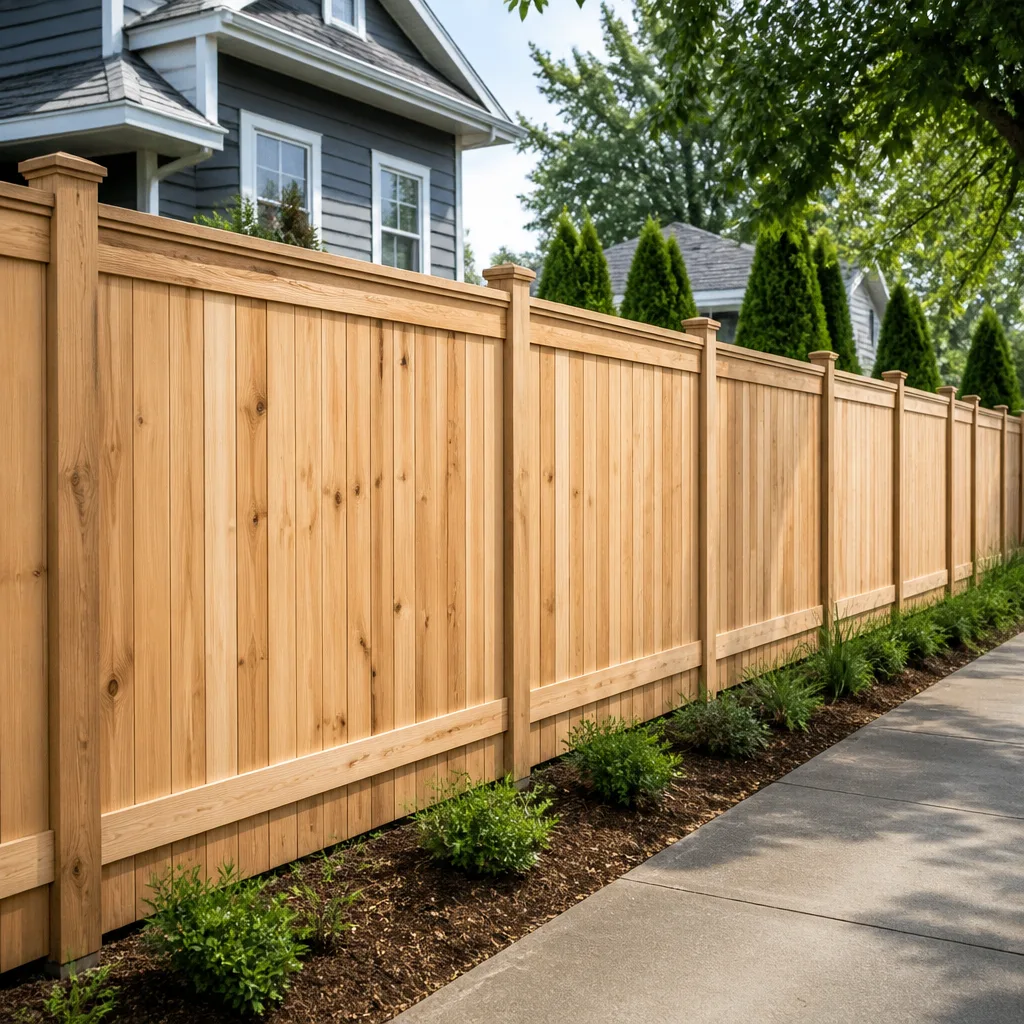 Fence
Free written scope consultation - allowances, timeline, and change-order rules on paper before a single trade is scheduled
Construction Emergency Preparedness Guide for Arlington Homes
After a severe weather event in Tarrant County, storm-chasing contractors cross county lines within hours, and the homeowners who sign something in the first 48 hours under pressure almost always regret it. The damage itself is only half the story. The other half is the decisions made while the water is still running and the tarp is still flapping. This guide is built to be read before that day arrives. We’ll walk through what to document before you touch a thing, how to tell structural damage from cosmetic damage, the specific solicitation tactics that follow Arlington weather events, and why the order of your phone calls matters more than you’d think.
Quick Answer
If your Arlington home has storm, water, or foundation damage, your first moves are: document everything with photos and a written timeline before you move or clean anything, stop the source of water or damage safely if you can, and call your insurance company to open a claim, then bring in a licensed contractor for a written scope. Don’t sign anything from a contractor who knocked on your door uninvited. The first 24 hours determines whether you’re looking at a repair or a full remediation, and the documentation you gather in that window is what protects your claim.
Styles & brands we work with
- Kitchen remodeling
- Bathroom remodeling
- Home additions & ADU
- Roofing
- Windows & doors
- Driveway & pavers
- Fence
Table of Contents
- What to Document Before You Touch Anything
- How to Tell Structural Damage from Cosmetic Damage
- The Contractor Tactics That Follow Arlington Weather Events
- Calling Insurance vs. Calling a Contractor: Which Comes First?
- Burst Pipes Behind Finished Walls: The Clock Starts Fast
- Pre-Event Preparation: What a Contractor Relationship Actually Buys You
- The Arlington Emergency Go-Bag Checklist
- After the Emergency: Rebuilding Without Getting Burned Twice
What to Document Before You Touch Anything
Insurance adjusters work from evidence, and evidence is easiest to gather immediately after the event. Once a contractor starts pulling wet drywall or sweeping broken shingles into a pile, that evidence is gone. In our experience, the Arlington homeowners who sail through claims are the ones who spent 20 minutes with a phone camera before reaching for the mop.
Here’s the order we recommend, and it applies whether you’re looking at a roof leak after a hailstorm off I-20 or water pouring through a ceiling near the Arlington Highlands:
- Wide shots first, then close-ups. Stand back and photograph the whole room, then move in for detail. The wide shot establishes context; the close-up establishes severity. Do both for every affected area.
- Timestamp everything. Your phone’s metadata handles this automatically, but also note the date and time of the event yourself in a text or email to your spouse or yourself.
- Film a slow walkthrough. A two-minute video with narration (“this is the master bath, water coming through the vent, started around 6 p.m.”) is worth more to an adjuster than 40 stills.
- Don’t throw anything away. Wet carpet, ruined drywall, damaged furniture: pile it somewhere dry for the adjuster’s inventory, or photograph it in place before removal.
- Keep receipts for everything you spend. Hotel, dehumidifier rental, tarps, takeout while the kitchen is unusable. Many policies reimburse for “additional living expenses,” but only with receipts.
Write a one-page timeline of what happened and when. Adjusters love a timeline. A claim file with a written chronology and a two-minute video moves faster than one that eats three weeks of back-and-forth phone calls. That speed matters when a remediation clock is ticking.
How to Tell Structural Damage from Cosmetic Damage
Not every crack is a crisis, and not every crisis looks like one. The honest answer is that only an engineer or licensed contractor can make the final call, but you can learn to spot the difference between “call a painter” and “call somebody today.”
Cosmetic damage is usually what you can see and touch but that doesn’t affect the house’s bones: chipped paint, a cracked floor tile, scuffed siding, a buckled ceiling texture, a loose shingle or two. These are inconvenient but can wait for a scheduled appointment.
Structural damage is what moves, sags, or opens a path for water. Warning signs in Arlington homes include:
- Cracks wider than 1/4 inch or cracks that stair-step diagonally through brick or block.
- Doors and windows that suddenly stick or won’t latch in a spot that was fine last month.
- Sloping or bouncy floors or a noticeable sag in the roofline.
- Separation where an addition meets the original house, or where the garage wall meets the main structure.
- Drywall cracks that run from corner to corner of a doorway – those often flag movement behind the wall.
- Water stains that spread after the rain stops – that means an active leak path, not old damage.
Number two on that list is the one that fools people. A door that “got sticky” after a storm is often a foundation or framing signal, especially in Arlington’s soil conditions. If you’re seeing that, get a written opinion before you spend money on anything cosmetic. The Barrett & Sons Construction Arlington home page covers the ranges of work we handle if you need a starting point for the conversation.
The Contractor Tactics That Follow Arlington Weather Events
We’ve seen this pattern after every major hail or wind event in Tarrant County, and the storm-chasers are usually working three or four neighborhoods before the rain has even stopped. Their trucks are often unmarked or come from out of state. Here’s what to watch for:
- The unsolicited knock. A legitimate local contractor rarely needs to walk driveways for work. If someone shows up at your door with a clipboard the day after a storm, that’s a red flag.
- “I was just in the neighborhood.” Fine if they have a real address and a license; a red flag if they can’t produce both on request.
- Pressure to sign today. “This price is good until 5 p.m.” is a sales technique, not a construction fact. Any contractor who won’t put a written scope and price in front of you to review overnight isn’t a contractor you want.
- Cash-only or large upfront deposits. A real contractor works on a deposit plus progress payments per written milestones. A van that wants 50% cash up front is planning to be gone.
- No verifiable license number, or one you can’t look up. Texas doesn’t license general contractors statewide the way it does electricians, but any real outfit should be able to show insurance and a business address that checks out.
- Promises about the insurance claim. A contractor can’t guarantee what your adjuster will approve. Anyone who says “we’ll get your insurance to pay for everything” is selling, not building.
The cleanest defense is to have a name already in your phone. When the pressure is on, you make good decisions about people you already know. If you don’t have a name in your phone yet, use the time to call a licensed, insured firm you can verify – not the guy in the truck with a shiny flyer.
Calling Insurance vs. Calling a Contractor: Which Comes First?
The order depends on one thing: whether the damage is still actively getting worse. If water is pouring into your house right now and you have a burst line or a wide-open roof, act first and call second. If damage has stabilized and you’re looking at cleanup and repair, insurance comes first.
Call the contractor first if:
- There’s active water intrusion or a burst pipe.
- The roof is open to the sky or a wall has come down.
- There’s a gas smell or electrical hazard (get out first, then call the utility and 911).
Call the insurance company first if:
- The damage is done and you’re managing cleanup.
- You’re about to spend more than your deductible on repairs.
- You suspect there’s damage you can’t see yet.
Either way, open the claim before you sign a repair contract. Adjusters are trained to flag a claim that looks “already started” – meaning a contractor is already on it – and they need to see the damage state, not the post-repair state. Our Home Additions & ADU in Arlington team runs into this constantly with people who started demo before the adjuster showed up. Expensive lesson.
Burst Pipes Behind Finished Walls: The Clock Starts Fast
Mold can begin to colonize wet drywall within 24 to 48 hours, which is why water damage is the one construction emergency in Arlington where you cannot wait on a contractor to grace you with a scheduling callback. If a pipe bursts behind a finished wall, the clock is real. The remediation industry calls this the “first 24” for a reason.
What to do while the water is off:
- Shut off the main water valve (know where it is before you need it – usually near the meter or where the line enters the house).
- Kill the power to affected rooms at the breaker panel if water is anywhere near outlets or fixtures.
- Call the plumber or restoration crew first, not the insurance company. Stop the source, then document.
- Move furniture and belongings out of the wet zone. Get rugs and paper items up off the floor.
- Do not drill exploratory holes or pull drywall yourself. You can cause more damage and confuse the remediation assessment. Let the trained crew open the wall safely.
If a plumber has to open the wall anyway, make sure the repair scope gets written down before the wall goes back. A “small” opening that becomes a new bathroom vanity replacement is a conversation you want in writing, not over the phone six weeks later. That’s what written change orders are for – the price changes in writing before the work happens, not after.
Pre-Event Preparation: What a Contractor Relationship Actually Buys You
Running a hardened home is like changing the oil in your truck: the work you do before the breakdown is what keeps the cost down after. Here’s what prep looks like for an Arlington house.
- Know where your shutoffs are. Water main, gas valve, and the breaker panel. Walk every adult in the house through them once. Write it down on a card and put it in the kitchen junk drawer next to the takeout menus.
- Photograph the house when it’s clean and dry. A full photo set of every room, the attic, the panel, and the roof (from the ground is fine) gives you a “baseline” file for future claims.
- Get on a roofer’s calendar in the spring. A yearly check before storm season identifies loose flashing, worn shingles, and clogged gutters before they become a claim. Arlington gets hail; treat a roof inspection the way you treat an annual physical.
- Get your will-and-important-documents folder scanned. Nothing makes a construction emergency worse than not knowing where the insurance paperwork lives.
- Have one contractor name in your phone. This is the big one. When the water is coming through the ceiling, you don’t want to be reading reviews at 11 p.m. You want to be calling someone whose number you already have and whose work you’ve already seen.
If your fence went down in the last storm, or is going down in the next one, that’s a different repair conversation. The Fence Installation in Arlington page covers posts, wind-loading, and material choices that hold up better in Tarrant County. Same logic applies to the driveway – after a hailstorm, the Driveway & Pavers in Arlington team sees plenty of damage that could have been avoided with better base prep before the storm hit.
The Arlington Emergency Go-Bag Checklist
This is not a bugout bag. It’s the small folder or fireproof box you grab when you have 60 seconds to leave a house that’s flooding or on fire. It should hold:
- A printed list of your insurance policy number, agent name, and the 24/7 claims line.
- Copies of your deed, mortgage, and photo ID.
- A USB drive with the “baseline” photo set of your house from when it was dry.
- Spare keys to the house and cars.
- A small amount of cash (not much) and a spare credit card.
- A phone charger and a backup battery.
- Any prescriptions you can’t miss.
Keep it near the front door, not in the attic. And update the photo set once a year. A contractor’s eyes are on the timetable that says “update before hail season” – spring in Arlington means April through June, so March is the right month for the annual refresh.
After the Emergency: Rebuilding Without Getting Burned Twice
The most expensive mistakes happen after the water is dry and the adjuster has left. The second you start rebuilding, the pressure shifts from “protect the claim” to “get the house back.” That’s exactly when a bad contractor takes advantage.
Three rules for the rebuild:
- No written scope, no signed contract. Every line item and allowance goes in the document before the first hammer swings.
- No price change without a written change order. The number on the contract is the number you pay unless there’s a written, signed change order.
- Permits pulled and inspections signed. The inspection isn’t for the contractor’s benefit, it’s for yours. It’s the one time in the process an independent third party looks at the work and tells you it’s right.
If the job is big enough to need a real contract, that contract should say how long the workmanship is covered and who to call if something isn’t right. Ours says it in writing on every job, and that’s the standard we’d tell you to ask for from any contractor in Arlington.
Common Mistakes to Avoid
- Signing a door-knocker’s contract within 48 hours of the storm. The pressure is the tactic. Sleep on it, verify the license, and compare at least one other written bid.
- Cleaning up before you document. The wet carpet, the broken shingles, the fallen ceiling – photograph all of it in place before you move it. Adjusters can’t value what they can’t see.
- Assuming every crack is structural. A 1/8-inch hairline in drywall is a paint-and-patch job; a stair-step crack through brick is a structural opinion conversation. Knowing the difference saves you thousands.
- Calling the contractor before calling the insurance company when damage is stabilized. A contractor who starts work before the adjuster sees the damage can complicate the claim. Get the claim number first.
- Not knowing where your water shutoff is. In a burst-pipe emergency, the first 60 seconds decide how much of the house gets wet. Practice turning it off before you need to.
- Letting a contractor “handle” your insurance claim. You are the policyholder. You make the calls with your adjuster. A contractor will provide a written scope; they will not negotiate your claim for you.
- Reusing a contractor who did shoddy work the first time. The 90-Day Done Right Promise exists because we’ve seen what happens when nobody stands behind the work. One call brings a real contractor back to fix it; with a van-and-a-prayer outfit, one call usually goes to voicemail forever.
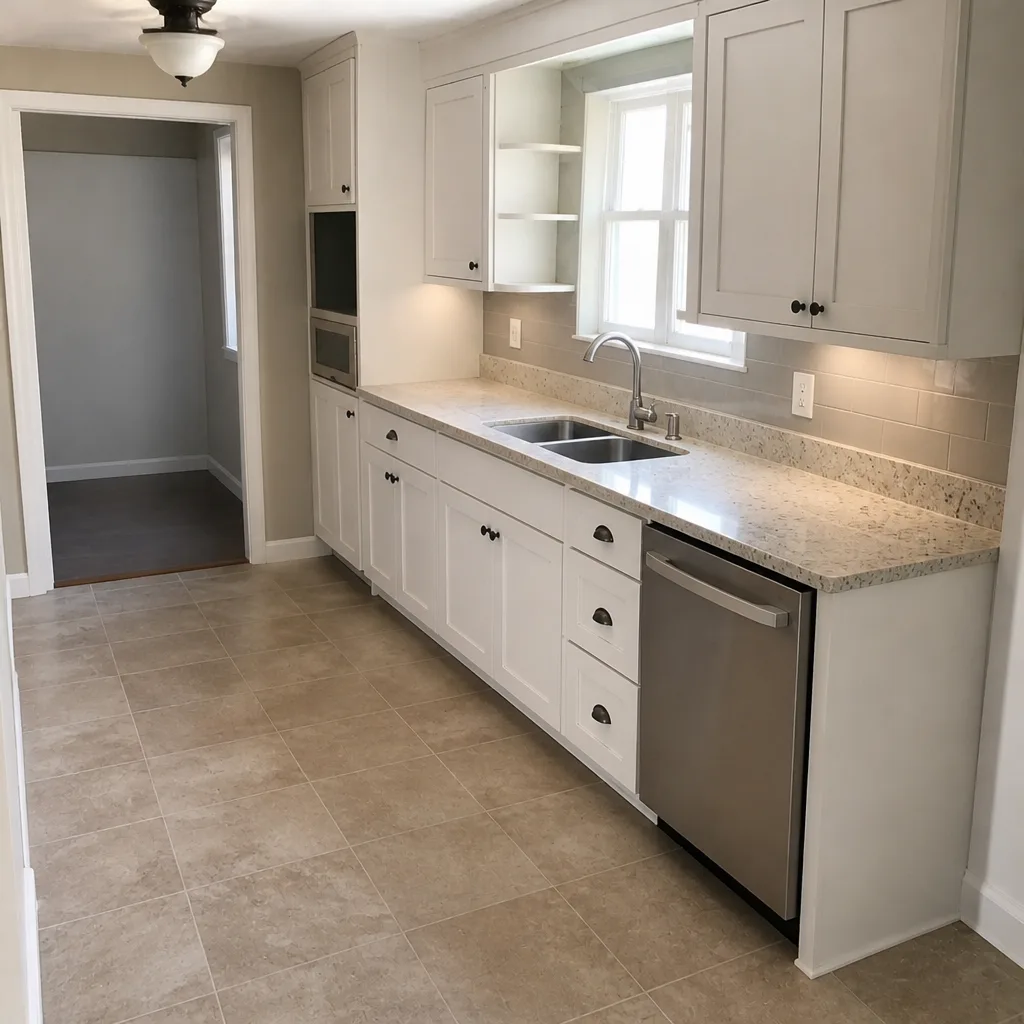
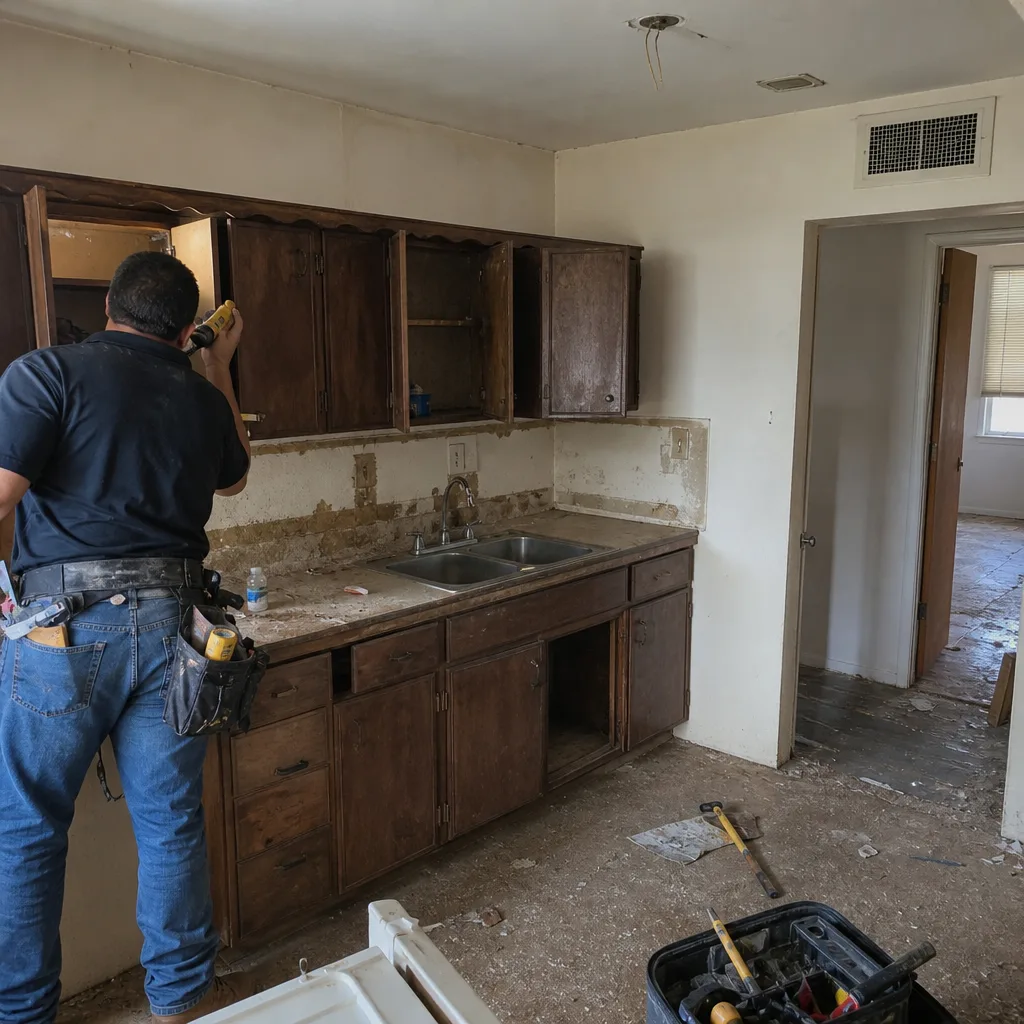
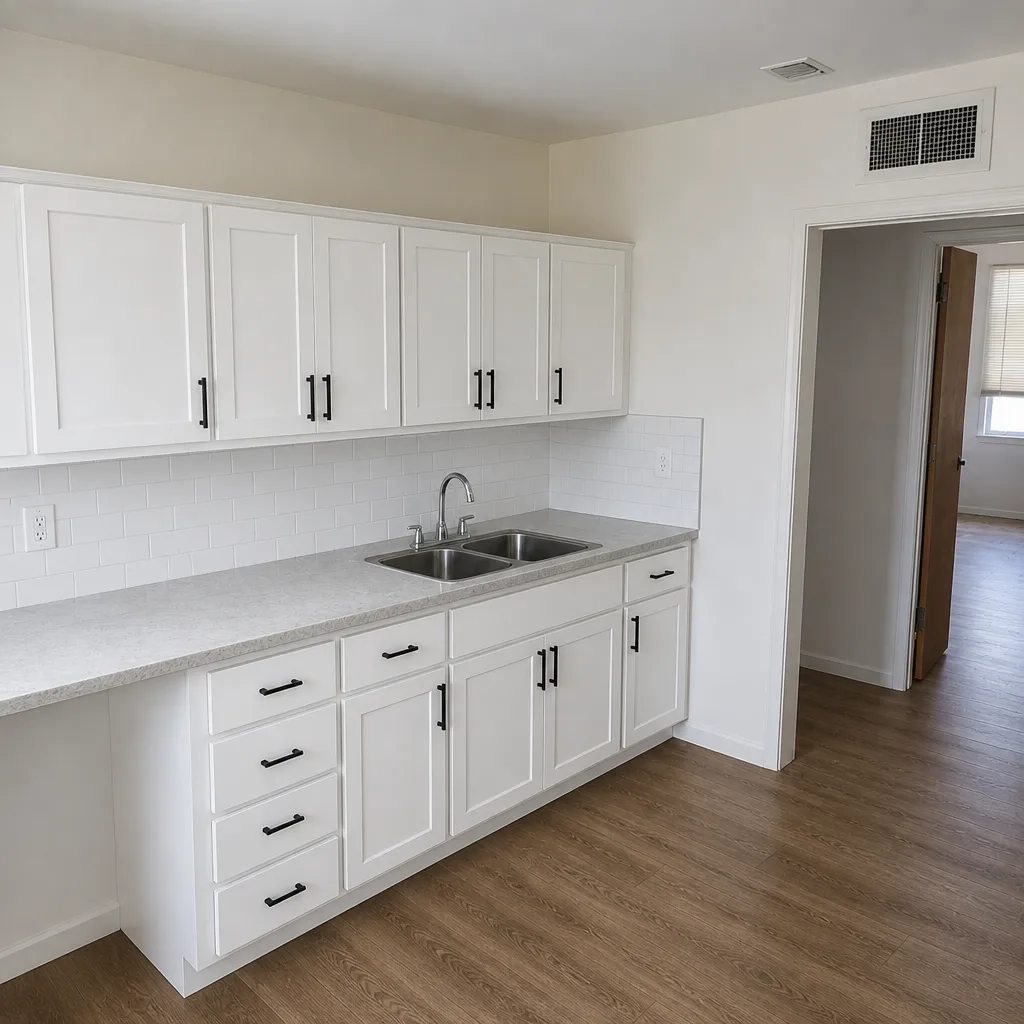
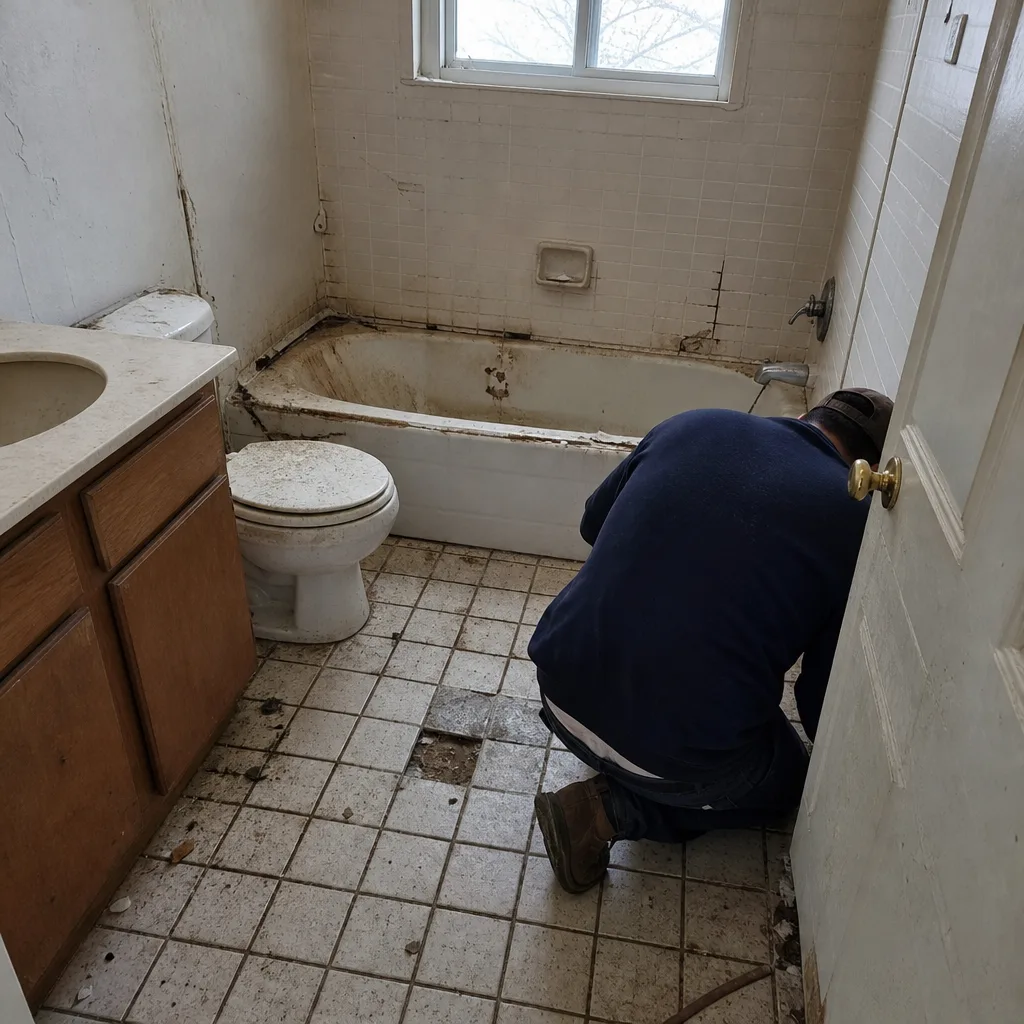
See the difference
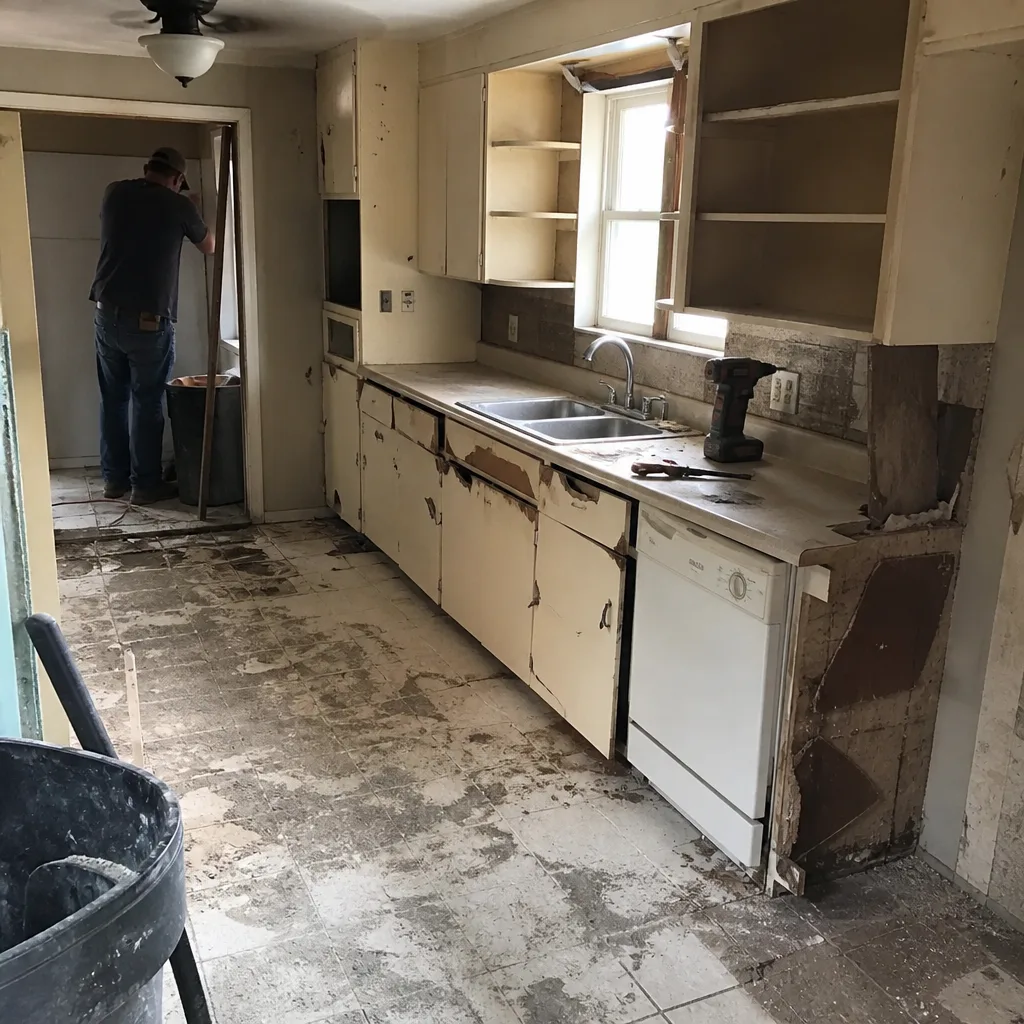 Before
 After
 Before
 After
 Before
 After
When to Call a Professional
Call a licensed professional the moment you see any of the following: active water intrusion anywhere in the house, a roof that’s lost shingles or flashing, doors or windows that no longer close in a spot that was fine before the storm, a crack wider than a quarter inch through brick or block, or the smell of gas anywhere near the house (leave first, then call). If the damage is cosmetic and stabilized, you can wait for a scheduled estimate. If water is moving or the structure is sagging, call now. Barrett & Sons Construction Arlington offers free estimates in Arlington, reaches the owner’s team by phone 24 hours a day, and puts every scope, allowance, and price change in writing before work starts. For emergency assessments and rebuilds, call (888) 590-9867.
Frequently Asked Questions
If damage is actively getting worse – water intruding, roof open, gas smell – call a licensed contractor or emergency service first to stop the bleeding, then call your insurance carrier. If the damage has stabilized, call your insurance company first to open a claim and get a claim number, then bring in a licensed contractor for a written scope. The order protects your claim’s value and keeps you from paying out of pocket for work the policy would have covered.
Thin hairline cracks in drywall are usually cosmetic, especially in older homes where the paint has been recoated a few times. Cracks that stair-step diagonally through brick or block, cracks wider than a quarter inch, or any crack that appears alongside doors that suddenly stick or won’t latch are all signs that warrant a written opinion from an engineer or licensed contractor. In Arlington, expansive clay soils and seasonal moisture swings make foundation-related cracking common, so err on the side of getting it looked at.
The clearest red flags are: an unsolicited knock at your door the day after a storm, “I was just in the neighborhood” without a verifiable local business address, pressure to sign the same day, cash-only payment or large upfront deposits, refusal to provide an insurance certificate or license number, and promises that “your insurance will pay for everything.” A real contractor will put a written scope and price in front of you, let you take it home to review, and never rush the signature.
You can and should stop active water and take emergency steps to prevent further damage – that’s often required by the policy itself. What you shouldn’t do is remove damaged materials, repaint, or begin permanent repairs before the adjuster sees the damage. Photograph and video everything in place, then clean up. If the damage is severe enough to require emergency removal to protect the house, document it thoroughly first and tell your adjuster it was done as an emergency measure.
Mold can begin to grow in wet drywall and framing within 24 to 48 hours, which is why water damage is the construction emergency that most tolerates the least delay. In Arlington’s summer humidity, the clock can be even faster. Get the water shut off, get a plumber or restoration crew on site quickly, and don’t wait days for a callback – the difference between a two-wall dry-out and a full remediation is often just those first 24 hours.
Yes, for three practical reasons. First, you make a calmer decision under pressure when you’re calling someone you’ve already met. Second, the contractor already knows your house, its age, and its prior repair history – which means the emergency assessment is faster. Third, if the work ends up needing a rebuild, the contractor already has the baseline documentation from earlier jobs. A short conversation and a free second opinion on a written estimate today is zero cost; finding a stranger to trust at 11 p.m. with water on the floor is not.
The Bottom Line
The window between “storm hit” and “signed for a bad repair” is measured in hours, and the decisions made inside that window are what separate a repair from a full remediation. Document before you touch anything. Know the difference between cosmetic and structural damage. Call insurance first when the damage is stable, and call a licensed contractor first when it isn’t. Watch for the door-knockers. And do the prep work while it’s calm, because the best time to find a contractor you trust is before you need one. Barrett & Sons Construction Arlington answers the phone 24/7 – call (888) 590-9867 for a free estimate and a written scope you can actually hold in your hand. Our crews are background-checked, every eligible job includes permits pulled and inspections signed, and every completed job is backed by the written 90-Day Done Right Promise.
Written by the team at Barrett & Sons Construction Arlington.