
Last updated November 17, 2026
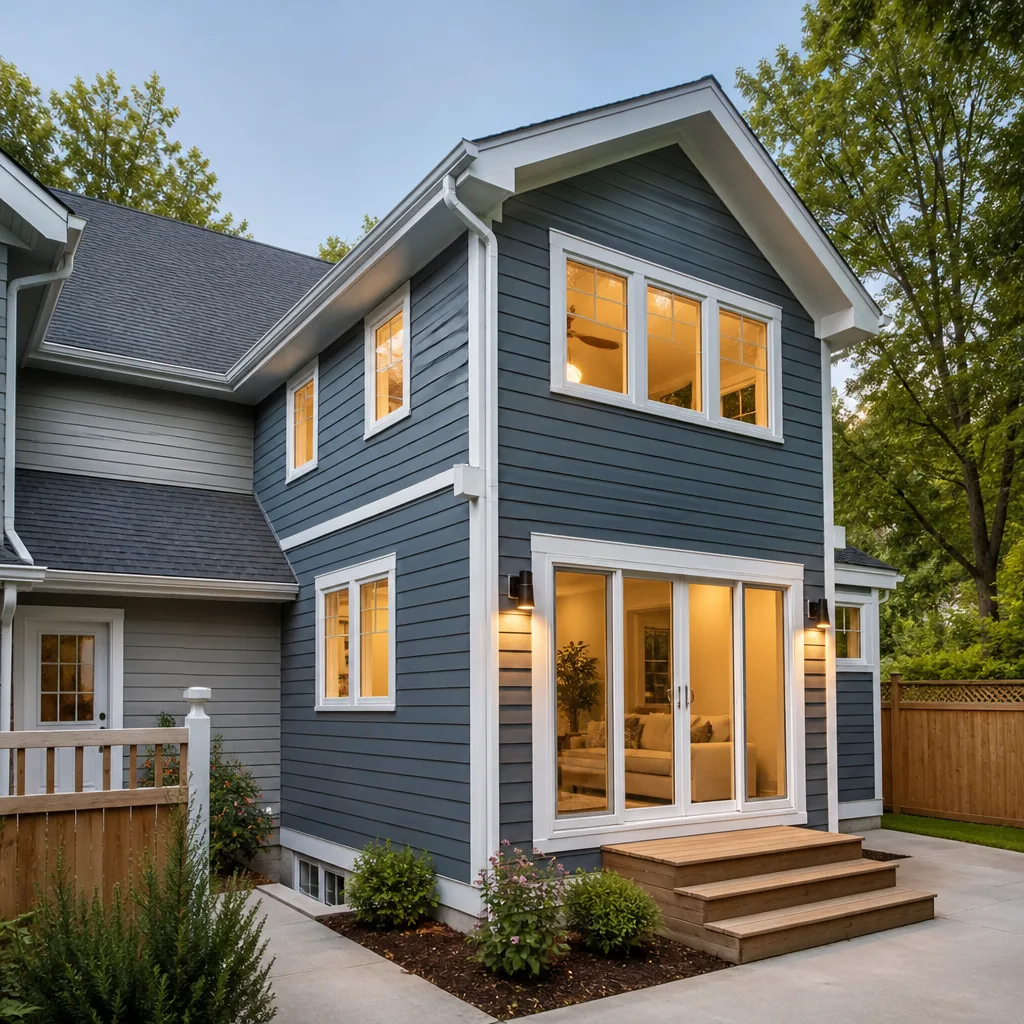 Home additions & ADU
 Kitchen remodeling
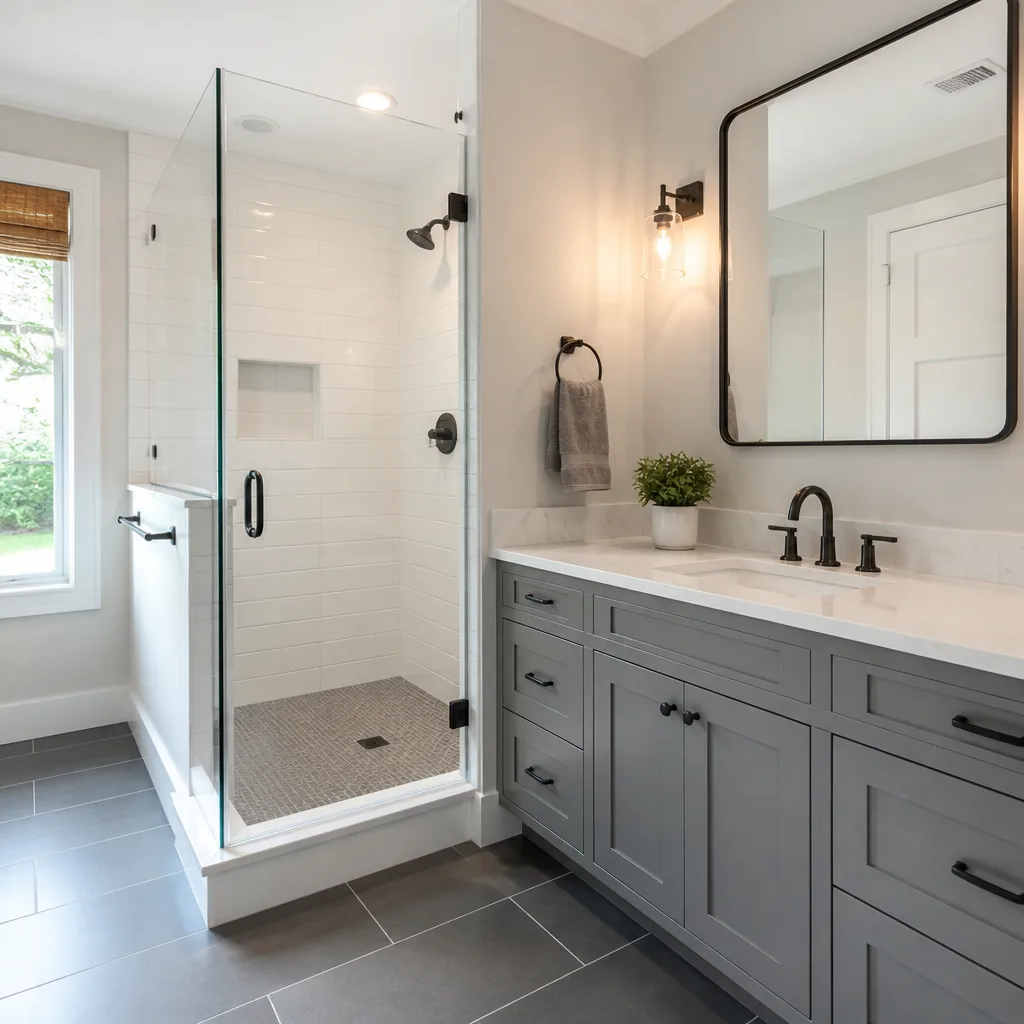 Bathroom remodeling
 Roofing
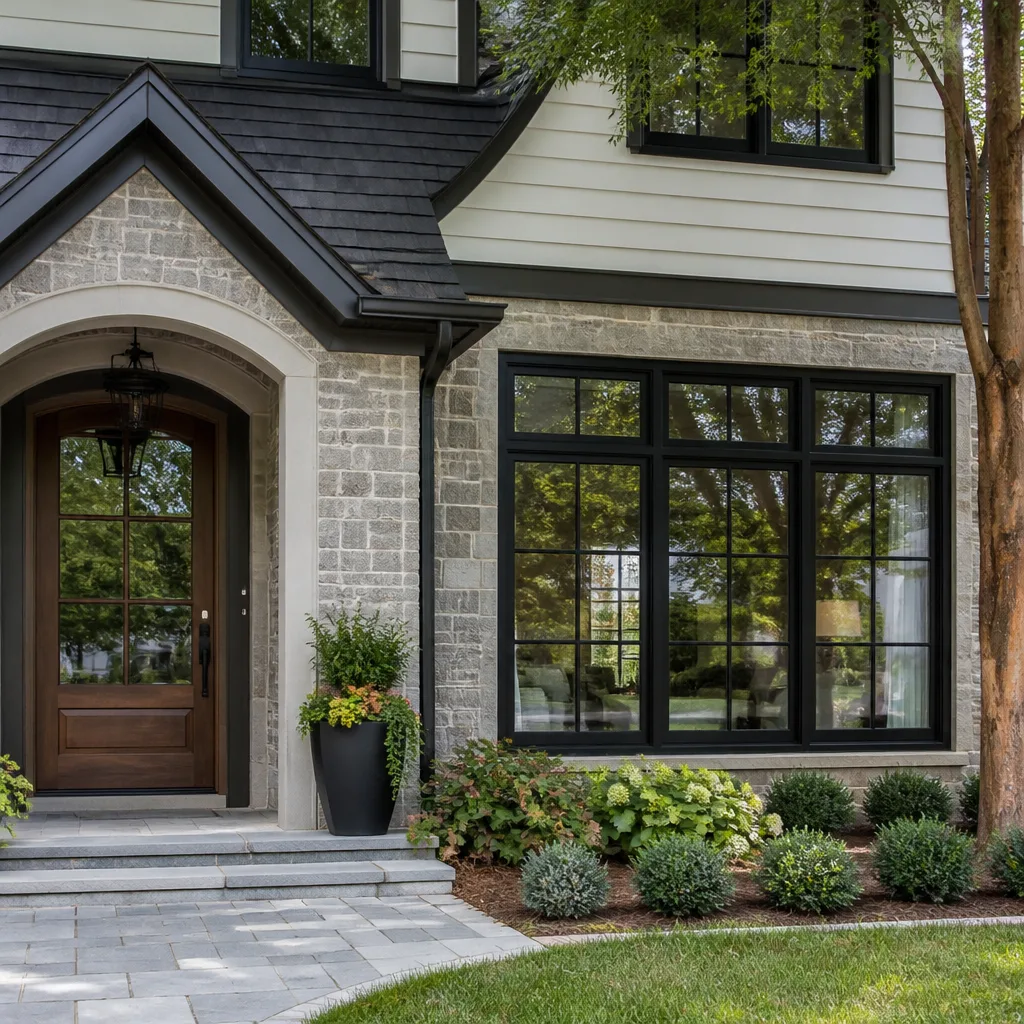 Windows & doors
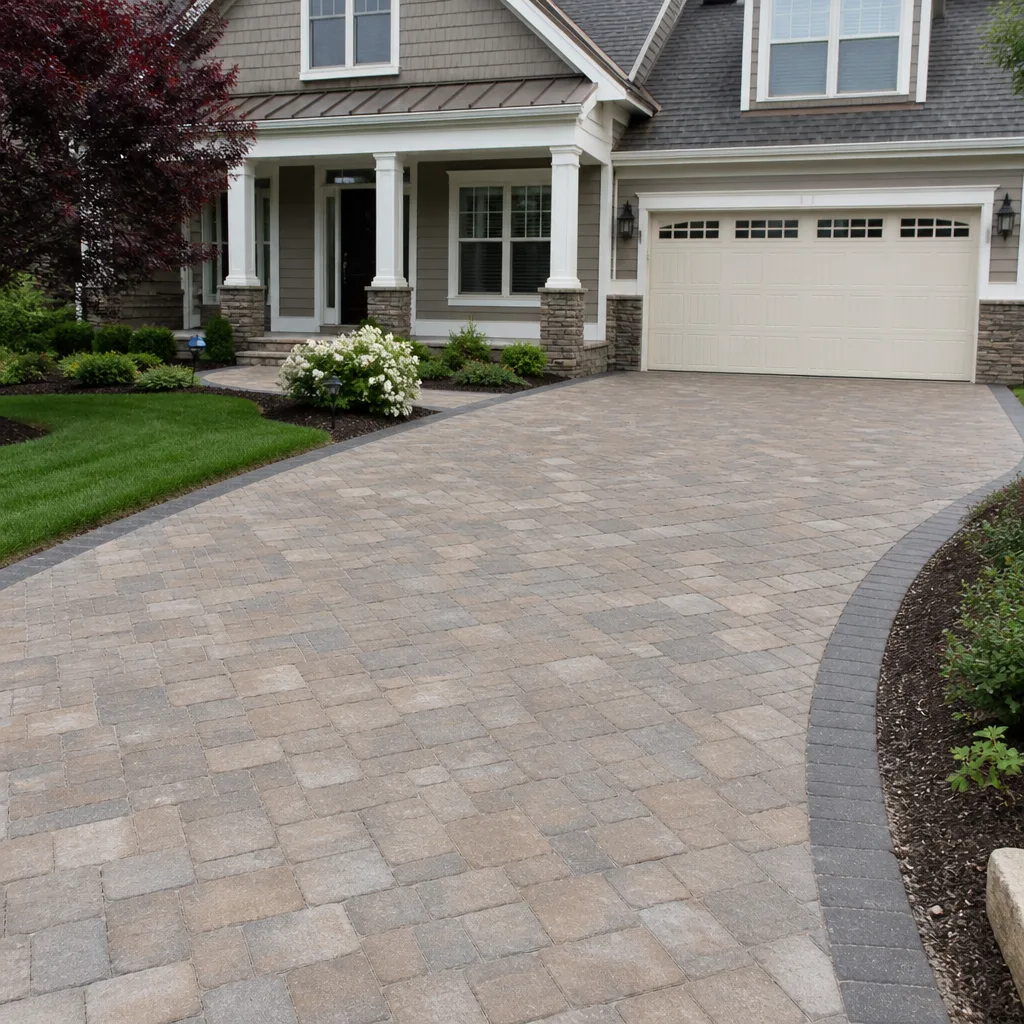 Driveway & pavers
 Fence
Free written scope consultation - allowances, timeline, and change-order rules on paper before a single trade is scheduled
Construction Warning Signs: An Arlington Homeowner’s Reference Guide
The most expensive construction job most homeowners ever deal with isn’t the original project. It’s the remediation after a bad contractor walked off, or after corners were cut in a way that only showed up six months later, when the first hard rain hit and the flashing behind the new siding started leaking into the ceiling below. The trouble rarely announces itself. A bad contractor shows up with a low bid, a one-page contract full of soft language, and answers that sound perfectly reasonable until the job goes sideways. We’ve sat in enough Arlington kitchens and driveways to know the pattern. This guide is a plain-language field guide to the specific red flags that come before the phone call asking whether we can fix someone else’s work.
Quick Answer
The main warning signs of a bad construction contractor are a bid that’s dramatically cheaper than everyone else’s, a contract with vague “allowance” and “as needed” language, pressure to sign today, no visible permit, and a refusal to put scope or price changes in writing. In Arlington, the biggest tell is a contractor who skips the permit or the inspection. If the permit posting is missing and nobody mentions a city inspection, treat it as a serious problem before the first nail goes in.
Styles & brands we work with
- Kitchen remodeling
- Bathroom remodeling
- Home additions & ADU
- Roofing
- Windows & doors
- Driveway & pavers
- Fence
Table of Contents
- The Contract Language That Quietly Shifts Cost Risk Onto You
- What a Pressure-Driven Close Looks Like in a Construction Estimate
- On-Site Warning Signs During the Job
- Bid-Shopping and Why It Hurts Your Quality
- The Real Change Order Process vs. a Contractor Recovering Margin
- Permits and Inspections: The Arlington Tell
- How to Verify a Contractor Before You Sign Anything
The Contract Language That Quietly Shifts Cost Risk Onto You
Most homeowners read the contract’s bottom line and skim the middle. The middle is where the money hides. Here’s the plain truth: an allowance that isn’t on paper is a surprise waiting for a date. When a bid says “tile allowance $4 per square foot,” but the tile you actually want runs $9, you’re not getting a deal. You’re getting a written number that was never going to cover your job, and you’ll pay the difference later.
Watch the contract for these specific phrases and get each one explained before you sign:
- “Allowance” – ask what the dollar amount is, what standard it covers, and who absorbs the overage. If the allowance is set low to make the bid look attractive, the overage is yours.
- “As needed” or “as required” – vague scope language that lets the contractor charge for work you assumed was included.
- “Owner-furnished” – the contractor isn’t providing the material, but also isn’t taking responsibility for the schedule or fit. If your tile is late, the timeline gets blamed on you.
- “TBD” or “to be determined” – any price left blank in a signed contract is the contractor’s to fill in later, not yours.
- “Plus materials” – a labor-only price that leaves the material cost invisible until the invoice.
In Arlington, we’ve seen allowance language used to make a kitchen look $8,000 cheaper than it is. KraftMaid and Cambria selections at real prices have to be written into the contract, not implied. If the contractor can’t tell you the allowance number and the brand name, the bid isn’t done.
What a Pressure-Driven Close Looks Like in a Construction Estimate
Legitimate construction contractors don’t use the tactics of a car dealership on Memorial Day weekend. A real quote is a quote. It has a date, it has a scope, it’s got time in it, and it doesn’t expire at midnight. If the estimate session feels like a sales pitch, treat that as a warning sign you can trust. Here’s the pattern we hear about on calls to Arlington homeowners.
Pressure typically shows up in these forms:
- The same-day discount. “Sign today and I’ll knock 15% off.” A discount that expires in a few hours wasn’t a real price. It was a price designed to close you before you compared bids.
- The manufactured urgency. “My crew is going to be in the neighborhood this week only.” Every legitimate builder schedules work weeks out. A contractor with an empty schedule is a contractor whose phone isn’t ringing – ask why.
- The competitor trash-talk. A serious contractor explains their own scope and lets you compare. If they spend the meeting describing how bad the other bids are, they’re selling fear, not quality.
- The high-pressure close. Multiple follow-up calls the same day, a manager pulled in to “approve” the discount, a signature line pushed across the table with a pen already uncapped.
Good construction happens on schedule, not on a countdown timer. If you feel rushed, that’s information. Take the day. Call another contractor. The bid will still be there tomorrow, or it was never a bid worth having.
On-Site Warning Signs During the Job
Some of the most expensive mistakes happen after the contract is signed. That’s when the pressure comes off the homeowner and the shortcuts start showing up. Here’s what to watch for in the first week.
- No permit posted. On any permitted job in Arlington, the city permit posting should be visible on the property or the contractor should be able to show you the permit number on request. If they say permits are optional, they aren’t. If they say they’ll “handle it later,” that usually means never.
- No inspection mentioned. Every eligible job should be inspected by the city. A crew that doesn’t mention inspections at any stage is a crew that isn’t scheduling them. The permit inspector works for you, not for the contractor.
- Different crew every day. Turnover is a red flag. Framing carpenters who don’t know the project on day two are a sign the contractor is dispatching strangers, not running a crew.
- No follow-up after payday. If calls and questions slow down right after a big draw is released, that’s a warning sign that the contractor’s interest was in the draw, not the punchlist.
- Scope creep without paper. “While we’re in there…” work that gets done without a written change order in advance is a sign the paperwork process has broken down.
Trust your gut on this one. If the crew isn’t showing you the permit, isn’t scheduling inspections, and isn’t giving you a written scope update, the job is already off the rails. Catch it in week one, not month six.
Bid-Shopping and Why It Hurts Your Quality
Here’s a pattern most homeowners never see. A contractor bids low to win the job, signs the contract, and then can’t afford to pay their subcontractors a fair rate. So they shop your signed contract to the lowest sub available. The plumber who shows up isn’t the one the contractor wanted – it’s the one who would take the job for less. That’s bid-shopping, and the person who eats the quality risk is you.
The signs of bid-shopping include:
- Low ball, then sub-shuffle. The winning bid was $10,000 under the next one, and the sub who actually does the work changes twice before the rough-in is done.
- No-named subs on the contract. A serious contractor can tell you which licensed subs are on the job, and presents the contract with their names on it.
- Last-minute subbing. A trade scheduled for Tuesday suddenly shows up Thursday with a different crew and no explanation.
- Visible shortcuts on hidden work. Cheap subfloor, thinner drywall, fasteners swapped for staples. The shortcuts are always where you don’t look.
In Arlington, we’ve walked into remodels where the tile guy didn’t know the tile was Cambria substrate and put the thinset down wrong. It’s not a scam. It’s what happens when the sub is paid by the square foot to move fast. Good bids pay their subs enough to do the job right, and that cost shows up in the price. It should.
The Real Change Order Process vs. a Contractor Recovering Margin
There’s a version of a change order that protects you and a version that only protects the contractor. Real change orders are written and signed before work happens, with a line-item price for the change and a schedule impact if there is one. A bad change order is verbal, comes after the work, appears in the final invoice, and looks suspiciously like the difference between the low bid and a fair one.
Here’s how to tell them apart:
- Timing. A legitimate change order arrives before the work begins. If the price shows up only on the final invoice, that’s not a change order, that’s a bill with a story attached.
- Format. A written change order has a line item, a dollar amount, a scope, and a signature. A verbal “about a hundred bucks extra” is not a change order.
- Cause. If the change is caused by a condition nobody could see – rotten subfloor, unexpected joist damage – the contractor should show photos and price the fix before doing it. If the change is caused by a scope the contractor should have priced correctly, that margin isn’t yours to pay.
- Quantity of changes. One or two legitimate changes on a remodel is normal. Ten changes on a job that was bid low is a pattern, not an accident.
Our rule on every Barrett & Sons job is simple: every scope, every allowance, every price change arrives as a written change order before work happens. No surprise invoices at the end. Call (888) 590-9867 if you want to talk through what a real change order process looks like on your project.
Permits and Inspections: The Arlington Tell
If you only remember one warning sign, remember this: permit and inspection.
A contractor who tells you permits are optional, or who “has a guy” who can skip inspection, is telling you they cut corners for a living. In Arlington, most structural, electrical, plumbing, and mechanical work on a home requires a permit. The permit is not a tax on your project – it’s the city’s written record that a licensed inspector looked at the work and signed off on it. That matters if you ever sell the home, refinance, or need to file an insurance claim.
Here’s the difference in plain terms:
- Permitted job. The contractor pulls the permit before starting, the posting goes on the property, the city inspector visits at the right stages, and the sign-off is recorded. Every inspection is a signature from a third party saying the work passed.
- Unpermitted job. No posting. No inspection. No record. If the work goes wrong, the homeowner is on the hook, and the contractor is done with the job whether or not the fix holds.
We pull permits and sign inspections on every eligible job, and it’s one of the reasons people in Arlington call us to clean up other jobs. If a contractor waves off the permit, wave the contractor off.
How to Verify a Contractor Before You Sign Anything
Here’s a straightforward process any Arlington homeowner can run in about an hour. It’s the single highest-return hour you’ll spend on your project.
- Get the license number in writing. Not the name of a company, the license number. A real contractor will share it without hesitation and expects you to check it.
- Verify the license with the state. The Texas Department of Licensing and Regulation (TDLR) has a public look-up. If the license isn’t active, stop here.
- Ask for the address and the physical business location. A contractor who won’t tell you where they’re based is a contractor who doesn’t want to be found.
- Check insurance and bonding. Ask for the certificate of insurance from the carrier, not from the contractor’s own PDF. Call the carrier to confirm it’s active.
- Ask for three recent references in your county. Call them. Ask about the punchlist and how the contractor responded when something went wrong. Bad contractors are easy to spot in the reference call.
- Read the contract for allowance, TBD, and “as needed” language. Get every number on the page before you sign.
- Confirm the permit is included in the bid. If the permit isn’t in the bid, it isn’t in the price.
Tom Barrett publishes his name, his address, and his license number – look it up before you sign anything. Any contractor unwilling to do the same is telling you something.
Common Mistakes to Avoid
- Choosing the lowest bid without checking the scope. A bid that’s $8,000 under the next one is usually missing $8,000 of scope. Read line items, not just the bottom line.
- Signing a contract with any “TBD” remaining. A blank price in a signed contract is the contractor’s number to fill in, not yours. Get every number on the page before signing.
- Believing “permits are optional.” They aren’t, in Arlington or anywhere else. A contractor who says otherwise will have a reason, and the reason is never good for you.
- Paying a large deposit before the contract is fully signed. Deposits are normal. Deposits before the contract is complete are a sign the job is running on cash flow, not planning.
- Skipping the reference call. Three phone calls to recent customers is the cheapest insurance policy on a remodel you’ll ever buy.
- Ignoring what the crew looks like on day one. No permit posted, unfamiliar faces, no inspection scheduled – these are warnings, not minor oversights.
- Letting a verbal change order slide. “We’ll just handle it” is the sentence that shows up as a line item on the final invoice. Get every change in writing, before the work.
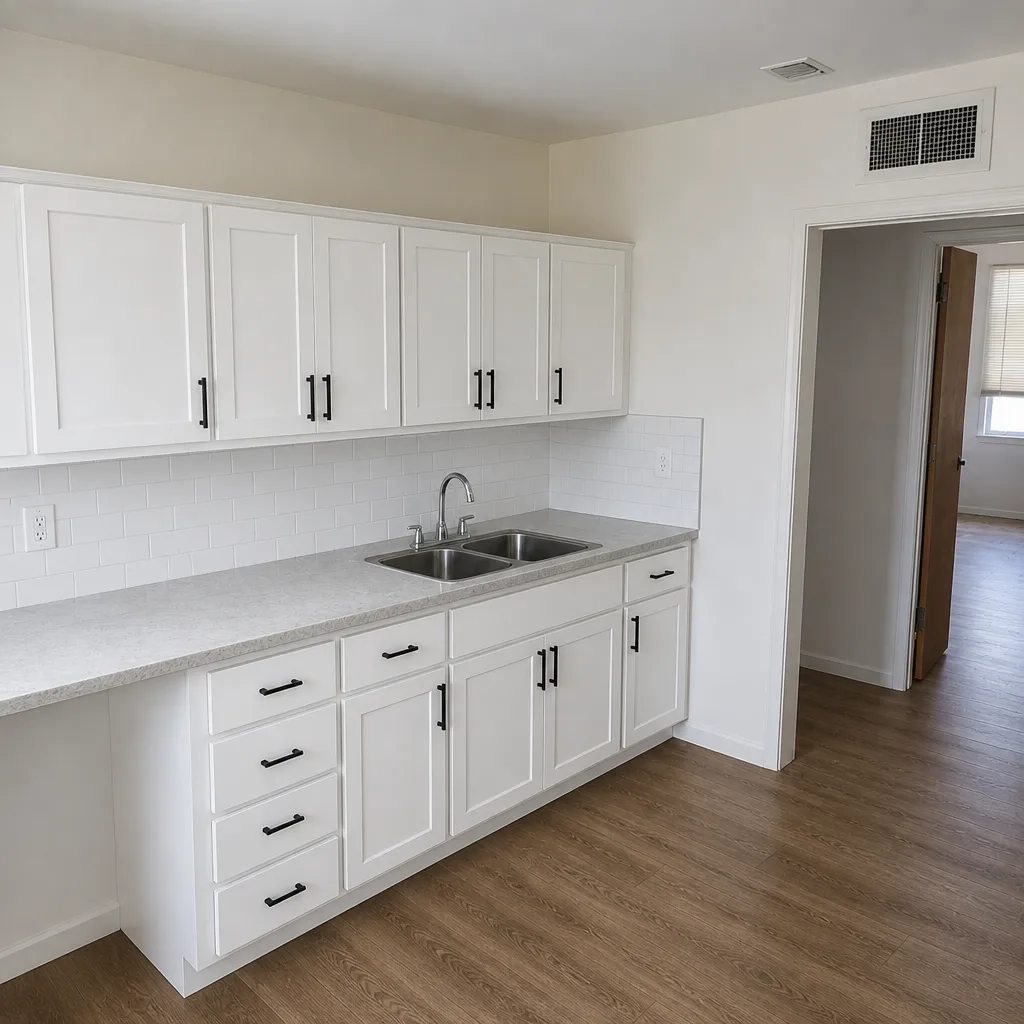
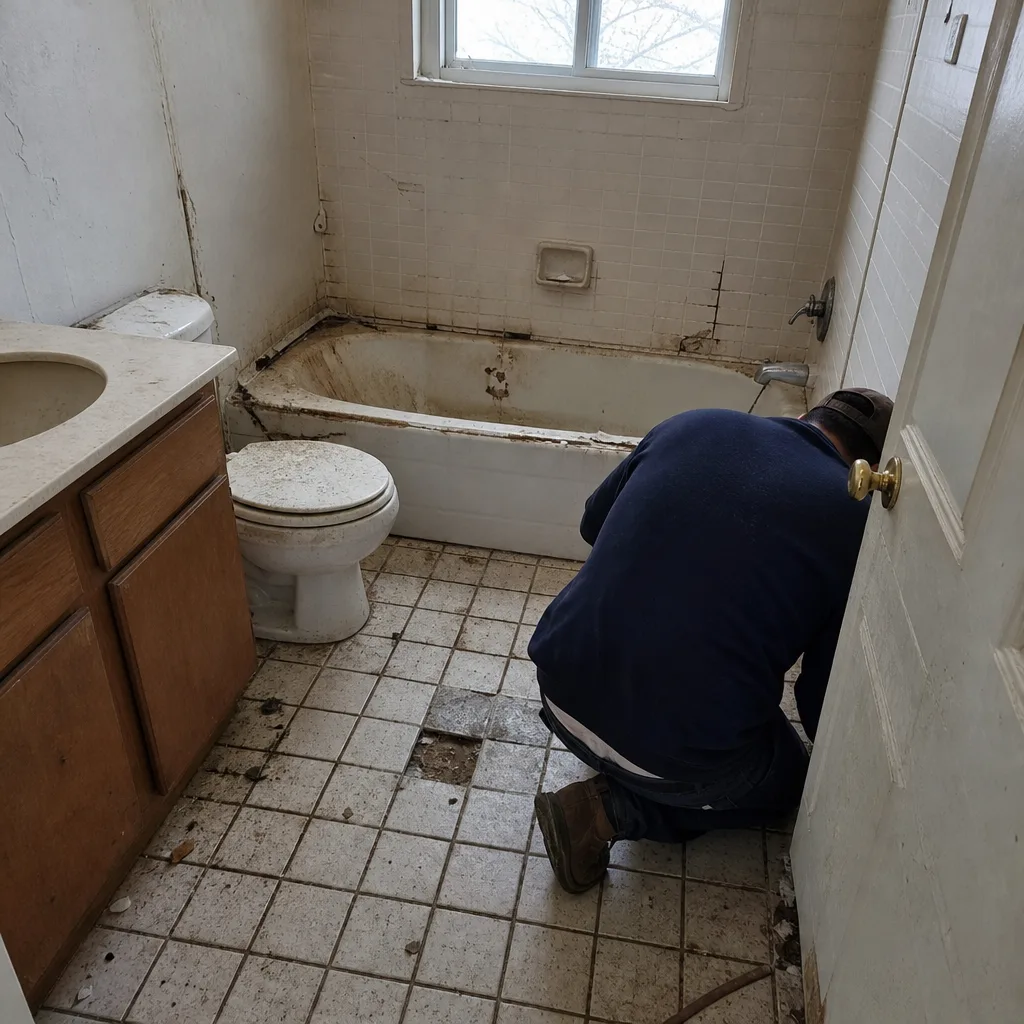
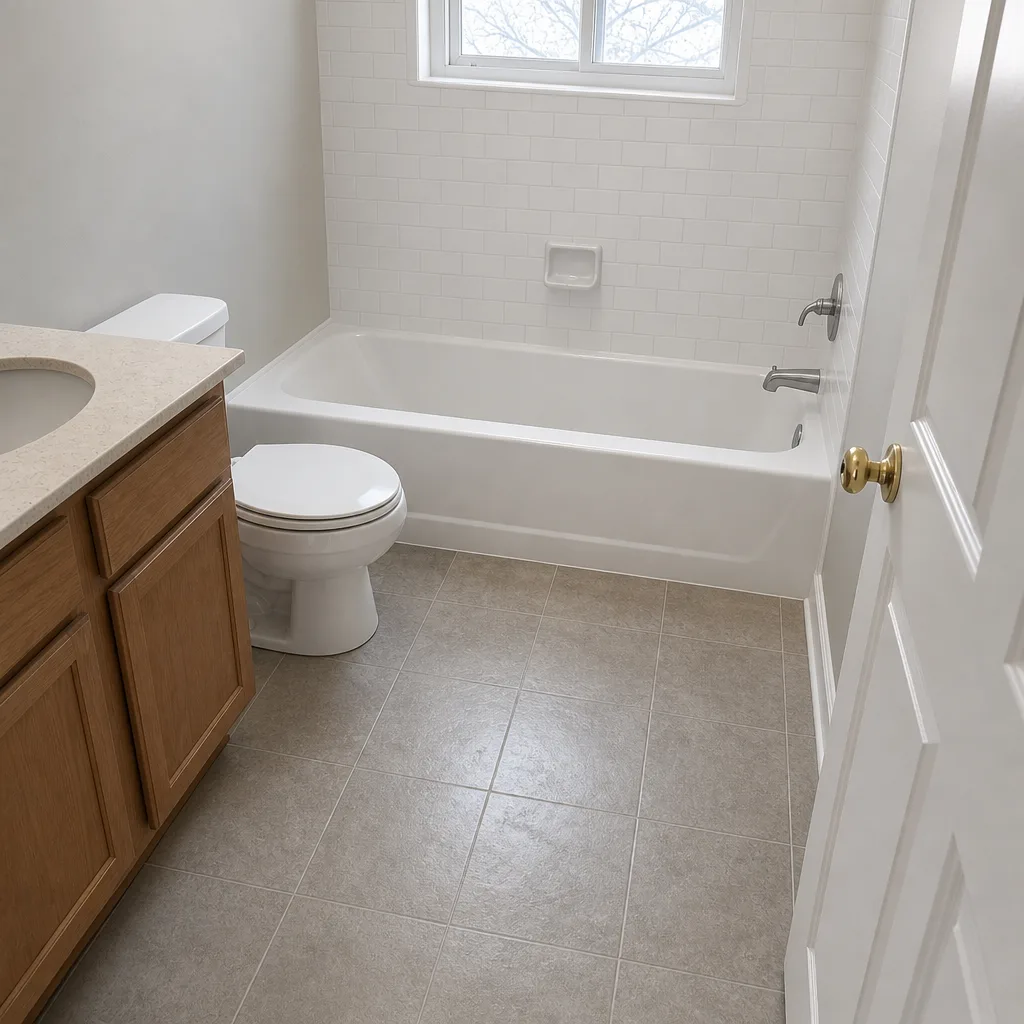
See the difference
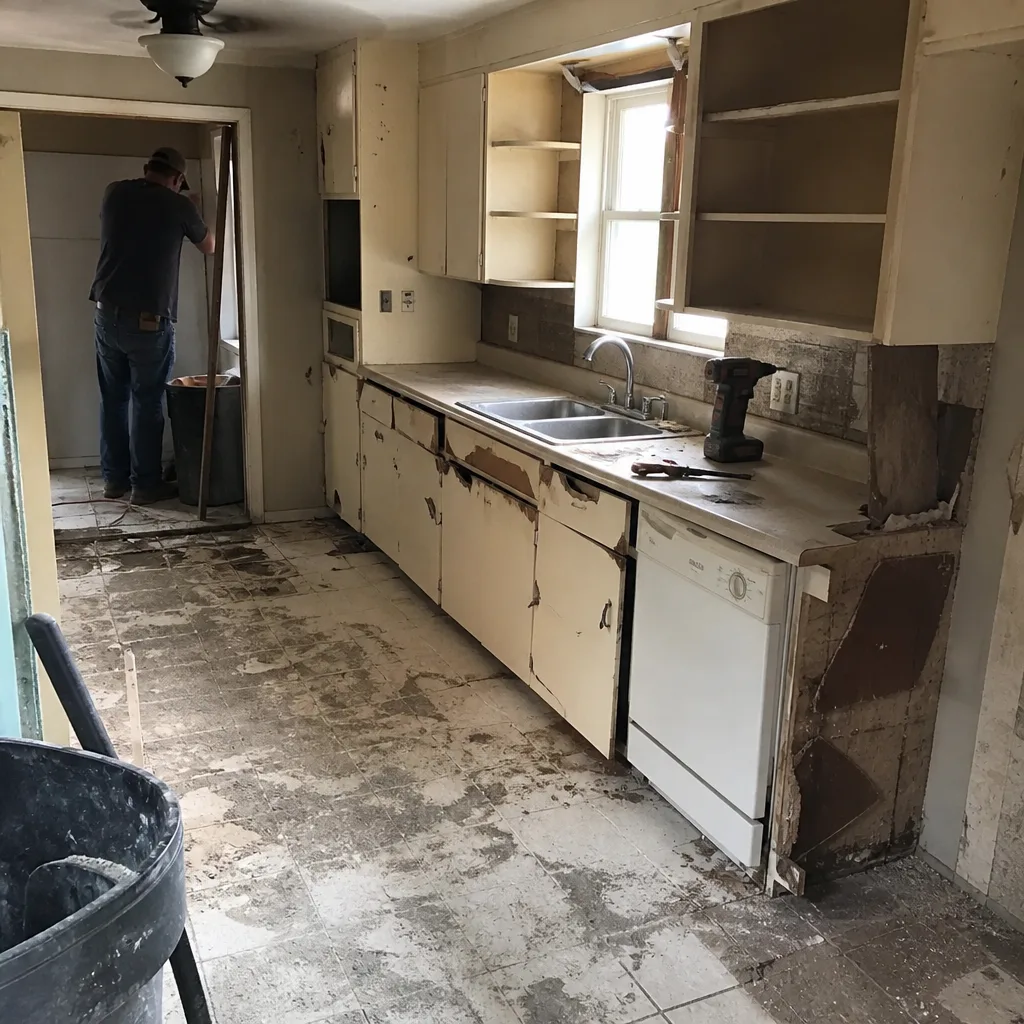 Before
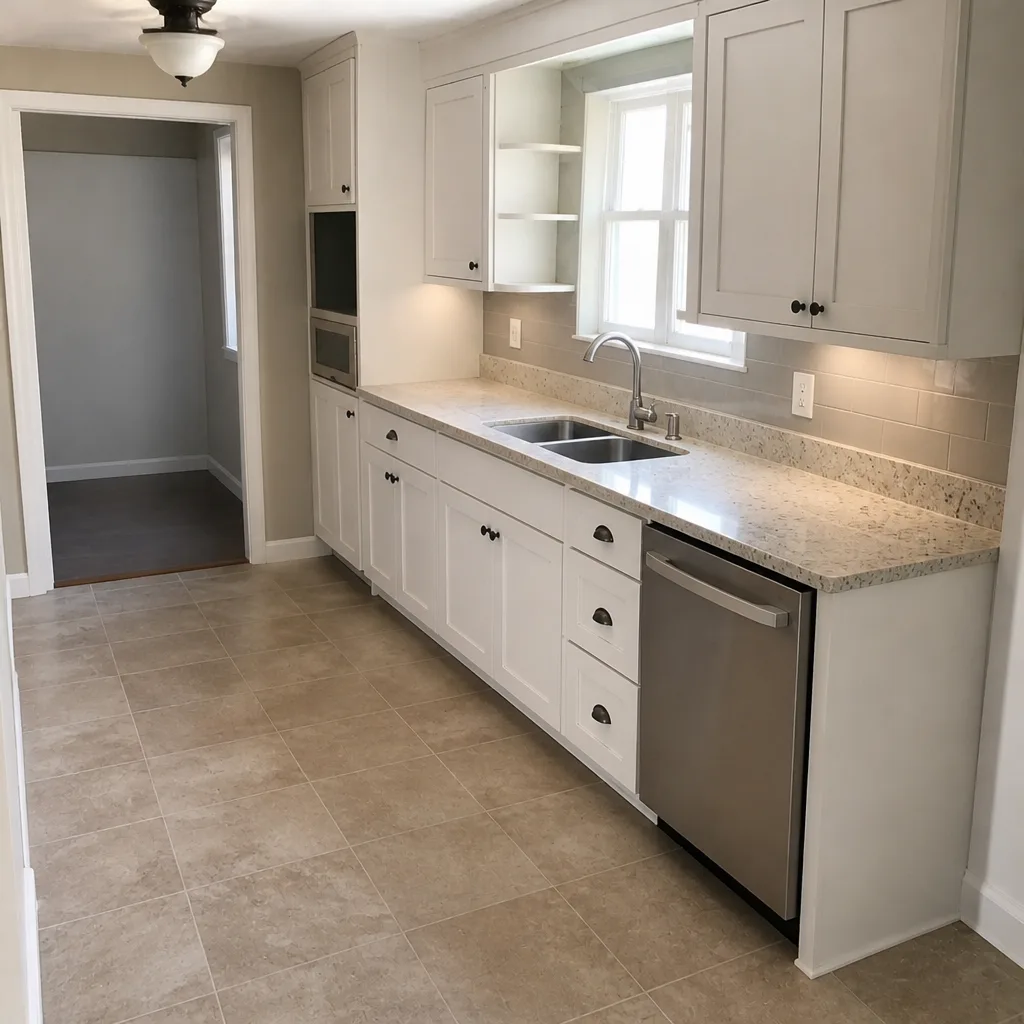 After
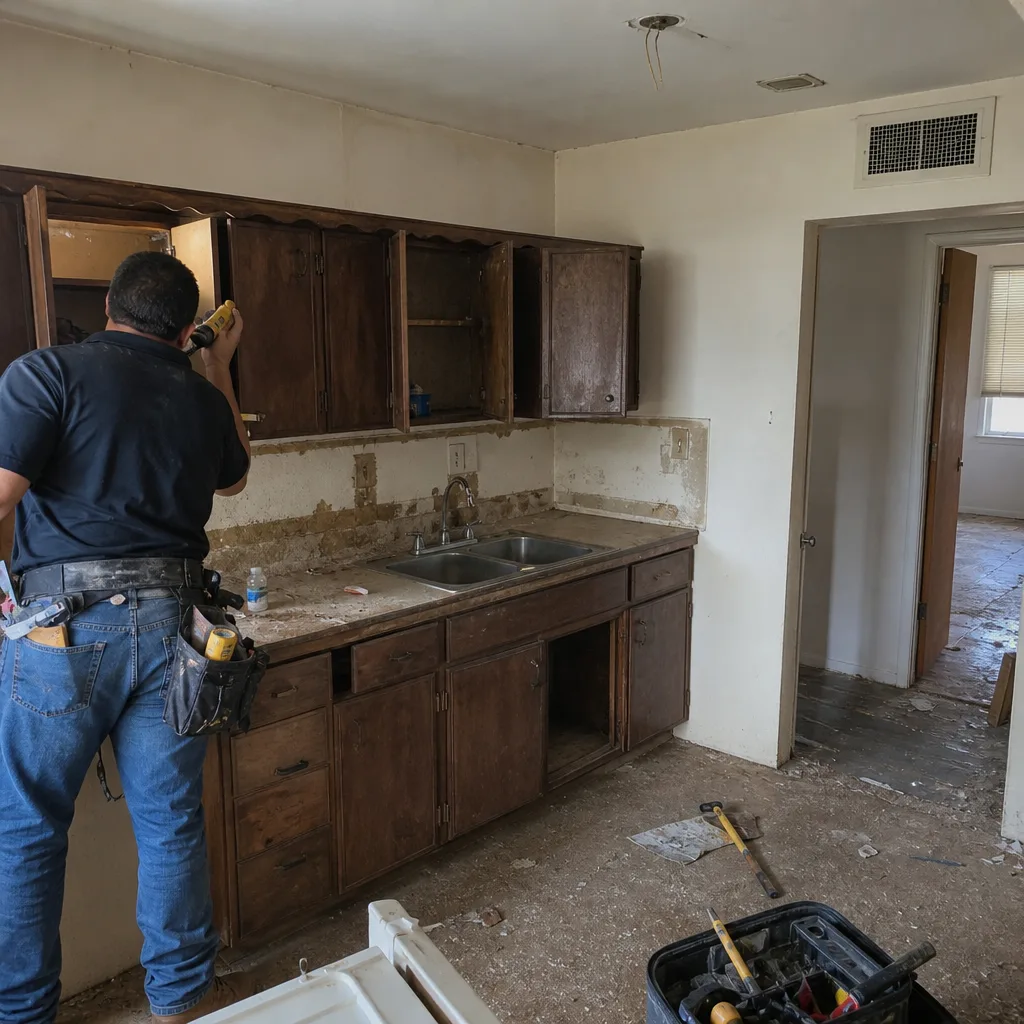 Before
 After
 Before
 After
When to Call a Professional
If you’re mid-project and something in this guide reads familiar, call us before the next draw. If you’re about to sign a contract and any part of it feels rushed, vague, or too cheap, call us for a free second opinion on the written estimate – a second set of eyes on a $40,000 bid is worth the phone call. If you already have a bad job on the ground, we can walk the site and tell you straight whether it’s a punchlist fix or a tear-out. Whether the project is a kitchen in Arlington, a roof repair, a new fence line, or an addition, we give you the same written scope, the same pulled permits, and the same 90-Day Done Right Promise on every eligible job. Barrett & Sons Construction Arlington offers free estimates in Arlington. Call (888) 590-9867.
Frequently Asked Questions
Remediation in Arlington typically runs 20% to 60% of the original project cost, and sometimes more if the work has to be torn out and permitted from scratch. A bad tile job that needs to come off can easily cost more than the original tile install. Call (888) 590-9867 for a free estimate – the walk-through is free, and it will tell you whether you’re looking at a punchlist or a rebuild.
The biggest red flag is a bid that’s dramatically cheaper than every other bid with no clear reason for the gap. The second biggest is vague language like allowance, TBD, or “as needed” with no dollar figure attached. Both are ways of making the bid look cheaper than the job will actually cost.
Most structural, electrical, plumbing, and mechanical work on a home in Arlington requires a permit and a city inspection. The permit is your proof that a licensed inspector looked at the work. If a contractor tells you permits are optional or offers to skip the inspection, treat that as a reason to walk away.
Bid-shopping is when a contractor wins a job with a low bid and then shops your signed contract to the cheapest available subcontractor to protect their margin. The result is a sub who is paid less and moves faster, which is where hidden quality problems come from. Check that named, licensed subs are on the contract.
A legitimate change order arrives before the work happens and includes a written line item, a dollar amount, the scope of the change, and a signature. If the price for a change only shows up on the final invoice, it isn’t a change order – it’s a way to make up margin on a low bid.
Only for conditions nobody could foresee, like hidden water damage or a rotten subfloor – and only with a written change order issued before the work proceeds. On our jobs, every scope, allowance, and price change is in writing before a nail moves. Call us at (888) 590-9867 for a free estimate and a written, line-item scope.
The Bottom Line
Bad contractors don’t announce themselves. They show up with a low bid, a vague contract, and a pitch that sounds reasonable until month six. The tells are always there if you know what to look for: allowance language that shifts cost to you, pressure-driven closes, no permit, no inspection, no written change orders, and a bid so far below the pack that it can only work with shortcuts. Arlington homeowners who get burned almost always missed one of these early signals. You don’t have to. Get every number on paper, verify the license, insist on the permit, and treat every change order as a document – not a conversation.
Barrett & Sons Construction Arlington is here for the calls that come after the bad job. We pull permits, we sign inspections, we write down every scope and every price change, and we back it with our 90-Day Done Right Promise on every eligible job. Whether you’re verifying a bid before you sign or cleaning up a job gone sideways, call (888) 590-9867 for a free estimate. No pressure, no rush, and a written scope you can read at your own kitchen table.
Written by the team at Barrett & Sons Construction Arlington.