
Last updated November 17, 2026
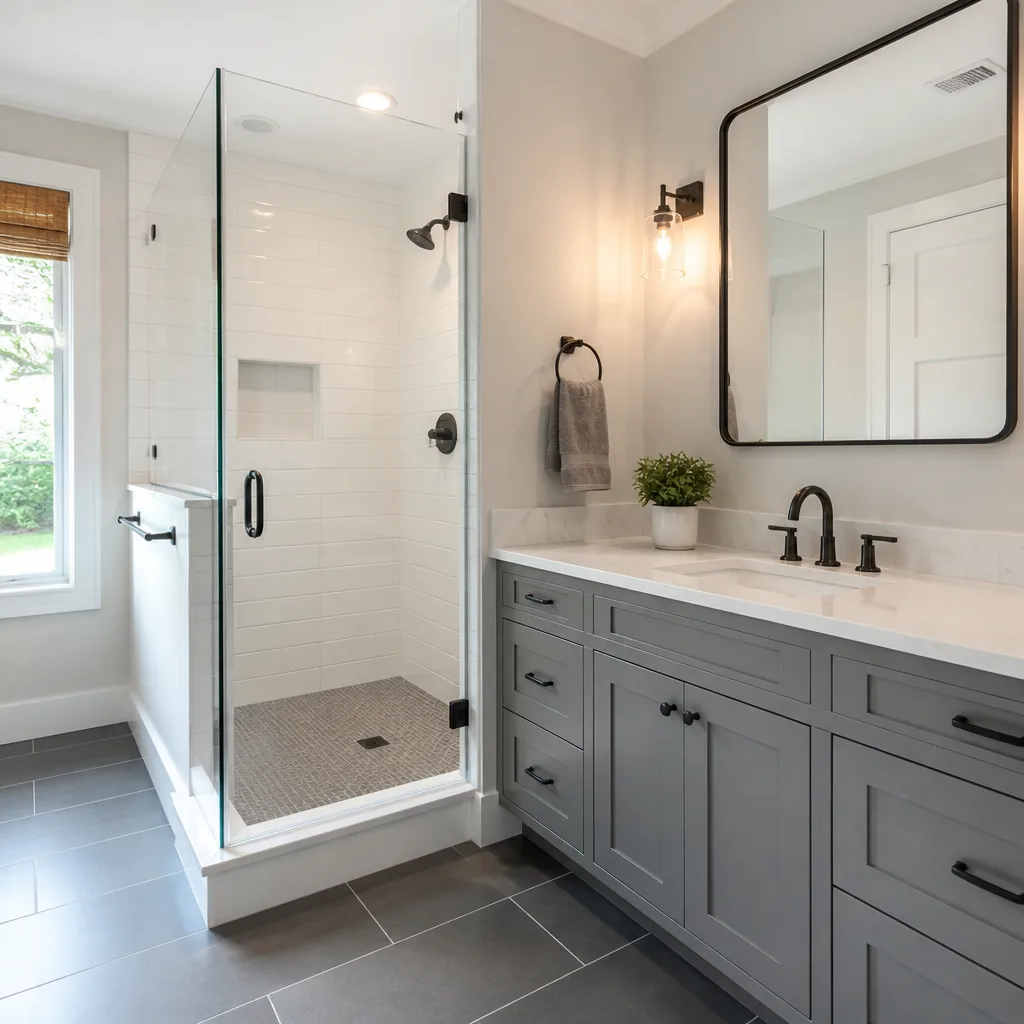 Bathroom remodeling
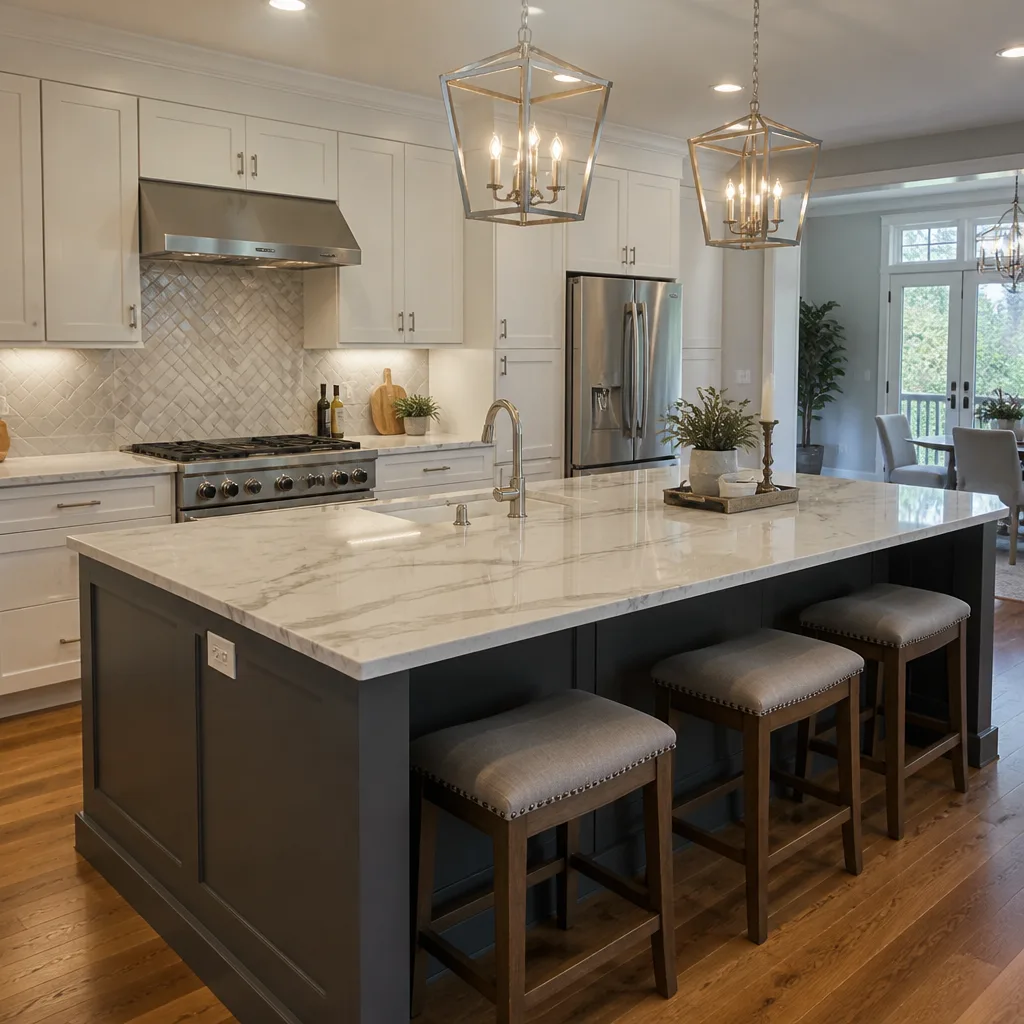 Kitchen remodeling
 Home additions & ADU
 Roofing
 Windows & doors
 Driveway & pavers
 Fence
Free written scope consultation - allowances, timeline, and change-order rules on paper before a single trade is scheduled
DIY vs Professional Bathroom Remodeling: What’s Safe to Do Yourself
The most expensive bathroom mistake we see in Arlington isn’t crooked tile or a bad caulk line. It’s unpermitted electrical or plumbing that a buyer’s inspector flags two days before closing, forcing the homeowner to tear out finished work to get it inspected. We’ve watched a $900 DIY savings turn into an $11,000 fix-and-redo. The real question in bathroom remodeling isn’t whether you’re handy enough. It’s whether the task you’re about to tackle requires a permit, touches a load-bearing element, or hits a system where one mistake costs ten times the labor you’re trying to save. This guide draws that line honestly, task by task, without talking you out of the work you can genuinely handle.
Quick Answer
Painting, swapping fixtures, regrouting, and replacing a vanity top are safe for a careful homeowner. Anything that moves a drain, relocates a circuit, cuts into framing, or changes the layout needs a licensed pro and a permit. In Arlington, unpermitted plumbing and electrical work must be exposed and re-inspected before a home sale, which routinely costs more than the job would have cost done right the first time.
Styles & brands we work with
- Kitchen remodeling
- Bathroom remodeling
- Home additions & ADU
- Roofing
- Windows & doors
- Driveway & pavers
- Fence
Table of Contents
- The Three-Column Rule: Safe, Risky, Never
- Arlington Permit Requirements for Bathroom Work
- Why Moving a Drain Six Inches Changes Everything
- The Hidden Labor Math: What Your Time Is Worth
- What “Finishing What I Started” Really Costs
- A Sensible Order of Operations for a DIY-Friendly Bathroom
- Common Mistakes to Avoid
- When to Call a Professional
The Three-Column Rule: Safe, Risky, Never
Here’s the framework we use when a homeowner asks us where to draw the line. Sort every task into one of three columns before you touch a tool. The column a task lands in isn’t about your skill. It’s about what happens downstream when it goes wrong.
Safe to DIY (with care):
- Painting walls, trim, and ceilings
- Replacing a faucet, showerhead, or toilet seat on existing plumbing
- Swapping a vanity top or light fixture on an existing, properly wired circuit
- Regrouting and recaulking tile
- Installing a new mirror, towel bars, and shelving
- Replacing a toilet on the same flange and drain location
Risky without experience:
- Setting tile on a floor or shower wall (waterproofing is where most failures hide)
- Hanging a new vanity that needs blocking in the wall
- Replacing a shower valve or mixing valve
- Installing a new exhaust fan that needs a new vent run through the roof
- Building a curb or slope for a shower pan
Never skip the pro:
- Moving or adding a drain line
- Any new electrical circuit, GFCI outlet, or rewiring
- Cutting into or moving load-bearing framing
- Converting a tub to a walk-in shower with a new drain location
- Gas line work (if you’re adding a gas fixture)
- Any change that triggers a permit and inspection
The pattern is simple. If it’s a cosmetic surface over an existing, working system, it’s usually yours to handle. If it changes where water, waste, or electricity goes, it belongs in a pro’s hands.
Arlington Permit Requirements for Bathroom Work
Arlington follows standard Texas residential code, and the city requires a permit any time you add, relocate, or extend plumbing or electrical, or when you alter the structural framing of a bathroom. A straight cosmetic refresh, paint, new fixtures on existing rough-in, new flooring, does not require a permit. Replace a shower valve and add a new drain line because you’re converting a tub to a shower? That does.
Here’s what actually happens when inspectors find unpermitted improvements in Arlington. During a home sale, a buyer’s inspector will note missing permits or work that doesn’t match the permit record. The city can require the work be brought up to current code and inspected, which often means opening walls to expose the plumbing and wiring for inspection. We’ve seen finished bathrooms with beautiful tile get torn back down to studs because nobody pulled a permit for a drain relocation that was hidden under a new shower pan. The tile was fine. The record wasn’t.
Two things make this worse than homeowners expect. First, Arlington’s permit records are searchable, so a buyer’s agent can check before you ever reach the closing table. Second, insurance claims tied to water damage from unpermitted plumbing can be denied. If a supply line behind an unpermitted wall fails and floods the floor below, your adjuster has a real question to ask about who did the work and whether it was inspected.
The permit inspector works for you, not for us. That’s why we like him. Every eligible job we take on includes permits pulled and inspections signed, and every price change gets written into a change order before a single nail moves. If you’re in the market for a full renovation, our Barrett & Sons Construction Arlington home page lays out how that process runs from first walkthrough to final inspection.
Why Moving a Drain Six Inches Changes Everything
Homeowners routinely ask us to move a drain “just a few inches” so the new vanity or shower lines up better. On paper, an inch or six sounds like a small adjustment. In the plumbing, it’s the difference between a weekend project and a full rough-in.
Here’s why. Drain lines run on slope, typically a quarter-inch per foot, and they connect into a waste stack with specific fittings. Move the drain toward the stack three inches and you may still make it work with a new P-trap and a short extension. Move it away from the stack, or sideways past a joist, and now you’re cutting into the subfloor, rerouting below, and adding venting so the trap doesn’t gulp air. That new vent run goes up through a wall and out the roof. Suddenly a six-inch move has touched plumbing, framing, subfloor, drywall, venting, and roof. That’s six trades, six inspections, and about ten times the labor you were trying to avoid.
A tub-to-shower conversion is the same story. If you’re keeping the drain where the tub was, you’re in the “risky but doable” column. If you’re moving the drain to the center of a walk-in shower, that’s a new rough-in, and in Arlington it needs a permit and inspection. Tile set over a drain that wasn’t inspected is the exact thing that gets flagged at sale. If your project is growing into new square footage or a full bath addition, our Home Additions & ADU in Arlington guide covers what that scope really looks like.
The Hidden Labor Math: What Your Time Is Worth
The math most DIY guides skip is time. A careful homeowner who has never set tile can spend three weekends, roughly 40 hours, on a 40-square-foot floor, and still end up with lippage because the subfloor wasn’t flat. A two-person crew with proper tools and a wet saw finishes the same floor in a day. The comparison isn’t “pro labor cost vs. zero.” It’s “pro labor cost vs. your hours times what an hour of your weekend is worth, plus the risk of redo.”
Run the numbers on a common project: a full hall bathroom refresh in Arlington, new tile floor, new vanity, new paint, new fixtures, no layout changes.
- DIY, experienced homeowner: 40 to 60 hours over 4 to 6 weekends, materials around $3,000 to $4,500, high risk of one redo.
- DIY, first-timer: 80 to 120 hours spread across 2 to 3 months, materials $3,000 to $4,500, likely one redo on tile or waterproofing, and a bathroom out of service for weeks.
- Licensed crew: materials $3,000 to $4,500, labor $4,000 to $7,000, done in 5 to 10 working days, one accountable party for any callbacks.
If your weekend is worth $50 an hour to you, those 60 DIY hours cost $3,000 in time before you’ve bought a single tile. The gap between DIY and professional closes fast when you price your own hours honestly, and it fully closes the moment a waterproofing mistake causes water damage into the floor below. Nobody’s expensive until they have to come back.
We keep our pricing written, line-item, and fixed through the job. Allowances are spelled out on paper before work starts, because the allowance that isn’t on paper is a surprise waiting for a date. If you’re comparing bids, our team at Barrett & Sons Construction Arlington offers a free second opinion on any written estimate you’ve already collected.
What “Finishing What I Started” Really Costs
We get a call a few times a month from an Arlington homeowner who started a bathroom project and needs us to finish it. Here’s the honest truth about those calls: finishing someone else’s work often costs more than starting fresh, and it’s our job to say so before we take a deposit.
When Tom walks into a half-finished bathroom, he’s checking for four things:
- Whether waterproofing was done correctly. If there’s cement board with no membrane behind the tile in a shower, we have to take it down to waterproof it. That means the labor you paid for gets thrown away.
- Whether the rough-in is actually to code. A drain that was moved without the right slope or venting has to be redone. We can’t inspect our own correction without exposing it.
- Whether the subfloor is flat and sound. If it was patched instead of replaced, tile on top will fail, and we won’t warrant it.
- Whether the permit record matches the work. If a permit was never pulled for a rough-in that clearly happened, we have to bring the record current, which often means opening walls for inspection.
When two of those four come back wrong, we tell the homeowner honestly that starting fresh is cheaper than finishing. It stings to hear. But the alternative is a bathroom that looks done and fails in year two, and that’s a worse bill than the one we’d hand you now. Every eligible job we finish carries our 90-Day Done Right Promise in writing: if it’s not done right, Tom comes back and makes it right, one call.
A Sensible Order of Operations for a DIY-Friendly Bathroom
If you’ve decided to handle the cosmetic side yourself and leave the rough-in to a pro, do it in this order. Working out of sequence is where most DIY time gets lost. This sequence assumes no plumbing or electrical relocation; if either is in scope, that work happens first, by a licensed pro, with a permit and inspection.
- Demo. Remove old fixtures, flooring, and any wall tile. Stop at the studs and subfloor. Bag and haul debris as you go (bathroom debris gets heavy fast, and a 200-pound floor pile will make you regret leaving it for the end).
- Address the subfloor. Check for soft spots and level. Patch or replace before anything else.
- Electrical and plumbing first, by a licensed pro. Fixtures, vent fans, valves, any new outlet. This is the stage that gets inspected in Arlington.
- Waterproofing and tile backer. Cement board with a proper waterproof membrane in wet areas. This step is where most DIY tile jobs fail; if you’re not confident, hire this part out.
- Tile. Floor first, then walls, then grout. Let it cure the full time on the bag.
- Paint and trim. Prime and paint before fixtures go in, so you’re not cutting in around a new toilet.
- Fixtures and vanity. Toilet, sink, faucet, mirror, towel bars. This is the part that makes it feel finished.
- Caulk and seal. Every wet-joint sealed, no exceptions.
Outside of the bathroom, if your project spills into a new deck or fencing needs to go in while the crew is on site, our Fence Installation in Arlington and Driveway & Pavers in Arlington teams can handle that scope on the same visit. Premium brands like Barrette and Master Halco are standard on our fence jobs, so you can look up what’s going in before it’s in.
Common Mistakes to Avoid
- Tiling over a subfloor that isn’t flat. Arlington homes built in the 1970s and 1980s often have subfloor deflection that shows up as cracked tile a year later. Check flatness with a 4-foot level before laying tile; if it’s off by more than an eighth-inch over 4 feet, fix it first.
- Skipping the permit to “save time.” The permit isn’t a tax on your weekend. It’s the record a buyer’s inspector checks. Unpermitted plumbing and electrical in Arlington get flagged at sale and cost far more to fix than the permit ever would have.
- Cutting a hole in a load-bearing wall for a recessed medicine cabinet. We see this in older Arlington homes all the time. Check twice whether a wall you’re cutting into is structural before the saw goes in.
- Not waterproofing a shower properly. Cement board alone isn’t waterproofing. A liquid or sheet membrane behind the tile is what protects the framing. Skip it and you’re looking at a full redo in two to three years.
- Buying the vanity before measuring the rough-in. Drain and supply locations in Arlington bathrooms vary from house to house, and a vanity that doesn’t line up means a new rough-in you didn’t plan for.
- Starting before the plumber finishes. Hanging tile on a wall that’s still going to be opened for a rough-in inspection is wasted money. Sequence is everything.
- Trusting a verbal quote. Get every price, allowance, and scope change in writing. A change order that doesn’t exist is a change order you’re paying for at the end.
The local climate adds one more wrinkle. Arlington’s humid summers mean bathroom exhaust fans are load-bearing, not optional. A fan that’s undersized or vented into the attic instead of through the roof will push moisture into the structure and set up mold in a season or two. That’s a task worth doing right the first time.
When to Call a Professional
Call a professional the moment your bathroom project involves moving a drain, adding a circuit, cutting framing, or converting a tub to a shower with a new drain location. Call us when the waterproofing has to be right the first time or when an inspection needs to pass on the first visit. Call us if you’ve started a project and reached the framing or rough-in stage and you’re unsure what’s underneath. Call us if a buyer’s inspector just flagged unpermitted work and you need to bring the record current before closing. And call us if you’d rather skip the three weekends and hand the whole job to a crew that will finish in days, pull the permit, and put the 90-Day Done Right Promise in writing on the contract. Barrett & Sons Construction Arlington offers free estimates in Arlington: call (888) 590-9867.
See the difference
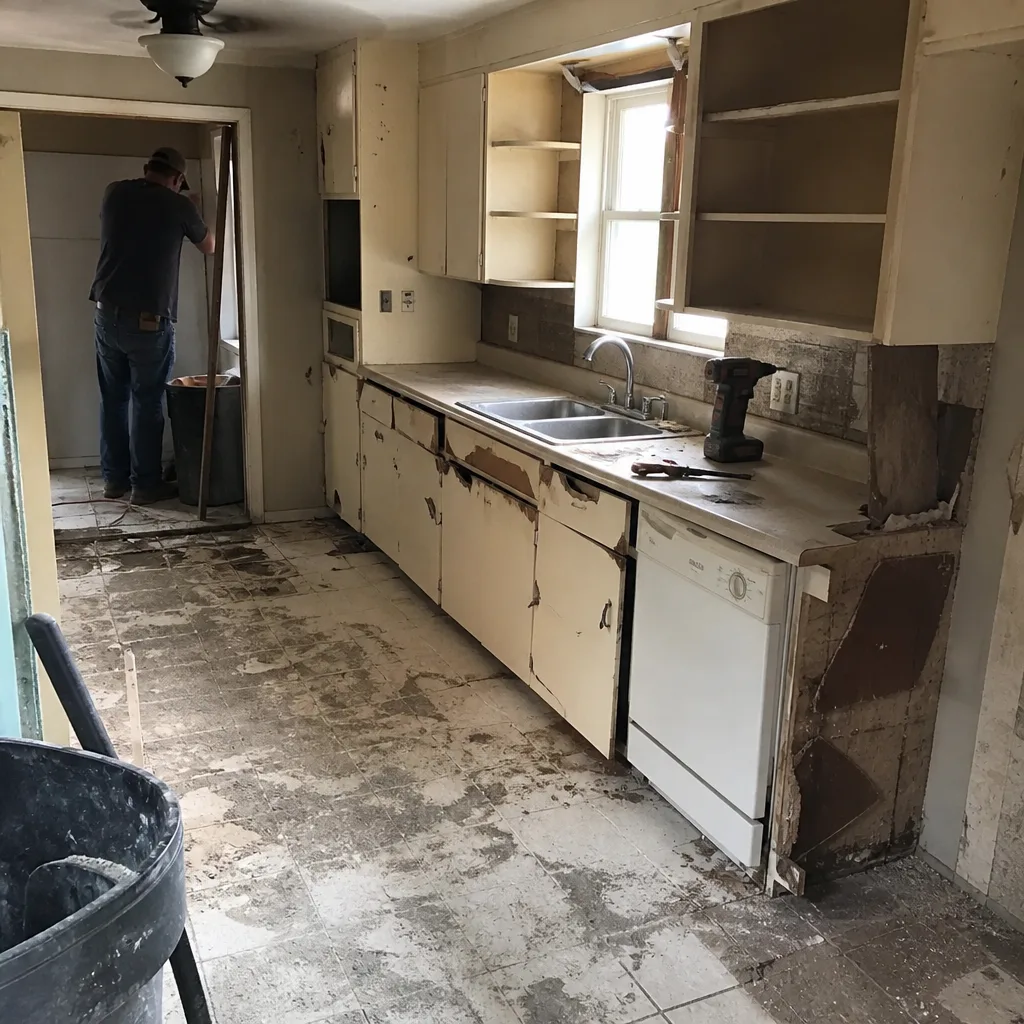 Before
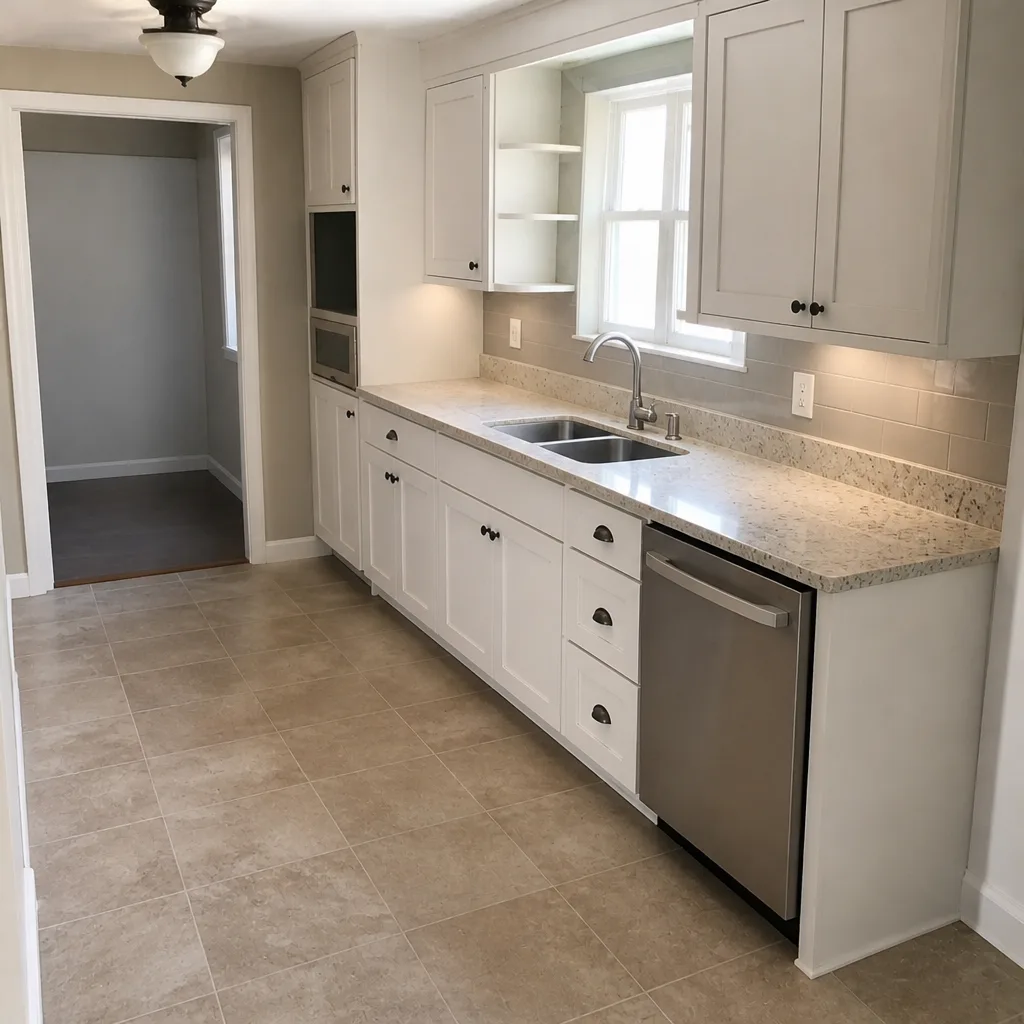 After
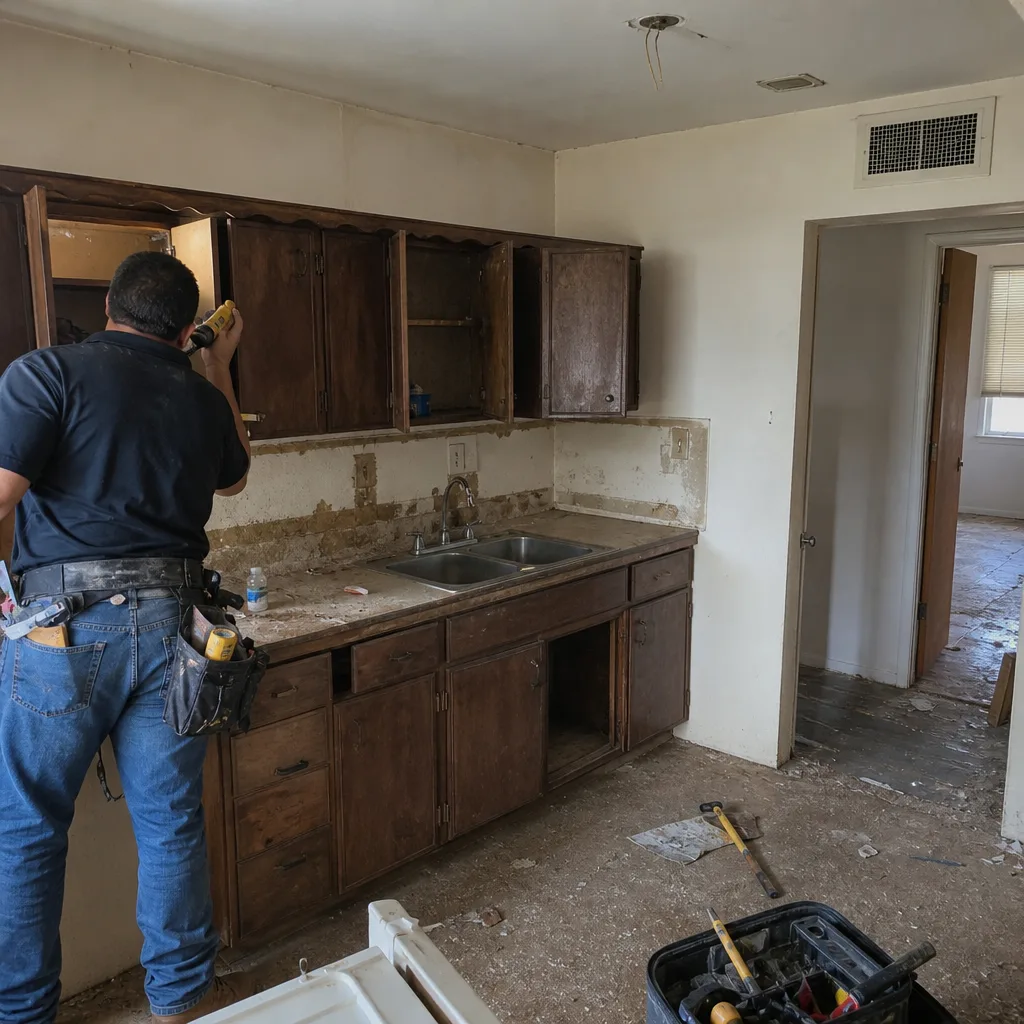 Before
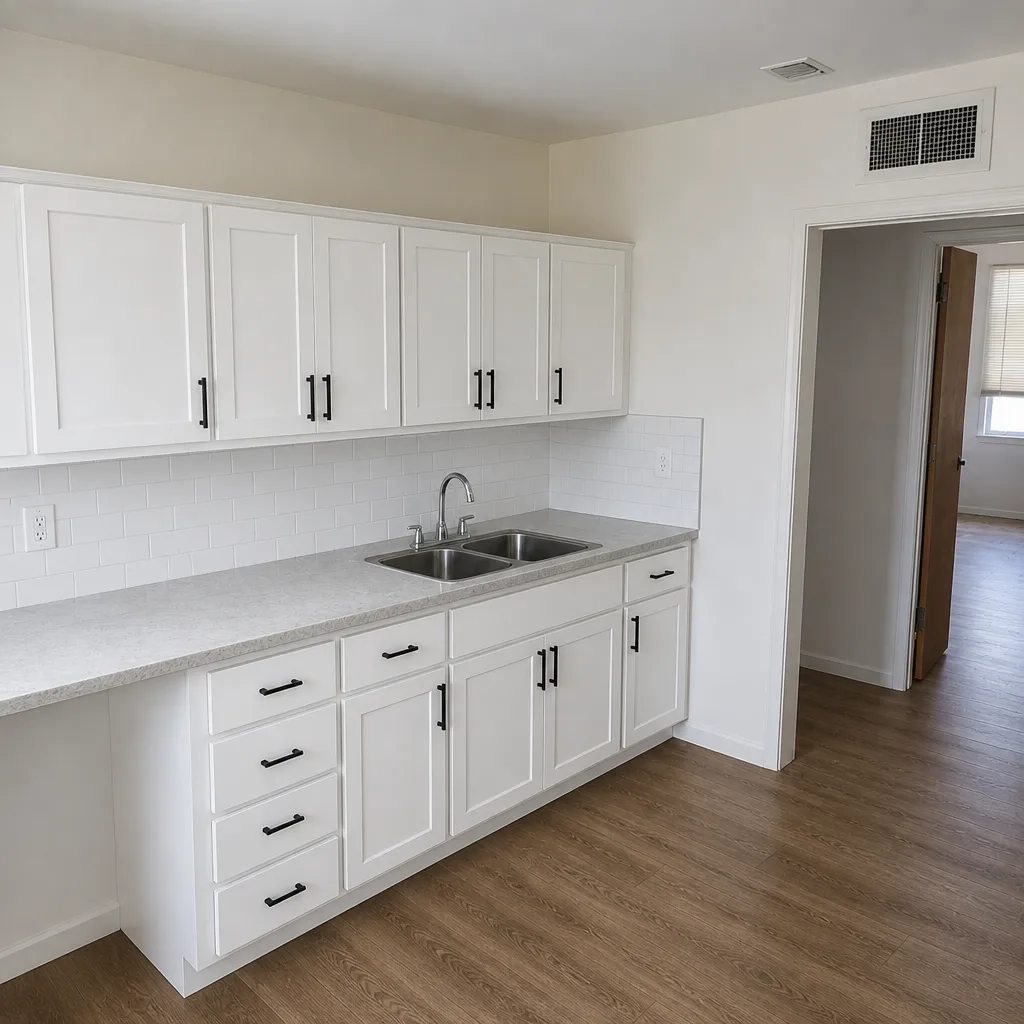 After
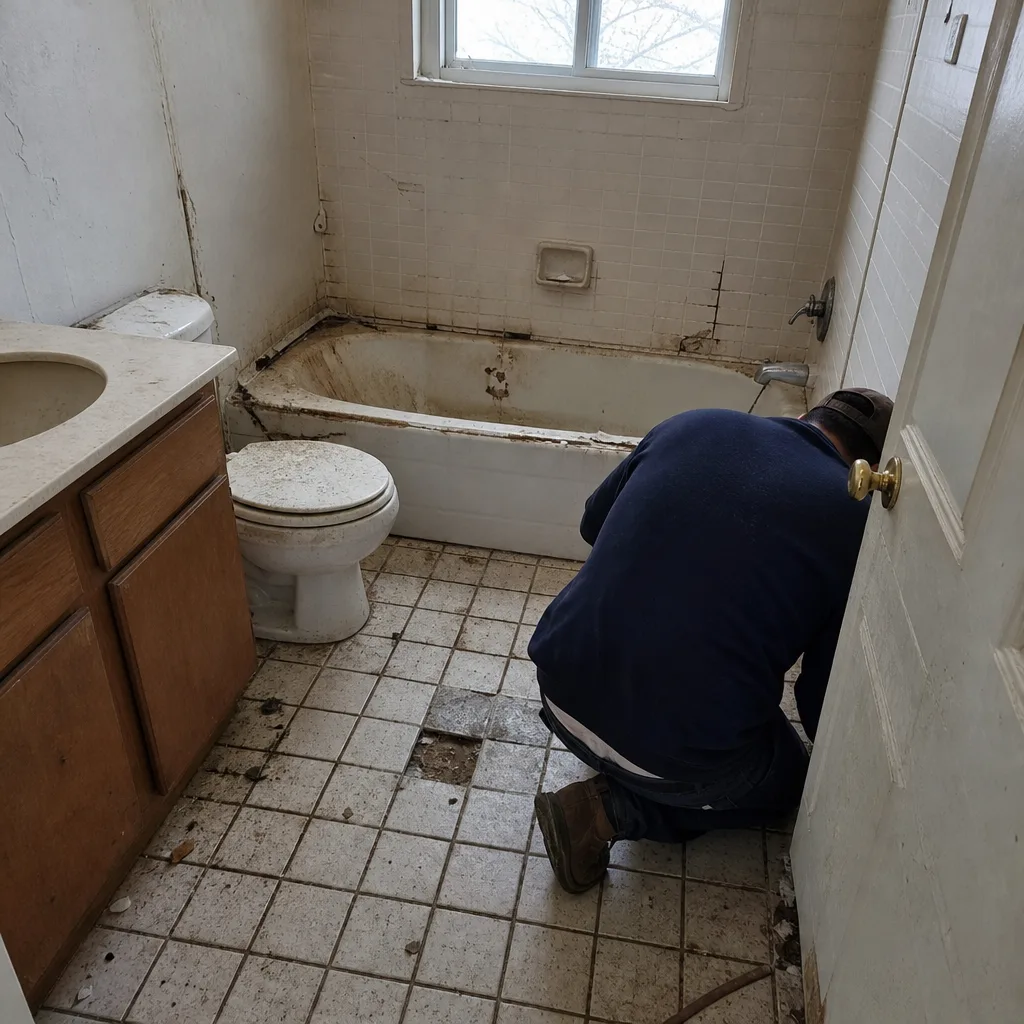 Before
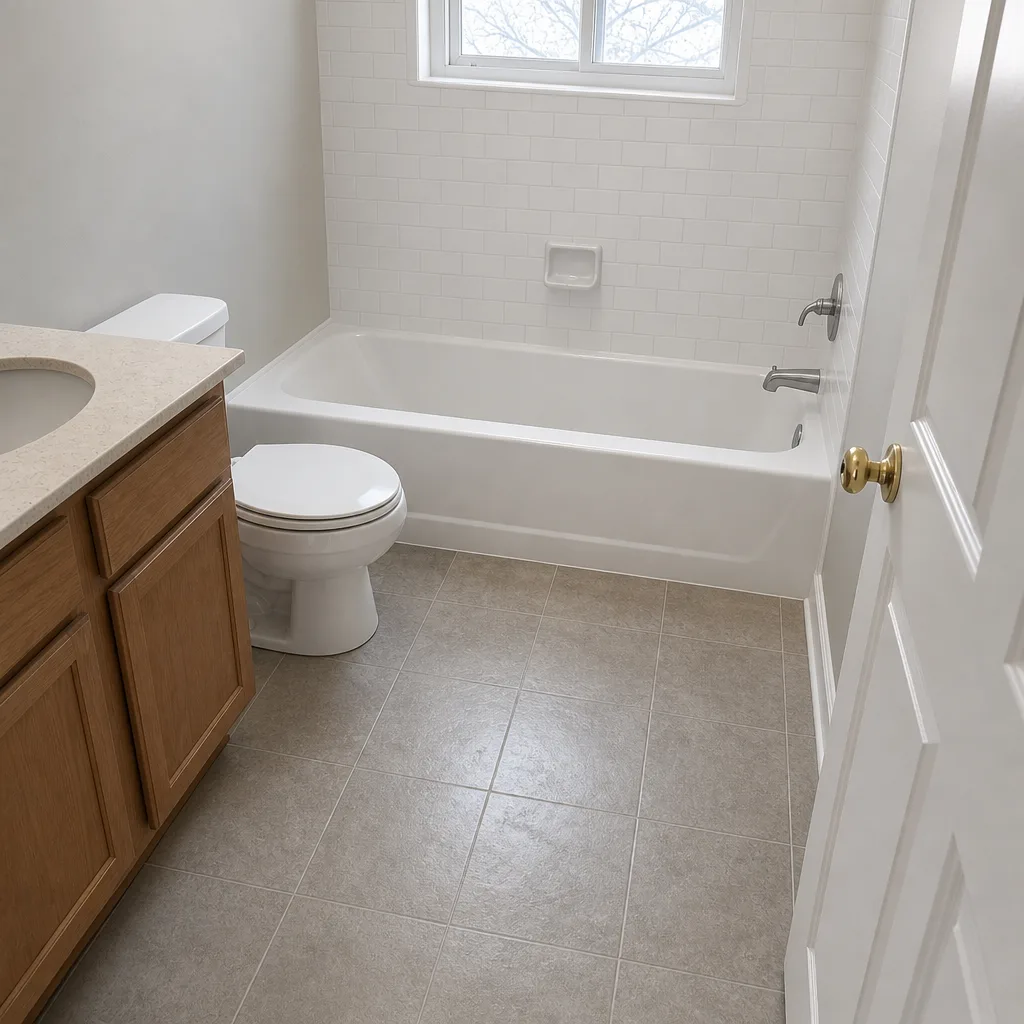 After
Frequently Asked Questions
Yes for anything that moves or adds plumbing, adds or relocates electrical, or alters the framing. No for cosmetic work like paint, tile over an existing floor, or new fixtures on existing rough-in. If you’re unsure, call the city permit office or ask us; the permit is cheap compared to what fixing unpermitted work costs later.
Technically you can, but we don’t recommend it and Arlington requires a permit for the work. A drain relocation involves slope, venting, and subfloor framing, and if any of those are wrong you’ll be tearing out the shower pan to fix it. This is the number one task we get called in to finish after a homeowner starts it.
On a full hall bath refresh with no layout changes, DIY materials run $3,000 to $4,500 and professional labor adds $4,000 to $7,000. The DIY savings disappear fast once you price your own hours and account for the risk of one redo on tile or waterproofing. On a bigger gut remodel or a tub-to-shower conversion with a moved drain, professional labor is a fraction of what a redo would cost.
A cosmetic refresh with no plumbing or layout change takes 5 to 10 working days with a full crew. A full gut remodel with a layout change takes 3 to 6 weeks, longer if the permit and inspection schedule backs up. We give a schedule in writing at the start and flag any scope change through a written change order before the timeline moves.
Yes, and we do it. But be prepared for the estimate to come in higher than starting fresh, because the contractor has to inspect and often undo work that wasn’t done to code or wasn’t waterproofed properly. Bring photos of every stage you completed, especially the rough-in and waterproofing stages, so the contractor can price accurately.
Yes. Arlington permit records are searchable, and a buyer’s inspector can flag missing permits. The city can require the work be brought up to code and inspected, which often means opening walls. It’s a common reason closings get delayed. Pull the permits on the front end and the record is clean at sale.
The Bottom Line
The DIY vs professional bathroom remodeling decision comes down to three questions, not to how handy you are. Does the task need a permit? Does it move water, waste, or electricity? Does it cut into structure? If any answer is yes, the task goes to a pro, and in Arlington, that’s usually the cheapest path once you price your own hours and the risk of a redo. If all three are no, and you’re careful with waterproofing and sequence, you can genuinely handle the cosmetic side. The work worth paying for is the work you can’t take back. Everything else is yours if you want it.
Get a Free Estimate
If you’re weighing a bathroom project in Arlington and you’d rather not spend three weekends finding out the drain has to move, call us. We’ll walk the bathroom with you, tell you honestly which tasks are yours and which need a permit and a licensed crew, and hand you a written, line-item estimate with every allowance on paper before you sign anything. Our crew members are background-checked, uniformed on every visit, and led by Tom Barrett’s sons, who are on site most days. Every eligible job includes permits pulled and inspections signed, every price change is a written change order, and every completed job is backed by the 90-Day Done Right Promise. Barrett & Sons Construction Arlington: call (888) 590-9867 to schedule your free estimate.
Written by the team at Barrett & Sons Construction Arlington.