
Last updated November 17, 2026
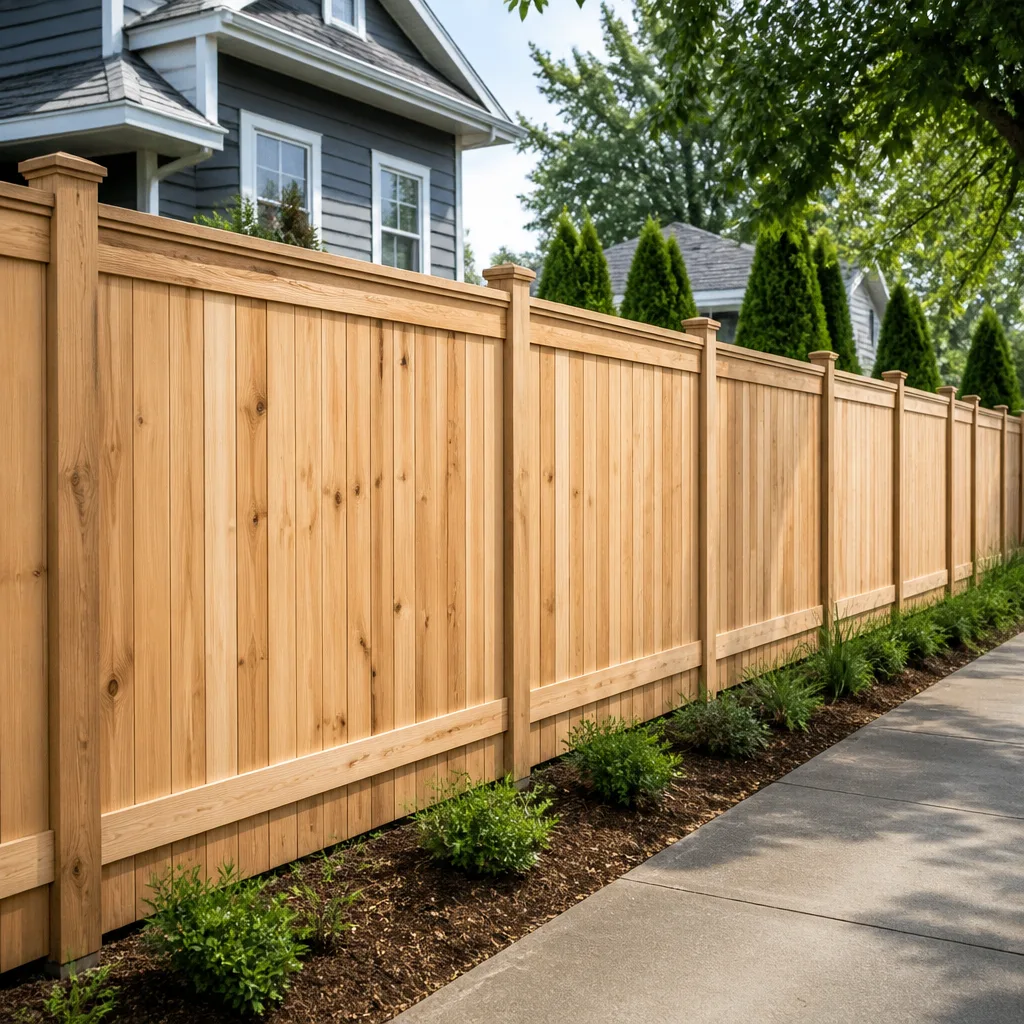 Fence
 Kitchen remodeling
 Bathroom remodeling
 Home additions & ADU
 Roofing
 Windows & doors
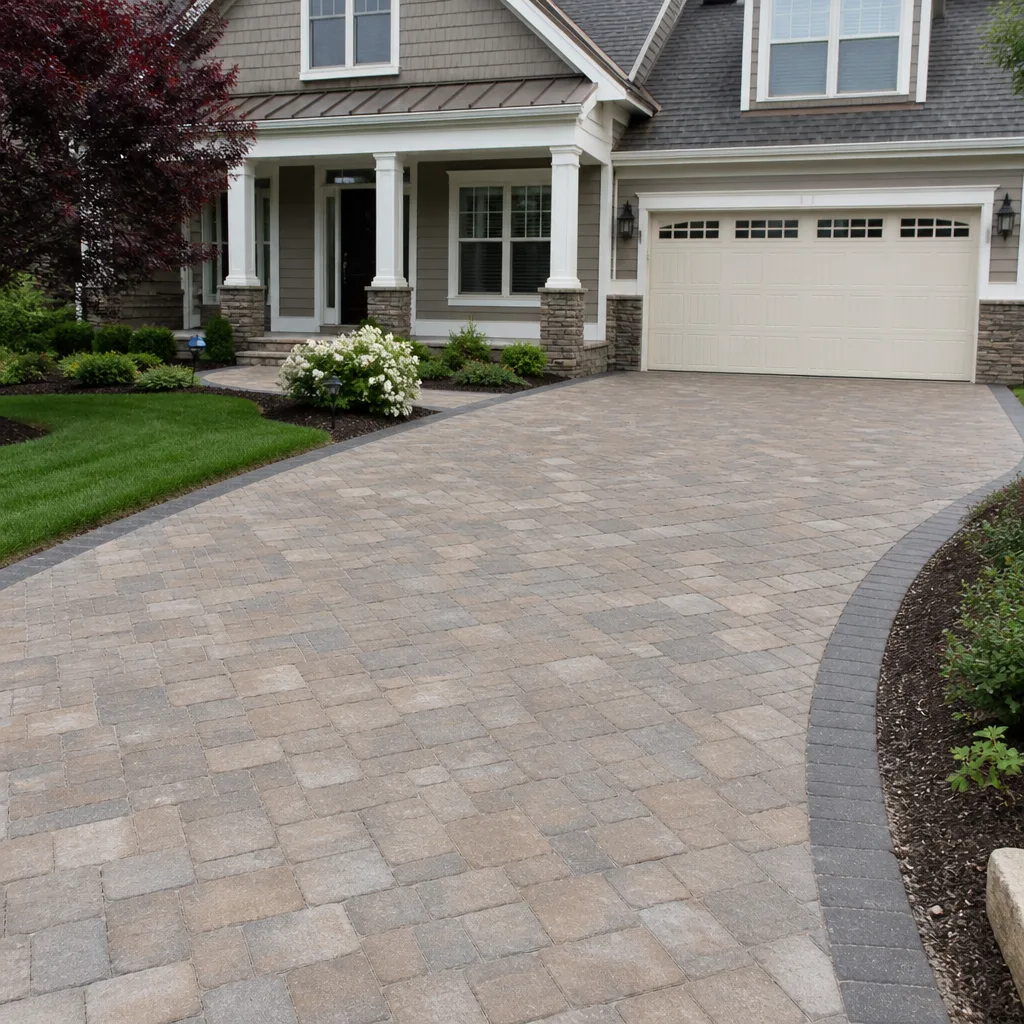 Driveway & pavers
Free written scope consultation - allowances, timeline, and change-order rules on paper before a single trade is scheduled
DIY vs Professional Fence Installation: What’s Safe to Do Yourself
Of every fence that ends up needing repair within three years, the overwhelming majority trace back to post installation – the part that happens on day one and goes underground where no one checks it. That’s the whole story in one sentence. The boards you see are the easy part. The posts you don’t see carry the fence, and that’s where DIY goes wrong. This guide separates the work you can safely handle on a Saturday afternoon from the work that decides whether your fence stands for five years or twenty. We’ve watched a lot of fences go up around Arlington, and the pattern holds.
Quick Answer
Replacing individual pickets, re-hanging a sagging gate, staining and sealing, and tightening hardware are all reasonable DIY projects. Setting new fence posts, digging footings to the right depth, mixing concrete correctly, and dealing with drainage in Arlington’s clay soil are not – that’s where the structural failure happens, and it’s invisible until the fence starts leaning two winters later. For any new fence line or full replacement, hiring a professional is the safer money.
Styles & brands we work with
- Kitchen remodeling
- Bathroom remodeling
- Home additions & ADU
- Roofing
- Windows & doors
- Driveway & pavers
- Fence
Table of Contents
- Why Post Installation Decides Everything
- What Arlington Clay Does to a DIY Fence Post
- Do You Need a Permit for a Fence in Arlington?
- Fence Work That’s Genuinely Safe to Do Yourself
- Real DIY Costs vs a Professional Bid
- Three Questions That Separate Real Fence Crews
- Common Mistakes to Avoid
- When to Call a Professional
Why Post Installation Decides Everything
Here’s the irony that most DIY guides skip: the post work is a small fraction of the total time on a fence job, but it determines whether the fence lasts five years or twenty. Setting a post correctly means digging below the frost line for your area, setting it at the right depth for the fence height and wind load, mixing concrete to the right consistency, crowning the top so water sheds away, and keeping the post plumb while the concrete cures. Each of those steps has a correct answer, and getting any one of them wrong doesn’t show up on install day. It shows up two or three winters down the road, when the post rots at the ground line or the clay shifts and the whole section leans.
What typically fails on a DIY post:
- Depth. A 6-foot privacy fence needs posts sunk roughly 2 to 3 feet, depending on wind exposure and soil. A lot of first-timers stop at 18 inches because the digging is hard and the fence looks fine standing up.
- Concrete mix. Quikrete or Sakrete fast-setting mixes are fine, but the water ratio matters. Too wet and it’s weak. Too dry and it won’t fill the hole.
- Crowning. The concrete cap needs to slope away from the post so water runs off, not into the wood. An uncrowned post holds water and rots from the inside.
- Plumb. A post that’s a half inch out of plumb at the top looks fine alone but won’t line up when the rails go on.
Every one of those is fixable by a crew that does it weekly. Very few of them are fixable after the concrete sets and the neighbor’s yard is on the other side.
What Arlington Clay Does to a DIY Fence Post
Arlington sits on heavy black clay soil, and if you’ve gardened here you already know what it does: it swells when it’s wet and shrinks and cracks when it’s dry. That cycle is brutal on fence posts. A hole dug to 18 inches in Arlington clay in July looks solid. Come the first wet winter, the clay around that hole expands, the post gets pushed, and the fence starts to walk. We’ve seen this most often in the older neighborhoods with mature trees – the soil stays wetter longer under shade, and post rot sets in faster than the homeowner expects.
A properly set post in Arlington clay has to be deep enough to get below the seasonal movement zone, wide enough at the base to resist the clay pushing back, and set with the concrete crowned to shed water. A properly built footing also handles drainage so water doesn’t pool against a post, which is the fastest way to rot a treated 4×4. None of this is complicated, but it’s all invisible when the fence is up. If you want to skip the guesswork entirely, our Fence Installation in Arlington page walks through how we build to Arlington’s soil conditions rather than a generic national spec.
Do You Need a Permit for a Fence in Arlington?
Fence permit rules in Arlington depend on height, location, and whether it’s a front-yard or side-and-rear fence. Fences under a certain height typically don’t require a permit, but taller privacy fences and any fence in a front or corner-lot sight triangle usually do. If you’re in a Homeowners Association, the HOA has its own rules that run separately from the city’s, and both apply. The only way to know for sure on your specific lot is to call the City of Arlington permit office or pull up the current fence ordinance and check your zoning – which our team does on every job as a matter of course.
What most homeowners don’t consider: unpermitted fence work can cause problems when you sell. A buyer’s inspector flags a fence as non-conforming, the title company asks for the permit, and suddenly you’re retroactively filing for a variance on a fence that’s been standing for eight years. It’s a hassle nobody wants to deal with at closing. It’s cheaper to pull the permit up front. On every eligible job we take, permits get pulled and inspections get signed – it’s part of what’s written into our scope, not an optional add-on. It also means the inspector who signs off works for you, not for us, and that’s exactly how we like it.
Fence Work That’s Genuinely Safe to Do Yourself
There’s a real list of fence work that’s worth doing yourself, and we’ll tell you so plainly because pretending everything needs a professional is the kind of talk that makes homeowners stop trusting contractors. Here’s the work we’d happily hand you a hammer for:
- Replacing individual pickets. A split or rotted board on an otherwise solid fence is a 20-minute job with a pry bar, a drill, and the same board size. No posts involved, no risk.
- Re-hanging a gate that sags. New hinges, a new latch, or a diagonal brace added to the gate frame will get another few years out of it. Watch the post the gate hangs from – if that’s what’s moving, it’s a different job.
- Staining and sealing. A pressure wash, dry time, and a good stain will add years to a wood fence. It’s the highest-value DIY task on the list.
- Tightening hardware. Loose brackets, missing screws on a rail, a wobbly gate hinge – simple trips around the fence with a drill and a bag of exterior screws prevent most of the small failures we get called for.
- Patching small holes or dog-damaged areas. If a dog chewed a corner of the bottom rail, you can replace that rail section without touching the posts.
Notice what’s missing from that list: anything involving the ground. Digging, setting posts, running rails, or cutting new fence line all fall on the pro side of the line, because those are structural and they’re the ones you can’t easily undo. The full picture of how a fence line gets set – including why the panel itself is easy and the footings are not – shows up again and again when we’re on a job site.
Real DIY Costs vs a Professional Bid
Let’s do the actual math. A DIY wood privacy fence for a typical Arlington subdivision backyard runs 80 to 120 linear feet. Here’s a realistic line-item comparison. Professional bid ranges assume a standard 6-foot cedar or treated pine privacy fence, materials and labor included, in the Arlington market.
| Item | DIY Range | Pro Bid Range |
|---|---|---|
| Materials (posts, rails, pickets, concrete) | $1,800 – $3,400 | Included |
| Permit (if required) | $75 – $250 | Included, pulled for you |
| Tool rental (auger, post-hole digger, level, miter saw) | $150 – $400 | N/A – crew owns the tools |
| Concrete waste from over-pouring | $60 – $140 | Included |
| Board waste factor (10-15% for mistakes) | $180 – $500 | Included |
| Labor | Your weekends – 2 to 4 of them | 2 to 4 days, crew of 3-4 |
| Realistic total for 100 ft | $2,265 – $4,690 | $3,200 – $5,800 |
The gap between those two columns is smaller than most people expect, and it closes further once you price in the waste factor. First-timers cut boards wrong, miscalculate post spacing, and over-order pickets. A 10 to 15 percent board waste factor is realistic – the pros only waste 3 to 5 percent because they’ve done it before. If the DIY fence fails at the post line within five years and needs a rebuild, the savings are gone entirely. That’s the calculation to run before you decide, and it’s worth pairing with a broader look at how Driveway & Pavers in Arlington get priced if you’re doing multiple exterior projects at the same time – the yard always gets hit all at once.
Three Questions That Separate Real Fence Crews
If you decide to hire a fence contractor, ask these three questions before you sign anything. A crew that knows Arlington’s soil will answer them without hesitation. A crew that uses the same process in every city will stumble on every one.
- “How deep do you set posts on a 6-foot privacy fence in Arlington?” You’re listening for a specific depth, and a specific adjustment for wind exposure. Anything under two feet is worth a follow-up question. If they say “standard 18 inches,” they’re using a national spec on Texas clay.
- “How do you handle drainage at the post base?” The right answer involves crowning the concrete and keeping water off the post. Silence, or “we’ve never had a problem,” is not an answer.
- “Will you pull the permit, and will I get the inspection report?” The answer should be yes and yes. Any fence work that touches the front setback, blocks a sight triangle, or exceeds the city’s fence height limit is worth a permit, and any crew that tells you permits are unnecessary is telling you something about how they handle the rest of the job too.
We also like asking for the contractor’s license number and looking it up before the contract is signed – you should too. It takes thirty seconds and it tells you more than any testimonial. If you’re also thinking about broader work around the property, the same questions apply to any trade, which is why we keep the same standards on everything from additions to fences. Our team has collectively seen enough fence builds to know what a buried post looks like before it fails, and that’s the whole point of asking. If the project grows past a fence and you’re considering a garage or in-law suite, our Home Additions & ADU in Arlington page shows the same written-scope, permit-first approach applied there.
Common Mistakes to Avoid
- Skipping the depth on a 6-foot fence because the digging is hard. Arlington’s clay fights back, but 18 inches of post in a hole isn’t enough for a wind-loaded privacy fence, and the shift shows up in about two winters.
- Using too much water in the concrete mix. Fast-setting Quikrete or Sakrete goes in best at the package ratio. A soupy mix looks easier to pour but cures weak and doesn’t hold a post against clay movement.
- Forgetting the board waste factor. Ordering exactly the linear footage in your plan guarantees one more trip to the yard and probably two. First-timers should plan 10 to 15 percent extra.
- Building without checking the permit rules for your specific lot. Height, setback from the property line, and corner-lot sight lines all change the answer, and the rules for a rear fence aren’t the same as a front one.
- Not calling 811 before you dig. Texas law expects you to call before digging below the depth of a utility line. It’s free, it takes 48 hours to schedule, and it saves you from finding the gas line with a post-hole digger in your neighbor’s yard.
- Ignoring the HOA. Even a beautifully built fence that breaks the neighborhood’s color or height rules can get you a violation letter that has nothing to do with the fence’s quality.
- Setting posts against a downhill slope without changing the depth. A post on the low side of a slope needs to be set in the same soil conditions as the high side, and the crowning has to shed water away from the hill – not into it.
When to Call a Professional
Call a professional for any new fence line, full replacement, post repair, or anything that involves digging, running rails, or cutting pickets to fit. Also call a pro if your fence is on a slope, if it’s over a utility easement (the utility company owns the right to move your fence at your cost), if it’s near a property-line dispute, or if the fence is part of a residential addition or ADU project. The single best way to know whether the fence problem is small or structural is to have someone look at it – and a free estimate is exactly that. Barrett & Sons Construction Arlington offers free estimates in Arlington – call (888) 590-9867. We’ll tell you straight whether it’s a DIY job or a full rebuild, and if it’s DIY we’ll tell you that too. Background-checked crew members, permits pulled and inspections signed on every eligible job, and the 90-Day Done Right Promise written on the contract. You can also start at our Barrett & Sons Construction Arlington home page to see the full scope of what we do.
See the difference
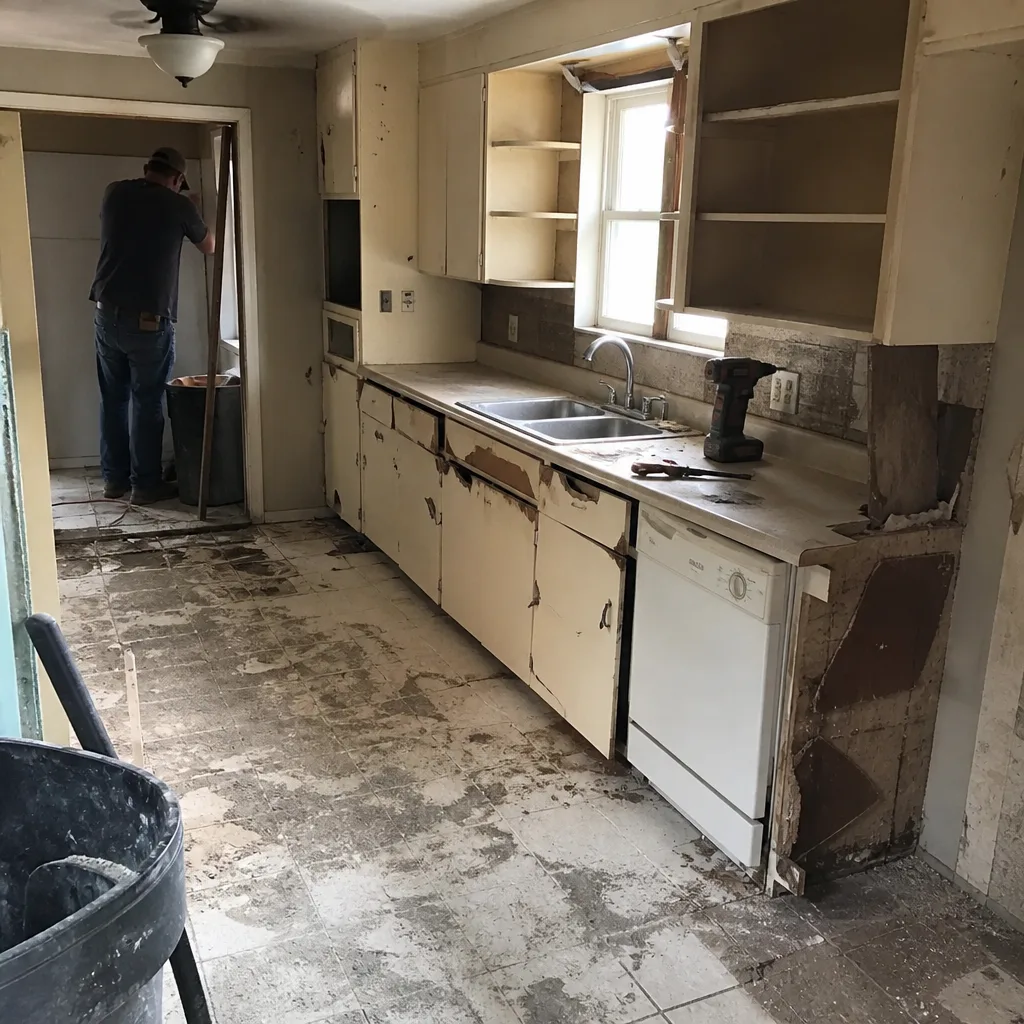 Before
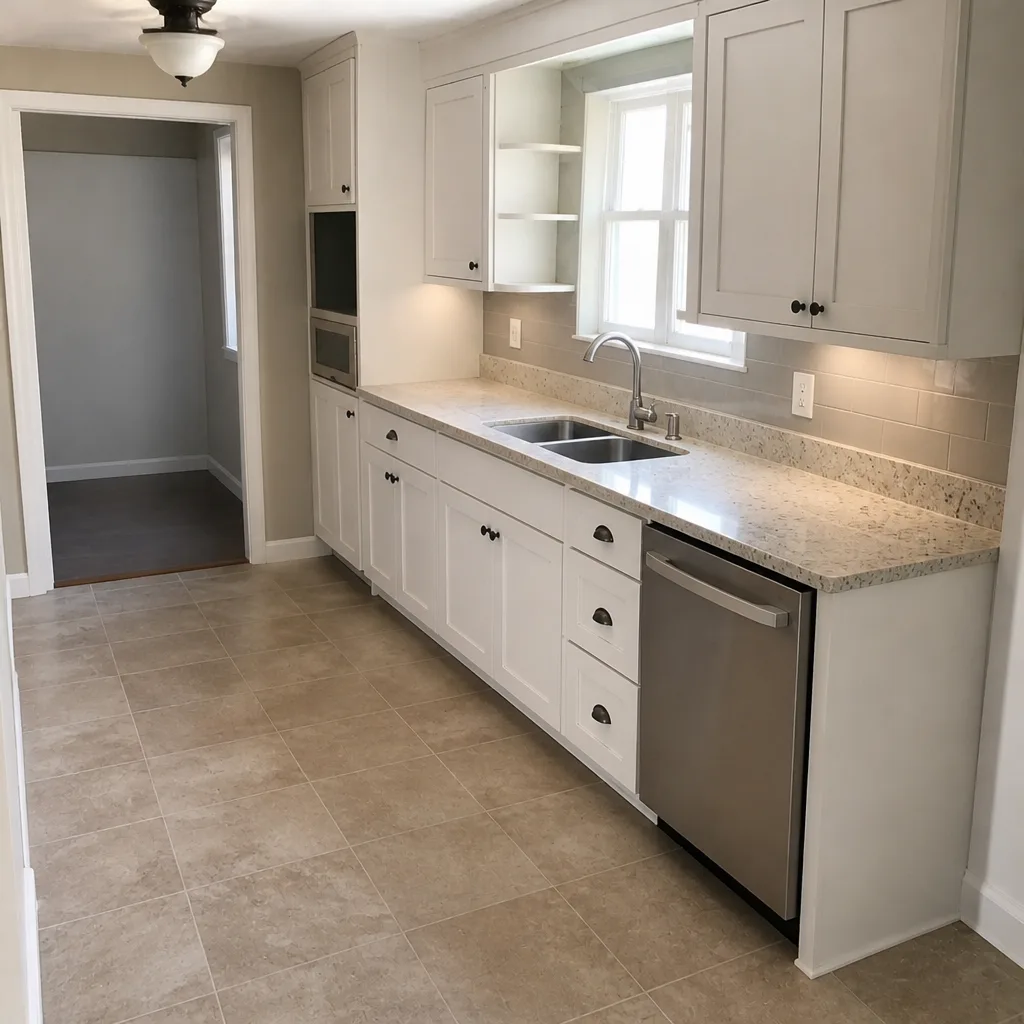 After
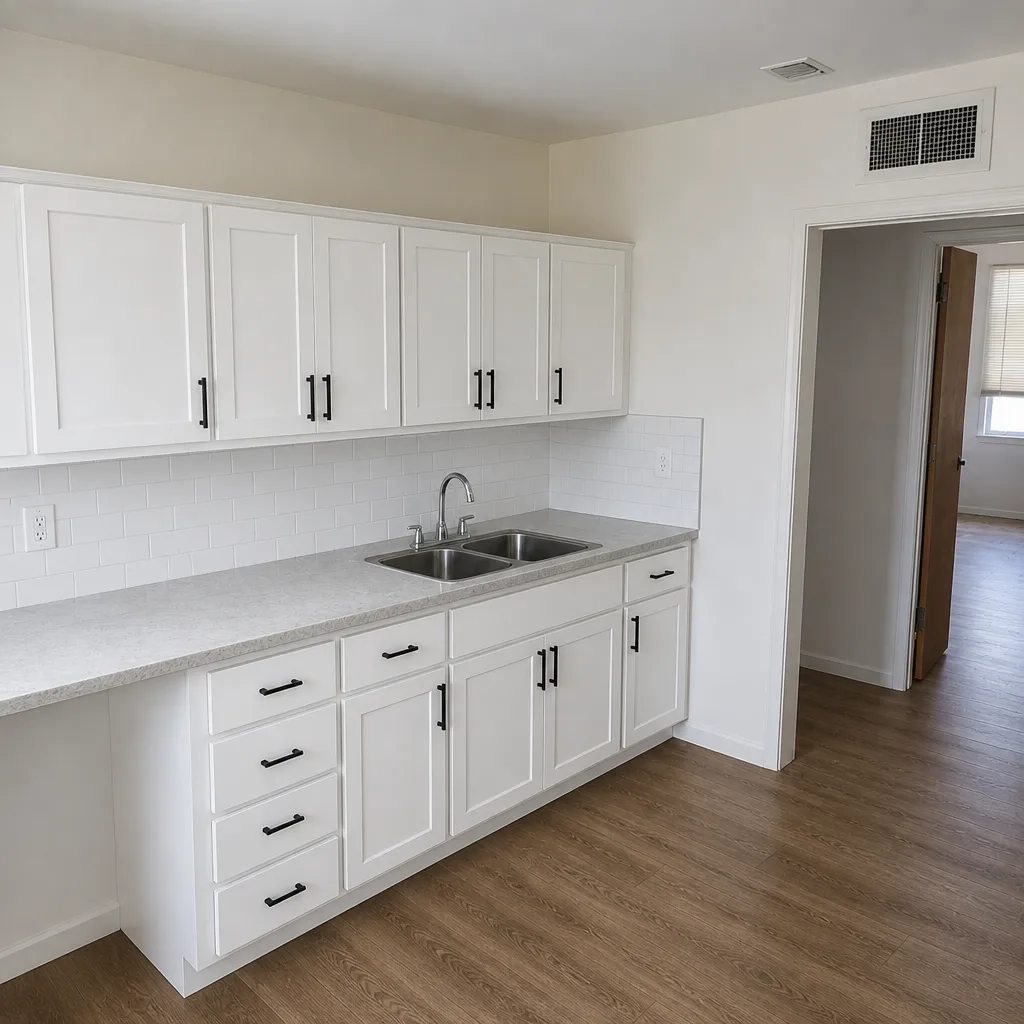
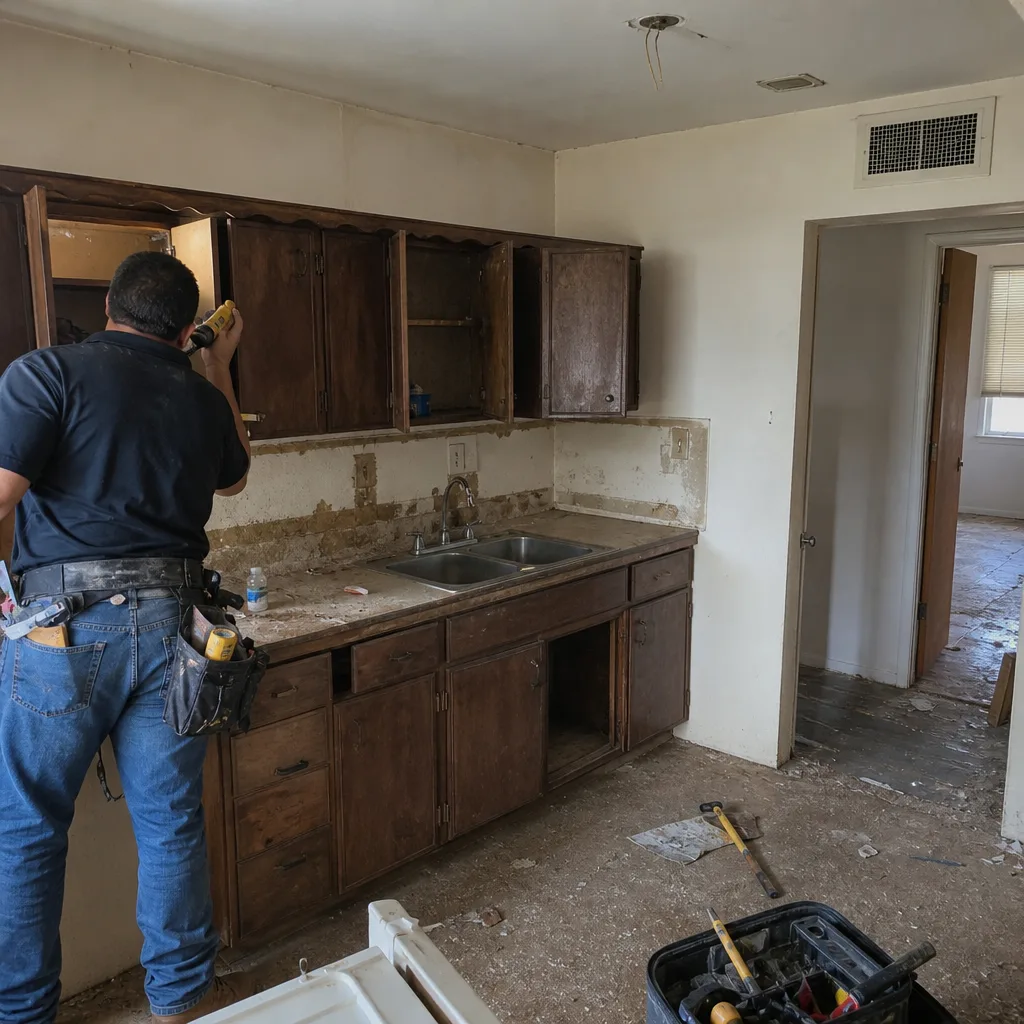 Before
 After
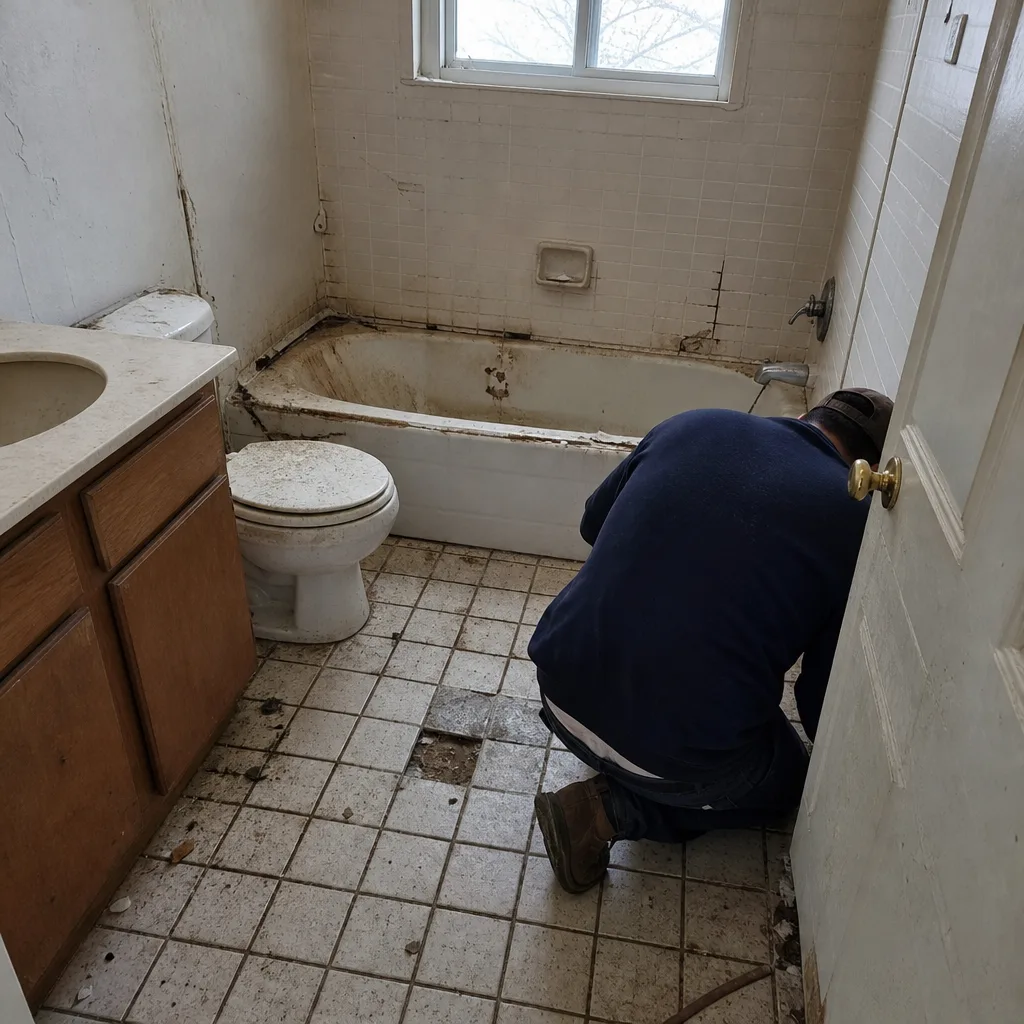 Before
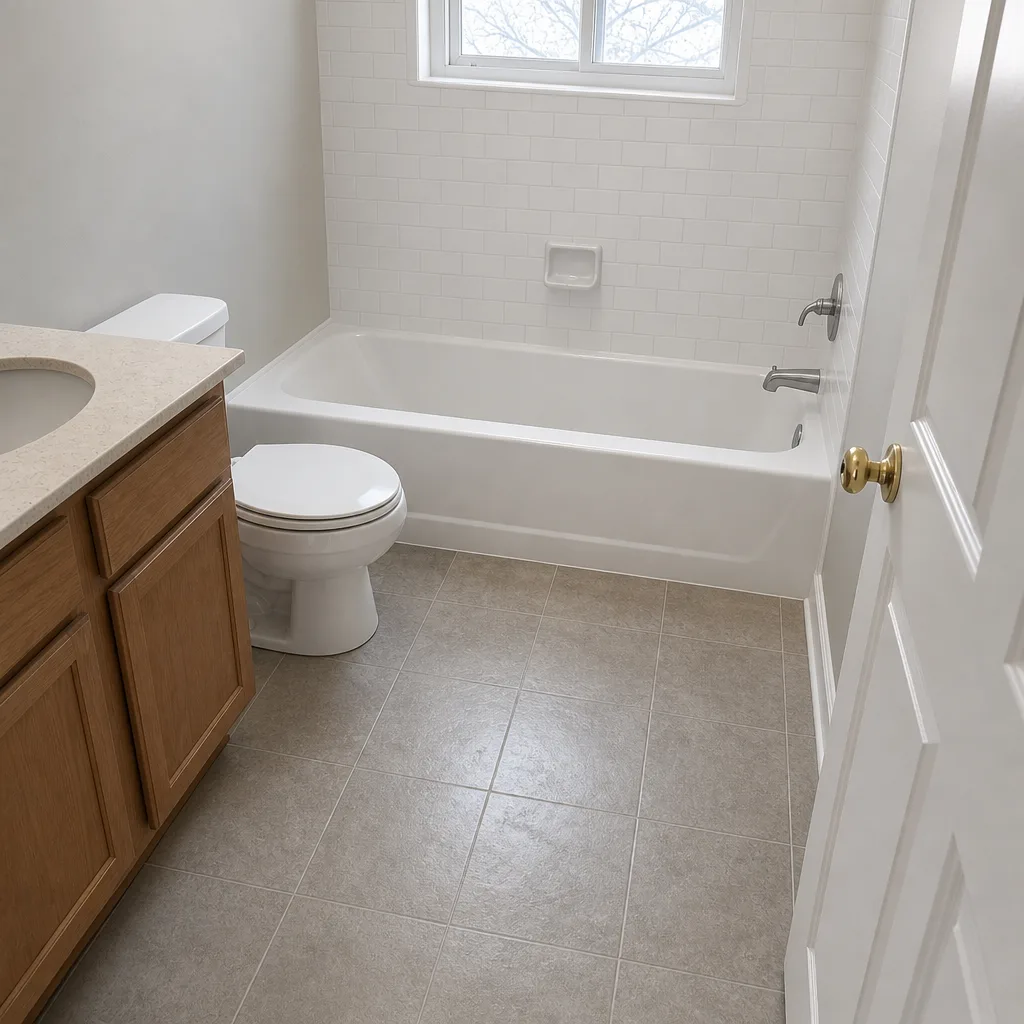 After
Frequently Asked Questions
A typical 6-foot wood privacy fence runs $3,200 to $5,800 for 100 linear feet in Arlington, materials and labor included, depending on wood species, height, and gate count. Chain link runs less and ornamental metal runs more. Call (888) 590-9867 for an exact quote – estimates are free, and the price you see is the price on the written scope.
Not without a written change order from us first. Every scope, every allowance, and every price change arrives in writing before the work happens – no surprise invoices at the end. If a buried obstacle turns up mid-job, you get a written request to change scope and you decide. That’s how we’ve handled it since 1998.
Yes, on every eligible job – permits pulled and inspections signed, which matters because fence rules in Arlington depend on height, lot location, and setback. If your fence needs a permit, we file for it. If it doesn’t, we tell you that in writing too. Either way, when you sell the house, there’s a clean paper trail and no surprises at closing.
It depends on the cause. A single loose post on an otherwise sound fence can sometimes be pulled and reset, but if the lean is in the post line itself, the footing is the problem and that’s a professional job. Walk the fence line first – if more than two posts have moved, it’s a rebuild, not a repair. Call (888) 590-9867 for a free look before you start prying anything up.
A typical 100-to-150-foot residential fence takes 2 to 4 days on-site with a crew of three or four, weather permitting. The post footings need to cure before the rails go on, which is part of why a one-day fence is almost always a short-lived fence. If you want a written schedule with the start and end dates, call (888) 590-9867 – we put the timeline in the scope, not just on the handshake.
Yes. Every completed job is covered by the 90-Day Done Right Promise – if something isn’t right within 90 days, we come back and make it right with one call. Our crew members are background-checked and carry the Barrett & Sons name on every visit.
The Bottom Line
Most of what you see when you look at a fence is easy. That’s why re-painting, replacing a picket, or re-hanging a gate is a fine weekend project – if that’s the whole problem, do it yourself and save the money. But the fence line itself sits on posts buried in Arlington clay, and that’s the part that decides whether the thing stands for five years or twenty. Permits, depth, concrete mix, drainage, and waste factor all live in that hidden part of the job. If the fence is new or the post line is moving, get a professional out to look at it. If you’re in the middle of a bigger project, keep the same standard across the whole property – the same rule applies. And if a fence is only one piece of what’s on your list this year, our team is glad to talk through the whole scope at once.
Call (888) 590-9867 for a free estimate. A live person answers 24 hours a day, 7 days a week – not a voicemail box, not an out-of-state call center. We’ll give you a written scope, a written timeline, and a written price, and you’ll get a second opinion for free if you’re already holding another contractor’s estimate. If something isn’t right after the job, one call brings Tom back. That’s the promise, and it’s on every contract.
Written by the team at Barrett & Sons Construction Arlington.