
Last updated November 16, 2026
 Fence
 Kitchen remodeling
 Bathroom remodeling
 Home additions & ADU
 Roofing
 Windows & doors
 Driveway & pavers
Free written scope consultation - allowances, timeline, and change-order rules on paper before a single trade is scheduled
Fence Installation Maintenance Schedule: What to Do and When
Staining a wood fence in August in Arlington feels productive. The sun is out, the wood is dry, and you can see the color go on. It’s also one of the worst times to do it. High heat pulls the stain solvent out before it penetrates, so you end up with a surface coat that peels by spring instead of a protective soak. We’ve watched the same fence last 12 years with the wrong care and 22 years with the right care, and the gap comes down to about four hours of well-timed work a year. This guide is the schedule that actually extends life: what to do each month in Arlington, which jobs are worth doing yourself, and when the work has crossed into structural territory.
Quick Answer
In North Texas, wood fences need staining or sealing once every two to three years, done in October or November when temperatures sit between 50°F and 80°F and humidity is moderate. Vinyl needs a wash and a hardware check twice a year, and iron or steel needs rust touch-up before each rainy season. Post inspection is the one job to do every single year, because below-grade rot is what ends a fence’s life early.
Styles & brands we work with
- Kitchen remodeling
- Bathroom remodeling
- Home additions & ADU
- Roofing
- Windows & doors
- Driveway & pavers
- Fence
Table of Contents
- The Month-by-Month Maintenance Calendar for Arlington
- When to Stain or Seal a Wood Fence in North Texas
- How to Check Fence Posts for Rot Without Digging
- What Vinyl Fences Need That Wood Doesn’t
- Iron and Metal: Rust Touch-Up and Hardware Care
- After a Severe Storm: The Inspection Sequence
- Common Mistakes to Avoid
- Frequently Asked Questions
The Month-by-Month Maintenance Calendar for Arlington
Arlington runs hot, humid springs and long dry summers with the occasional hard freeze in January. That pattern shapes the schedule. Here’s how the year breaks down for a typical wood, vinyl, or iron fence in Arlington.
- January and February: After the first hard freeze, walk the line and look for frost-heaved posts and popped pickets. Freeze-thaw cycles stress post footings more than summer heat does.
- March: Clean vinyl and inspect hardware before spring storms hit. Check gate hinges and latches, and oil moving metal parts.
- April and May: The wettest stretch. Watch for standing water along the fence line, which is the number one cause of below-grade post rot. Clear soil away from the base of wood posts so they can dry.
- June through August: Inspection only, no staining. Look for warped boards, popped nails, and any fence section leaning after high wind. This is the best window to schedule repairs before fall.
- September: Prep work. Clean wood fences, pull weeds from the base, and mark any pickets that need replacing before the staining window opens.
- October and November: The staining and sealing window. This is when the temperature and humidity cooperate in North Texas.
- December: Final walk-through. Recheck gate hardware and touch up any iron rust spots before the freeze.
Notice that the heaviest work lands in fall and the lightest in summer. That’s not arbitrary. It matches how wood cures and how stain behaves in North Texas weather. If you do nothing else, do the post inspection every spring and the stain every other fall.
When to Stain or Seal a Wood Fence in North Texas
Stain and sealant need temperatures between roughly 50°F and 80°F, low wind, and dry wood with a moisture content under about 15%. In Arlington, that combination shows up reliably in October and November. Spring can work early in March, but humidity is climbing and rain is unpredictable, so the window is short.
August fails on two counts. The heat drives the stain solvent off too fast for it to penetrate, and the wood itself is often too dry from summer, so it soaks unevenly and leaves lap marks. You get a coat that looks finished in October and starts peeling by the next April.
Signs your fence is ready for stain
- Water beads up on bare wood instead of soaking in: it’s still sealed from last time, wait.
- Water soaks in immediately and darkens the wood: it’s overdue, stain now.
- The gray color has come back across more than a third of the surface.
- You can see the wood grain lifting or splintering at the top edges of boards.
Prep matters more than the product. A light wash with a fence cleaner, a rinse, and two dry days will do more for stain life than upgrading to a premium brand. For a deeper look at new construction and material options, our Fence Installation in Arlington page walks through the styles we install most in this area.
How to Check Fence Posts for Rot Without Digging
Posts fail at the soil line, not up top. You don’t have to excavate to find out whether a post has years left or months. These four checks give you a real answer in about five minutes per post.
- The push test. Place one hand on the post at hip height and push firmly. A healthy post doesn’t move. Any rocking means the footing is compromised or the wood is soft at grade.
- The probe test. Push a screwdriver into the wood at the soil line. If it slides in easily, you’re into rotted wood. If it takes real pressure, the post has life left.
- The sound test. Tap the post with a hammer handle about six inches above grade. A solid thunk means good wood. A dull thud means rot inside.
- The color test. Scrape a small area with a coin at the soil line. Discolored, spongy, or crumbly wood is a failing post. Clean tan wood underneath is fine.
In Arlington, we regularly see posts fail faster on the north side of a yard where shade holds moisture, and along fence lines near sprinkler heads or downspouts. If you find two or more failing posts in a row, the section is likely to lean on the next windy spring, so plan a repair before it does. This is also the point where calling in a professional gets cheaper than waiting. Post replacement and section rebuilds are common jobs for our crews, and our Driveway & Pavers in Arlington neighbors ask us to check fence lines near new hardscapes, since regrading can change how water drains around a fence.
What Vinyl Fences Need That Wood Doesn’t
Vinyl doesn’t rot, doesn’t need staining, and won’t attract termites. That doesn’t mean it needs nothing. The three vinyl-specific jobs are cleaning, hardware lubrication, and post footing checks, and the last one matters most.
- Cleaning, twice a year. A garden hose and mild soap handle most of it. Skip pressure washing at high settings: it drives water into seams and can lift panels off their rails.
- Hardware lubrication, spring and fall. Gate hinges, latches, and drop rods all rust from the inside out if they’re not oiled. A silicone spray on metal parts twice a year adds years to gate function.
- Post footing checks, every spring. A vinyl post is only as good as the concrete footing underneath. The panel is fine; the base can heave or wash out over years. Push and rock the post at grade the same as you would a wood one.
- Mildew removal where shade holds moisture. Vinyl under a live oak or a north-facing wall can grow a green film. A diluted bleach solution and a soft brush removes it without damaging the surface.
Vinyl is more stable in Arlington’s climate than wood, but the hardware and footings still need attention. When we install vinyl, we use brands we can point to and stand behind, including Home Additions & ADU in Arlington-grade materials and name brands across our trades. The point is that you can look up the product, not take a mystery brand off a van.
Iron and Metal: Rust Touch-Up and Hardware Care
Wrought iron and ornamental metal fences have the opposite problem from wood. They don’t rot, but they corrode, and corrosion starts in the places you don’t look: at weld joints, where the powder coat has chipped, and inside hollow rails where water collects.
Iron maintenance schedule
- Spring inspection. Walk the line and look for chipped paint, orange-brown spots, or bubbling on the surface. Any of those means moisture is under the finish.
- Rust touch-up. Sand the spot to bare metal, wipe clean, and apply a rust-inhibiting primer, then a matching topcoat. Do this before summer so you’re not painting in 100°F heat.
- Hardware lube. Oil hinges and latches twice a year. A sticky gate puts lateral stress on posts, which is worse than any cosmetic rust.
- Fall check. Repeat the inspection. Iron near sprinkler heads will corrode faster; those spots deserve a look every season.
Iron also needs a footing check, same as vinyl. An ornamental gate that swings heavy can work a post loose over years, and a leaning gate is usually a footing problem, not a hinge problem. Our licensed and insured crews handle iron fence maintenance and repairs across Arlington, and if a section has failed, we pull permits and pass inspections where the job requires it. That’s not always the case for repair work, but it’s the standard we hold on eligible jobs.
After a Severe Storm: The Inspection Sequence
North Texas storms test every fence in Arlington. The difference between a fence that survives a wind event and one that fails comes down to how fast you inspect and what you do about it. Here’s the order we recommend.
- Walk the whole line from a distance first. Note leaning sections, gaping boards, and gates that no longer close. Cosmetic damage looks bad up close but won’t compromise the fence.
- Check the posts. Push test every post. A leaning section on a solid post is a small repair. A leaning section on a rotted post is a rebuild, and worth fixing before the next wind storm.
- Look for cracked or split pickets. Boards split by wind should be replaced, not left to catch more wind.
- Inspect the gate. Hinge damage or a gate that no longer latches is usually a sign that the gate post has moved. Fix it before the gate drops.
- Check for leaning fences near down trees or limbs. A limb across the fence applies pressure that fails the post a season later. If a post looks stressed, get it looked at now.
Cosmetic damage is a spring weekend project. Structural damage is not. A post that’s been pushed out of plumb by a fallen limb will eventually pull the whole run with it, and a leaning fence section exposes a yard that was previously secure. If your inspection turns up a leaning post, a split post, or a gate that won’t latch, that’s the moment to call. Repairs caught early are a small job. Repairs caught after the next storm are a rebuild.
Common Mistakes to Avoid
- Staining in summer. August staining in Arlington peels by spring because the heat drives the solvent out before it soaks in. Wait for October.
- Pressure washing wood at high settings. It gouges the soft grain and forces water into seams, and the fence dries unevenly. A garden hose and a light cleaner are enough.
- Ignoring the post footings. Homeowners focus on pickets because that’s what they see. The posts are what hold everything up, and they fail first underground.
- Letting soil pile up against the fence base. Mulch and soil against a wood post hold moisture and accelerate rot. Keep the base clear.
- Painting over iron rust without prep. A rust-inhibiting primer over bare, sanded metal lasts. Fresh paint over rust bubbles off in one season.
- Skipping the spring hardware check. A gate hinge that needs oil adds stress to a post that wasn’t meant to handle it, and a loose gate puts the entire run at risk.
- Waiting until the fence fails. A leaning section that’s caught in October is a small repair. Caught in March after a storm, it’s a rebuild.
We’ve been working on fences across Arlington since 1998, and the pattern we see most is the same: the fence gets stained or painted, but the posts get skipped. That’s the one job to keep on the calendar.
See the difference
 Before
 After
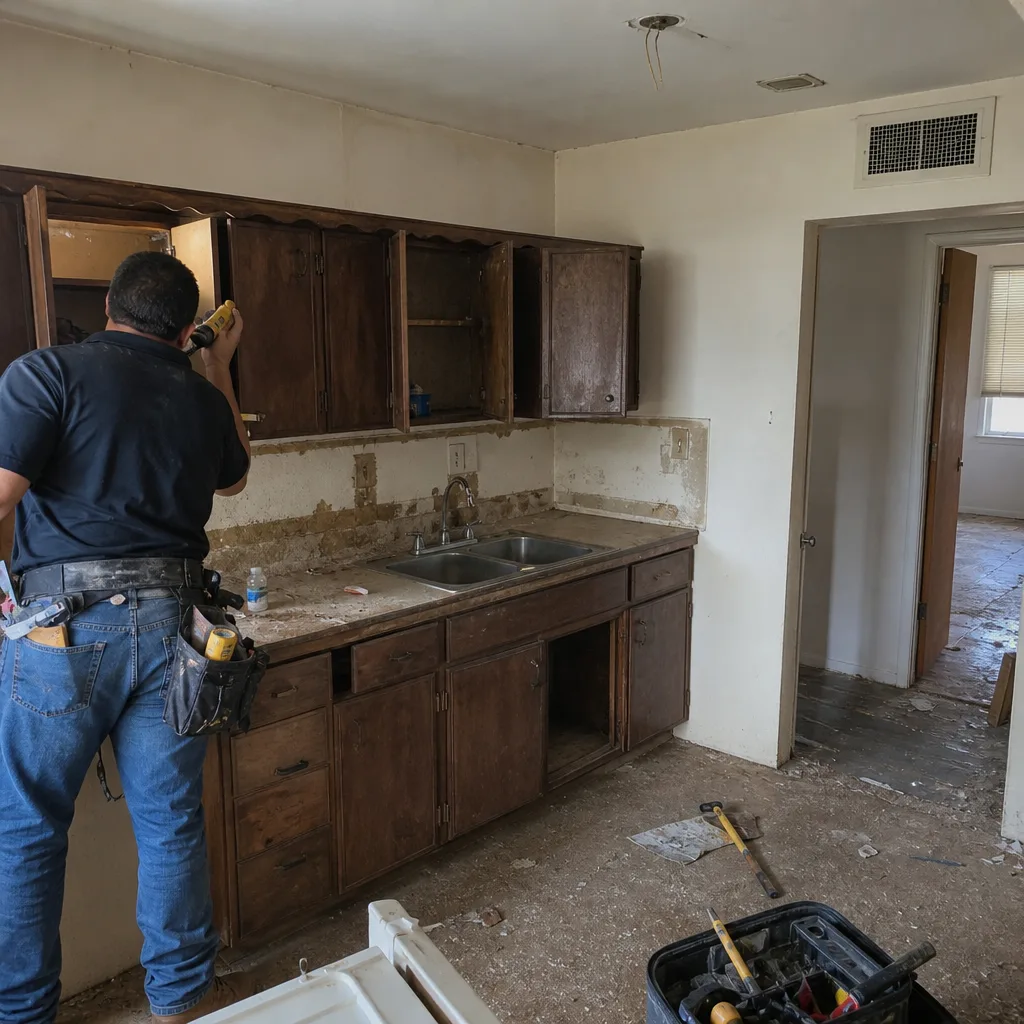 Before
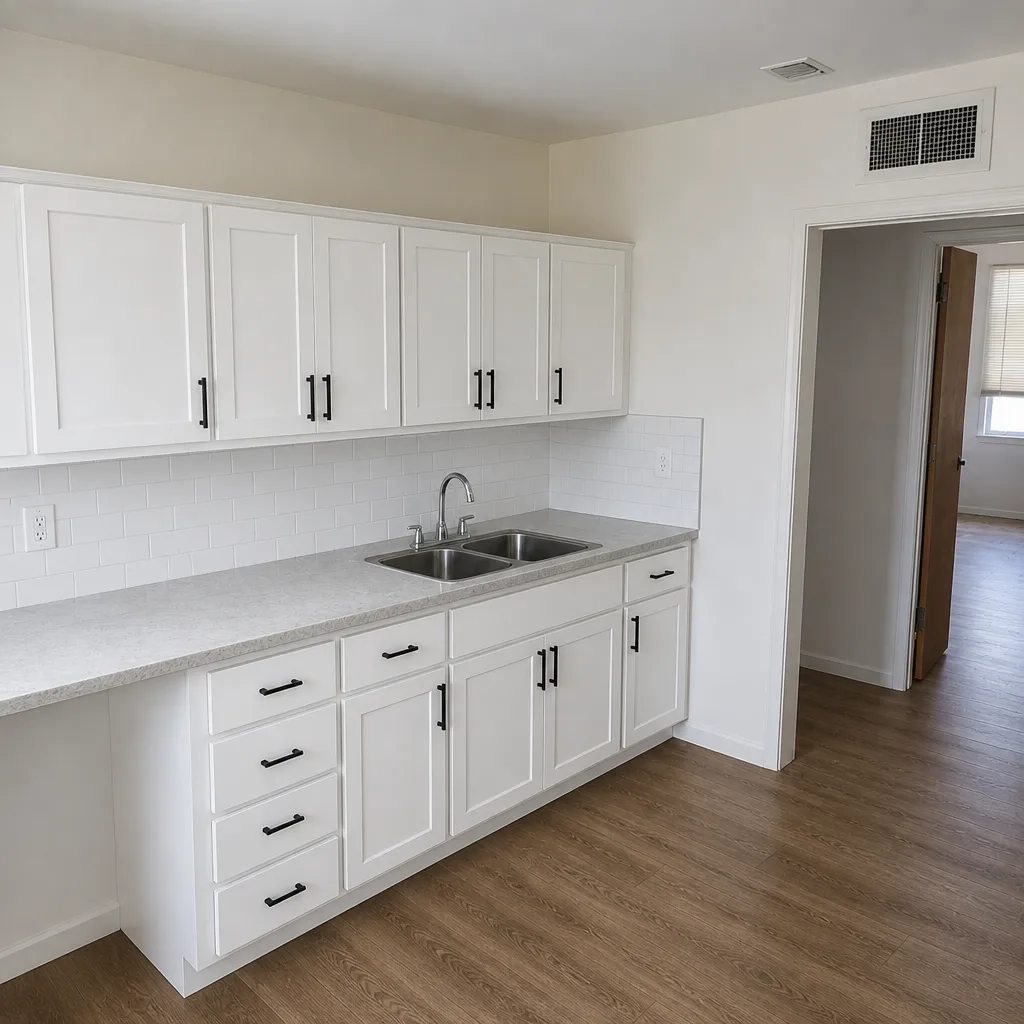 After
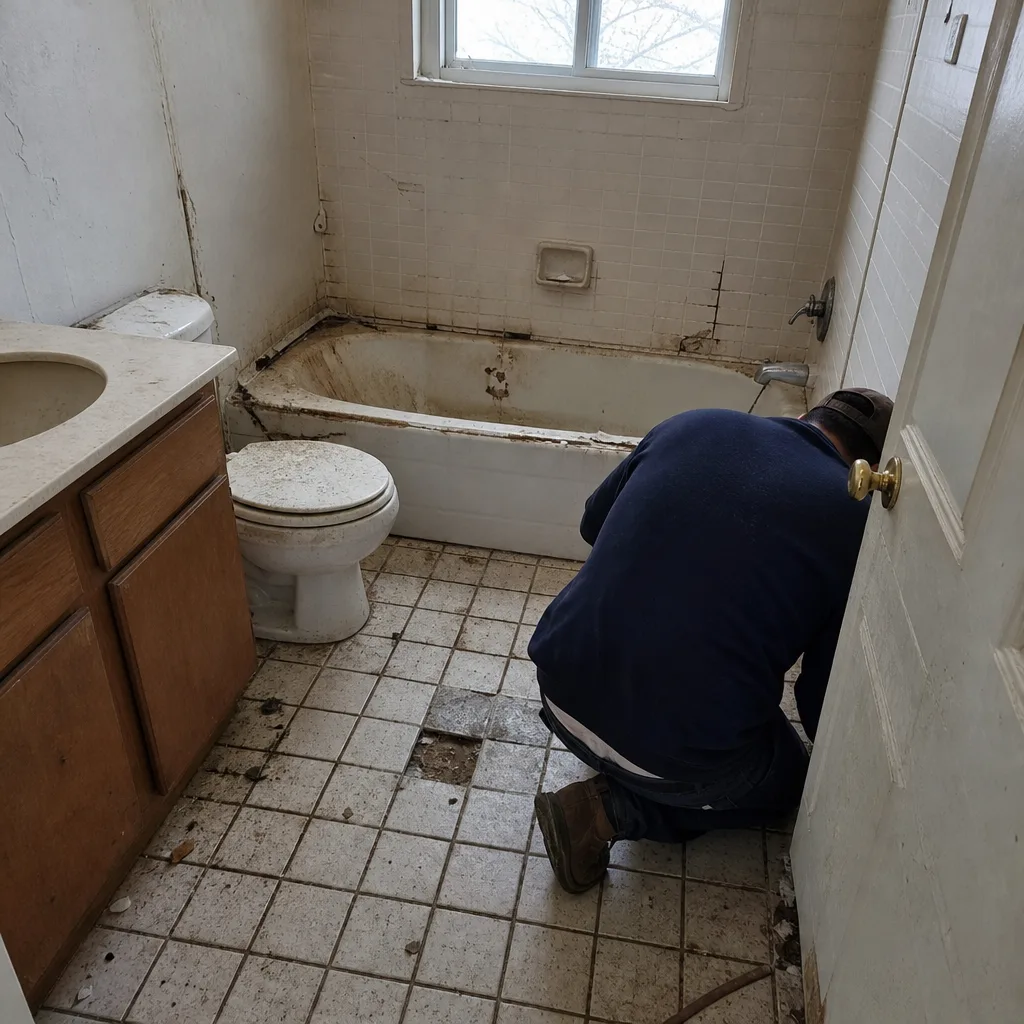 Before
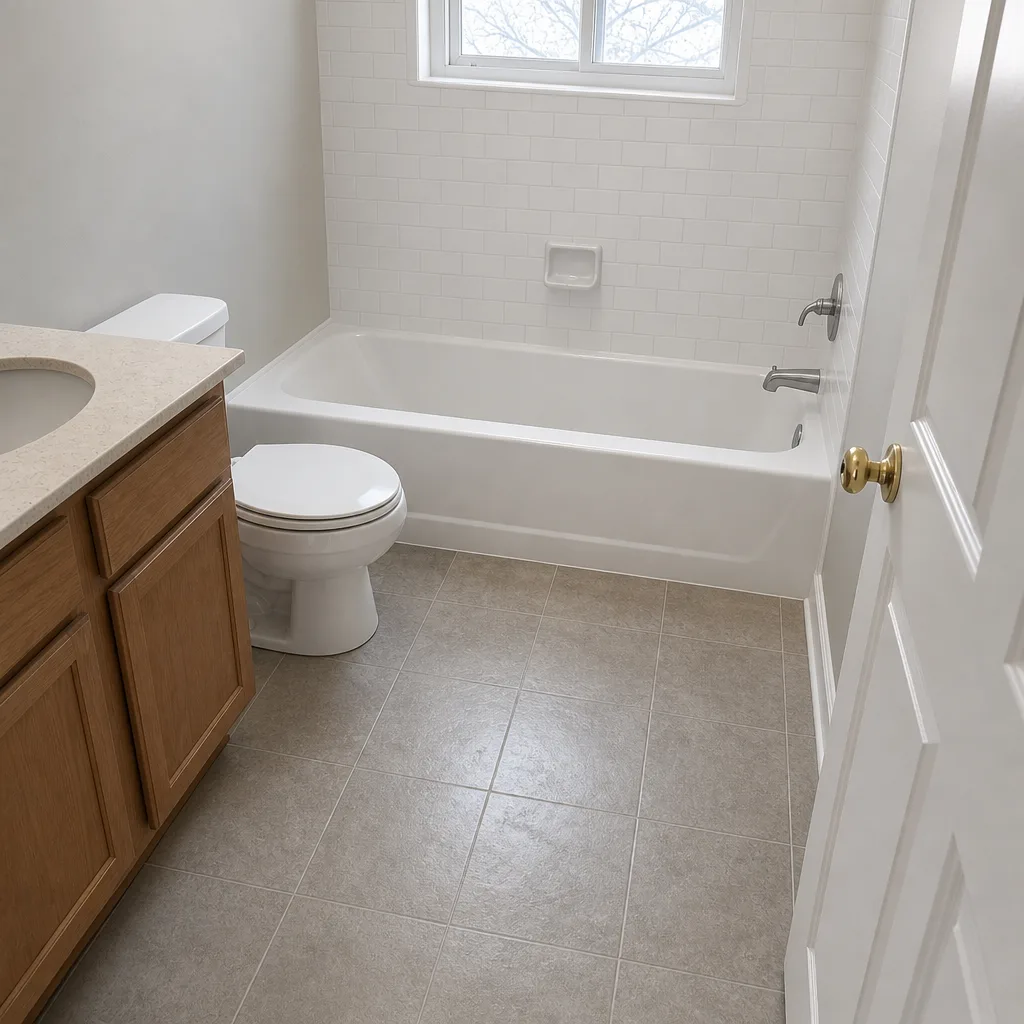 After
When to Call a Professional
Most of the work on this schedule is a homeowner job. The exceptions are post replacement, section rebuilds, structural repairs after a storm, and any installation or repair that requires a permit or an inspection. Those are also the jobs where doing it yourself can end up costing more than hiring a crew. If you’ve found a failing post, a gate that won’t close, or a fence section that’s going down, get a professional out before it takes the whole run with it. Barrett & Sons Construction Arlington offers free estimates in Arlington. Call (888) 590-9867 to schedule one. Our licensed and insured crews, with up to 28 years of experience, can look at the fence and tell you what’s worth repairing and what’s worth replacing. Every eligible job gets permits pulled and inspections signed, every scope change gets a written change order before work happens, and the whole job is backed by our 90-Day Done Right Promise. Visit Barrett & Sons Construction Arlington home to see what else we handle.
Frequently Asked Questions
Every two to three years, and almost always in October or November. Arlington’s heat and dry summer make August staining a bad bet because the stain dries before it penetrates. If the wood is newer and still sealed, wait a season; a fence that beads water doesn’t need stain yet.
Between about 50°F and 80°F with low wind and dry wood. That window lands in mid-October through November in Arlington. Spring can work in March if the humidity stays down, but the window closes fast once the rainy season starts.
Use four quick tests: push the post at hip height to check for rocking, probe at the soil line with a screwdriver, tap the post for a dull sound instead of a solid thunk, and scrape the surface to see if the wood is spongy. Two or more failing posts in a row means the section needs professional repair.
Vinyl needs washing twice a year and hardware lubrication, but the key difference is footing checks. A vinyl panel can look perfect while the post footing underneath has heaved or washed out. Wood fails at the surface; vinyl fails underground. Check the footings every spring.
Walk the line from a distance, then push-test every post. Cosmetic damage is a weekend repair; structural damage is a call. A leaning section on a solid post is fixable; a leaning section on a rotted post will fail again the next time the wind picks up. If you’re not sure which is which, get an estimate before you spend more on a fix that won’t hold.
Small repairs usually don’t, but full replacement, height changes, and some structural work do. Every eligible Barrett & Sons job gets permits pulled and inspections signed, and that’s a good rule to hold any contractor to. The permit inspector works for you, not for the contractor, and a signed inspection is a written record the job was built to code.
The Bottom Line
The gap between a 12-year fence and a 22-year fence in Arlington is about four hours of well-timed work a year. Inspect posts every spring. Stain or seal wood in October, never August. Wash vinyl twice a year and lubricate hardware. Touch up iron rust before the rainy season. And after a storm, look before you wait, because a leaning post caught early is a small repair. If your inspection turns up something structural, call (888) 590-9867 for a free estimate. We’ll tell you what’s worth fixing and what’s worth replacing, in writing, before any work starts.
Written by the team at Barrett & Sons Construction Arlington.