
Last updated November 17, 2026
 Windows & doors
 Kitchen remodeling
 Bathroom remodeling
 Home additions & ADU
 Roofing
 Driveway & pavers
 Fence
Free written scope consultation - allowances, timeline, and change-order rules on paper before a single trade is scheduled
Windows & Doors Warning Signs Every Homeowner Should Know
A window that fogs up on the inside pane isn’t a cosmetic problem. It’s a failed seal that’s been letting moisture into your wall cavity for longer than you think. By the time most homeowners in Arlington call us, the fog they noticed last spring has become soft drywall, bubbling paint, or a sill you can press a thumb into. The costliest window and door failures don’t announce themselves. They hide behind paint, trim, and drywall until the damage is structural. This guide names the specific symptoms that mean call someone now, not next season, and shows you where to look before the next hard rain hits Arlington.
Quick Answer
The main warning signs of failing windows and doors are interior glass fogging or condensation between panes, paint bubbling near sills, soft or discolored drywall below a window, rot at exterior frames and caulk joints, daylight visible at door edges, and locks that need the handle lifted to engage. Any one of those means moisture or movement is already getting in. In our experience, two or more together mean the problem has been progressing for at least a year in Arlington’s climate.
Styles & brands we work with
- Kitchen remodeling
- Bathroom remodeling
- Home additions & ADU
- Roofing
- Windows & doors
- Driveway & pavers
- Fence
Table of Contents
- The Exterior Checklist That Reveals Flashing Failures
- Interior Warning Signs Tied to Window Failures
- Door-Specific Red Flags You Can Spot in Minutes
- Why Arlington Hail Accelerates Seal Failures
- Warning Signs a Previous Installer Cut Corners
- Which Symptoms Mean Call Now vs. Call This Season
- What to Check Yourself vs. What Needs a Pro
- When to Repair and When to Replace
The Exterior Checklist That Reveals Flashing Failures
The outside of your house tells you more about a window’s health than the inside ever will. Water almost always gets in from the top and sides of a window opening, not through the glass itself. That’s why flashing failures are the leading cause of hidden water damage we find on calls in Arlington.
Walk around your house once a year and look at each window from the ground and from a ladder if you can do it safely. Here’s what we check on every window we’re called to inspect:
- Caulk joints at the frame-to-siding seam. Look for cracks, gaps, or caulk that has peeled away from the siding. Caulk should be continuous and flexible, not chalky and separated.
- Flashing above and beside the window. There should be a visible metal or membrane flashing that laps over the window head and sheds water out. If the siding is butted tight to the frame with caulk as the only seal, that’s a shortcut.
- Frame and sill rot. Press a screwdriver into the bottom sill and the lower corners of the frame. If it sinks easily or feels spongy, that wood is already soft.
- Staining on siding below the window. Dark streaks or a chalky residue running down the wall below the sill means water is escaping outward, which usually means it’s also going inward.
- Gaps between the window and the wall. Any visible opening, even a small one, is an entry point for water and insects.
- Sparkling or crazed glazing. A pebbled, cloudy, or cracked pattern in the glass edge is often a sign of impact or thermal stress, common after hail.
On homes across Arlington, we run into the same pattern: the original builder caulked the frame and called it done, and the flashing was never properly lapped. It holds for a few years, then fails at the first big temperature swing. If you want a full inspection of the openings and the surrounding siding, our Barrett & Sons Construction Arlington home is the place to start.
Interior Warning Signs Tied to Window Failures
Inside the house, the symptoms are quieter but they mean more. Any interior sign below points to water that’s already moved past the window and into the wall assembly.
- Fogging between the panes. On a double-pane window, fog on the inside is a failed seal. The desiccant between the glass saturates and the glass clouds. The glass still looks solid, but the window has lost its insulating value and moisture can reach the frame.
- Paint bubbling or peeling near the sill. Bubbled paint near a window sill is nearly always trapped moisture pushing outward under the paint. Sanding and repainting without fixing the source just buys you another season.
- Soft drywall below the window. Press lightly under the window trim. If the drywall gives, feels cool, or sounds hollow and wet, the wall cavity is holding water.
- Mold or dark staining at the corners of the frame. Small dark spots at the inside corners of a window frame, especially on the sides that get less sun, are a moisture indicator. Black or green growth usually means the leak is ongoing.
- Water stains on the ceiling or wall near the window. A brown ring, even a faint one, is a water event that already happened. Look for the ring even if the wall feels dry now.
- Cold drafts or a sharp temperature difference. If one room is always cold and the window feels like a sheet of ice in winter, the window’s seal or the opening around it has failed.
The tricky part about homes in Arlington is our humidity and temperature swings. A window installed in July can look fine through a dry spell, then fail visibly in the first wet front in spring. If you have any of these signs and you’re also planning exterior work, our Fence Installation in Arlington team can often review exterior moisture patterns and siding details during the same visit.
Door-Specific Red Flags You Can Spot in Minutes
Doors fail differently from windows. A door is a moving part, so movement problems and settling show up faster. Here are the red flags we check first on any Arlington door call:
- Daylight at the frame edges. Close the door and look for daylight around the top, sides, or bottom. If you can see it, air and water can get in. That points to a bad seal or a door that’s been out of square for years.
- Locks that require lifting the handle to engage. If you have to lift or push the door to make the deadbolt line up, the door has dropped. It means the hinge side has pulled loose or the frame has moved. That’s not just a lock problem, it’s a structural sign.
- Soft floors near the threshold. Press around the inside base of the door with your foot or a screwdriver. Spongy flooring near a door almost always means the threshold pan or flashing failed and water has reached the subfloor.
- Threshold gaps and worn weatherstripping. A door should compress the weatherstripping evenly when it closes. If you can slide a dollar bill through any gap, the seal is finished.
- Swelling of the door slab. A door that sticks in wet weather and swings freely in dry weather is absorbing water through the edges or top. Wood doors do this; fiberglass and steel usually don’t.
- Rust or staining on the door bottom or threshold. Rust streaks on a steel door bottom or on the threshold plate mean water is sitting where it shouldn’t.
When you’re ready to have a door or sliding glass door checked, we approach it the same way we approach a paving job: examine the whole area, not just the part that failed. Our team that handles Driveway & Pavers in Arlington sees a lot of the same water drainage issues since they affect both your doors and the ground at your foundation. Call (888) 590-9867 to schedule a free estimate on any door or window concern.
Why Arlington Hail Accelerates Seal Failures
Arlington sits in one of the more active hail belts in North Texas. Even when hail doesn’t break a window, it can damage the seal, the glazing, and the frame. The damage is often invisible for a season or more. Here’s how it plays out, and what to check after the next hailstorm.
When a hailstone strikes a window or door, even at moderate size, it can:
- Crack the edge seal between the two panes of an insulated glass unit without breaking the glass. The window fogs six to twelve months later.
- Dent and distort metal frames and thresholds, which opens small gaps where water and air can enter.
- Break the bond between the frame and the caulk line, creating a hairline crack you can’t see from the ground.
- Micro-fracture the glazing on the outer pane, which looks like a faint pattern of fine cracks in sunlight and gets worse with thermal cycling.
After a storm in Arlington, walk the house and check for anything that looks new: a sparkle pattern in the glass, a small dent in a frame, a line of fine cracks radiating from a corner. Hail damage doesn’t fix itself, and it almost always gets worse before it gets better. If you’re also having roof work checked after a storm, our roofing and windows teams coordinate often.
Warning Signs a Previous Installer Cut Corners
Some of the worst window and door problems we see in Arlington weren’t caused by age. They were caused by a cheap installation a few years earlier. A window that’s properly installed can hold up for decades. One installed fast and sloppy starts failing inside five years. When we get called in behind someone else’s work, here are the specific things we find:
- No visible flashing. The installer relied on caulk alone to seal the frame. There’s no metal or membrane directing water away from the opening. That means water sits in the joint and rots the wood from the inside out.
- Missing or undersized shims. A window that isn’t properly shimmed at the head and sill sags over time and the frame goes out of square. We can usually feel it by opening and closing the unit a few times.
- Caulk used as a structural seal. When we see a heavy bead of caulk smeared over a joint that should be sealed with flashing and a proper membrane, we know the installer took a shortcut.
- Window sitting too deep or too shallow in the wall. Set too far in and the exterior flashing can’t drain properly. Set too far out and the frame takes water directly on the sill.
- No backer rod in the joint. If the gap was filled with expanding foam alone, or only caulk with no backer, that joint moves and cracks within a couple of years.
- Insulation gaps around the rough opening. A gap you can see around the frame on the inside trim is also a gap on the outside where moisture enters. It also means cold air and hot air are slipping past the window.
We’ve pulled hundreds of windows and doors on Arlington homes where the installer did one of these. The fix is usually not replacing the window; it’s redoing the opening correctly with proper flashing, shims, and seals. Our team at Home Additions & ADU in Arlington sees the same shortcuts in new wall construction and plans for the right installation from day one.
Which Symptoms Mean Call Now vs. Call This Season
Not every sign is a code red. Here’s how we prioritize the same list on a call.
Call today:
- Active water coming in during rain.
- Mold visible at the frame corners with a musty smell inside the room.
- A soft spot in the drywall or floor that’s spreading week to week.
- A door that suddenly requires the handle lifted to lock, or a frame that shifted noticeably over a short period.
- Visible rot at a window sill or door threshold.
Call this season (within the next few weeks):
- Fogging between window panes.
- Paint bubbling or peeling near a sill but no active water.
- Daylight at the door frame edge.
- Worn weatherstripping or a door that doesn’t seal evenly.
- Fading or visible staining on the wall below a window.
If you’re not sure which category a sign falls into, it’s worth a free estimate. The 90-Day Done Right Promise is written on every job, so if you call us and we miss something on the initial walk-through, we come back and make it right. That’s the whole point of a written guarantee.
What to Check Yourself vs. What Needs a Pro
You can inspect a lot of your own windows and doors safely, and doing so is the best way to catch a problem early. Here’s the split we recommend for homeowners in Arlington.
Safe for you to check:
- Fogging, condensation between panes, or a cloudy appearance inside the glass.
- Paint bubbling, staining, or soft drywall at any height you can reach without a ladder.
- Door operation, including lock alignment, daylight gaps, and weatherstripping seal.
- Caulk lines and flashing visible at ground level.
- Floors near door thresholds.
Have a pro check:
- Any window on a second story or above, or any window on a steep slope access point.
- Any window frame or door frame that needs to be probed for rot with a screwdriver.
- Any sign of water in the wall cavity, including drywall that needs to be opened.
- Any sealant work above the first story.
- Any door or window that may require removal to diagnose the cause.
The reason we draw the line where we do is simple: falling from a ladder is far more dangerous than a window leak, and pulling trim off a wall can turn a small repair into a bigger one if you don’t know what you’re looking for. If you have a sign that falls into the “have a pro check” column, call (888) 590-9867 for a free estimate. We don’t charge a trip fee inside the county.
When to Repair and When to Replace
The threshold question for many people in Arlington is whether a fogging window is a repair or a replacement. Here’s the framework we use.
- Repair is usually the answer when the frame and surrounding wall are sound, the issue is a failed seal, a single fogged pane, worn weatherstripping, or a misaligned door lock. Sealing, flashing, and re-glazing fixes most of those.
- Replacement is usually the answer when the frame itself is rotted, when the window is a single-pane unit from decades ago with no seal, or when the same unit has failed twice in five years.
- Full opening work (flashing and framing) is the answer when the problem is with the installation and not the window. In those cases, replacing the window without fixing the opening usually just repeats the problem.
We install premium brands like Andersen and Marvin on replacement jobs, and we can quote repair, replace, or opening work side by side in writing. No change orders, no surprises. If you want a sense of the full scope of what we handle on the exterior side, take a look at our Fence Installation in Arlington page, since fence, window, and door work often overlap on the same property.
Common Mistakes to Avoid
- Painting over bubbled paint near a sill. The paint isn’t the problem. Sanding and repainting without fixing the water source gives you another dry season, then the same bubbles return. In Arlington’s humidity, that’s often within one year.
- Assuming fogging is only cosmetic. Fog between panes is a failed seal. If the frame around it is also absorbing water, the wall behind it is getting wet. We’ve seen a whole wall cavity opened for a fog that “looked fine.”
- Caulking over a flashing failure. Caulk on top of a joint that should have flashing just traps the water in. It buys you a few months, then the rot gets worse.
- Ignoring the door lock alignment. A door that needs the handle lifted to lock has dropped. If you don’t fix it, the door keeps moving and the frame around it keeps moving too.
- Calling a glass-only company for a wall problem. A glass shop will replace a pane. If the problem is the frame or the flashing, you’ll spend money twice. We see this a lot on Arlington homes with older wood frames.
- Skipping the inspection after a hail event. Hail damage doesn’t announce itself until moisture has already moved in. A walk around the house after the storm costs nothing; discovering the problem at inspection in year ten costs plenty.
- Hiring an installer who won’t put it in writing. An allowance that isn’t on paper is a surprise waiting for a date. Ask for a written scope and any price change in writing before the work proceeds.
See the difference
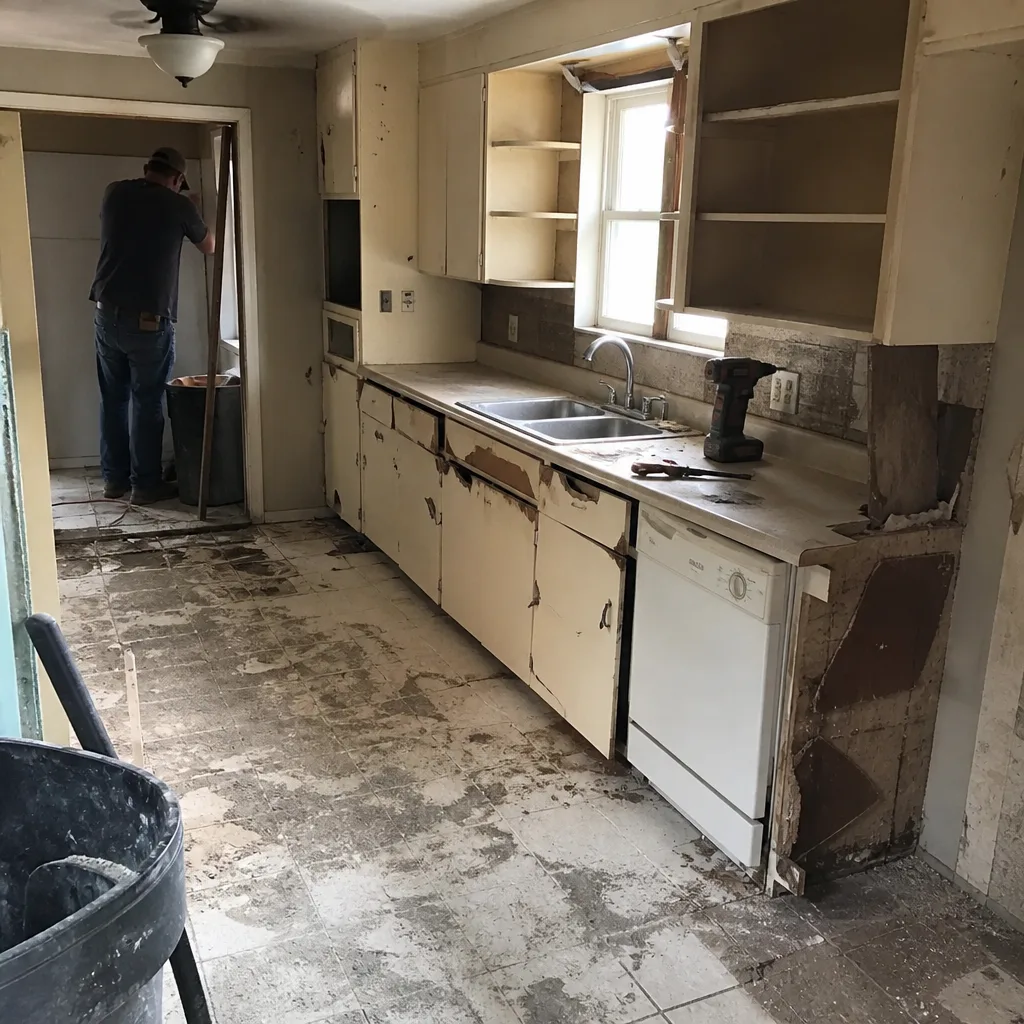 Before
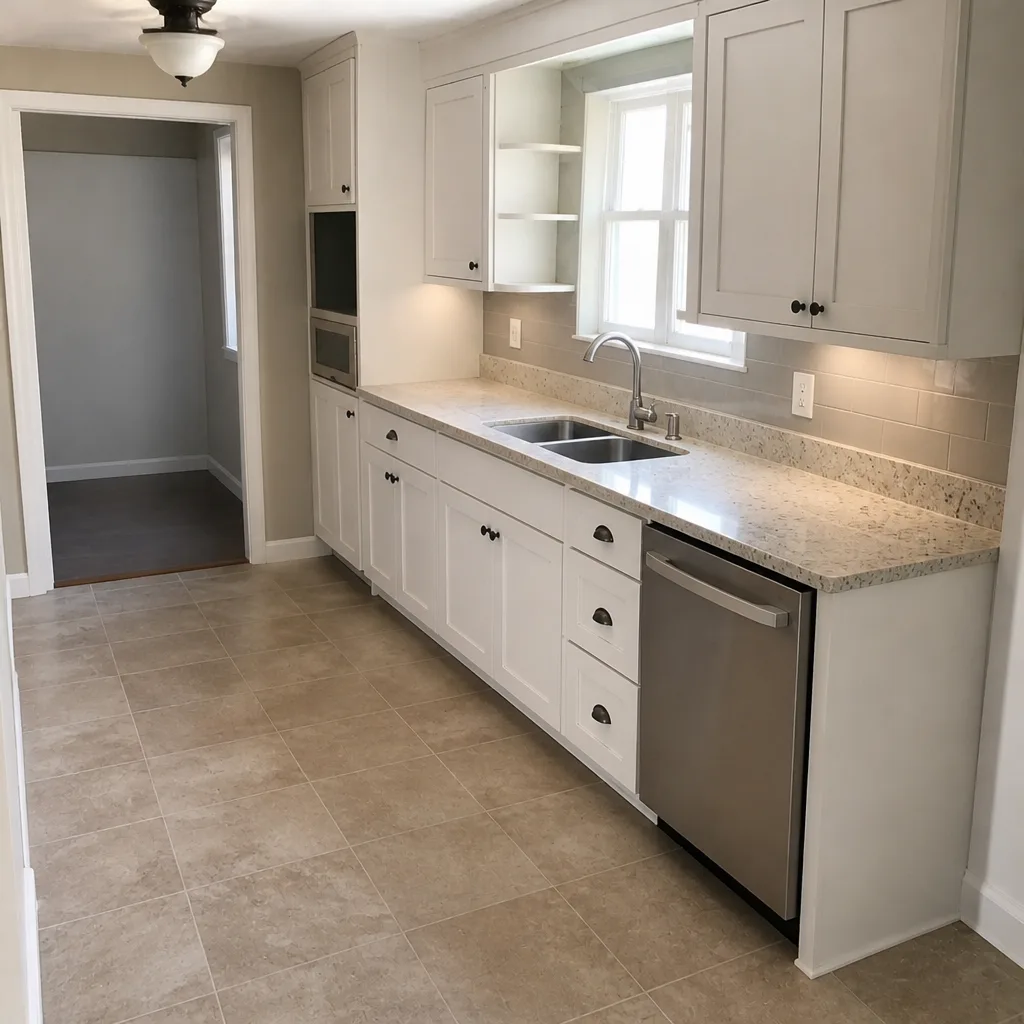 After
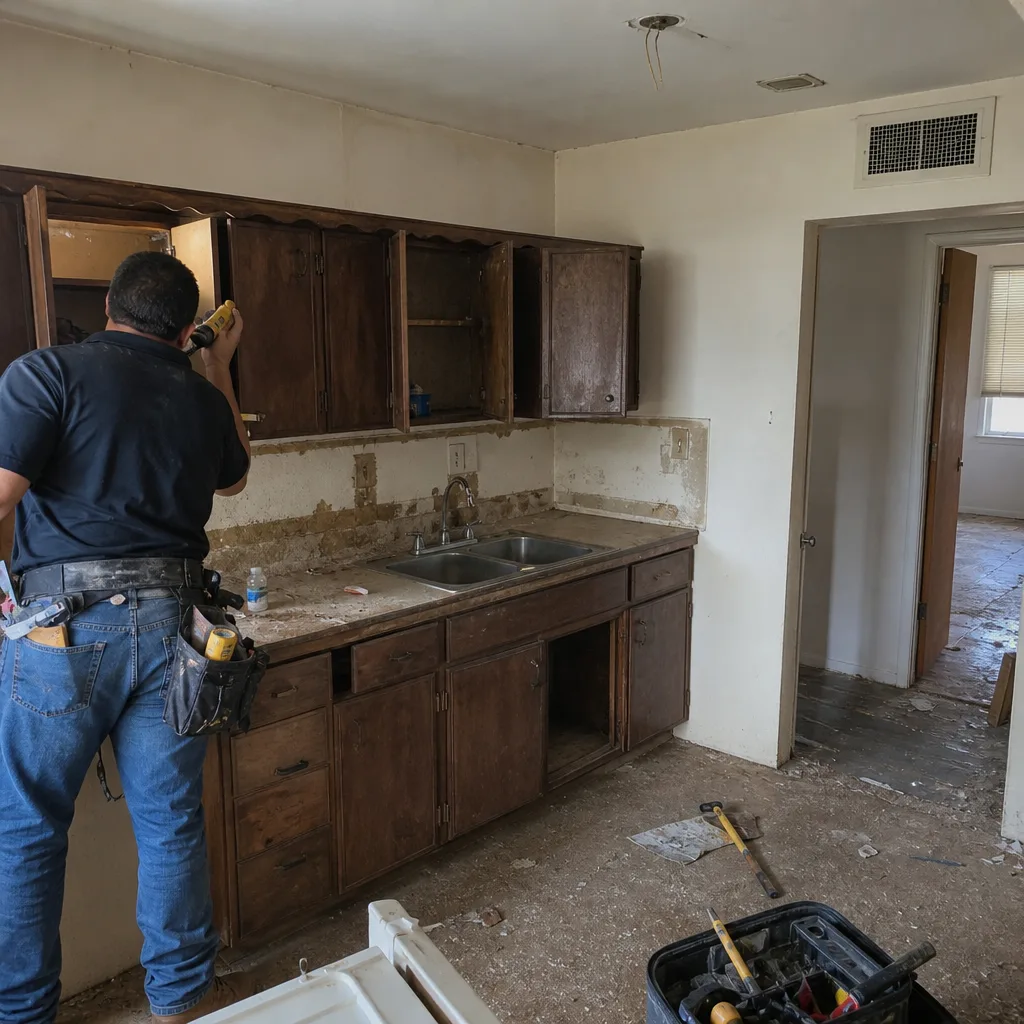 Before
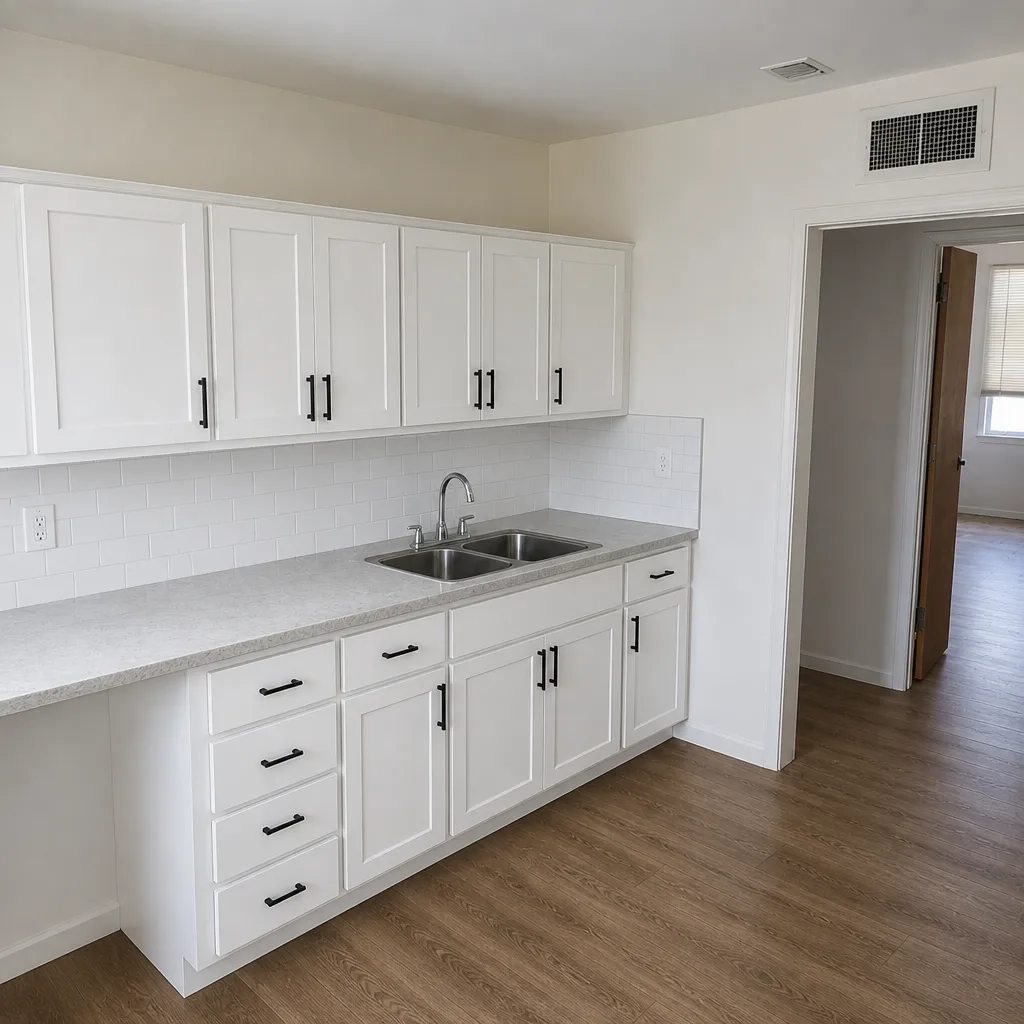 After
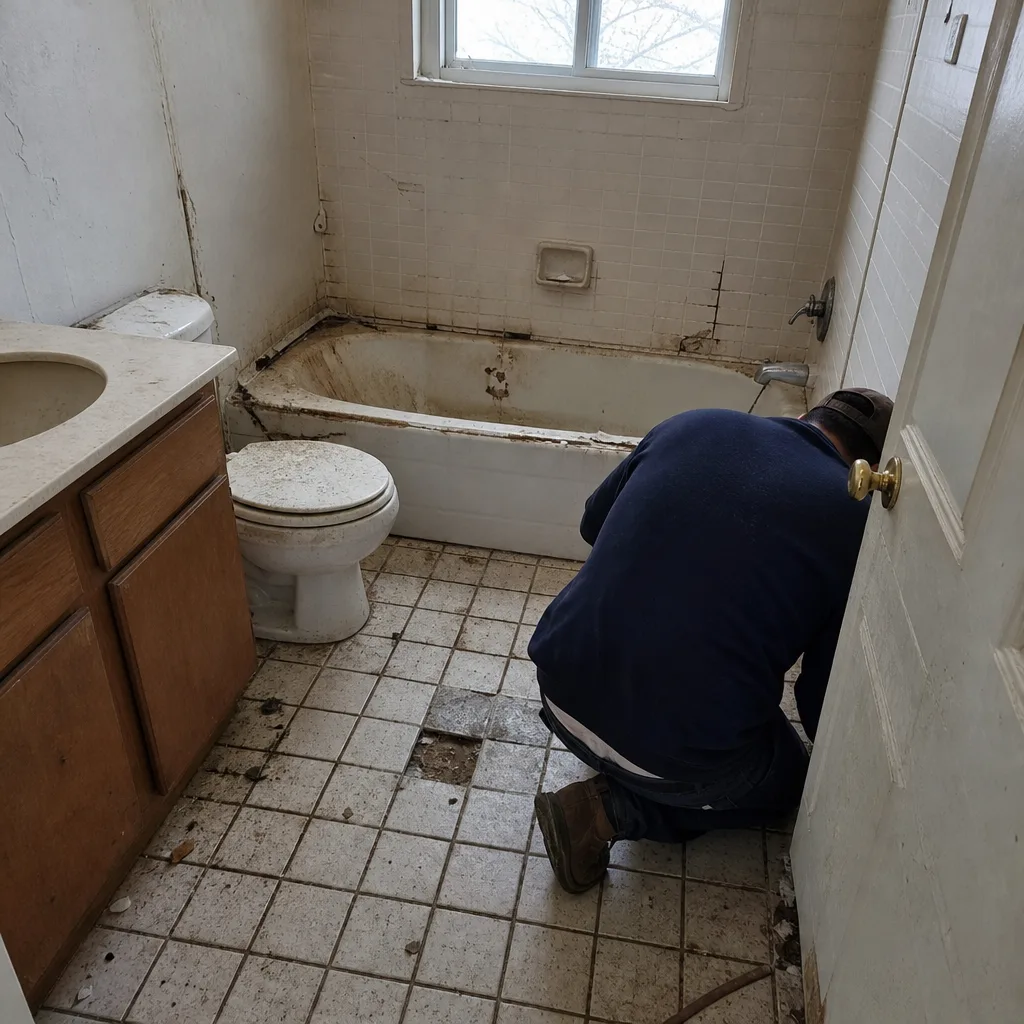 Before
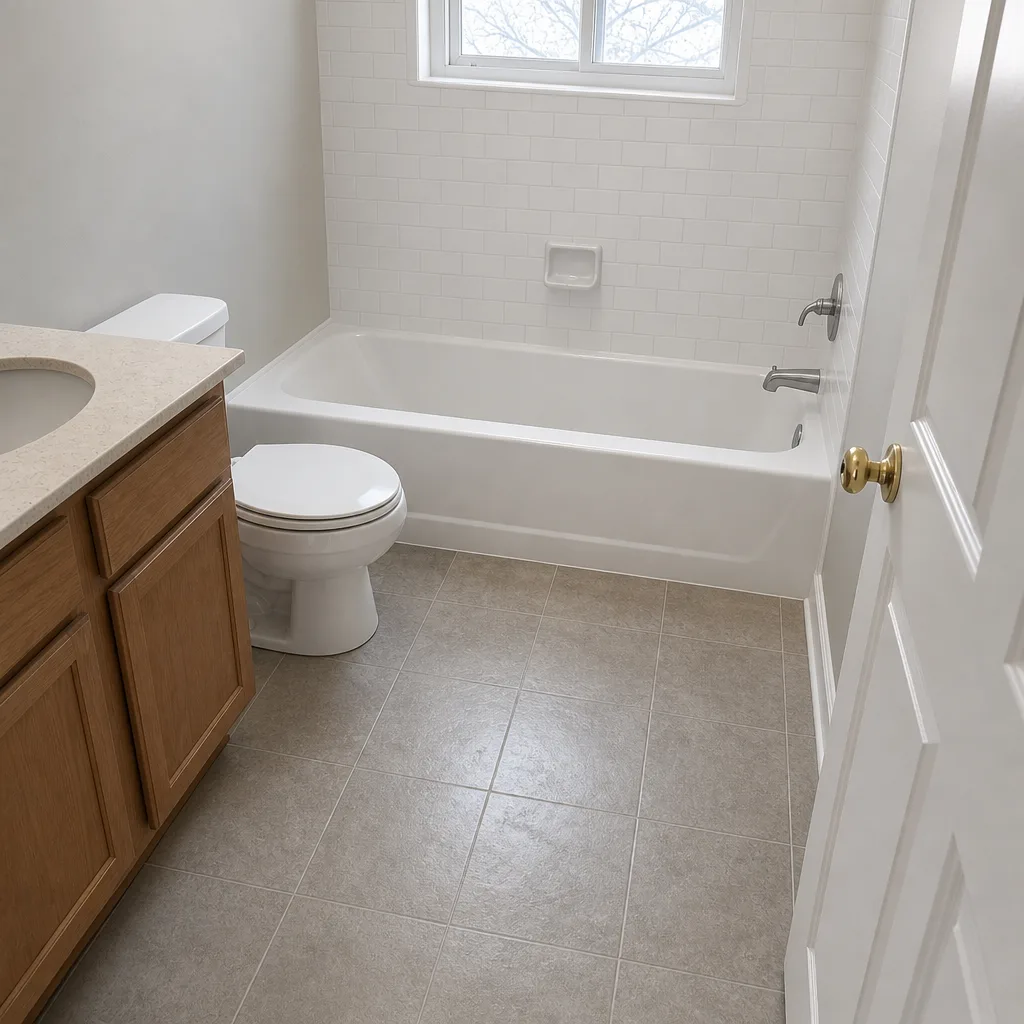 After
When to Call a Professional
Call a professional the moment you see any of these: water entering during a rain, mold at a window or door frame, a soft spot in the wall or floor, rot at the sill or threshold, a door that suddenly won’t lock without lifting the handle, or a window that has fogged or cracked after a hail event. Even one of those signs means moisture or movement is already at work, and the repair is almost always smaller before it becomes visible on the inside. If you’ve spot-checked the exterior and something looks off, don’t wait for the interior signs to appear. Barrett & Sons Construction Arlington offers free estimates in Arlington, and a live person answers the phone day or night. Call (888) 590-9867 to schedule a free estimate.
Frequently Asked Questions
Yes, if the fog is between the panes. That’s a failed seal in an insulated glass unit, not a cleaning issue. It means the window has lost its insulating value and, in Arlington’s humidity, it often means the frame is taking on water too. Call (888) 590-9867 for a free estimate so we can check the window and the opening together.
Most repair work runs in ranges, not fixed prices. A simple reseal or weatherstripping job sits at the low end. A failed seal replacement or door frame realignment sits in the middle. Opening work (flashing and framing) is the largest scope and priced accordingly. Actual costs depend on the number of units, height, and whether the wall needs repair. Call (888) 590-9867 for an exact quote, since estimates are free.
Not without your written approval. Every scope, every allowance, and every price change arrives as a written change order before any work proceeds. That’s how we’ve run jobs since 1998, and it’s why we don’t hand out surprise invoices at the end.
Yes, on every eligible job. Permits are pulled and inspections are signed before we call the job complete. The permit inspector works for you, not for us, which is exactly how it should be. And our written workmanship guarantee runs on top of that.
Most single-window or single-door replacements are a one-day job. Larger scopes, like a whole floor of windows or doors that need opening work, usually take two to four days depending on access and how much wall repair is needed. We’ll give you a written schedule before the work starts.
Check the outside glass for a sparkle or fine-crack pattern, the frame for dents, and the caulk line for cracks or separation. Then check the inside for fog between the panes over the next few months. If you see anything, call (888) 590-9867 for a free estimate, and we’ll walk the openings with you.
The Bottom Line
The costliest window and door failures hide in the wall until they’re structural. Catch them early by walking the exterior once a year, checking the interior near sills and frames, and testing doors for daylight gaps or lock misalignment. After any hail event, take another walk. If you see fog between panes, bubbled paint, mold at frame corners, soft drywall, or a door that has to be lifted to lock, that’s your signal to call. We’ve been doing this kind of work since 1998, and we’ll give you a free written estimate with the scope and any change orders in writing. Call (888) 590-9867 for a free estimate.
Written by the team at Barrett & Sons Construction Arlington.