
Last updated November 17, 2026
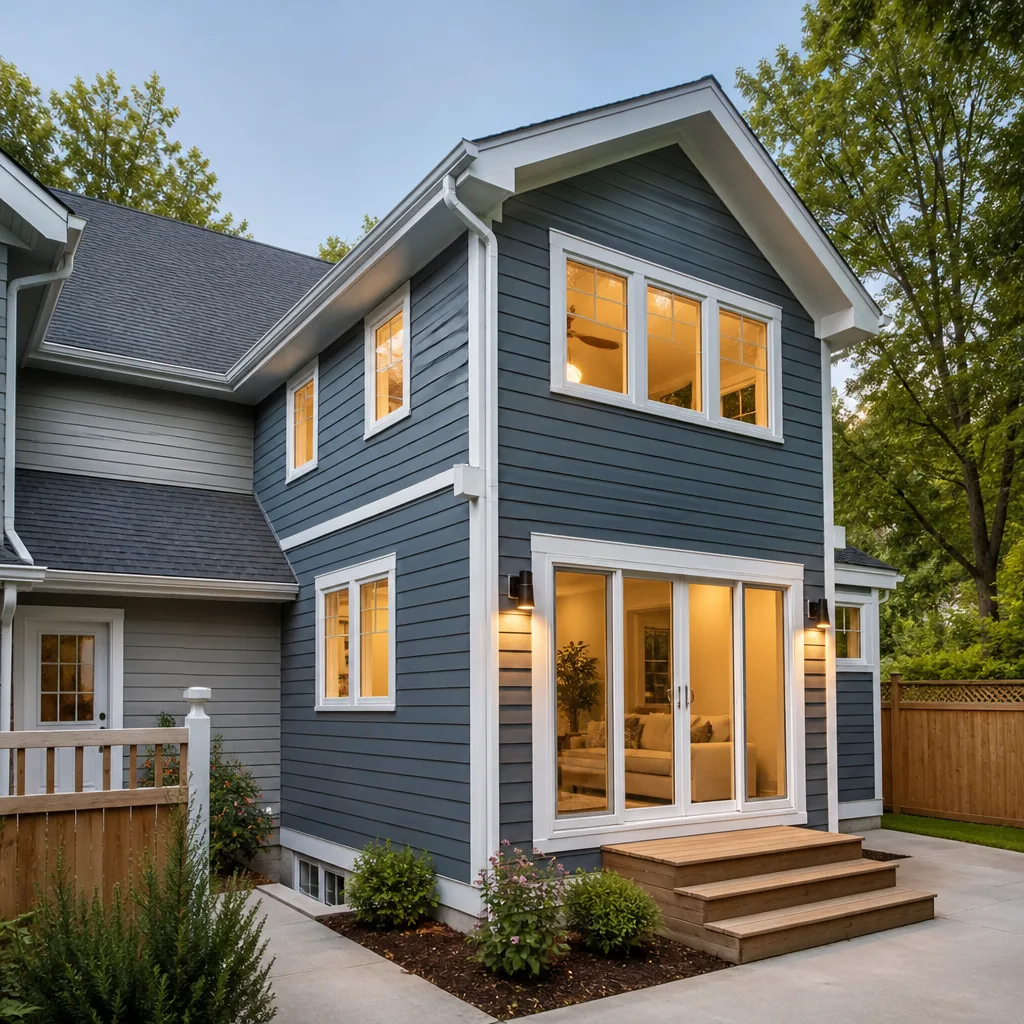 Home additions & ADU
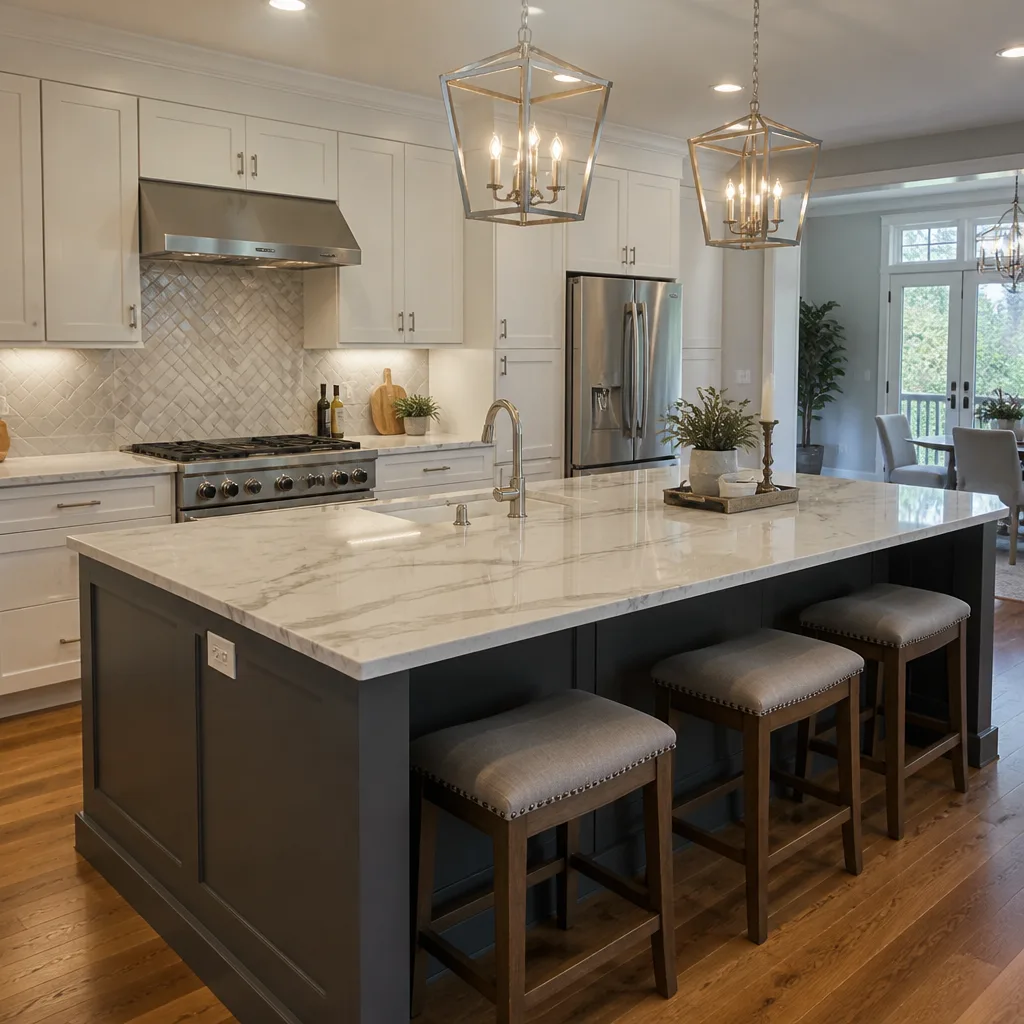 Kitchen remodeling
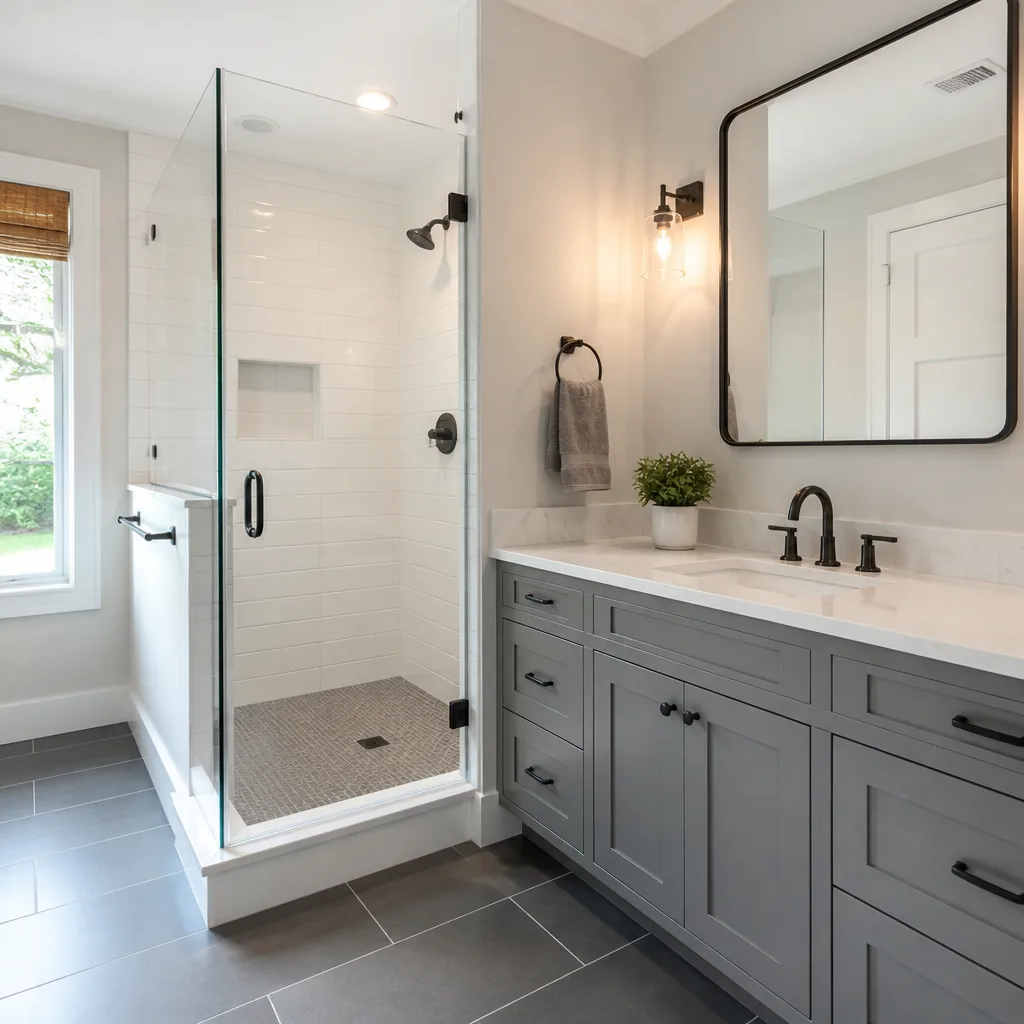 Bathroom remodeling
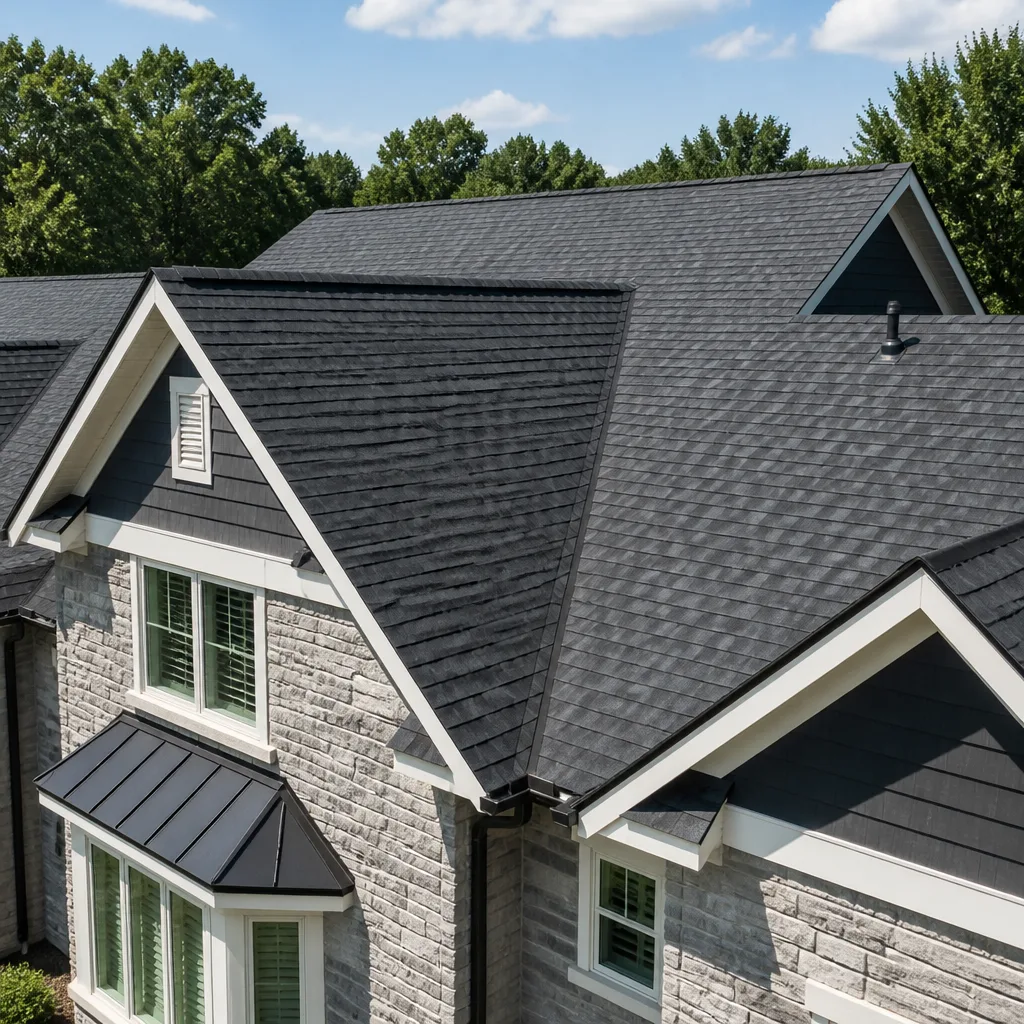 Roofing
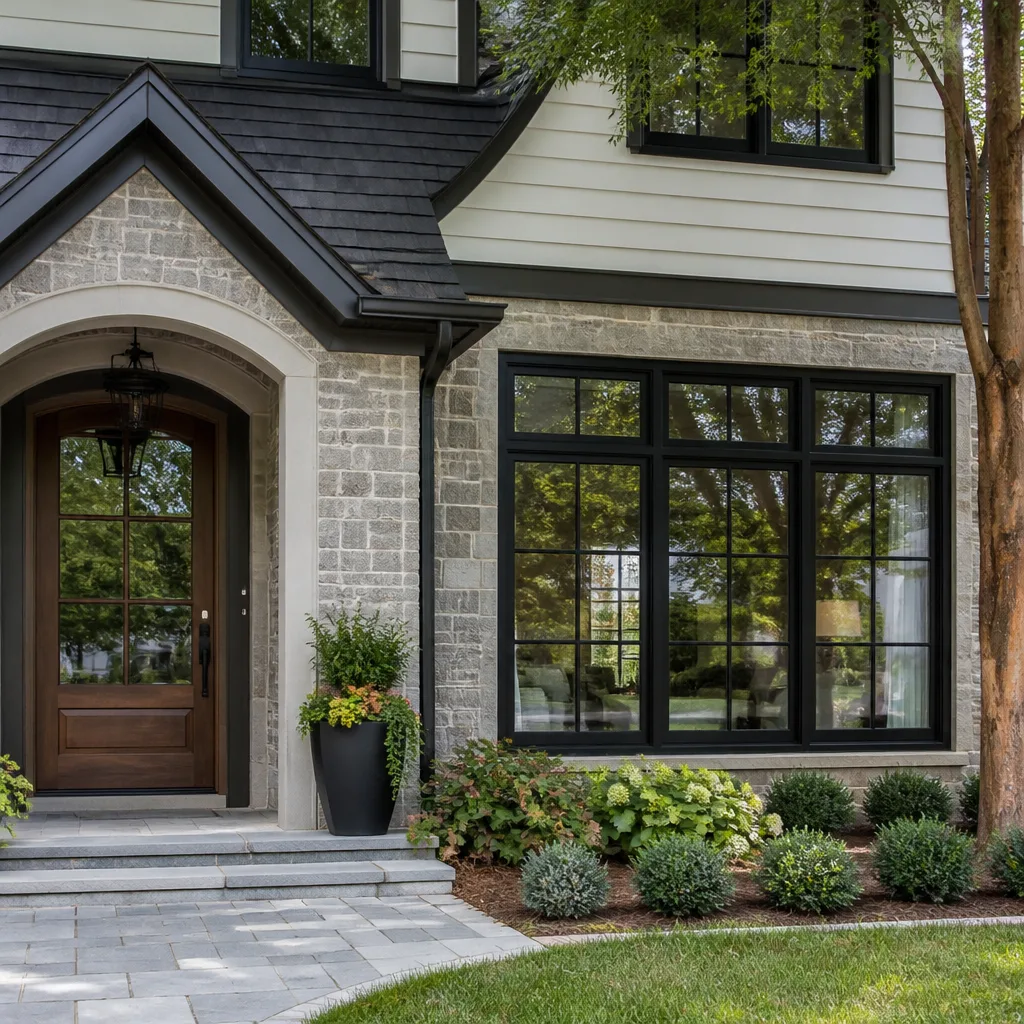 Windows & doors
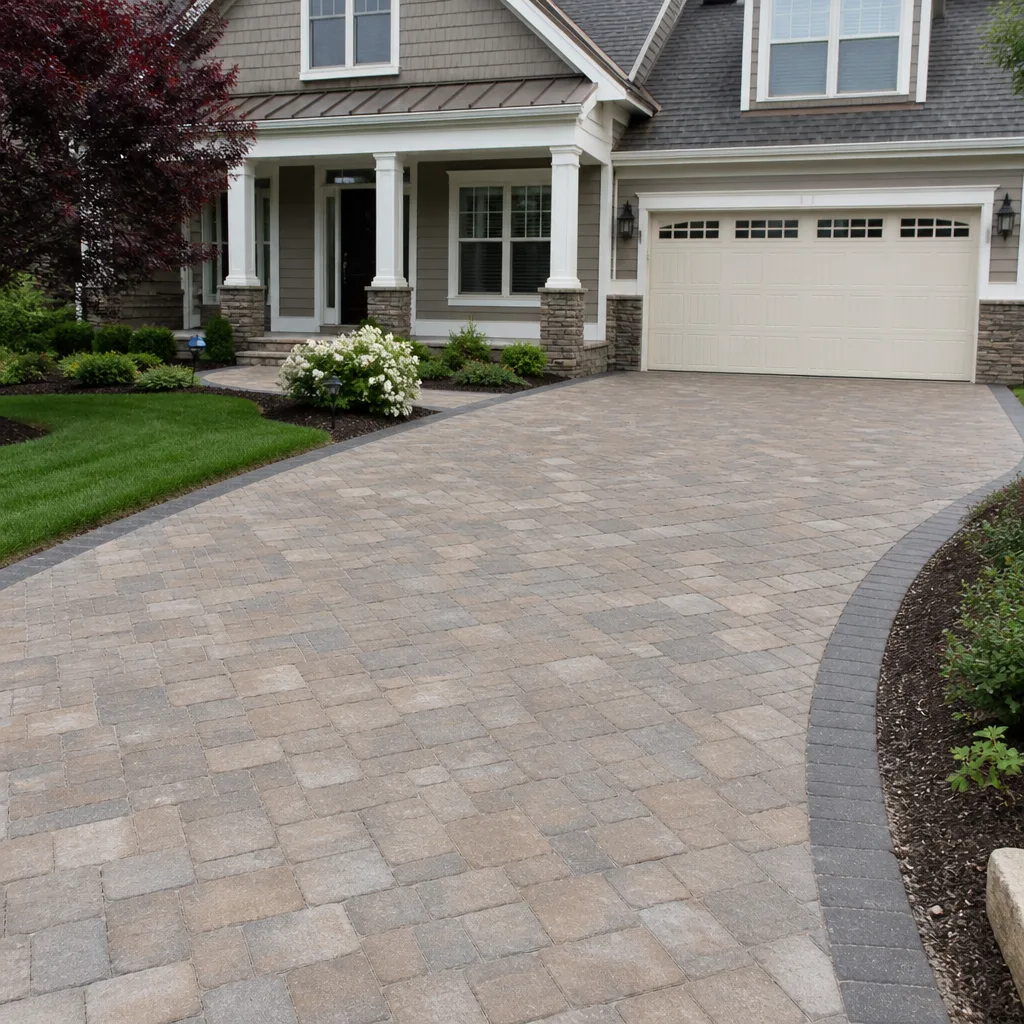 Driveway & pavers
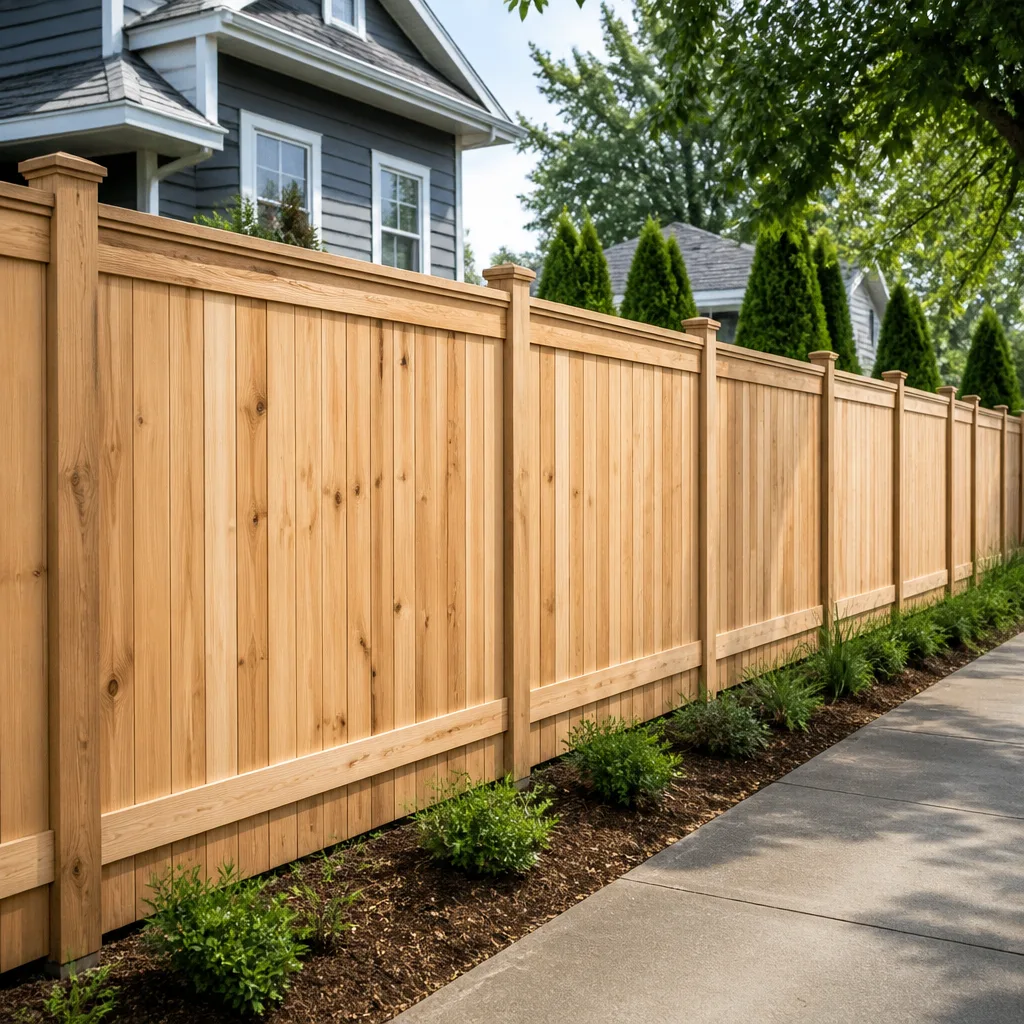 Fence
Free written scope consultation - allowances, timeline, and change-order rules on paper before a single trade is scheduled
DIY vs Professional Construction: The Arlington Homeowner’s Decision Guide
The projects homeowners feel most confident tackling are the ones that fail quietly and expensively. Electrical panel work, structural header replacements, load-bearing wall changes: a mistake in any of them may look fine for months, then show up as a failed inspection, a scorched breaker, or a line item in a buyer’s inspection report. That’s the real dividing line, and it isn’t skill level. It’s whether a failure can be recovered. This guide draws that line honestly for Arlington homeowners, with the Texas rules, the true DIY math, and the hybrid approach that cuts cost without adding risk.
Quick Answer
In Arlington, the decision comes down to one question: if this goes wrong, can it be fixed without opening a wall, redoing a permit, or risking your insurance? Cosmetic work, fence repair, paver resets, and interior painting are genuine DIY territory. Electrical, gas, structural, and roofing work are not – Texas law and your insurance policy both treat them differently, and a failed inspection or an unpermitted addition can follow the house through a sale. When in doubt, price the job professionally before you swing a hammer.
Styles & brands we work with
- Kitchen remodeling
- Bathroom remodeling
- Home additions & ADU
- Roofing
- Windows & doors
- Driveway & pavers
- Fence
Table of Contents
- Where the Real Line Sits: Recoverable vs Unrecoverable Failure
- What Texas Law Actually Requires a Licensed Contractor For
- The Honest Total Cost of DIY in Arlington
- Which Projects Are Genuinely Good DIY Candidates Here
- What Unpermitted Work Does to Insurance and a Future Sale
- The Hybrid Model: Doing Some of It Yourself Alongside a Crew
- Common Mistakes to Avoid
- When to Call a Professional
Where the Real Line Sits: Recoverable vs Unrecoverable Failure
Every project has a failure mode. What separates them is whether that failure stays contained. A fence board hung crooked shows itself immediately and you pull the nail. A load-bearing wall opened without an engineered header may look perfect for a year, then telegraph as a cracked ceiling, a sticking door, and a structural note on an inspection report. The first is recoverable. The second is not – and by the time you see it, you’re paying twice.
Here’s how the recoverable-versus-unrecoverable line breaks down for the kinds of jobs Arlington homeowners actually attempt:
- Recoverable failures: patching drywall, repainting a room, staining a fence, resetting a paver, replacing a faucet, hanging a door, building a raised garden bed.
- Partially recoverable: laying a new paver walkway (bad base means pulling it up and redoing it), building a simple fence run (a bad corner post stands until the next windstorm), minor tile work (waterproofing errors hide until they don’t).
- Unrecoverable failures: any electrical panel or circuit change, gas line work, moving or removing a load-bearing wall, replacing a structural header, a full roof replacement, foundation disturbance, and any addition that requires a permit.
In Arlington, that last group has a compounding problem: the failure often doesn’t surface until a city inspector shows up or a home sale triggers a disclosure. We’ve seen Arlington homeowners discover a half-finished garage conversion three years after they bought the house – long after the seller was gone. The work looked finished. The permit file said otherwise. For a look at how a proper addition gets handled from permit to final inspection, see Home Additions & ADU in Arlington.
What Texas Law Actually Requires a Licensed Contractor For
Texas is famously light on statewide general contractor licensing – there’s no single state license for residential remodelers. That surprises people. But “no statewide GC license” does not mean “anyone can do anything.” Several trades are gated, and Arlington has its own permit and inspection rules that sit on top of the state ones.
Here’s what actually requires a licensed or specially credentialed professional in and around Arlington:
- Electrical: state-licensed electricians only. Panel upgrades, new circuits, anything tied into the service, and any work an inspector will sign off on.
- Plumbing: state-licensed plumbers for gas lines and for anything that requires a permit – water heater replacement, re-piping, drain and sewer work.
- HVAC: licensed mechanical contractors for system changeouts and refrigerant work.
- Roofing: not state-licensed as a trade, but Arlington requires permits for full roof replacements, and the installation must meet wind and code requirements to survive an inspection and pass insurance scrutiny.
- Structural and additions: engineered drawings and city permits, with inspections at framing and final.
The practical takeaway: DIY is legal for a great deal of cosmetic and finish work, but the moment a job touches a permitted system, the trade license and the inspection requirement both kick in – and the inspector works for you, not for the contractor. That’s the piece many Arlington homeowners miss when they assume a permit is “optional.” If you’re planning a driveway or hardscape project, Driveway & Pavers in Arlington walks through what the grading and base work actually require before the first paver goes down.
The Honest Total Cost of DIY in Arlington
The DIY math most people run is materials versus the contractor’s bid. That’s the wrong comparison, and it’s why DIY goes over budget so often. The honest number includes your time, tool rental, material waste, and the odds you’ll redo part of it. Run all four and the gap narrows fast – sometimes to zero, sometimes to a negative.
Consider a straightforward Arlington bathroom refresh as a working example. Materials might run $2,400. A professional bid might come in at $8,500 with permits and a written scope. The DIY side hides four costs:
- Your time: price it honestly. A weekend-plus project at 30 hours is real labor, even if it’s unpaid.
- Tool rental: tile saw, wet saw, demo chisels, a decent drill/driver – call it $180 to $350 for a bathroom, more for anything structural.
- Material waste: give yourself a 10 to 15 percent waste rate on tile, lumber, and fasteners. Good crews hit lower because they’ve made the cutting mistakes before.
- Re-do likelihood: this is the one that breaks the budget. Waterproofing a shower correctly is a skill, not a checklist. When it’s wrong, you’re paying twice for tile and the board underneath.
We’re not arguing the professional bid is always cheaper. It isn’t. The argument is that the real DIY cost is usually higher than the version people price in their heads, and the gap closes entirely on jobs with an unrecoverable failure mode. On a fence repair or a paver reset, DIY often wins outright. On a shower, it often doesn’t.
Which Projects Are Genuinely Good DIY Candidates Here
A good DIY candidate has three traits: the failure is visible and recoverable, no permit or trade license is involved, and the tools are already in your garage or cheap to rent. Judge every project against those three, not against your confidence level on a Saturday morning.
In Arlington, these usually pass the test:
- Interior painting and drywall patching. Low risk, recoverable, no permit. The worst outcome is a second coat.
- Fence repair and staining. Replacing a picket or a rail, tightening hardware, and staining are genuine weekend work. Whole-fence replacement with new posts and concrete is a harder call – see Fence Installation in Arlington for where the line sits.
- Resetting or repairing existing pavers. Pulling a sunken paver, re-leveling the base, and relaying it is well within reach. Laying a new driveway is not the same job.
- Faucet, fixture, and hardware swaps. Replacing a faucet at an existing supply connection is homeowner territory. Moving the supply line is not.
- Landscaping, garden beds, and light carpentry. Raised beds, trellises, shelving, and simple trim work. Bagged concrete like Quikrete or Sakrete handles small post and anchor jobs fine.
What “good candidate” actually means, in plain terms: if you get it wrong, you can undo it yourself in an afternoon without calling anyone. If undoing it requires a permit, an inspector, a trade license, or cutting into a wall, it isn’t a good candidate no matter how ready you feel.
What Unpermitted Work Does to Insurance and a Future Sale
This is the part that costs Arlington homeowners the most and gets discussed the least. Unpermitted work doesn’t usually announce itself. It waits for a claim or a closing. When either arrives, the paperwork matters more than the quality of the work.
On the insurance side, most homeowner policies exclude or limit coverage for damage caused by non-compliant or unpermitted work. If a fire traces back to a DIY electrical panel addition, or a water heater installed without a permit floods a closet, the adjuster will ask for the permit and inspection record. No record means a fight over coverage. A denied claim on a structural or electrical failure can run into five figures or more, and that’s before the repair itself.
On the sale side, Texas requires sellers to disclose known defects and material facts on the standard seller’s disclosure notice. Unpermitted structural or systems work is a material fact. Buyers find it during inspection or during a permit search – which is now standard practice for most agents in the Arlington market. When it surfaces, you face three options: tear it out, pay to permit and correct it retroactively, or reduce the price to cover the buyer’s risk. None of them are cheap. In our experience, the retroactive permit and correction path costs more than doing it right the first time – every time we’ve seen it play out.
The Hybrid Model: Doing Some of It Yourself Alongside a Crew
You don’t have to choose between all-DIY and all-professional. The hybrid model – where you take on the labor you can safely handle and a licensed crew handles the permitted and structural work – is the most cost-effective approach we see on Arlington jobs, and it doesn’t add risk when it’s scoped correctly.
Here’s how a hybrid job typically gets split:
- You handle demo and prep. Pulling old tile, removing cabinets, hauling debris, and clearing a work area. It’s real labor, it’s safe, and it’s the easiest line item to take off a bid.
- The crew handles permitting and licensed trades. Electrical, plumbing, structural, and anything requiring an inspection. Every permit pulled and signed off.
- You handle finish work where you’re confident. Painting, trim, hardware, and landscaping once the rough-in is inspected and closed up.
- The crew handles waterproofing, tile in wet areas, and anything that fails invisibly. Shower waterproofing is the classic hybrid mistake – homeowners take it on because it looks like tiling, and it’s the piece most likely to fail.
The rule that keeps hybrid jobs safe: your scope and the professional scope get written down separately, with the handoff points spelled out, before work starts. A scope that isn’t on paper is a surprise waiting for a date. When Barrett & Sons handles a hybrid job, every change order is written before the work moves – no surprise invoice at the end, which is the failure mode that turns a hybrid into a headache.
Common Mistakes to Avoid
- Treating the phone quote as the price. The number you hear on the phone and the number on the invoice are two different things unless the scope is written. Ask for the bid in writing with line items and allowances spelled out.
- Assuming a permit is optional. Arlington requires permits for roof replacements, additions, structural work, and systems changes. Skipping one turns an inspection problem into an insurance problem.
- Opening a load-bearing wall without engineering. A header isn’t a guess. In Arlington’s older neighborhoods, we’ve watched homeowners assume a wall was cosmetic because it “looked thin.” It rarely is.
- DIY-ing the electrical panel to save money. This is the single most dangerous shortcut in the book. Panel work is not a homeowner job, full stop – the failure mode is a fire, not a callback.
- Pricing only materials. Skip the time, tool rental, waste, and redo odds and the DIY math looks better than it is. Price all four before you decide.
- Skipping the disclosed scope on a hybrid job. If your part and the crew’s part aren’t written down, someone re-does work and someone pays for it twice.
- Buying mystery materials to save a few dollars. On anything weather-exposed in North Texas – roofing, windows, hardscape – brand and spec matter. Insist on materials you can look up, not ones from an unmarked box.
When to Call a Professional
Call a professional when the job touches a permitted system, a load-bearing structure, or anything with an unrecoverable failure mode. That means electrical panels and new circuits, gas lines, water heaters, roof replacements, load-bearing wall changes, additions, and foundation work. It also means any job where the permit and inspection record has to exist for insurance or a future sale. If a mistake would require opening a wall to fix, that’s the signal. Barrett & Sons Construction Arlington offers free estimates in Arlington – call (888) 590-9867, and we’ll give you a written line-item bid so you can compare it honestly against the DIY math. If the DIY math wins, we’ll tell you so.
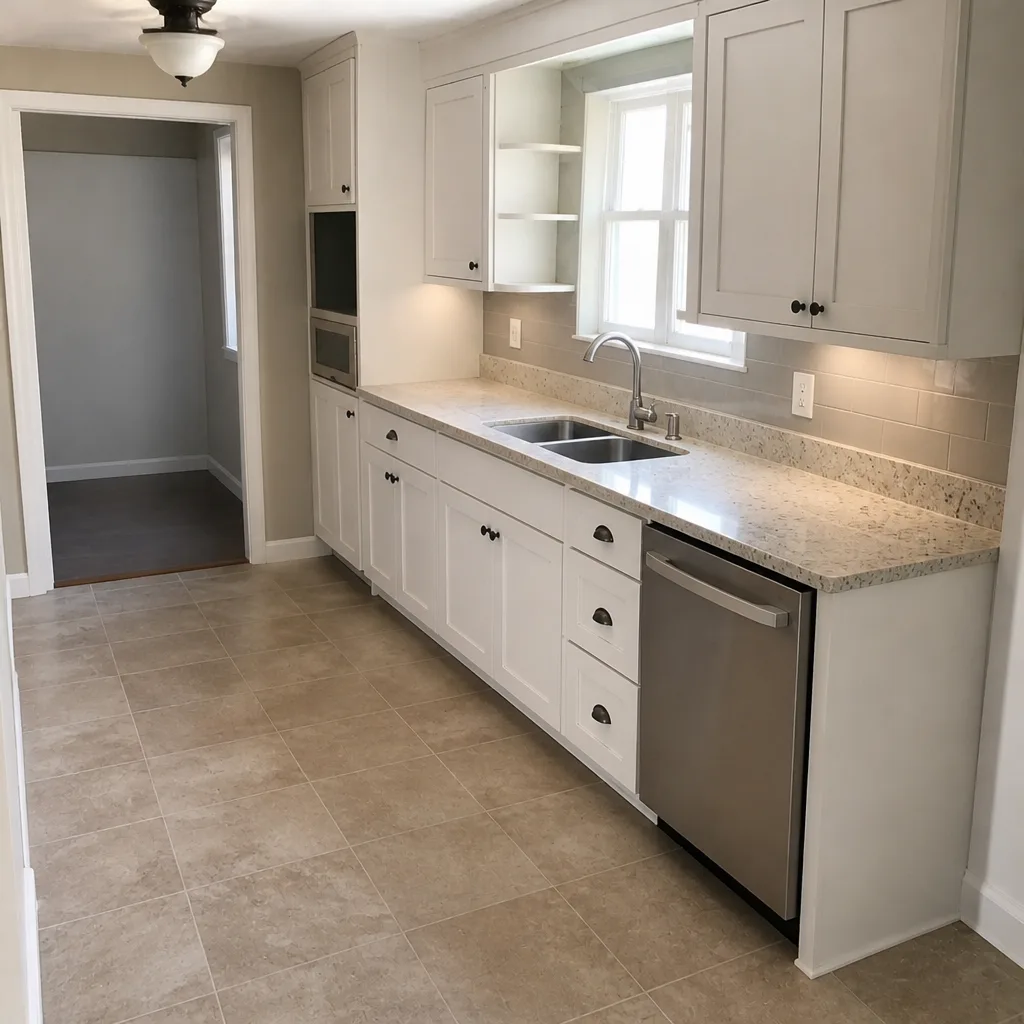
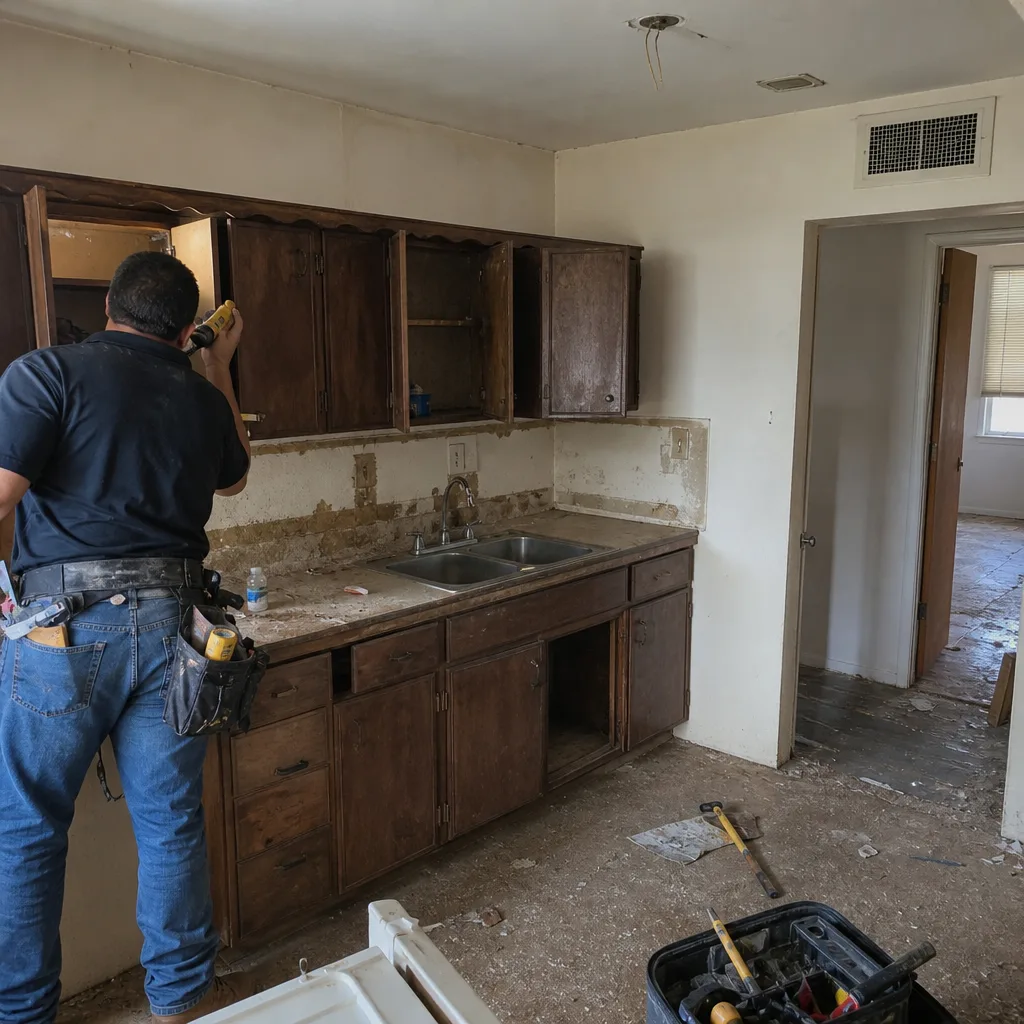
See the difference
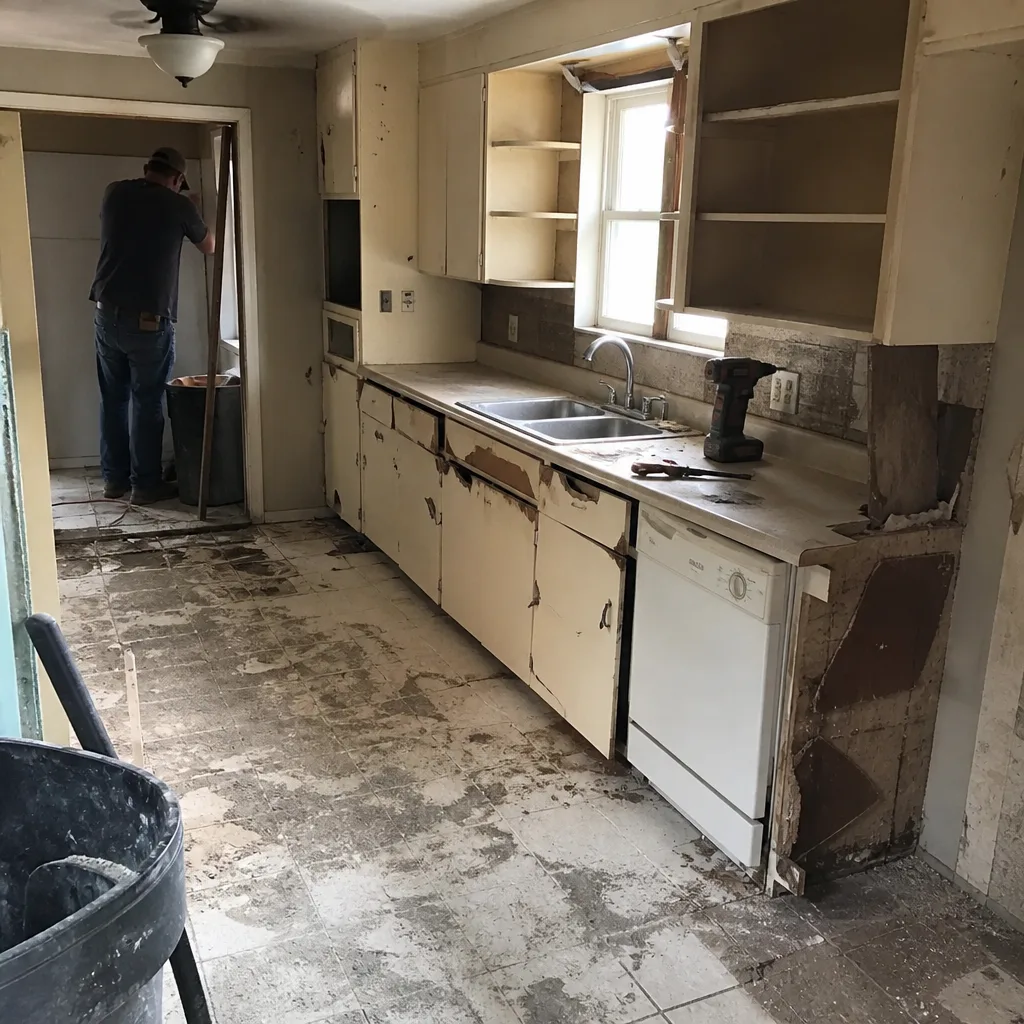 Before
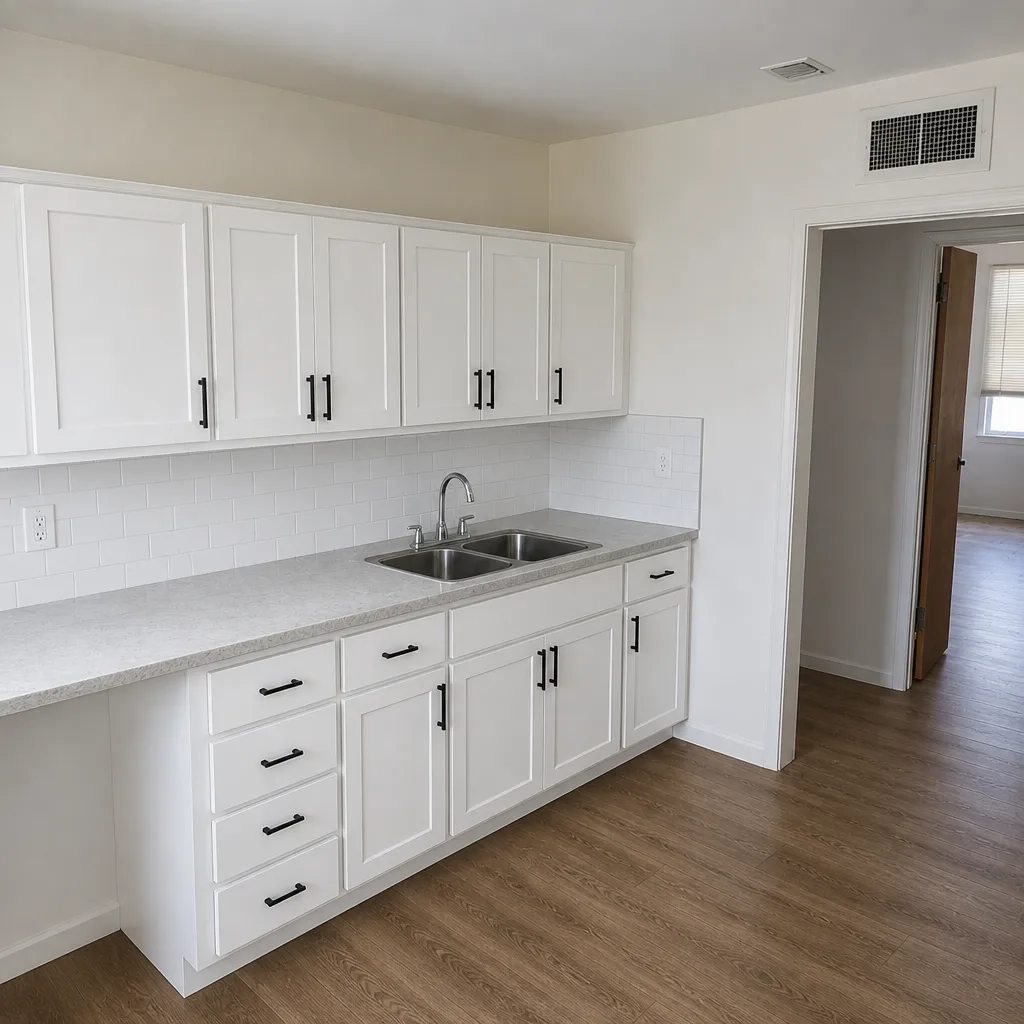
 After
 Before
 After
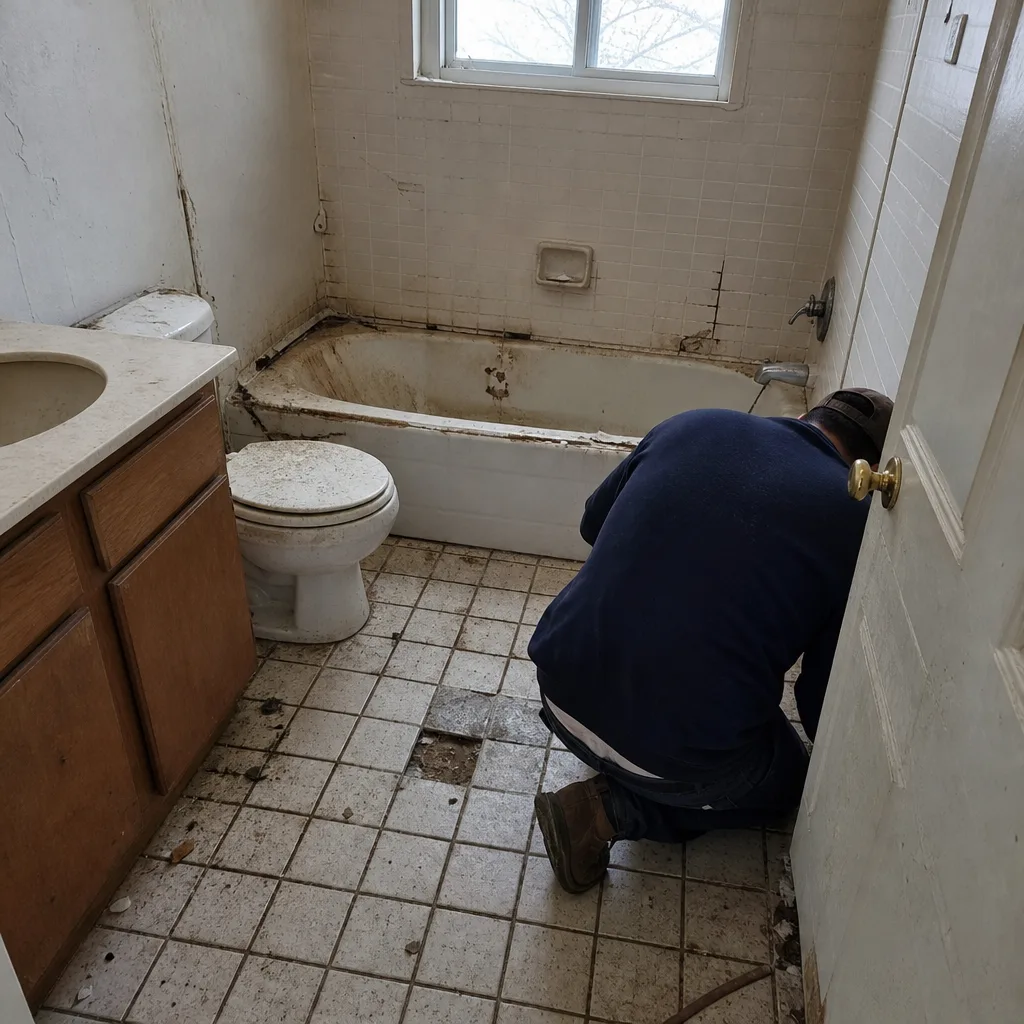 Before
 After
Frequently Asked Questions
Yes, if the work touches plumbing, electrical, or the mechanical systems. Cosmetic-only work like paint, tile over existing tile, and fixture swaps at existing connections typically doesn’t require a permit, but any change to the plumbing rough-in or electrical circuits does. Call the city permit office or ask a contractor to confirm before you start – a bathroom permit is cheap compared to an unpermitted surprise at resale.
Legally, a homeowner can do roof work on their own home, but we don’t recommend it. Roofing is height work with a real fall risk, it requires a permit for a full replacement, and the installation has to meet wind and code requirements to pass inspection and to satisfy your insurance carrier. A poorly installed roof is also the failure most likely to void a claim after the next hailstorm.
You have to disclose it. Texas seller’s disclosure requires you to note known defects and material facts, and unpermitted structural or systems work counts. Buyers who discover it during inspection or a permit search will typically ask you to permit and correct it, reduce the price, or walk. In most cases, permitting and correcting it retroactively costs more than doing it right the first time.
Replacing a light fixture or a switch at an existing circuit is a reasonable homeowner job in most cases. Panel work, new circuits, and anything tied into the service are not. The failure mode is a fire, and no inspection will sign off on it without a licensed electrician’s work. That’s the line.
On a hybrid remodel, the realistic savings come from demo, debris hauling, painting, and finish carpentry – typically 10 to 20 percent of the overall project cost, depending on scope. Taking on wet-area waterproofing or systems work usually costs more than it saves once the redo is factored in. Get the split in writing before work starts.
Yes. Every eligible job includes permits pulled and inspections signed off, and every price change is issued as a written change order before the work proceeds. You can look us up – our name, address, and license number are published. Call (888) 590-9867 for a free estimate, and we’ll walk through what your job actually requires.
The Bottom Line
The DIY-versus-professional decision isn’t about how handy you are. It’s about whether the failure is recoverable. Painting, finish work, fence repair, and paver resets are genuine DIY territory – get them wrong and you fix them yourself. Electrical, plumbing, structural, roofing, and anything requiring a permit are not, because the failure doesn’t show until an inspection, a fire, or a home sale. Run the honest DIY math before you decide, get the hybrid scope in writing if you go that route, and pull the permit either way. That’s the whole guide. The rest is judgment.
Barrett & Sons Construction is the owner-operated alternative in Arlington – founded here, with our name on every contract and a written 90-Day Done Right Promise on every job. If you’re weighing a project, start at the Barrett & Sons Construction Arlington home page, or just call us and ask. Because a bid you can read and compare is worth more than a phone quote you can’t verify, we offer a free second opinion on any written estimate. We also offer $40 off any repair over $200, no trip charge inside the county, and a permanent 10% Senior & Veteran discount. Call (888) 590-9867 today to schedule your free estimate.
Written by the team at Barrett & Sons Construction Arlington.